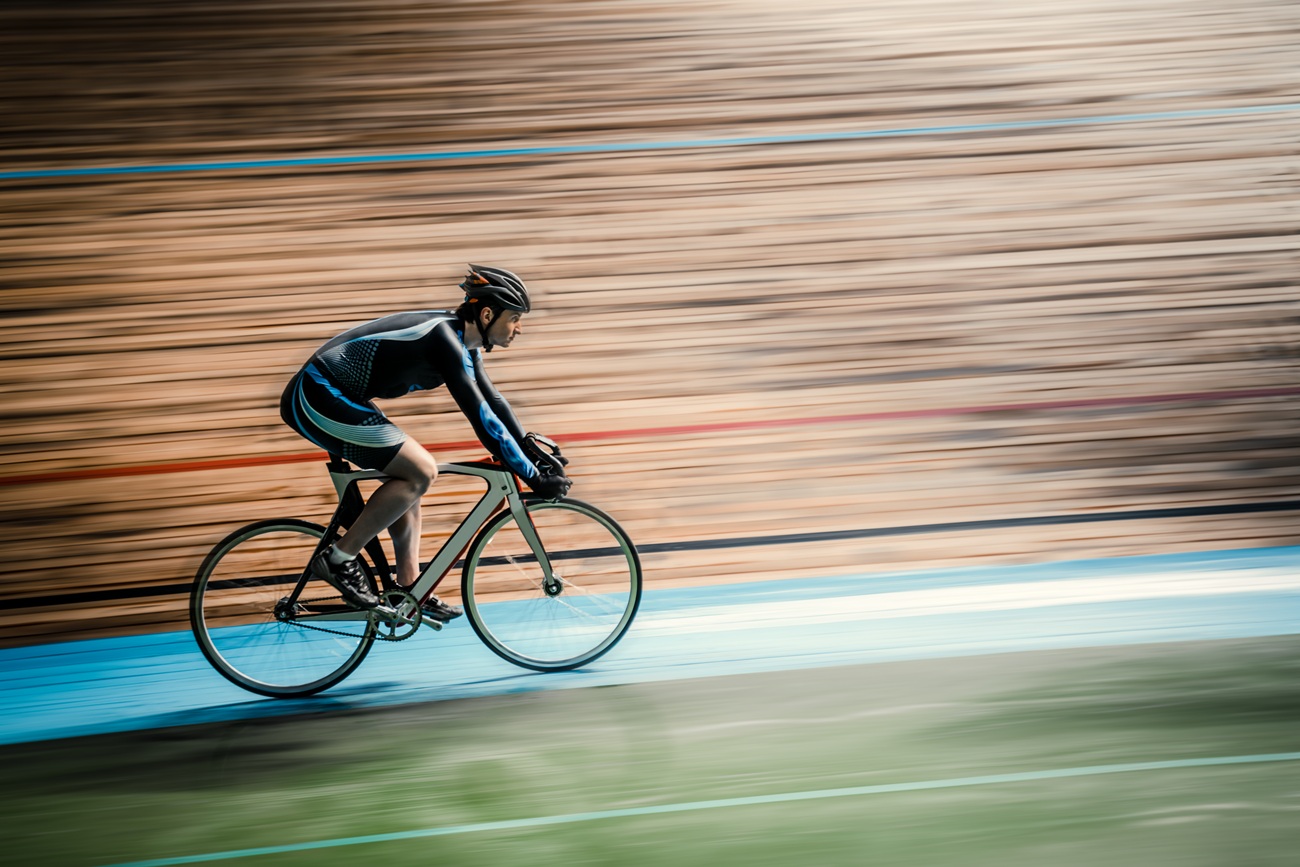
Choosing a carbon bike begins with analyzing the frame , which determines weight, stiffness, and comfort. The goal is to find a compromise that offers the best performance without compromising the rider's well-being. Next, the integration of the components ensures smooth performance with a balanced overall package. Finally, ergonomics allow you to adapt the bike to your body shape to maximize your enjoyment on every ride.
Carbon frame construction and performance
A carbon frame must combine torsional rigidity with vibration absorption. The fiber layers, the type of fiber, and the reinforcement placement all influence the feel. A good balance allows for efficient power transfer while filtering out terrain irregularities. Tube thickness and molding directly impact weight. A well-designed carbon bike remains responsive without being fragile.
Manufacturing also influences durability. High-quality carbon fiber is more resistant to minor impacts and material fatigue, making the bike more reliable in the long run. Choosing a well-optimized carbon bike means evaluating the construction and not just focusing on the listed weight.
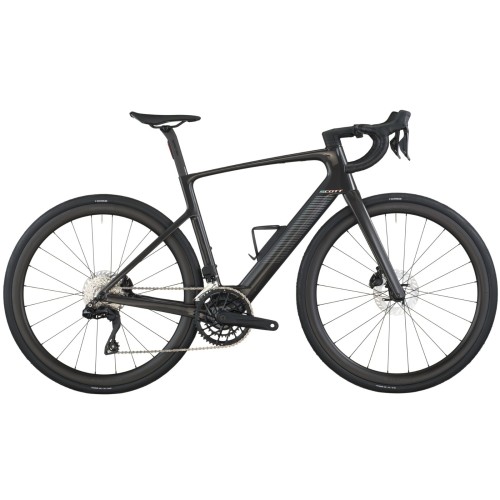
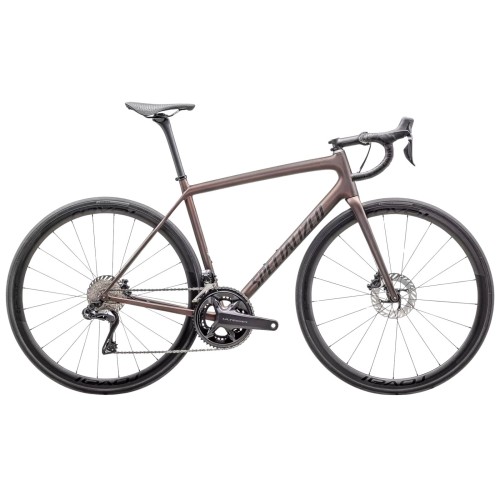
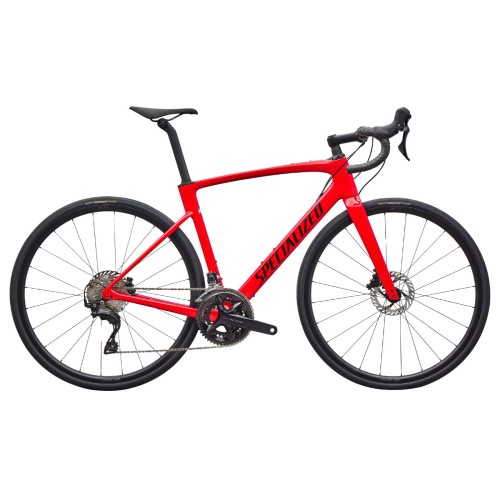
Specialized Aethos Pro Ultegra DI2 12s Satin Carbon / Red Pearl / Black 2025 carbon road bike
-8% €5,999.00 €6,499.00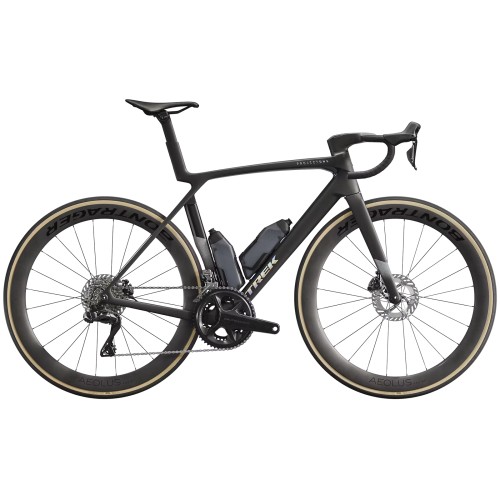
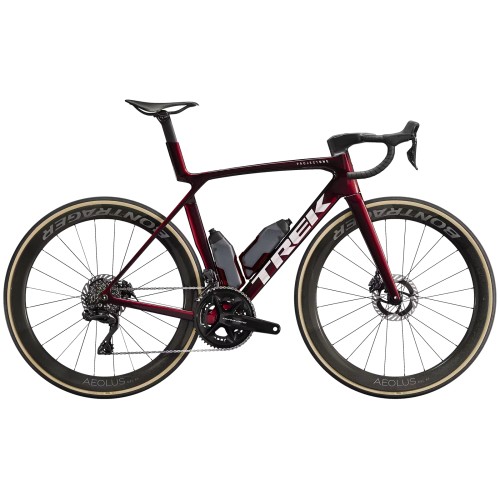
Trek Madone SLR 7 Gen.8 Ultegra Di2 12s Matte Carbon Smoke / Prismatic Pearl carbon road bike 2026
-13% €6,990.00 €7,999.00
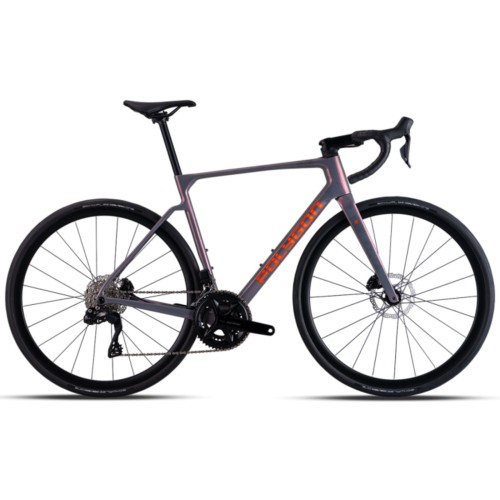
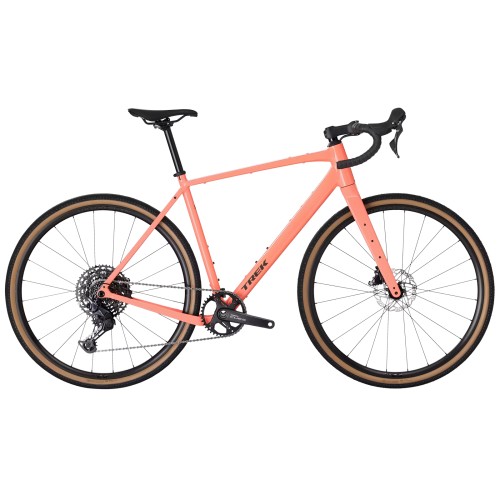
Trek Checkpoint ALR 4 Gen.3 Cues U8000 11s Living Coral 2026 gravel bike bike
-13% €1,299.00 €1,499.00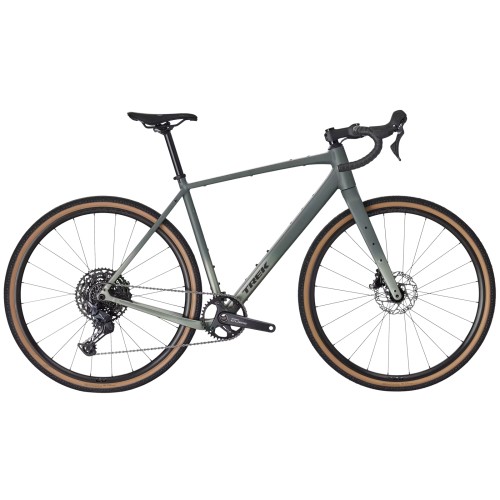
Trek Checkpoint ALR 4 Gen.3 Cues U8000 11s gravel bike Bike Matte Keswick Green to Lichen Fade 2026
-13% €1,299.00 €1,499.00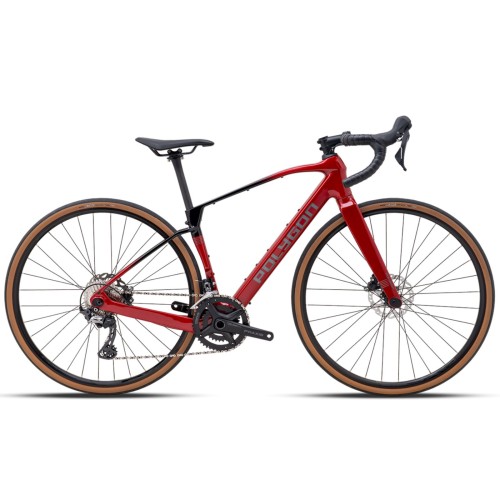
This approach prioritizes a carefully designed structure that combines performance, comfort, and longevity.
Component integration and carbon fiber bicycle aerodynamics
Carbon bikes benefit from seamless integration of cables, stem , and seatpost . This cohesion improves aerodynamics and offers a cleaner look. Concealed or integrated brakes further enhance this fluidity. This stylistic approach doesn't compromise functionality; it actually improves it.
Lightweight components help keep the weight reasonable. They must also be resistant to the stresses of daily use. A well-equipped carbon bike is one in which every element is lightweight, stiff, and reliable.
Intelligent integration ensures a better overall look and control without compromising the overall robustness.

Response to pedaling and performance of carbon bikes
Carbon excels at energy return. A well-calibrated frame efficiently transfers power to each pedal stroke. This translates into improved responsiveness during acceleration and more precise pedaling on climbs. The alignment of contact points with the frame , such as the bottom bracket , is crucial.
The drivetrain , combined with this rigid frame, operates with surgical precision. Concentrated effort translates immediately into forward motion and speed. The carbon bike reaches its true potential when this mechanical link is smooth and lossless.
The feeling of efficiency and unity with the bike provides increased motivation on long rides or demanding segments.
Vibration comfort and carbon fiber bicycle seat
Carbon fiber filters vibrations better than aluminum. This comfort is particularly noticeable on long rides. The frame 's vertical compliance is a real advantage for protecting your joints. It allows you to cover long distances without feeling the impact of the road.
The tires, saddle , and handlebar complete this damping. They work together to provide a balanced riding position. A well-designed carbon bike remains comfortable without sacrificing the stiffness necessary for performance.
The result is a high-performance bike that is also easy to use on varied terrain.
Ergonomic Adjustment and customization of carbon bikes
A carbon frame must offer sufficient modularity. Seatpost cleats , stem covers, and handlebar adapters allow for a customized fit. These adjustments are crucial for aligning the knees, hips, and shoulders, and maintaining an efficient posture over time.
Good ergonomics reduce muscle tension and friction points. Contact with the bike becomes more natural. The carbon bike becomes an integral part of the rider, promoting lasting comfort.
This personalization increases perceived performance and consistency in effort.
Controlled weight and robustness carbon bike
Carbon fiber allows for weight reduction without sacrificing strength. However, a frame that is too light may lack durability over time. Balance is essential. The frame needs to be dense at stress points. This protects against cracks and fiber fatigue.
A balanced structure offers an excellent combination of responsiveness during acceleration and endurance over long distances. An optimal carbon bike remains lightweight yet reliable.
The moral longevity of the frame reinforces confidence in sustained and frequent use.
Specific Maintenance and durability of carbon bikes
Carbon fiber is not very resistant to violent impacts. The frame should be inspected regularly, especially in vulnerable areas. Integrated components must remain removable. Rigorous maintenance ensures durability. The condition of the hydraulic surfaces and contact points should also be checked.
A reliable composite build requires careful maintenance. This ensures that your carbon bike retains its qualities over the long term.
Careful maintenance becomes a sign of respect for the fine mechanics that this bicycle represents.
Comparative table
| Appearance | Key criterion |
|---|---|
| Frame | Rigid but comfortable construction |
| Integration | Hidden components, fluid |
| Yield | Precise and responsive pedaling |
| Comfort | Vibration absorption |
| Customization | Adjustable fit to body shape |
| Weight/robustness | Lighten without weakening |
| Maintenance | Inspect and preserve for the long term |
This table summarizes the essential priorities for a good balance between performance, comfort and sustainability.
Recommended uses for carbon fiber bicycles
Carbon fiber is ideal for climbs, long rides, and time trials. It truly shines where efficiency matters. On mixed roads, this material also excels in its versatility. Its performance remains smooth and energy-efficient, regardless of the terrain.
However, it is suitable for regular and demanding rides. Because it requires a sometimes challenging posture, it is less suited to very casual use.
When used correctly, carbon fiber restores all its mechanical superiority to the cyclist who is attentive to their settings.
Personal preferences and carbon bike test
Testing a bike allows you to feel its stiffness, responsiveness, and fit. Every cyclist experiences frame compliance and riding position differently. A real-world test allows you to verify the consistency between expected sensations and reality. Actual use remains the best judge.
Each feeling builds confidence in the choice of frame . It guides the technical purchase towards accumulated experience.
FAQ
Why is carbon preferred on road bikes?
It offers an excellent stiffness-to-weight ratio while effectively filtering vibrations.
Is a carbon frame sustainable?
Yes, provided it is maintained, regularly inspected and protected from major impacts.
How can you tell if a carbon frame is strong?
The presence of visible reinforcements in sensitive areas and the absence of cracks after testing are good indicators.

Related Posts
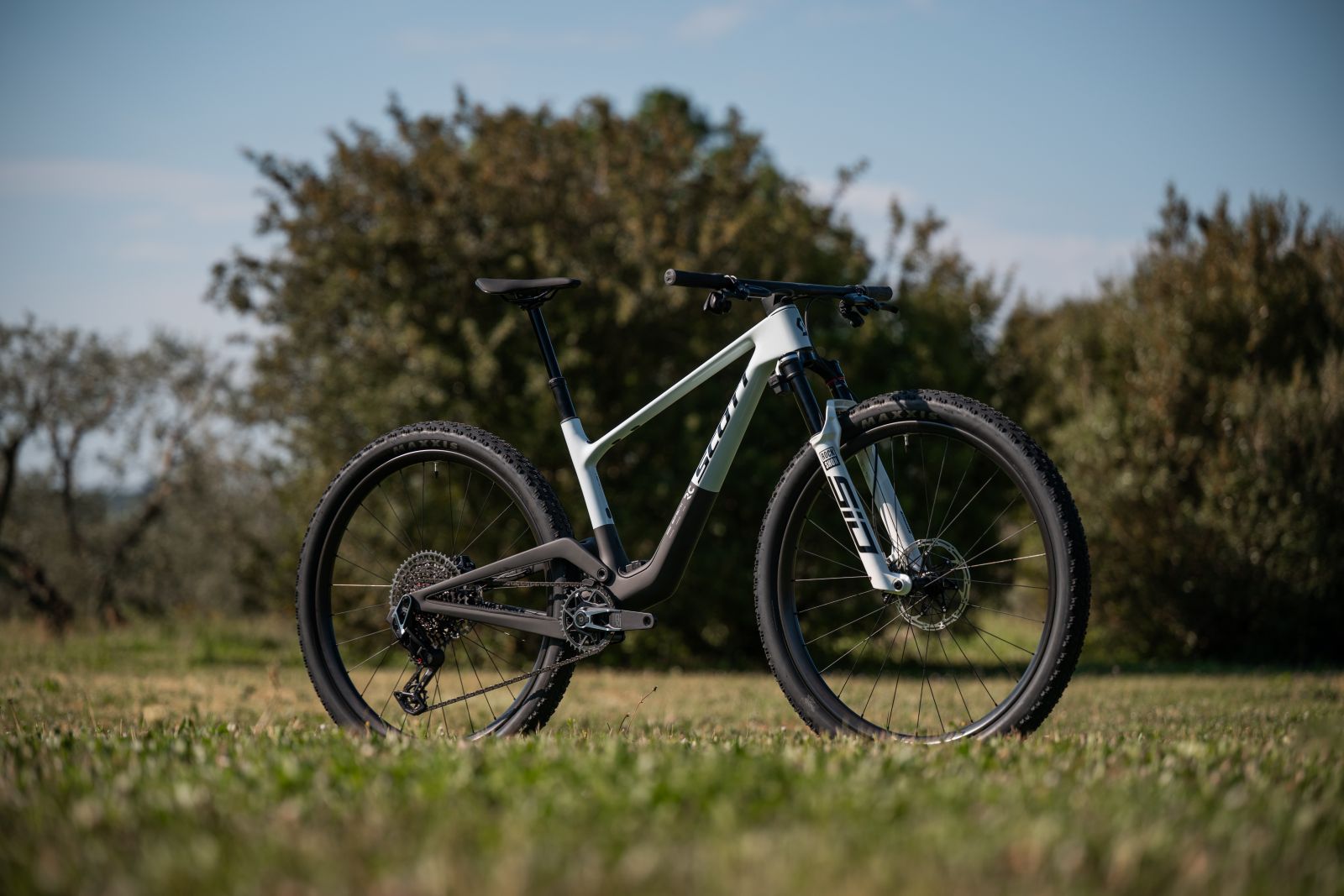
The Scott Spark RC World Cup and Expert 2027 push the boundaries of XC even further. Flight Attendant suspension, Syncros carbon wheels and top-level performance: discover our full review.
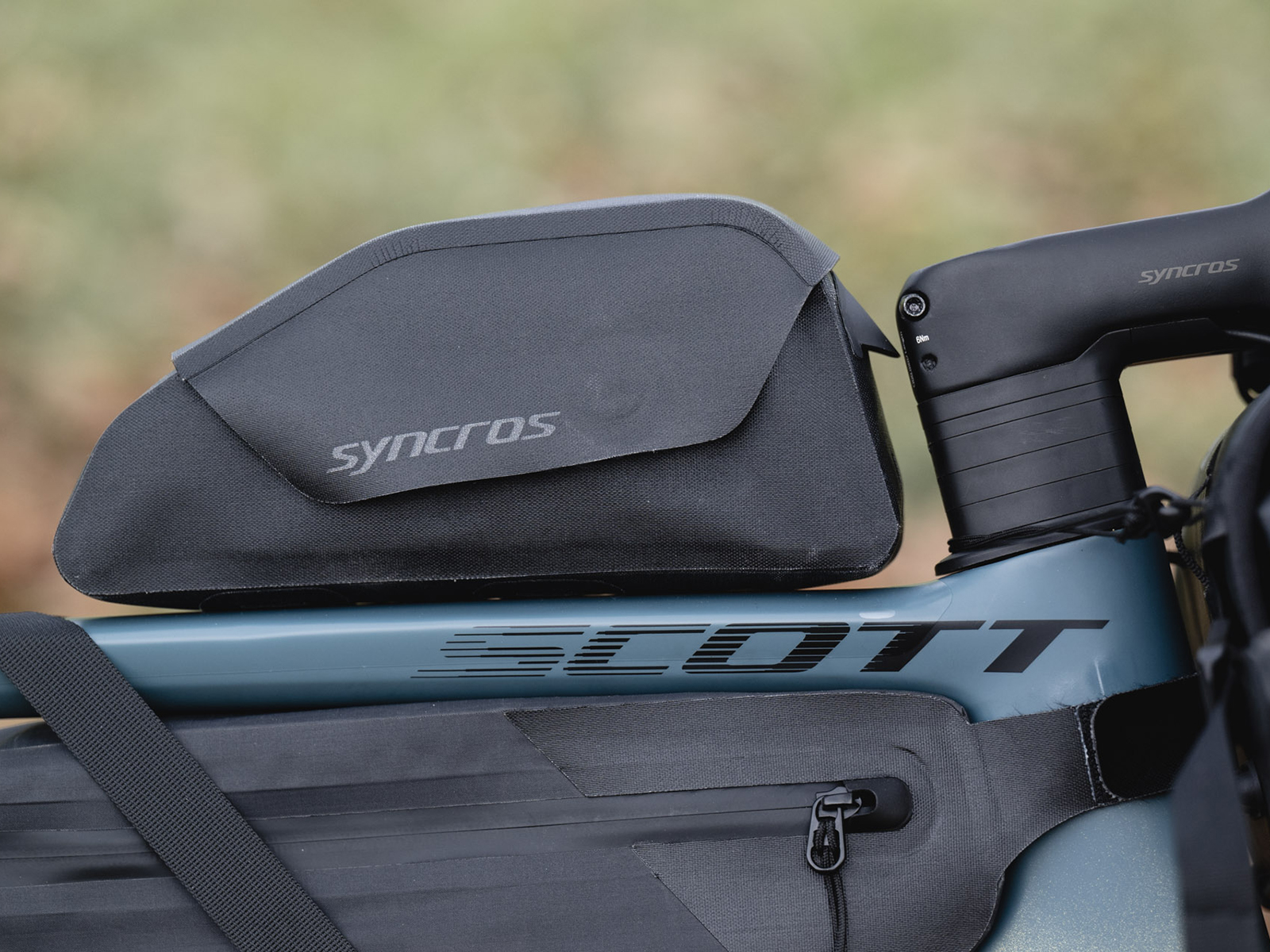
The pannier has become an essential piece of equipment for many cyclists. Whether for daily commutes, bike riding, long rides, cycle touring, bikepacking, or simply leisurely outings, it allows you to carry your belongings comfortably without carrying a load on your back. A well-chosen pannier improves comfort, maintains the bike's balance, and makes organizing your gear easier.
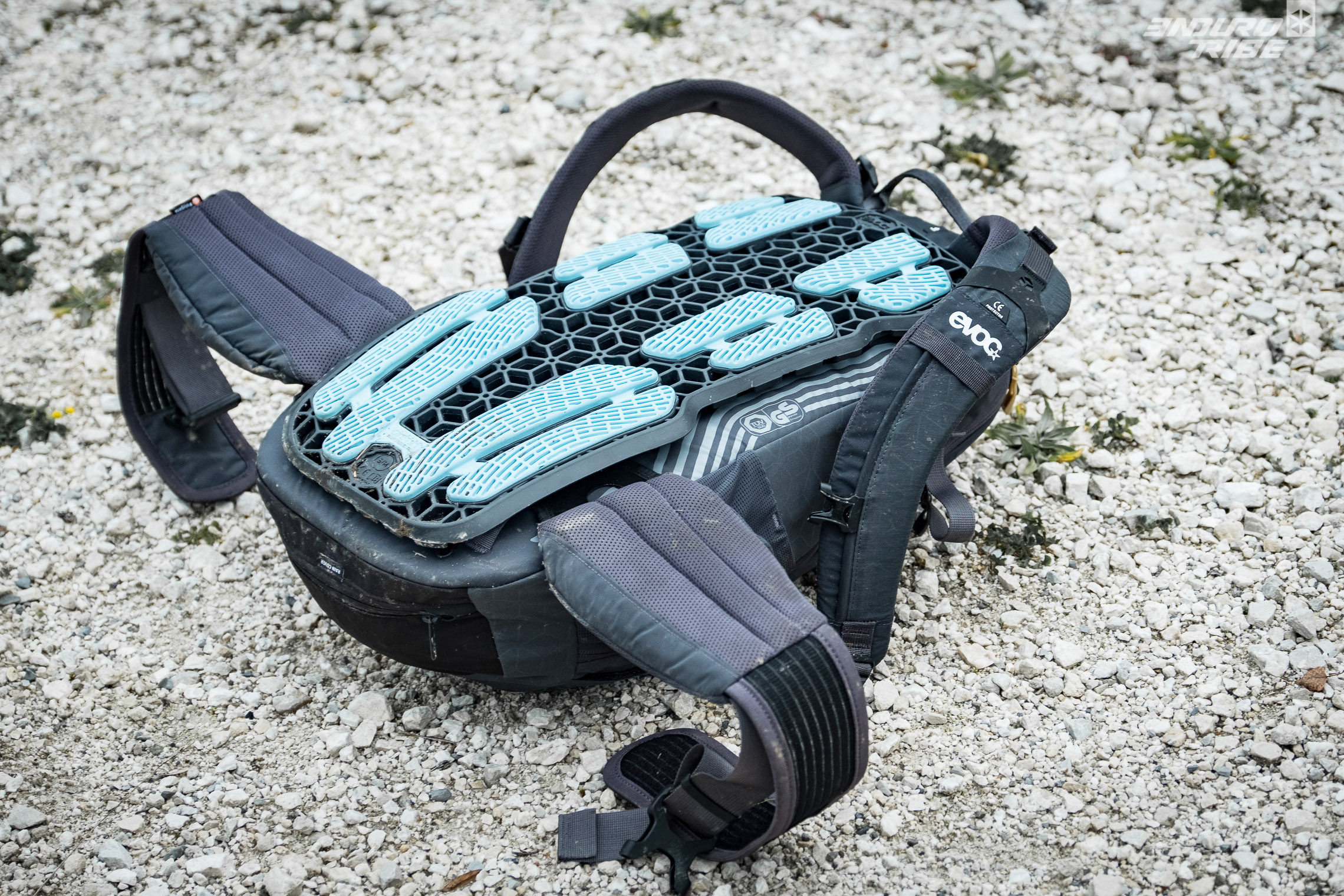
Choosing a cycling backpack requires finding the right balance between comfort, capacity, stability, rain protection, and easy access to your gear. A good bag shouldn't just carry things. It should stay securely in place, not interfere with pedaling, minimize back perspiration, and effectively protect essential items. Whether you're commuting to work, going for a sporting activity, cycling around town, touring by bike, or hiking, your needs will differ.
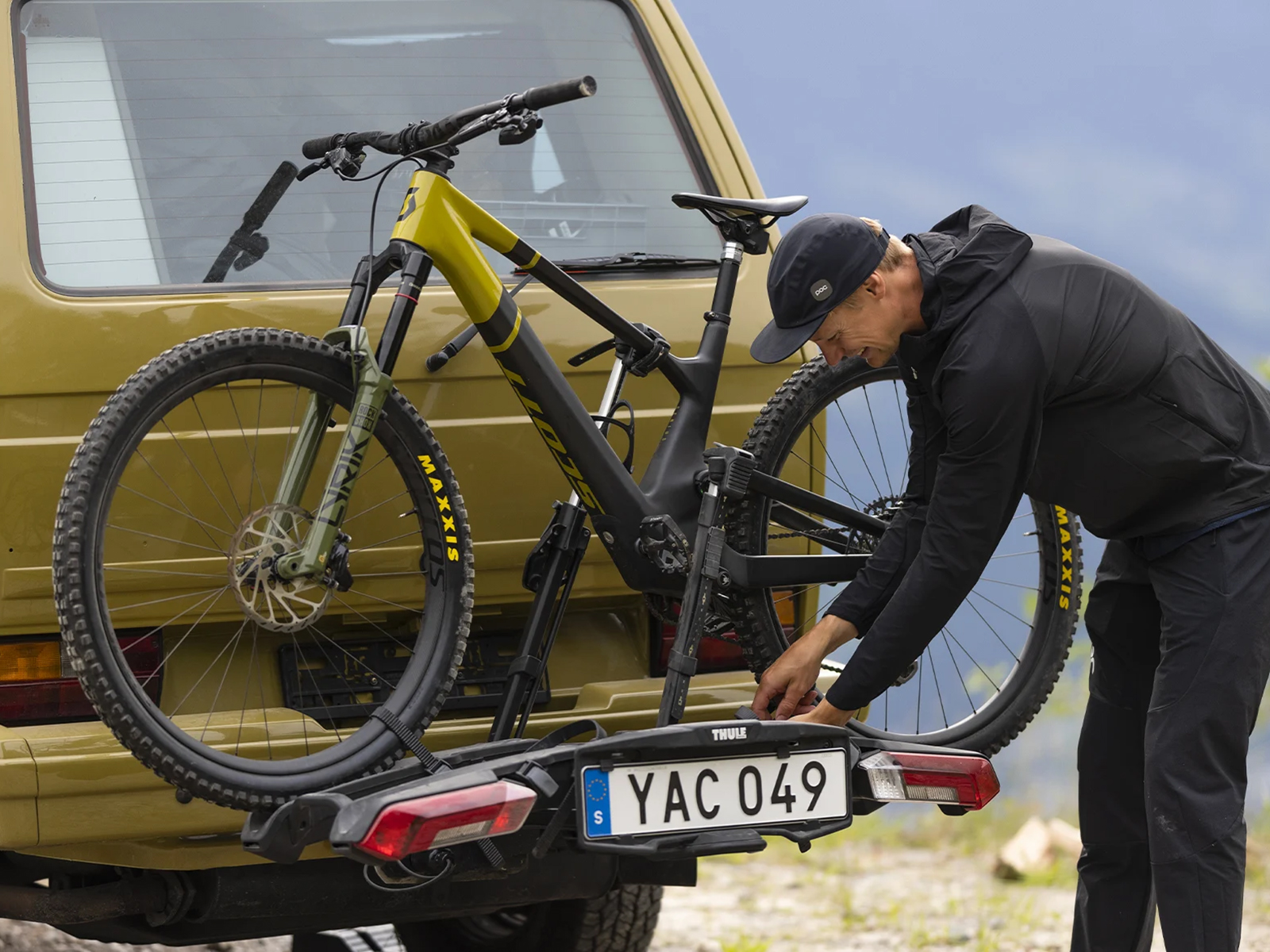
Choosing the right bike rack is essential for transporting your bikes safely, protecting your equipment, and enjoying a worry-free journey. Given the wide variety of systems available, identifying the best solution for your vehicle, the number of bikes you're carrying, or your intended use isn't always easy. Between hitch-mounted, tailgate-mounted, and roof-mounted models, there are many differences in terms of load capacity, ease of installation, compatibility, and user-friendliness.
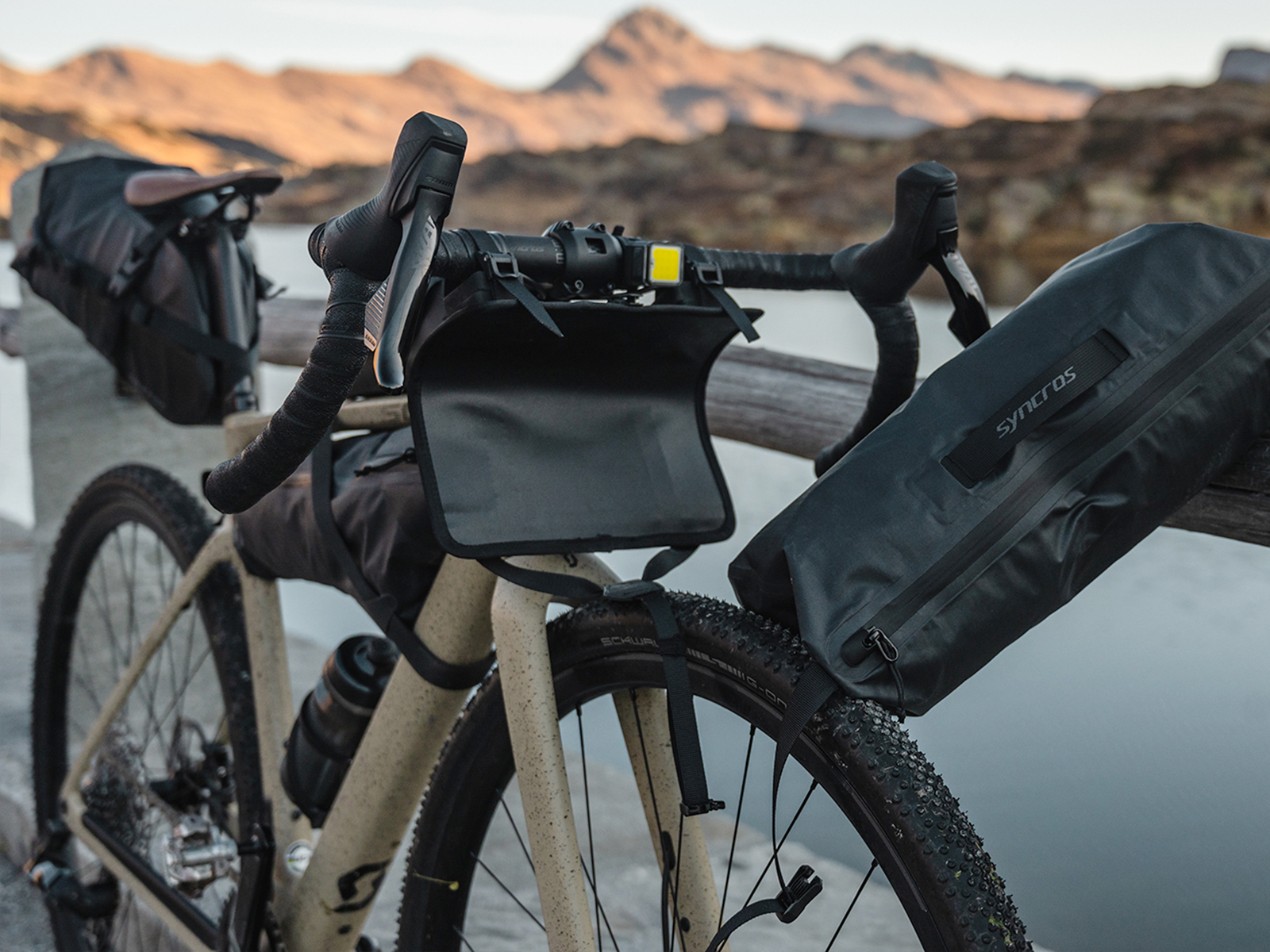
Bikepacking is an adventure cycling practice that involves traveling independently with a lightweight load attached directly to the bicycle. Unlike traditional cycle touring, which uses racks and large panniers, bikepacking favors compact bags distributed across the frame , handlebar , and tige de saddle . This approach allows for a bike that remains agile, efficient, and suitable for varied terrain, whether roads, tracks, forest paths, or trails.
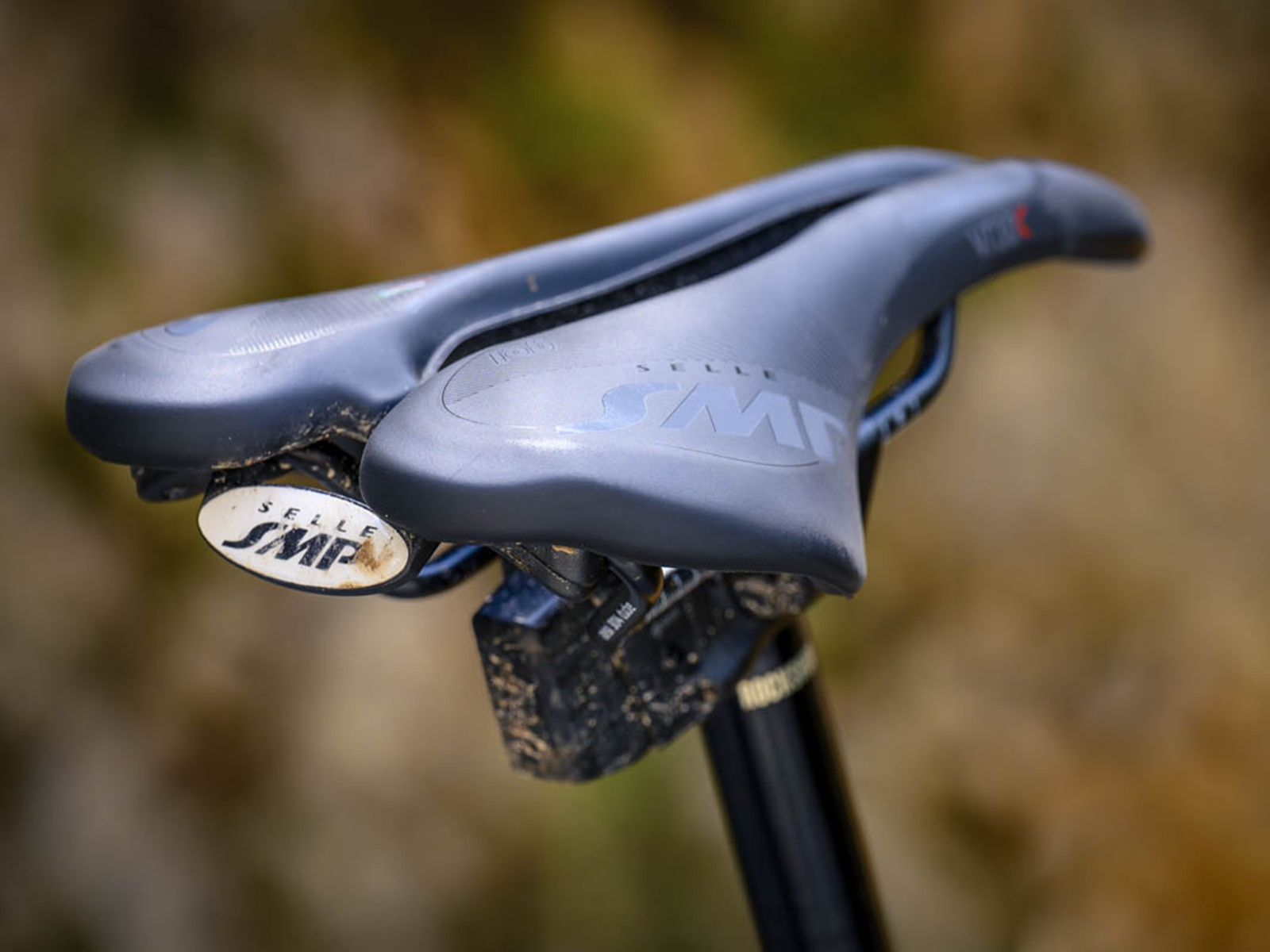
Choosing the right saddle is one of the most important factors in improving comfort, performance, and enjoyment of off-road riding. An unsuitable saddle can cause pelvic pain, chafing, numbness, or reduced pedaling efficiency. Conversely, a well-chosen saddle allows for better power transfer, maintains a stable position on the bike, and lets you fully enjoy your rides, whether it's trail riding, cross-country, enduro, or downhill. The shape, width, padding, materials, and type of riding all directly influence the choice. Therefore, it's essential to consider your body type, riding style, and riding habits before making your selection.