Choosing a smart trainer isn't just about comparing prices. It's about selecting equipment that accurately replicates the feel of riding on the road, supports your progress, and integrates seamlessly with your bike and training environment. Resistance, power, app compatibility, sensor accuracy, noise level, stability, direct or internal drivetrain … every detail matters. A poor choice can limit your performance or your enjoyment. Conversely, the right model transforms every session into a truly immersive experience.
At Rêve de Vélo, both online and in our stores in Montpellier, Nîmes, Lunel and Ventoux, we provide daily support to road cyclists, triathletes and mountain bikers in their choice of connected home trainer. Our field expertise allows us to identify the truly decisive criteria. The goal is not just to cycle indoors, but to structure an effective, precise, and motivating training program.
Why choose a smart home trainer?
A connected home trainer It offers much more than just a support for indoor riding. It allows you to control the electronic resistance based on a virtual course, a training program, or a specific session. Thanks to the protocols ANT+ And Bluetooth, It communicates with interactive platforms. Power, cadence, and sometimes heart rate are analyzed in real time.

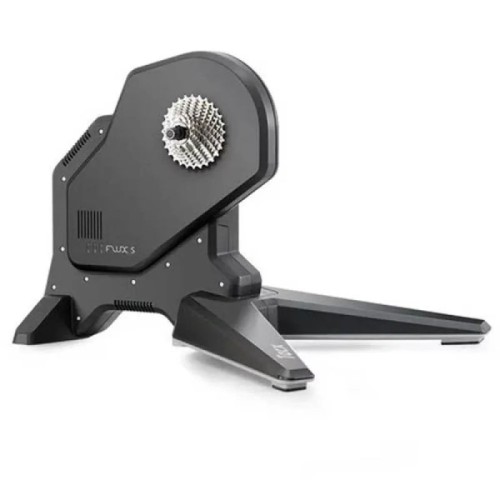
This type of equipment is particularly appreciated for maintaining a consistent training level in winter or during busy periods. connected home trainer eliminates weather constraints, makes intensive sessions safer, and allows for targeted training. power zones. The efforts are reproducible and measurable. To make progress, this precision is essential.
Unlike a classic model with magnetic or fluid resistance, the connected home trainer It automatically adjusts the difficulty. During a virtual climb, the resistance increases. During a descent, it decreases. This interaction creates realistic immersion and promotes mental engagement.
The different types of connected home trainers
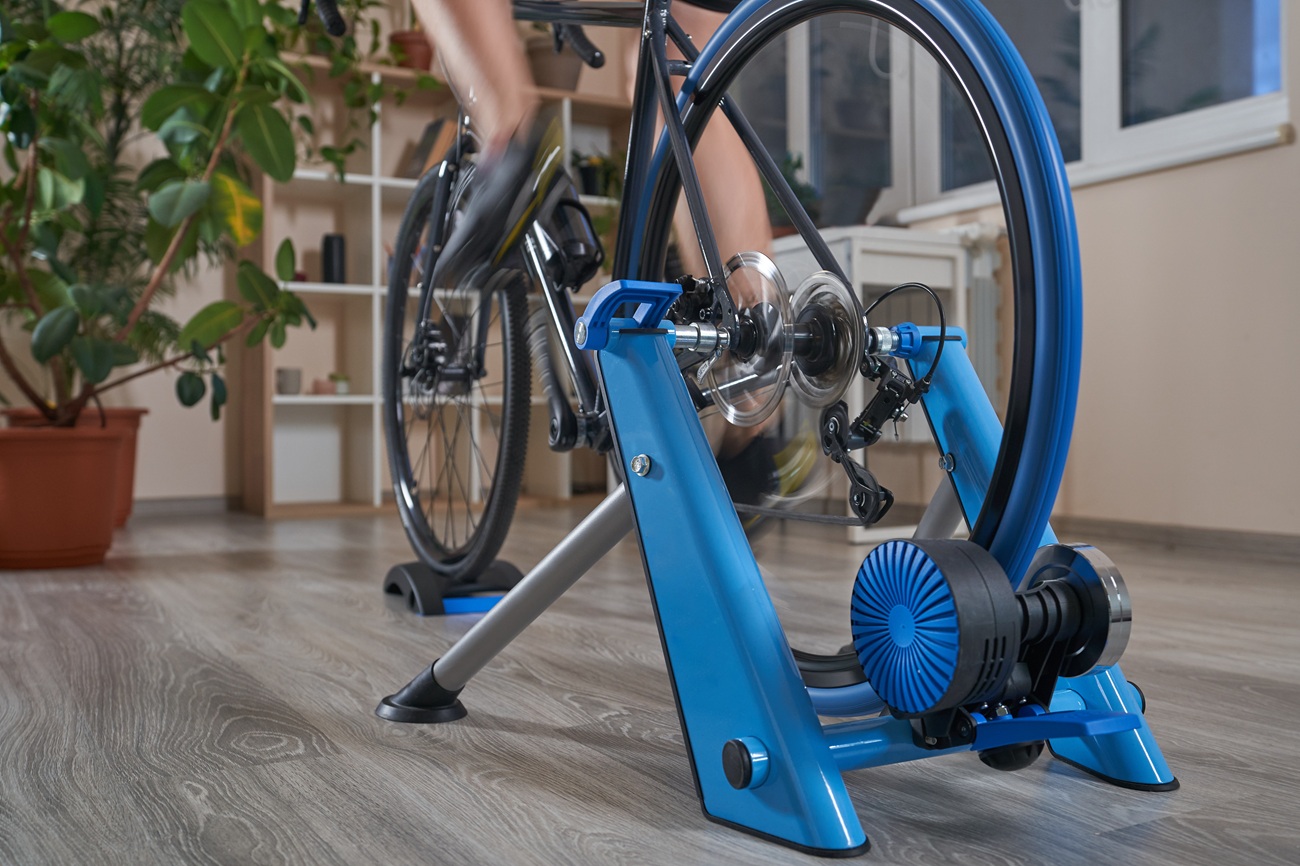
There are several architectures of connected home trainer. The wheeled model is easy to install. The rear wheel stays in place and rests on a roller. It's a practical solution, often more affordable. However, wear and tear on the tyre is real and the accuracy of the power can vary.
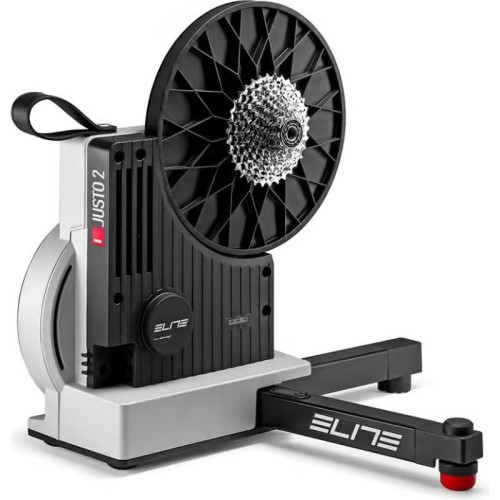
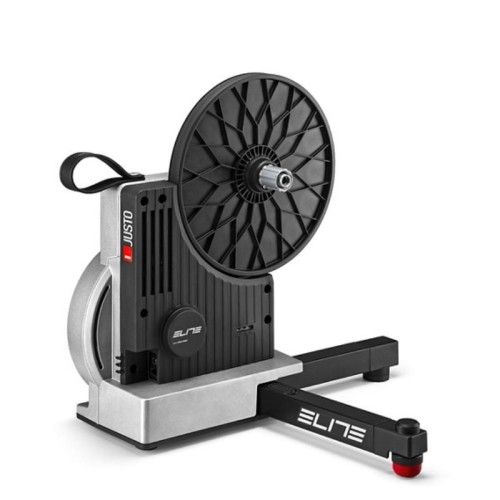
THE connected home trainer has drivetrain Direct mounting, however, requires removing the rear wheel. The bike attaches directly to a cassette integrated. This system guarantees better stability, a drivetrain Smoother and more reliable power measurement. The feel is significantly closer to the road.
Finally, some connected rollers allow for balance training. This type of connected home trainer This is aimed at experienced cyclists. The absence of a fixed frame requires technical skill, but improves coordination and pedaling fluidity.
The accuracy of power on a connected home trainer
Measurement accuracy is a key criterion. connected home trainer reliable, displays a low margin of error. For structured training, especially in FTP or in preparation for competition, this data is crucial.
An integrated power sensor allows for the analysis of watt developed consistently. Some models incorporate a cadence sensor and offer a steep slope simulation. connected home trainer must be able to absorb significant intensities without loss of fluidity.
Plus the flywheel The heavier the bike, the more natural the pedaling sensation. This inertia replicates the momentum of a bicycle traveling at real speed. For a demanding cyclist, this parameter greatly influences riding comfort.
Compatibility and applications for connected home trainers
A connected home trainer A high-performing program must be compatible with the main virtual training platforms. These applications allow users to follow structured plans, participate in online races, or ride on modeled real-world courses.
Wireless communication via Bluetooth Smart Or ANT+ guarantees a stable connection. The connected home trainer must be compatible with your computer, tablet, or smartphone. Also check compatibility with your bike computer GPS if you wish to save your data.
Good software integration improves the experience. Resistance adapts automatically. Data is saved. The connected home trainer It then becomes a true performance analysis tool.
The noise level of a connected home trainer
Noise is an often underestimated factor. connected home trainer Its quiet operation allows you to train early in the morning or late at night without disturbing those around you. The models with drivetrain Direct methods are generally more discreet.
The quality of bearings, the design of electromagnetic braking system And the stability of the chassis influences the noise level. connected home trainer High-end technology limits unwanted vibrations.
A special mat further reduces noise and protects the floor. Together, these contribute to a comfortable training environment.
The stability and robustness of the connected home trainer
A connected home trainer It must offer a wide and rigid base. During sprints or efforts while standing on the pedals, the structure is under considerable stress. Good stability prevents excessive lateral movement.
The weight of the device plays a role. One connected home trainer A more massive structure is often more stable. The materials used, such as reinforced steel or aluminum, guarantee increased durability.
For powerful cyclists or those of imposing stature, this criterion should never be overlooked. Sturdy equipment ensures safety and longevity.
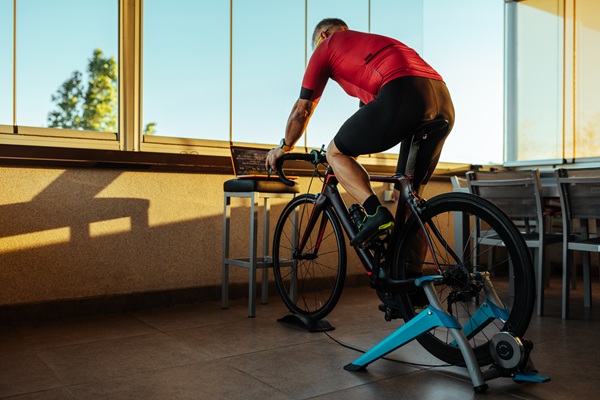
Compatibility with your bike and your drivetrain
Before choosing a connected home trainer, check compatibility with your frame and your rear axle. Standards vary between quick release And thru axle. Poor compatibility complicates installation.
There cassette of connected home trainer must correspond to the number of speeds in your drivetrain. Road, gravel bike Or MTB, Each configuration requires special attention.
The brakes on rotor, THE chain stays Wide rear wheels or carbon frames sometimes require specific adapters. Expert advice can help avoid mistakes.
What budget is needed for a smart home trainer?
The price of a connected home trainer The price varies depending on the onboard technology. Wheeled models are more affordable. Versions with drivetrain Direct, more precise and quieter, represent a greater investment.
| Kind | Benefits | Cycling profile |
|---|---|---|
| On wheels | Easy installation, affordable price | Occasional training |
| Drivetrain direct | High precision, silence, stability | Intensive training |
| Connected rollers | Balance work, a feeling of freedom | Experienced cyclist |
Investing in a connected home trainer High quality ensures greater longevity and consistent accuracy. For regular training, this investment quickly pays for itself.
The training environment with a connected home trainer
A connected home trainer It requires a suitable space. A well-ventilated room limits overheating. Using a fan improves comfort. Sweating is significant during intense exertion.
A stand for a computer or tablet makes reading the data easier. connected home trainer fits ideally into a dedicated, stable and unobstructed space.
Bring a towel and a sanitary pad. frame It prevents premature wear and tear. A well-organized environment promotes regular sessions.
The advanced features of a connected home trainer
Some models of connected home trainer They offer features such as downhill simulation, pedaling analysis, and automatic calibration. These functions enhance the user experience.
The ability to perform an FTP test directly via the connected home trainer It simplifies progress tracking. Software updates ensure continuous improvement.
A ERG mode It maintains constant power, regardless of the gear used. It's a valuable tool for structured intervals.
Why trust an expert to choose a smart home trainer?
Choose a connected home trainer It requires genuine technical expertise. Every cyclist has a different profile. Objectives, training frequency, type of bike, space constraints... all influence the choice.
At Rêve de Vélo, the support provided is based on in-depth knowledge of equipment and real-world cycling experience. connected home trainer A well-selected one becomes a reliable and motivating training partner.
Precise advice avoids incompatibilities and guarantees a smooth experience from the very first session. Performance often stems from an informed choice.
FAQ
Is a connected home trainer suitable for beginners ?
Yes, a smart trainer is suitable for beginners as well as experienced cyclists. It allows you to follow guided workouts and automatically adjusts the resistance to the user's level.
Do you need an external power meter with a connected home trainer ?
Most models include a precise power meter. An external sensor is generally not necessary except for comparing different bikes.
Is a smart home trainer compatible with all bikes ?
Compatibility depends on the type of axis and the drivetrain. It is essential to check the standards before purchasing.
Can you use a connected home trainer without an app subscription ?
Yes, it can function in free mode. However, interactive applications optimize the experience and progression.
Does the connected home trainer wear out the bike ?
Wear and tear remains limited if themaintenance is regular. The models at drivetrain direct reduce wear on tyre back.
What is the lifespan of a connected home trainer ?
A quality model, properly maintained, can last for many years while maintaining reliable accuracy.

Related Posts
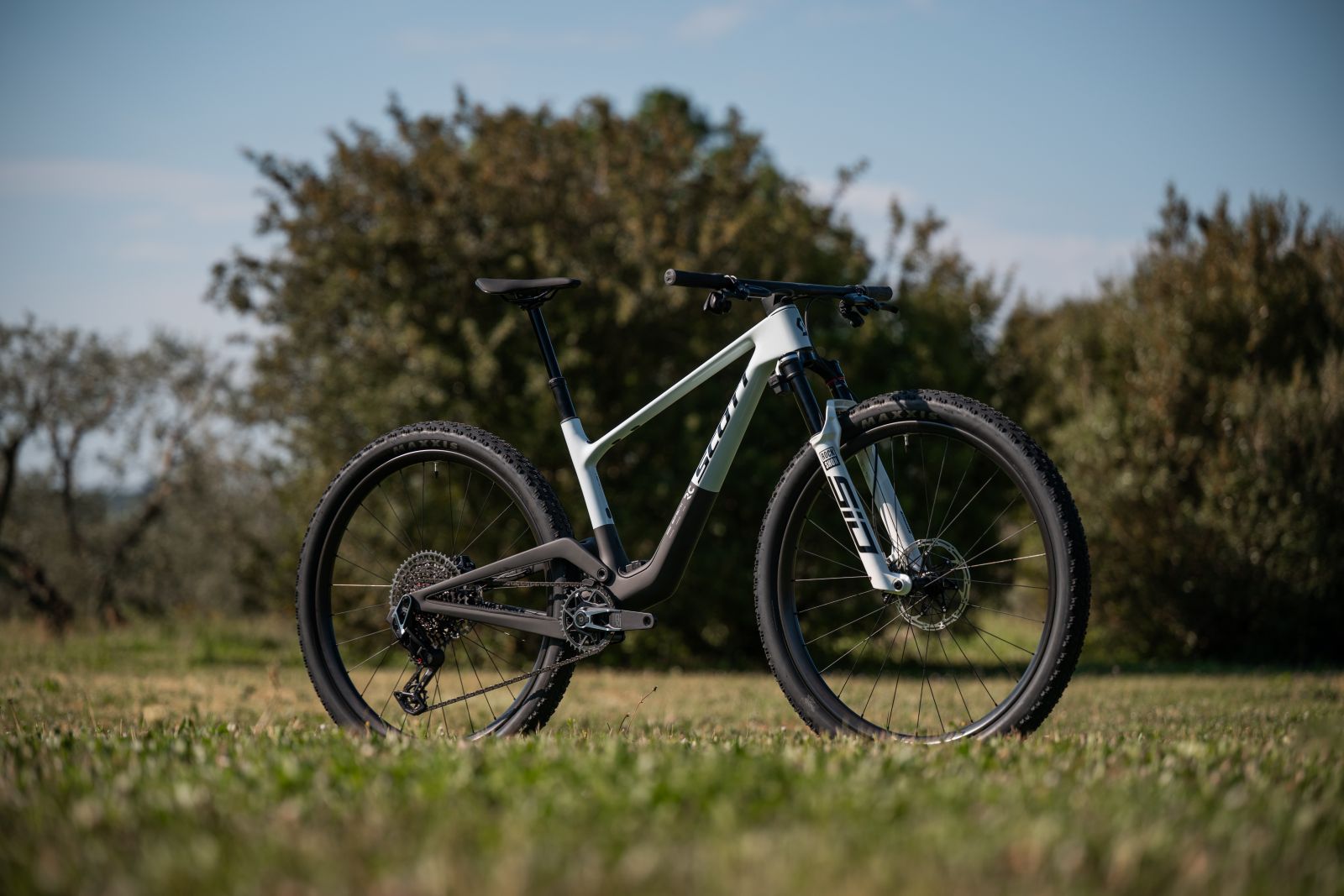
The Scott Spark RC World Cup and Expert 2027 push the boundaries of XC even further. Flight Attendant suspension, Syncros carbon wheels and top-level performance: discover our full review.
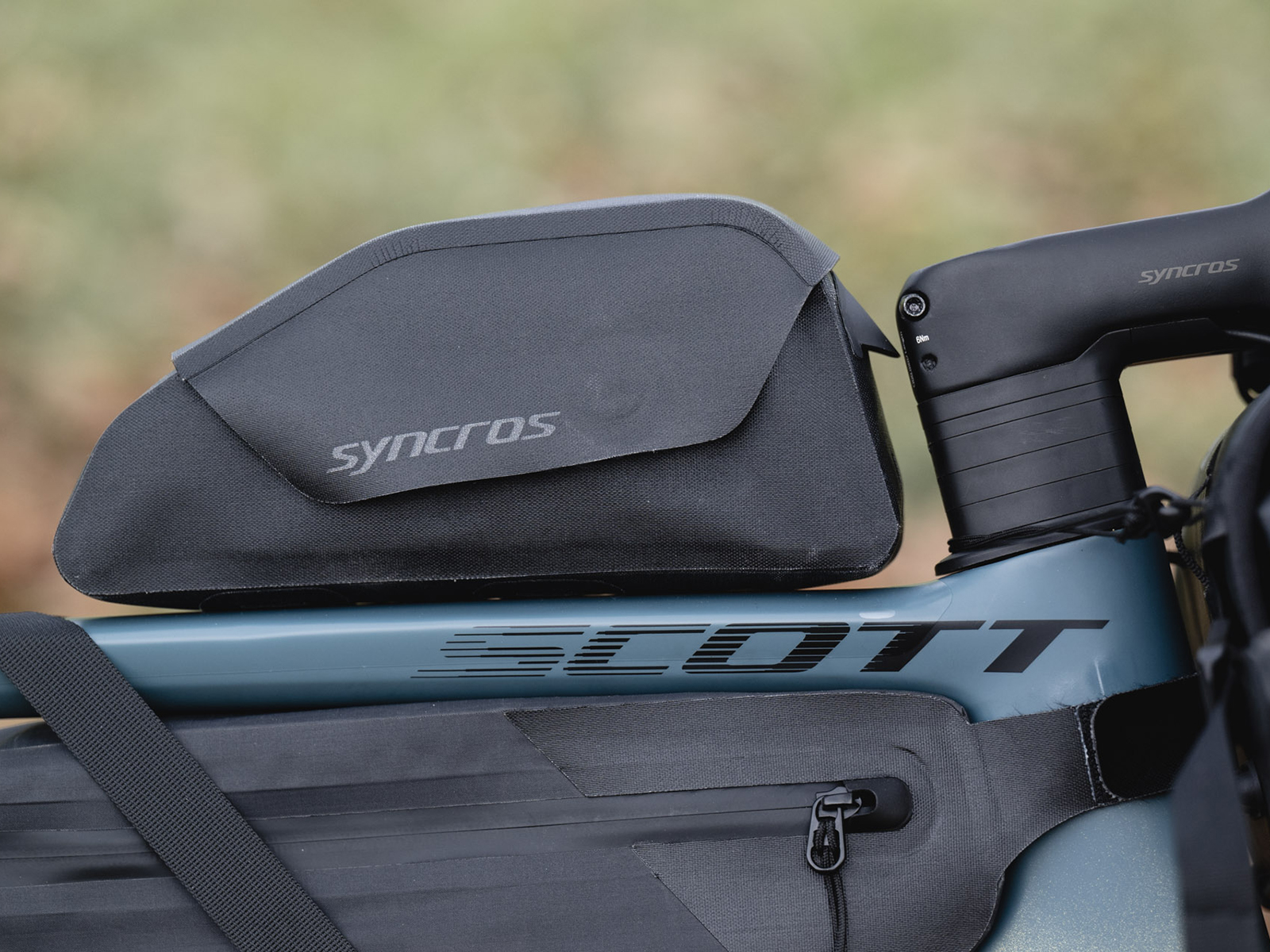
The pannier has become an essential piece of equipment for many cyclists. Whether for daily commutes, bike riding, long rides, cycle touring, bikepacking, or simply leisurely outings, it allows you to carry your belongings comfortably without carrying a load on your back. A well-chosen pannier improves comfort, maintains the bike's balance, and makes organizing your gear easier.
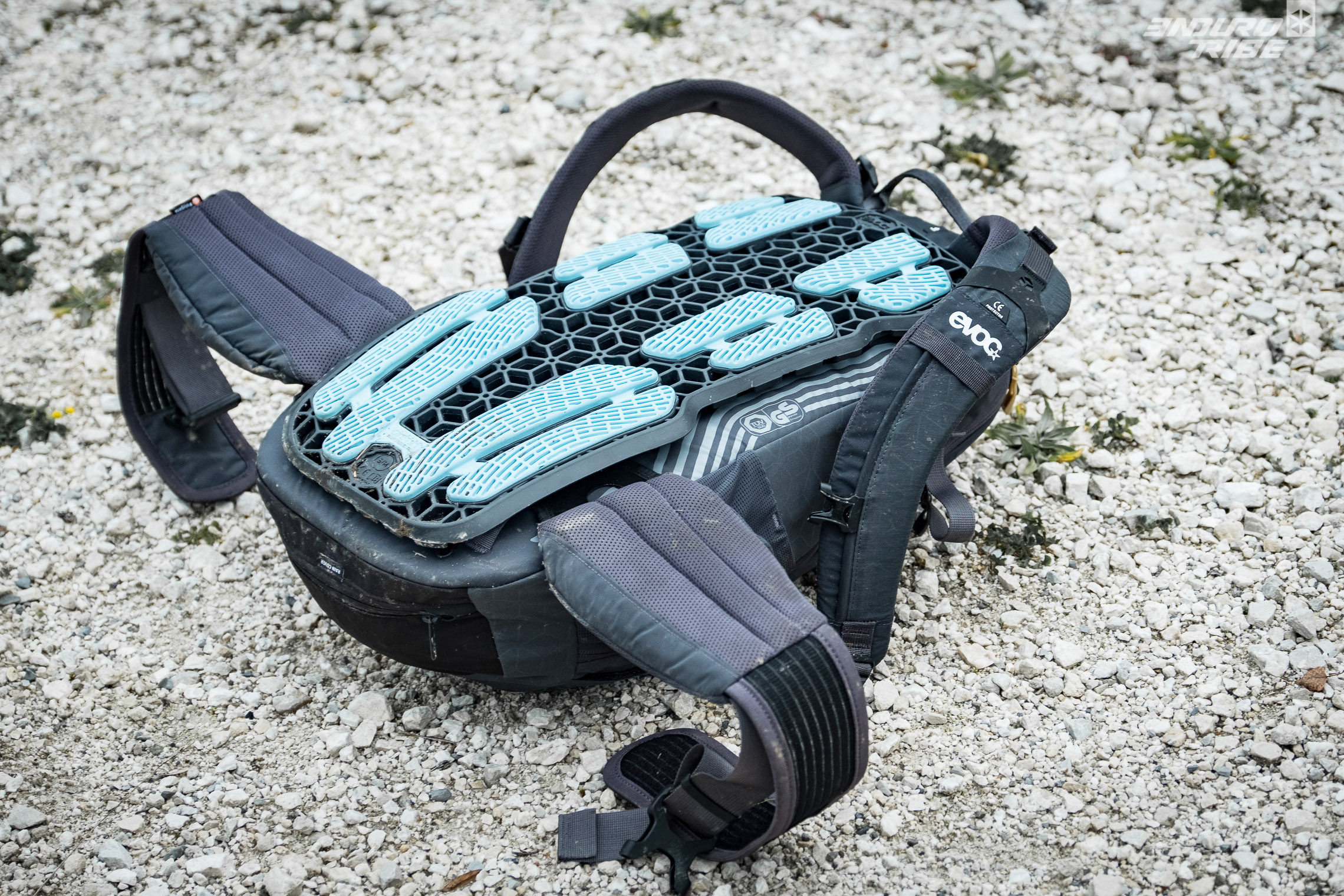
Choosing a cycling backpack requires finding the right balance between comfort, capacity, stability, rain protection, and easy access to your gear. A good bag shouldn't just carry things. It should stay securely in place, not interfere with pedaling, minimize back perspiration, and effectively protect essential items. Whether you're commuting to work, going for a sporting activity, cycling around town, touring by bike, or hiking, your needs will differ.
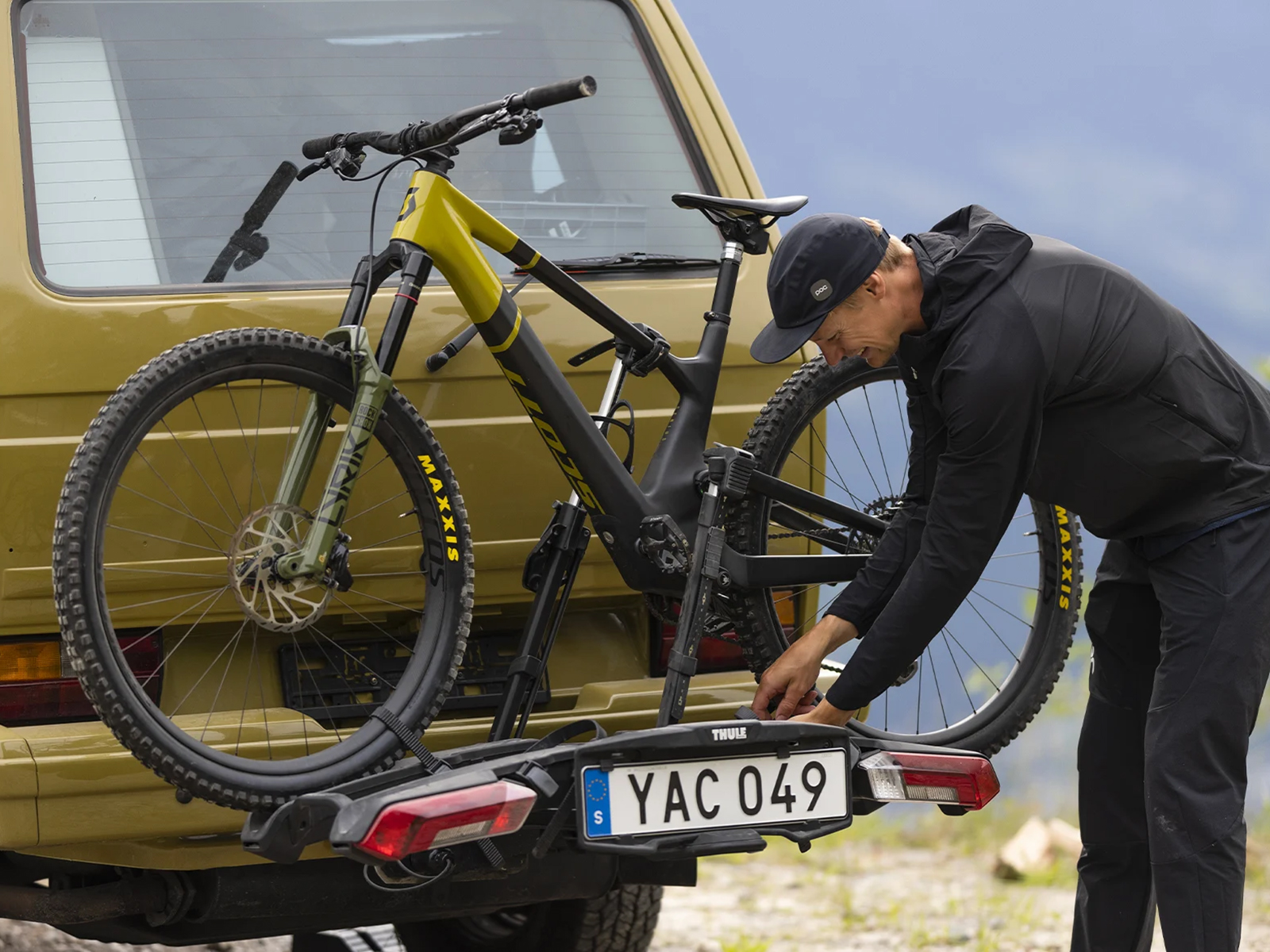
Choosing the right bike rack is essential for transporting your bikes safely, protecting your equipment, and enjoying a worry-free journey. Given the wide variety of systems available, identifying the best solution for your vehicle, the number of bikes you're carrying, or your intended use isn't always easy. Between hitch-mounted, tailgate-mounted, and roof-mounted models, there are many differences in terms of load capacity, ease of installation, compatibility, and user-friendliness.
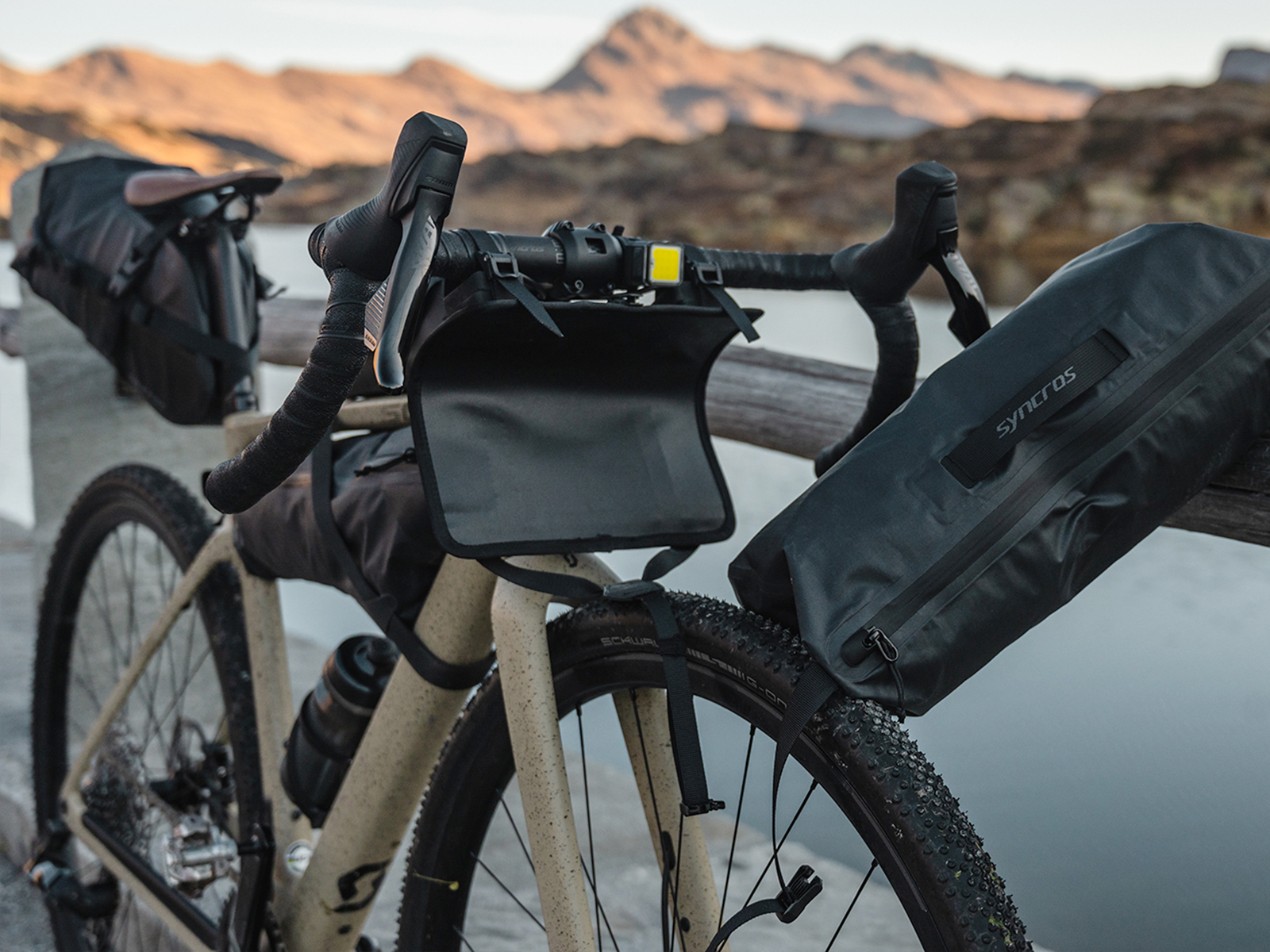
Bikepacking is an adventure cycling practice that involves traveling independently with a lightweight load attached directly to the bicycle. Unlike traditional cycle touring, which uses racks and large panniers, bikepacking favors compact bags distributed across the frame , handlebar , and tige de saddle . This approach allows for a bike that remains agile, efficient, and suitable for varied terrain, whether roads, tracks, forest paths, or trails.
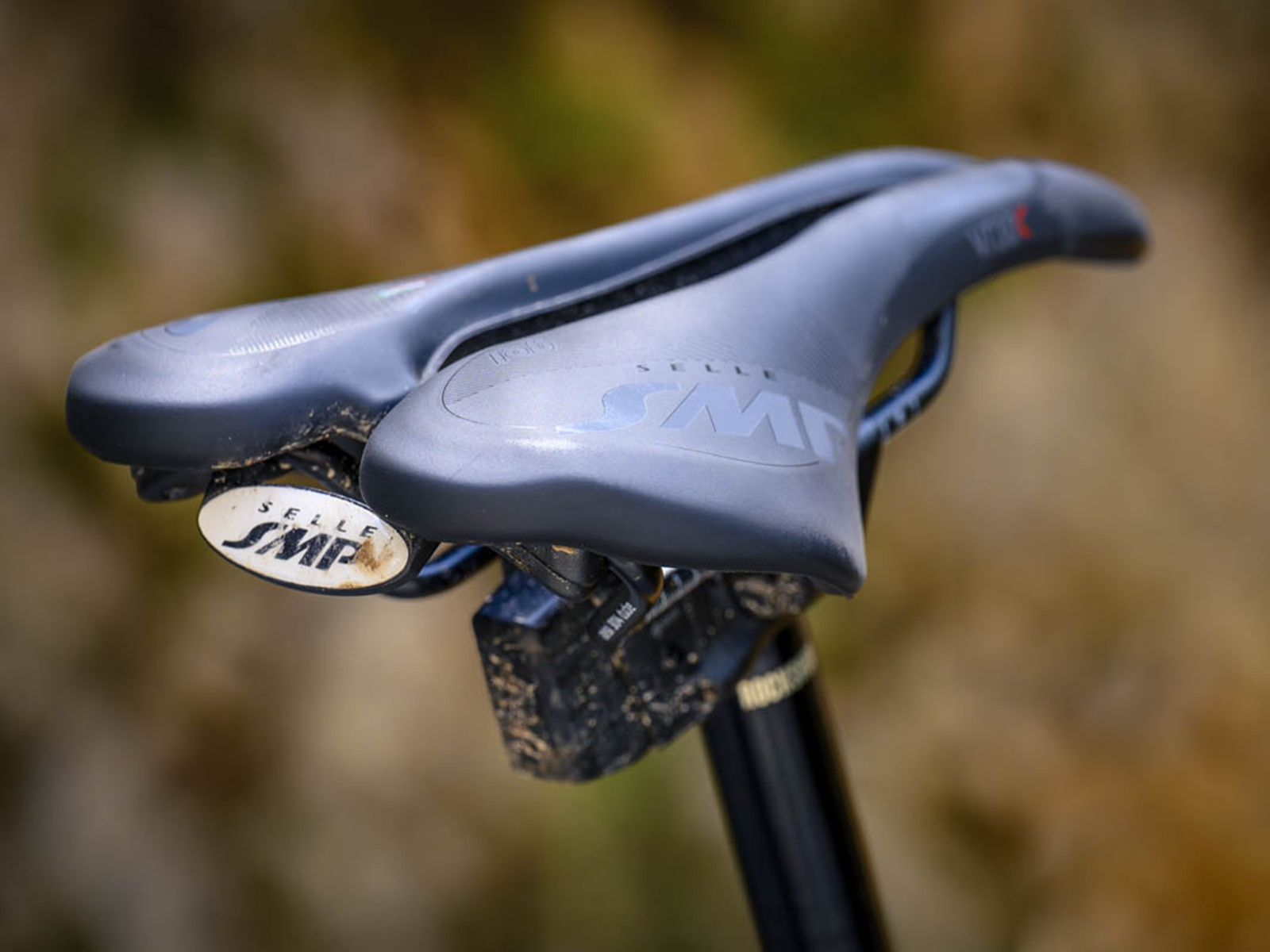
Choosing the right saddle is one of the most important factors in improving comfort, performance, and enjoyment of off-road riding. An unsuitable saddle can cause pelvic pain, chafing, numbness, or reduced pedaling efficiency. Conversely, a well-chosen saddle allows for better power transfer, maintains a stable position on the bike, and lets you fully enjoy your rides, whether it's trail riding, cross-country, enduro, or downhill. The shape, width, padding, materials, and type of riding all directly influence the choice. Therefore, it's essential to consider your body type, riding style, and riding habits before making your selection.