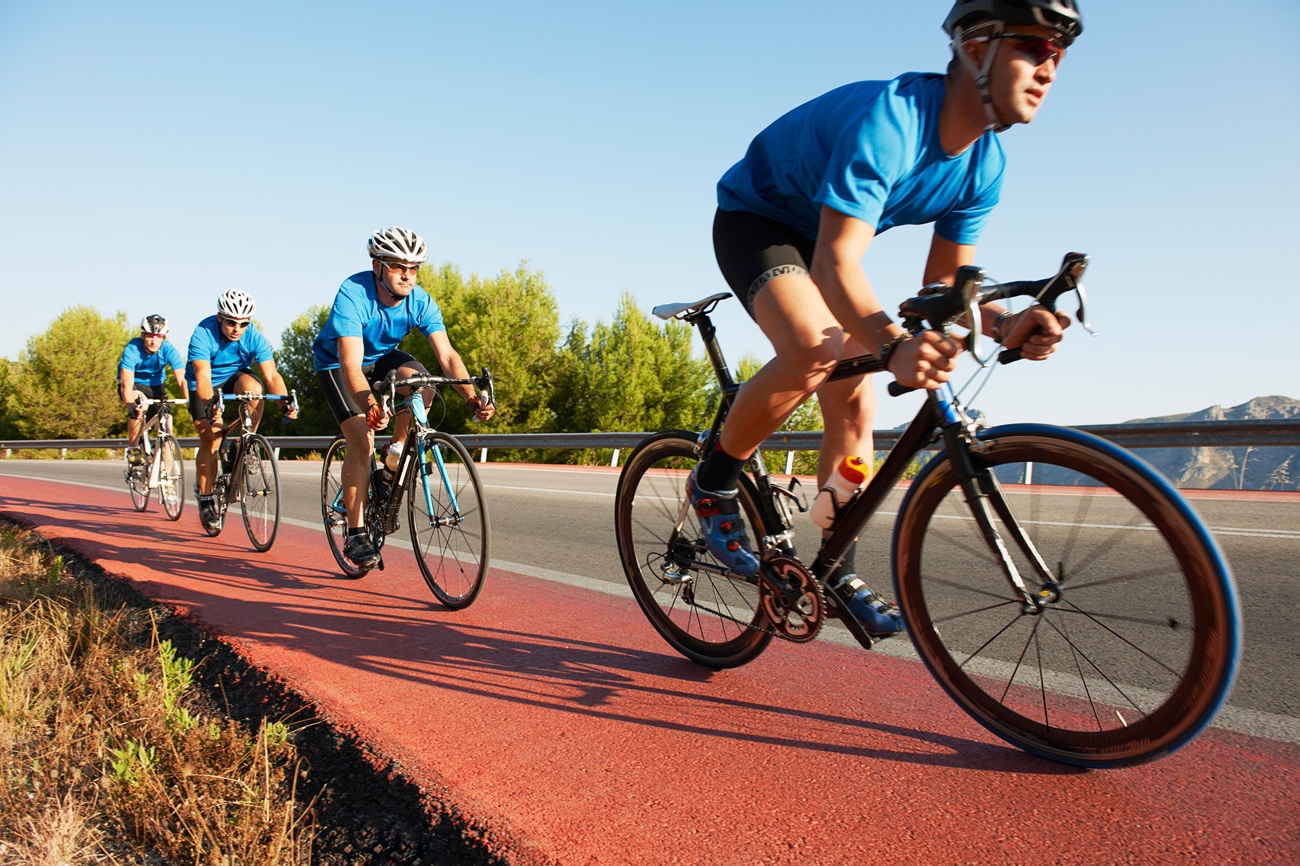
Understanding aerodynamic principles is essential when choosing an aero bike. The priority is to reduce air resistance. This translates into a streamlined frame , refined components, and an optimized riding position. Comfort then allows you to sustain that speed over longer distances. Finally, ergonomics and adjustment ensure efficiency, confidence, and performance on every ride.
How to choose an aero bike
Understanding aerodynamic principles is essential when choosing an aero bike. The priority is to reduce air resistance. This translates into a streamlined frame , refined components, and an optimized riding position. Comfort then allows you to sustain that speed over longer distances. Finally, ergonomics and adjustment ensure efficiency, confidence, and performance on every ride.
frame shape and aerodynamics
The aerodynamic frame uses flat, tapered tubes designed to channel airflow. This significantly reduces frontal drag. The shape of the chain stays and saddle tube also influences aerodynamic efficiency. This design necessitates a certain compromise between stiffness, comfort, and performance. Choosing a good aero bike depends on this precise geometry, calibrated for speed.
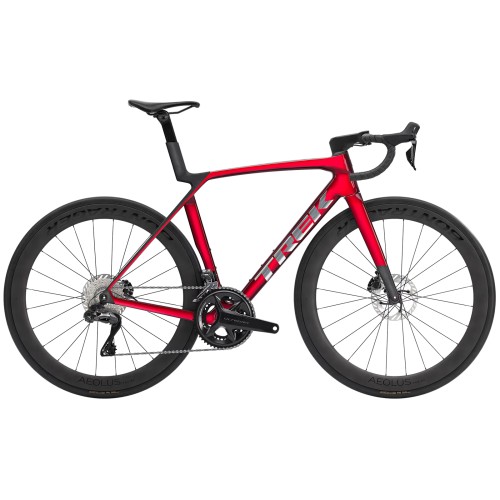
Trek Madone SL 7 Gen.8 Ultegra Di2 12s Gloss Fury Red / Matte Deep Smoke carbon road Bike 2026
-3% €5,799.00 €5,999.00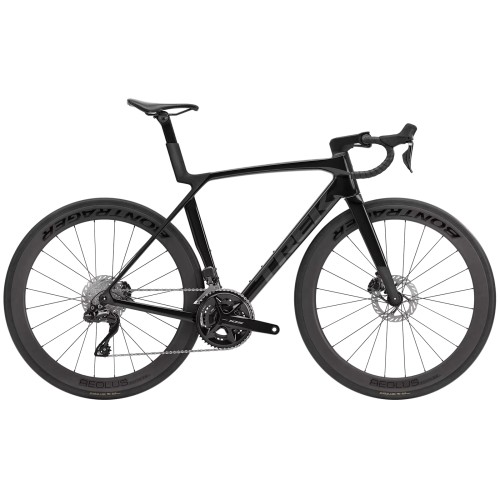
Trek Madone SL 6 Gen.8 105 Di2 Gloss Dark Star / Matte Deep Smoke Carbon road Bike 2026
-4% €4,299.00 €4,499.00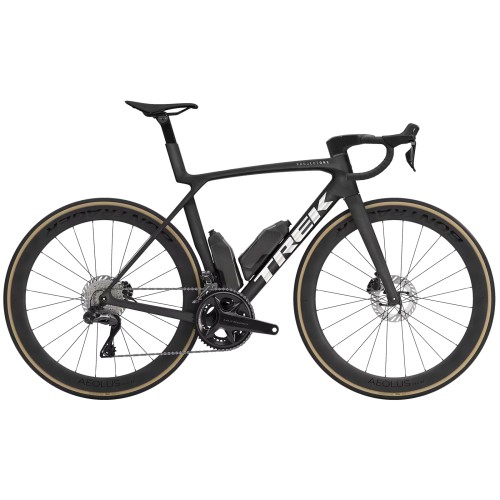
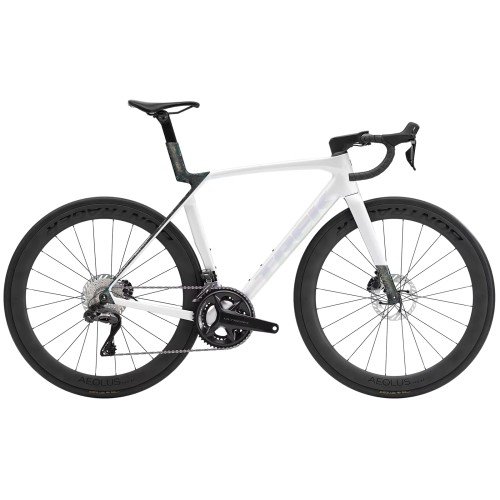
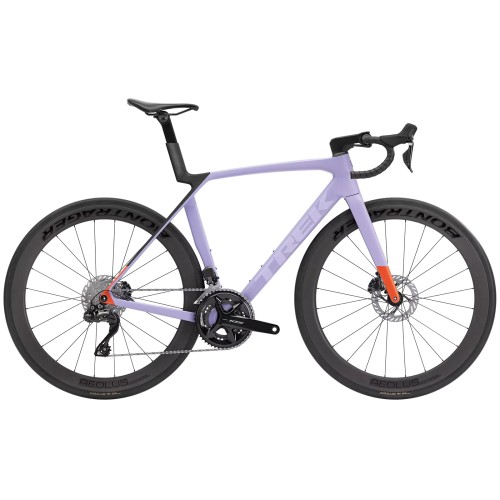
Trek Madone SL 6 Gen.8 105 Di2 Matte Lavender Haze / Deep Smoke Carbon road Bike 2026
-4% €4,299.00 €4,499.00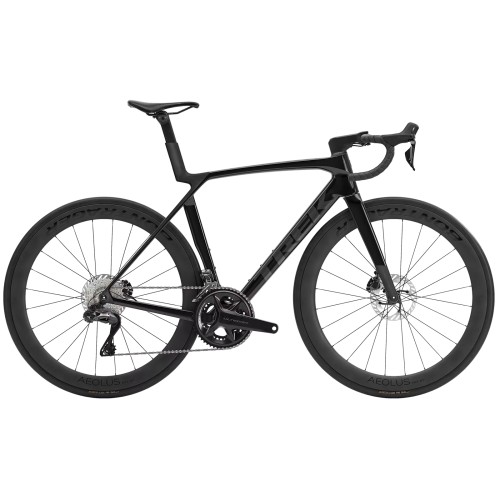
Trek Madone SL 7 Gen.8 Ultegra Di2 12s Gloss Dark Star / Matte Deep Smoke carbon road Bike 2026
-3% €5,799.00 €5,999.00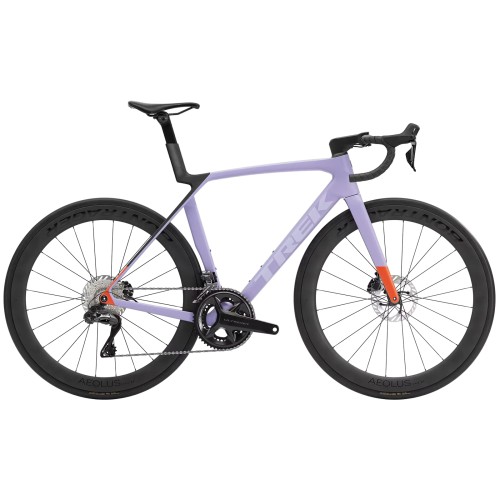
Trek Madone SL 7 Gen.8 Ultegra Di2 12s Matte Lavender Haze / Deep Smoke carbon road Bike 2026
-3% €5,799.00 €5,999.00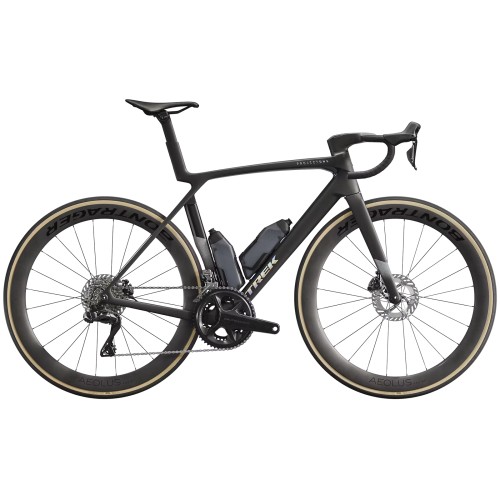
Trek Madone SLR 7 Gen.8 Ultegra Di2 12s Matte Carbon Smoke / Prismatic Pearl carbon road bike 2026
-13% €6,990.00 €7,999.00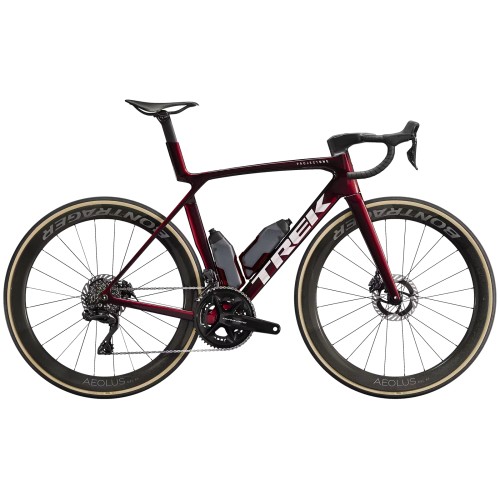
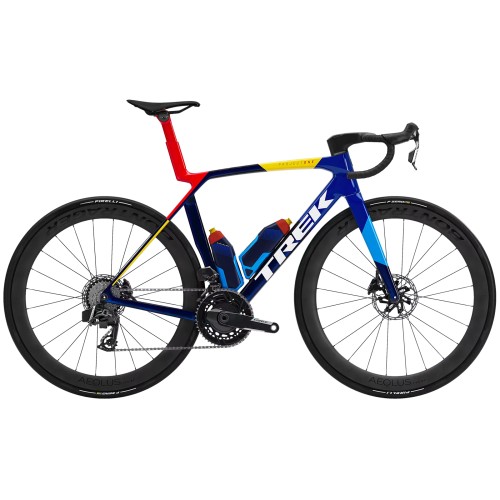
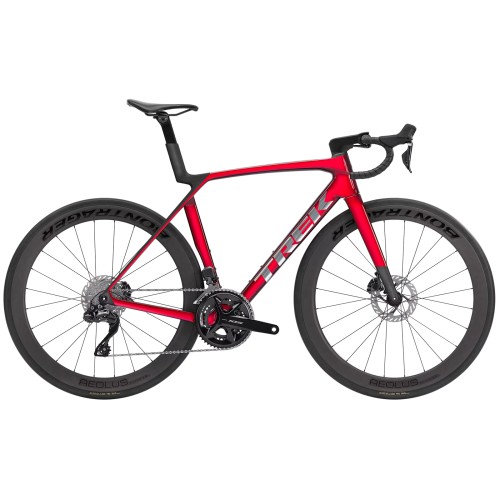
Trek Madone SL 6 Gen.8 105 Di2 Gloss Fury Red / Matte Deep Smoke Carbon road Bike 2026
-4% €4,299.00 €4,499.00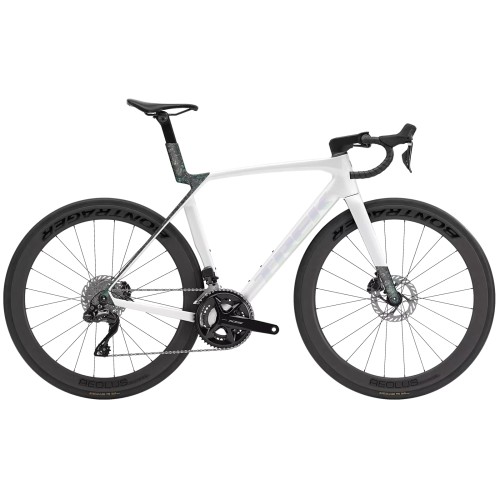
Trek Madone SL 6 Gen.8 105 Di2 Gloss Crystal White / Matte Deep Smoke Carbon road Bike 2026
-4% €4,299.00 €4,499.00frame stiffness is often more important, as it maximizes power drivetrain . The more stretched-out riding position improves aerodynamics. This compromise requires practice to be fully effective on long rides.
Streamlined wheels and aerodynamic bike penetration
Deep- rim wheels reduce rotational resistance and maintain momentum better than conventional rims. Lightweight, low-profile tires are essential. This wheel-tire combination improves overall efficiency, making the aero bike faster on flat terrain and descents.
Stability in crosswinds remains a key factor. Deep but well-balanced rims are needed to prevent wobbling.
Integrated components and airflow
Integrating the cables, braking system, and even the stem reduces turbulence. Sharpened saddle contribute to this optimization. The compact cockpit facilitates a sleeker profile. An aero bike is recognizable by its clean lines and lack of unnecessary elements.
Lightweight and rigid components complement this approach. They contribute to the overall coherence of the aerodynamic system.
Piloting position and posture
A stretched-out saddle adjustment low handlebar . Comfort must allow this posture to be maintained over time without pain. Aerodynamic cycling demands precise adjustments to combine speed and stability.
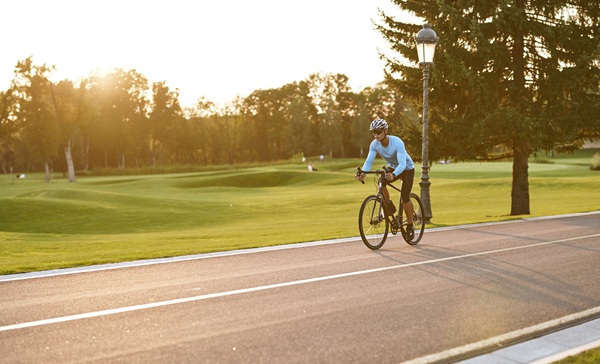
Pointed toes, an adjusted saddle and sufficient flexibility ensure an efficient position without sacrificing too much of the cyclist's well-being.
Drivetrain and efficiency of an aerodynamic bicycle
The chain must glide smoothly. Compact chainrings and wide-range cassettes offer a useful gear range. The derailleur must be precise. All of this ensures excellent straight-line efficiency. Aerodynamic cycling also relies on a smooth drivetrain , capable of maintaining a high pace without wasting energy.
Regular maintenance ensures that the drivetrain remains efficient. The ratio between elasticity and rigidity must be optimized.
Powerful and discreet braking
Integrated or hidden disc brakes maintain the aerodynamic profile. They offer powerful braking without compromising overall fluidity. An aero bike must slow down smoothly while preserving a clean and optimized aesthetic.
Controlling the braking also allows you to approach tight corners with confidence without losing the aerodynamic advantage gained.
Comfort and precision
Comfort on an aero bike can be reduced due to its geometry. Damping components like a suspension seatpost or softer handlebars mitigate this. For everyday use or long rides, this balance becomes invaluable.
It is this compromise between rigid structure and sufficient comfort that determines the value of a good aero bike.
Weight and performance of an aero bike
An aero frame is often heavier than a traditional frame . It gains speed but requires more effort on climbs. The right balance between weight and aerodynamic gains must be analyzed according to the type of riding. An aero bike must remain efficient on all types of terrain without penalizing the rider where gravity is the primary factor.
The choice of materials (carbon, alloy) influences the speed/weight balance. A sustainable and energy-efficient compromise is sought.
Maintenance and longevity
Integrated design sometimes makes maintenance more technical. Components must be accessible without disassembly. Aerodynamic design remains useful only if maintenance allows performance to be preserved over time.
A good aero bike should be designed to last, not just perform well on the day of purchase.
Summary table
| Element | Preferred criterion |
|---|---|
| Frame | Flattened shape, streamlined tubes |
| Wheels | Deep rims, stable in the wind |
| Components | Integrated, smooth flow |
| Posture | Aerodynamic and streamlined profile |
| Drivetrain | Fluid, efficient, lightweight |
| Braking | Powerful, discreet, integrated |
| Comfort | Targeted cushioning, bearable position |
| Weight | Good compromise between speed and gravity |
| Maintenance | Accessible despite integration |
This table provides a quick overview of the priorities to consider. It helps to prioritize technical aspects according to usage and desired performance.
Useful aerodynamic accessories
Streamlined bottle cages and lightweight components complete the profile. Low rolling resistance tires help maintain aerodynamic efficiency. The aero bike then becomes a cohesive whole, where every detail contributes to preserving speed.
These additional choices make a difference in the final time, even with small cumulative gains.
Adaptability to different paths
On hilly terrain, speed gains may be reduced. An aerodynamic bike capable of smooth handling is preferable. A balance between aerodynamic platform and terrain adaptability is essential.
Thus, cycling retains its appeal on mixed terrain, while offering better performance on flat terrain.
Custom fit
A good fit, tailored to the rider's body shape, maximizes aerodynamics without sacrificing comfort. Precise Adjustment of stem length, saddle height, and rider position are essential. An aero bike becomes efficient when the rider becomes one with their machine.
This fine adjustment helps maintain power and endurance during prolonged efforts.
Expert advice and practical advice
Testing several positions helps determine the best compromise. Feel is crucial. Only realistic practice allows you to validate theoretical choices.
The aero bike should meet your ambitions, without becoming a hindrance to your progress or comfort.
FAQ
How much faster is an aero bike than a conventional bike?
An aero bike reduces drag at high speed, allowing you to gain on long straights and sprints, especially at speeds above 30 kilometers per hour.
Is it difficult to get used to the aerodynamic position?
This posture requires flexibility and gradual adjustment . Proper training and precise adjustments allow you to achieve it painlessly.
Is an aero bike suitable for all types of terrain?
It excels on flat terrain and downhill, but it can be heavier on climbs. Therefore, a well-balanced model is recommended if you frequently ride on mixed terrain.

Related Posts
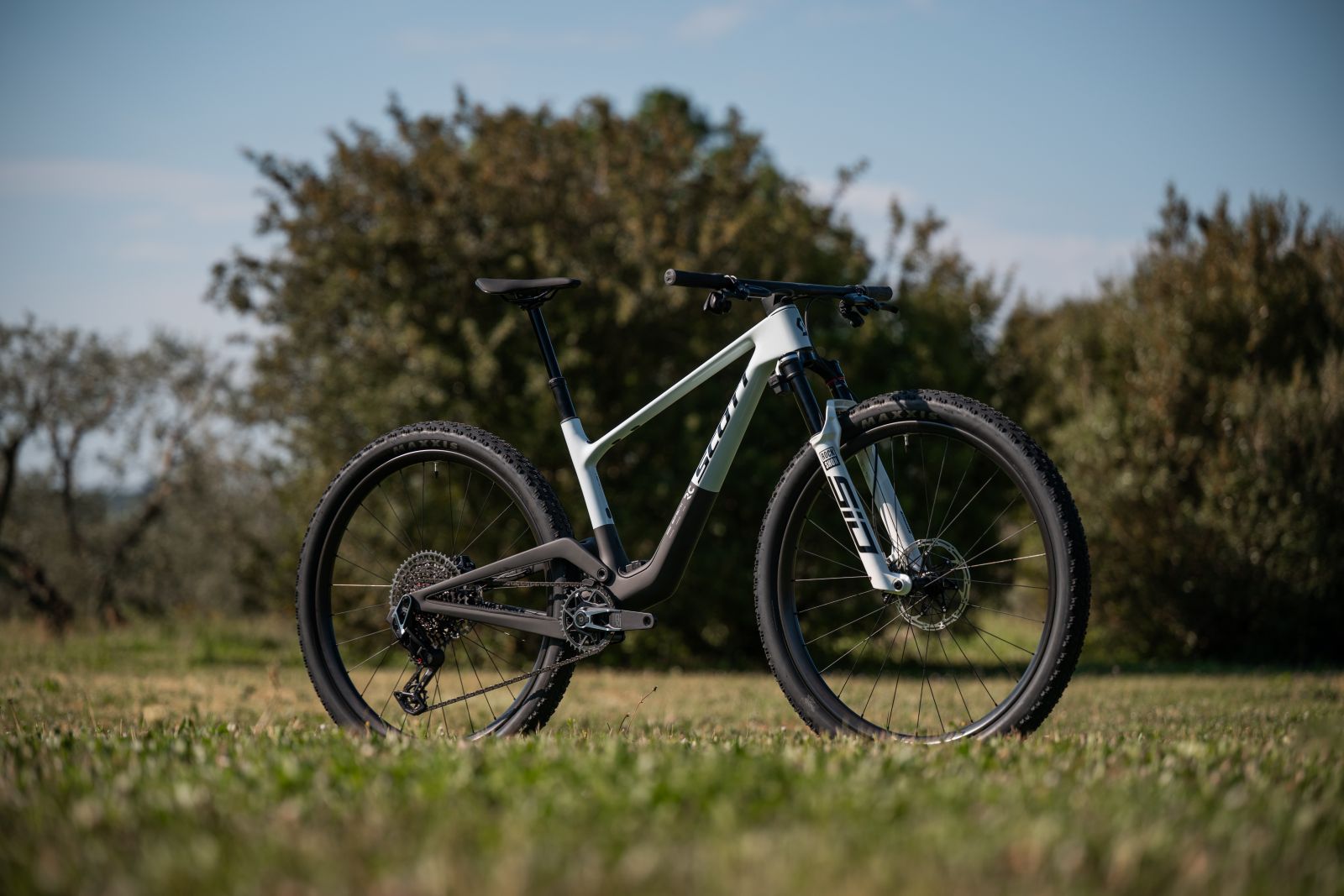
The Scott Spark RC World Cup and Expert 2027 push the boundaries of XC even further. Flight Attendant suspension, Syncros carbon wheels and top-level performance: discover our full review.
The pannier has become an essential piece of equipment for many cyclists. Whether for daily commutes, bike riding, long rides, cycle touring, bikepacking, or simply leisurely outings, it allows you to carry your belongings comfortably without carrying a load on your back. A well-chosen pannier improves comfort, maintains the bike's balance, and makes organizing your gear easier.
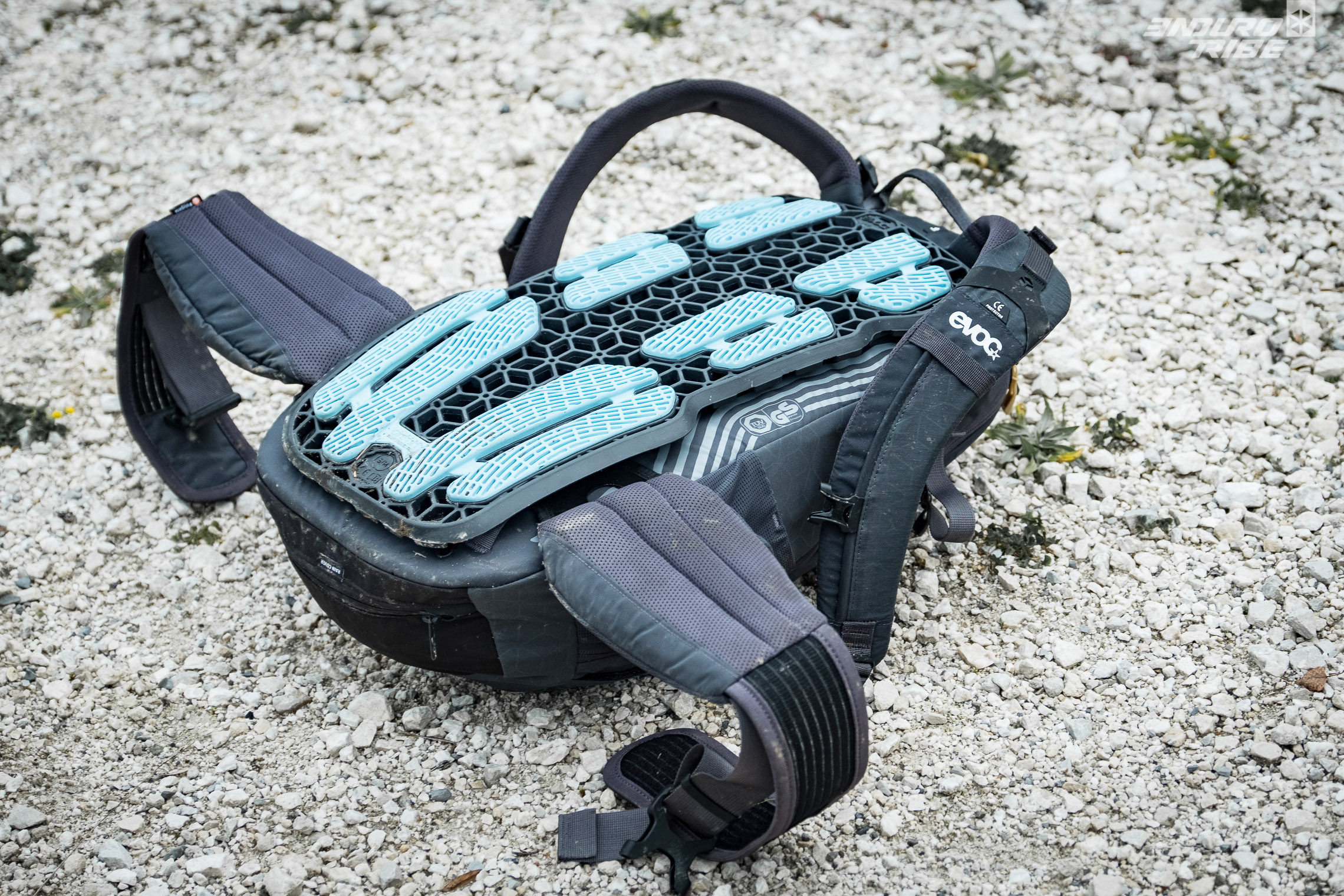
Choosing a cycling backpack requires finding the right balance between comfort, capacity, stability, rain protection, and easy access to your gear. A good bag shouldn't just carry things. It should stay securely in place, not interfere with pedaling, minimize back perspiration, and effectively protect essential items. Whether you're commuting to work, going for a sporting activity, cycling around town, touring by bike, or hiking, your needs will differ.
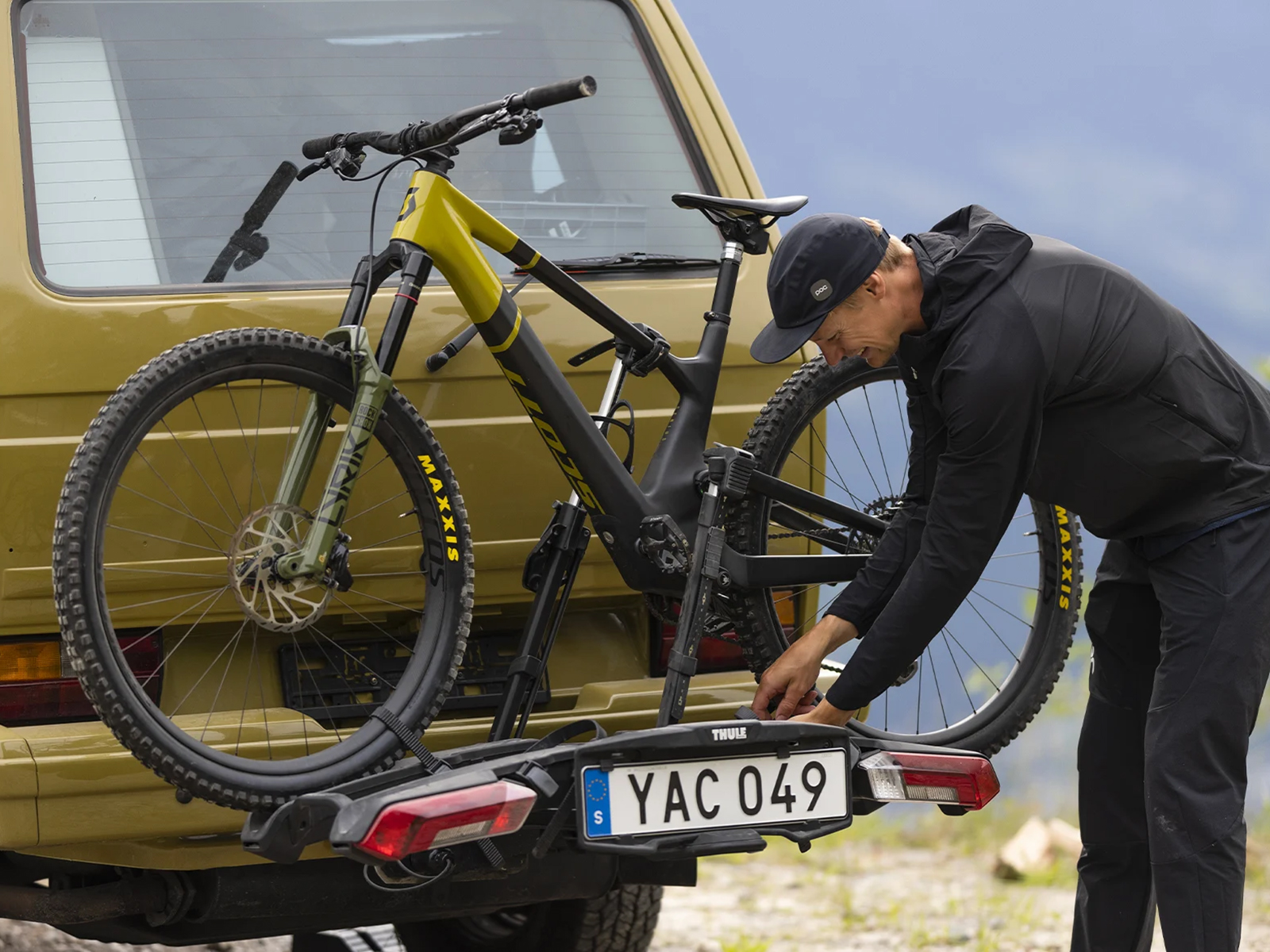
Choosing the right bike rack is essential for transporting your bikes safely, protecting your equipment, and enjoying a worry-free journey. Given the wide variety of systems available, identifying the best solution for your vehicle, the number of bikes you're carrying, or your intended use isn't always easy. Between hitch-mounted, tailgate-mounted, and roof-mounted models, there are many differences in terms of load capacity, ease of installation, compatibility, and user-friendliness.
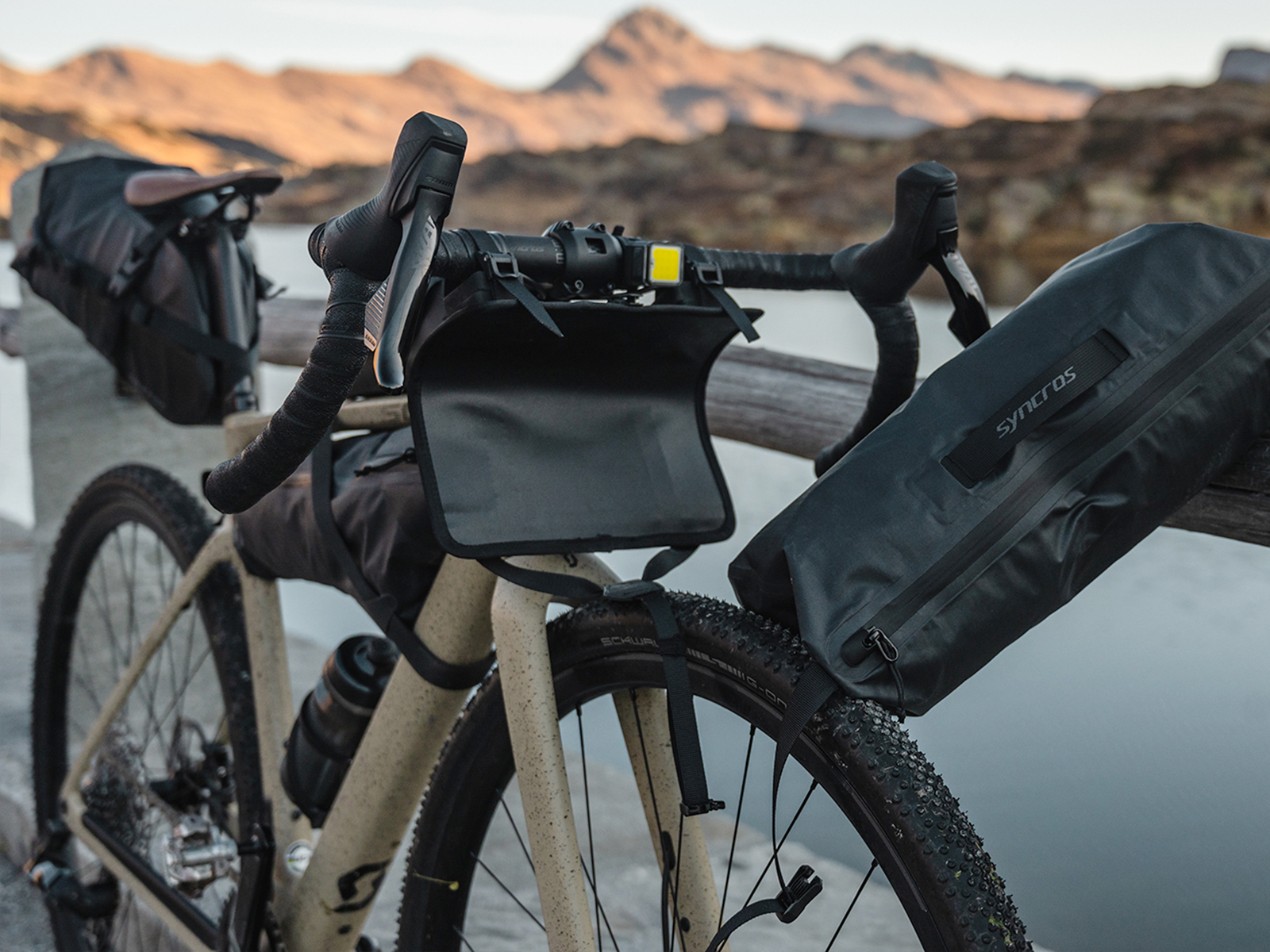
Bikepacking is an adventure cycling practice that involves traveling independently with a lightweight load attached directly to the bicycle. Unlike traditional cycle touring, which uses racks and large panniers, bikepacking favors compact bags distributed across the frame , handlebar , and tige de saddle . This approach allows for a bike that remains agile, efficient, and suitable for varied terrain, whether roads, tracks, forest paths, or trails.
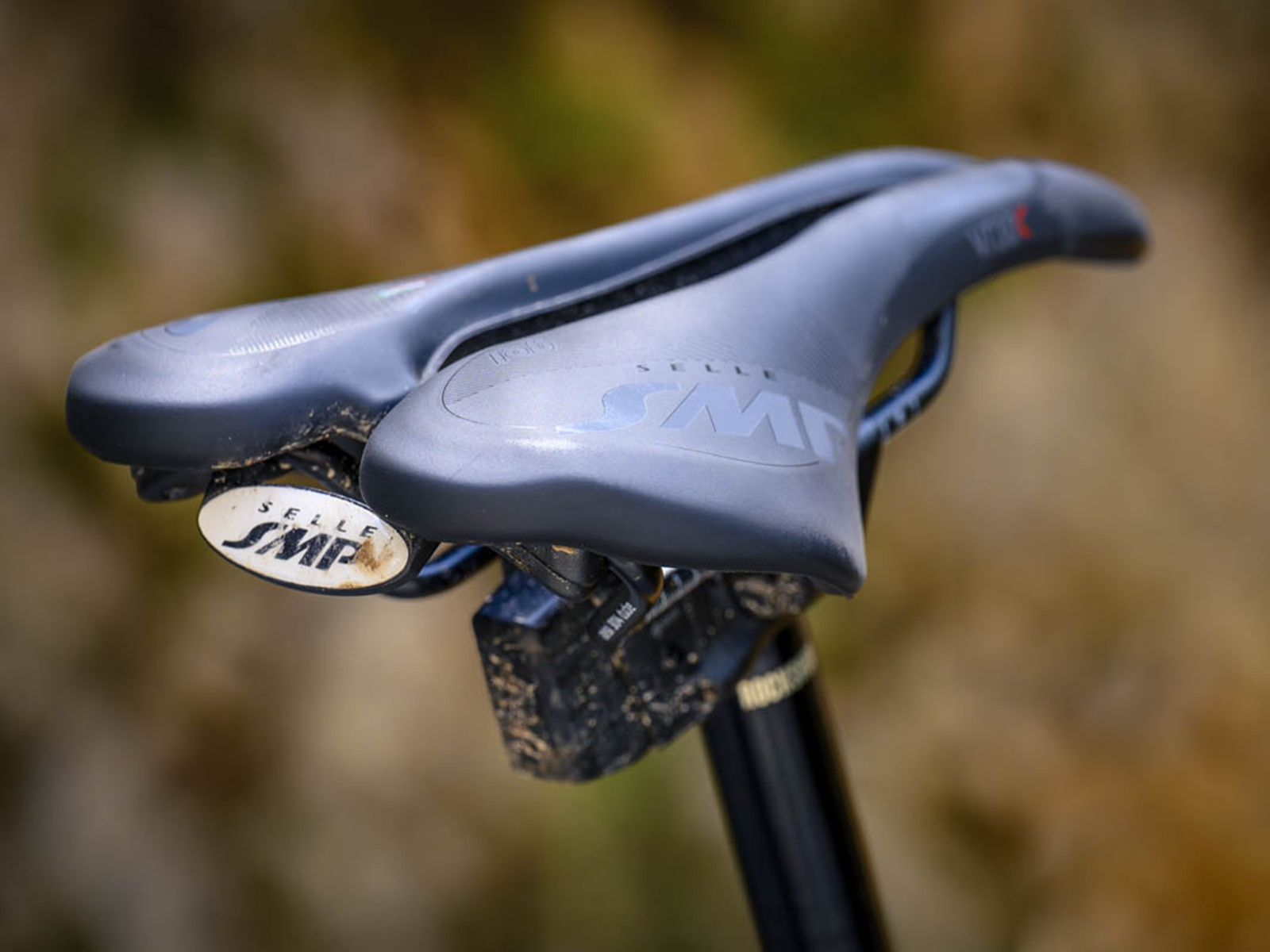
Choosing the right saddle is one of the most important factors in improving comfort, performance, and enjoyment of off-road riding. An unsuitable saddle can cause pelvic pain, chafing, numbness, or reduced pedaling efficiency. Conversely, a well-chosen saddle allows for better power transfer, maintains a stable position on the bike, and lets you fully enjoy your rides, whether it's trail riding, cross-country, enduro, or downhill. The shape, width, padding, materials, and type of riding all directly influence the choice. Therefore, it's essential to consider your body type, riding style, and riding habits before making your selection.