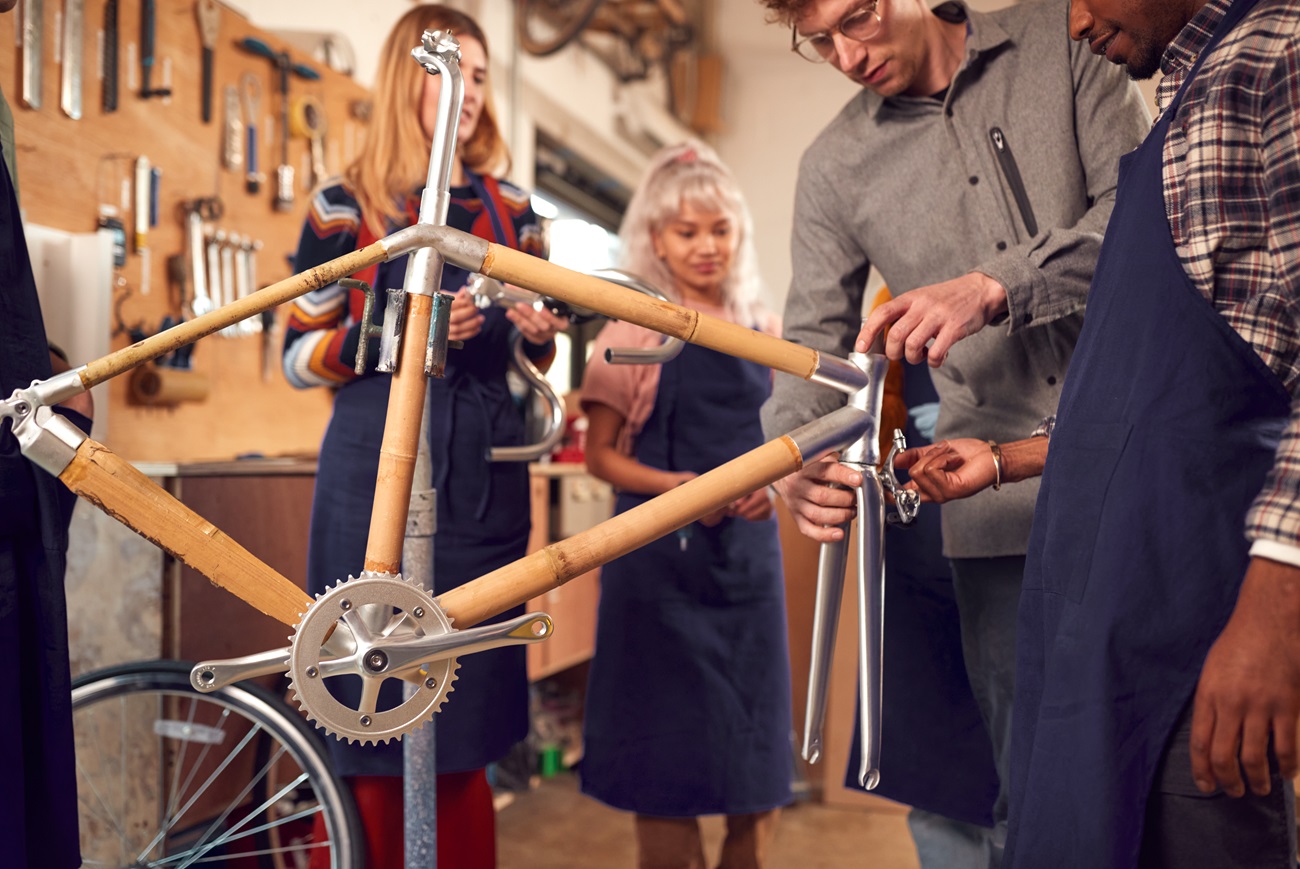
The frame is the central element of your bicycle, influencing comfort, performance, and durability. Choosing the right frame is therefore essential for an optimal cycling experience. This guide will help you understand the different aspects to consider when making your choice.
Understanding frame materials
The frame material directly influences the weight, rigidity, and comfort of your bike:
- Aluminium: lightweight, rigid and corrosion-resistant. Ideal for versatile use and optimal performance at a reasonable cost.
- Steel: heavier, but very comfortable thanks to its flexibility. It is valued for its durability and vintage charm.
- Carbon: ultra-light and vibration-absorbing, this material is perfect for competitions and long distances. However, it is more expensive and fragile when it comes to impacts.
- Titanium: combines lightness, strength, and comfort. This high-end material is designed for enthusiasts seeking exceptional quality.

The size of the frame
The right bike frame size is essential for correct posture and efficient pedaling. Here's how to choose:
- Measure your inseam: Stand straight, barefoot, and place a book between your legs. Measure the distance from the floor to the top of the book.
- Calculate the size: For a road Bike , multiply the inseam by 0.66. For a MTB , use a coefficient of 0.59. For example, for an inseam of 80 cm: 80 x 0.66 = 52.8 cm.
These formulas provide an indication, but a test remains essential to validate your choice.
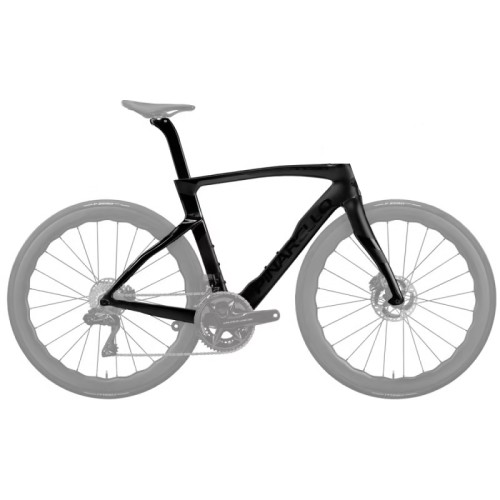
The geometry of the frame
The geometry of a frame influences handling and comfort:
- Sporty geometry: tight angles, elongated position. Ideal for speed and aerodynamics.
- Comfort geometry: open angles, more upright position. Perfect for long rides or urban journeys.
Your practice and your objectives (performance or comfort) will guide your choice.
The frame according to the discipline
The type of frame also depends on the sport practiced:
| Discipline | frame type | Main features |
|---|---|---|
| Road | Carbon or aluminum | Lightweight, rigid, designed for speed and efficiency. |
| MTB | Aluminium or steel | Robust, shock-absorbing, suitable for technical terrain. |
| City | Steel or aluminum | Comfortable, durable, with a practical geometry. |
| Gravel bike | Carbon or aluminum | Versatile, designed for paths and roads. |
Component compatibility
Make sure that the frame you choose is compatible with the equipment you want to install:
- Brakes: some frames are designed for rotor brakes, others for rim brakes.
- Drivetrain : check the mounting standards for the derailleur and crankset .
- Wheels: the dimensions of the axles and the size of the wheels must match the frame .

Aesthetics and finish
The visual appearance of the frame can also influence your choice:
- Painting and design: choose a frame that reflects your style.
- Weld quality: an indicator of frame durability.
Choosing a second-hand frame
A used frame can be an excellent option for reducing costs. Carefully check its overall condition: ensure there are no cracks, corrosion, or deformations. Also, ask for the maintenance history to avoid any unpleasant surprises.
FAQ
What is the ideal frame size for my bike?
The size depends on your inseam and the sport. Use the formulas or consult a specialist to determine your ideal size.
What material is best suited for a versatile frame ?
Aluminium is often the best choice due to its lightness, rigidity and affordability.
Can the geometry of an existing frame be changed?
No, the geometry is fixed. However, adjustments such as the stem or saddle height can slightly alter the position.
How to check the condition of a used frame ?
Inspect the frame for cracks, corrosion or deformation. Also ensure its alignment.
What frame geometry should I choose for a comfortable ride?
A comfortable geometry with open angles is ideal for a more upright and relaxing position.

Related Posts
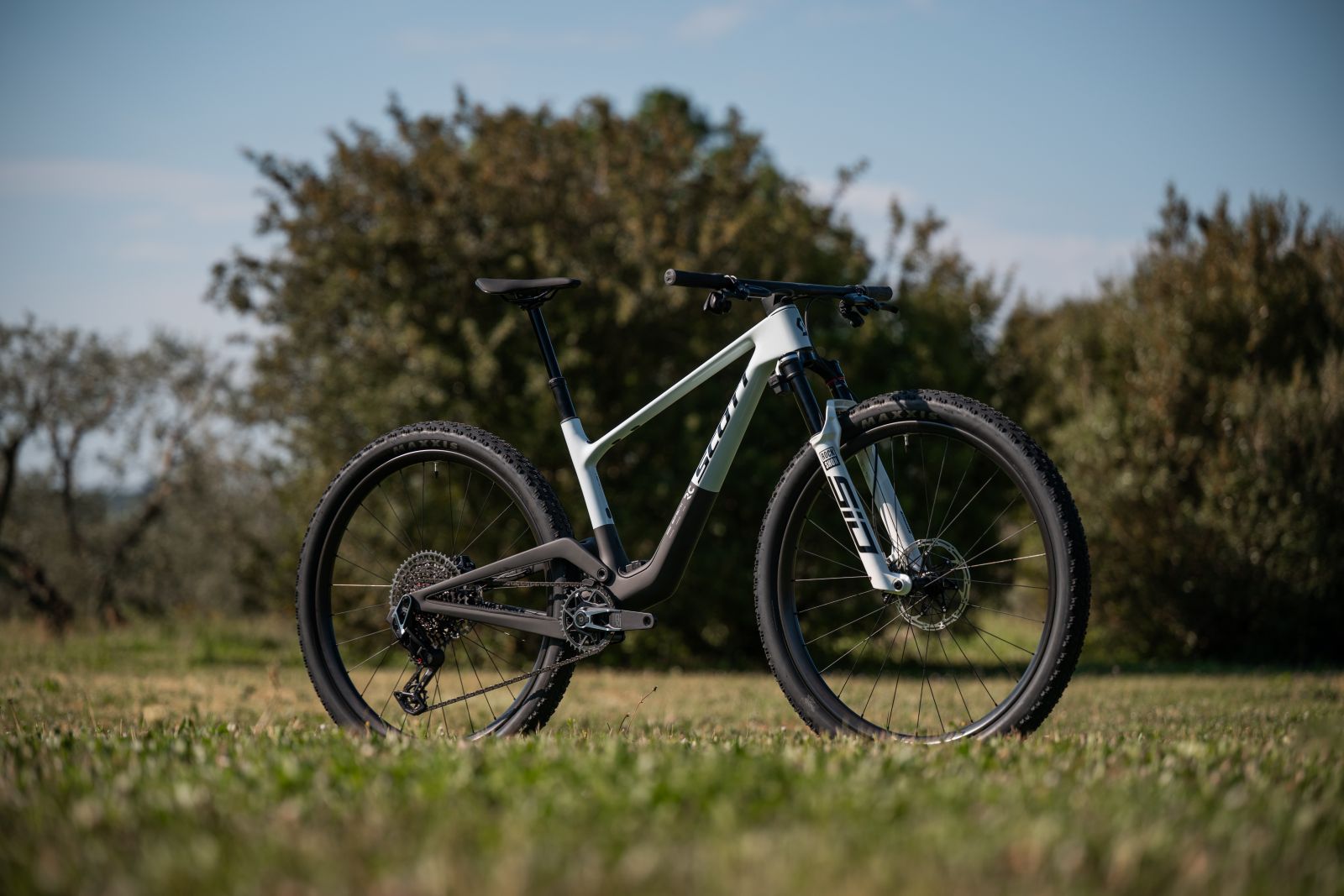
The Scott Spark RC World Cup and Expert 2027 push the boundaries of XC even further. Flight Attendant suspension, Syncros carbon wheels and top-level performance: discover our full review.
The pannier has become an essential piece of equipment for many cyclists. Whether for daily commutes, bike riding, long rides, cycle touring, bikepacking, or simply leisurely outings, it allows you to carry your belongings comfortably without carrying a load on your back. A well-chosen pannier improves comfort, maintains the bike's balance, and makes organizing your gear easier.
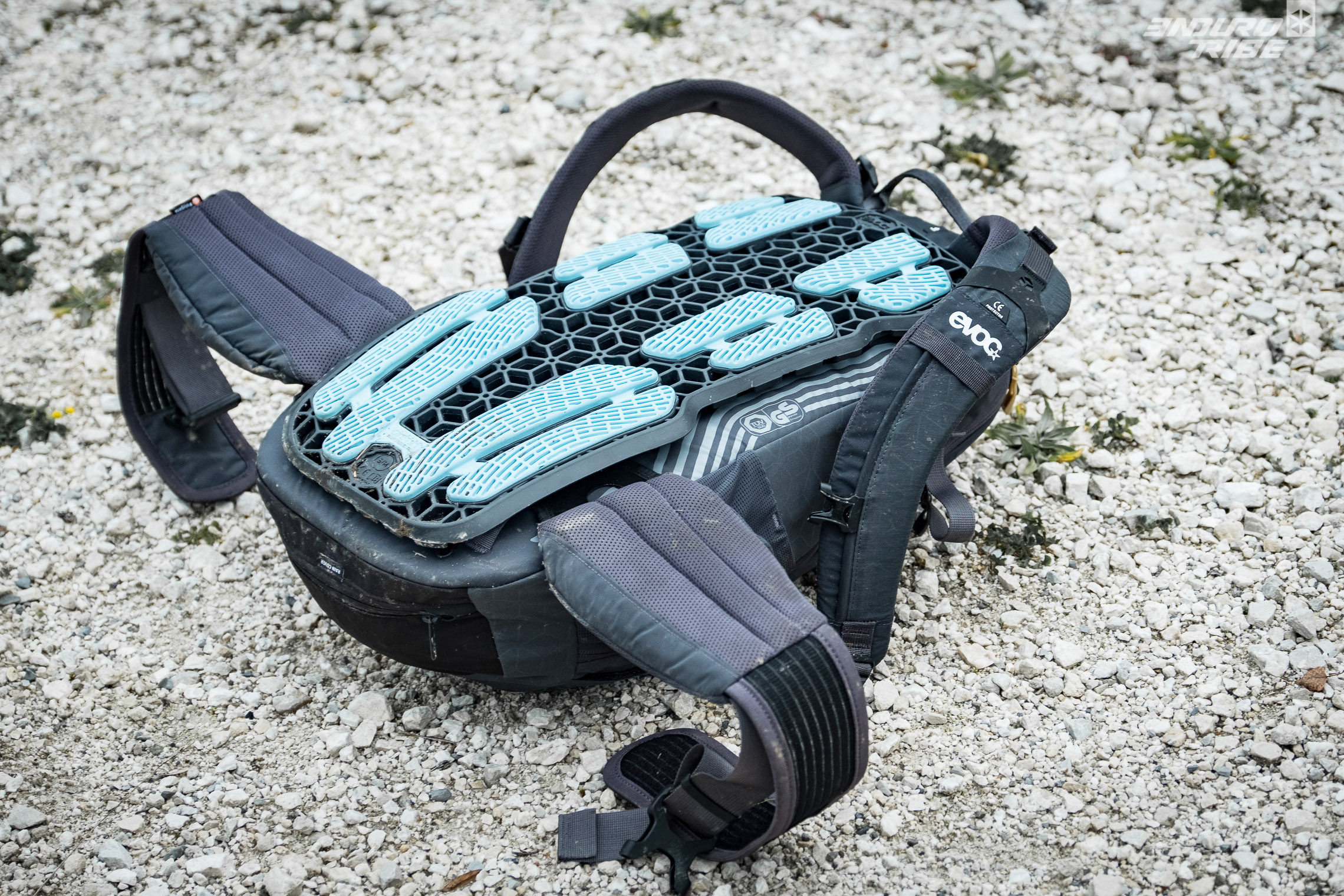
Choosing a cycling backpack requires finding the right balance between comfort, capacity, stability, rain protection, and easy access to your gear. A good bag shouldn't just carry things. It should stay securely in place, not interfere with pedaling, minimize back perspiration, and effectively protect essential items. Whether you're commuting to work, going for a sporting activity, cycling around town, touring by bike, or hiking, your needs will differ.
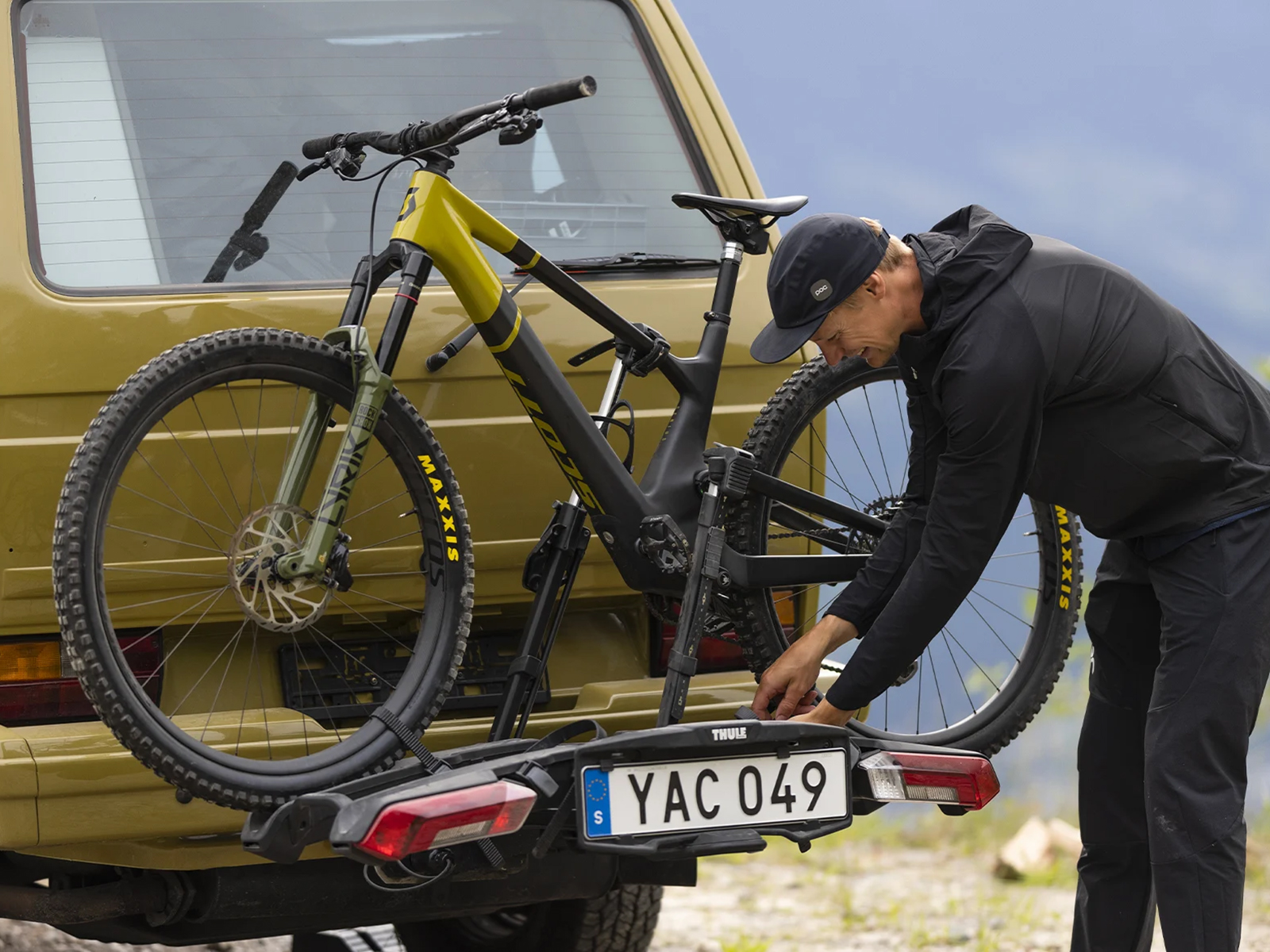
Choosing the right bike rack is essential for transporting your bikes safely, protecting your equipment, and enjoying a worry-free journey. Given the wide variety of systems available, identifying the best solution for your vehicle, the number of bikes you're carrying, or your intended use isn't always easy. Between hitch-mounted, tailgate-mounted, and roof-mounted models, there are many differences in terms of load capacity, ease of installation, compatibility, and user-friendliness.
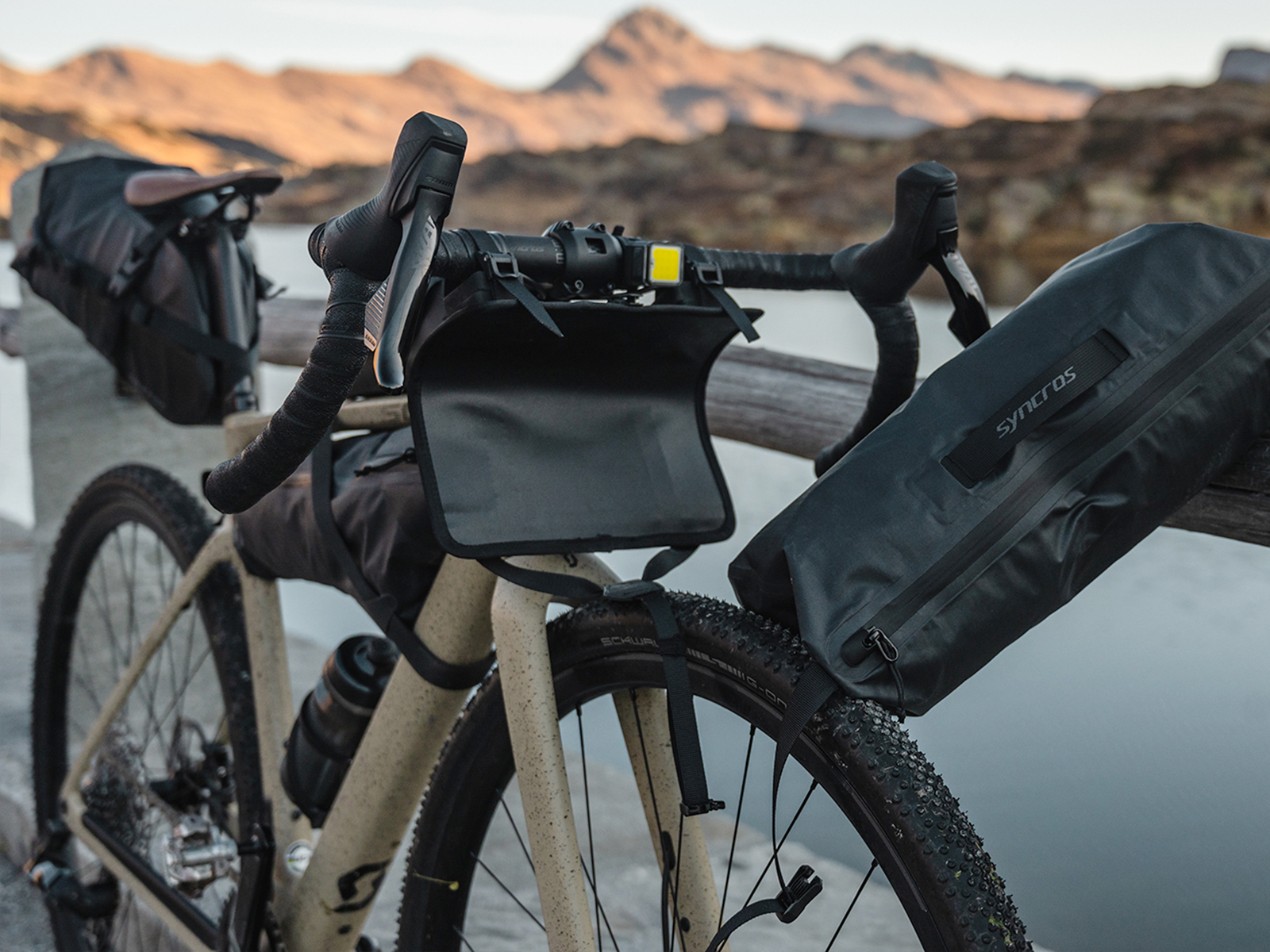
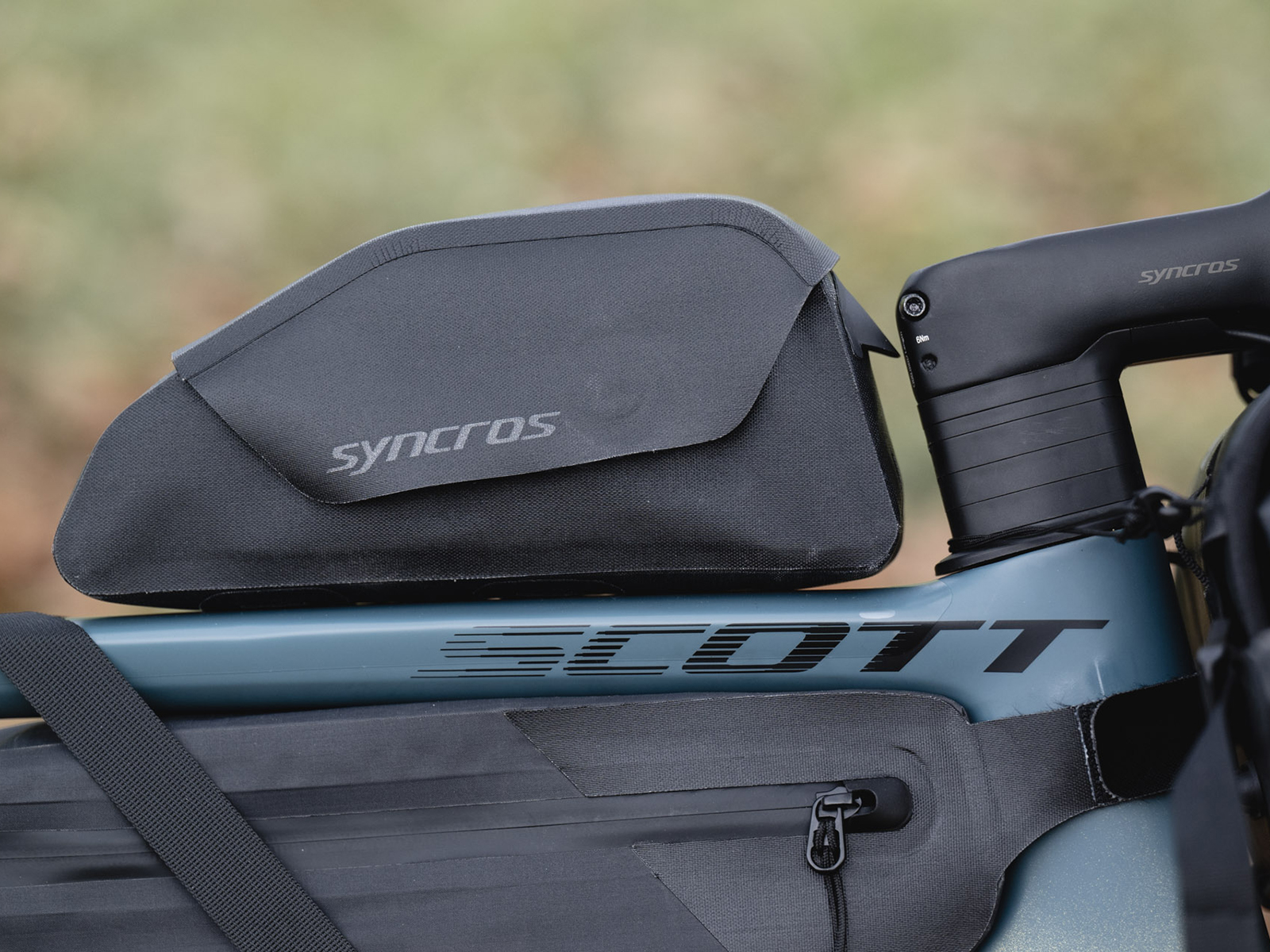
Bikepacking is an adventure cycling practice that involves traveling independently with a lightweight load attached directly to the bicycle. Unlike traditional cycle touring, which uses racks and large panniers, bikepacking favors compact bags distributed across the frame , handlebar , and tige de saddle . This approach allows for a bike that remains agile, efficient, and suitable for varied terrain, whether roads, tracks, forest paths, or trails.
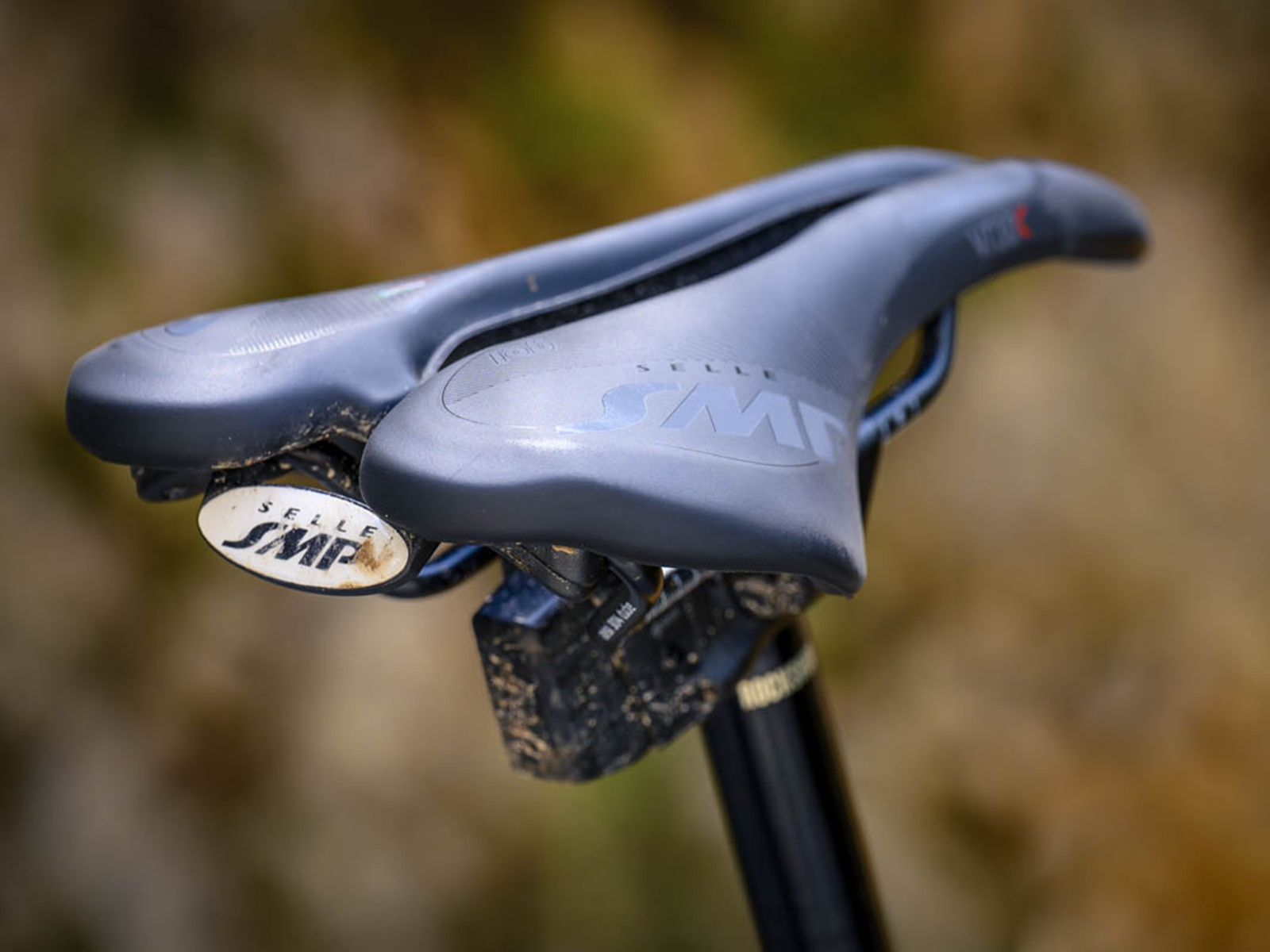
Choosing the right saddle is one of the most important factors in improving comfort, performance, and enjoyment of off-road riding. An unsuitable saddle can cause pelvic pain, chafing, numbness, or reduced pedaling efficiency. Conversely, a well-chosen saddle allows for better power transfer, maintains a stable position on the bike, and lets you fully enjoy your rides, whether it's trail riding, cross-country, enduro, or downhill. The shape, width, padding, materials, and type of riding all directly influence the choice. Therefore, it's essential to consider your body type, riding style, and riding habits before making your selection.