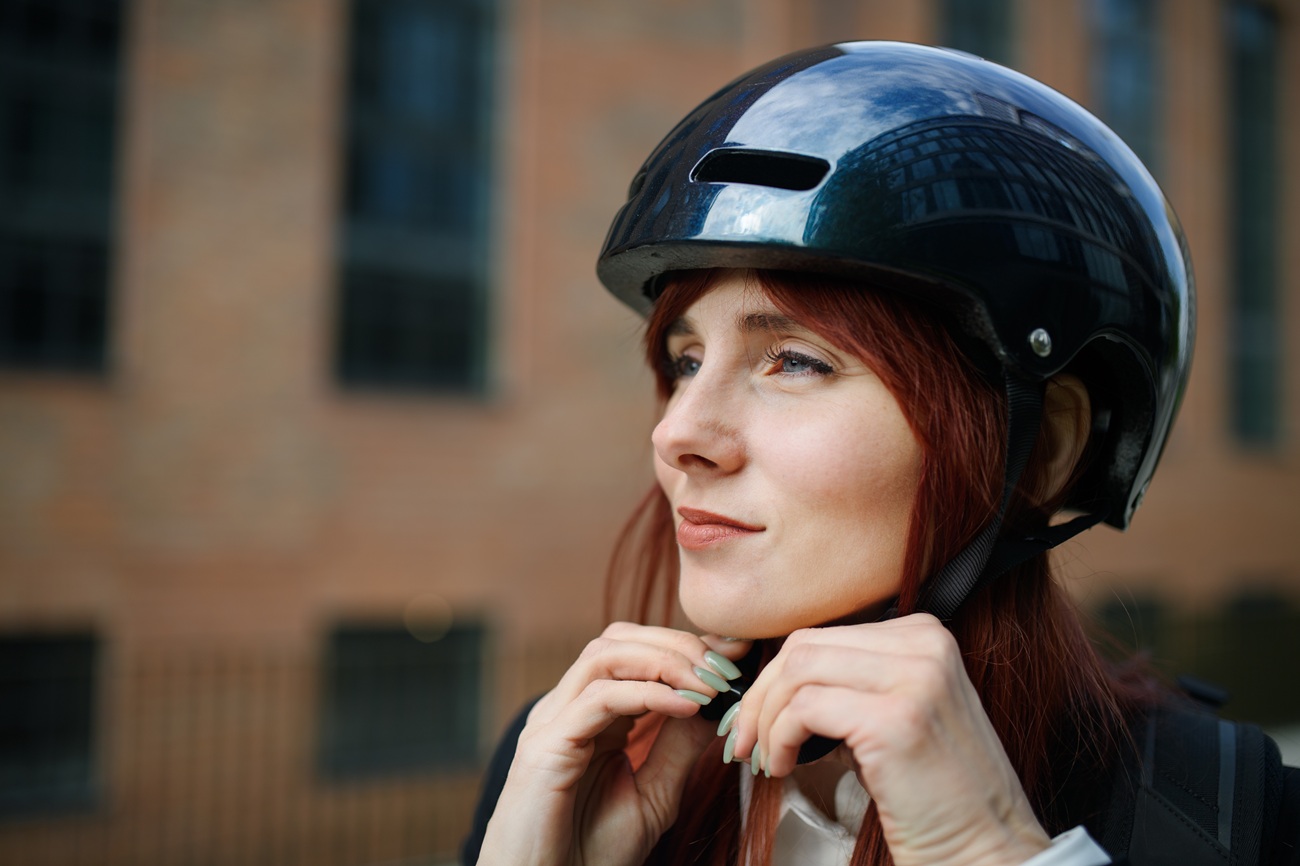
A bicycle helmet is essential equipment to ensure your safety while cycling. Given the wide variety of models available, it's crucial to select a helmet suited to your riding style, your head shape, and your personal preferences. This buyer's guide will help you make the best choice by taking into account the fundamental criteria.
The different types of bicycle helmets
Road helmets
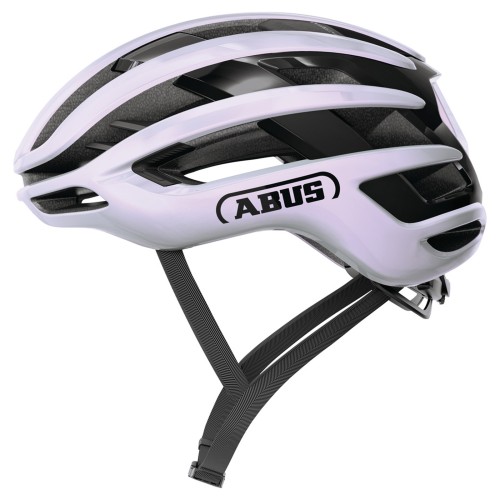
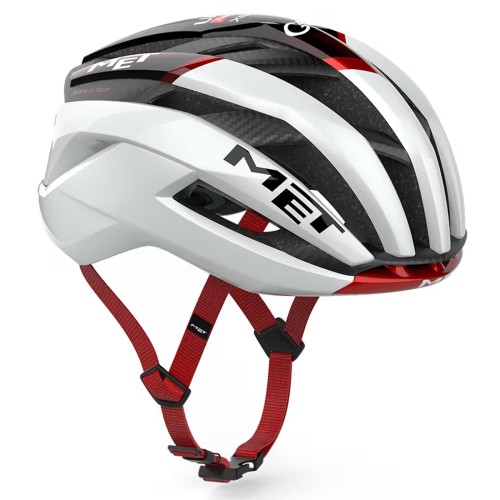
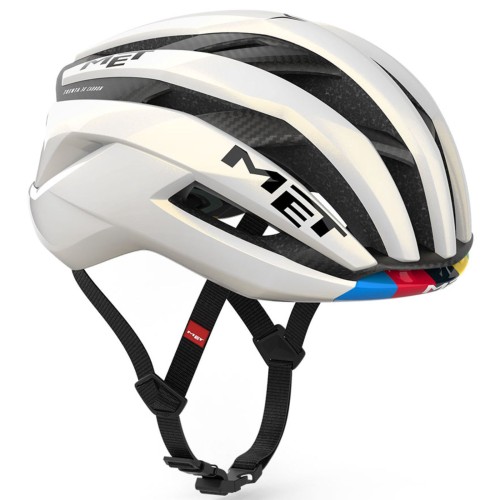
Designed for road cyclists, these helmets are lightweight and well-ventilated, offering optimal comfort on long rides. Their aerodynamic design reduces air resistance, thus improving performance.
MTB helmets
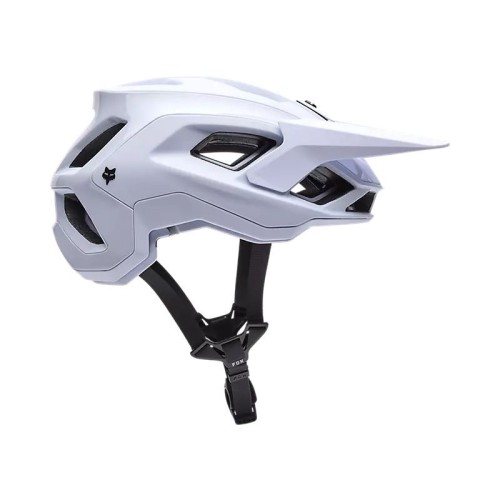
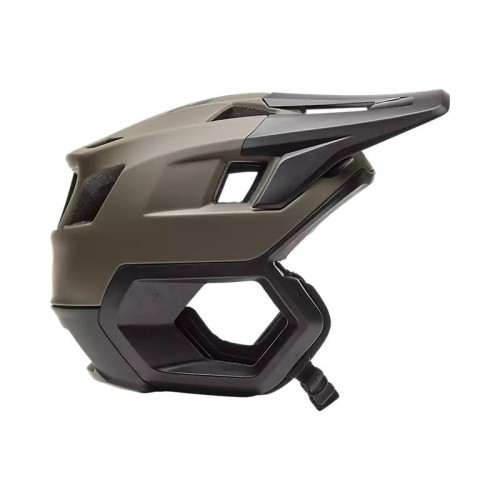
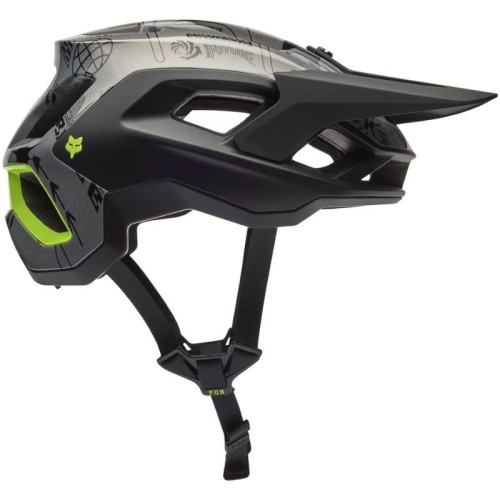
Designed for mountain bikers, these helmets offer increased protection, particularly at the back of the head. They are often equipped with a visor to protect against the sun and mud spray.
Urban helmets
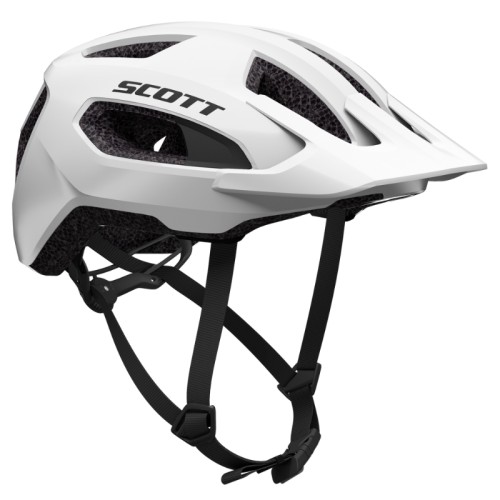
Ideal for getting around town, these helmets prioritize comfort and style. They often feature a simple design and may incorporate reflective elements for better visibility.
Full-face helmets
Primarily used in downhill (DH) or BMX, these helmets cover the entire head and face, offering maximum protection during risky activities.
The essential criteria for choosing a bicycle helmet
Size and fit
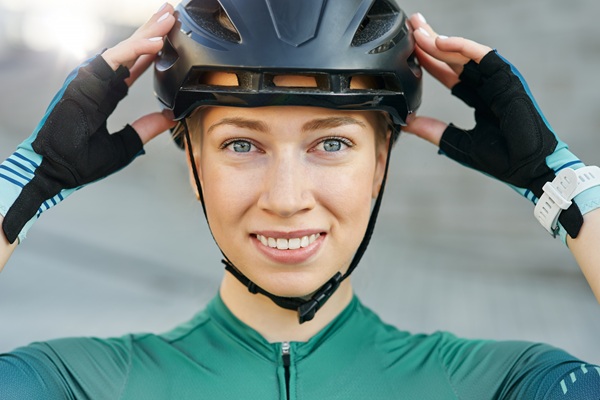
A properly fitted cycling helmet is essential for effective protection. Measure your head circumference and refer to the manufacturer's size guide. The helmet should be comfortable without being too tight, and remain stable without shifting during sudden movements.
Ventilation
Good ventilation helps regulate temperature and prevent the buildup of perspiration. Road helmets generally have numerous vents, while urban helmets have fewer, but with optimized ventilation channels.
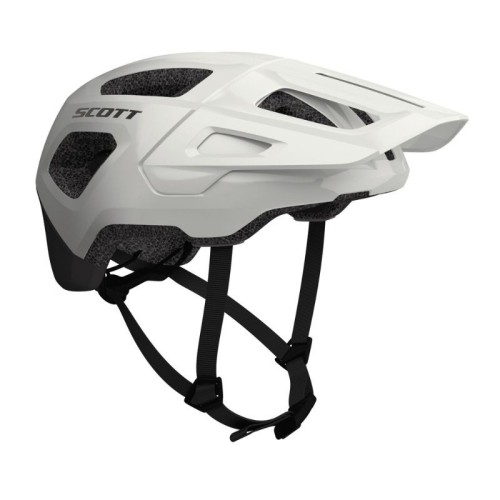
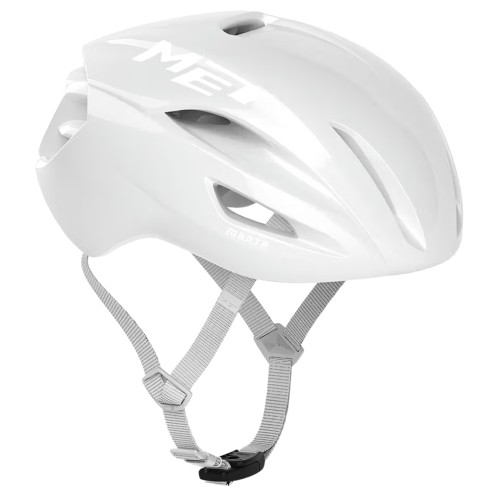
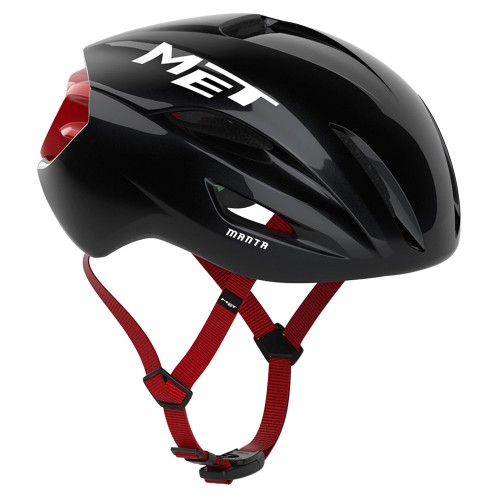
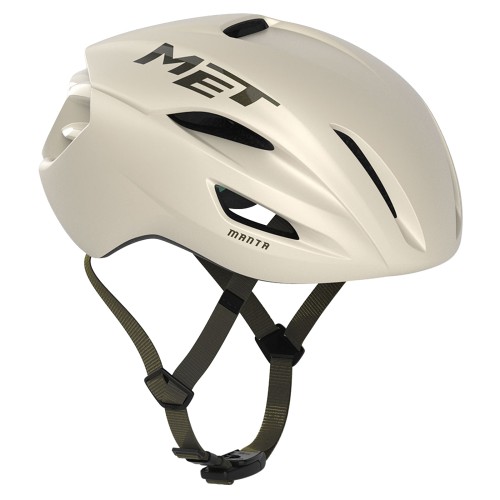
MET Manta MIPS Absolute White LTD (WA1) Aerodynamic Road Cycling Helmet 3HM133CE00
-23% €199.90 €260.00
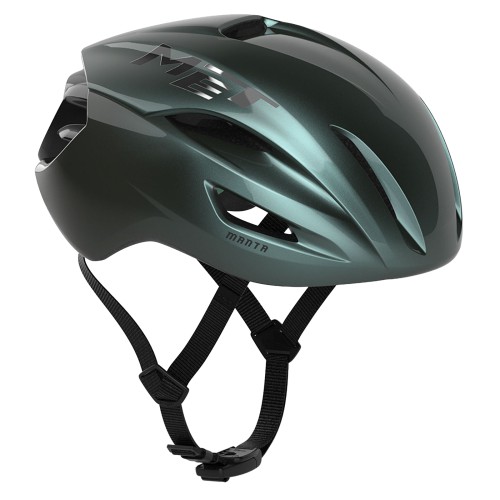

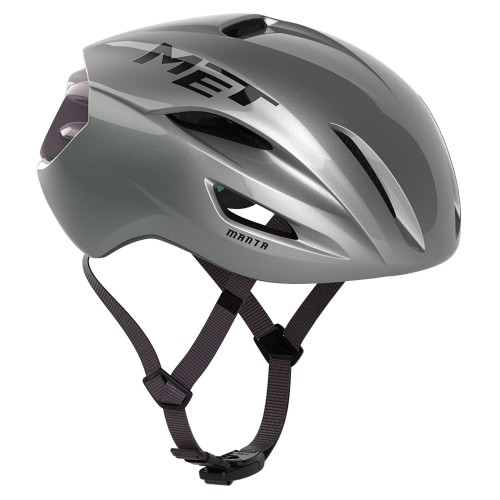
MET Manta MIPS Opal Gray Glossy (GO1) Lightweight Road Cycling Helmet - 3HM133CE00
-31% €179.90 €260.00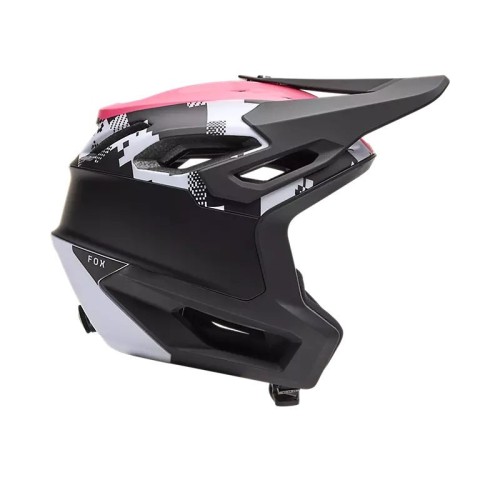
The weight
A lightweight helmet reduces fatigue on long rides. Road helmets are often lighter than MTB or urban models, but it's essential to find a balance between lightness and protection.
Safety standards
Make sure the helmet meets current safety standards, such as the European standard EN 1078. This certification guarantees that the helmet has passed rigorous impact and resistance tests.
Advanced protection technologies
Some technologies offer additional protection:
- MIPS (Multi-directional Impact Protection System): reduces rotational forces in the event of an oblique impact.
- WaveCel: honeycomb structure absorbing impact energy.
- SPIN (Shearing Pad INside): silicone pads reducing rotational forces.
Additional features to consider
The visor
Useful for protecting the eyes from the sun, rain or debris, the visor is often found on MTB helmets and some urban helmets.
adjustment systems
A good adjustment system allows you to precisely fit the helmet to your head. The adjustment dials at the back offer quick and easy fitting.
Reflective elements
To improve your visibility, especially in urban areas or during night rides, choose helmets with reflective strips or integrated LEDs.
Compatibility with accessories
Some helmets are compatible with accessories such as glasses, action cameras or rain helmet covers.
Comparison of helmet types according to the activity
| helmet type | Practical | Main features |
|---|---|---|
| Road Helmet | Road cycling | Lightweight, ventilated, aerodynamic |
| MTB Helmet | Mountain bike | Enhanced protection, visor, extended back cover |
| Urban Helmet | Getting around town | Comfortable, understated design, reflective elements |
| Full-face Helmet | Downhill, BMX | Full head and face protection |
Tips for helmet maintenance and replacement
Cleaning
Clean your helmet regularly with lukewarm water and mild soap. Avoid solvents or harsh chemicals that could damage the materials.
Storage
Store the helmet in a dry place, away from direct sunlight and extreme temperatures, to preserve its protective properties.
Replacement
It is recommended to replace your helmet every 3 to 5 years, even if it hasn't sustained an impact, due to material wear. After a significant impact, replace it immediately, even if no visible damage is apparent.
FAQ
How can I tell if my helmet is the right size?
Measure your head circumference and compare it with the manufacturer's size guide. The helmet should fit snugly, without pressure points, and stay in place when you move your head.
What is the lifespan of a bicycle helmet ?
A helmet should be replaced every 3 to 5 years, even without impact, to ensure optimal protection. After an impact, replace it immediately.
What is the difference between a MIPS helmet and a classic helmet ?
MIPS helmets incorporate technology that reduces rotational forces during an oblique impact, providing additional protection against head injuries.
Can I use a road cycling helmet for MTB ?
Although possible, it is preferable to use a helmet specifically designed for MTB , offering better coverage and a visor to protect against debris.
How do I clean the inner foam of my helmet ?
Remove the foam if it is removable and wash it by hand with warm water and mild soap. Let it air dry before replacing it.

Related Posts
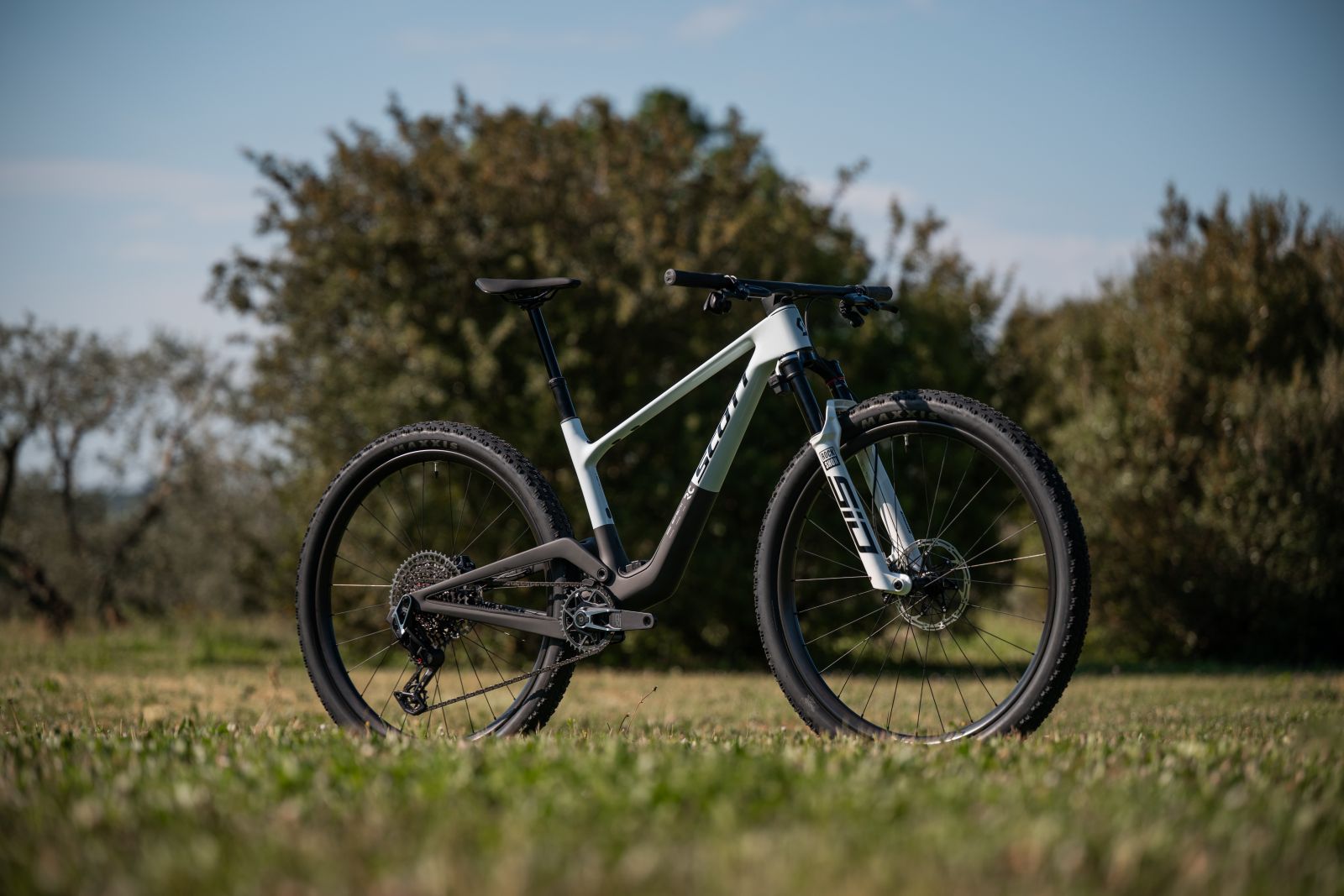
The Scott Spark RC World Cup and Expert 2027 push the boundaries of XC even further. Flight Attendant suspension, Syncros carbon wheels and top-level performance: discover our full review.
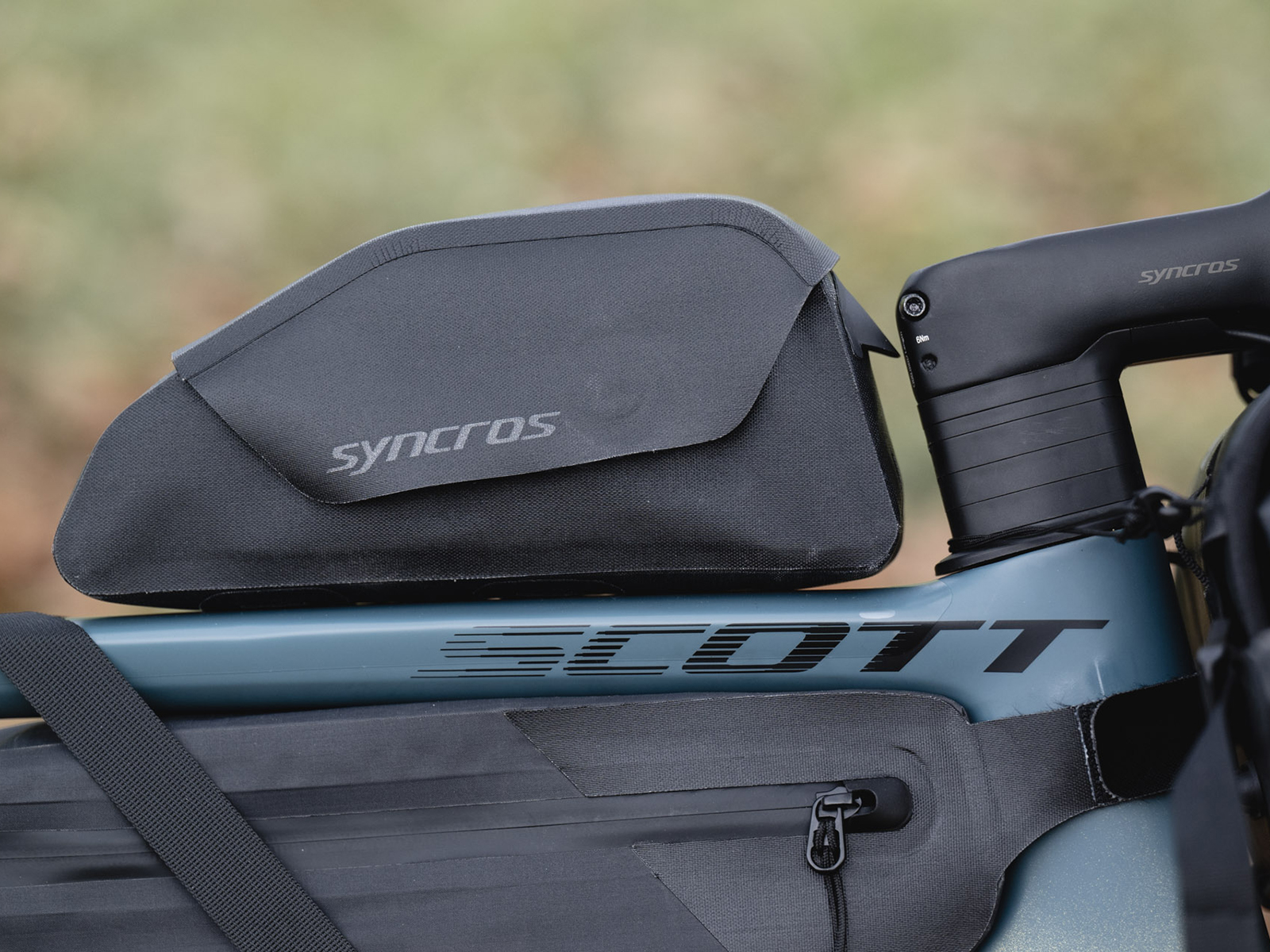
The pannier has become an essential piece of equipment for many cyclists. Whether for daily commutes, bike riding, long rides, cycle touring, bikepacking, or simply leisurely outings, it allows you to carry your belongings comfortably without carrying a load on your back. A well-chosen pannier improves comfort, maintains the bike's balance, and makes organizing your gear easier.
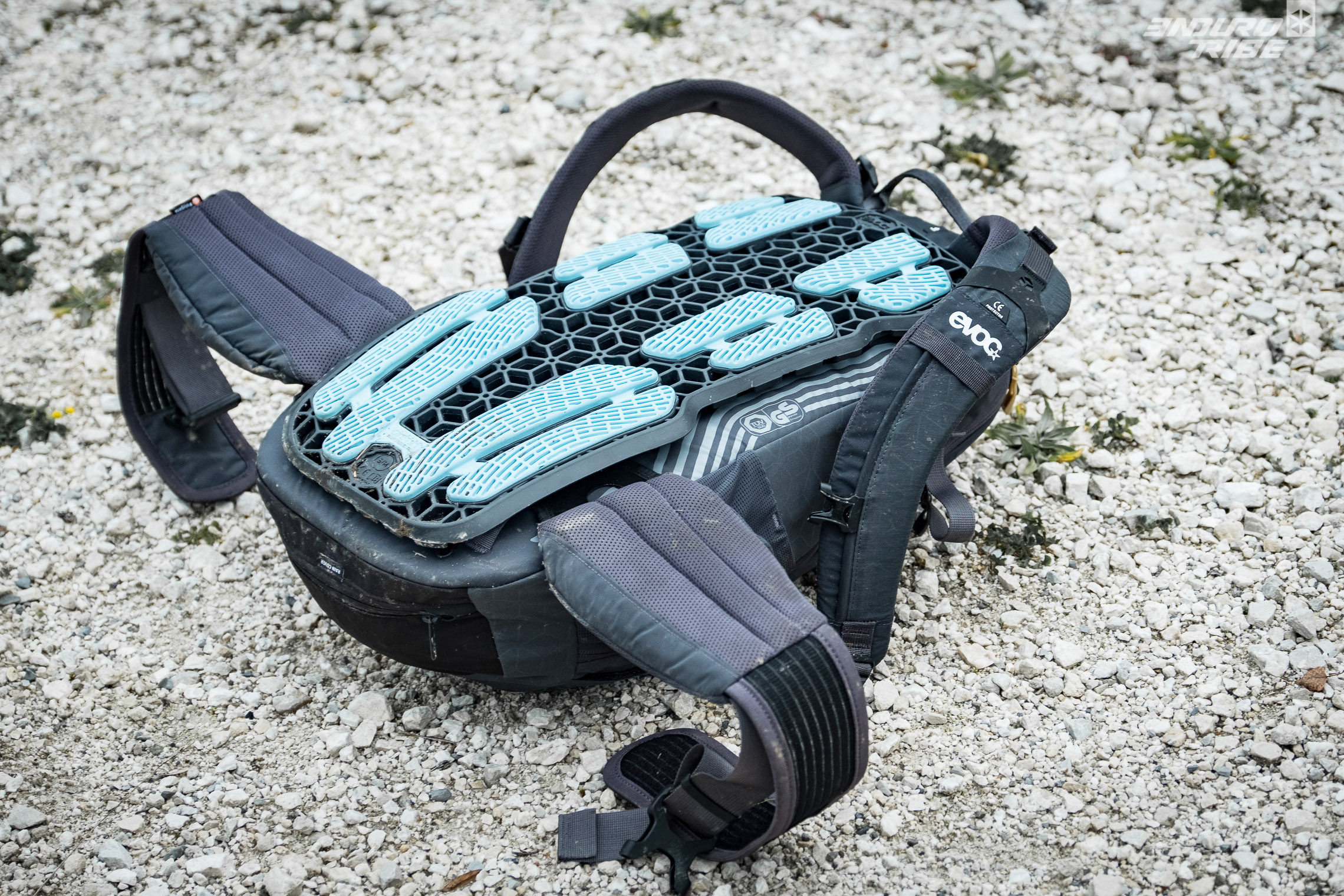
Choosing a cycling backpack requires finding the right balance between comfort, capacity, stability, rain protection, and easy access to your gear. A good bag shouldn't just carry things. It should stay securely in place, not interfere with pedaling, minimize back perspiration, and effectively protect essential items. Whether you're commuting to work, going for a sporting activity, cycling around town, touring by bike, or hiking, your needs will differ.
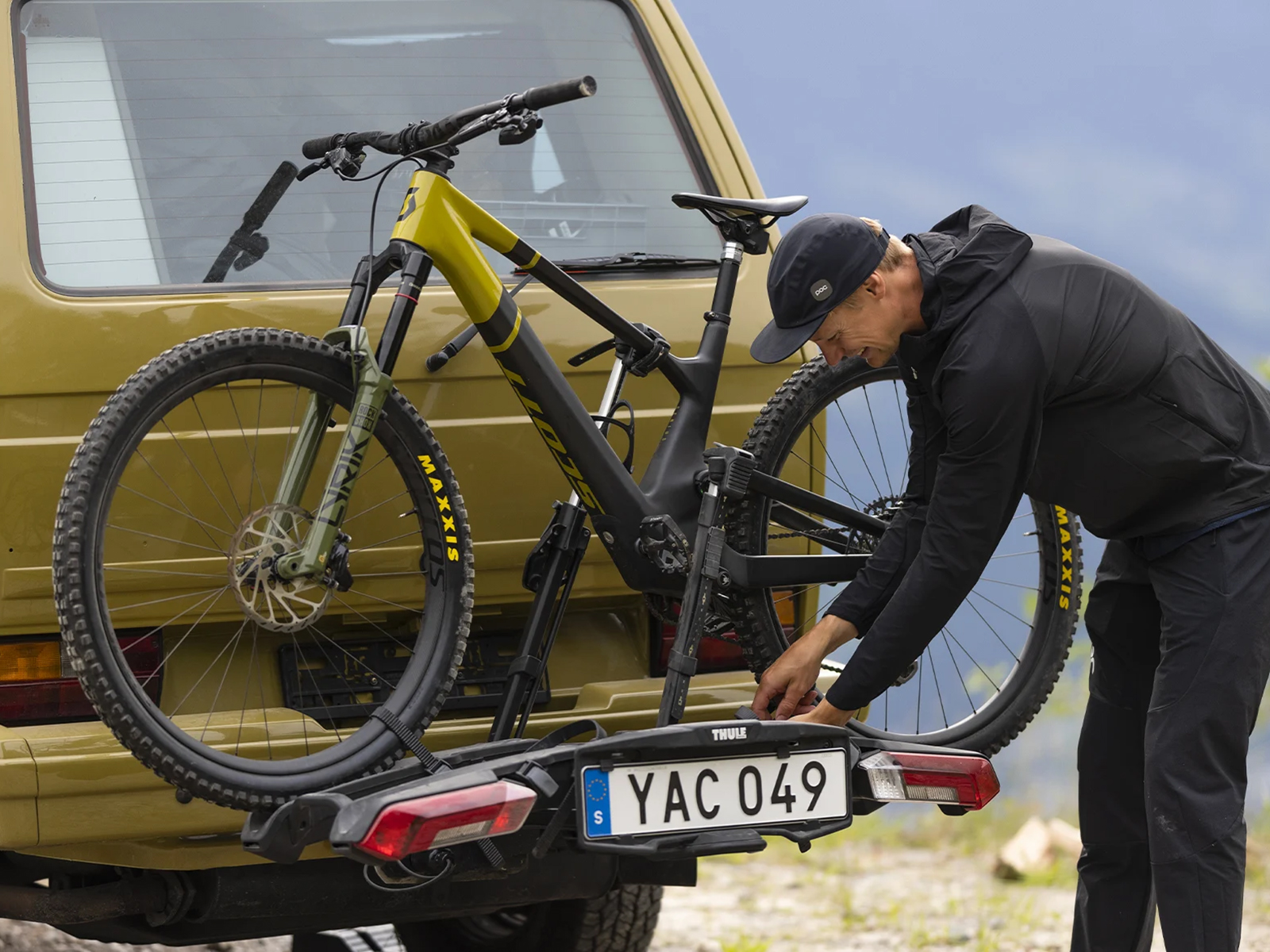
Choosing the right bike rack is essential for transporting your bikes safely, protecting your equipment, and enjoying a worry-free journey. Given the wide variety of systems available, identifying the best solution for your vehicle, the number of bikes you're carrying, or your intended use isn't always easy. Between hitch-mounted, tailgate-mounted, and roof-mounted models, there are many differences in terms of load capacity, ease of installation, compatibility, and user-friendliness.
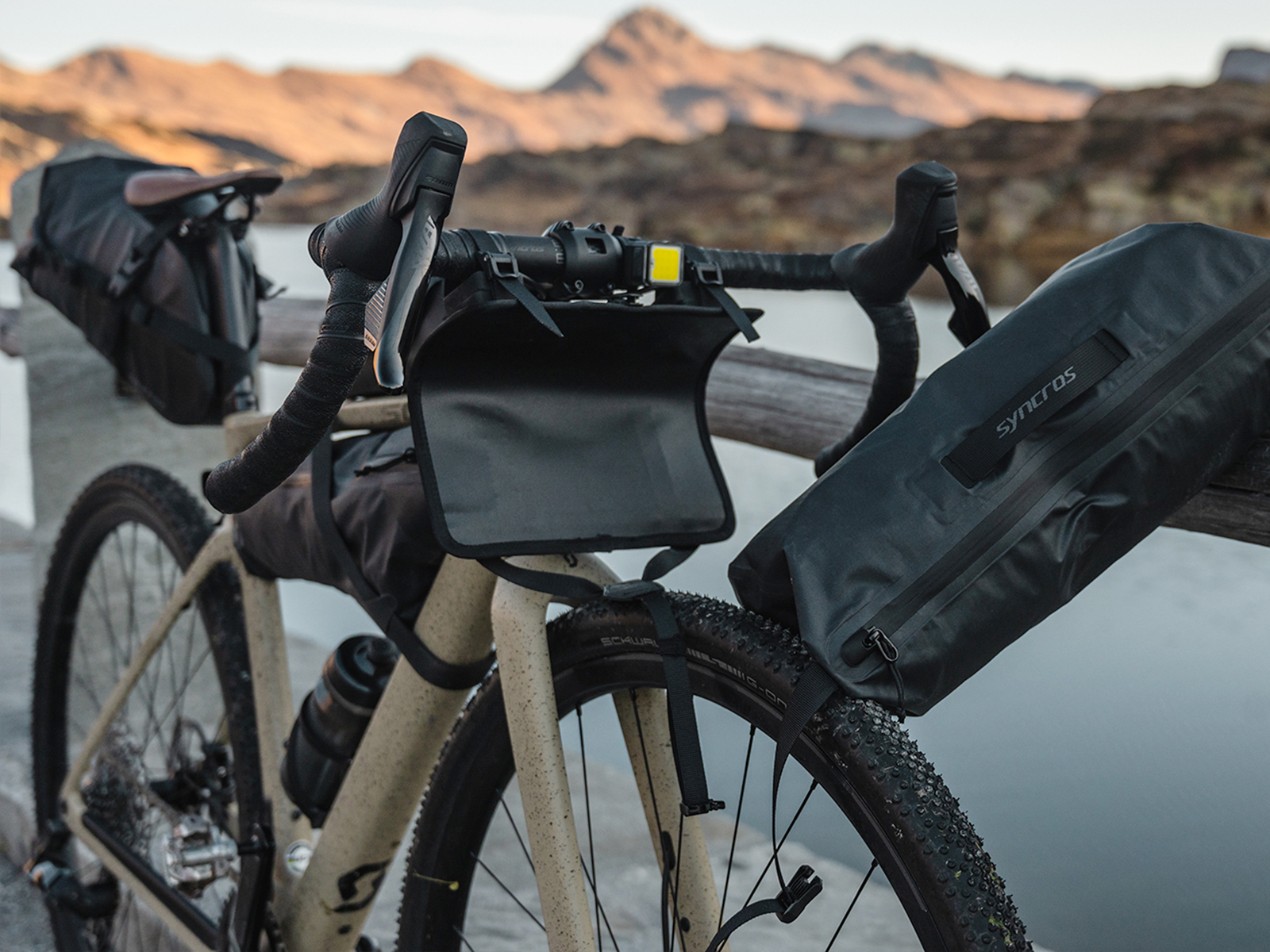
Bikepacking is an adventure cycling practice that involves traveling independently with a lightweight load attached directly to the bicycle. Unlike traditional cycle touring, which uses racks and large panniers, bikepacking favors compact bags distributed across the frame , handlebar , and tige de saddle . This approach allows for a bike that remains agile, efficient, and suitable for varied terrain, whether roads, tracks, forest paths, or trails.
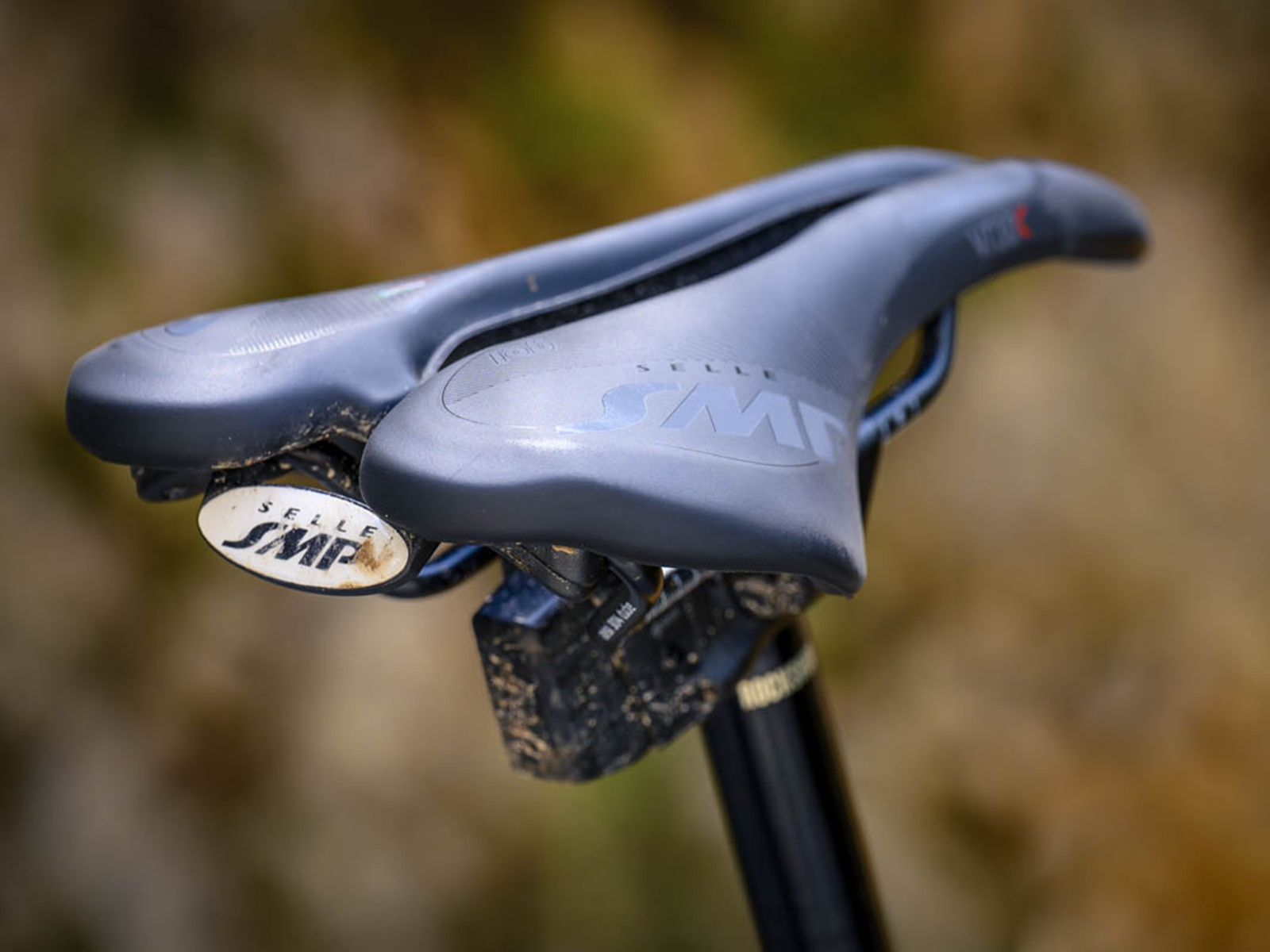
Choosing the right saddle is one of the most important factors in improving comfort, performance, and enjoyment of off-road riding. An unsuitable saddle can cause pelvic pain, chafing, numbness, or reduced pedaling efficiency. Conversely, a well-chosen saddle allows for better power transfer, maintains a stable position on the bike, and lets you fully enjoy your rides, whether it's trail riding, cross-country, enduro, or downhill. The shape, width, padding, materials, and type of riding all directly influence the choice. Therefore, it's essential to consider your body type, riding style, and riding habits before making your selection.