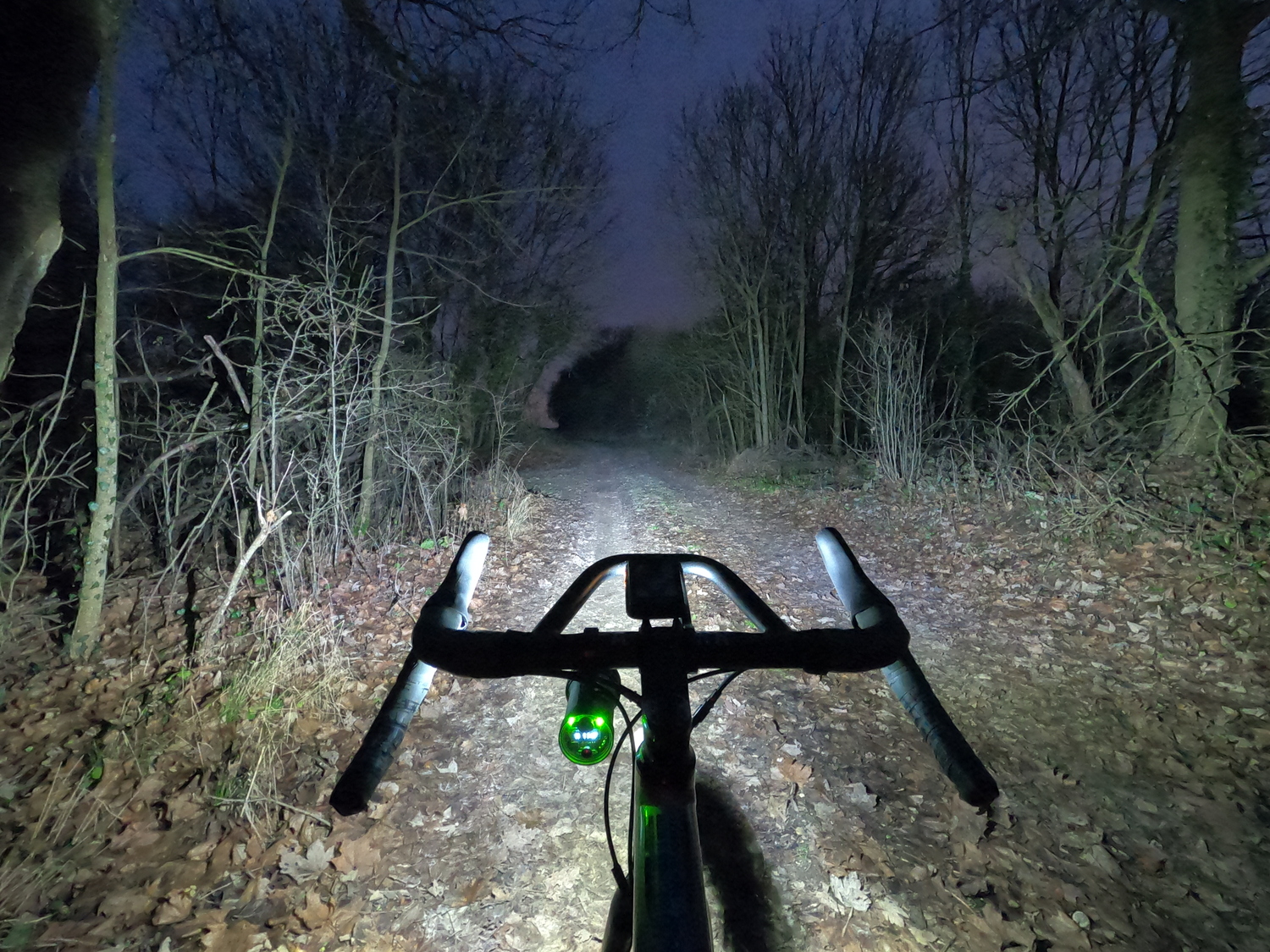
Bike lights are much more than just an accessory. They are a fundamental element for your safety, both for seeing and being seen. Whether you ride in the city, the countryside, day or night, having good lighting can mean the difference between a safe ride and a dangerous situation. This guide will walk you through the process of choosing the right lights for your riding style, environment, and specific needs.
Why good lighting is essential
Riding without lights, even during the day, can make you almost invisible to other drivers. In urban areas, taillights help alert others to your presence. In rural areas or on unlit roads, a good headlight is essential for seeing obstacles, curves, potholes, or anything else that could cause you to fall.
Effective bicycle lighting fulfills two roles:
- Being seen by other road users (flashing or steady lights, front and rear)
- Seeing the road in the dark (powerful headlights with a wide or focused beam)
The different types of bicycle lights
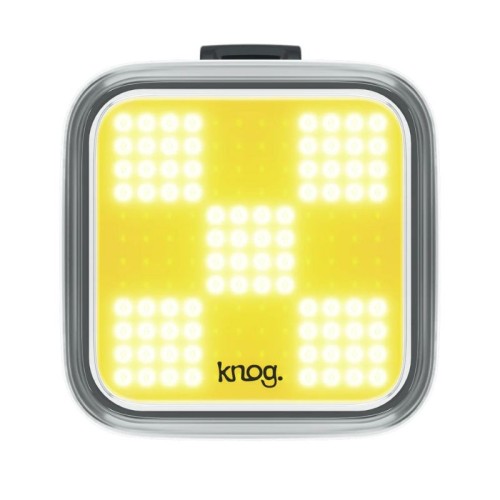
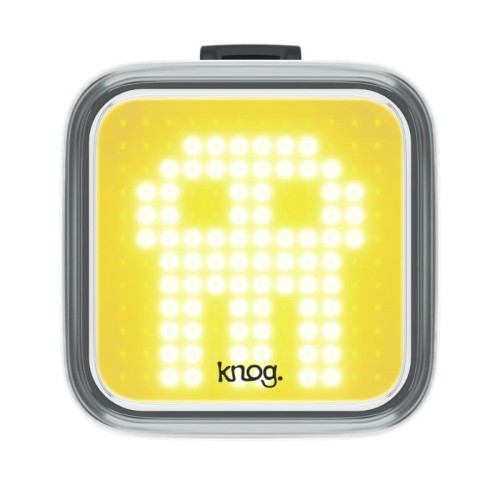
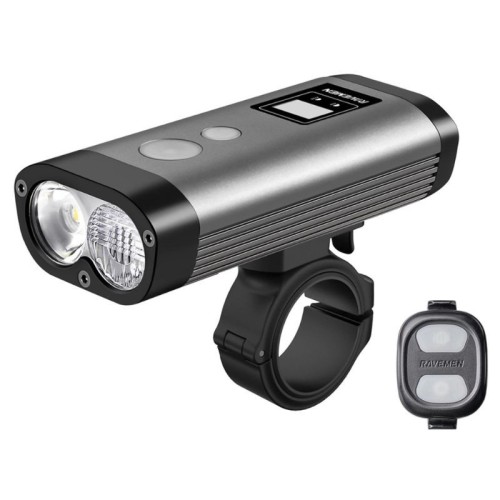
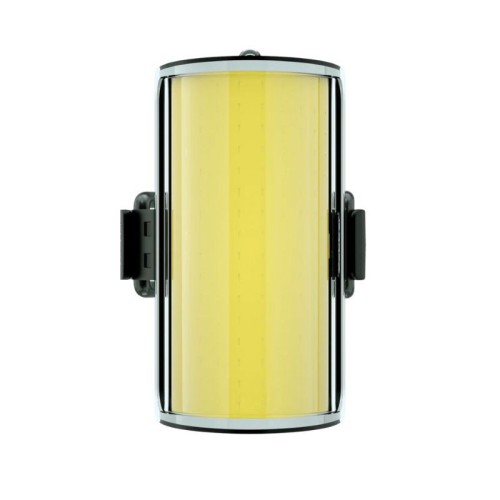
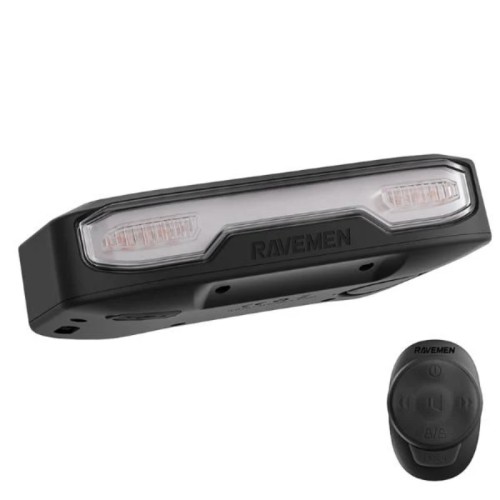
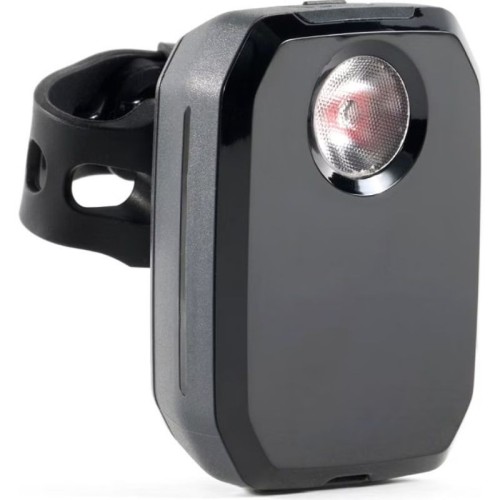
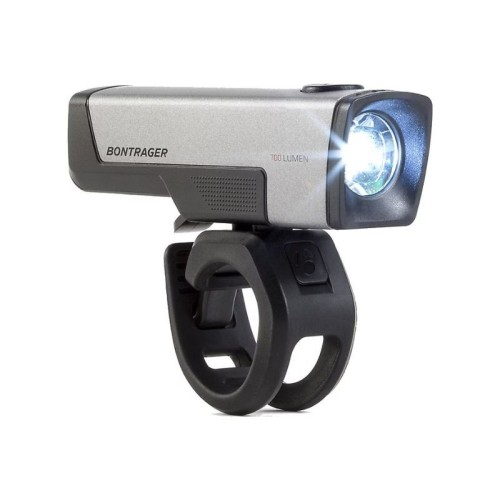
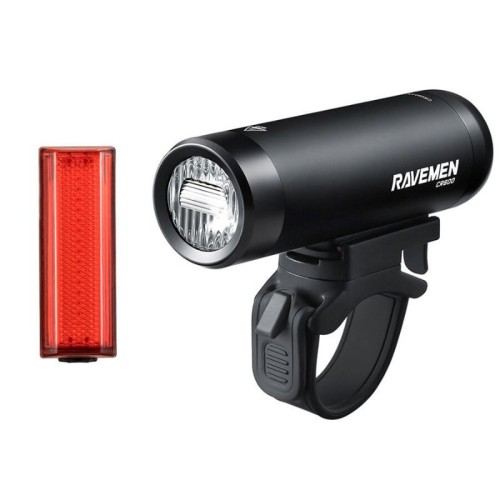
There are several categories of lighting, each with a specific use and characteristics. Before making a choice, it is helpful to understand their differences:
- LED lighting : the most common today, very efficient, low consumption, good lifespan.
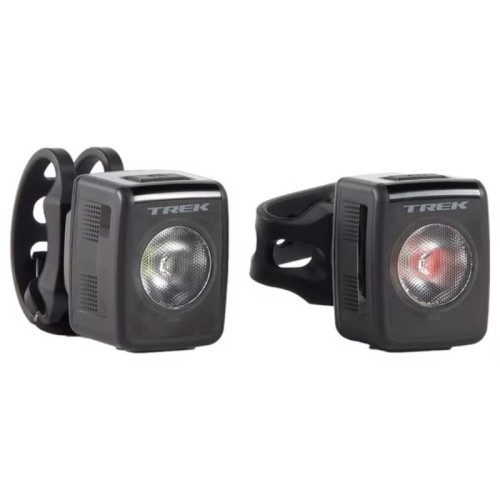
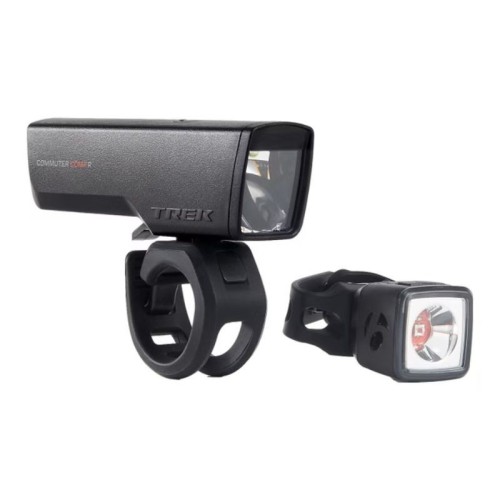
- Battery-powered or integrated battery lights : easy to recharge or change, suitable for daily commutes.
- USB rechargeable lights : practical, avoid disposable batteries, often more powerful.
- Dynamo lights : do not require recharging, but depend on the movement of the bicycle.
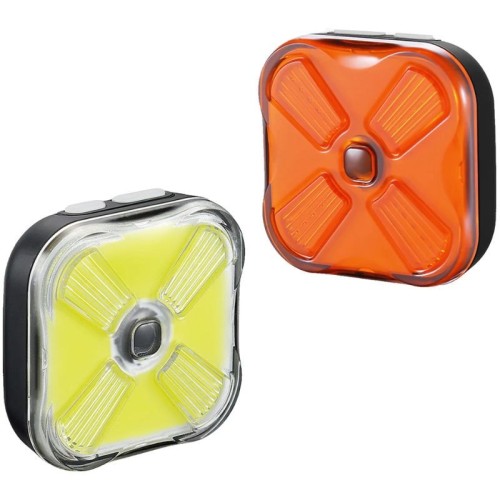
Some lights combine several functions, such as a lamp with daytime running light, flashing mode, or automatic brightness detection.
Criteria to consider
The choice of lighting depends on more than just its wattage. Other factors come into play for optimal use.
Light power
It's measured in lumens. The higher the number, the brighter the light. But be careful: very bright lights can be useless (or even dangerous for others) if you only ride in well-lit city streets. Here's a general guideline:
| Environment | Recommended power (before) | Recommended power (rear) |
|---|---|---|
| Well-lit city | Between 100 and 200 lumens | Less than 50 lumens |
| Poorly lit road | 200 to 500 lumens | 30 to 100 lumens |
| Paths or forest | 600 lumens and more | Minimum 50 lumens |
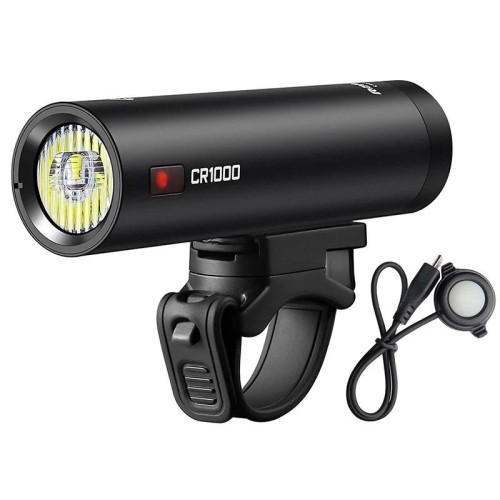
For the front headlights, it is also important to choose a well-oriented beam so as not to dazzle oncoming traffic.
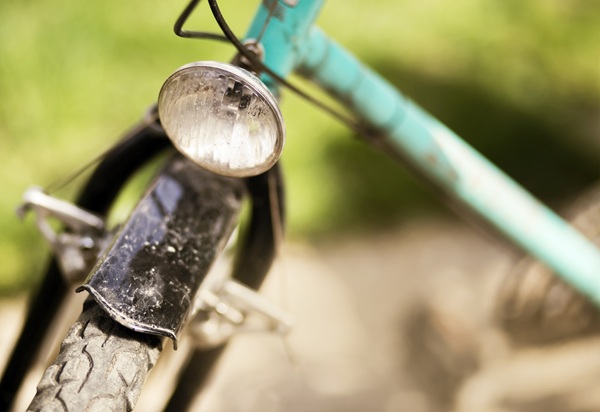
Autonomy
Battery life depends on battery capacity and the mode used. Lights often have several brightness levels (low, medium, high, flashing). A flashing mode can last for several hours, while a high mode drains the battery more quickly. Check if the light is suitable for your typical commute and if it is easily rechargeable.
Attachment and compatibility
Mounting systems must be robust yet easy to use. They come in rubber, clip, or screw-on styles. Some models are removable (useful for preventing theft), while others integrate with the frame or tige de saddle .
Some lights are also compatible with helmets or saddlebags, which can be useful for additional or supplementary lighting.
Waterproofing and resistance
Good lighting should be able to function in the rain, or even in extreme conditions. Look for ratings like IPX4 or IPX6, which indicate the level of water resistance. Models designed for MTB or long distances are often more robust, with reinforced housings to withstand impacts.
Useful functions to know
Modern lighting fixtures are increasingly incorporating useful features:
- Motion detector : the light turns on when the bike moves
- Light sensor : automatically adjusts the power according to the environment
- Daytime running light mode : increased visibility even in bright sunlight
- Battery indicator : allows you to anticipate when to recharge
These options can make a difference on the field and prevent unexpected breakdowns.
What insights can you offer based on your experience?
The type of cycling you do greatly influences your lighting choices. Here are some recommendations based on your intended use:
| Type of practice | Recommended lighting |
|---|---|
| urban commute home-to-work | Small fixed front light + flashing rear light, USB rechargeable, compact |
| Road or long distance | Powerful headlights with a wide beam, long-lasting battery, fixed rear light visible from afar |
| MTB / Gravel bike | Powerful front lights (600 lumens and more), supplementary helmet lighting |
| Occasional outing | Simple, clip-on lighting, sufficient for short-term visibility |
The importance of rear lighting
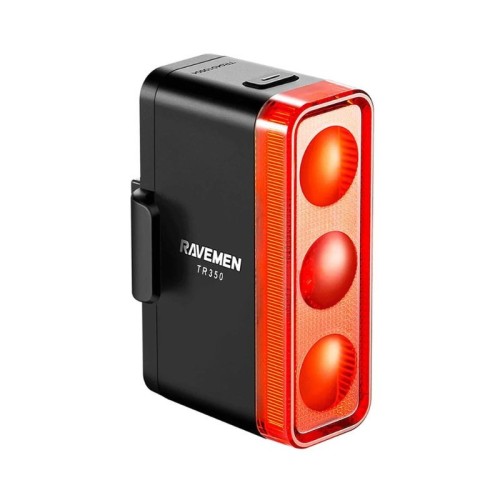
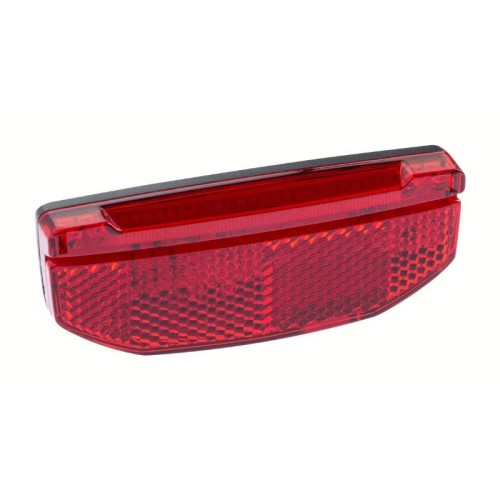
Often overlooked, rear lighting is nevertheless crucial. It must be clearly visible, even from a distance. Red is the standard, but some models add peripheral LEDs, alternating flashes, or dynamic effects to better attract attention.
It is also useful to add secondary lights on the helmet , pannier or seat stays for better lateral visibility.
Legislation and obligations
In many countries, lighting is mandatory as soon as natural light diminishes. This includes:
- A white or yellow light at the front
- A red light at the rear
- Reflectors on the wheels, pedals and rear
Failure to comply with these rules can not only jeopardize your safety but also result in penalties. Even in broad daylight, active lighting improves your visibility in traffic.
Additional accessories for visibility
In addition to lights, other equipment enhances your visibility on the road:
- Luminous armbands : easy to wear, visible from 360°
- Reflective vests : very useful in dark areas
- Side lights : LEDs on wheels or seat stays to be seen from the side
These elements do not replace mandatory lighting, but complement it for enhanced safety.
Best practices for use
Here are some simple but effective tips to optimize the use of your lighting:
- Recharge your batteries regularly, especially in winter.
- Clean the lenses to maintain good light intensity
- Check the fasteners before each outing
- Have a backup light in case of a long outing
Properly adjusted lighting (neither too high nor too low) improves your comfort and prevents you from dazzling others.
Choosing the right bike lights is an investment in your safety. It's not enough to simply buy a powerful model; you need to adapt it to your riding style, your environment, and your daily needs. With the various formats, power levels, battery life, and options available, everyone can find the ideal lights for confident riding, day and night. Take the time to compare, test, and optimize your equipment for each ride.
FAQ
What is the ideal power output for a bicycle light?
It depends on your intended use. In the city, 100 to 200 lumens is sufficient. On unlit roads or paths, you should aim for 500 lumens or more for the front light.
Are flashing lights allowed?
Yes, they are allowed in many countries, as long as they don't dazzle others. They are very effective at attracting attention.
Is lighting necessary even during the day?
Yes, a daytime running light or flashing light greatly increases visibility, especially in bad weather or heavy traffic.
What is the best type of fastener?
Rubber fasteners are quick and easy to install. Clip-on or screw-on systems offer added security against theft.
Are dynamos still relevant today?
Yes, especially for city or touring bikes. Modern hub dynamos are efficient and quiet.

Related Posts
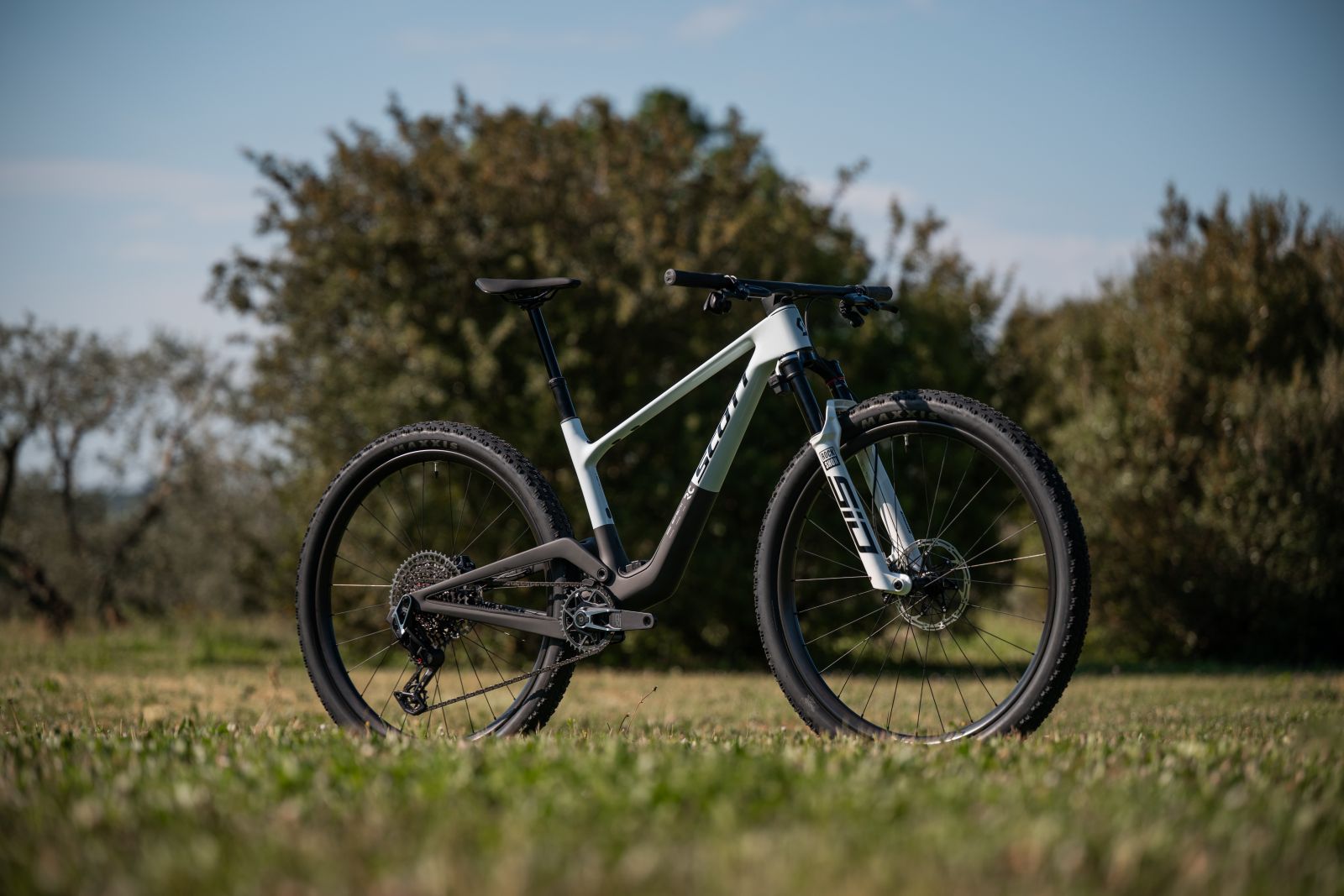
The Scott Spark RC World Cup and Expert 2027 push the boundaries of XC even further. Flight Attendant suspension, Syncros carbon wheels and top-level performance: discover our full review.
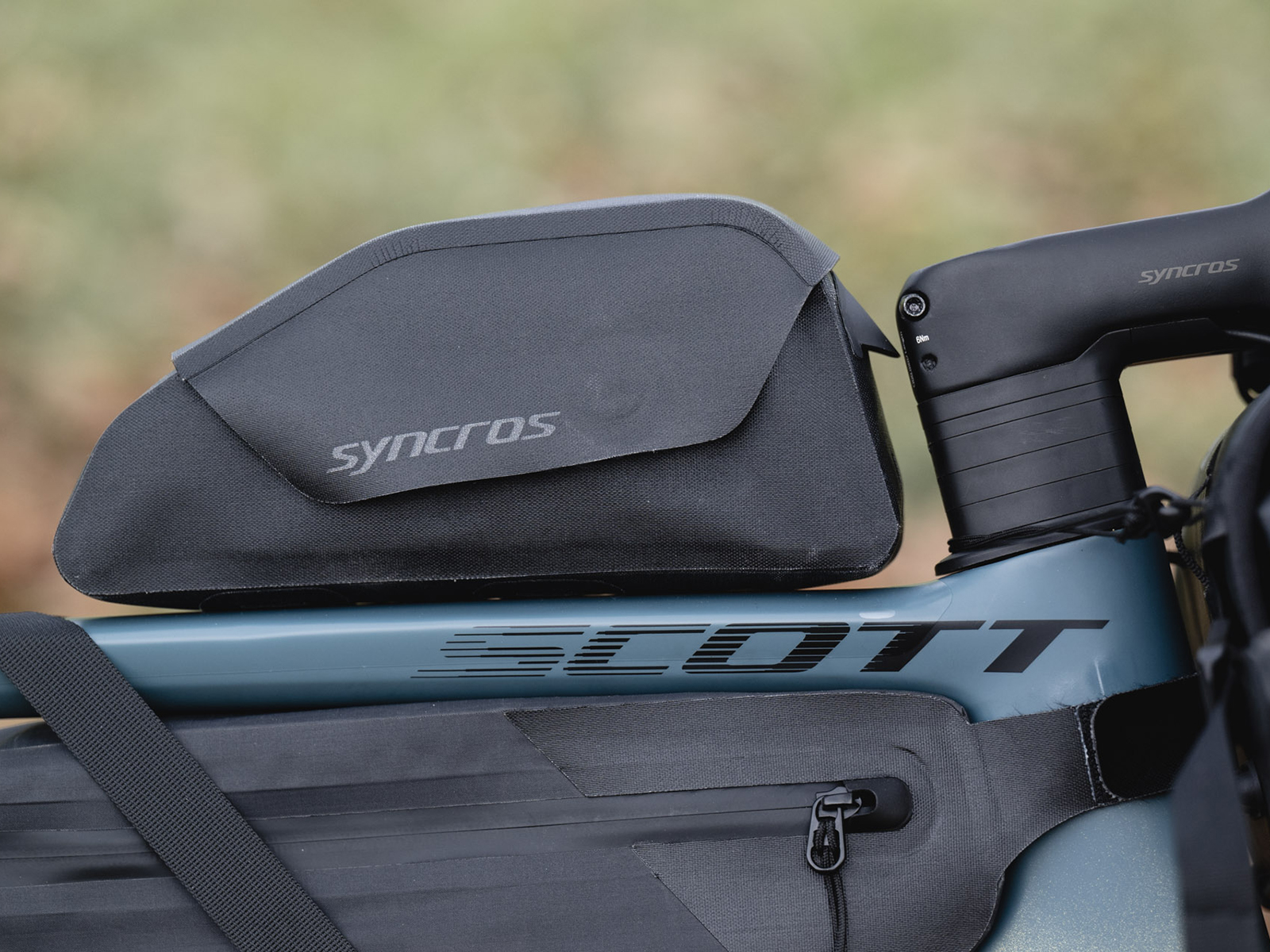
The pannier has become an essential piece of equipment for many cyclists. Whether for daily commutes, bike riding, long rides, cycle touring, bikepacking, or simply leisurely outings, it allows you to carry your belongings comfortably without carrying a load on your back. A well-chosen pannier improves comfort, maintains the bike's balance, and makes organizing your gear easier.
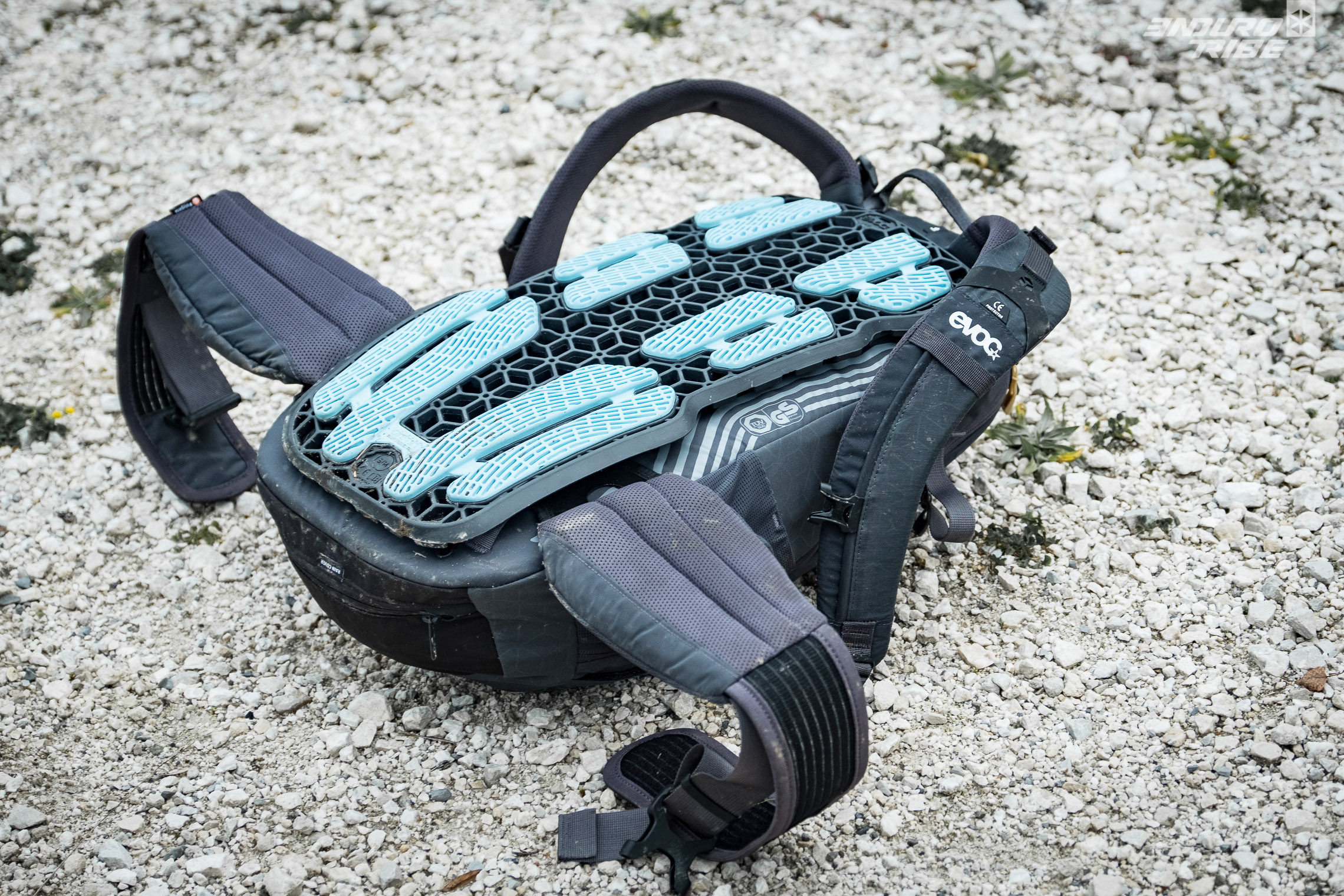
Choosing a cycling backpack requires finding the right balance between comfort, capacity, stability, rain protection, and easy access to your gear. A good bag shouldn't just carry things. It should stay securely in place, not interfere with pedaling, minimize back perspiration, and effectively protect essential items. Whether you're commuting to work, going for a sporting activity, cycling around town, touring by bike, or hiking, your needs will differ.
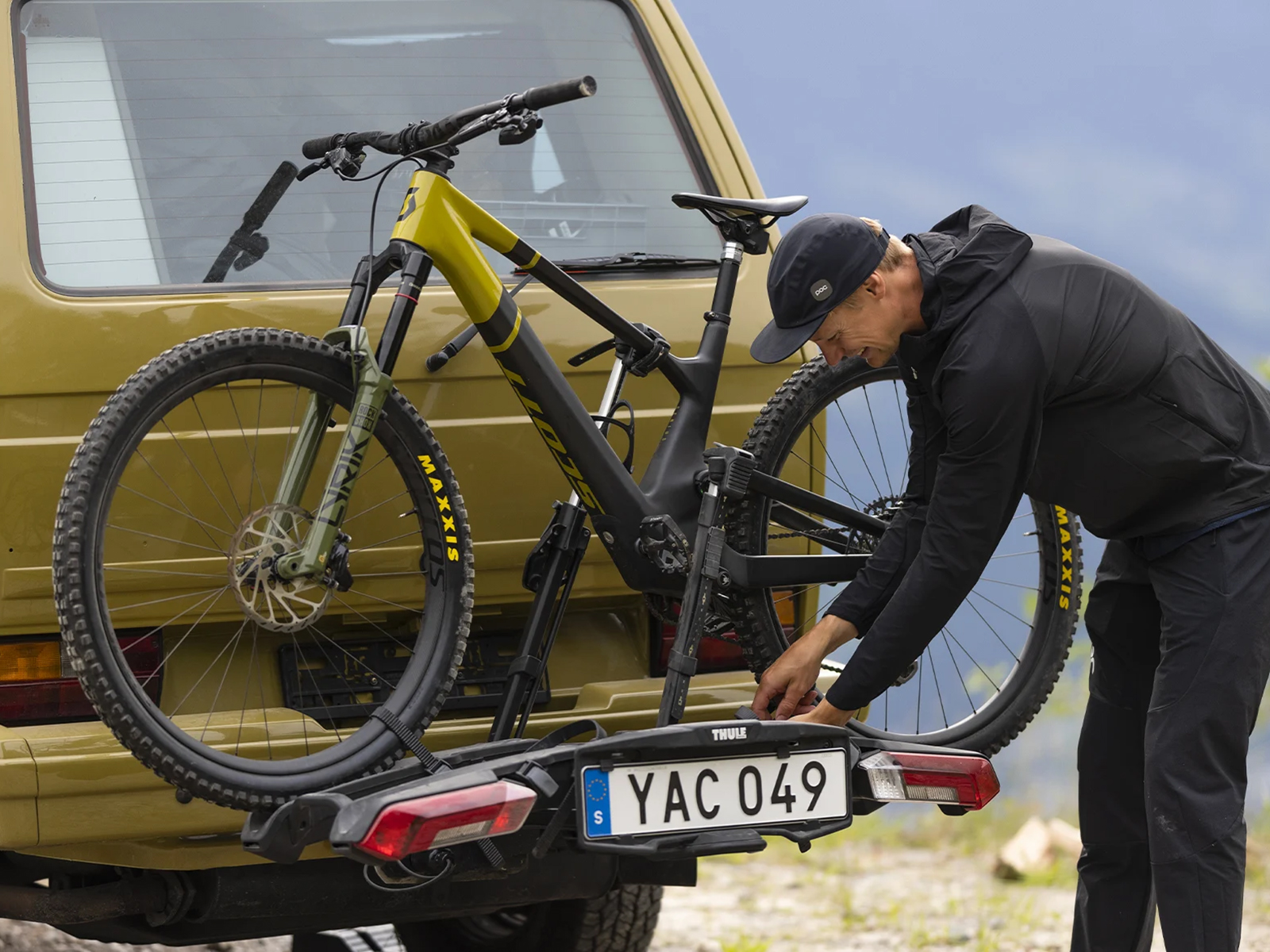
Choosing the right bike rack is essential for transporting your bikes safely, protecting your equipment, and enjoying a worry-free journey. Given the wide variety of systems available, identifying the best solution for your vehicle, the number of bikes you're carrying, or your intended use isn't always easy. Between hitch-mounted, tailgate-mounted, and roof-mounted models, there are many differences in terms of load capacity, ease of installation, compatibility, and user-friendliness.
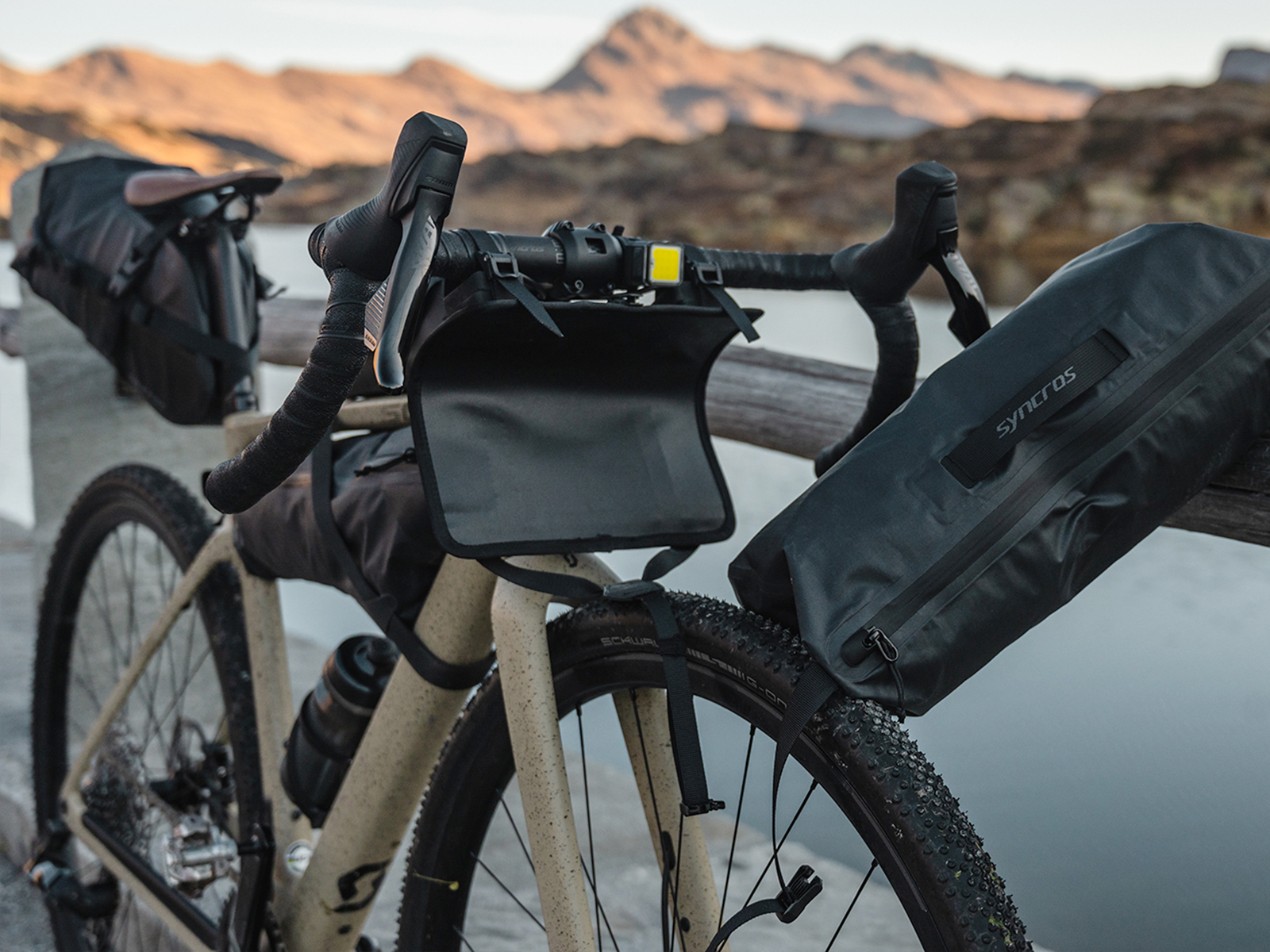
Bikepacking is an adventure cycling practice that involves traveling independently with a lightweight load attached directly to the bicycle. Unlike traditional cycle touring, which uses racks and large panniers, bikepacking favors compact bags distributed across the frame , handlebar , and tige de saddle . This approach allows for a bike that remains agile, efficient, and suitable for varied terrain, whether roads, tracks, forest paths, or trails.
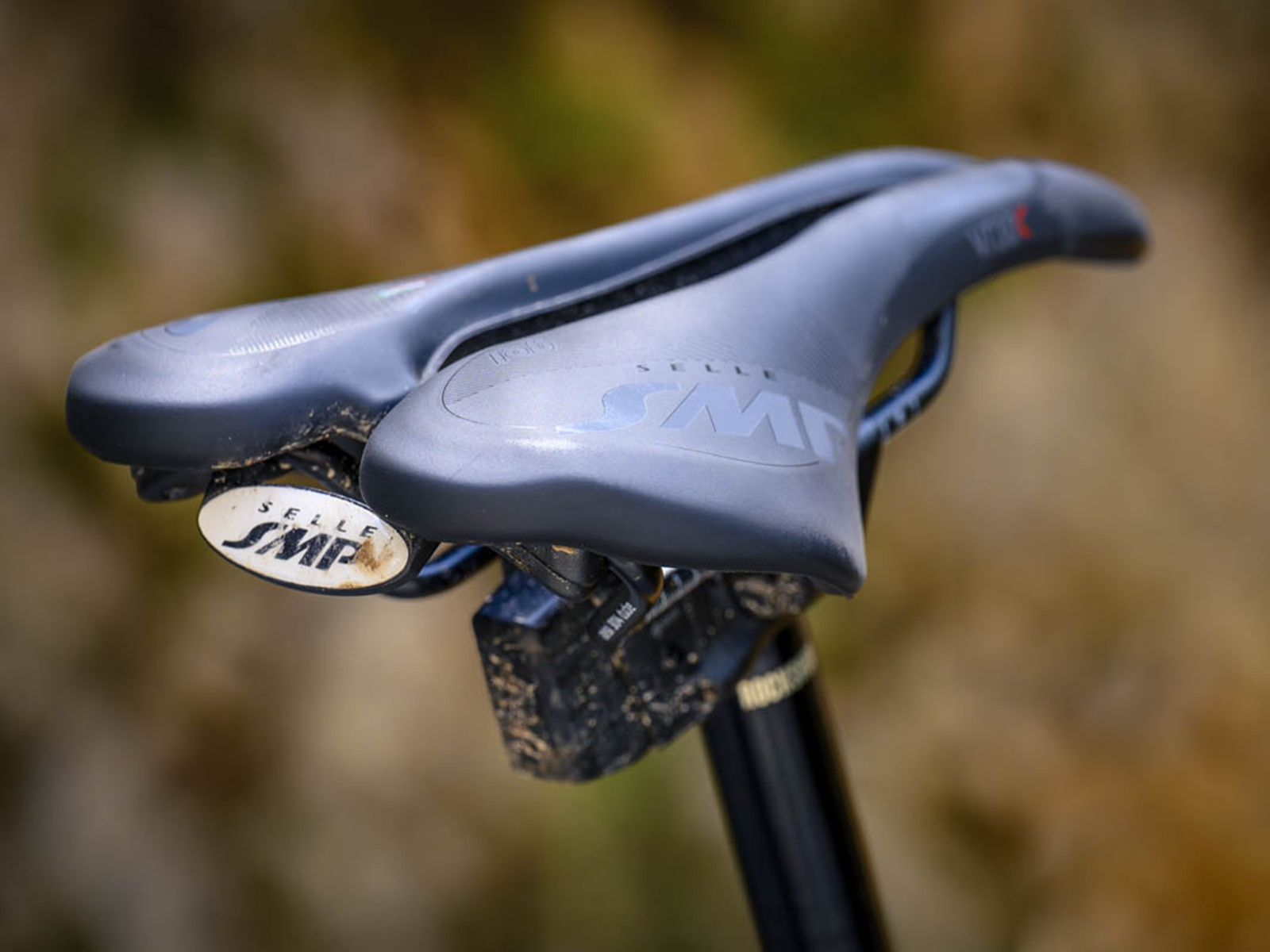
Choosing the right saddle is one of the most important factors in improving comfort, performance, and enjoyment of off-road riding. An unsuitable saddle can cause pelvic pain, chafing, numbness, or reduced pedaling efficiency. Conversely, a well-chosen saddle allows for better power transfer, maintains a stable position on the bike, and lets you fully enjoy your rides, whether it's trail riding, cross-country, enduro, or downhill. The shape, width, padding, materials, and type of riding all directly influence the choice. Therefore, it's essential to consider your body type, riding style, and riding habits before making your selection.