Cycling in winter requires more preparation than in summer. The cold, wind, rain, and snow put both body and mind to the test. However, with the right gear, you can continue to cycle comfortably and safely. This guide will help you choose the essential clothing for winter cycling, taking into account different weather conditions and the intensity of your rides.
The basic principles of winter dressing
The most effective system for staying warm and dry is the three-layer system. It allows you to easily adapt to variations in temperature, intensity of effort, and weather.
- Base layer : wicks away perspiration
- Middle layer : insulates against the cold
- Outer layer : protects against wind and rain
This modular system is key to avoiding the cold, overheating, or dampness that can quickly ruin a winter outing. Each layer must be chosen according to its specific role.
The first layer: moisture wicking
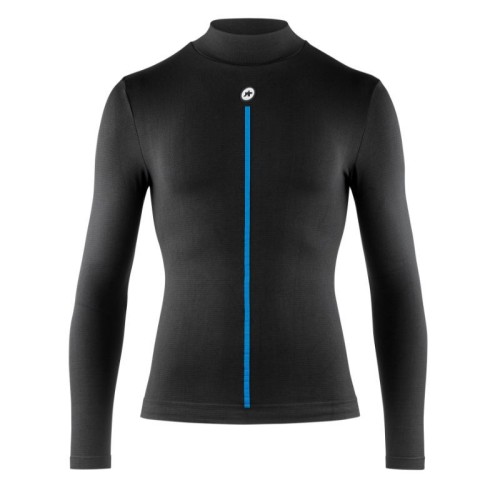
The base layer, often called technical underwear, is in direct contact with the skin. Its role is to wick away perspiration to prevent moisture from cooling the body. The best materials are merino wool (a warm and breathable natural wool) or technical synthetic fibers like polyester.
Good thermal underwear should:
- To be fitted to the body
- Dry quickly
- To limit odors (merino wool is excellent for this)
Absolutely avoid cotton, which retains moisture and promotes hypothermia.
The intermediate layer: thermal insulation
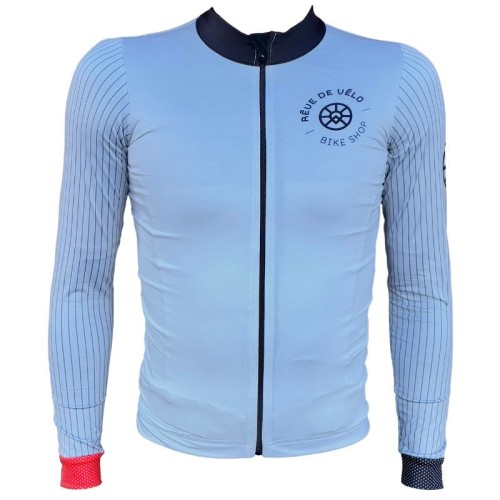
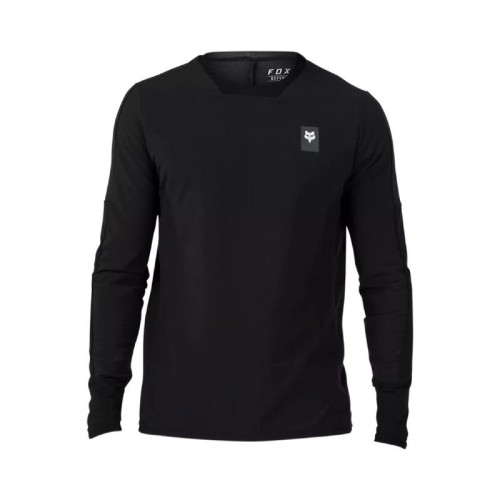
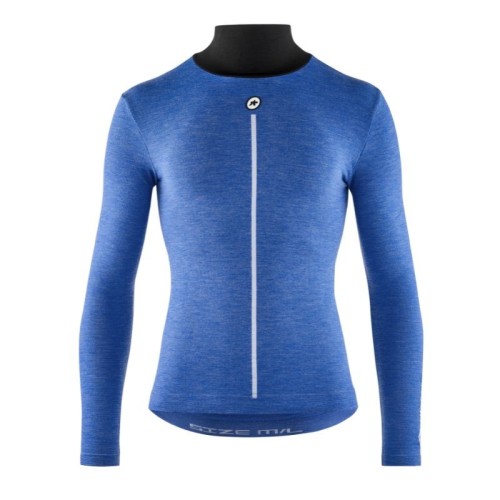
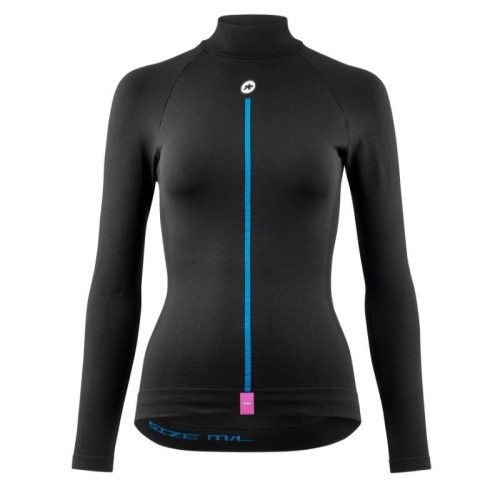
It's what will retain body heat. For moderate temperatures (between 5 and 10°C), a simple long-sleeved thermal jersey may suffice. For colder days, you can add a thin fleece jacket or a sleeveless insulated vest.
The fabrics used are often brushed on the inside to better retain heat. Some models also offer slight wind resistance, useful in calm weather.

The outer layer: protection against the elements
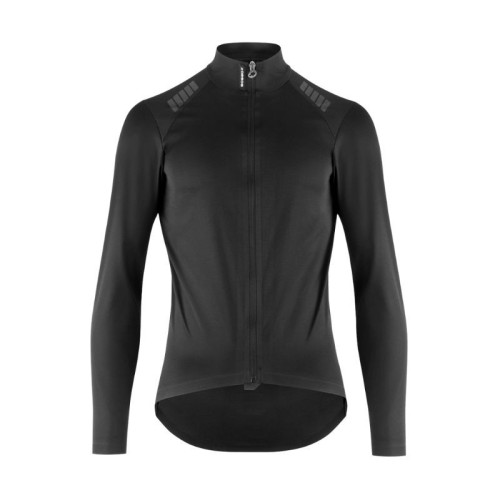
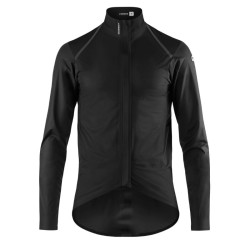
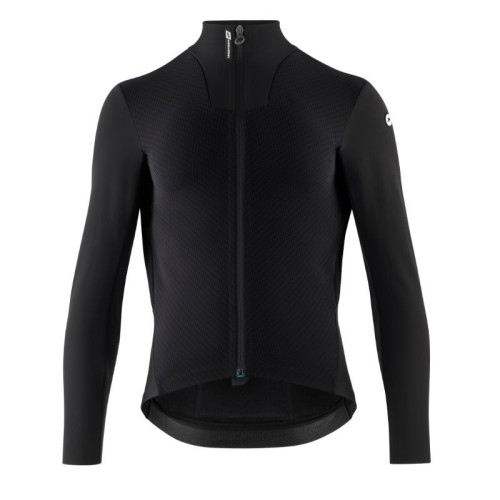
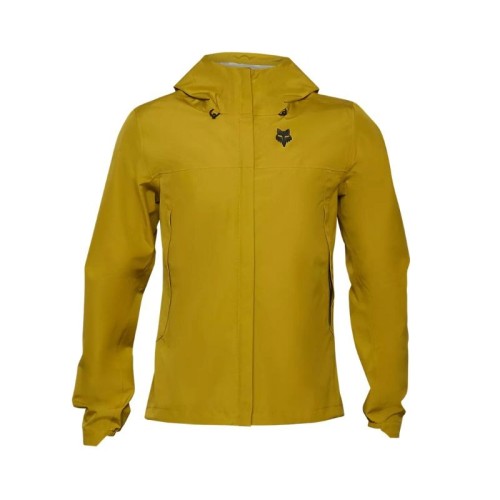
The outermost layer is designed to block the wind and protect you from rain or snow. It must remain breathable to allow perspiration to escape.
Winter jackets come in several types:
- Windproof jacket : ideal for cold but dry weather
- Waterproof jacket : protects from rain but is less breathable
- Softshell jacket : a good compromise between warmth, windproofing and water repellency.
Some models also incorporate stretch fabric zones to improve freedom of movement, as well as reflective inserts to be visible in low light.
Winter bib short : uncompromising thermal protection
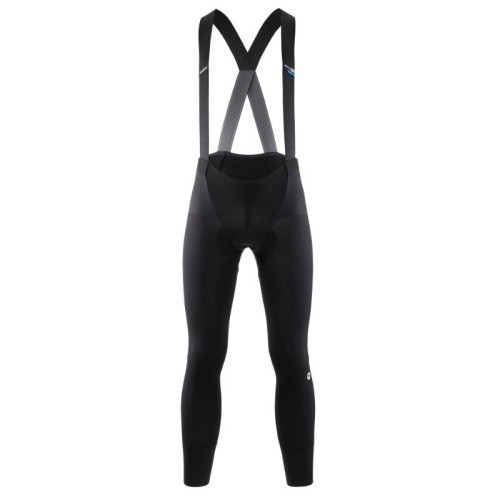
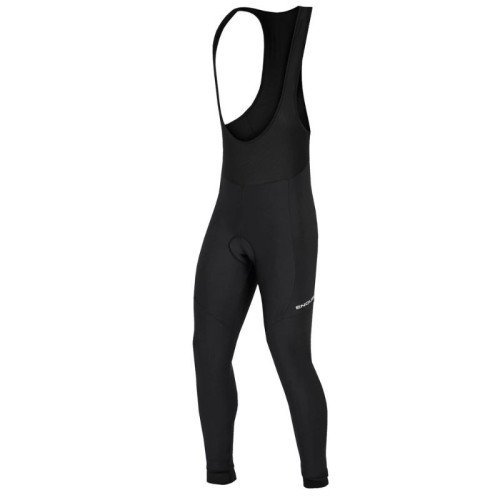
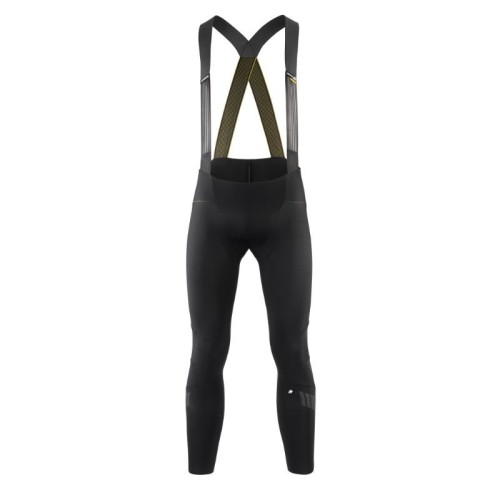
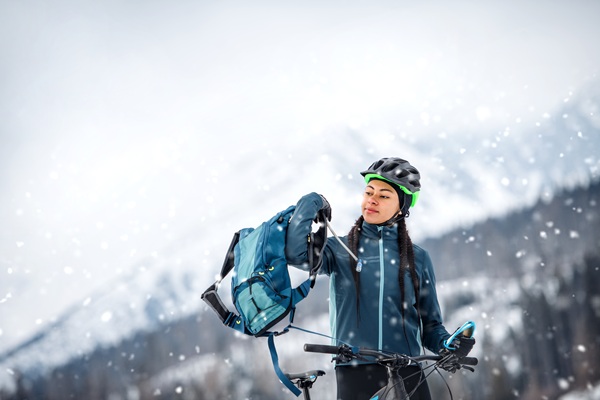
Your legs need to stay warm, especially since they're under a lot of stress. Thermal cycling shorts are therefore essential when choosing your winter cycling outfit . They come in simple versions or with bib tights, the latter offering better support.
The best models combine several layers of fabric, with a windproof or water-repellent outer layer and a brushed inner layer to retain warmth. The chamois pad should remain comfortable and breathable, just like in summer cycling shorts.
Some models also include a waterproof membrane at the shins or buttocks, areas highly exposed to road water.
Foot diapers
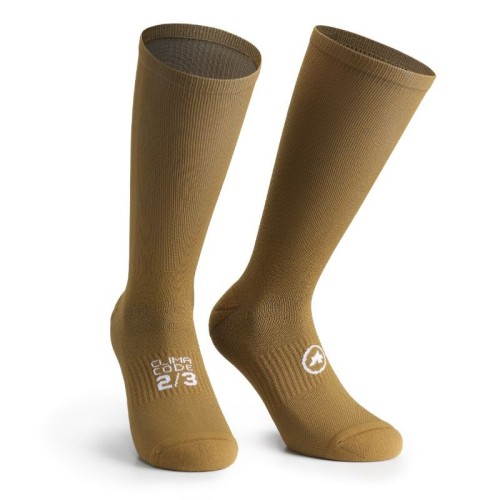
The feet are in direct contact with the cold and moisture thrown up by the wheels. To protect them effectively, several elements must be combined:
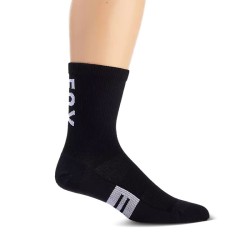
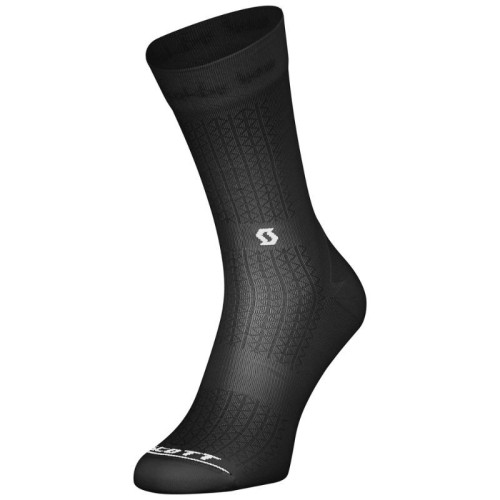
- Thermal socks : made of merino wool or synthetic fibers
- Shoe covers : made of neoprene, softshell or waterproof materials
The choice of shoe covers depends on the weather: a neoprene model is perfect for dry cold, while a waterproof model is more useful in the rain. Waterproof socks are also available for very wet days.
The hands: a sensitive area that needs to be well covered
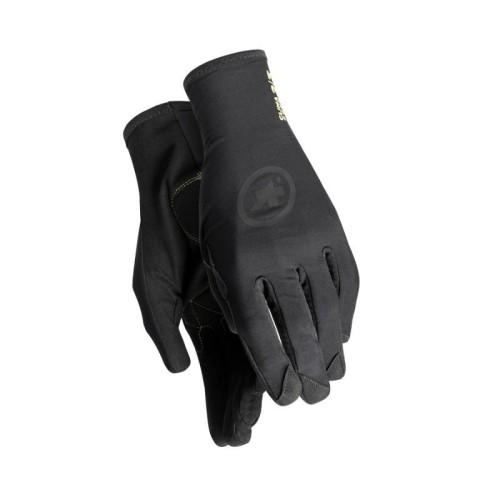
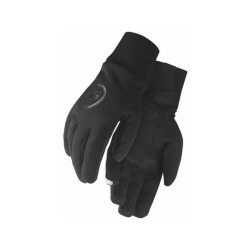
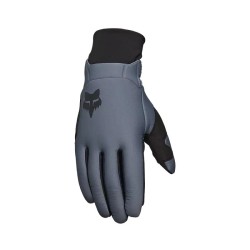
Hands are very exposed to the cold and wind. Poorly chosen gloves can turn your outing into an ordeal. In winter, gloves must be insulating, windproof, and breathable.
There are several types of gloves:
- Thin gloves : for mild temperatures
- Lined gloves : for sub-zero temperatures
- Waterproof gloves : for rain or snow
Some models are compatible with touchscreens, a handy feature if you use a GPS or smartphone. Others include a palm grip for better control of the handlebar , even in the rain.
Head and neck: protect without overheating
A significant amount of body heat can escape through the head. Therefore, in winter, it's important to cover it, without compromising ventilation. Under your helmet , you can wear:
- A thin thermal beanie
- A headband covering the ears
- A thin balaclava also covering the neck
For the neck, a multi-functional neck gaiter (like a buff) is often sufficient. It can be pulled up to the nose if needed, or easily stowed away in case of overheating.
Glasses: protection against cold and splashes
In winter, sunglasses aren't just for blocking UV rays. They also protect your eyes from wind, cold, rain, and splashes. Opt for clear or photochromic lenses, which adapt to the low light typical of winter days.
Dress appropriately for the weather
It's important not to dress too warmly to avoid overheating in the first few kilometers. The idea is to feel slightly cold at the start. Here are some typical combinations depending on the weather:
| Weather conditions | Recommended attire |
|---|---|
| Dry cold (0 to 5°C) | Thermal underwear, insulated jersey , windproof jacket , thermal bib short , lined gloves, neoprene shoe covers |
| Humid weather (5 to 10°C with rain) | Synthetic underwear, lightweight jersey , waterproof jacket , waterproof bib short or bib short short covers, waterproof gloves, waterproof shoe covers |
| Extreme cold (< 0°C) | Merino wool base layer, thermal jersey , softshell or lined jacket, bib short with windproof lining, hat, balaclava, warm gloves |
Common mistakes to avoid
Here are some classic mistakes that many cyclists make in winter:
- Dressing too warmly : you sweat, then you freeze because of the humidity.
- Neglecting the extremities : frozen hands and feet ruin the outing.
- Wearing non-breathable clothing : you end up soaked from the inside.
- Using a summer jacket in the rain : it is not designed for winter weather.
Useful accessories for winter
Certain additional equipment can greatly improve your comfort:
- Wrist or arm warmers : to be combined with a short-sleeved jersey
- Knee warmers or leg warmers : for outings between seasons
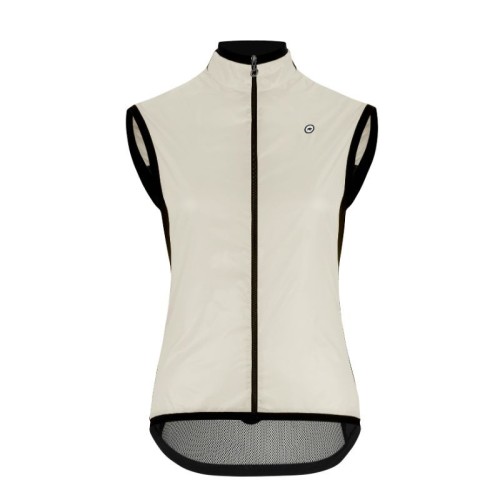
- Sleeveless jacket : lightweight windbreaker to put on for downhill skiing
- Protective cream against the cold: for face and hands
Winter cycling requires preparation, but with the right clothing, it's entirely possible, even enjoyable. The secret lies in adapting: to the weather, your riding intensity, and your sensitivity to the cold. Investing in technical, well-fitting, and thoughtfully designed layers will keep you warm, dry, and focused on what matters most: the pleasure of riding.
FAQ
Should you wear multiple layers when cycling in winter?
Yes, the three-layer technique allows for better temperature regulation, wicks away perspiration, and protection from cold and rain.
Are bib tight essential?
Yes, it protects legs from the cold and prevents muscle pain. It is essential below 10°C.
How to protect your feet while cycling in winter?
By combining thermal socks and shoe covers suitable for the weather. In very wet weather, waterproof socks can be useful.
Is it okay to wear a rain jacket for the entire outing?
Yes, if it's breathable. Otherwise, it can cause excessive sweating and make going out uncomfortable.
How to avoid getting too hot during exercise?
You should start out slightly fresh, wear breathable and well-ventilated clothing, and adjust your layers according to the intensity of the outing.

Related Posts
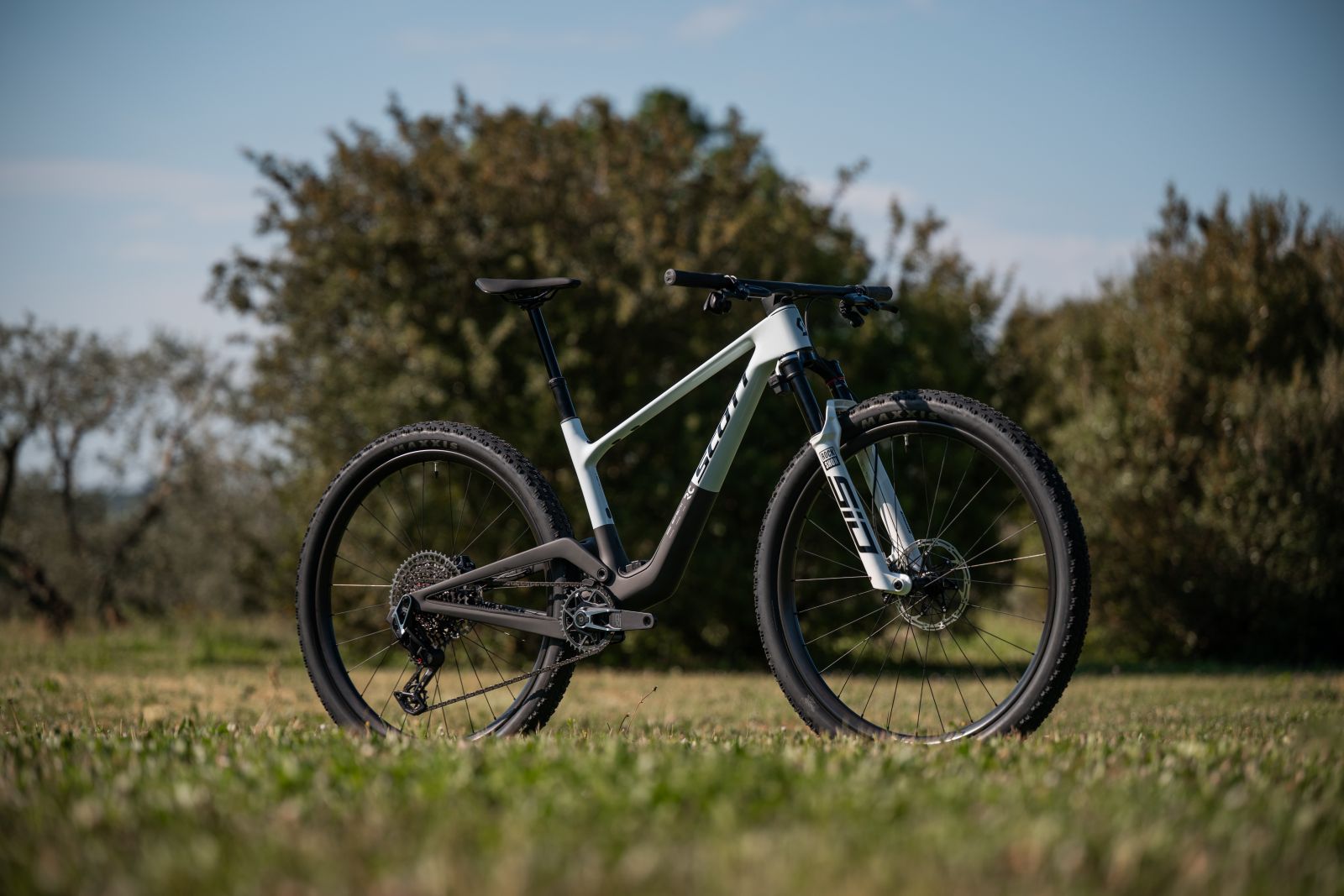
The Scott Spark RC World Cup and Expert 2027 push the boundaries of XC even further. Flight Attendant suspension, Syncros carbon wheels and top-level performance: discover our full review.
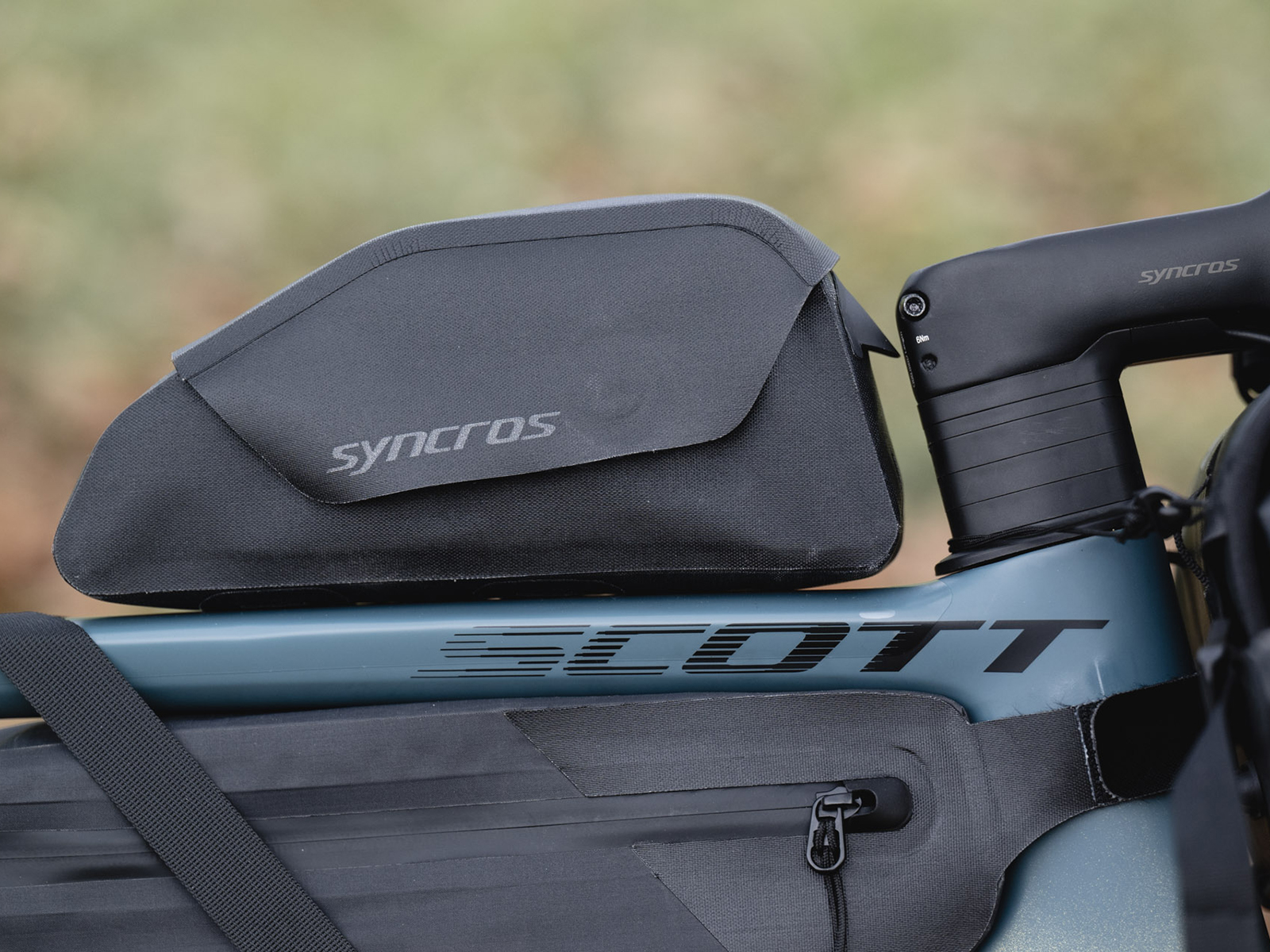
The pannier has become an essential piece of equipment for many cyclists. Whether for daily commutes, bike riding, long rides, cycle touring, bikepacking, or simply leisurely outings, it allows you to carry your belongings comfortably without carrying a load on your back. A well-chosen pannier improves comfort, maintains the bike's balance, and makes organizing your gear easier.
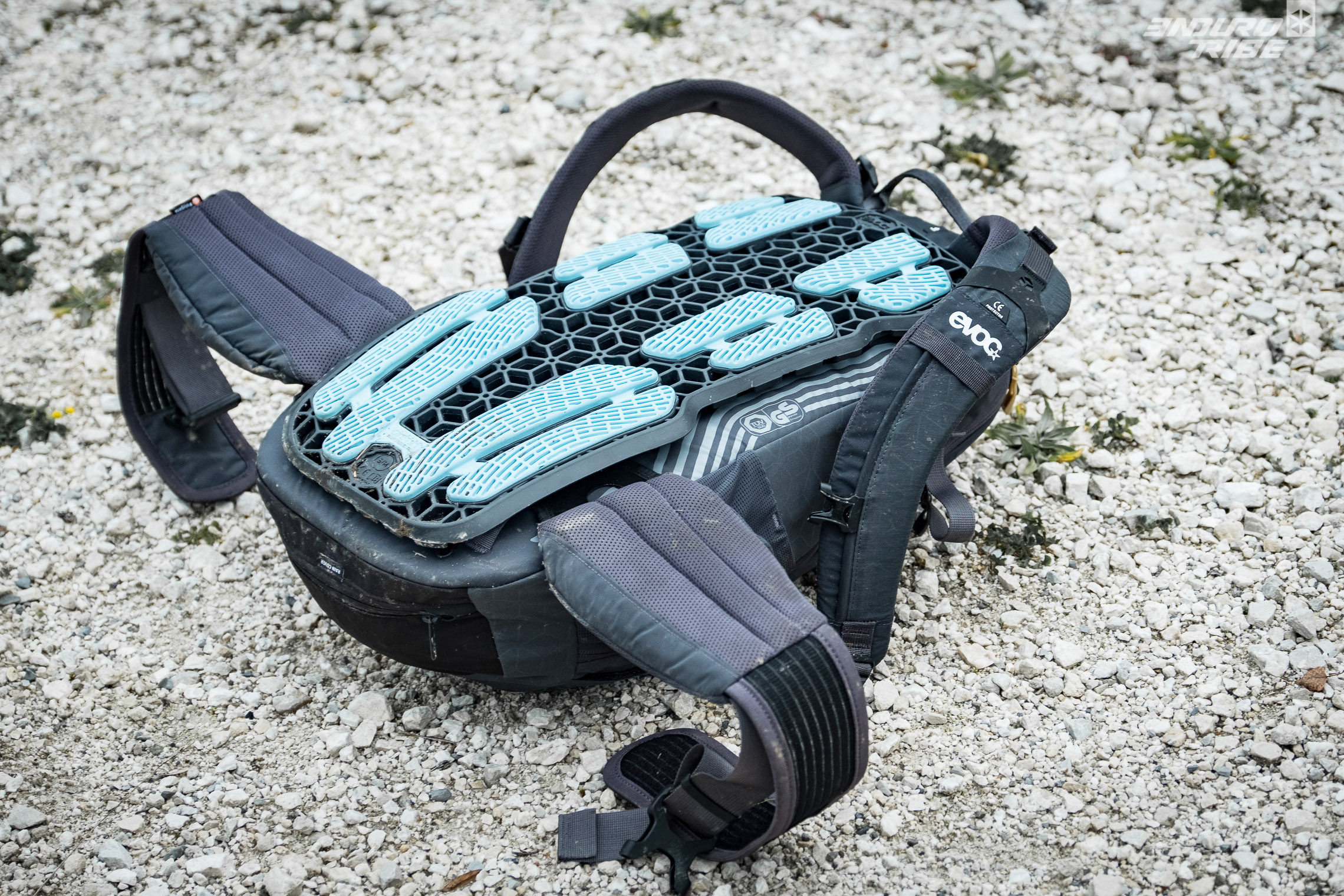
Choosing a cycling backpack requires finding the right balance between comfort, capacity, stability, rain protection, and easy access to your gear. A good bag shouldn't just carry things. It should stay securely in place, not interfere with pedaling, minimize back perspiration, and effectively protect essential items. Whether you're commuting to work, going for a sporting activity, cycling around town, touring by bike, or hiking, your needs will differ.
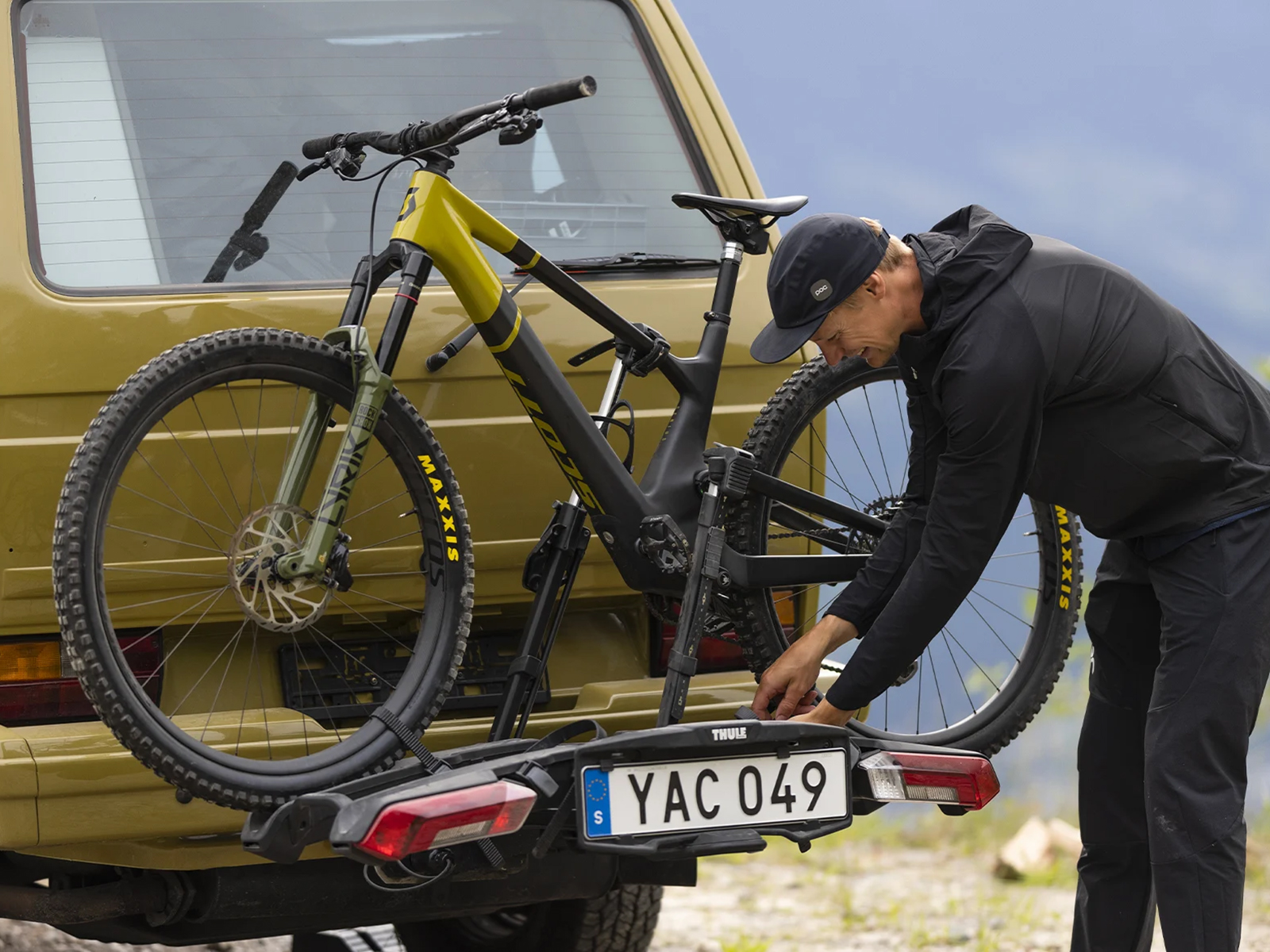
Choosing the right bike rack is essential for transporting your bikes safely, protecting your equipment, and enjoying a worry-free journey. Given the wide variety of systems available, identifying the best solution for your vehicle, the number of bikes you're carrying, or your intended use isn't always easy. Between hitch-mounted, tailgate-mounted, and roof-mounted models, there are many differences in terms of load capacity, ease of installation, compatibility, and user-friendliness.
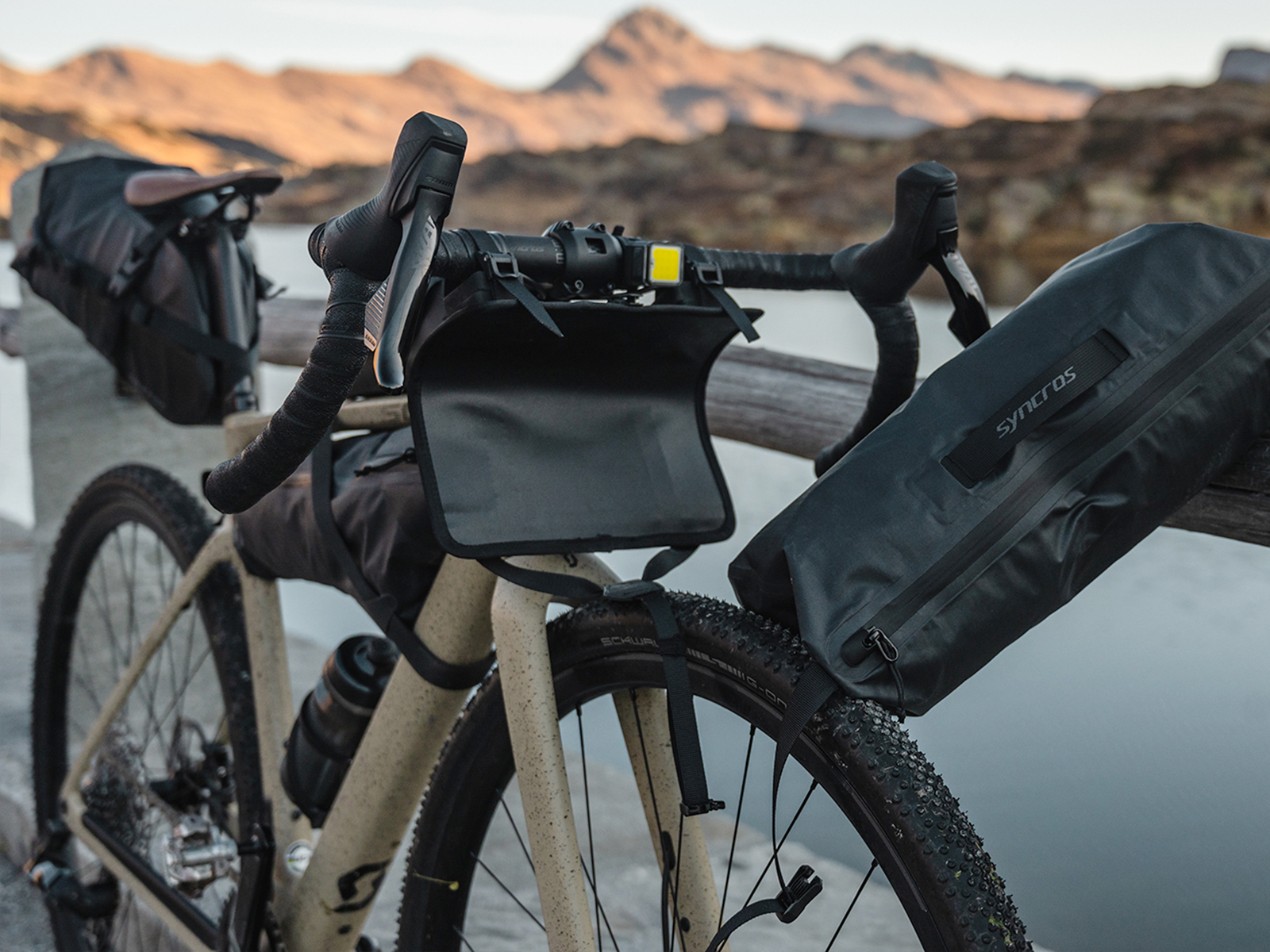
Bikepacking is an adventure cycling practice that involves traveling independently with a lightweight load attached directly to the bicycle. Unlike traditional cycle touring, which uses racks and large panniers, bikepacking favors compact bags distributed across the frame , handlebar , and tige de saddle . This approach allows for a bike that remains agile, efficient, and suitable for varied terrain, whether roads, tracks, forest paths, or trails.
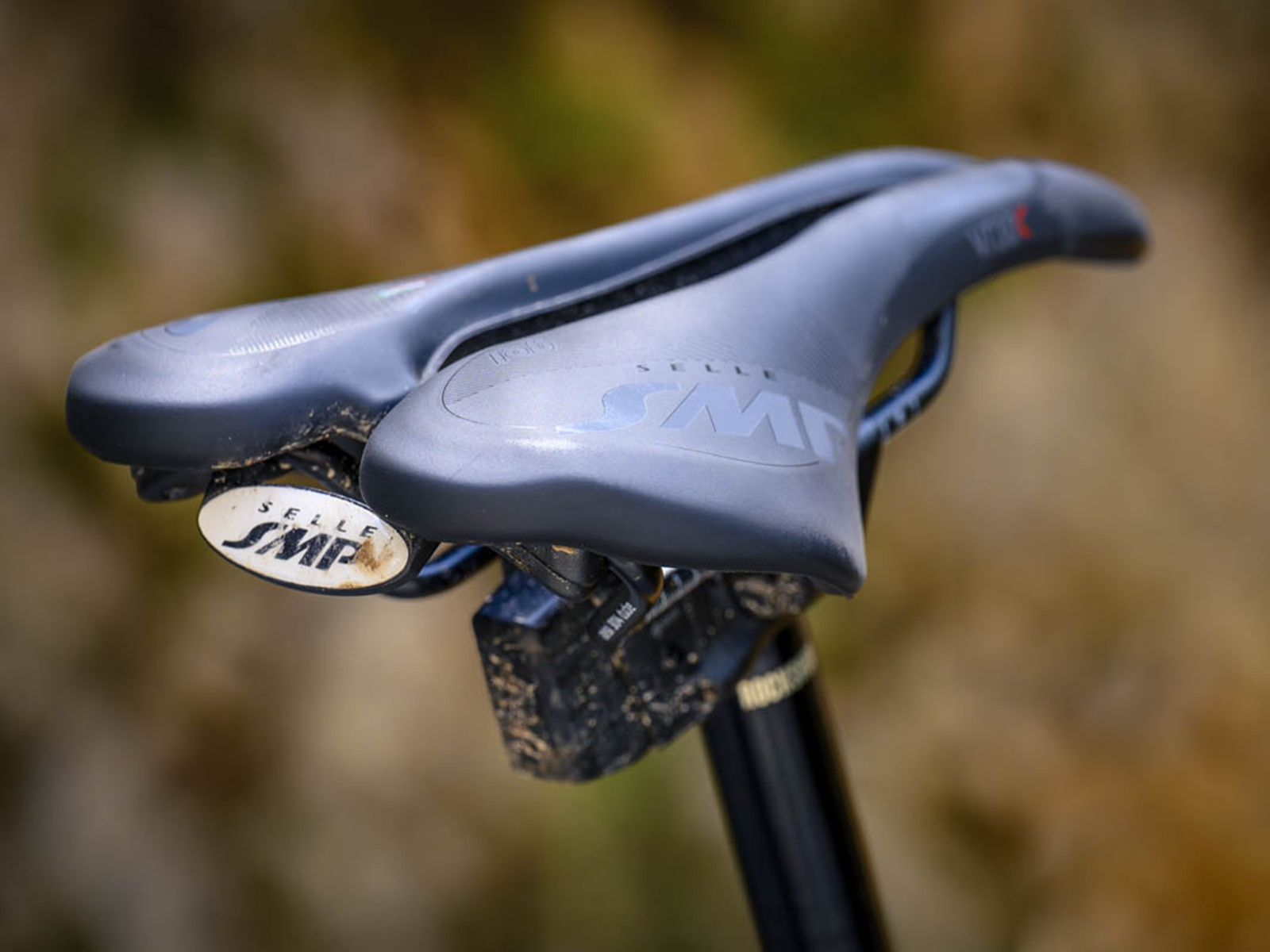
Choosing the right saddle is one of the most important factors in improving comfort, performance, and enjoyment of off-road riding. An unsuitable saddle can cause pelvic pain, chafing, numbness, or reduced pedaling efficiency. Conversely, a well-chosen saddle allows for better power transfer, maintains a stable position on the bike, and lets you fully enjoy your rides, whether it's trail riding, cross-country, enduro, or downhill. The shape, width, padding, materials, and type of riding all directly influence the choice. Therefore, it's essential to consider your body type, riding style, and riding habits before making your selection.