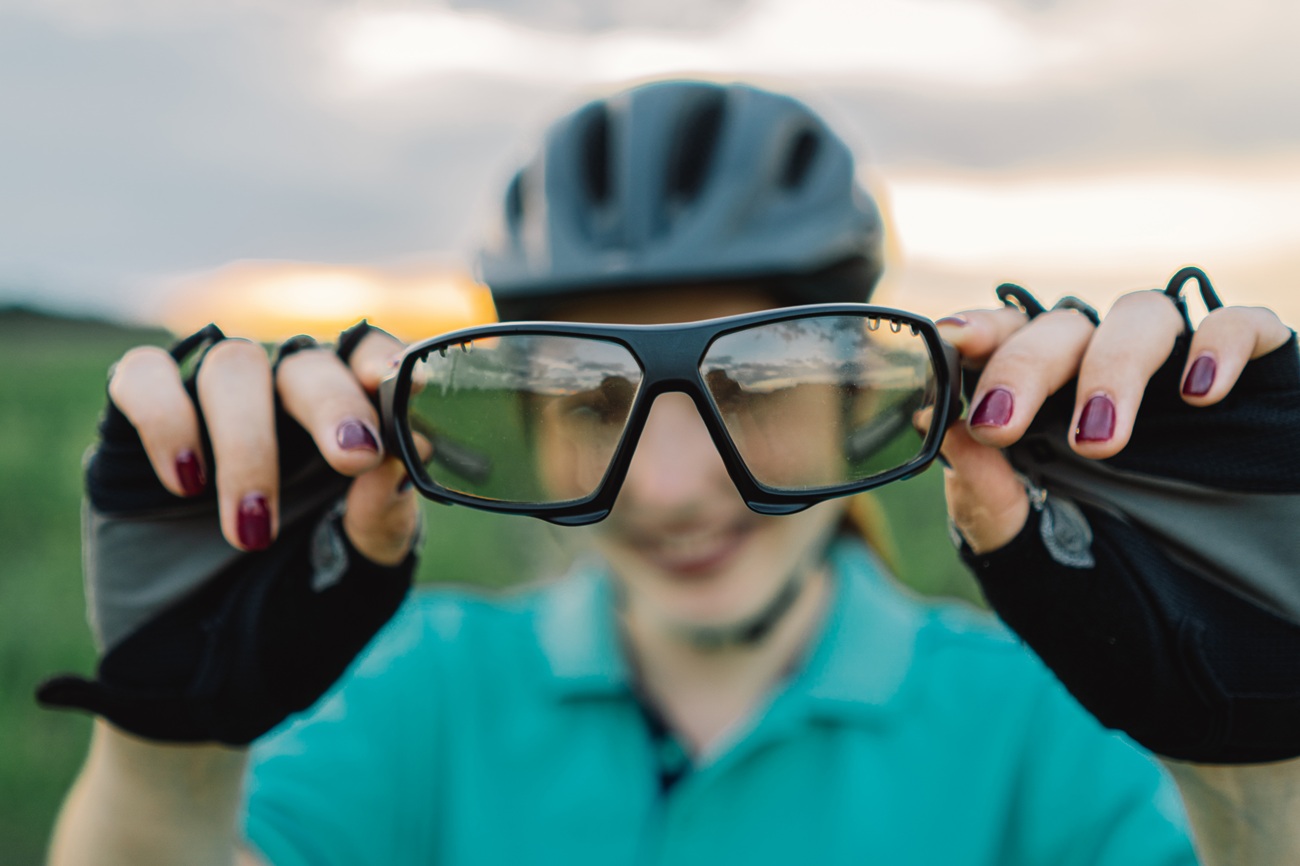
Cycling glasses are much more than just a stylish accessory. They play a crucial role in protecting your eyes from the elements, improving your visual comfort, and can even optimize your performance. Whether you're a road cyclist, mountain biker, or commuter, choosing the right pair for your needs is essential. This guide will walk you through the process to help you make the right choice.
Why wear glasses while cycling?
Wearing glasses while cycling offers many advantages:
- UV protection: The lenses filter UVA and UVB spokes , preventing eye damage.
- Barrier against the elements: They protect your eyes from wind, dust, insects and splashes.
- Vision improvement: Special lenses improve contrast and depth perception.
- Reduction of eye strain: By filtering intense light, they reduce visual fatigue.
Choose the right frame
The frame influences comfort, fit, and field of vision:
- Full-rim frame: Completely surrounds the lenses, offering increased robustness, ideal for MTB .
- Semi-rim frame: Lighter, it offers a wider field of vision, suitable for road cycling.
- Anti-slip temples: Ensure optimal support, even when perspiring.
- Adjustable nose bridge: Allows for a customized fit for maximum comfort.
Types of lenses
The choice of lenses for your cycling glasses depends on the lighting conditions and your cycling activity:
| Category | Light Drivetrain | Terms of Use |
|---|---|---|
| 0 | 80% to 100% | Night, fog, very dark weather |
| 1 | 43% to 80% | Cloudy weather or low light |
| 2 | 18% to 43% | Intermediate conditions, moderate sunshine |
| 3 | 8% to 18% | Bright sunlight, summer, high mountains |
| 4 | 3% to 8% | Extreme conditions, unsuitable for driving |
Glass technologies
Several technologies can improve your experience:
- Photochromic: The lenses automatically adapt to the ambient light.
- Polarizing lenses: Reduce reflections, especially on wet surfaces.
- Anti-fog treatment: Prevents fogging during intense exertion.
- Hydrophobic treatment: Facilitates water runoff and prevents drops from adhering.
- Scratch-resistant treatment: Increases the durability of the lenses.
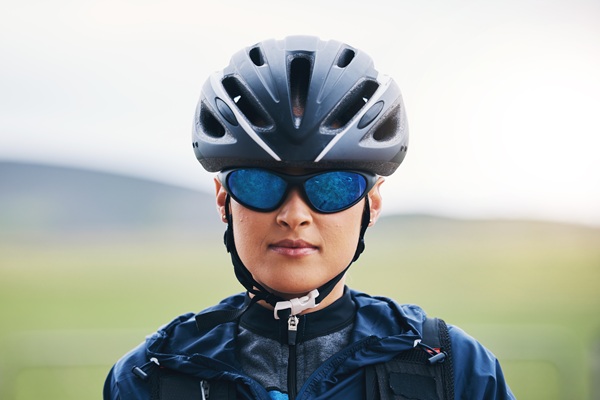
Lens colours and their uses
The tint of the lenses influences visual perception:
| Color | Benefits | Ideal conditions |
|---|---|---|
| Brown | Enhances contrast, comfortable for sensitive eyes | Sunny weather |
| Yellow/Orange | Increases contrast, reduces eye strain | Overcast or low light |
| Gray | Faithfully reproduces natural colors | All lighting conditions |
| Pink | Improves depth perception | Diffused light, end of the day |
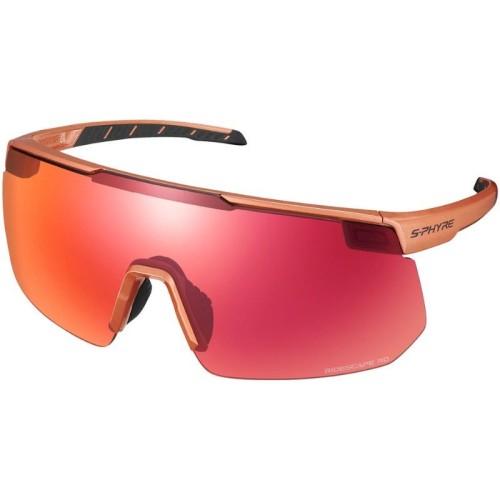
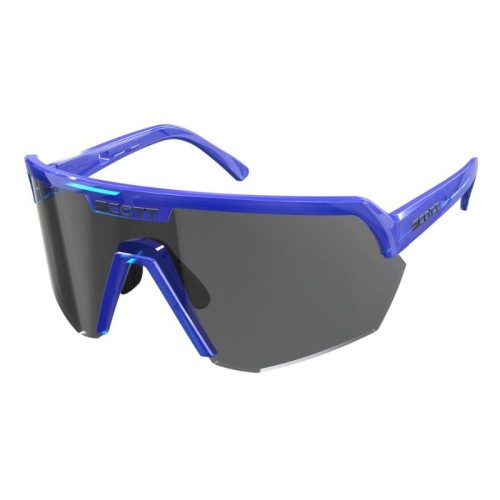
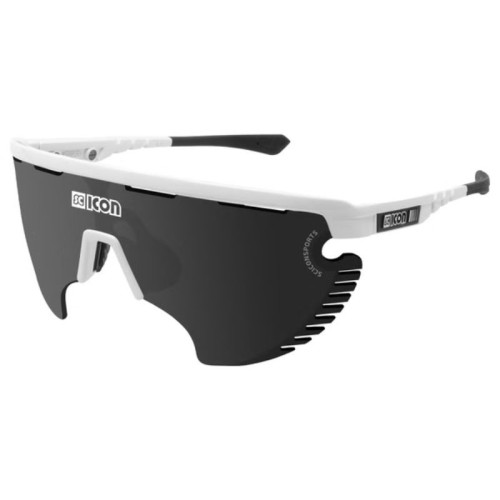
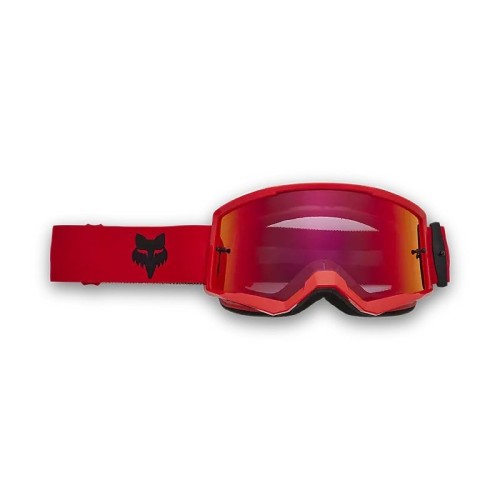
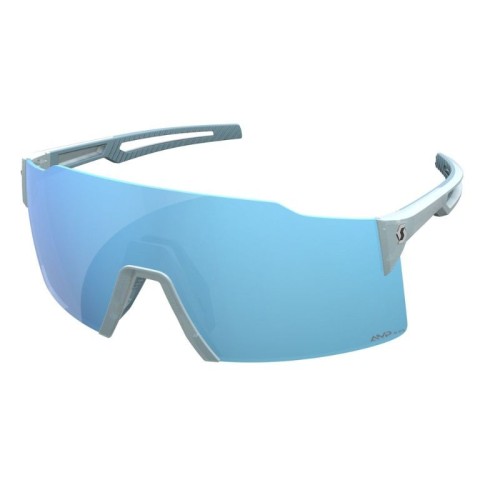
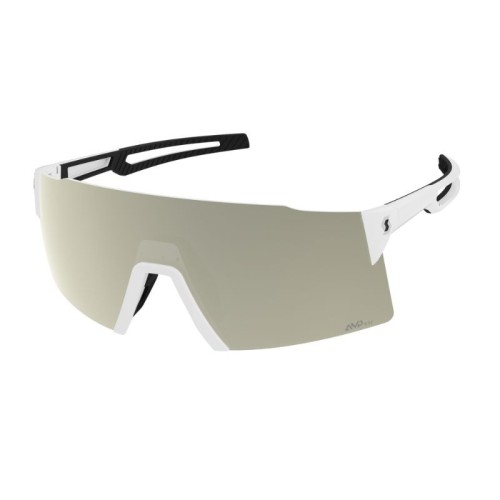
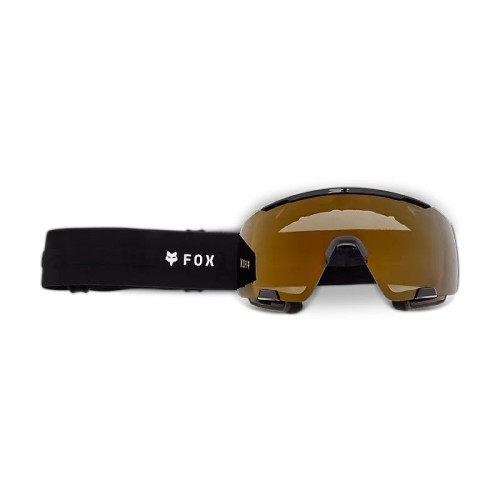

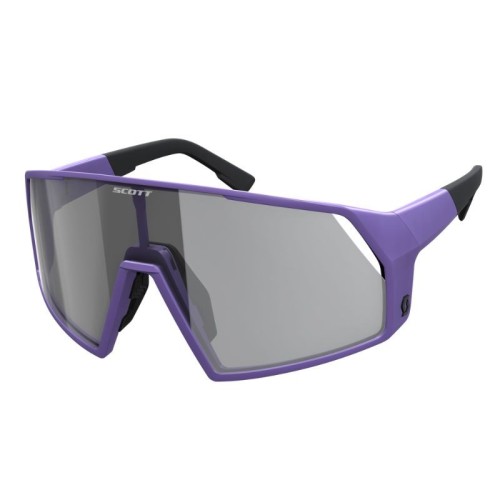
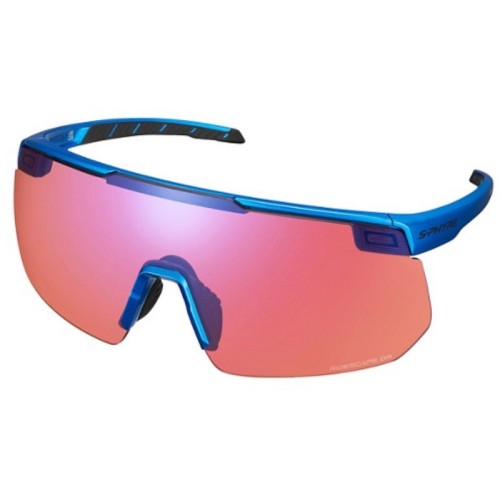
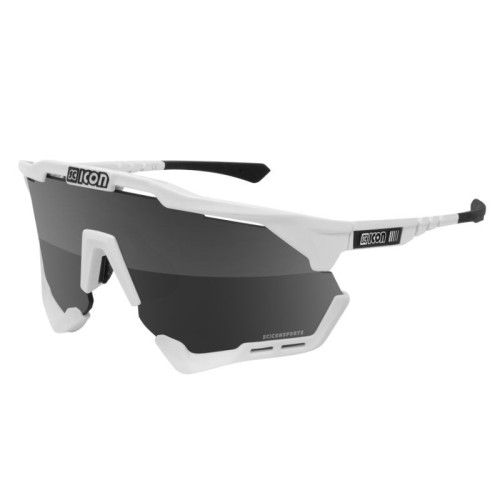

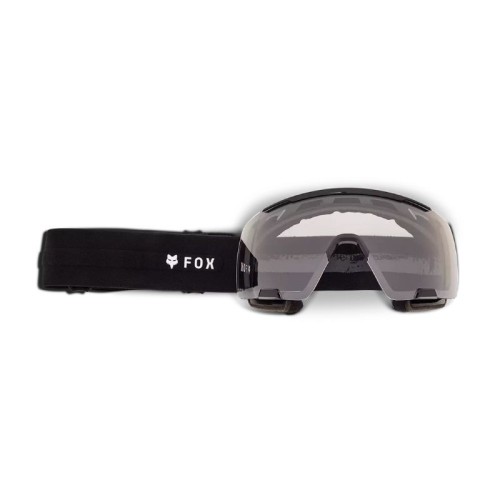
helmet compatibility
Make sure your glasses fit well with your helmet :
- Thin arms: Avoid pressure points under the helmet .
- Wrap-around shape: Offers better side protection and an expanded field of vision.
- Ventilation: Openings on the frame or lenses promote air circulation.
Choose according to your practice
The requirements vary depending on your cycling style. Here are some recommendations:
- Road cycling: Opt for photochromic or polarized lenses, a lightweight frame and a wide field of vision.
- MTB : Opt for glasses that offer excellent coverage with impact-resistant lenses and a good fit.
- Commuting by bike and urban use: Clear or slightly tinted lenses with anti-fog treatment are practical for riding at any time.
- Hiking and gravel bike riding: Prioritize long-lasting comfort, photochromic lenses, and a robust yet lightweight frame.
Comfort criteria not to be overlooked
In addition to technical aspects, comfort should guide your choice:
- Weight: Glasses that are too heavy can cause discomfort on long outings.
- Secure fit: The rubber temple tips ensure a good grip without slipping.
- Ventilation: Limits fogging and improves comfort on ascents.
- Morphological adaptation: Choose a frame that fits your face well without excessive pressure.
Interchangeable or fixed lenses
You have two main options:
- Interchangeable lenses: Ideal for adapting your vision to changing weather conditions.
- Photochromic lenses: Offer a versatile solution, without having to change lenses.
Fixed tinted lenses may be suitable if you mainly drive in the same light conditions.
Eyeglass wearers
If you wear corrective glasses, several solutions exist:
- Prescription sports glasses: Custom-designed, they are the most comfortable solution.
- Optical insert: Mounted behind the sunglass lenses, it allows the correction to be maintained.
- Contact lenses: Combined with classic cycling glasses.
Be sure to check the compatibility of the optical insert with the chosen model.
Choose according to the season
The needs are not the same in summer and winter:
- Summer: Opt for dark lenses (category 3), good ventilation and maximum UV protection.
- Winter: Opt for clear or photochromic lenses, with an effective anti-fog treatment.
In autumn and spring, with variable conditions, photochromic lenses remain a good compromise.
Durability and maintenance
Well-maintained glasses last longer. Here are a few tips:
- Store them in a hard case to prevent scratches.
- Clean the lenses with a microfiber cloth, without abrasive products.
- Rinse them with clean water after a dusty outing or in the rain.
Investing in a sturdy and well-designed pair is a cost-effective choice in the long run.
Choosing the right cycling glasses means combining comfort, protection, visual performance, and adaptability to your riding style. Frame, lens type, tint, coatings, compatibility with helmet or prescription glasses: every detail counts. Take the time to define your actual needs, try on several models if possible, and prioritize quality. Your eyes will thank you with every kilometer you ride.
FAQ
Are cycling glasses really necessary?
Yes, they protect the eyes from the sun, wind, dust, insects and improve vision and comfort during bike rides.
What is the difference between photochromic and polarized lenses?
Photochromic lenses adapt to ambient light, while polarized lenses reduce reflections, especially on wet surfaces.
Can you wear prescription glasses with cycling glasses?
Yes, there are models with optical inserts or prescription sports glasses. Using contact lenses with regular glasses is also an option.
Which glasses should I choose for MTB ?
For MTB , opt for a robust, very covering frame with impact-resistant lenses and good ventilation to prevent fogging.
Are interchangeable lenses essential?
They're not essential, but useful if you drive in highly varied lighting conditions. An alternative is to use photochromic lenses.

Related Posts
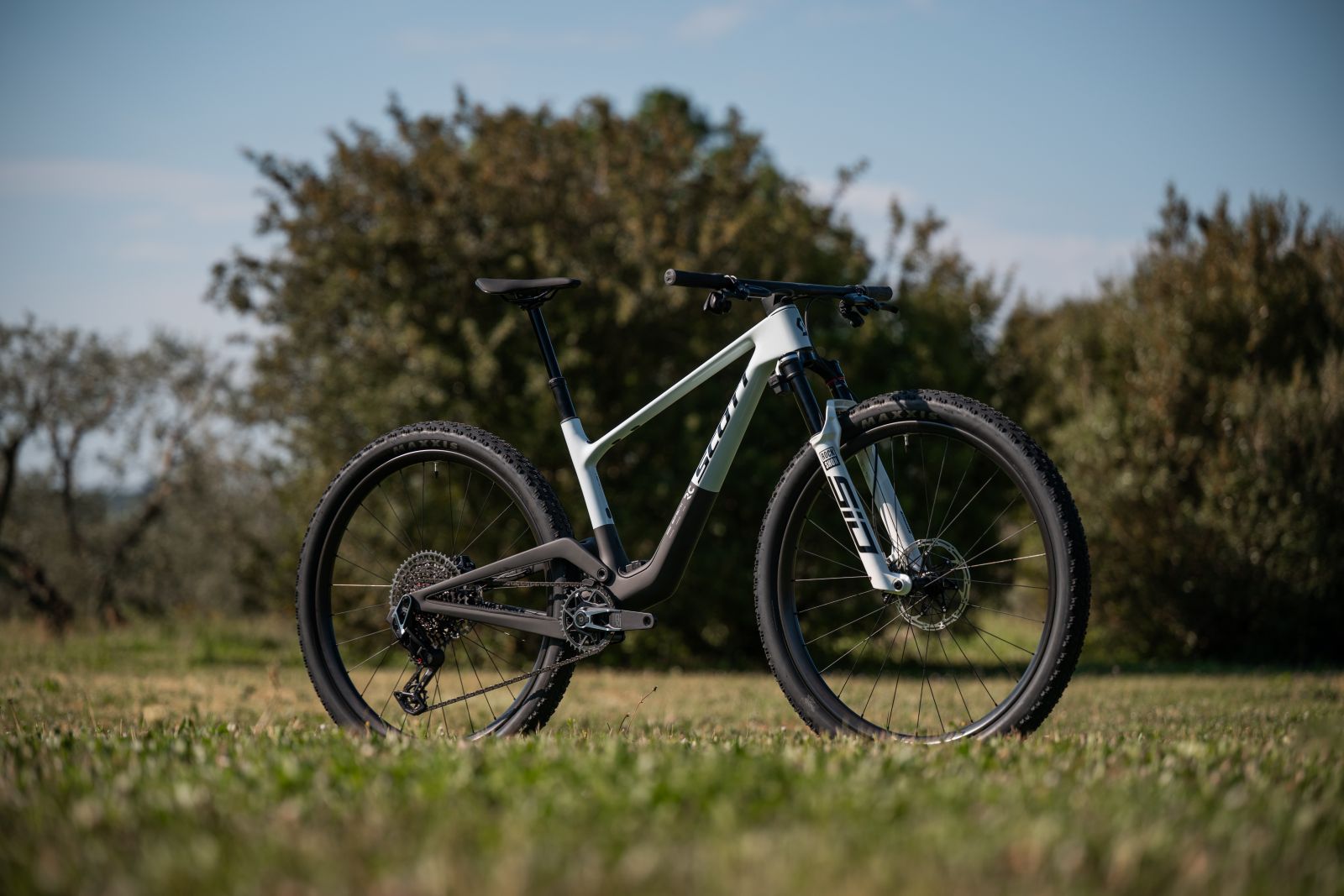
The Scott Spark RC World Cup and Expert 2027 push the boundaries of XC even further. Flight Attendant suspension, Syncros carbon wheels and top-level performance: discover our full review.
The pannier has become an essential piece of equipment for many cyclists. Whether for daily commutes, bike riding, long rides, cycle touring, bikepacking, or simply leisurely outings, it allows you to carry your belongings comfortably without carrying a load on your back. A well-chosen pannier improves comfort, maintains the bike's balance, and makes organizing your gear easier.
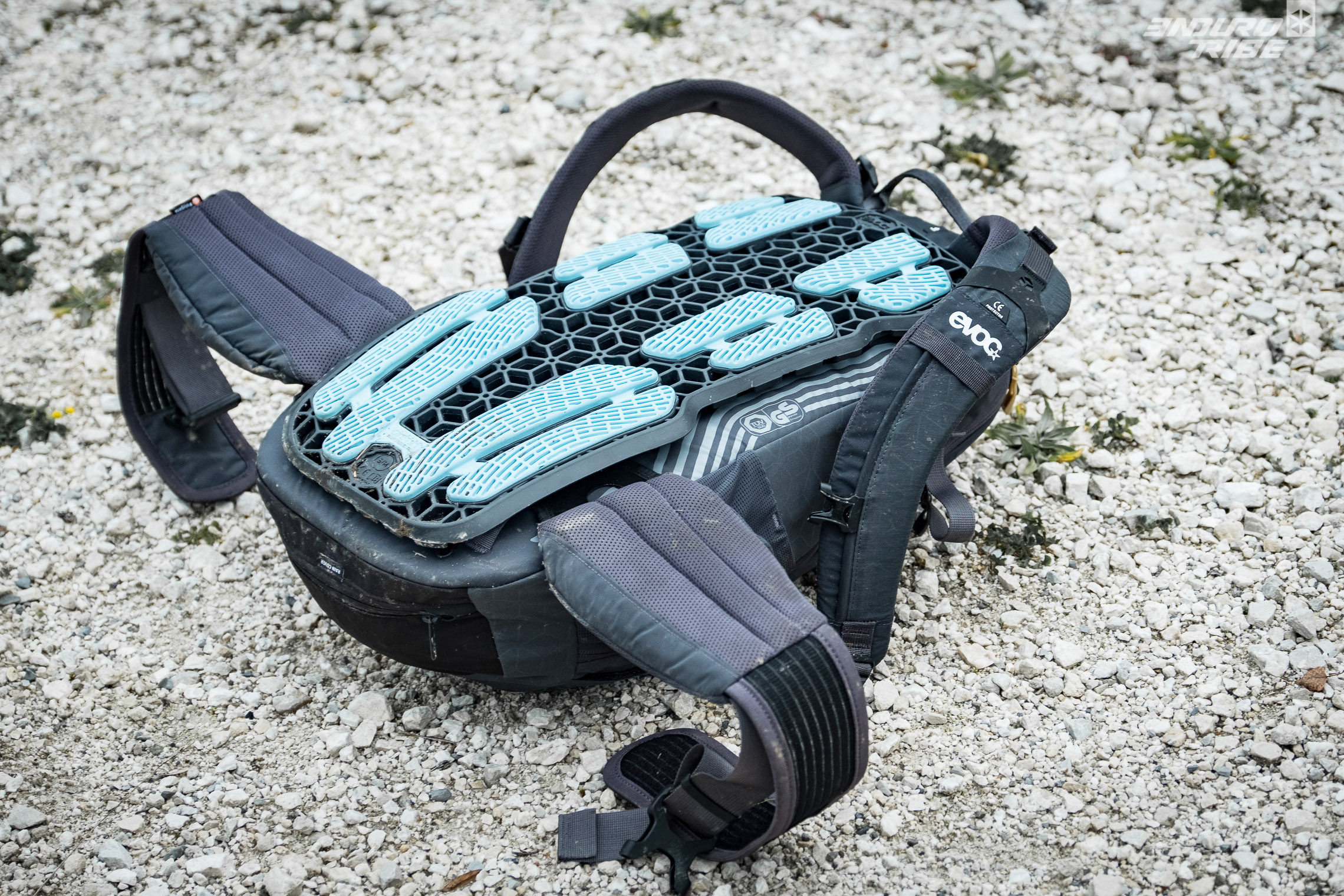
Choosing a cycling backpack requires finding the right balance between comfort, capacity, stability, rain protection, and easy access to your gear. A good bag shouldn't just carry things. It should stay securely in place, not interfere with pedaling, minimize back perspiration, and effectively protect essential items. Whether you're commuting to work, going for a sporting activity, cycling around town, touring by bike, or hiking, your needs will differ.
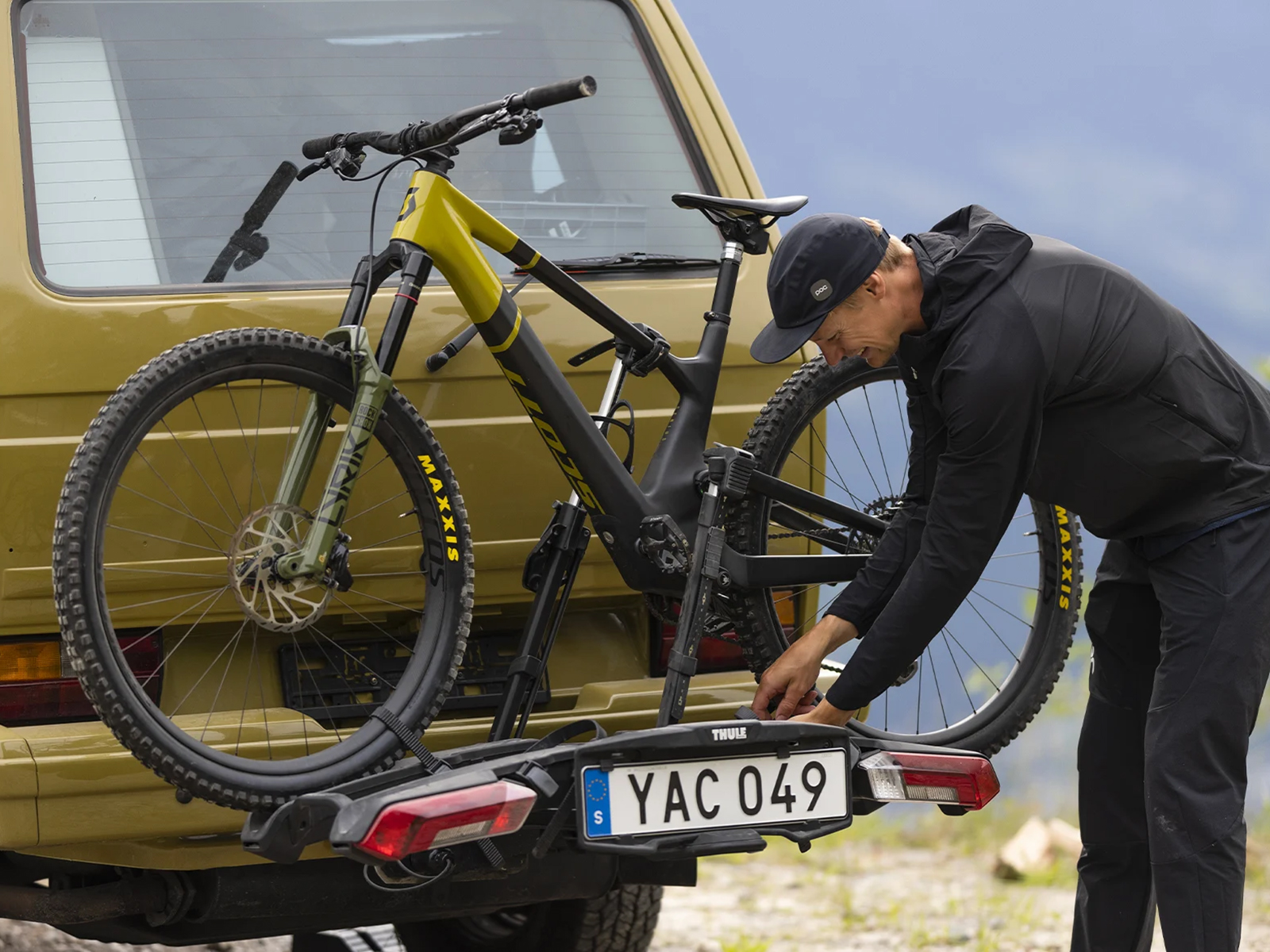
Choosing the right bike rack is essential for transporting your bikes safely, protecting your equipment, and enjoying a worry-free journey. Given the wide variety of systems available, identifying the best solution for your vehicle, the number of bikes you're carrying, or your intended use isn't always easy. Between hitch-mounted, tailgate-mounted, and roof-mounted models, there are many differences in terms of load capacity, ease of installation, compatibility, and user-friendliness.
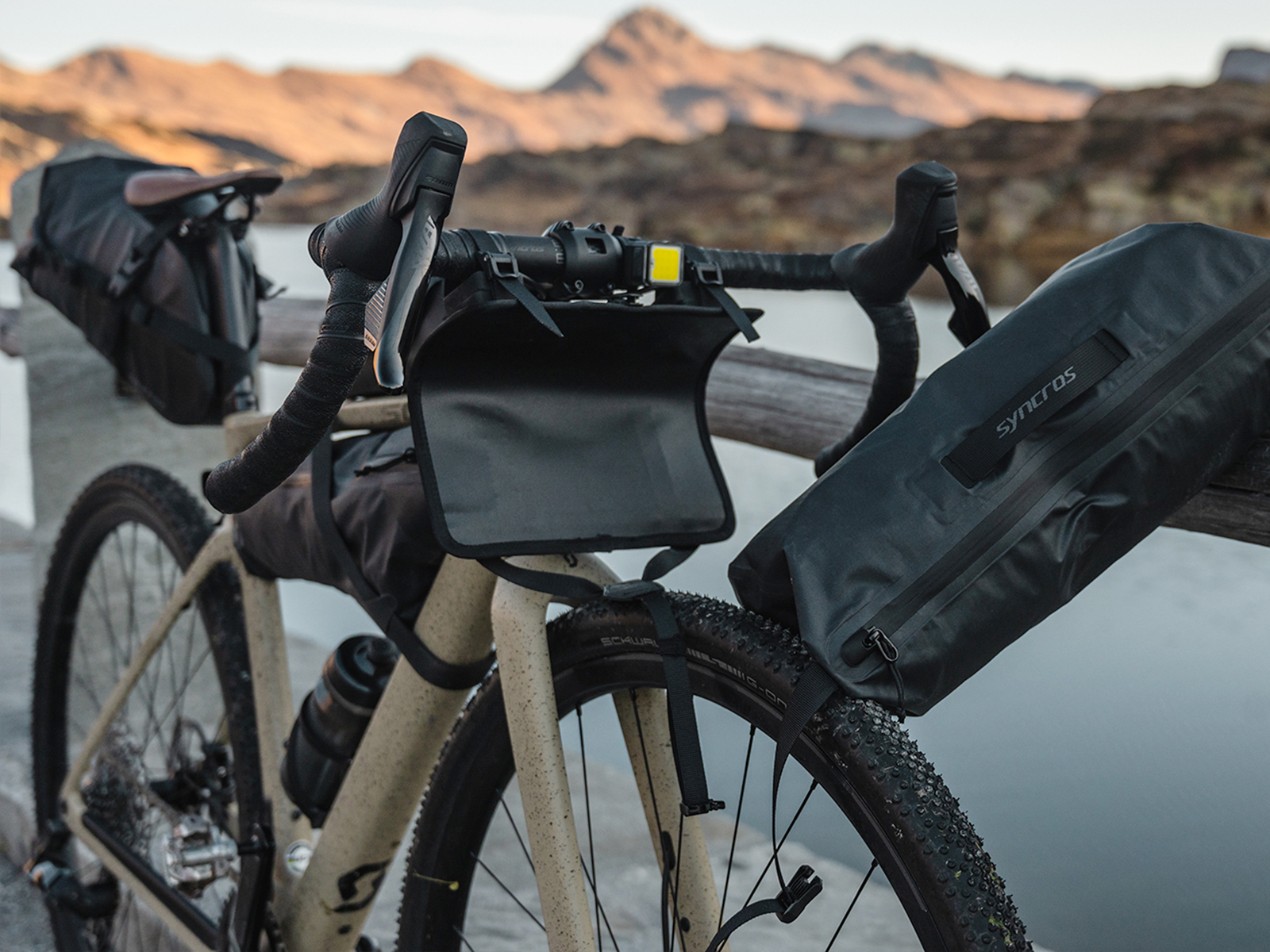
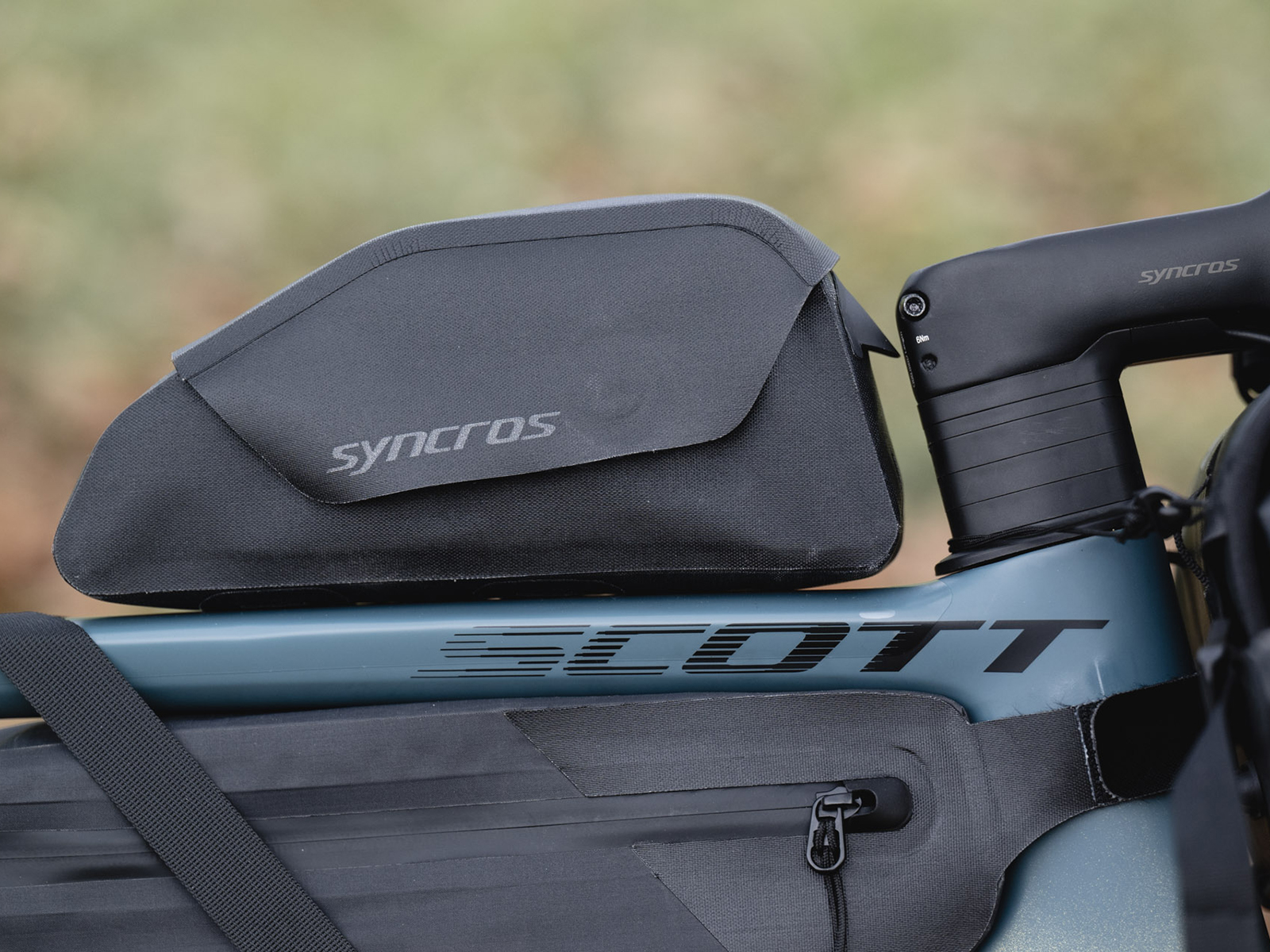
Bikepacking is an adventure cycling practice that involves traveling independently with a lightweight load attached directly to the bicycle. Unlike traditional cycle touring, which uses racks and large panniers, bikepacking favors compact bags distributed across the frame , handlebar , and tige de saddle . This approach allows for a bike that remains agile, efficient, and suitable for varied terrain, whether roads, tracks, forest paths, or trails.
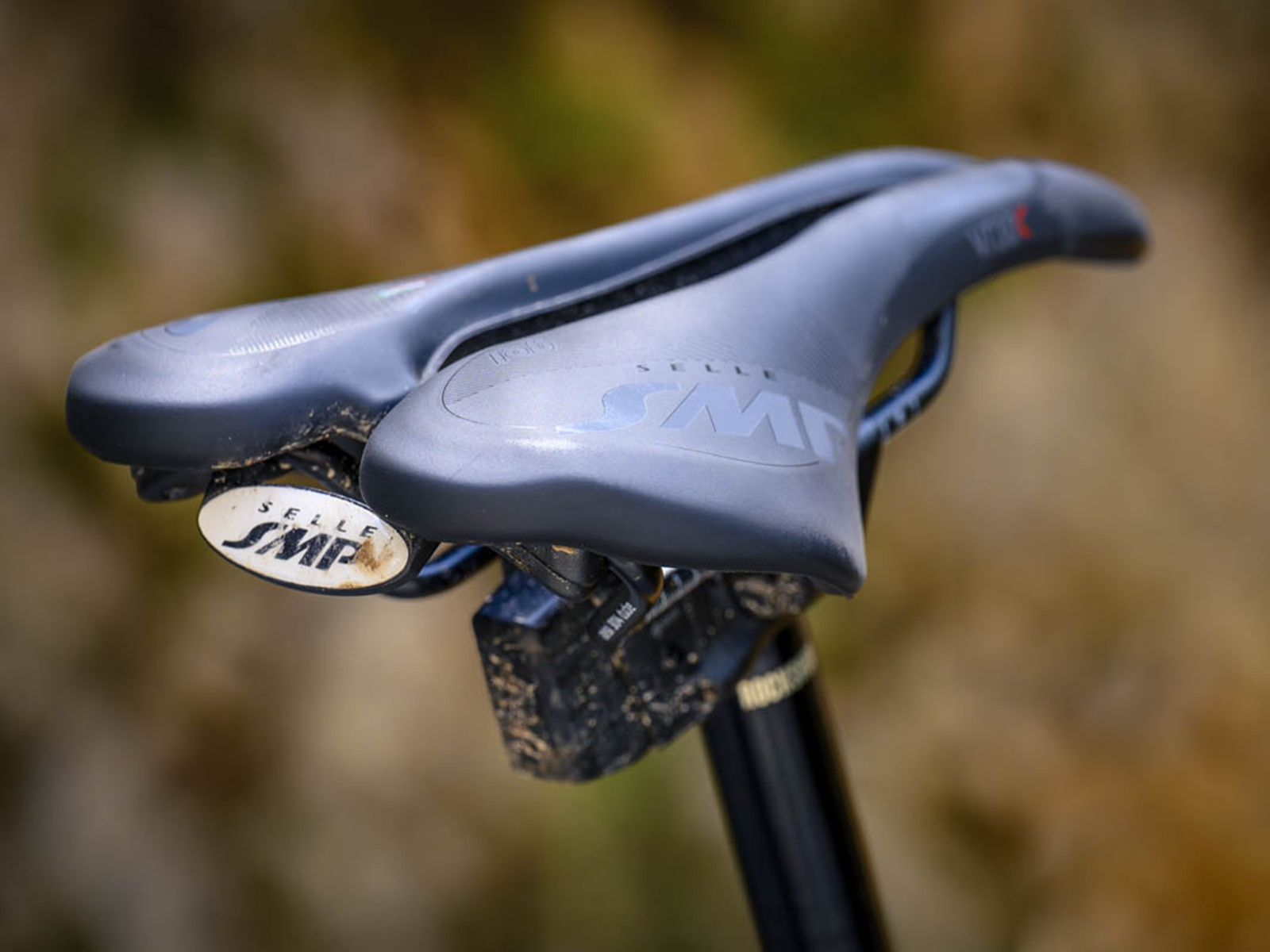
Choosing the right saddle is one of the most important factors in improving comfort, performance, and enjoyment of off-road riding. An unsuitable saddle can cause pelvic pain, chafing, numbness, or reduced pedaling efficiency. Conversely, a well-chosen saddle allows for better power transfer, maintains a stable position on the bike, and lets you fully enjoy your rides, whether it's trail riding, cross-country, enduro, or downhill. The shape, width, padding, materials, and type of riding all directly influence the choice. Therefore, it's essential to consider your body type, riding style, and riding habits before making your selection.