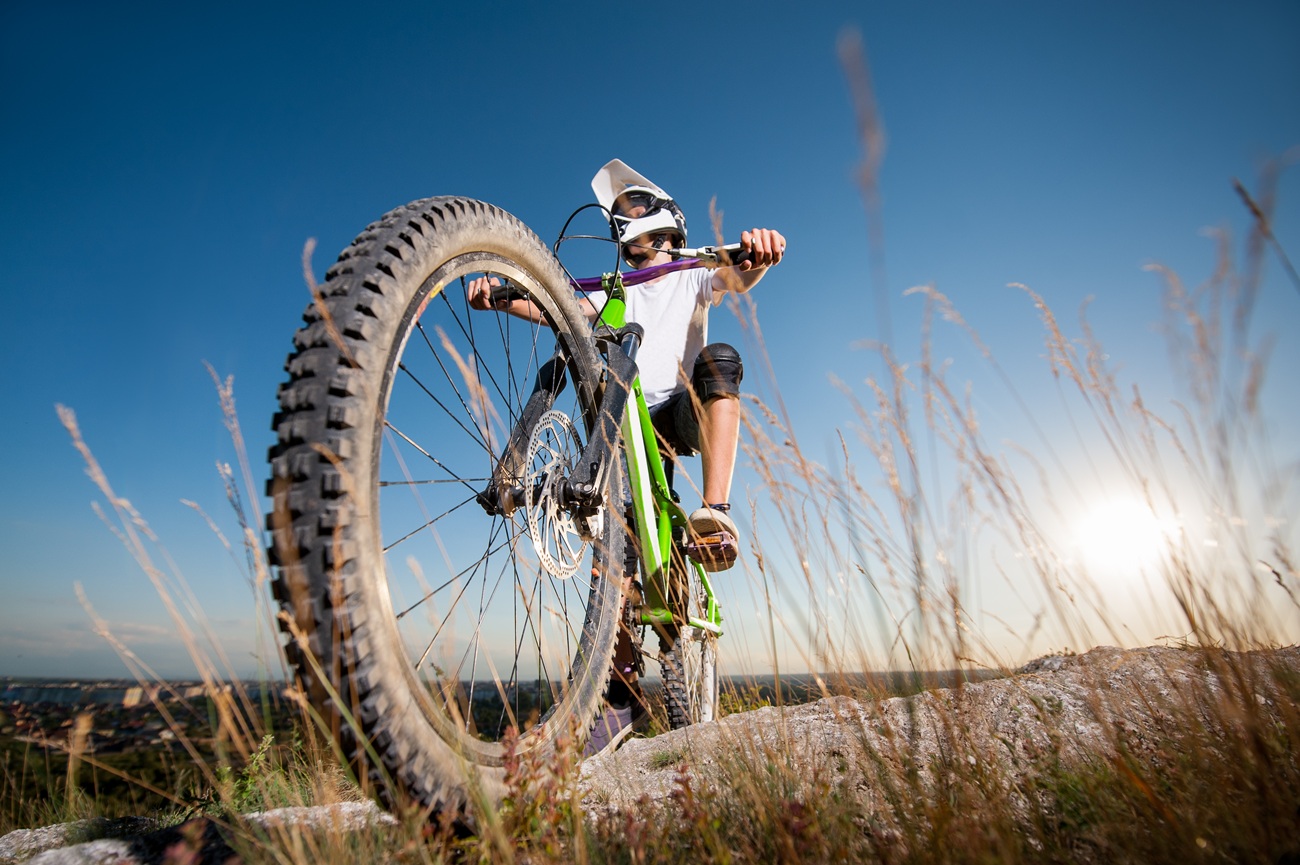
MTB is an opportunity to discover a demanding yet exhilarating sport. Whether you're into trail riding, enduro, cross-country, or downhill, each type of riding requires specific MTB equipment , adapted to the terrain, the rider's skill level, and the frequency of rides. Having the right gear means riding more comfortably, safely, enjoyably, and at a higher performance level. This comprehensive buyer's guide will help you choose your MTB equipment, from protective gear and clothing to essential accessories.
THE helmet, the foundation of your security
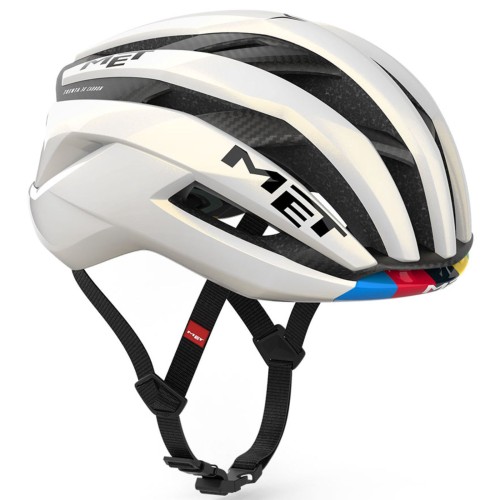
THE helmet is the number one protective element in MTB. There are several types depending on the practice:
- Helmet classic hard-shell : for cross-country and hiking
- Helmet full : for enduro, downhill or challenging riding
- Helmet convertible : with removable chin bar, for versatile outings
Modern helmets are designed to be lightweight, well-ventilated, and sometimes equipped with technology MIPS (Multidirectional impact protection system). Also check the system of adjustment at the back and internal foams for an optimal fit.
Gloves: comfort and protection
The gloves protect against falls and friction, and improve grip on the handlebar. There are two main categories:
- Long-finger gloves : more protective, suitable for enduro, DH or cool weather
- Short-finger gloves : more breathable, practical for summer and cross-country outings
Look for gloves with reinforced palms, silicone grip, knuckle reinforcements, and touchscreen compatible fabric.
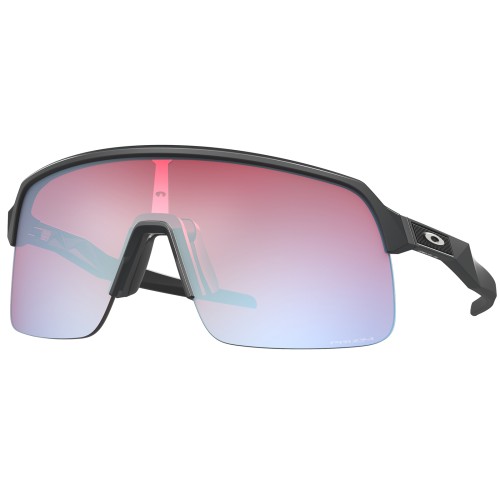
Oakley Sutro Lite Matte Carbon / Prizm Snow Sapphire Cycling Glasses OO9463-1739
-36%
€119.90
€188.00
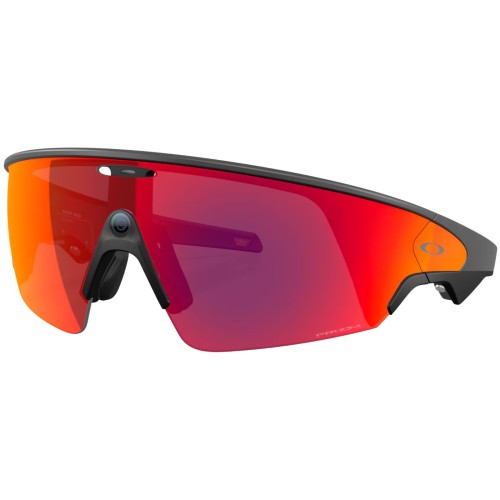
Oakley Meta Vanguard Black / Prizm Road Bike AI Connected Sunglasses OOW8001-015
-11%
€488.90
€549.00
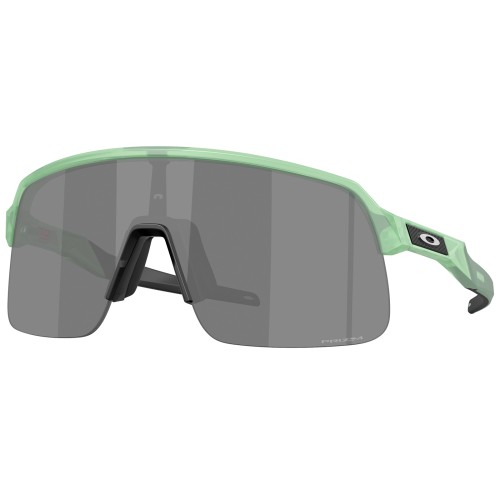
Oakley Sutro Lite S Matte Translucent Jade/Prizm Black Cycling Glasses OO9496-1134
-36%
€119.90
€188.00
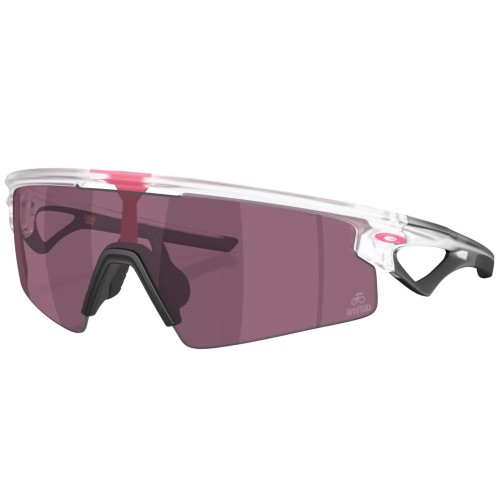
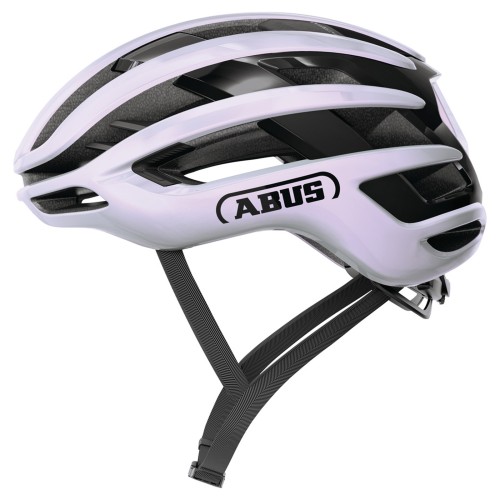
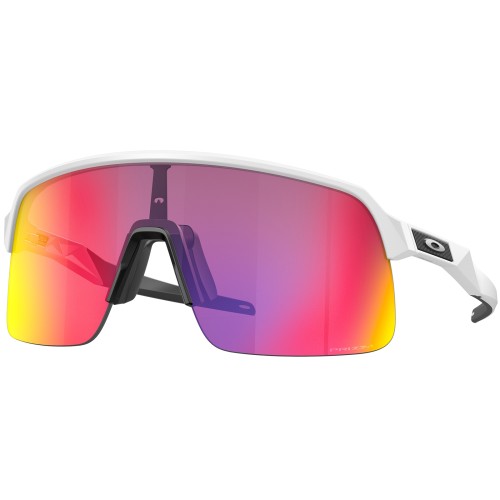
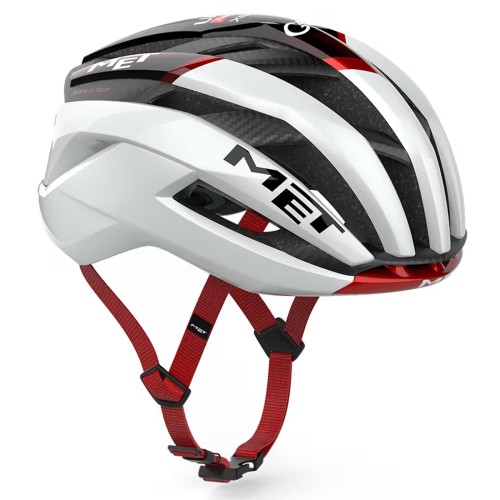
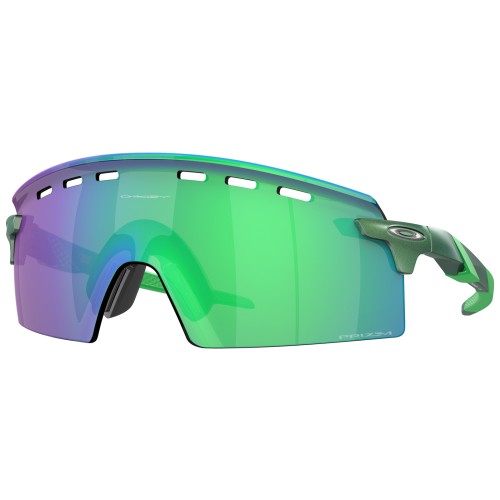
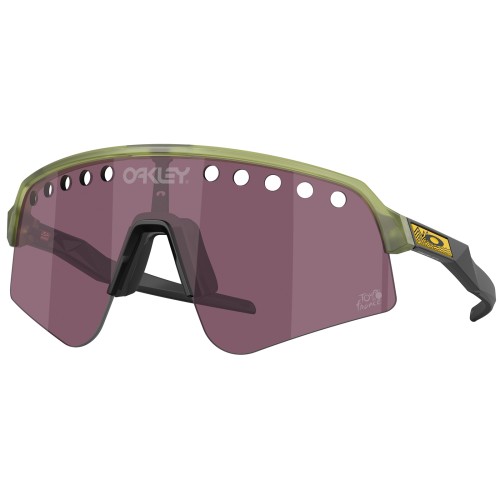
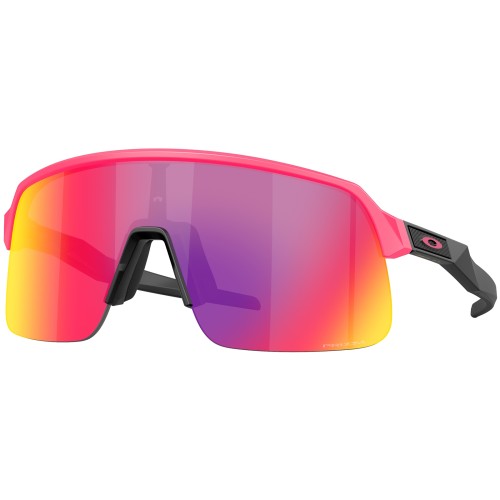
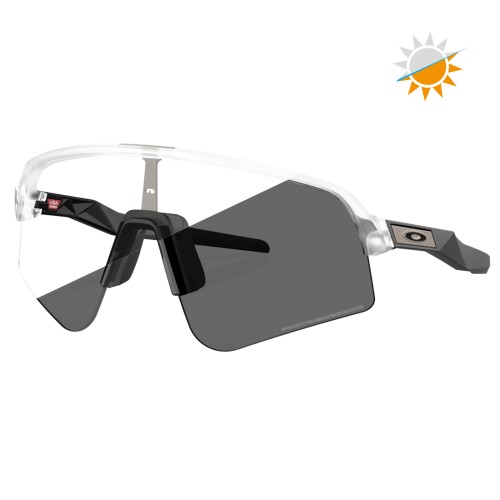
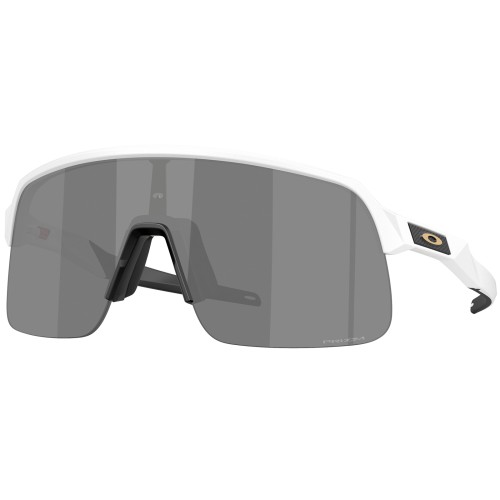
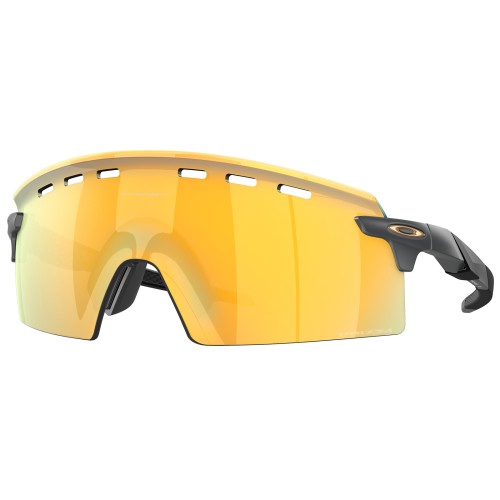
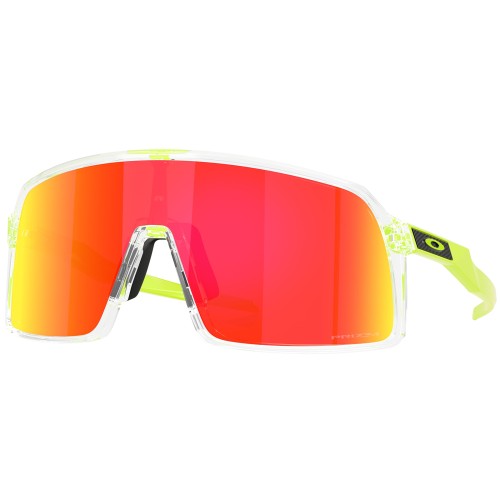
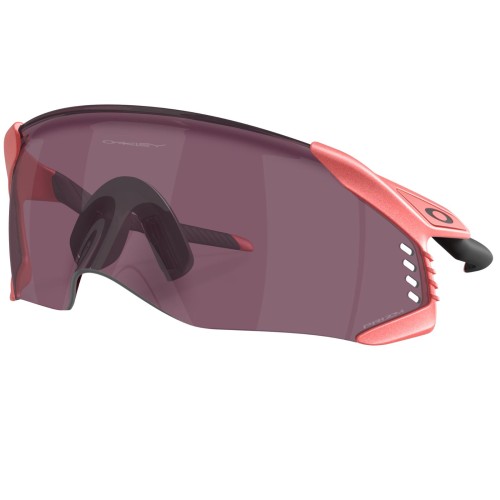
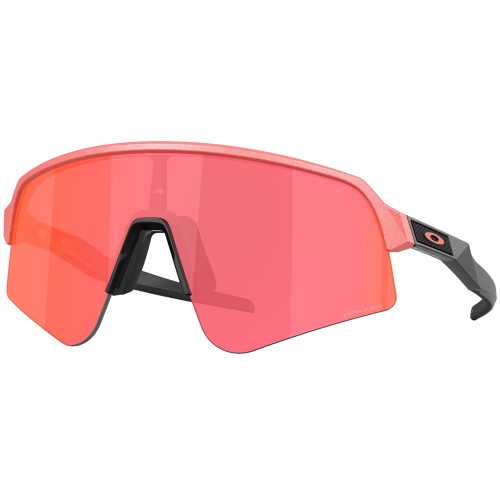
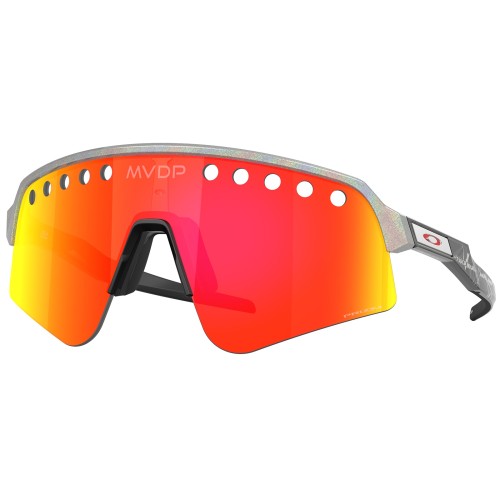
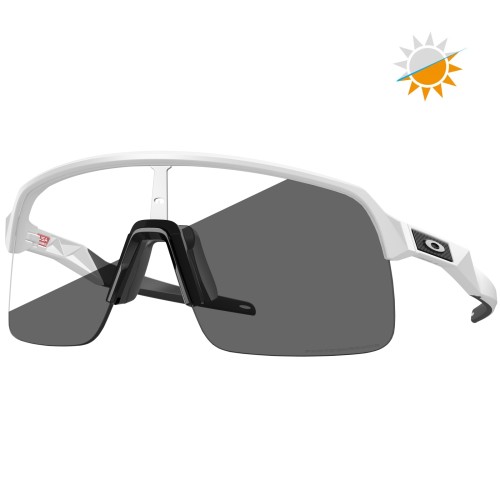
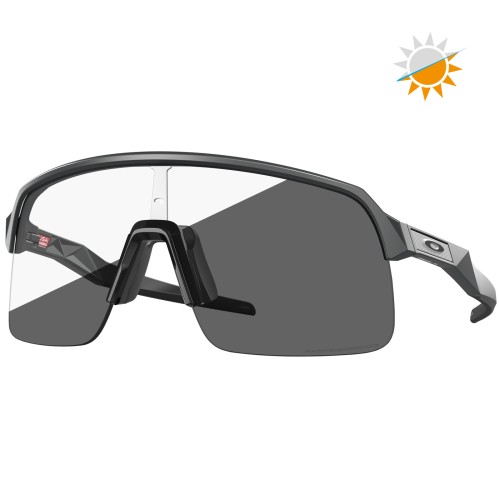
Glasses or masks
To protect your eyes from flying debris, branches, wind, or sun, a good pair of goggles or a mask is essential. The choice also depends on the type of MTB :
- Glasses Ideal for hiking and cross-country riding, lightweight and well-ventilated.
- Masks : more covering, suitable for wearing helmet full range for downhill or enduro
Photochromic or interchangeable lenses are practical for adapting to changing light. A good fit and effective ventilation prevent fogging.
Technical clothing for the MTB
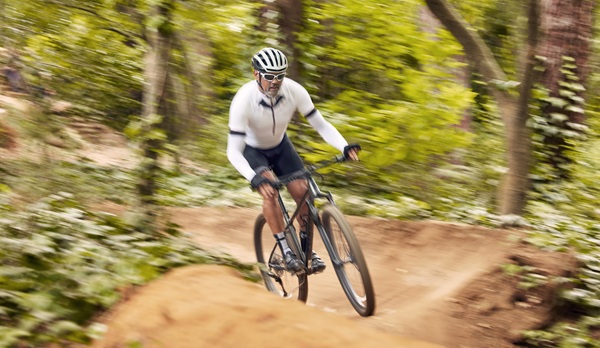
Unlike road cycling, the MTB This demands more durable and looser-fitting clothing for freedom of movement. Here are the essentials to know:
- Jersey MTB short-sleeved or long-sleeved, made of durable, breathable fabric, and sometimes reinforced at the elbows or shoulders
- Short MTB often worn over a bib short With a chamois leather lining, it is more robust, often made of ripstop fabric.
- Bib short or undershorts : with insert for comfort on the saddle
- Pants MTB : for challenging activities or wet and cold conditions
Some garments incorporate zippered pockets, ventilation, or water-repellent fabrics. Windproof or waterproof jackets are also available, useful in changeable weather.
Body protection
For more demanding disciplines (downhill, enduro), or for beginners learning the sport, additional protective gear is strongly recommended:
- Knee pads and elbow pads : in foam or rigid shell, with support provided by bands or sleeves
- Protective vest : with integrated back protector, sometimes combined with shoulder and chest protectors
- Lumbar belt : to protect the kidneys, useful in downhill or bike park
Choose well-fitting, comfortable protective gear made with breathable materials so as not to restrict movement.
THE shoes MTB
The choice of shoes depends on the type of pedals used: flat or clipless. For the flat pedals, Shoes with grippy soles (like soft rubber) ensure good traction. For the clipless pedals, You need shoes that are compatible with cleats SPD or equivalent.
Criteria to consider:
- Sole rigidity (better drivetrain of power)
- Ankle and toe protection
- Waterproof for wet conditions
Some models combine a good compromise between walking comfort and pedaling efficiency.
The hydration pack or fanny pack
Transporting water and tools is essential in MTB. Two main solutions:
- The hydration backpack : with integrated water bladder (often 1.5 to 3 liters), tool pockets, jacket, food
- The banana MTB More compact, it frees up your back and allows you to carry the essentials.
Look for good support, well-designed compartments, and a waist strap to prevent the bag from moving on technical terrain.
Repair tools and kits
An exit MTB can quickly turn into a nightmare without a minimum of repair equipment. Here are the essentials to have with you:
| Tool or accessory | Utility |
|---|---|
| Multi-tools | Tighten a screw, adjust a derailleur or adjust the saddle |
| Tire changer | Change a inner tube or repair a tyre |
| Inner tube or tubeless plugs | To repair a flat tire |
| Mini-pump or CO2 cartridges | Inflate quickly in case of a puncture. |
| Derivative-chain | Repairing a chain broken |
These items can be stored in a bag. saddle, a backpack or a fanny pack MTB.
Equipment depending on the type of activity
Each discipline of MTB has its own equipment requirements. Here is an overview based on the most common practices:
| Practical | Recommended equipment |
|---|---|
| Cross-country (XC) | Helmet light, bib short, , jersey Breathable, thin gloves, rigid shoes |
| Enduro | Helmet Full or convertible helmet, knee pads, reinforced shorts, hydration pack, lightweight protective gear |
| Downhill (DH) | Helmet Full body suit, protective vest, knee and elbow pads, mask, heavy-duty trousers |
| Leisure hiking | Helmet standard, comfortable shorts, gloves, goggles, basic multi-tool |
Other useful accessories
In addition to the main equipment, other accessories can improve your comfort or safety:
- Bike computer GPS : to track your route, speed or performance
- Lighting : mandatory for driving at the beginning or end of the day
- Anti-chafing cream : to avoid irritation during long outings
- Windbreaker or rain jacket : always good to have on hand in case of uncertain weather
Choosing the right equipment MTB, It's about guaranteeing safety, comfort, and enjoyment on every ride. Depending on your riding style, skill level, and the conditions, some equipment will be more or less of a priority. It's important not to buy everything at once, but to invest gradually in quality, durable gear that's truly suited to your needs. Whether you're a beginner or an experienced mountain biker, good equipment makes all the difference on the trails.
FAQ
Do we need a helmet full to do MTB ? ?
A helmet A full-face helmet is recommended for demanding disciplines like downhill or enduro. For touring or cross-country, a helmet The classic version is sufficient.
Are knee pads essential ?
They are not mandatory for everyone, but very useful in enduro, bike park or on technical terrain to avoid injuries in case of a fall.
What's the difference between shorts? MTB and one bib short ? ?
THE bib short offers comfort thanks to the insert, while the shorts MTB They offer better protection against shocks and snags. They are often worn together.
Is a hydration pack preferable to a water bottle ?
In MTB, Especially on technical terrain, a hydration pack is more practical because it remains accessible while riding and allows you to carry other items.
Can road shoes be used in MTB ? ?
This is not recommended. Road shoes are too rigid and poorly suited to walking or rough terrain. shoes MTB are more robust and versatile.
Related Posts
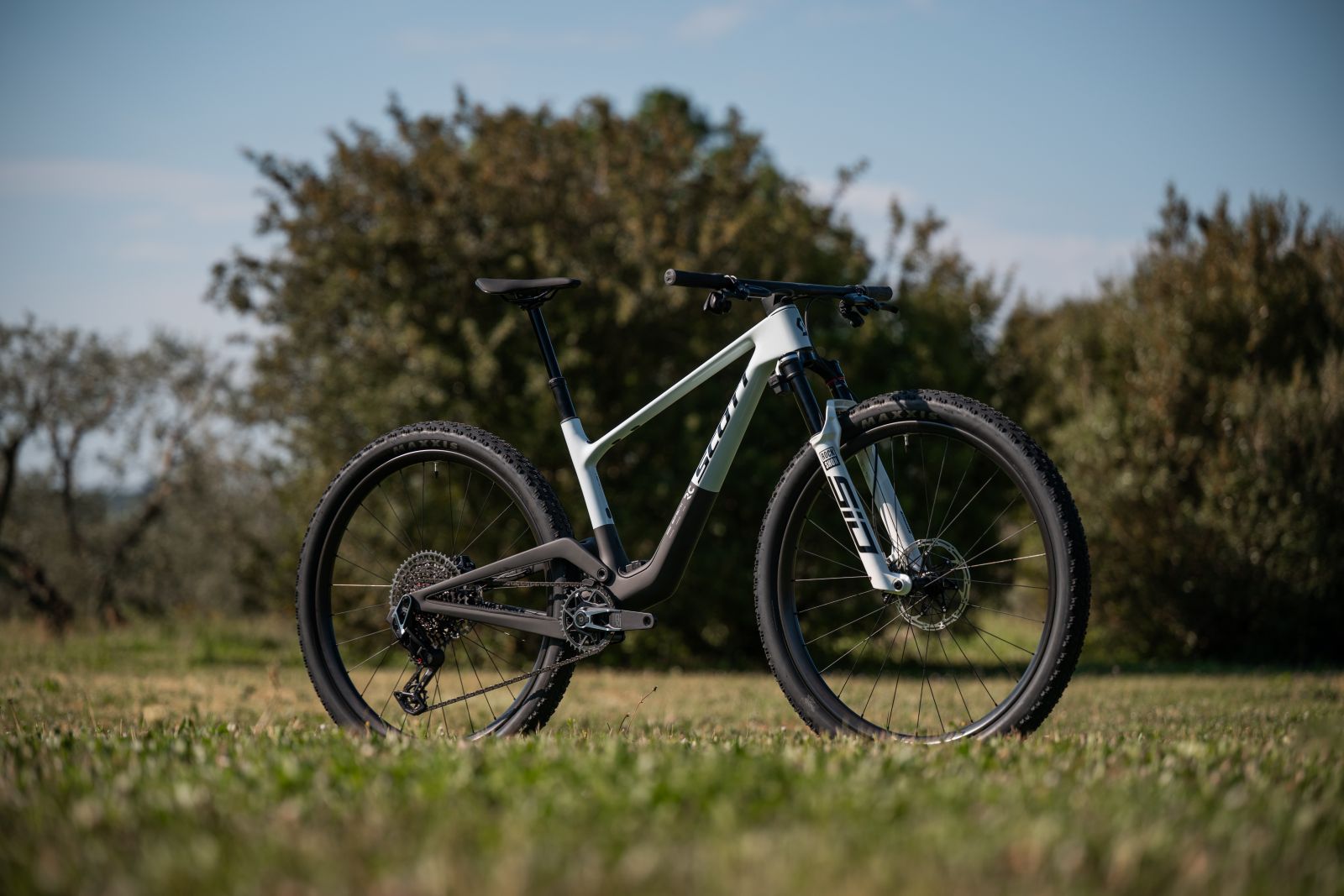
The Scott Spark RC World Cup and Expert 2027 push the boundaries of XC even further. Flight Attendant suspension, Syncros carbon wheels and top-level performance: discover our full review.
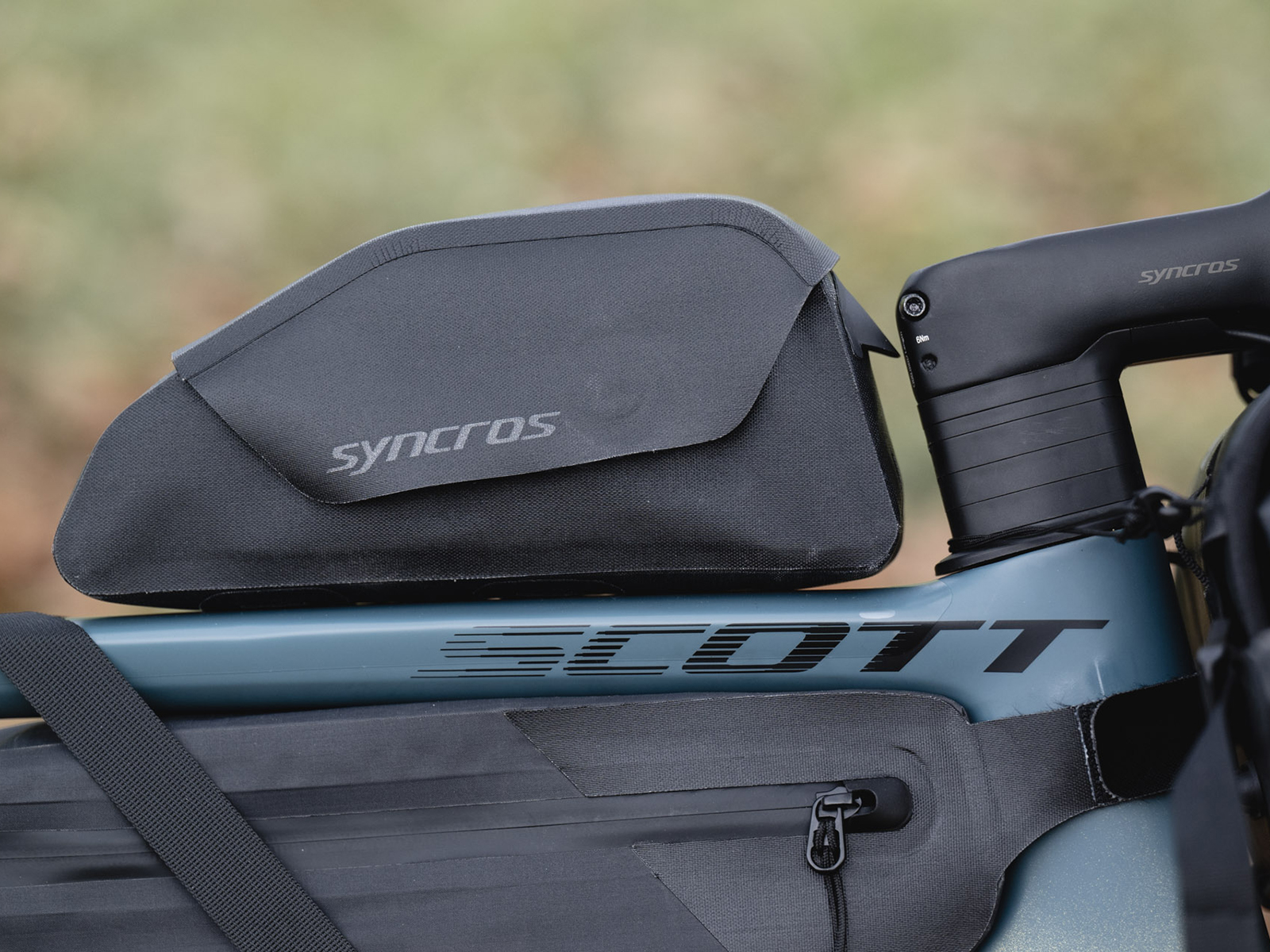
The pannier has become an essential piece of equipment for many cyclists. Whether for daily commutes, bike riding, long rides, cycle touring, bikepacking, or simply leisurely outings, it allows you to carry your belongings comfortably without carrying a load on your back. A well-chosen pannier improves comfort, maintains the bike's balance, and makes organizing your gear easier.
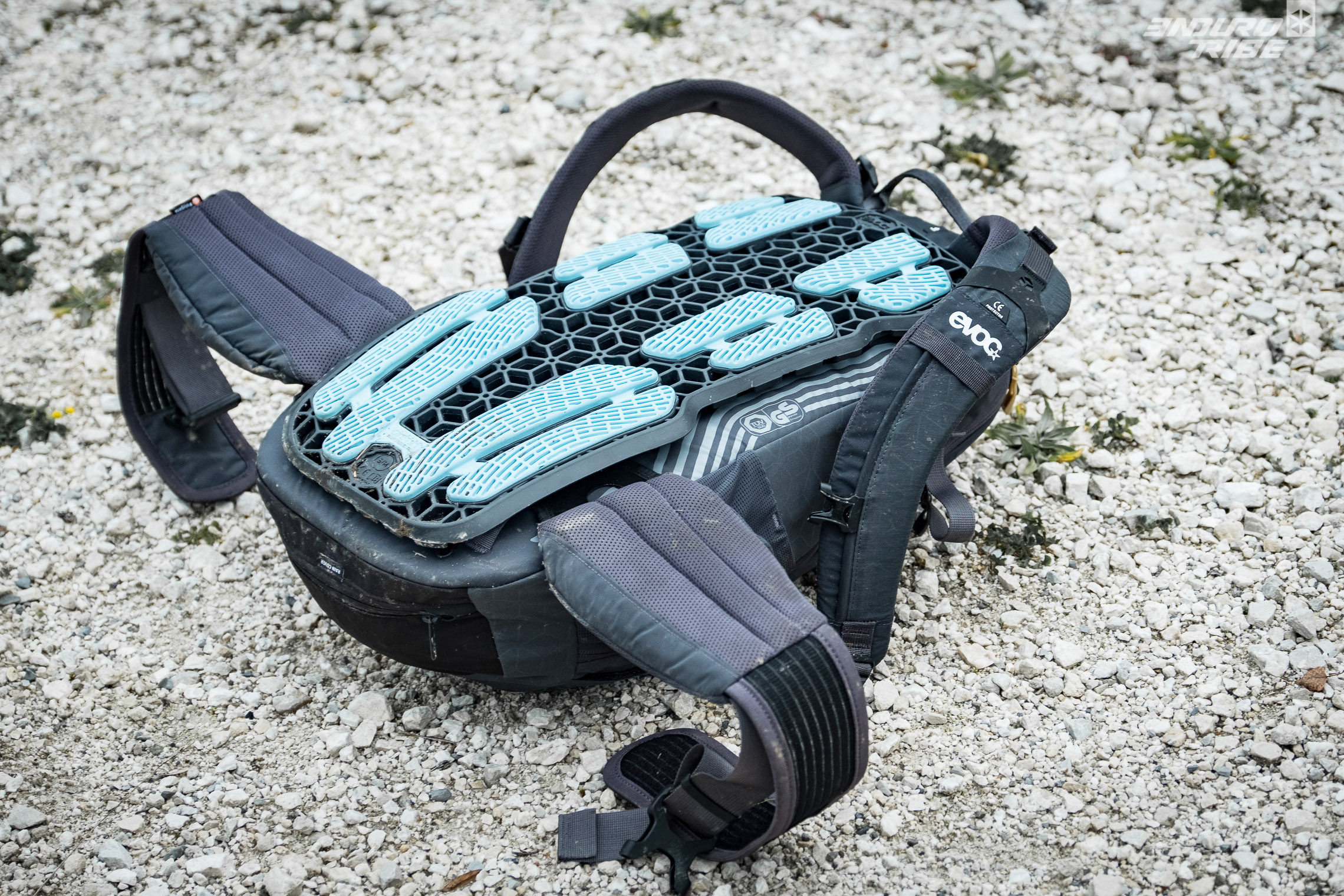
Choosing a cycling backpack requires finding the right balance between comfort, capacity, stability, rain protection, and easy access to your gear. A good bag shouldn't just carry things. It should stay securely in place, not interfere with pedaling, minimize back perspiration, and effectively protect essential items. Whether you're commuting to work, going for a sporting activity, cycling around town, touring by bike, or hiking, your needs will differ.
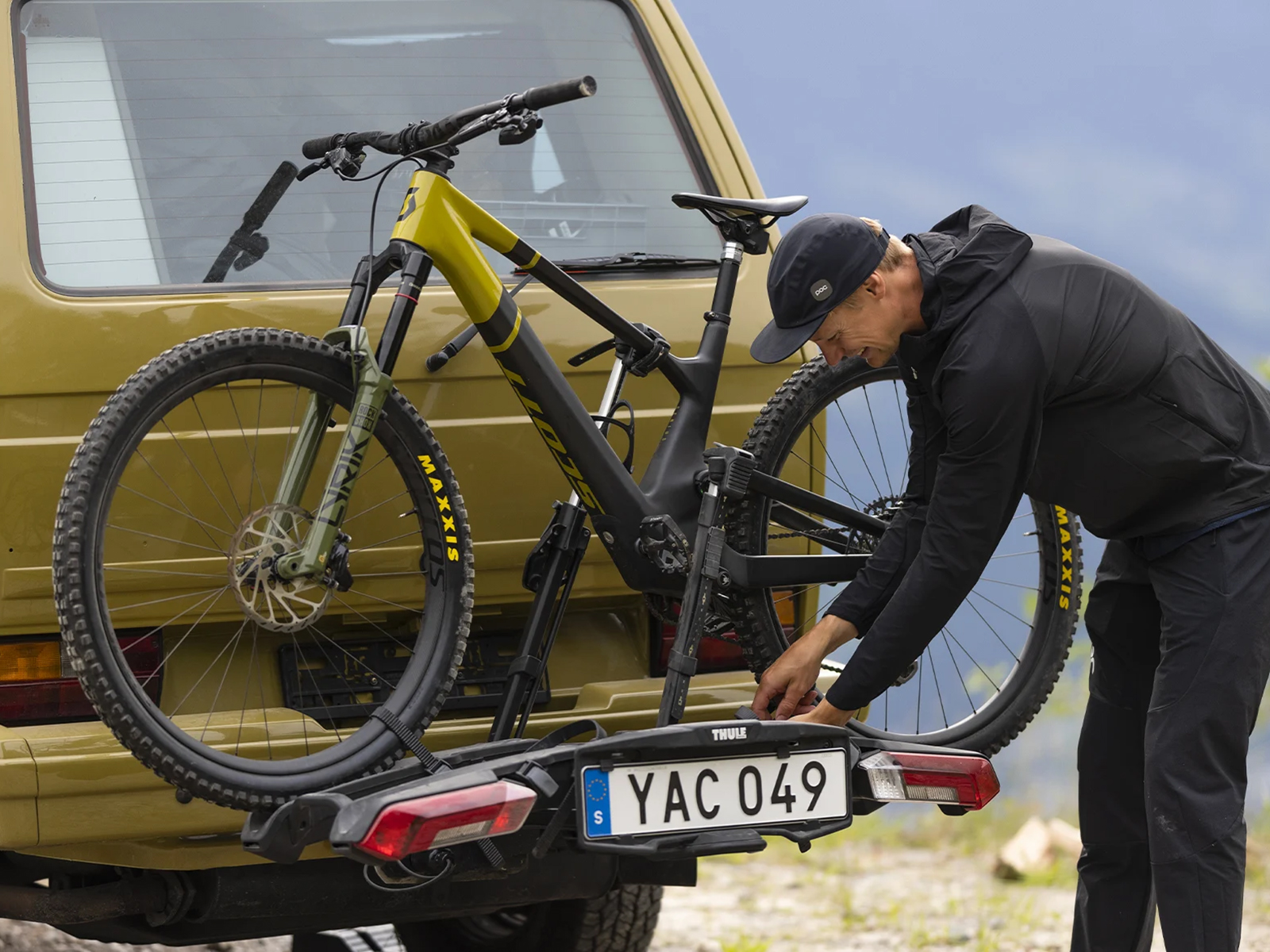
Choosing the right bike rack is essential for transporting your bikes safely, protecting your equipment, and enjoying a worry-free journey. Given the wide variety of systems available, identifying the best solution for your vehicle, the number of bikes you're carrying, or your intended use isn't always easy. Between hitch-mounted, tailgate-mounted, and roof-mounted models, there are many differences in terms of load capacity, ease of installation, compatibility, and user-friendliness.
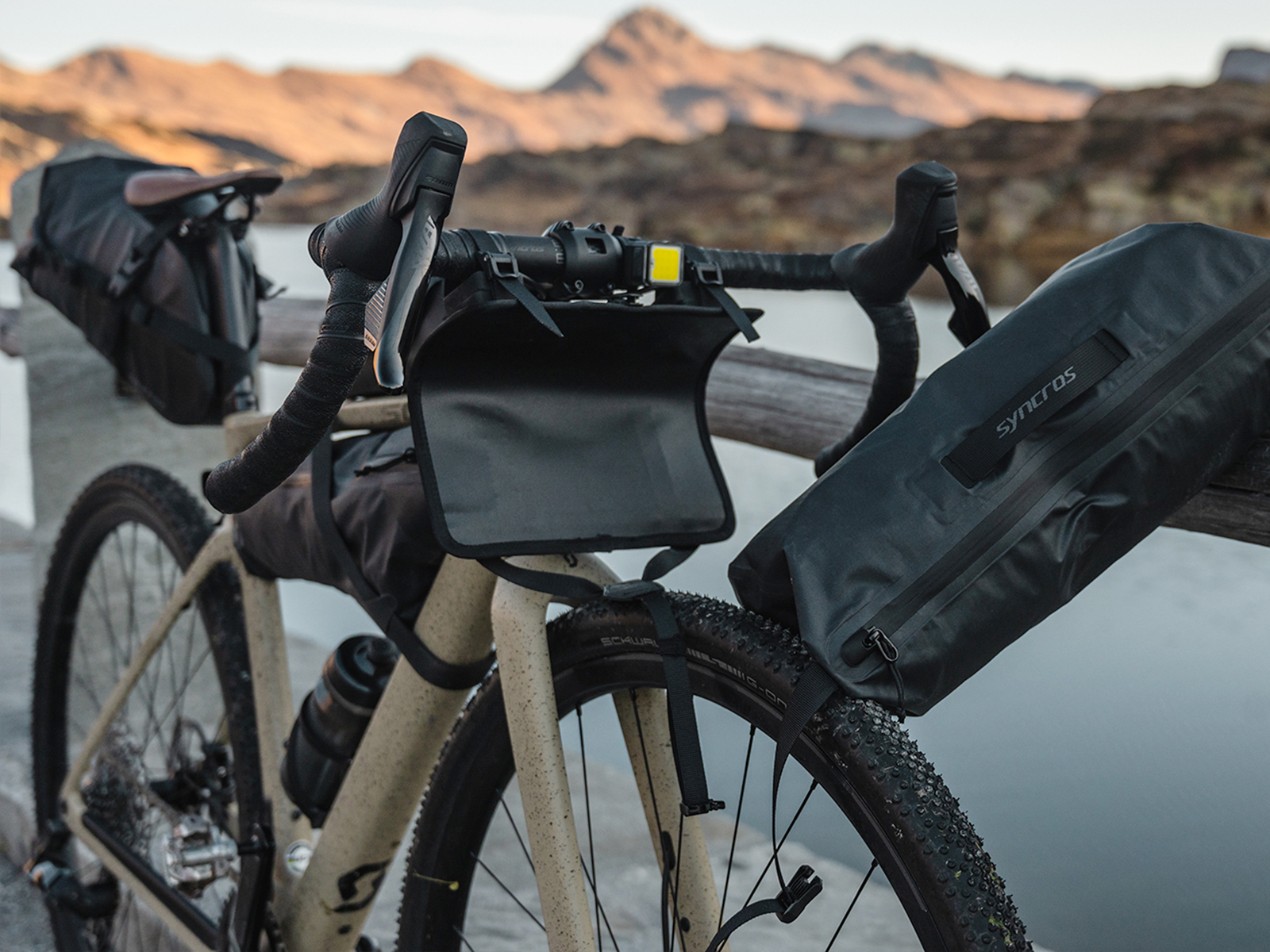
Bikepacking is an adventure cycling practice that involves traveling independently with a lightweight load attached directly to the bicycle. Unlike traditional cycle touring, which uses racks and large panniers, bikepacking favors compact bags distributed across the frame , handlebar , and tige de saddle . This approach allows for a bike that remains agile, efficient, and suitable for varied terrain, whether roads, tracks, forest paths, or trails.
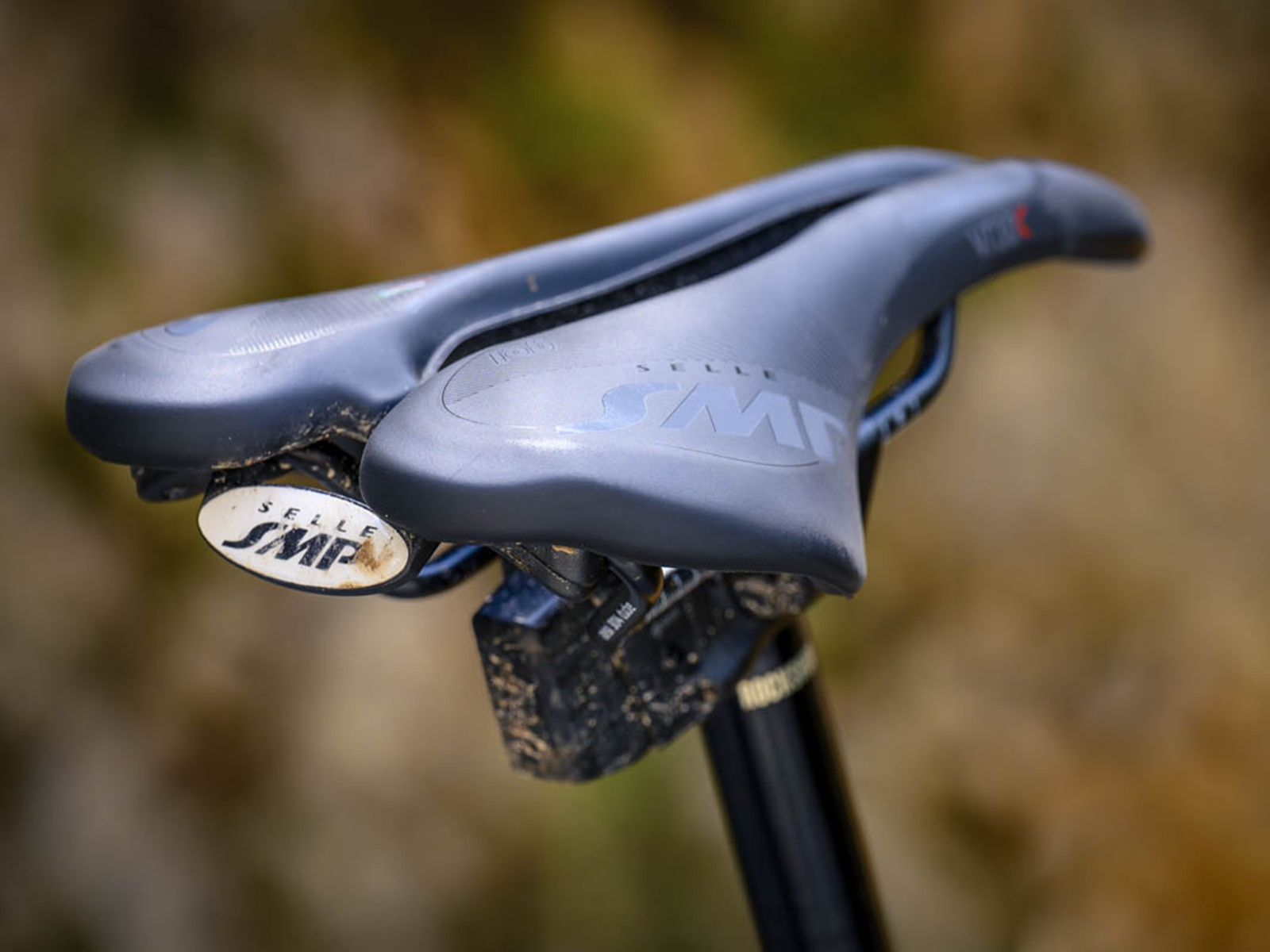
Choosing the right saddle is one of the most important factors in improving comfort, performance, and enjoyment of off-road riding. An unsuitable saddle can cause pelvic pain, chafing, numbness, or reduced pedaling efficiency. Conversely, a well-chosen saddle allows for better power transfer, maintains a stable position on the bike, and lets you fully enjoy your rides, whether it's trail riding, cross-country, enduro, or downhill. The shape, width, padding, materials, and type of riding all directly influence the choice. Therefore, it's essential to consider your body type, riding style, and riding habits before making your selection.