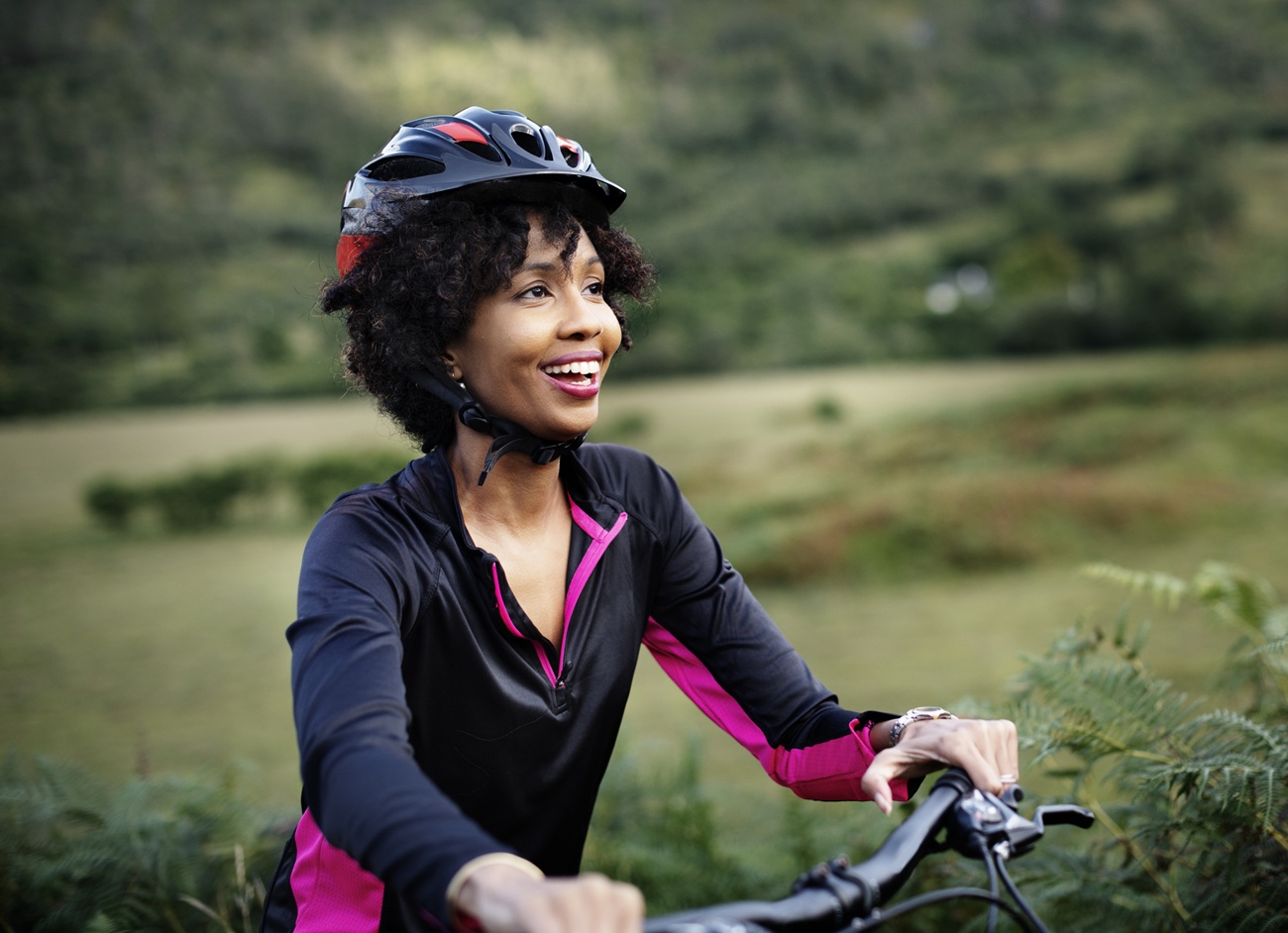
Women's MTB clothing plays a vital role in comfort, safety, and performance on the trails. Whether it's a leisurely ride through the woods or a technical descent in the mountains, your gear must be suited to your body shape, the weather conditions, and the type of riding you're doing. Choosing the right clothing allows you to ride freely, stay dry, and avoid chafing, bumps, or getting chilled.
Choose women's MTB clothing adapted to the discipline
Clothing choices vary depending on whether you're doing cross-country, enduro, downhill MTB , or simply hiking. In cross-country, lightness and aerodynamics are key. In enduro or downhill, protection and freedom of movement are paramount.
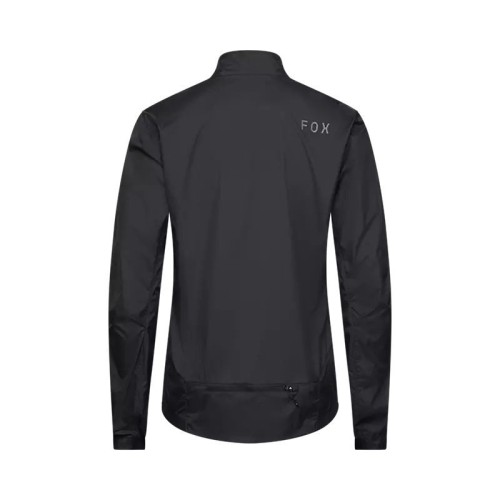
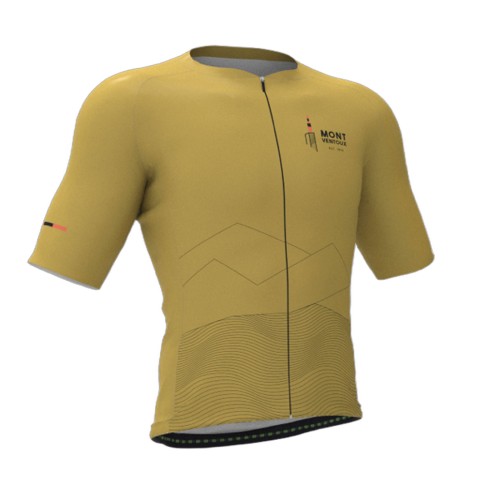
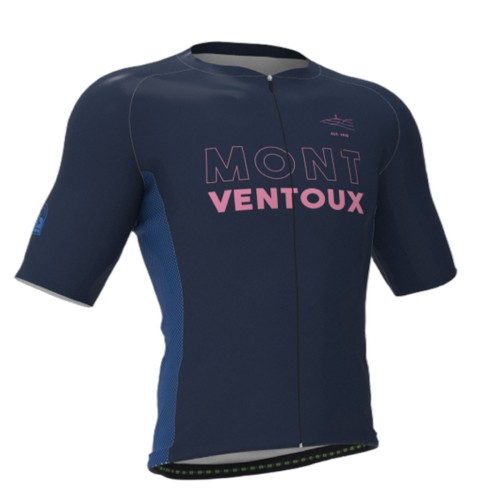
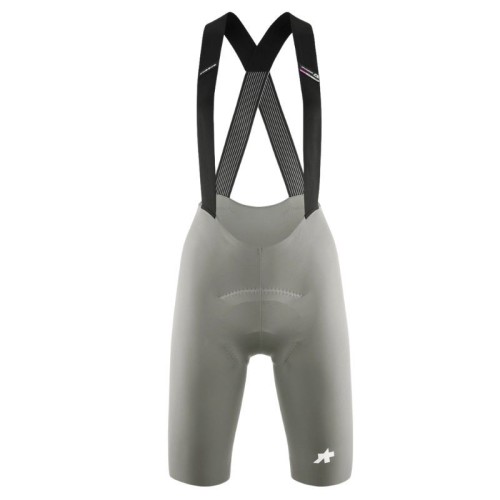
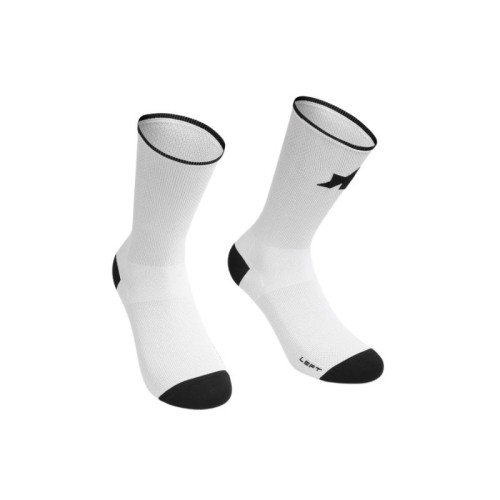
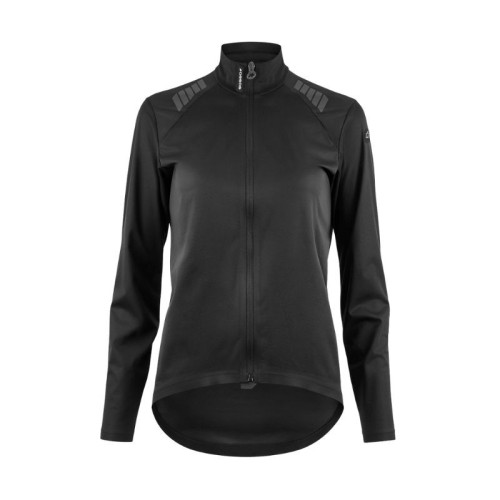
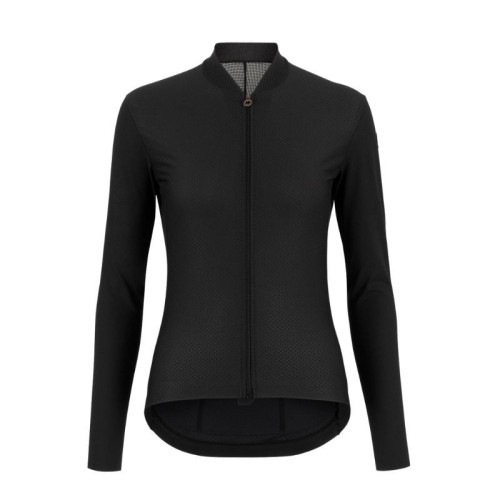

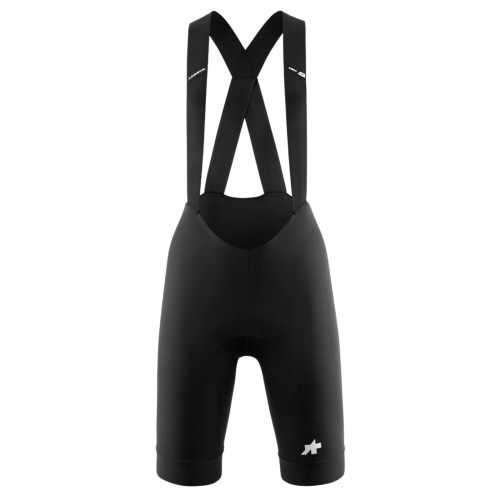
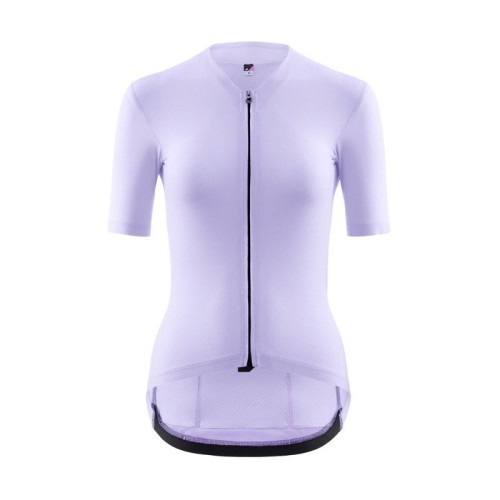
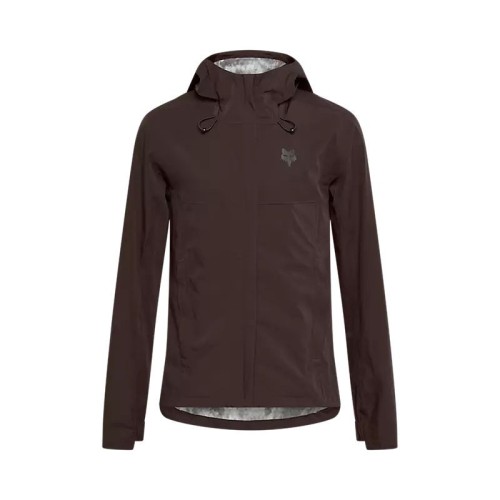

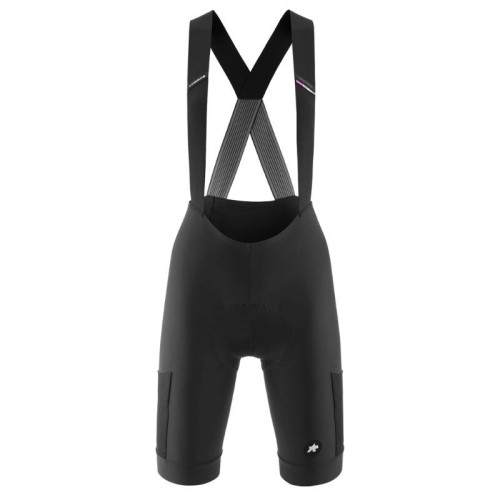
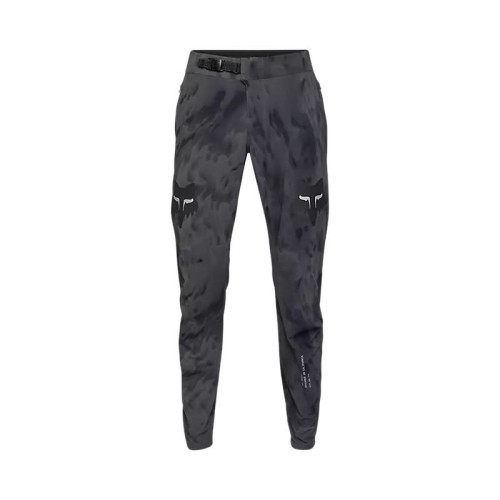
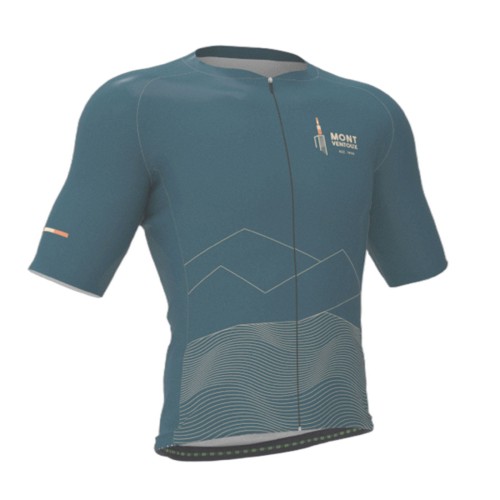
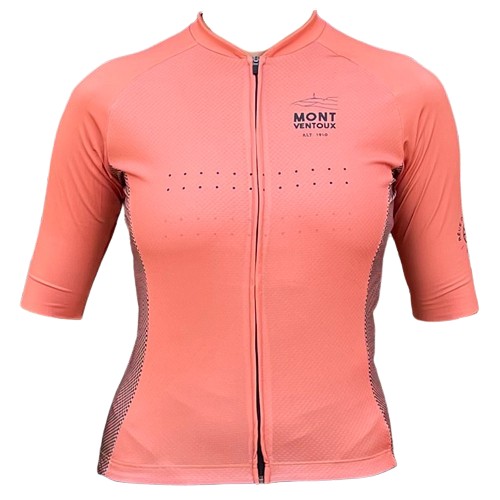
A female cyclist who enjoys hiking can opt for versatile, comfortable, and durable clothing. The fabrics should be breathable while also wicking away moisture effectively. Women's MTB clothing isn't just about style; its function is also to ensure safety.
Choose a breathable technical jersey
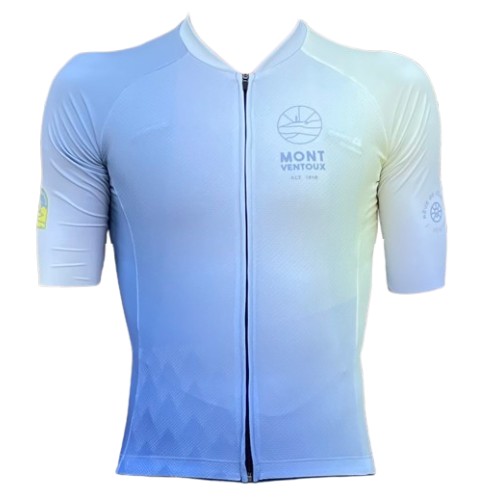
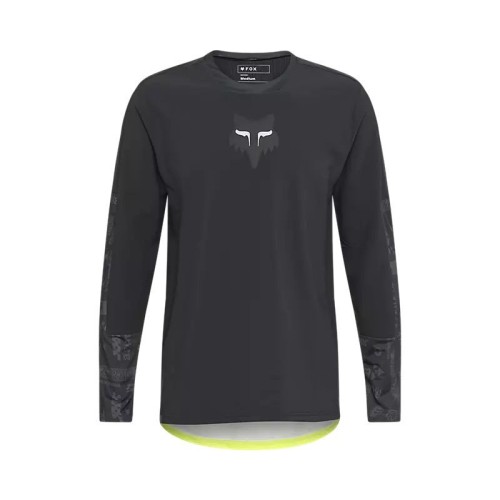
The jersey is the heart of the outfit. It must be breathable, wick away perspiration effectively, and dry quickly. Women's models are designed with a cut adapted to the body shape, more fitted at the waist, and offer good support.
In summer, opt for short sleeves and lightweight mesh or polyester fabrics. In winter or during the mid-seasons, choose a lined or thermal long-sleeved jersey . Flat seams prevent chafing, especially during long rides.
High-quality women's MTB clothing often features back pockets, a full zip, and reflective details for enhanced visibility.
Choosing the right MTB shorts or pants
The lower body is just as important as the upper body. Shorts should be reinforced, comfortable, and abrasion-resistant. MTB shorts are longer than road cycling shorts and often feature an inner chamois bib short .
In challenging terrain or cold weather, long trousers are an ideal alternative. They protect against branches, falls, and the cold. Some models incorporate stretch fabrics for greater freedom of movement and side ventilation zips.
Women's MTB clothing designed for enduro or downhill sometimes includes reinforced areas at the knees, compatible with knee pads.
Wear a technical jacket depending on the weather
A waterproof jacket is essential in case of rain or wind. It should be compressible for easy packing in a backpack. Technical models incorporate breathable membranes while remaining waterproof.
In winter, a thermal or softshell jacket offers excellent insulation against the cold while allowing perspiration to escape. Underarm vents are a bonus for regulating body temperature.
Many brands specializing in women's MTB clothing offer jackets that are both functional and aesthetically pleasing, with visible colours for added safety on the trails.
Use bib short with a chamois pad
bib short or bib shorts with a chamois pad are crucial for comfort in the saddle . They prevent chafing, absorb vibrations, and reduce pressure points. Women's chamois pads are anatomically designed and offer extra padding in key areas.
Some models are worn on their own, others as a lining for shorts. It's important to wear bib short without underwear to avoid chafing. The choice of foam density depends on the duration of your rides.
High-end women's MTB clothing incorporates ergonomic bib shorts, with technical fabrics, flat seams and a tailored fit.
Bring gloves appropriate for the season
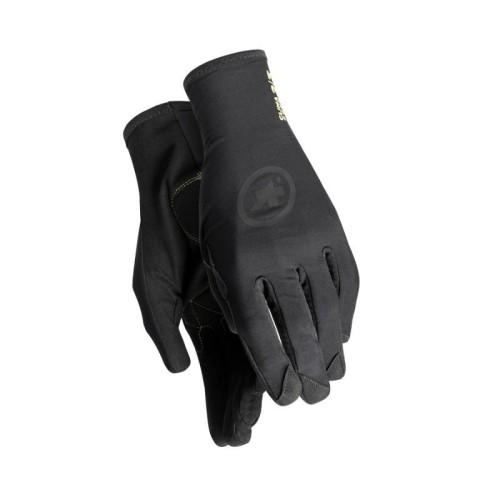
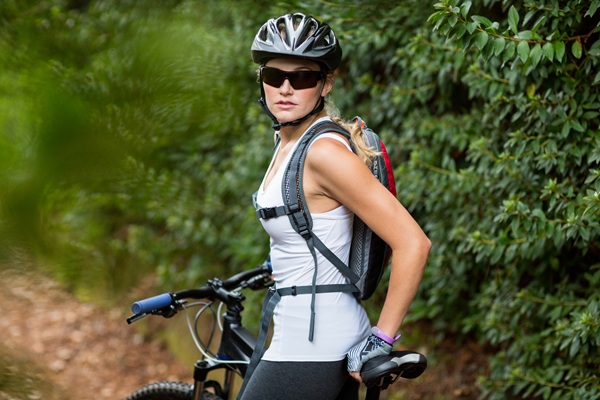
Gloves are essential for protecting your hands in case of a fall, improving your grip on the handlebar , and preventing blisters. In summer, lightweight, ventilated models are sufficient. In winter, insulated gloves are indispensable.
Choose gloves with a reinforced palm and gel inserts to dampen vibrations. A wrist closure ensures a snug fit. Some gloves are touchscreen compatible, allowing you to use a GPS or phone without removing them.
There is a wide range of women's MTB clothing that includes matching gloves, for a harmonious look and complete protection.
Choosing suitable thermal underlayers
The first layers are often overlooked, but they play a major role. In winter, technical underwear made of merino wool or polyester helps retain heat without causing perspiration.
Long-sleeved tops or thin tank tops slip easily under a jersey . They should fit snugly to prevent heat loss while wicking moisture away.
The best women's MTB clothing brands offer invisible, breathable, lightweight and soft-to-the-touch base layers.
Remember to wear appropriate socks and shoes.
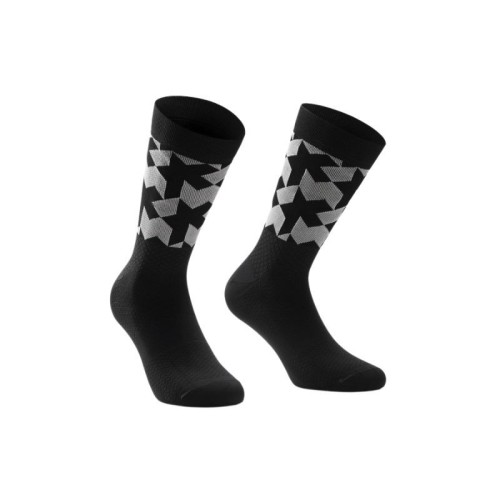
Feet are often overlooked when it comes to equipment, but their comfort influences performance. Breathable socks, reinforced at the heel and toes, reduce blisters and wick away sweat.
In winter, merino wool socks keep feet warm without overheating. It's best to avoid cotton, which retains moisture. Knee-high socks also protect against chafing from insoles.
Many women's MTB clothes are designed to complement specific MTB shoes, with grip and rigid soles.
Comparison chart of women's MTB clothing
| Element | Main features | Best to choose for |
|---|---|---|
| Jersey | Breathable, flat seams, pockets, full zip | Cross-country, hiking |
| Shorts/Pants | Reinforced, chamois leather, stretch fabric | Enduro, downhill |
| Jacket | Waterproof, windproof, breathable | Variable weather |
| Bib short | Feminine skin, support, comfort | Long outings |
| Gloves | Gel, grip, breathable or insulating | All seasons |
| Undercoat | Thermal, fitted, breathable | Mid-season, winter |
FAQ
Which jersey should a woman choose for MTB ?
A breathable, women's cut jersey with back pockets and zip is ideal for comfort and performance.
What is the difference between regular shorts and MTB shorts?
MTB shorts are longer, more durable and often lined with bib short with a chamois pad.
Can you wear bib short with briefs?
No, bib short should be worn next to the skin to avoid chafing and irritation.
Do we need specific clothing for winter?
Yes, it is recommended to wear thermal base layers, an insulating jacket and suitable warm gloves.
Are women's MTB clothes really that different?
Yes, they are designed to better fit the female form, improve comfort and offer a more tailored fit.
How do I wash my MTB clothes?
Wash them in cold water, without fabric softener, using a mild detergent. Avoid tumble drying to preserve the technical properties of the fabrics.

Related Posts
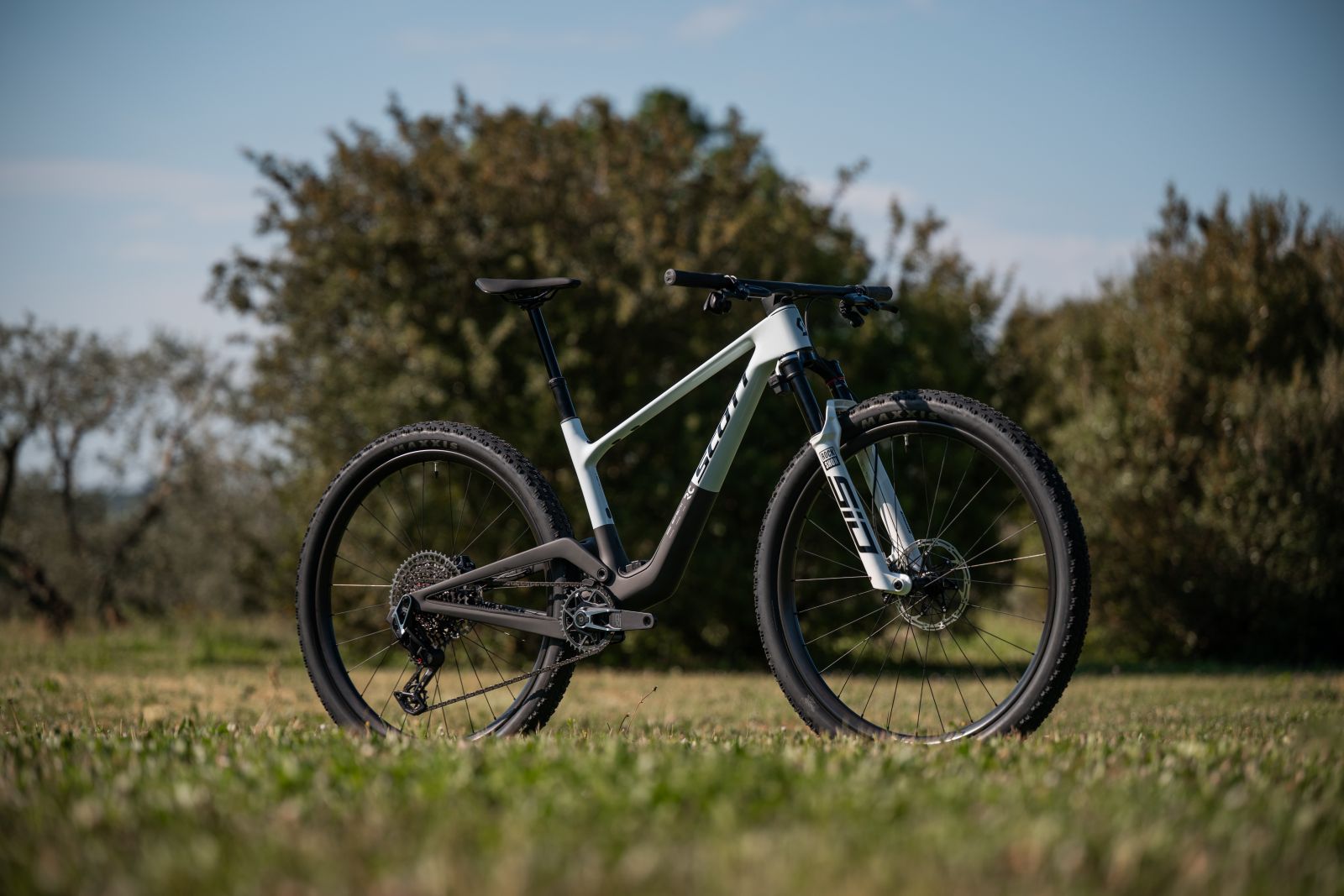
The Scott Spark RC World Cup and Expert 2027 push the boundaries of XC even further. Flight Attendant suspension, Syncros carbon wheels and top-level performance: discover our full review.
The pannier has become an essential piece of equipment for many cyclists. Whether for daily commutes, bike riding, long rides, cycle touring, bikepacking, or simply leisurely outings, it allows you to carry your belongings comfortably without carrying a load on your back. A well-chosen pannier improves comfort, maintains the bike's balance, and makes organizing your gear easier.
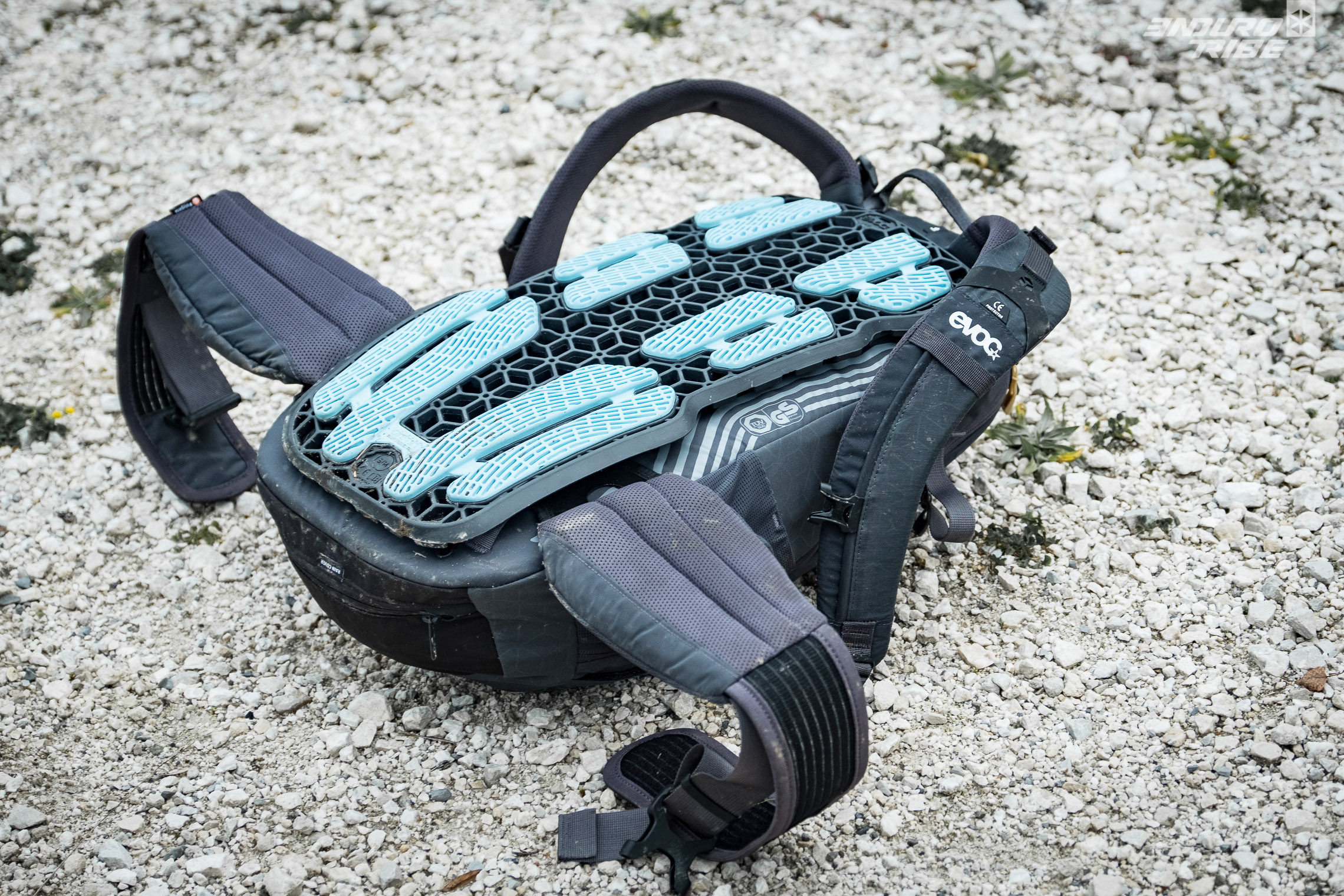
Choosing a cycling backpack requires finding the right balance between comfort, capacity, stability, rain protection, and easy access to your gear. A good bag shouldn't just carry things. It should stay securely in place, not interfere with pedaling, minimize back perspiration, and effectively protect essential items. Whether you're commuting to work, going for a sporting activity, cycling around town, touring by bike, or hiking, your needs will differ.
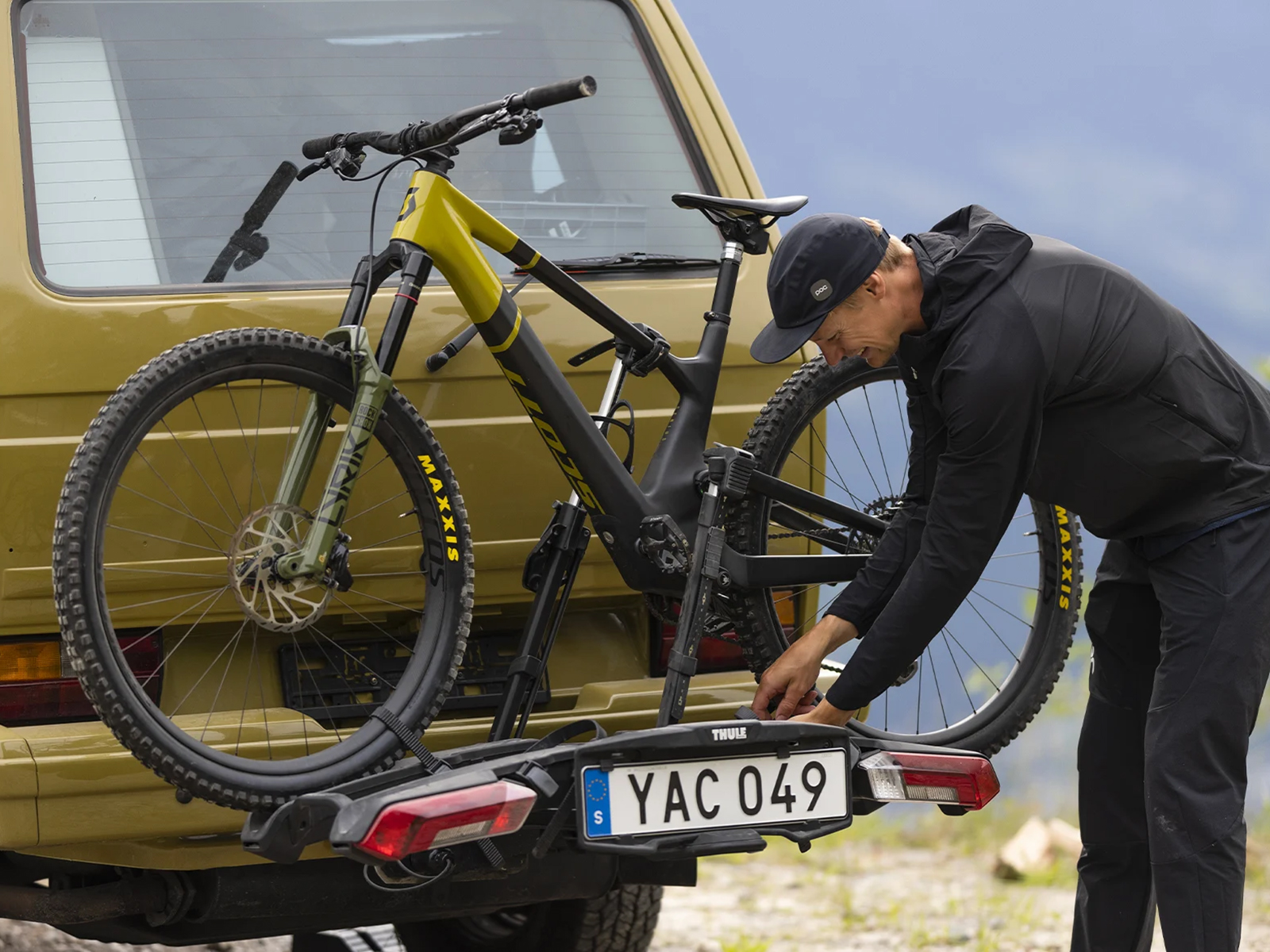
Choosing the right bike rack is essential for transporting your bikes safely, protecting your equipment, and enjoying a worry-free journey. Given the wide variety of systems available, identifying the best solution for your vehicle, the number of bikes you're carrying, or your intended use isn't always easy. Between hitch-mounted, tailgate-mounted, and roof-mounted models, there are many differences in terms of load capacity, ease of installation, compatibility, and user-friendliness.
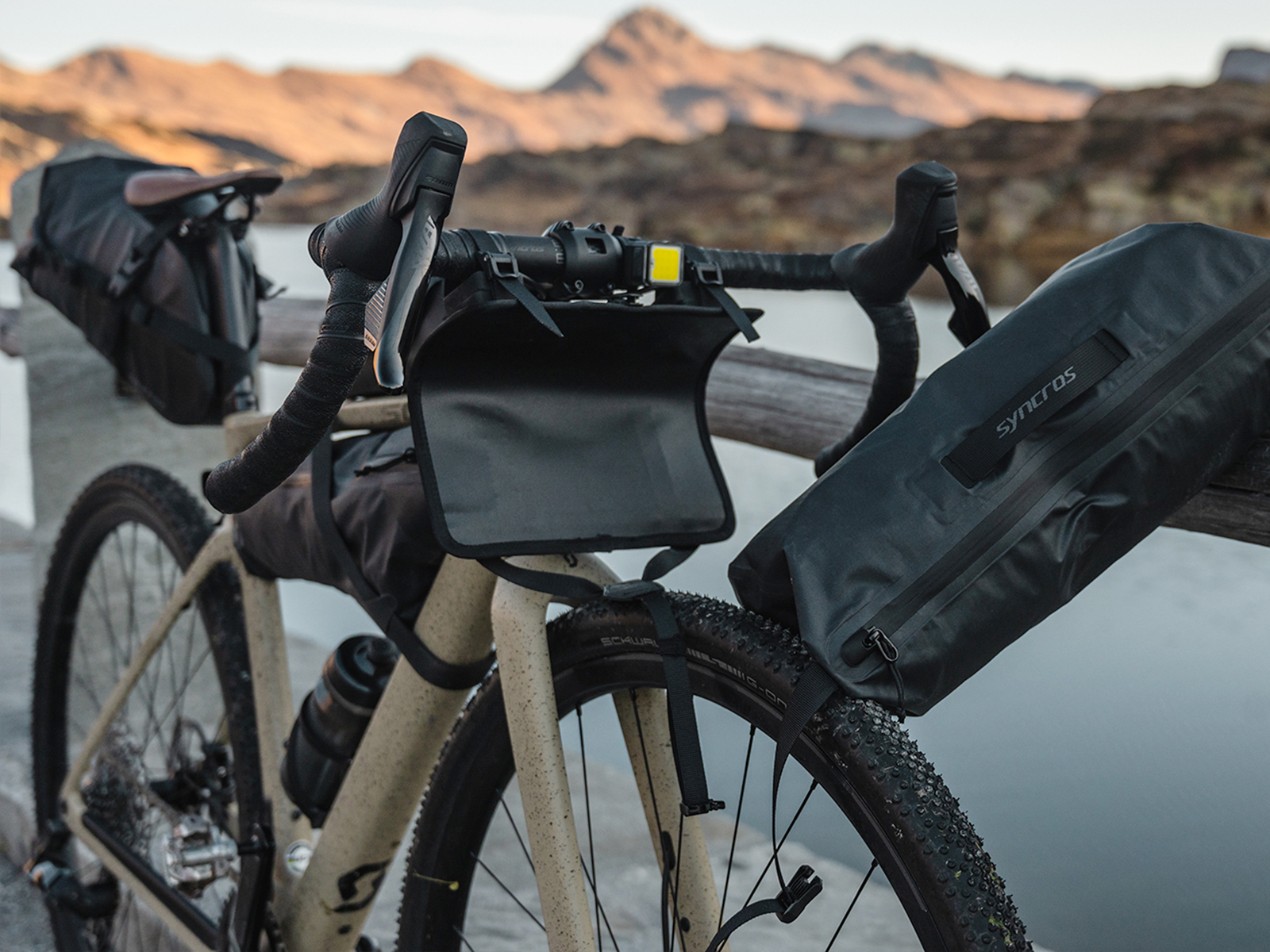
Bikepacking is an adventure cycling practice that involves traveling independently with a lightweight load attached directly to the bicycle. Unlike traditional cycle touring, which uses racks and large panniers, bikepacking favors compact bags distributed across the frame , handlebar , and tige de saddle . This approach allows for a bike that remains agile, efficient, and suitable for varied terrain, whether roads, tracks, forest paths, or trails.
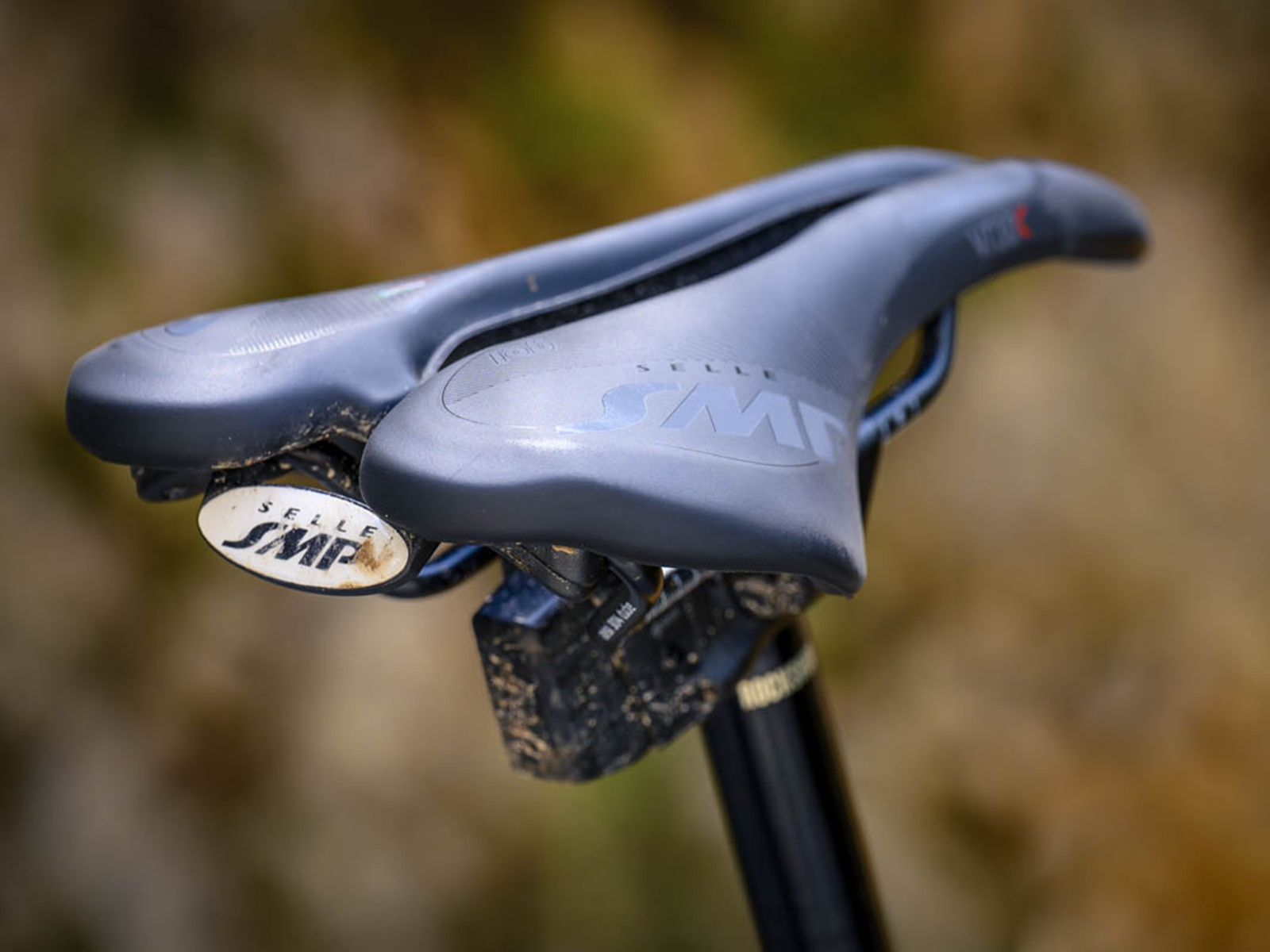
Choosing the right saddle is one of the most important factors in improving comfort, performance, and enjoyment of off-road riding. An unsuitable saddle can cause pelvic pain, chafing, numbness, or reduced pedaling efficiency. Conversely, a well-chosen saddle allows for better power transfer, maintains a stable position on the bike, and lets you fully enjoy your rides, whether it's trail riding, cross-country, enduro, or downhill. The shape, width, padding, materials, and type of riding all directly influence the choice. Therefore, it's essential to consider your body type, riding style, and riding habits before making your selection.