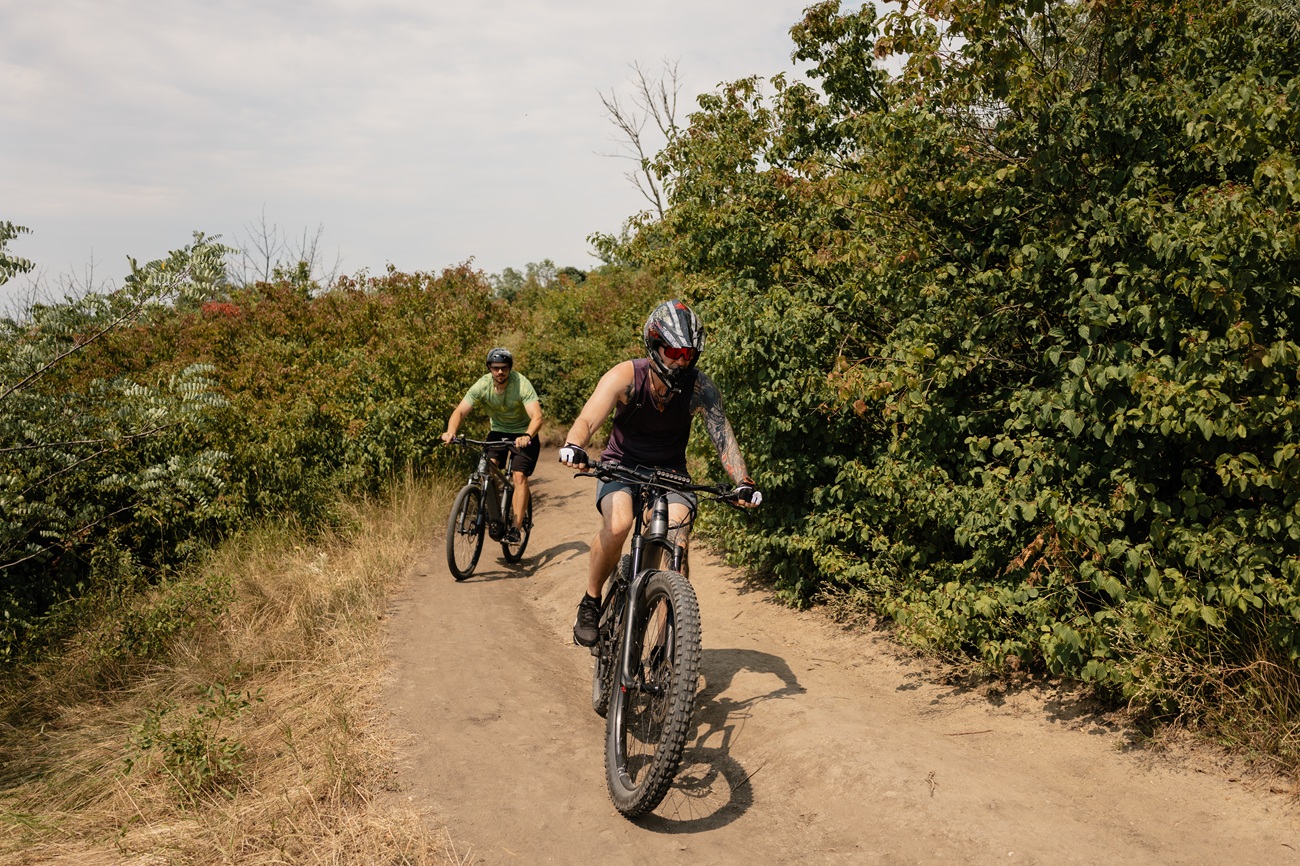
MTB with hydraulic brake are now the gold standard for demanding cyclists seeking performance, safety, and control, especially on rough terrain or in the mountains. Offering superior braking power, precise modulation, and exceptional reliability, this system is now found on the vast majority of mountain bikes. The challenge lies in choosing the right one from the many models available.
The advantages of a MTB has hydraulic brake
The main advantage of hydraulic brake The precision of its action is key. It allows for fine modulation of braking force, which significantly improves bike control on technical descents, tight corners, or slippery terrain.
Unlike mechanical brakes, the hydraulic system works using a specific fluid that transmits the pressure from the lever directly to the caliper. This operation ensures a constant responsiveness and eliminates losses related to cable tension. Power remains the same regardless of the weather, even in rain or mud.
A MTB has hydraulic brake It therefore provides increased confidence on all terrains, whether you are an ambitious beginner or a seasoned mountain biker.
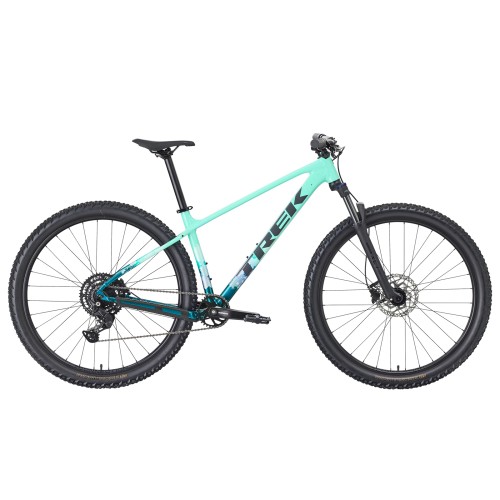
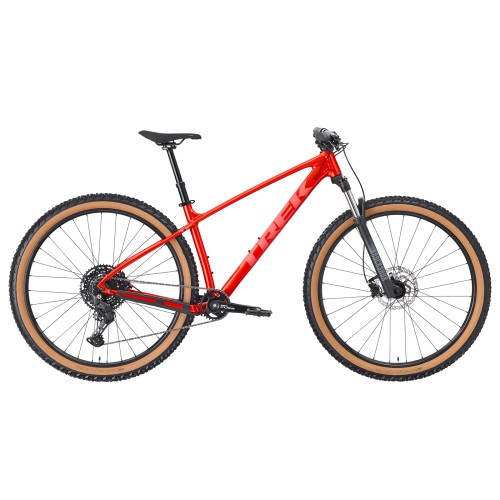
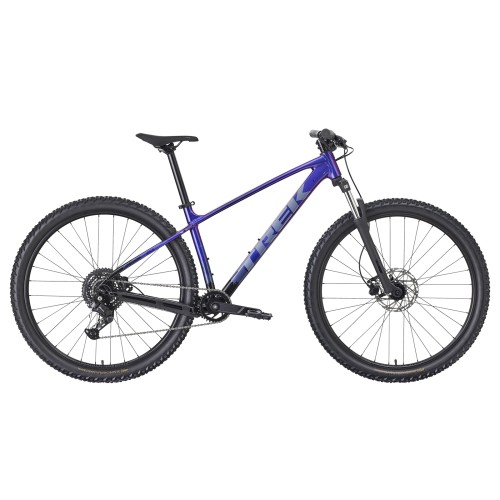
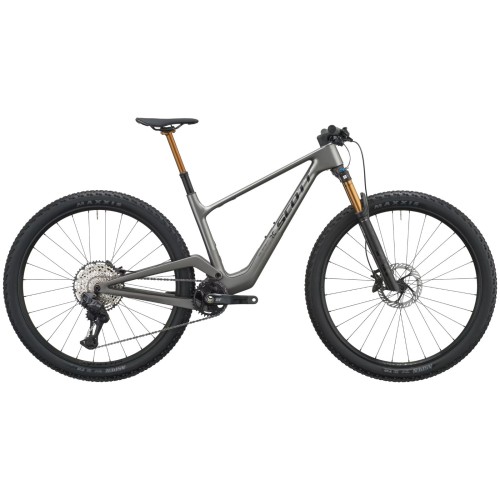
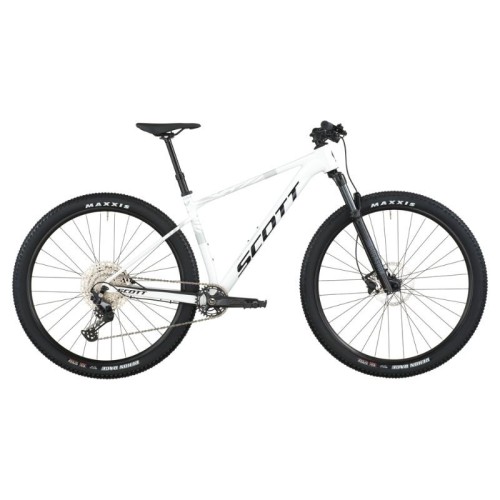
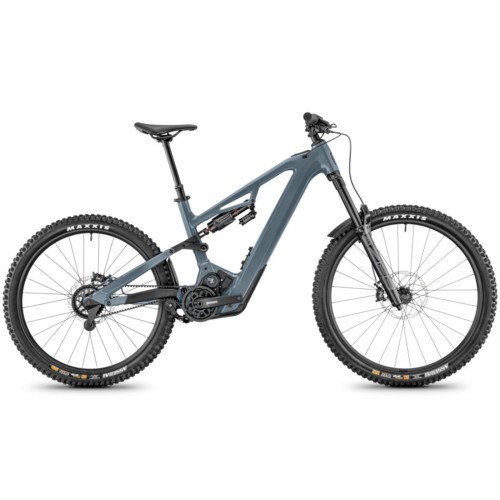
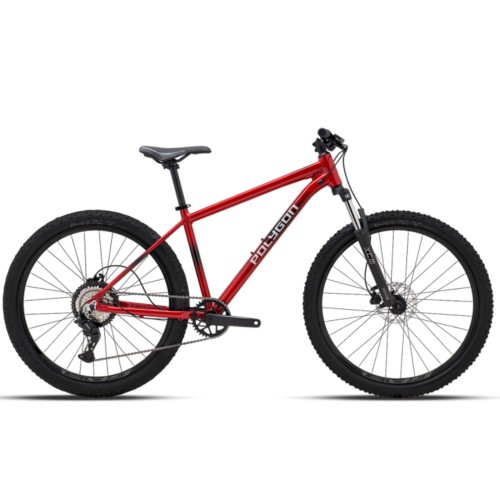
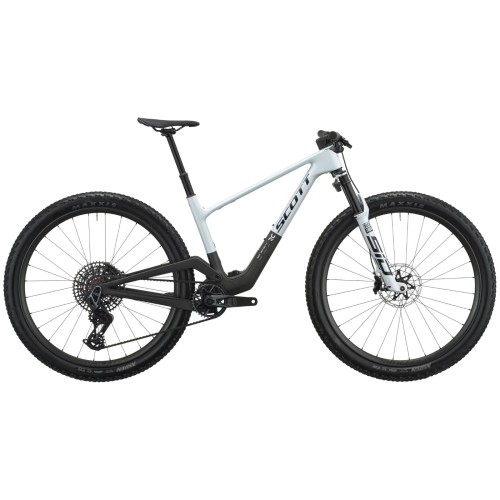
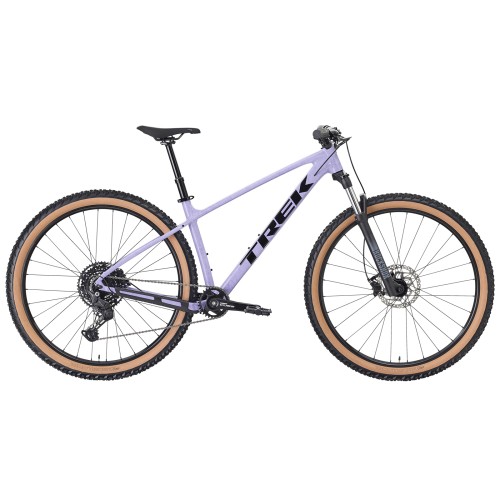
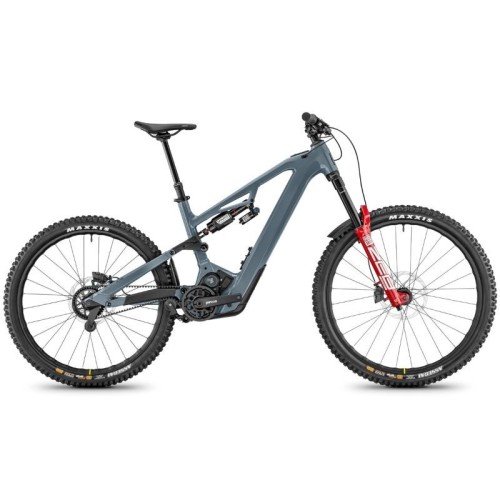
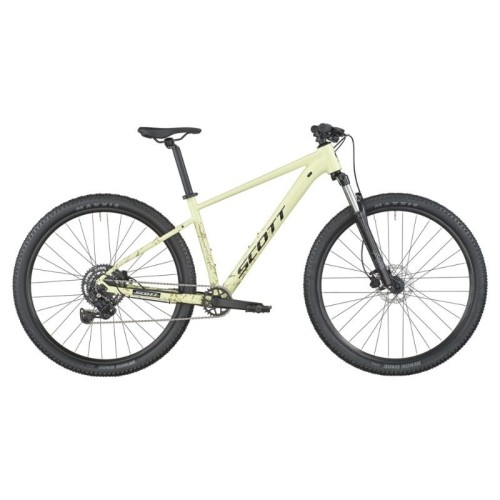
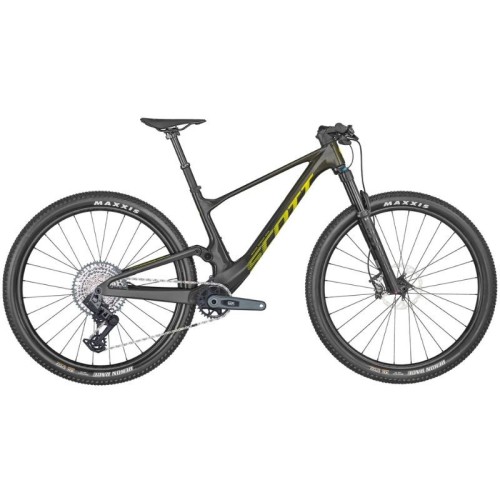
What is the best use for a MTB has hydraulic brake
Hydraulic brakes are found in all disciplines of MTB, From cross-country to enduro, including trail riding and downhill. Depending on your riding style, some models are more suitable than others.
For cross-country use or sporty hiking, a light brake with 160 mm discs. For more demanding riding such as enduro or downhill, more powerful brakes are preferred, often with 180 mm or even 200 mm discs.
The choice of a MTB has hydraulic brake This is therefore done according to the discipline practiced, but also the level of piloting and the usual playing field.
The technical elements of a good hydraulic brake
A quality hydraulic system comprises several essential components: the lever, the caliper, the hoses, and the brake fluid. The lever should be ergonomic and adjustable. reach and easily accessible with a single finger.
The caliper contains pistons that press on the brake pads brakes. The more pistons there are, the more evenly the power is distributed and the more progressive the braking. Four-piston brakes are often used in enduro, while two-piston brakes are suitable for cross-country or trail riding.
The fluid can be DOT type or mineral oil. Each type has its own properties. MTB has hydraulic brake Proper maintenance with clean fluid ensures consistent performance and optimal durability.
Comparison of systems across disciplines MTB
| Practical | Type of hydraulic brake recommended | Disc diameter |
|---|---|---|
| Cross-country | Lightweight 2-piston brake | 160 mm |
| Trail | Versatile brake with 2 or 4 pistons | 180 mm |
| Enduro | Powerful 4-piston brake | 180 to 200 mm |
| Descent | High-flow 4-piston brake | 200 mm and more |
| Leisure | Simple 2-piston brake | 160 mm |
A MTB has hydraulic brake tailored to your discipline, it will offer you maximum efficiency without unnecessary extra weight or loss of control.
The most reliable brands for hydraulic brakes
Among the most recognized manufacturers are Shimano, SRAM, Magura and Hope. Each offers a complete range with different levels of performance and price. Shimano stands out for its reliability and ease of use.maintenance. . SRAM It offers powerful brakes with good modulation. Magura focuses on innovation and lightness.
The choice also depends on the felt at the lever and personal preferences. Some cyclists prefer a very responsive brake from the start, while others seek more progressive braking.
A MTB has hydraulic brake Equipped with a good system from a reputable brand, it ensures constant and reassuring braking, even during long mountain rides.
Differences between brake rotor mechanical and hydraulic
A brake rotor The mechanical system operates via cable, making it simpler to adjust but less precise. hydraulic brake, In contrast, it uses a fluid to transmit force. This allows for a more powerful braking, more flexible and effortless at the lever.
The hydraulic system does not require constant tension adjustment. It is more durable and reliable over time, especially under heavy use. Its maintenance may seem more technical, but the performance achieved more than compensates for this.
For any mountain biker seeking safety and performance, the MTB has hydraulic brake remains the best choice as soon as one goes beyond purely occasional use.
Choose a MTB semi-rigid or full suspension with hydraulic brakes
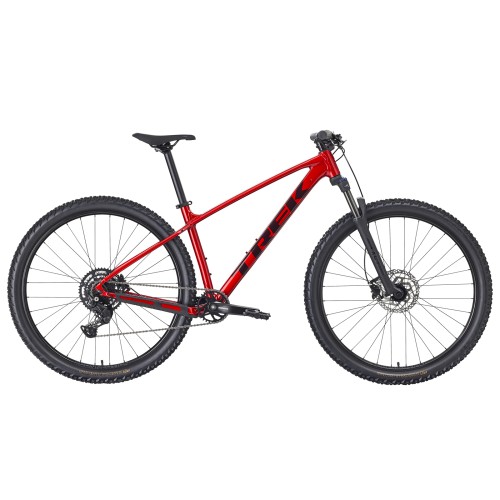
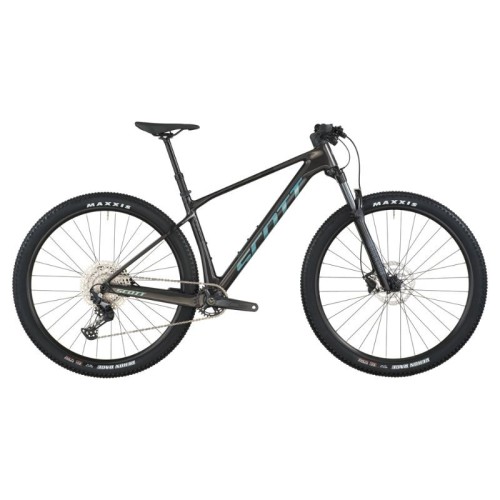
The type of frame also plays a role. MTB semi-rigid It is lighter, simpler, and often recommended for beginners, cross-country riding, or rides on less technical terrain. It is generally equipped with 2-piston brakes, which are sufficient for this type of riding.
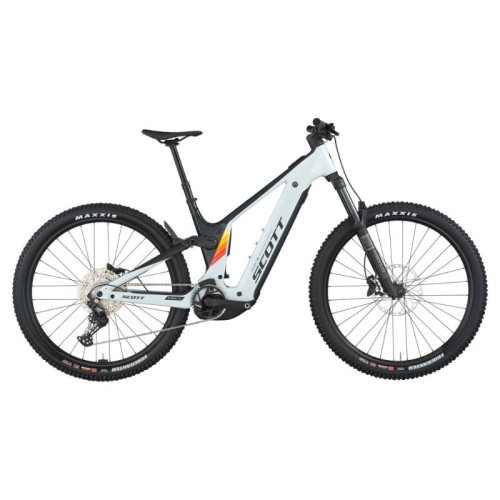
The fully suspended design offers a better comfort and superior shock absorption. Combined with a hydraulic brake High-performing, it becomes a valuable asset for riding in the mountains or on demanding trails. In enduro or downhill riding, it's practically indispensable.
Whatever the choice, a MTB has hydraulic brake Properly sized brakes increase bike control, especially during sudden or prolonged braking.
Maintenance and bleeding the hydraulic brakes
Hydraulic brakes require a maintenance Regular bleeding is essential to maintain their effectiveness. The system should be bled, in particular, when the lever becomes spongy or the travel becomes too long. Bleeding involves removing air bubbles from the brake fluid.
A good maintenance also includes cleaning of brake pads and discs, fluid replacement and wear checks. These operations are essential to guarantee a constant braking and secure.
A MTB has hydraulic brake A well-maintained vehicle will offer high-level performance for several seasons, even under heavy use.
Wheel compatibility and diameter selection rotor
The diameter of the rotor influences braking power. The more the rotor The larger the disc, the greater the force. 160mm discs are suitable for lighter riders or flat terrain. 180mm discs or larger are better suited to descents and heavier mountain bikers.
The wheels must be equipped with compatible hubs with the discs (IS or Centerlock). The frame and the fork must also be designed to accommodate hydraulic calipers and discs of the chosen diameter.
Before investing in a MTB has hydraulic brake, Therefore, it is necessary to ensure the complete compatibility of all components to avoid any unpleasant surprises.
FAQ
Why choose a MTB has hydraulic brake rather than a cable model ?
Because the hydraulic brake It offers more power, better precision, and consistent reliability in all conditions. It requires less lever effort and is more resistant to wear.
Do hydraulic brakes require a lot ofmaintenance ? ?
No, but they need to be purged regularly and the condition of the brake pads and records. One maintenance This simplicity allows for excellent performance to be maintained over the long term.
Can hydraulic brakes be fitted to any MTB ? ?
No, it is necessary that the frame and the fork be compatible with brakes rotor. You also need specific wheels with fixings designed for discs.
What diameter rotor choose for a MTB has hydraulic brake ? ?
160mm for recreational or XC riding, 180mm for trail and enduro, 200mm or more for downhill or heavier riders. The choice depends on the terrain and your skill level.
Which brand of hydraulic brakes is the most reliable ?
Shimano is renowned for its reliability., SRAM For its power, Magura for its lightness, and Hope for its build quality. The choice also depends on personal preferences.
Can a beginner ride with hydraulic brakes ?
Yes, it's even recommended. They are simpler to use, more efficient and safer than cable brakes, even for novice cyclists.

Related Posts
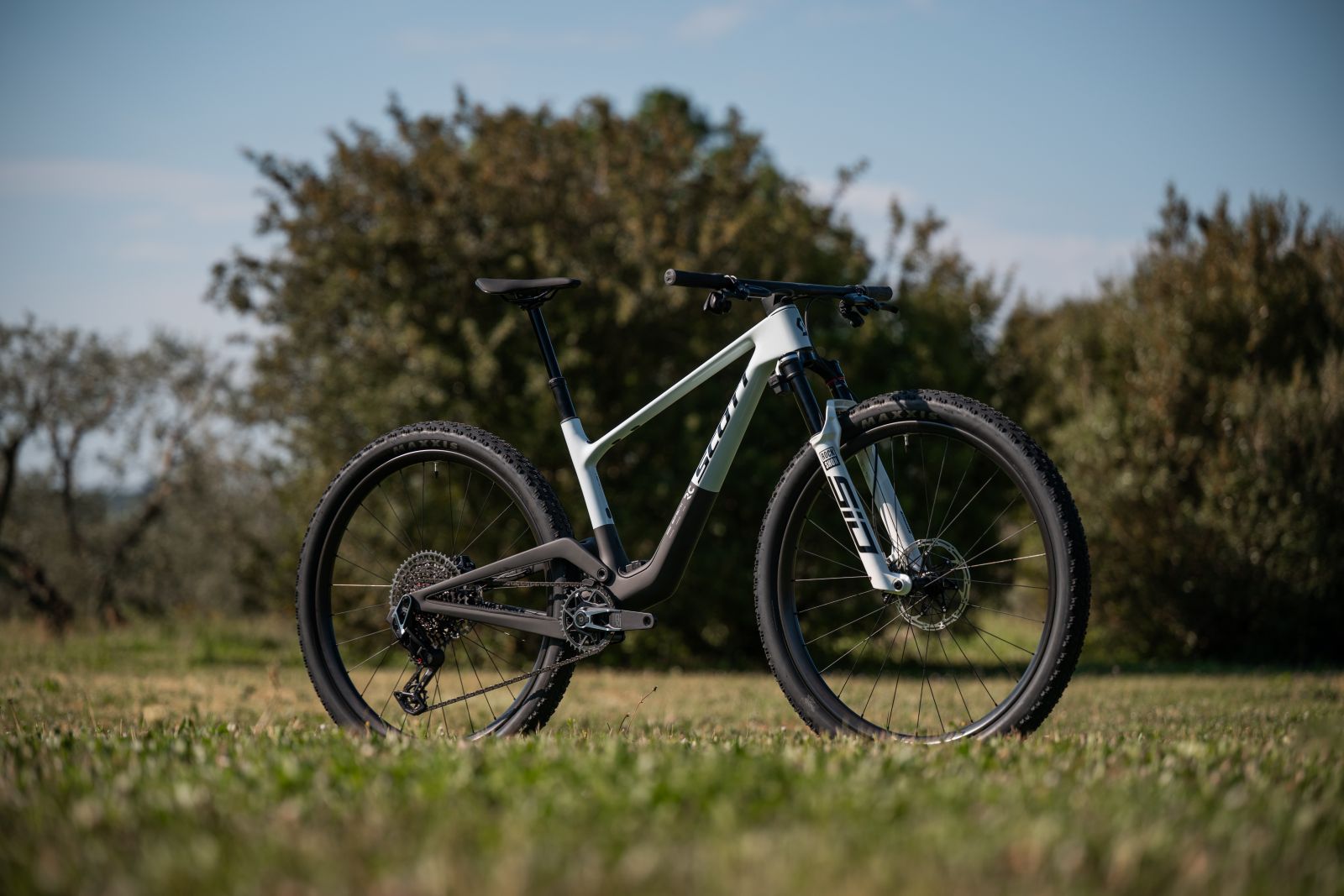
The Scott Spark RC World Cup and Expert 2027 push the boundaries of XC even further. Flight Attendant suspension, Syncros carbon wheels and top-level performance: discover our full review.
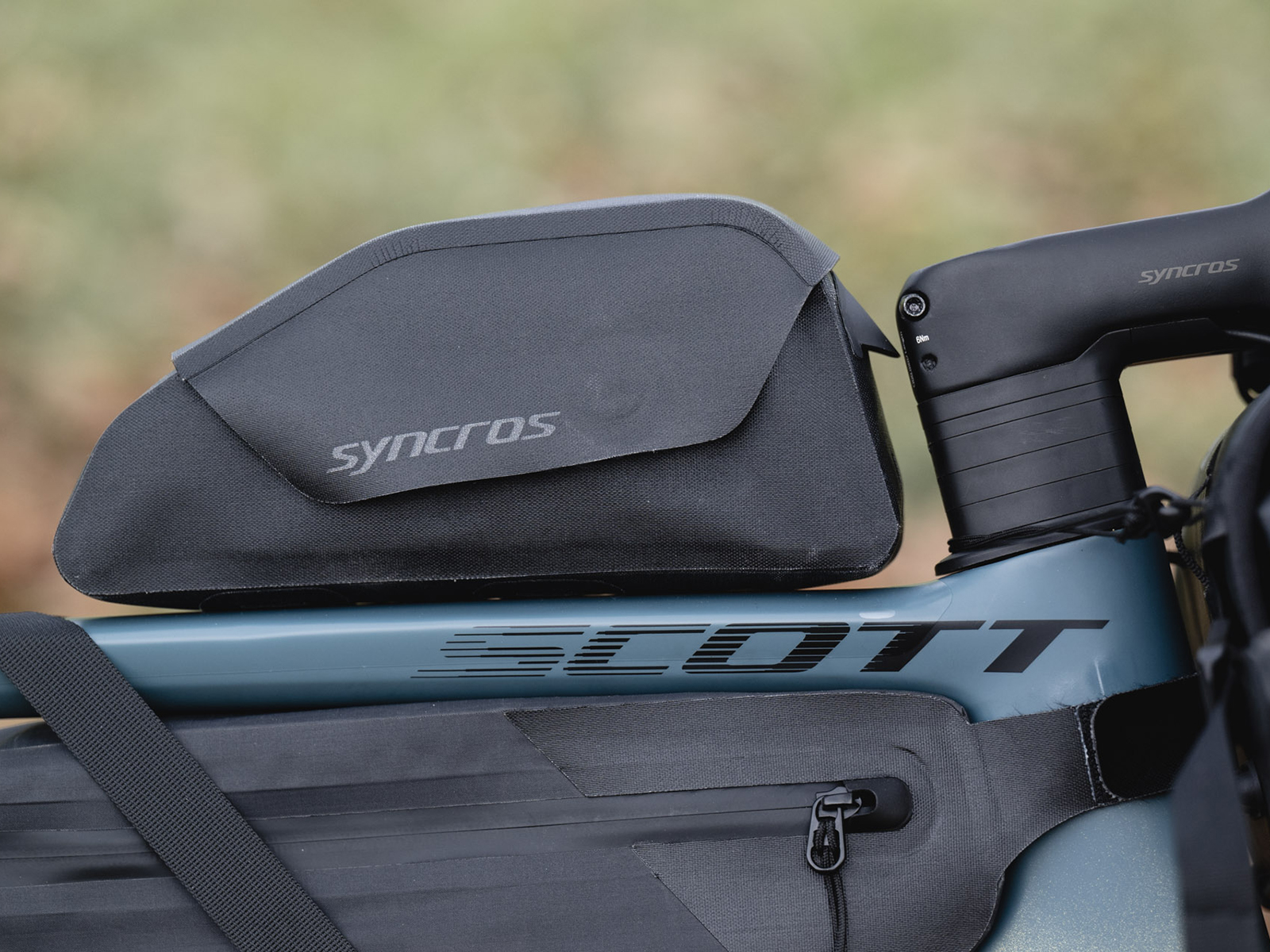
The pannier has become an essential piece of equipment for many cyclists. Whether for daily commutes, bike riding, long rides, cycle touring, bikepacking, or simply leisurely outings, it allows you to carry your belongings comfortably without carrying a load on your back. A well-chosen pannier improves comfort, maintains the bike's balance, and makes organizing your gear easier.
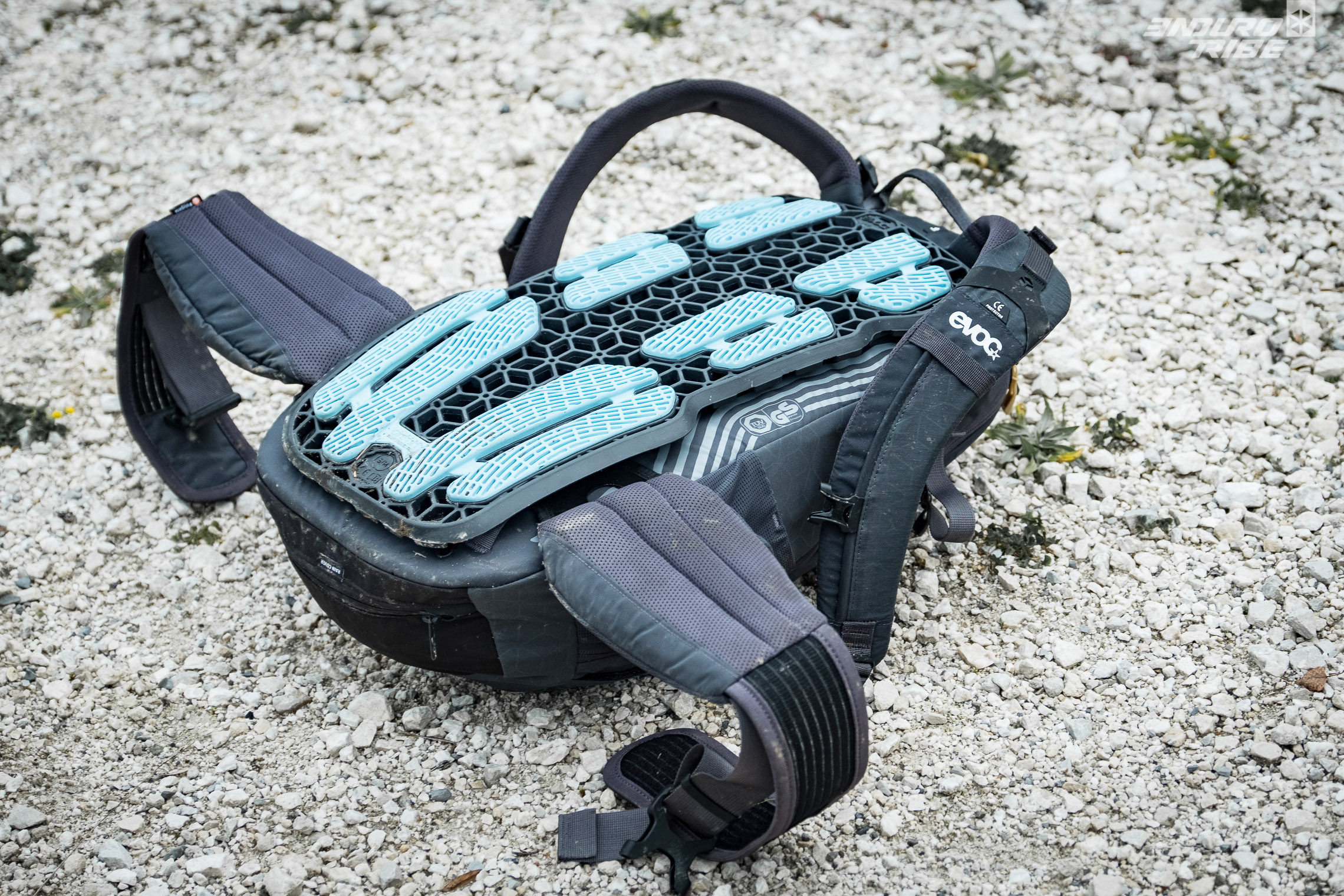
Choosing a cycling backpack requires finding the right balance between comfort, capacity, stability, rain protection, and easy access to your gear. A good bag shouldn't just carry things. It should stay securely in place, not interfere with pedaling, minimize back perspiration, and effectively protect essential items. Whether you're commuting to work, going for a sporting activity, cycling around town, touring by bike, or hiking, your needs will differ.
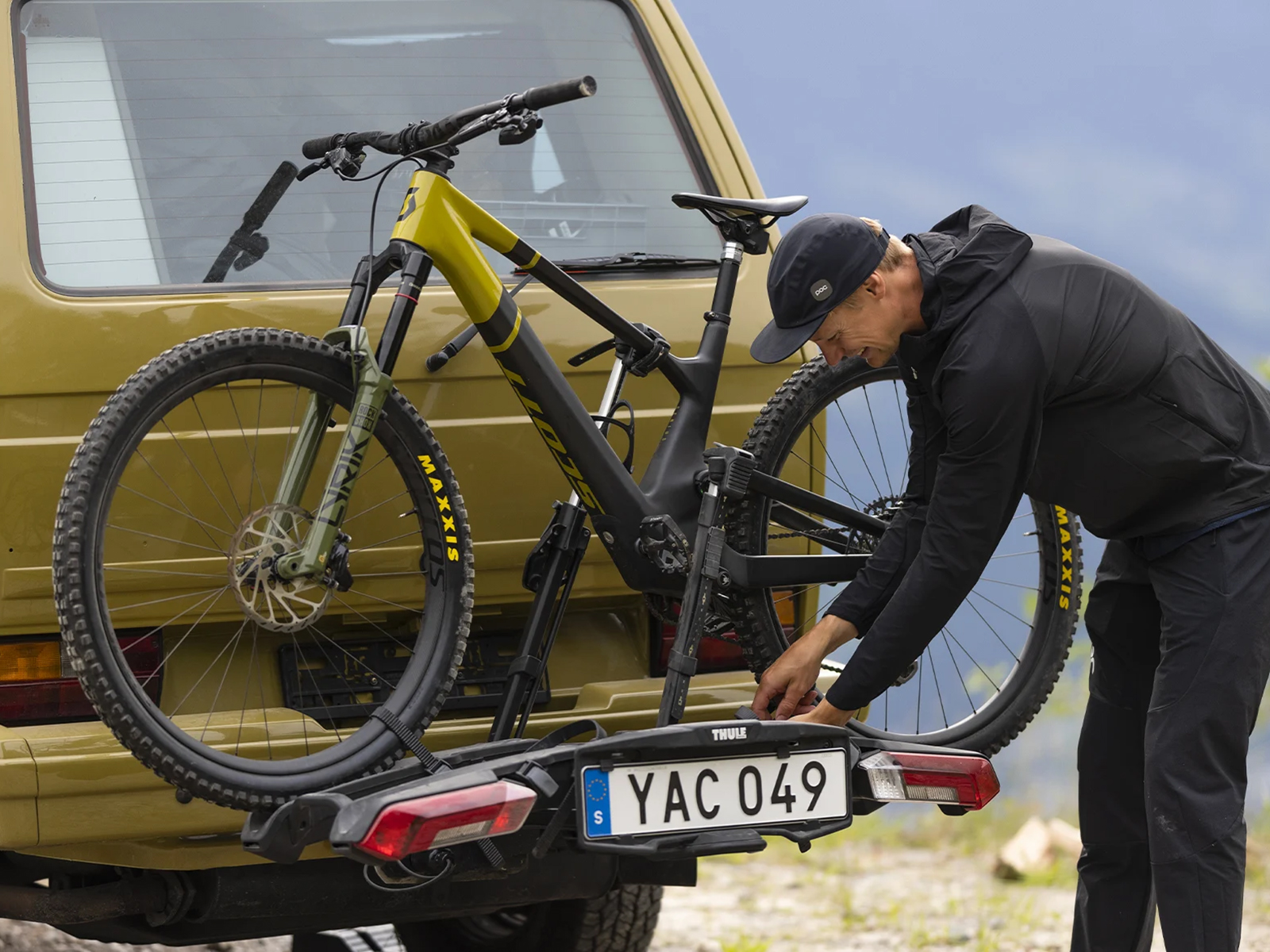
Choosing the right bike rack is essential for transporting your bikes safely, protecting your equipment, and enjoying a worry-free journey. Given the wide variety of systems available, identifying the best solution for your vehicle, the number of bikes you're carrying, or your intended use isn't always easy. Between hitch-mounted, tailgate-mounted, and roof-mounted models, there are many differences in terms of load capacity, ease of installation, compatibility, and user-friendliness.
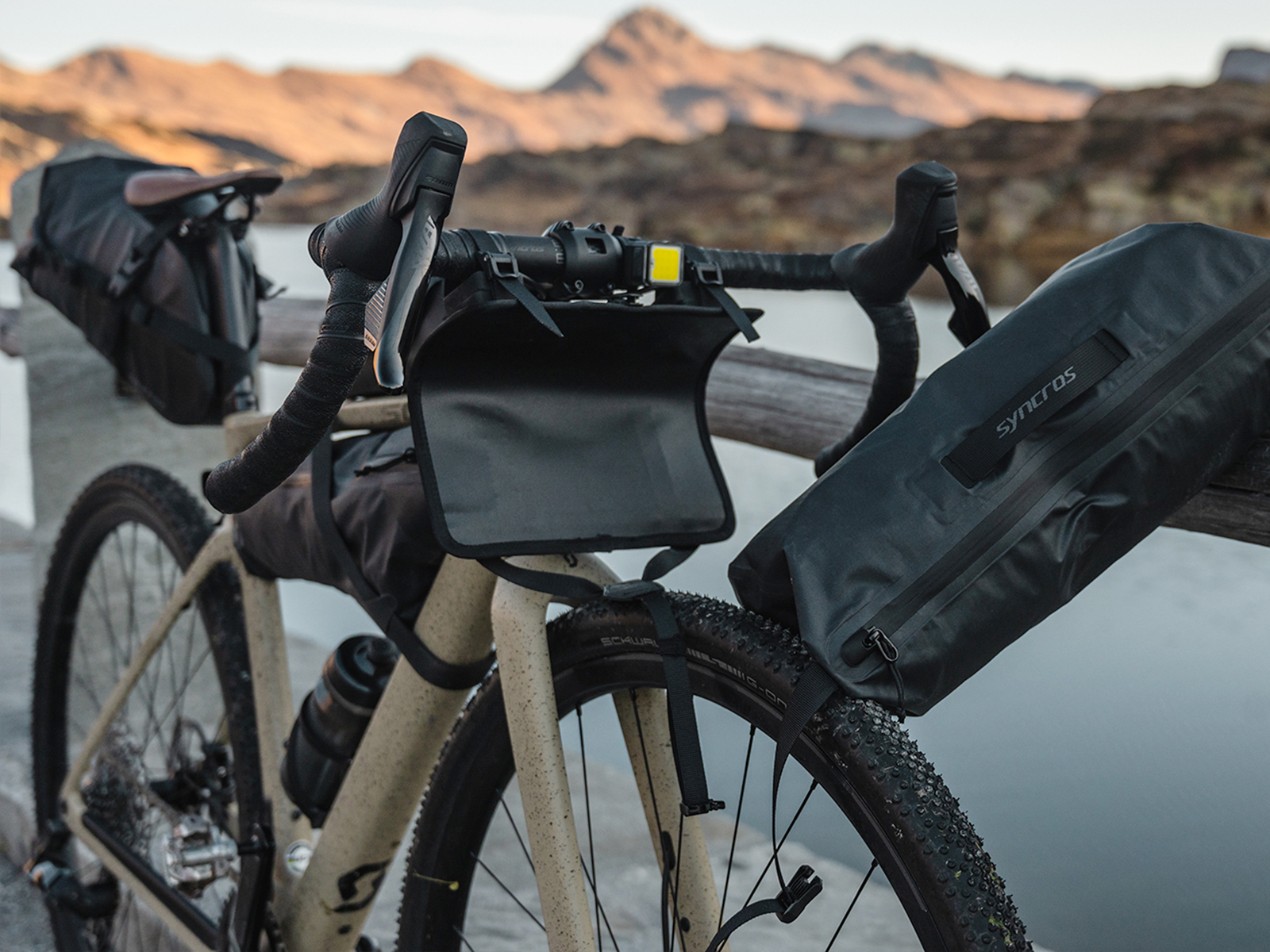
Bikepacking is an adventure cycling practice that involves traveling independently with a lightweight load attached directly to the bicycle. Unlike traditional cycle touring, which uses racks and large panniers, bikepacking favors compact bags distributed across the frame , handlebar , and tige de saddle . This approach allows for a bike that remains agile, efficient, and suitable for varied terrain, whether roads, tracks, forest paths, or trails.
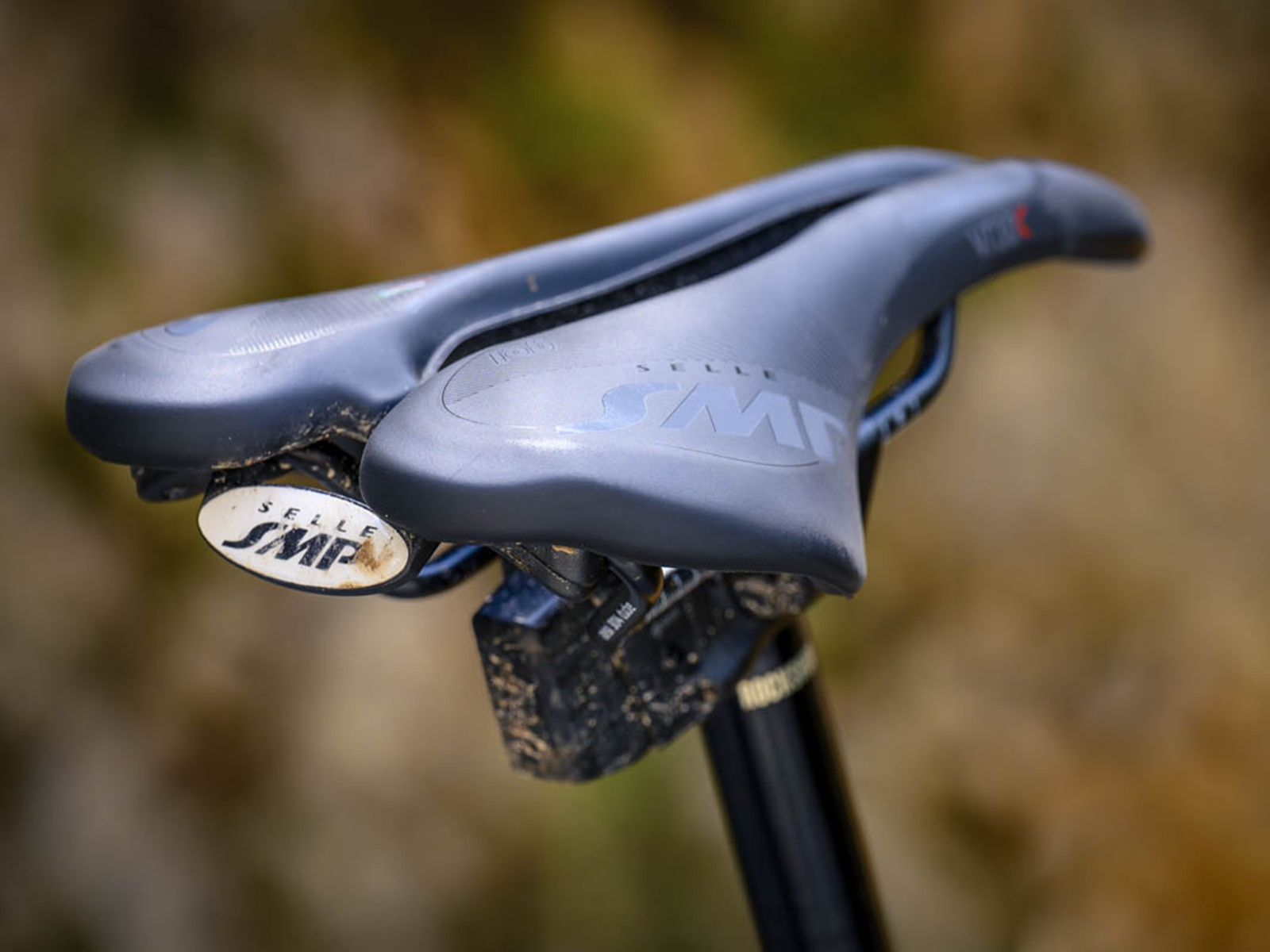
Choosing the right saddle is one of the most important factors in improving comfort, performance, and enjoyment of off-road riding. An unsuitable saddle can cause pelvic pain, chafing, numbness, or reduced pedaling efficiency. Conversely, a well-chosen saddle allows for better power transfer, maintains a stable position on the bike, and lets you fully enjoy your rides, whether it's trail riding, cross-country, enduro, or downhill. The shape, width, padding, materials, and type of riding all directly influence the choice. Therefore, it's essential to consider your body type, riding style, and riding habits before making your selection.