Choosing between a road Bike and a racing bike depends on several factors, including your skill level, your goals, and the type of terrain you'll be riding on. Road bikes are designed to offer lightness, speed, and efficiency on paved surfaces, but there's a wide variety of models suited to different riding styles. Whether you're a beginner looking for a recreational bike or a seasoned competitor, it's important to understand the key elements to make the right choice.
Understanding the different types of road bikes
Road Bike endurance
THE road Bike endurance is designed for long distances and offers optimal comfort. It has a geometry of frame This allows for a more upright and relaxed riding position, ideal for minimizing strain on the back and wrists. This type of bike is recommended for cyclists who want to go on long rides without prioritizing performance above all else.
Main features:
- Frame with a comfortable geometry.
- More upright driving position.
- Slightly wider tires for better vibration absorption.
Racing bike
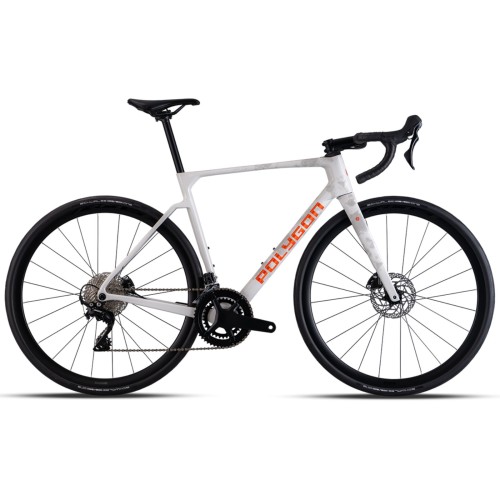
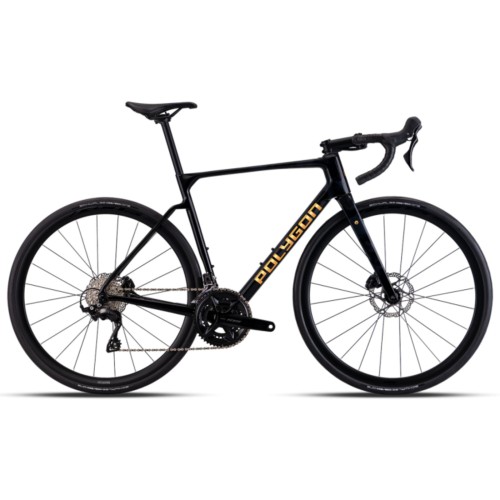
THE racing bike It is designed for speed and performance. It is generally lighter and more aerodynamic than other types of road bikes, with a more aggressive geometry that allows for a lower, more aerodynamic position. This type of bike is ideal for competitions or cyclists seeking pure performance.
Main features:
- Frame lightweight, often made of carbon or aluminum.
- Aerodynamic driving position.
- High-end components to maximize efficiency.
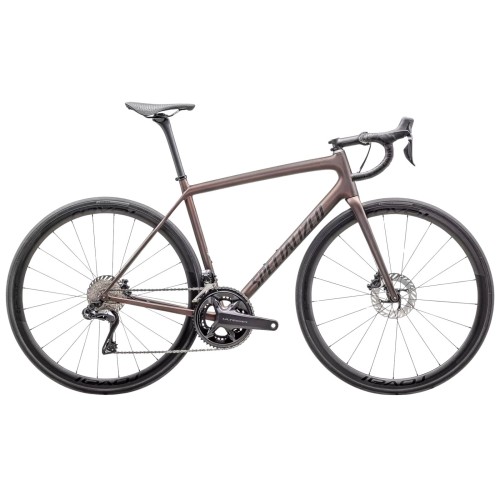
Specialized Aethos Pro Ultegra DI2 12s Satin Carbon / Red Pearl / Black 2025 carbon road bike
-8%
€5,999.00
€6,499.00
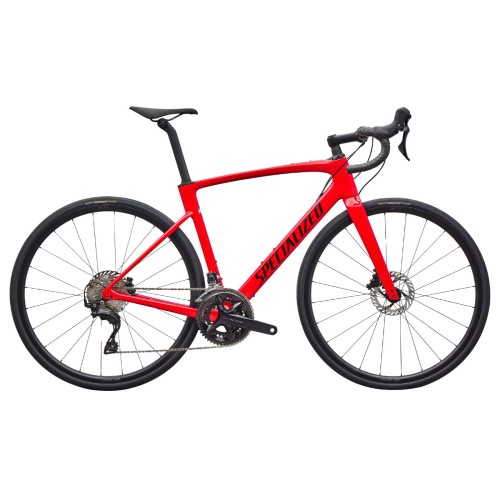
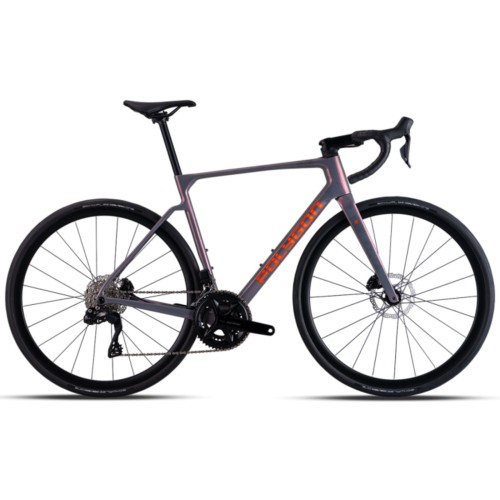
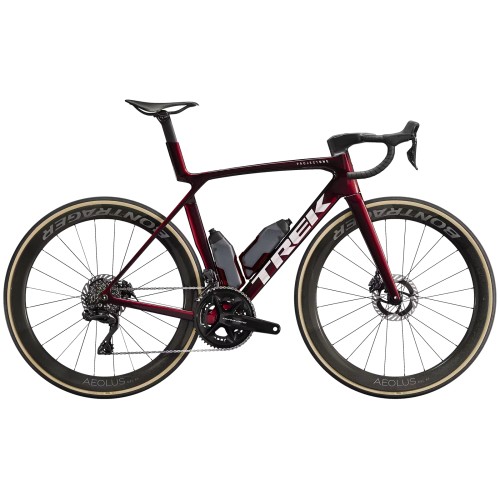
Bike gravel bike
THE bike gravel bike is a road Bike designed to ride on both asphalt and dirt and gravel roads. It is characterized by a frame More robust and with wider tires than traditional racing bikes, this bike is perfect for those who love adventure and want to explore less conventional routes.
Main features:
- Frame robust and durable.
- Wider tires for better grip on unpaved surfaces.
- Versatility for riding on different types of terrain.
Triathlon bike
THE triathlon bike This time trial bike is designed for aerodynamics and speed on flat or slightly hilly courses. It stands out thanks to its unique geometry, with a very stretched-out riding position to offer minimal wind resistance. This bike is intended for competitive cyclists looking to optimize their performance in triathlon or time trial events.
Main features:
- Frame aerodynamics.
- Very reclining driving position.
- Handlebar specifically designed to reduce wind resistance.
Frame Aluminium or carbon ?
Frame aluminum
Bicycles with a frame aluminum Aluminum frames are often more affordable and a good option for beginner cyclists or those looking for a sturdy training bike. Aluminum is lightweight and stiff, but it's generally less comfortable than carbon because it absorbs road vibrations less effectively.
Benefits :
- Cheaper than carbon.
- Lightweight and with good rigidity.
Disadvantages:
- Less comfortable over long distances.
- Less absorbent against shocks and vibrations.
Frame carbon
THE carbon frames are popular for high-end bicycles due to their combination of lightness, stiffness, and vibration-damping ability. Carbon allows for the construction of very lightweight bicycles while offering high stiffness in critical areas, such as the bottom bracket, for a drivetrain optimal power.
Benefits :
- Very lightweight.
- Excellent vibration absorption.
- Rigidity in critical areas for better performance.
Disadvantages:
- More expensive than aluminum.
- Less easy to repair if damaged.
Drivetrain : mechanical or electronic ?
Drivetrain mechanics
There drivetrain mechanics is the most common type on road bikes, especially entry-level and mid-range models. It is reliable, easy to maintain, and less expensive than electronic systems. drivetrain Mechanical gears use cables to change speeds, which is sufficient for most cyclists who want to buy a road Bike or racing.
Benefits :
- Cheaper.
- Easy to maintain.
- Reliable for everyday use.
Disadvantages:
- Gear changes are slightly less precise than with a drivetrain electronics.
Drivetrain electronics
There drivetrain electronics allows for more precise and faster gear changes, effortlessly. These systems, like Shimano's Di2 or eTap, SRAM, These are becoming increasingly popular on high-end road bikes. They allow you to change gears with a simple click, without the need to adjust cables. This type of drivetrain However, it requires a battery that needs to be recharged regularly.
Benefits :
- Faster and more precise gear changes.
- Requires littlemaintenance.
Disadvantages:
- More expensive.
- Requires battery charging.
Brakes: on rim or to rotor ? ?
Brakes on rim
THE brakes on rim brakes have long been the standard on road bikes. They are lightweight and offer sufficient braking for most conditions. However, they can lose effectiveness in the rain or on dirty roads.
Benefits :
- Lightweight and easy to maintain.
- Cheaper.
Disadvantages:
- Less effective in the rain or in muddy conditions.
Brakes rotor
THE brakes rotor are becoming increasingly common on road bikes, especially high-end models. They offer superior and more consistent braking power, even in the rain or on slippery surfaces. Although heavier and more expensive than brakes on rim, They offer increased security.
Benefits :
- Superior braking power, even in the rain.
- More reliable on long descents.
Disadvantages:
- Heavier than the brakes on rim.
- Cost and maintenance higher.
Bike size and fit
THE size selection The size of a bicycle is crucial to guarantee comfort and performance. road Bike is measured primarily by the length of the tube saddle and of the top tube. It is essential to choose a bike that is the right size for you to avoid pain and optimize your efficiency on the bike.
How to choose the right size ?
The correct bike size depends on your height and inseam length. Manufacturers usually provide size guides to help you choose the right one. frame depending on these measures. Don't hesitate to consult a professional for a Postural study, which will allow you to precisely adjust your bike to your body shape.
Some criteria for adjusting your bike:
- Height of saddle : Make sure your legs are not too straight or too bent while pedaling.
- Distance saddle-handlebar It must be adapted to your torso and arm length to avoid back strain.
- Inclination of the handlebar : Directly influences your position and comfort.
Budget: how much to invest in a road Bike ? ?
The price of road bikes can vary considerably, ranging from a few hundred euros for an entry-level model to over 10,000 euros for high-end bikes. The budget you wish to allocate will depend on your intended use and objectives.
Entry-level models : between €500 and €1,500. These bikes are generally made of aluminum, with reliable but basic components.
Mid-range models : between €1,500 and €3,000. Here you will find bikes with high-end carbon or aluminum frames and better quality components.
High-end models : above €3,000. Bikes in this category are often entirely made of carbon, with electronic groupsets and aerodynamic wheels for competitors.
What road Bike Is it suitable for a beginner ?
A road Bike endurance with a frame An aluminum one is ideal for a beginner. It offers a good compromise between comfort, performance and affordability.
What is the difference between a frame made of aluminum and a frame Made of carbon ?
THE frame Aluminum is cheaper and more rigid, but the frame Carbon is lighter and absorbs vibrations better, offering greater comfort over long distances.
Should I choose brakes at rotor or brakes on rim ? ?
The brakes on rotor offer better performance in the rain and on long descents, while the brakes on rim are lighter and easier to maintain.

Related Posts
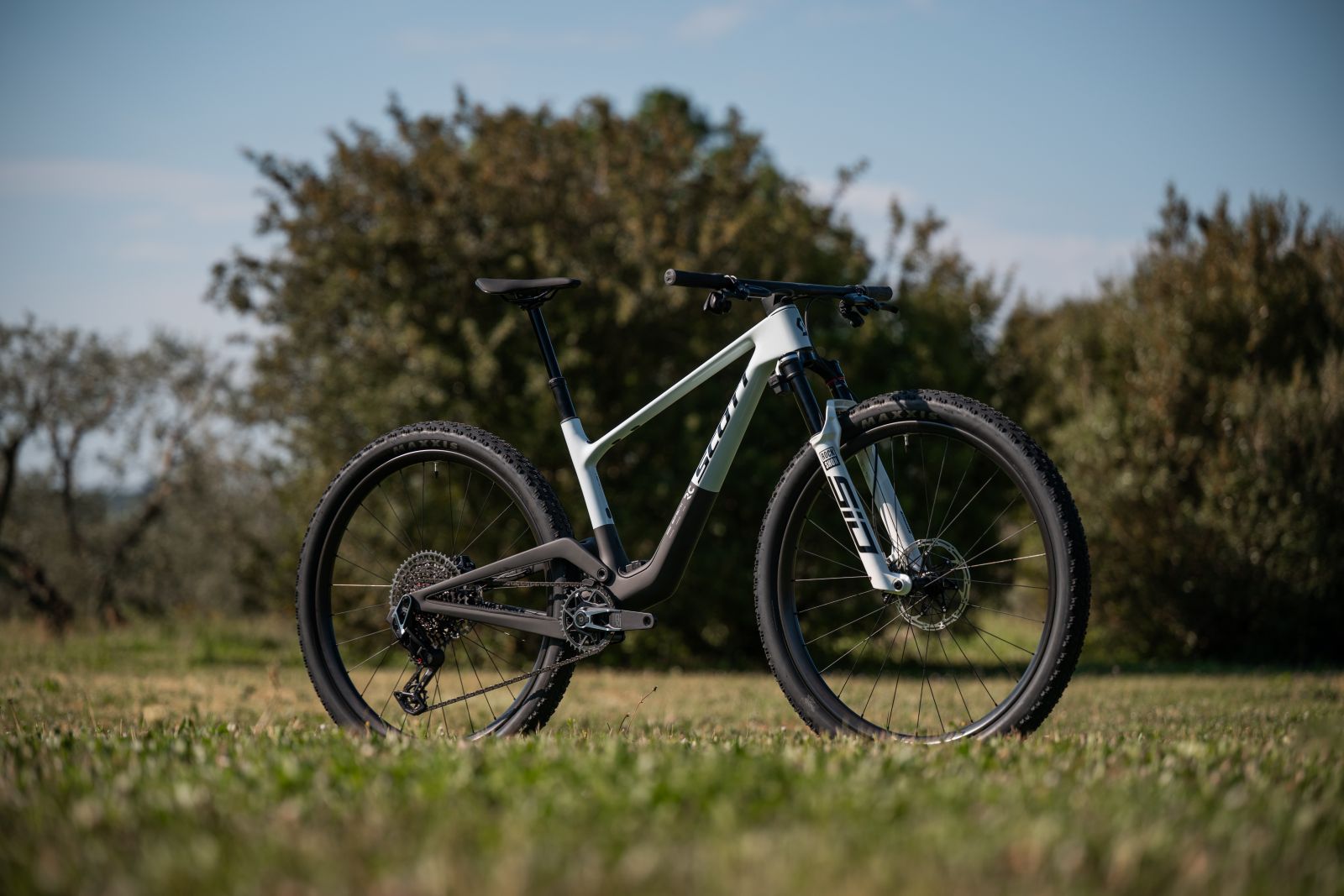
The Scott Spark RC World Cup and Expert 2027 push the boundaries of XC even further. Flight Attendant suspension, Syncros carbon wheels and top-level performance: discover our full review.
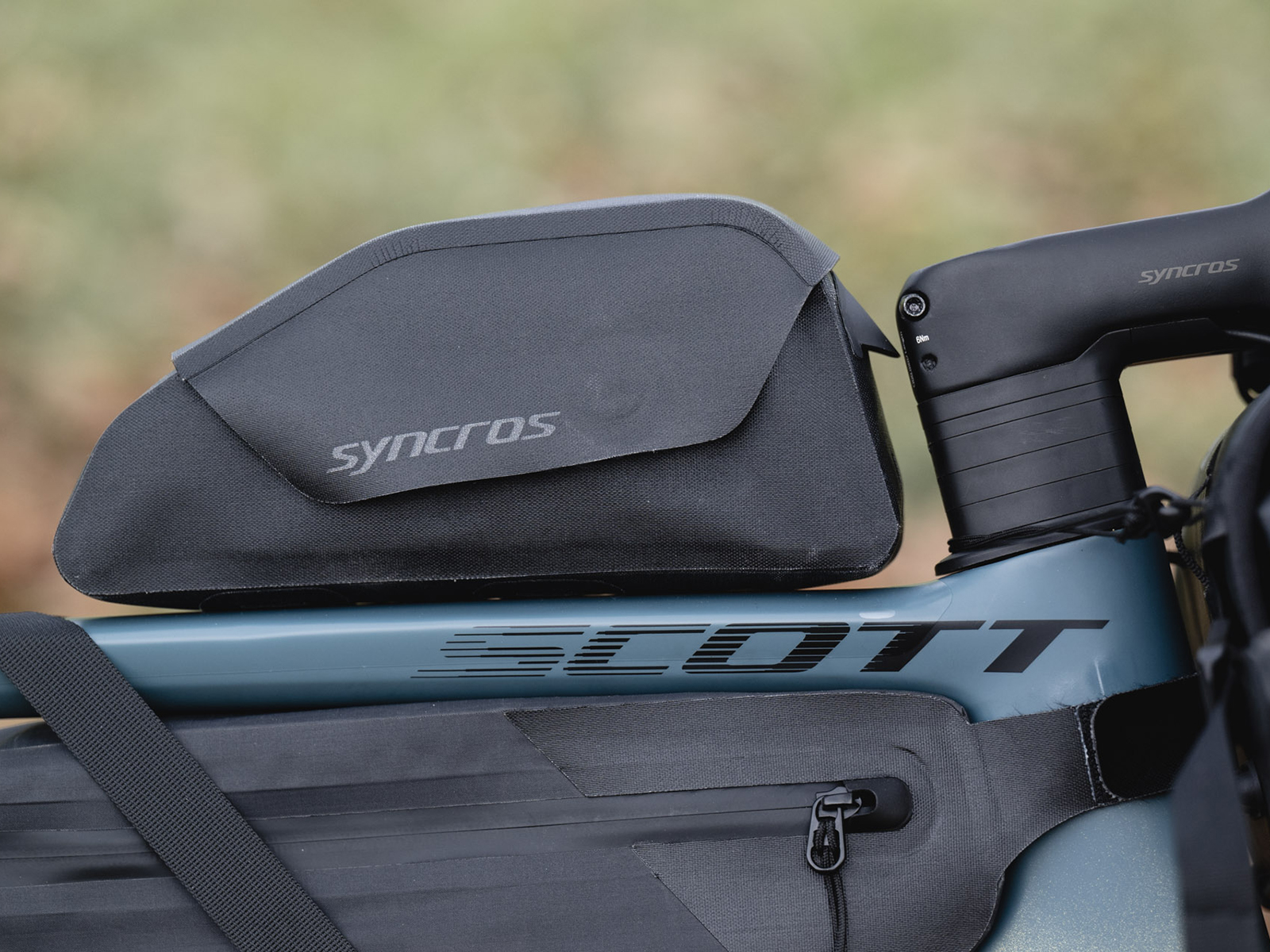
The pannier has become an essential piece of equipment for many cyclists. Whether for daily commutes, bike riding, long rides, cycle touring, bikepacking, or simply leisurely outings, it allows you to carry your belongings comfortably without carrying a load on your back. A well-chosen pannier improves comfort, maintains the bike's balance, and makes organizing your gear easier.
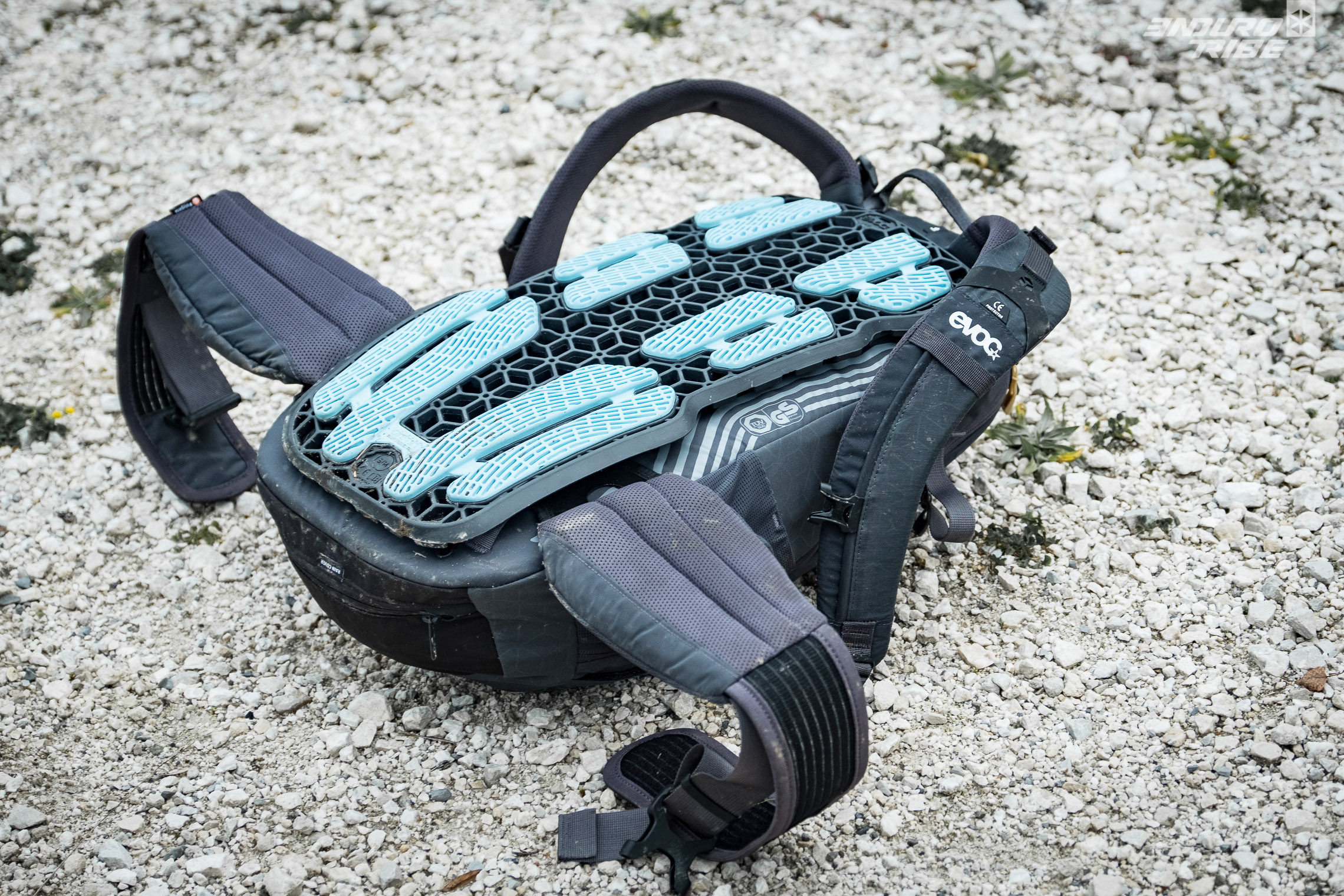
Choosing a cycling backpack requires finding the right balance between comfort, capacity, stability, rain protection, and easy access to your gear. A good bag shouldn't just carry things. It should stay securely in place, not interfere with pedaling, minimize back perspiration, and effectively protect essential items. Whether you're commuting to work, going for a sporting activity, cycling around town, touring by bike, or hiking, your needs will differ.
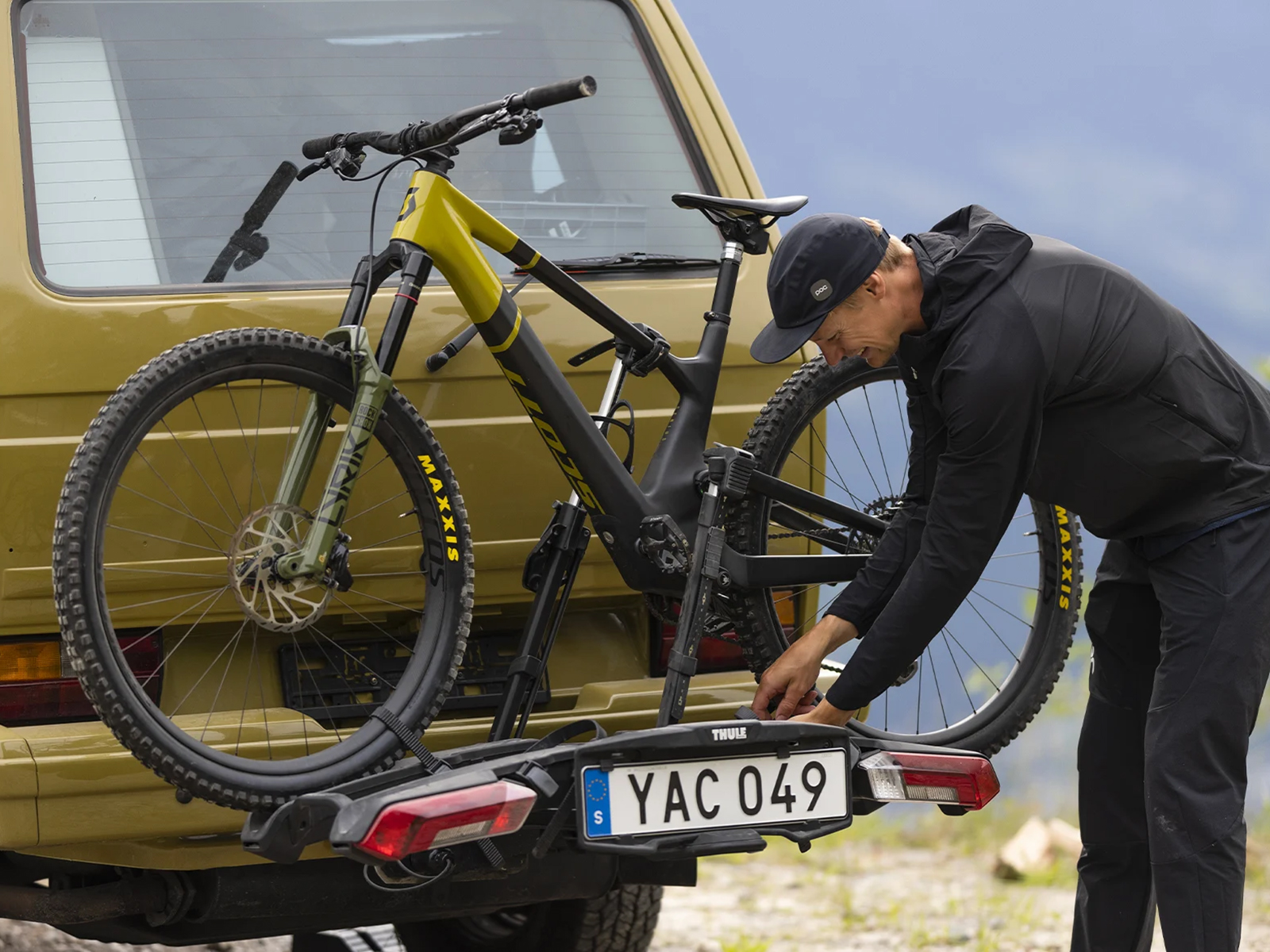
Choosing the right bike rack is essential for transporting your bikes safely, protecting your equipment, and enjoying a worry-free journey. Given the wide variety of systems available, identifying the best solution for your vehicle, the number of bikes you're carrying, or your intended use isn't always easy. Between hitch-mounted, tailgate-mounted, and roof-mounted models, there are many differences in terms of load capacity, ease of installation, compatibility, and user-friendliness.
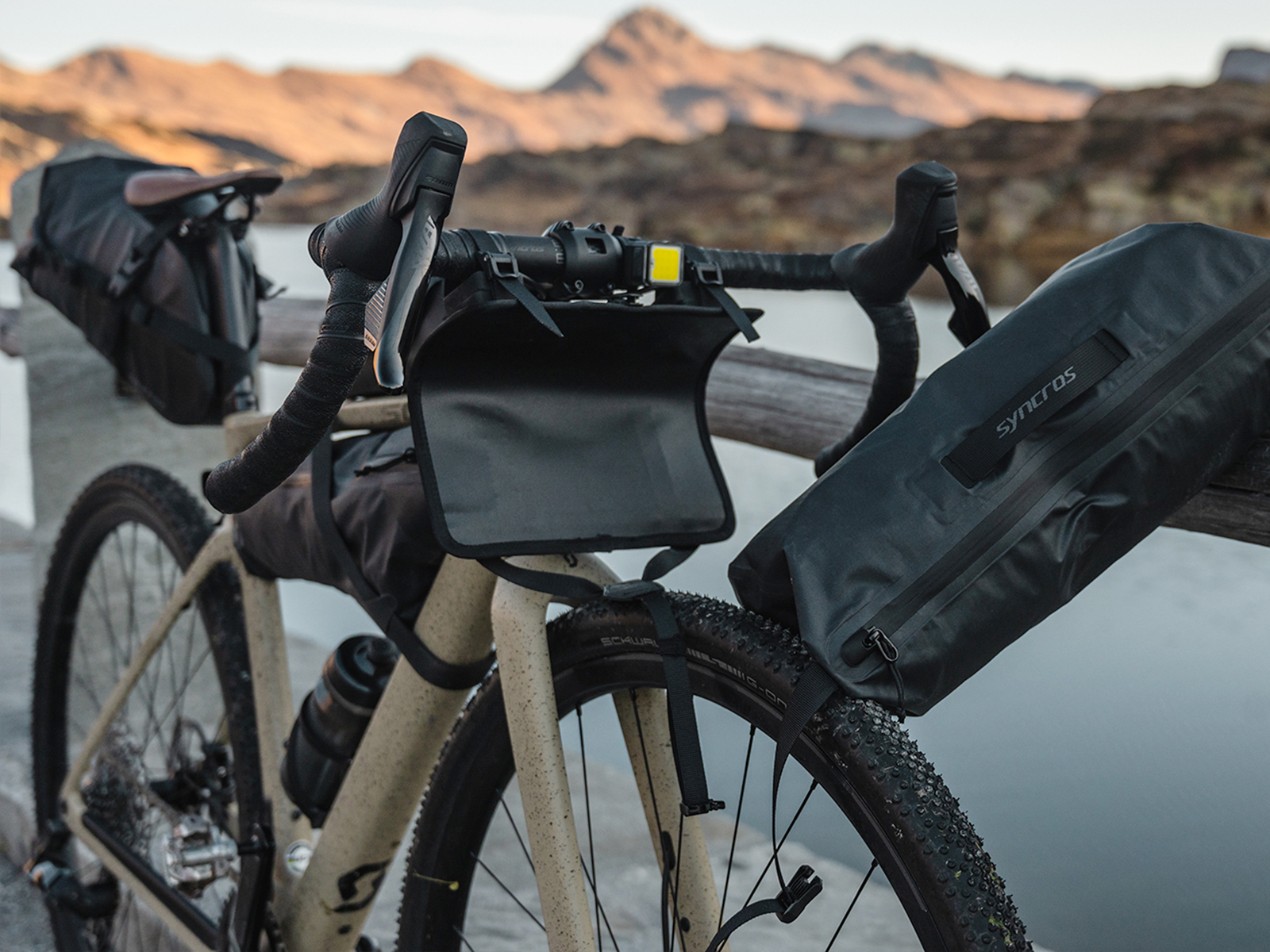
Bikepacking is an adventure cycling practice that involves traveling independently with a lightweight load attached directly to the bicycle. Unlike traditional cycle touring, which uses racks and large panniers, bikepacking favors compact bags distributed across the frame , handlebar , and tige de saddle . This approach allows for a bike that remains agile, efficient, and suitable for varied terrain, whether roads, tracks, forest paths, or trails.
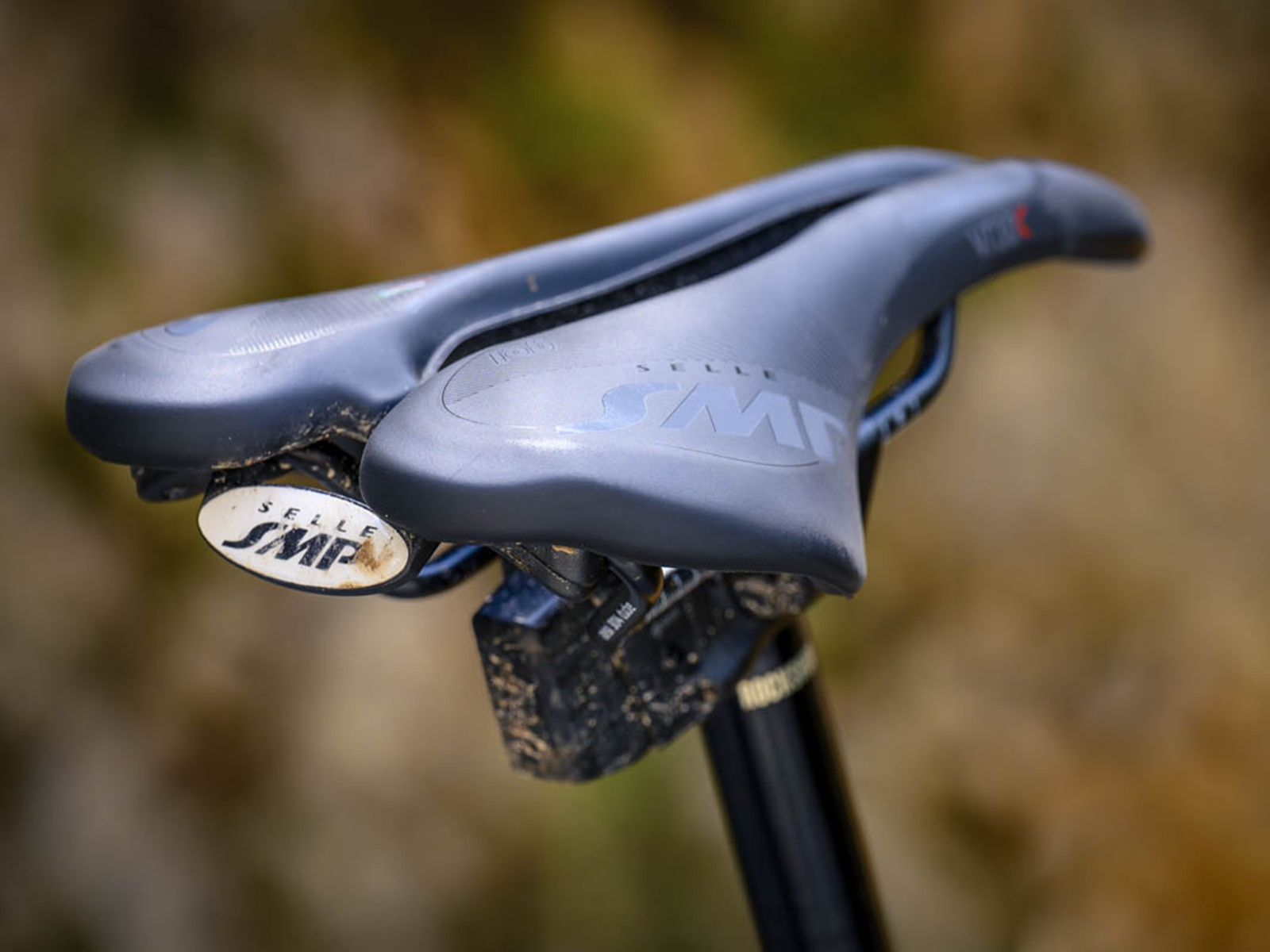
Choosing the right saddle is one of the most important factors in improving comfort, performance, and enjoyment of off-road riding. An unsuitable saddle can cause pelvic pain, chafing, numbness, or reduced pedaling efficiency. Conversely, a well-chosen saddle allows for better power transfer, maintains a stable position on the bike, and lets you fully enjoy your rides, whether it's trail riding, cross-country, enduro, or downhill. The shape, width, padding, materials, and type of riding all directly influence the choice. Therefore, it's essential to consider your body type, riding style, and riding habits before making your selection.