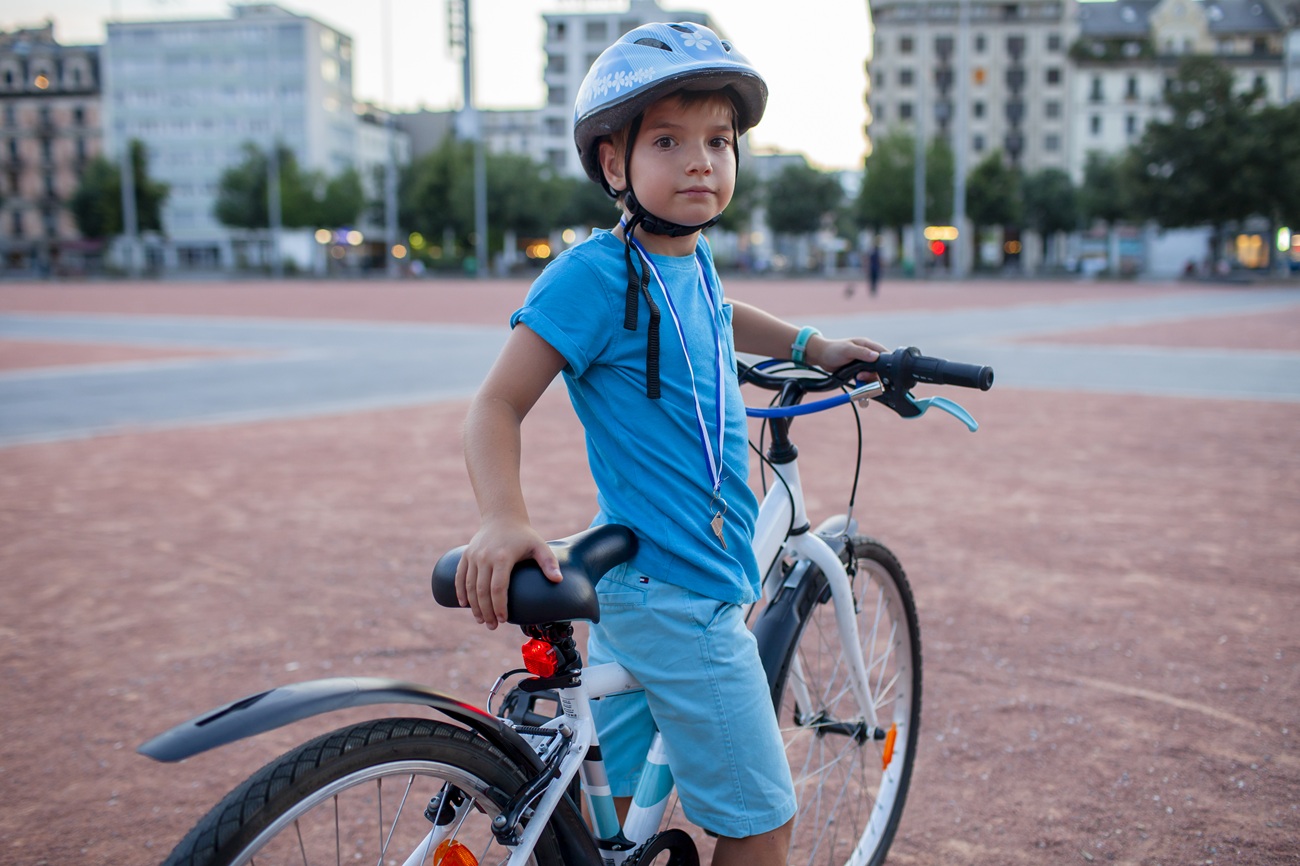
A 20-inch bicycle is a key step in a child's cycling development. It often marks the transition to more independent riding, with gears, improved performance, and the ability to keep up with adults on rides. Choosing the right 20-inch bike is essential to ensure safety, comfort, and enjoyment. Age is an indicator, but it's not the only factor. Height, build, riding ability, and intended use all play a crucial role. A well-fitting bike fosters confidence, facilitates learning, and encourages children to cycle more often.
What age group is a 20-inch bicycle suitable for?
A 20-inch bicycle is generally suitable for children aged 6 to 8 years old. This age range is a guideline and should always be considered in conjunction with the child's height. In practice, this size is most often suitable for children between 115 and 135 cm tall.
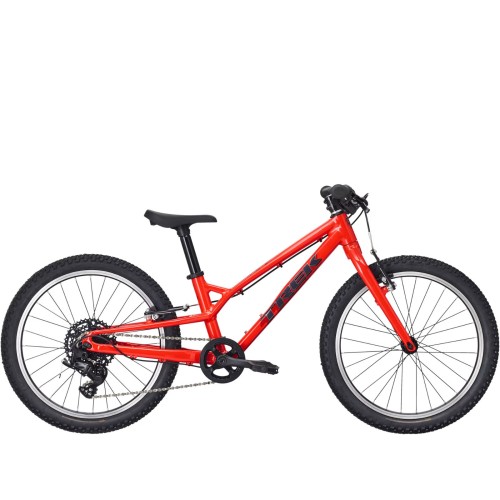
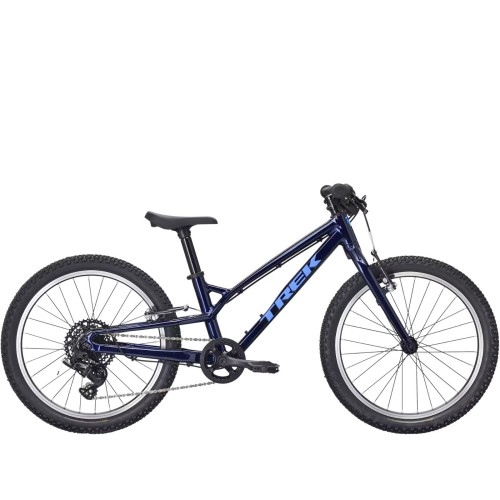
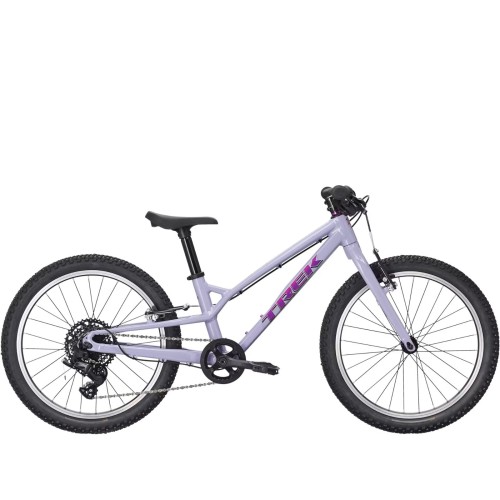
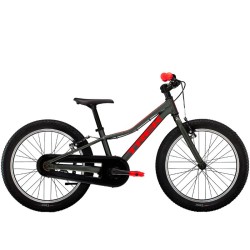
Age should never be the only criterion. Two children of the same age can have very different heights and levels of coordination. A child who is comfortable on a bike may be able to move on to a 20-inch bike sooner, while another may need more time on a smaller model.
A good indicator is to check that the child can easily get on and off the bike, place at least the tips of their toes on the ground, and handle the brakes without difficulty.
Why the 20-inch bike is an important step
The 20-inch bike often represents the first "grown-up" bike. It introduces new technical elements such as gears , a longer frame , and a riding position closer to that of an adult bike.
It is also at this stage that the child begins to ride for longer periods and on varied terrain. The bicycle becomes a means of transportation, leisure, and sometimes even sport. It is therefore essential that the bicycle is the right size and properly equipped.
A poor choice can hinder progress, cause discomfort, or even lead to falls. Conversely, a well-chosen bike inspires confidence and increases independence.
How to check if a 20-inch bike is the right size
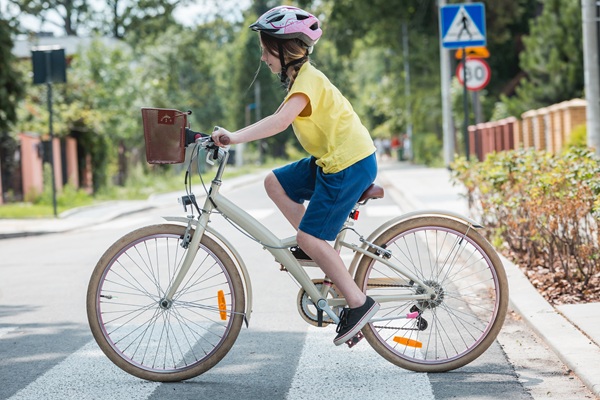
To determine if a 20-inch bike is suitable, the child's height remains the primary criterion. Once seated on the saddle , adjusted to the correct height, the child should be able to touch the ground with their feet or at least with the tips of their toes.
The distance between the crotch and the top tube must be sufficient to prevent any contact in the event of a sudden stop. A frame with a slightly angled top tube greatly facilitates grip.
The handlebar should be easily accessible, without the child needing to bend over excessively. A position that is too reclined quickly causes fatigue and hinders bike control.
The different types of 20-inch bicycles
There are several variations of 20-inch kids Bike , each suited to a specific use. The all-purpose kids Bike is the most common. It's suitable for everyday commutes, leisurely rides, and learning to ride.
The 20-inch MTB is designed for children who frequently ride on paths, trails, or uneven terrain. It is generally equipped with knobby tires, a wider drivetrain , and sometimes a fork suspendue .
The 20-inch BMX is designed for more specific uses, such as tricks or pumptrack riding. It's not intended for long distances but offers excellent maneuverability and robustness.
Drivetrain and gears adapted to a 20-inch bicycle
On a 20-inch bike , the drivetrain should be simple and progressive. Most models have 6 or 7 rear gears, which is more than enough for a child of that age.
Gear controls should be easy to operate. Twist grips are often more intuitive for young cyclists, while lever shifters are better suited to more experienced children.
A good range of gears allows you to pedal comfortably on flat ground as well as uphill, without unnecessarily straining your legs.
Braking on a 20-inch bicycle
Braking quality is essential on a 20-inch bike . V-brakes are the most common. They offer a good compromise between efficiency, simplicity, and ease of maintenance .
The levers must be suitable for small hands. A lever that is too far from the handlebar reduces braking power and increases the risk of injury. Some models offer adjustable levers, which is a real advantage.
rotor brakes are less common on this frame size, but can be found on some high-end models. They provide consistent braking in all conditions.
Weight and handling of the 20-inch bike
Weight is an often underestimated factor when choosing a 20-inch bike . A bike that is too heavy will be difficult to handle, especially for a child who is still learning.
Aluminum frames are preferable due to their lightness. They allow the child to better control the bike, to pick it up more easily after a fall, and to gain confidence.
A lightweight bike also promotes better endurance. The child gets less tired and enjoys longer rides more.
Comfort and driving position
A comfortable 20-inch bicycle encourages children to ride more often. The saddle should be adapted to their body shape, neither too wide nor too hard, and easily adjustable in height.
The riding position should remain natural. Slightly raised handlebar promote an upright posture, ideal for visibility and control of the bike.
Ergonomic handles and sufficiently wide tires also contribute to comfort by absorbing some of the vibrations.
Useful equipment on a 20-inch bike
Depending on its intended use, a 20-inch bicycle can be equipped with several practical accessories. Mudguards are useful for everyday use, especially for school runs.
A kickstand makes parking easier and avoids having to put the bike down on the ground. Lights and reflectors improve visibility and safety.
A chain guard can also be useful to prevent clothes from getting dirty or caught.
Indicative chart for age, height and 20-inch bicycle
| Child's size | Approximate age | Recommended bicycle type |
| 115 to 120 cm | 6 years | Simple 20-inch bicycle |
| 120 to 130 cm | 7 years | 20-inch bicycle with gears |
| 130 to 135 cm | 8 years | 20-inch bike, adaptable or sporty |
Durability and evolution of the 20-inch bicycle
A quality 20-inch bicycle can accompany a child for several years. Robust components and adjustable features allow the bike to adapt to their growth.
An adjustable saddle and handlebar increase usability. Some models offer adaptive geometry, ideal for following the child's progress.
Regular maintenance , including checking the brakes, chain and tires, ensures the safety and longevity of the bicycle.
The 20-inch bike for everyday use
The 20-inch bike is perfectly suited for everyday travel. It allows you to go to school, visit friends, or go for a family ride.
Its intermediate size makes it easy to handle while still being powerful enough to cover longer distances. It promotes the child's independence and sense of responsibility.
When properly equipped, it becomes a true means of transport, used regularly and with pleasure.
FAQ
From what age is a 20-inch bicycle suitable?
Generally from age 6, but the child's size and comfort are more important than age.
What is the minimum size for a 20-inch bicycle?
Approximately 115 cm, provided that the child can place their feet on the ground and control the bike.
Can a 20-inch bike be too big?
Yes, a bike that is too big reduces control and can generate insecurity and falls.
How long does a child keep a 20-inch bike?
On average two to three years, depending on the child's growth and morphology.
Should you choose a 20-inch bike with gears?
Yes for varied or hilly use, not essential for simple and flat use.

Related Posts
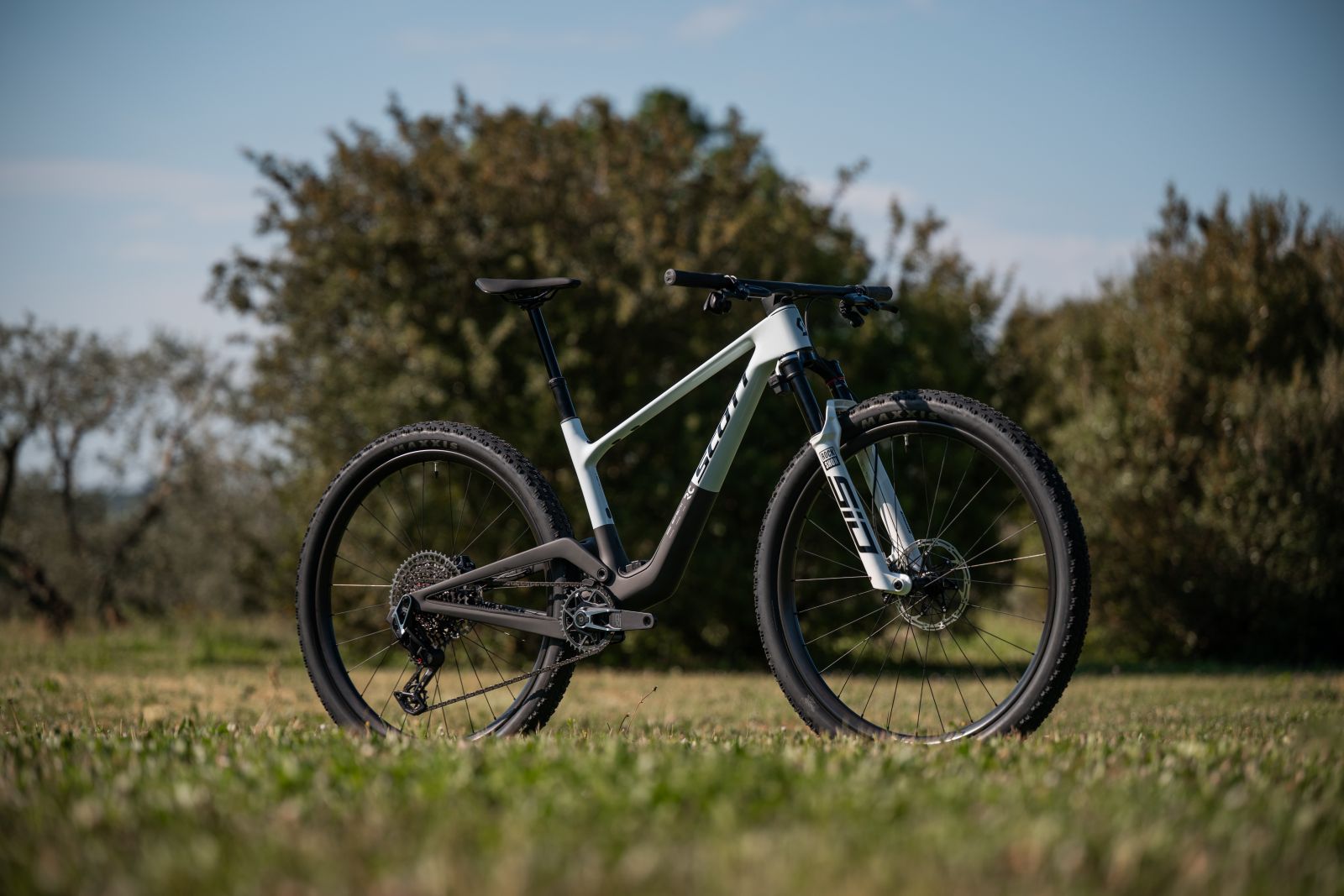
The Scott Spark RC World Cup and Expert 2027 push the boundaries of XC even further. Flight Attendant suspension, Syncros carbon wheels and top-level performance: discover our full review.
The pannier has become an essential piece of equipment for many cyclists. Whether for daily commutes, bike riding, long rides, cycle touring, bikepacking, or simply leisurely outings, it allows you to carry your belongings comfortably without carrying a load on your back. A well-chosen pannier improves comfort, maintains the bike's balance, and makes organizing your gear easier.
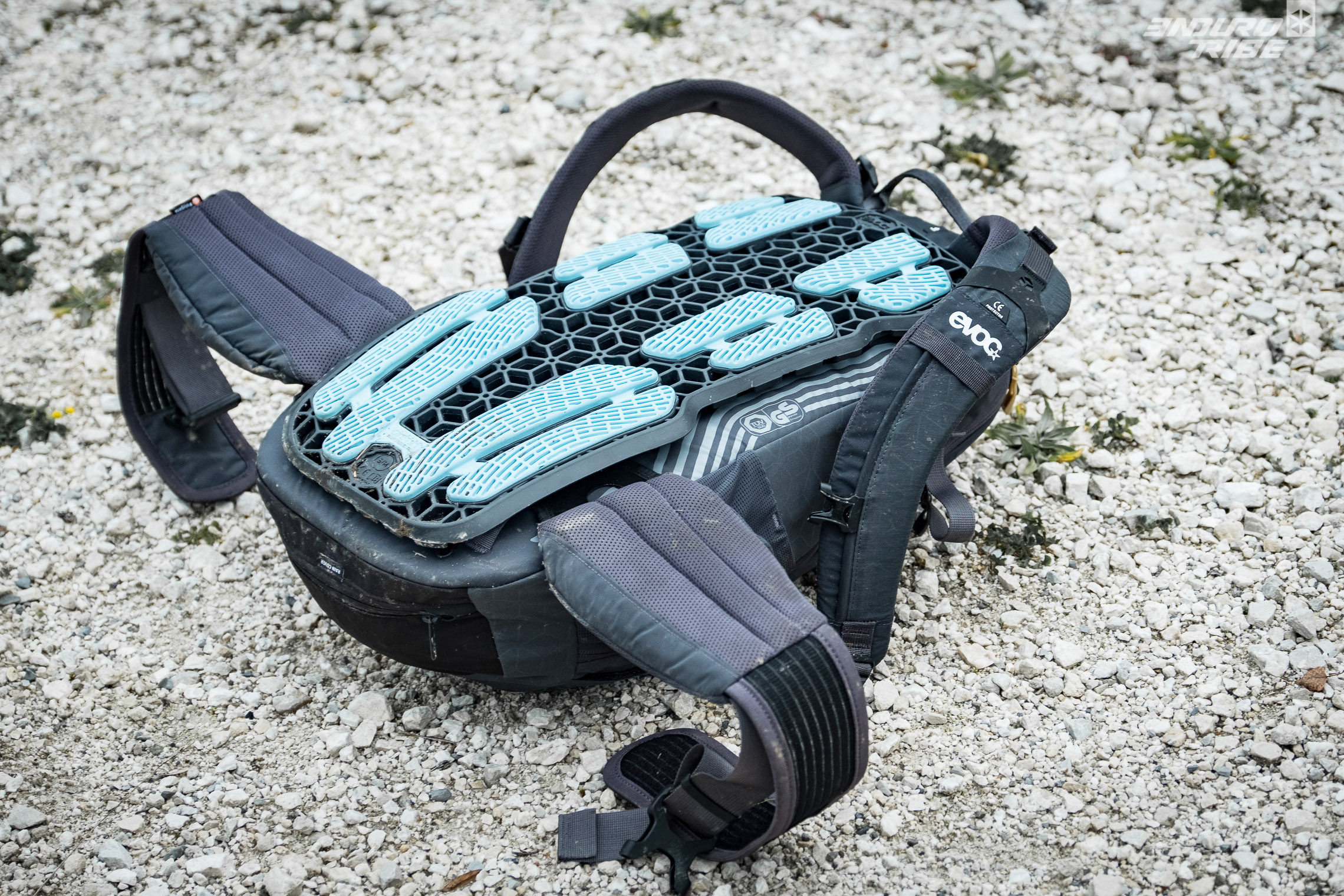
Choosing a cycling backpack requires finding the right balance between comfort, capacity, stability, rain protection, and easy access to your gear. A good bag shouldn't just carry things. It should stay securely in place, not interfere with pedaling, minimize back perspiration, and effectively protect essential items. Whether you're commuting to work, going for a sporting activity, cycling around town, touring by bike, or hiking, your needs will differ.
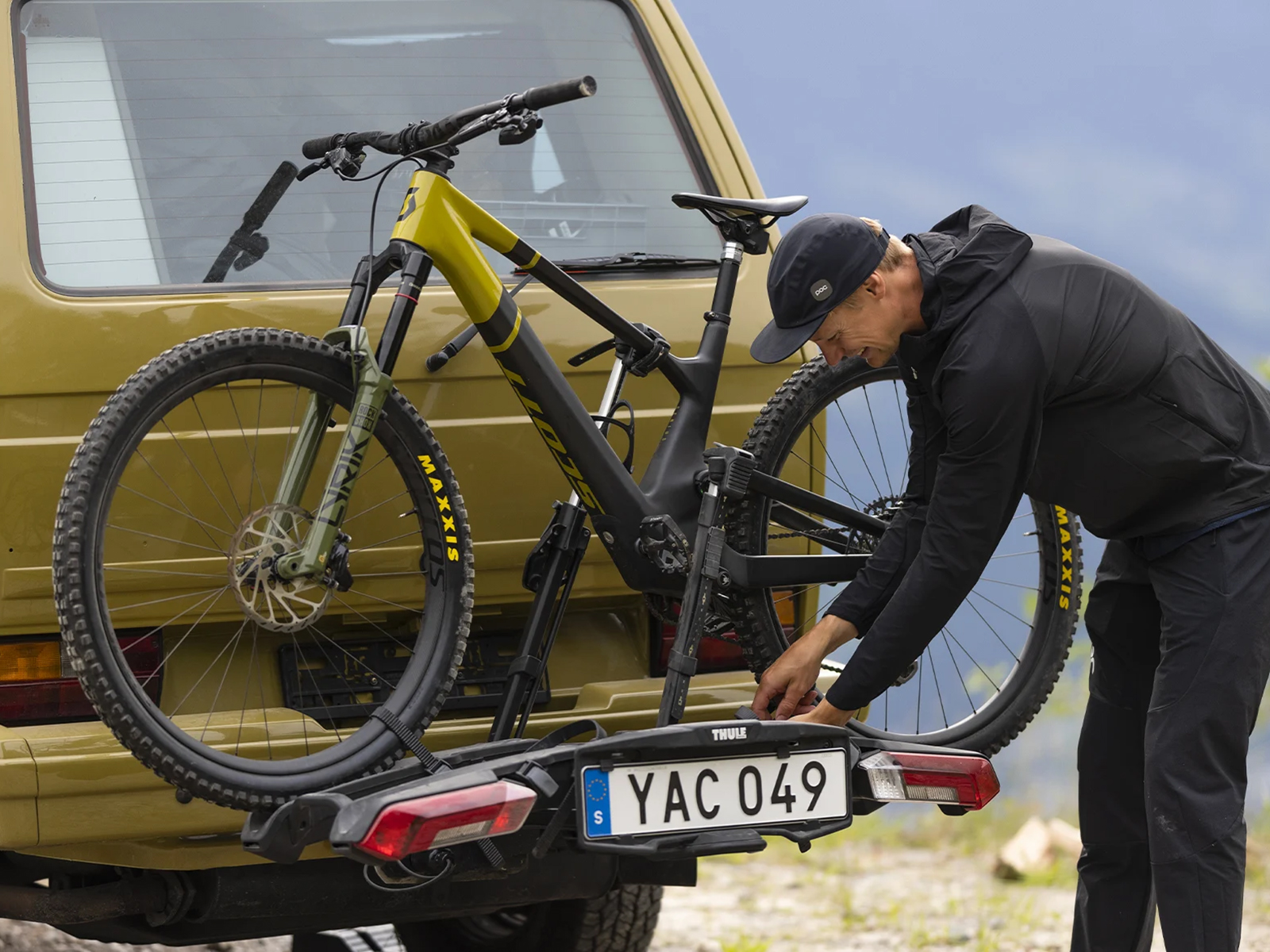
Choosing the right bike rack is essential for transporting your bikes safely, protecting your equipment, and enjoying a worry-free journey. Given the wide variety of systems available, identifying the best solution for your vehicle, the number of bikes you're carrying, or your intended use isn't always easy. Between hitch-mounted, tailgate-mounted, and roof-mounted models, there are many differences in terms of load capacity, ease of installation, compatibility, and user-friendliness.
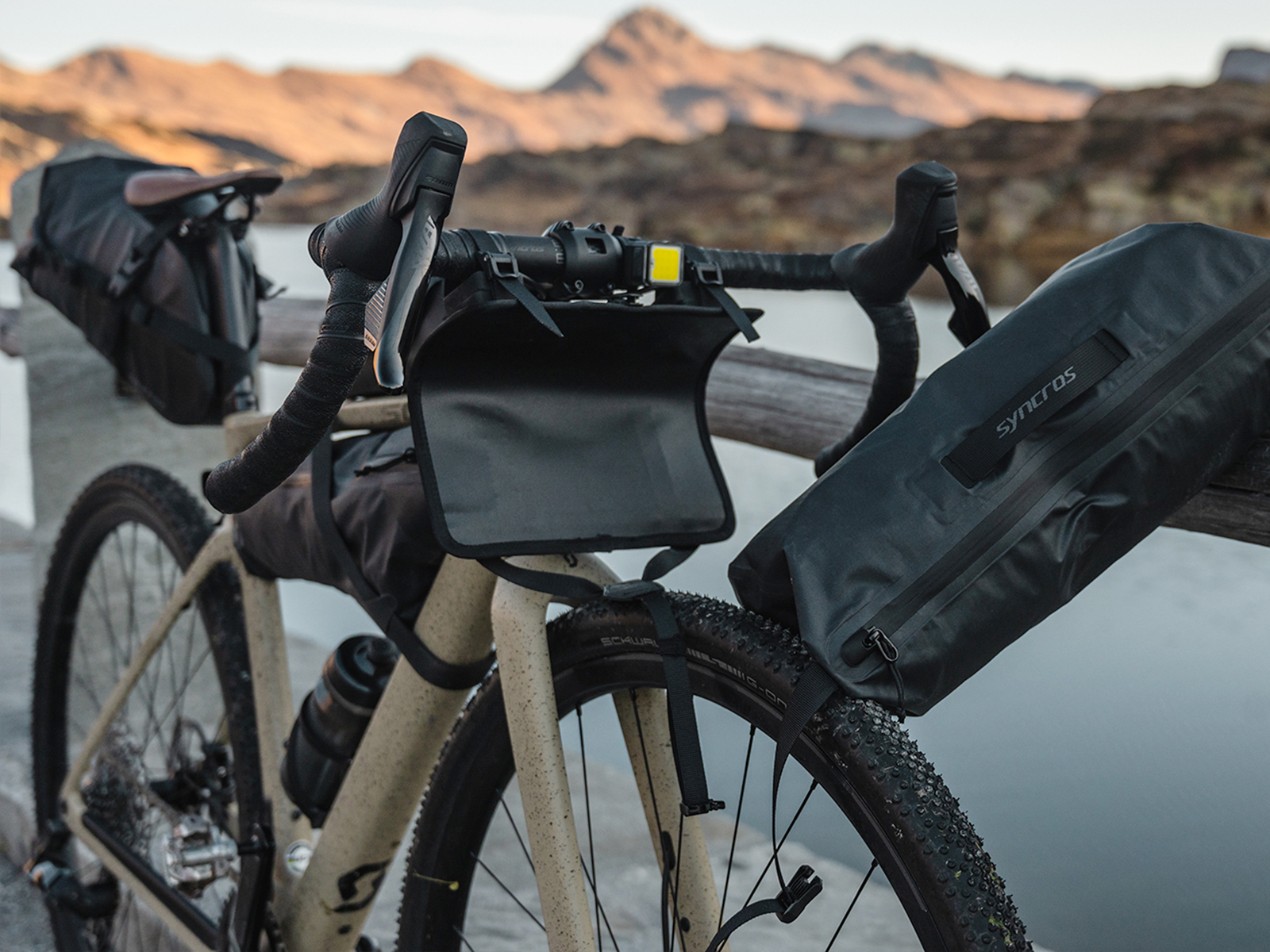
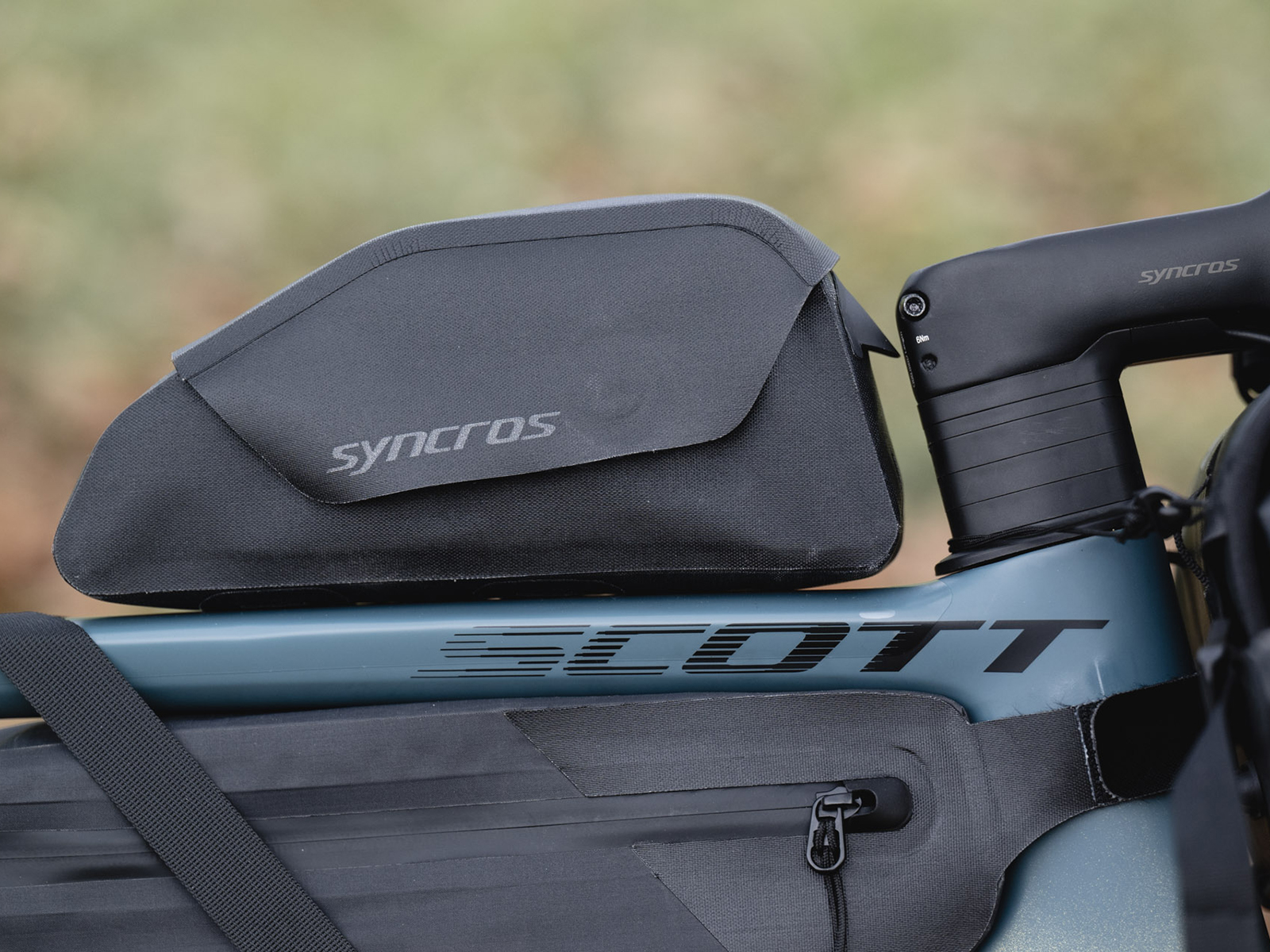
Bikepacking is an adventure cycling practice that involves traveling independently with a lightweight load attached directly to the bicycle. Unlike traditional cycle touring, which uses racks and large panniers, bikepacking favors compact bags distributed across the frame , handlebar , and tige de saddle . This approach allows for a bike that remains agile, efficient, and suitable for varied terrain, whether roads, tracks, forest paths, or trails.
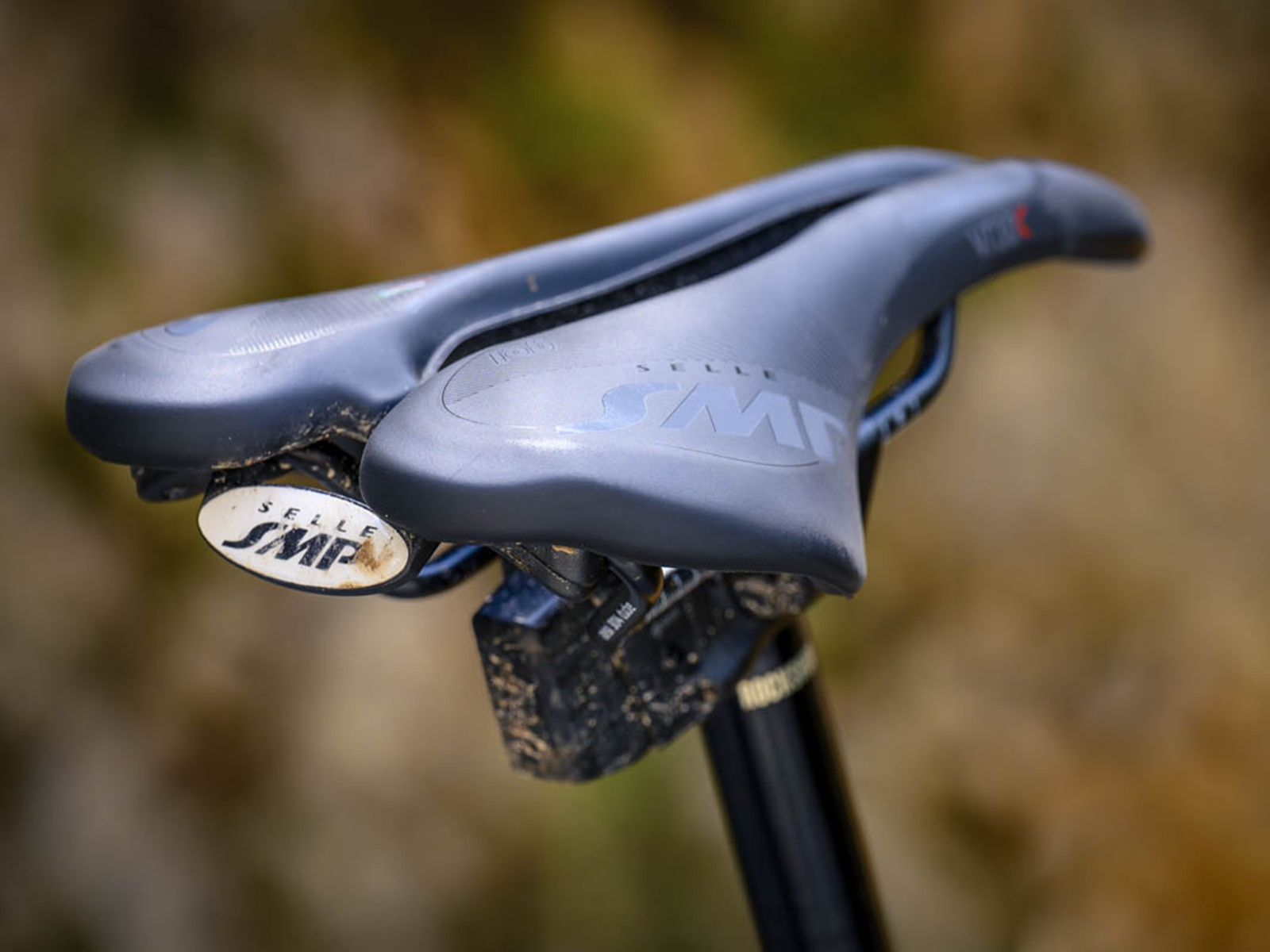
Choosing the right saddle is one of the most important factors in improving comfort, performance, and enjoyment of off-road riding. An unsuitable saddle can cause pelvic pain, chafing, numbness, or reduced pedaling efficiency. Conversely, a well-chosen saddle allows for better power transfer, maintains a stable position on the bike, and lets you fully enjoy your rides, whether it's trail riding, cross-country, enduro, or downhill. The shape, width, padding, materials, and type of riding all directly influence the choice. Therefore, it's essential to consider your body type, riding style, and riding habits before making your selection.