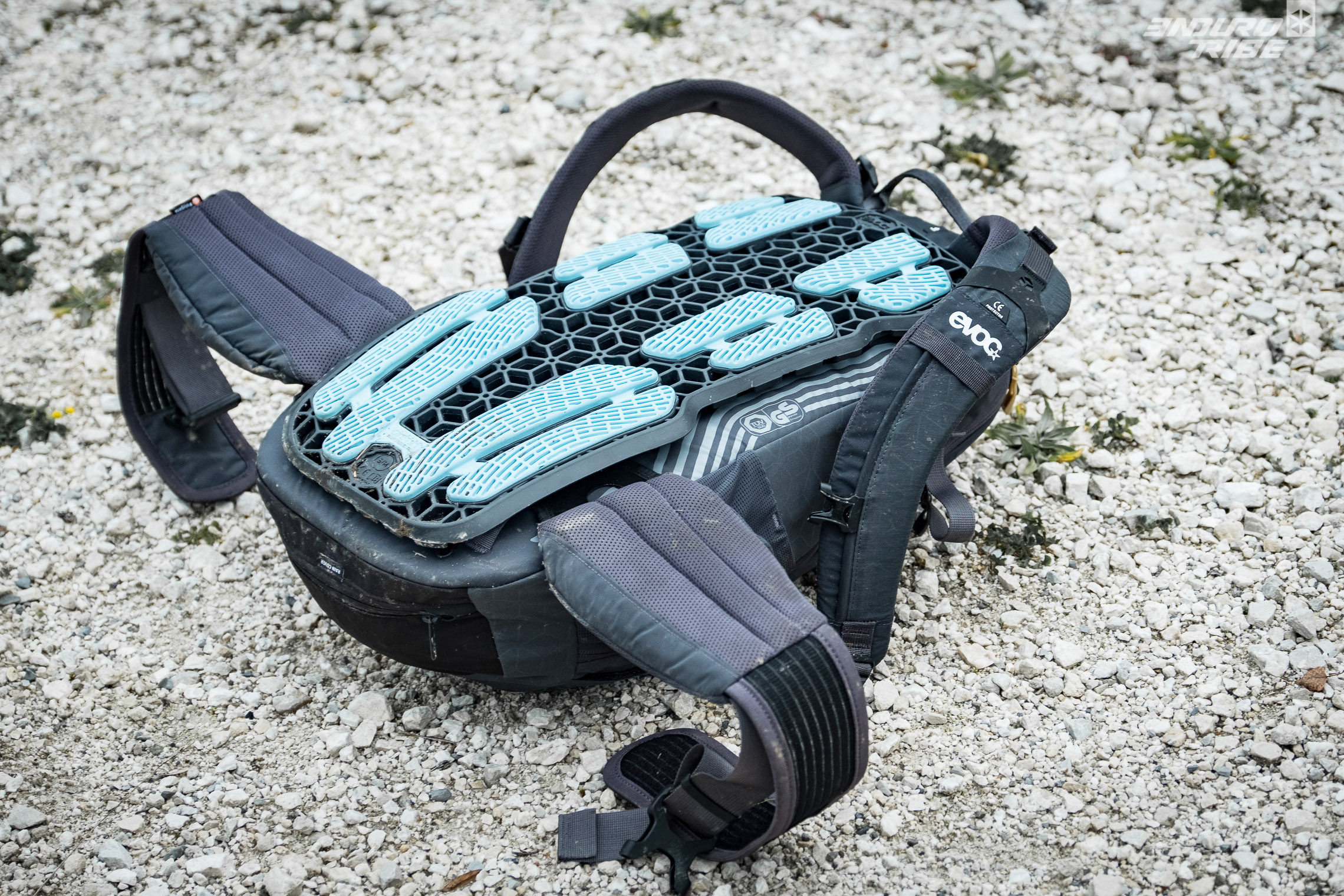
Choosing a cycling backpack requires finding the right balance between comfort, capacity, stability, rain protection, and easy access to your gear. A good bag shouldn't just carry things. It should stay securely in place, not interfere with pedaling, minimize back perspiration, and effectively protect essential items. Whether you're commuting to work, going for a sporting activity, cycling around town, touring by bike, or hiking, your needs will differ.
Volume, ergonomics, shoulder straps, waist belt, laptop compartment, hydration bladder compatibility, reflective elements, and waterproofing are the main criteria to consider. The right choice also depends on the length of your rides, the type of bike you use, and the weight you're carrying. An urban cyclist will often look for a practical and highly visible model. A sport cyclist will prefer a compact, lightweight, and well-ventilated bag.
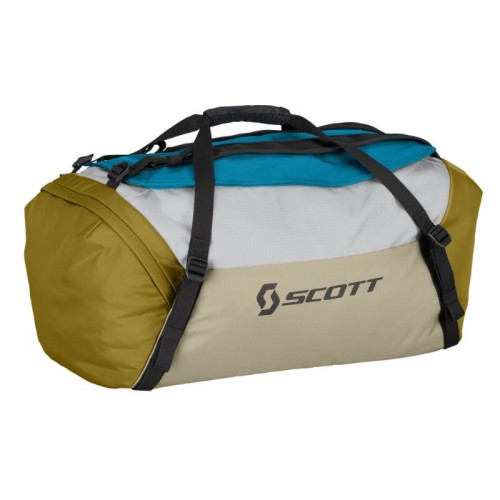
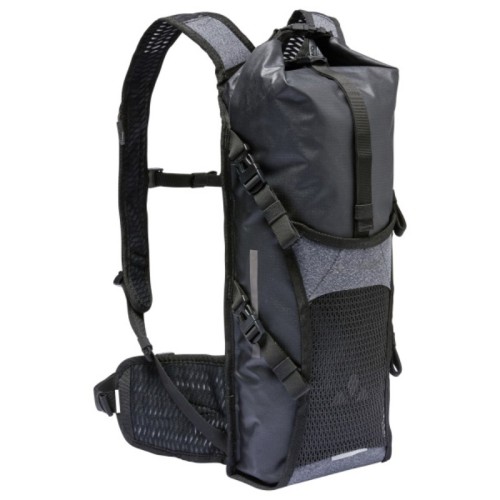
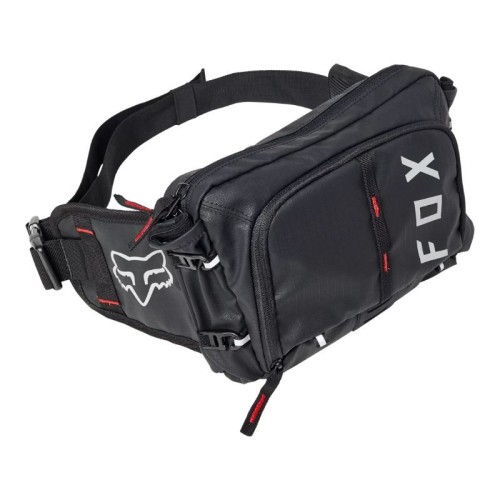
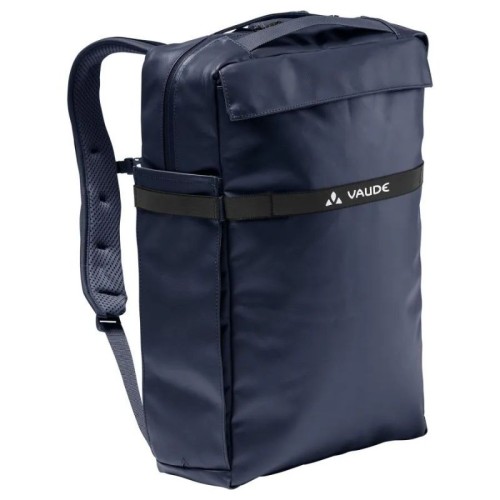

A cycling backpack Adapting it significantly improves the daily experience. It distributes the load better, reduces unwanted movement, and keeps important items within easy reach. It's a piece of equipment that may seem simple, but it's crucial for riding with pleasure, safety, and efficiency.
Why choose a specific cycling backpack?
A standard bag might be suitable for a very short trip, but it quickly shows its limitations as soon as you start cycling regularly. Cycling forces you into a forward-leaning posture, constant movement, and direct exposure to wind, rain, and vibrations.
A model designed for cycling has a more stable fit. It better follows the position of the back and limits swaying during acceleration, cornering, or braking. ergonomic shoulder straps, there chest strap and the waist belt allow you to keep the bag close to your body.
A cycling backpack It also offers better internal organization. The tools, the phone, the keys, the helmet, Rain gear or a computer can be stored in suitable compartments. This organization saves time and better protects the contents.
Determine the correct volume according to its use
Volume is one of the first criteria to consider. A bag that's too small forces you to compress everything. A bag that's too big encourages you to carry too much and can become unstable. The right size depends on its primary use.
For commuting, you often need to allow space for a laptop, a lightweight lock, a jacket, a meal, or some documents. For a sporting activity, a smaller bag is usually sufficient to carry a inner tube, a pump, a windproof jacket, water and an energy bar.
The choice of a cycling backpack The choice should therefore be based on the actual contents being carried. It's better to choose a size that matches your habits rather than a model that's too versatile but bulky.
| Main use | Recommended volume | Priority |
|---|---|---|
| Short urban journey | Small volume | Lightweight and visible |
| Bike commuting | Intermediate volume | Storage and rain protection |
| Sports outing | Small to medium volume | Stability and ventilation |
| Bike tour | Medium to large volume | Comfort and independence |
| Travel light | Large volume | Capacity and robustness |
The comfort of the cycling backpack
Comfort is assessed within the first few minutes, but especially after several kilometers. A poorly designed bag creates tension in the shoulders, discomfort in the neck, or a feeling of excessive heat in the back.
The shoulder straps should be wide enough to distribute pressure without restricting circulation. They should also remain flexible to move with you. An adjustable chest strap significantly improves support, especially when the pace picks up.
A cycling backpack A comfortable seat rests well on the back without compressing the lumbar region. The load should remain close to the center of gravity. This prevents strain and provides a more natural pedaling feel.
A hip belt becomes useful when the pack is loaded. It transfers some of the weight to the pelvis and limits lateral movement. For light urban use, it can remain discreet. For hiking, it becomes almost essential.
Stability while pedaling
Stability is essential for maintaining good bike control. A bag that moves around on your back quickly becomes annoying. It can also disrupt your balance during a sharp turn, when riding over cobblestones, or during hard braking.
Compression straps are very useful. They allow you to reduce the volume of the bag when it's not full. The contents stay in place better and don't shift with every movement.
A cycling backpack The stable base should conform to the shape of the back without restricting breathing. Models that are too high can touch the helmet when the cyclist adopts a leaning position. This point is important on road bike, , gravel bike or sports bike.
You should also check the length of the bag. A model that is too long can press on the lower back or hinder your position on the saddle. A good fit improves both comfort and safety.
Back ventilation
Sweating is one of the most frequent complaints about cycling backpacks. Because the bag covers part of the back, heat builds up faster than with panniers attached to the bike.
Technical models utilize ventilated back panels, air channels, or tensioned mesh. These solutions create a space between the back and the pack to promote air circulation.
A cycling backpack Good ventilation improves comfort during daily commutes, especially in summer or in hot regions. It reduces moisture on clothing and makes arrivals more pleasant.
Ventilation doesn't depend solely on the back panel. Perforated shoulder straps, breathable foam, and a quick-drying inner fabric also contribute to thermal comfort.
Waterproofing and protection against rain
A cyclist is more exposed to the elements than a pedestrian. Rain, splashes, and humidity can quickly damage belongings. This is even more true for a laptop, phone, or spare clothes.
There are several levels of protection. Water-repellent fabric withstands light showers. A waterproof bag offers better protection during prolonged rain. Some models include an integrated rain cover that is easy to deploy.
A cycling backpack Designed for commuting by bike, it must offer genuine protection against water. watertight seals, Protected seams and splash-resistant materials are important details.
| Level of protection | Appropriate use | Limit |
|---|---|---|
| Water-repellent | Short shower | Limited protection in heavy rain |
| Rain cover | Various routes | Necessary manipulation |
| Impermeable | Daily use in all weather conditions | Ventilation sometimes reduced |
| Waterproof | Long, exposed journeys | Access is sometimes slower |
Useful storage compartments on a cycling backpack
Proper organization makes the bag much more pleasant to use. It prevents you from having to empty everything to find a key, a card, or a... inner tube.
Internal pockets allow you to separate fragile items from tools. A padded pocket protects a laptop or tablet. A small, easily accessible pocket holds keys, a badge, a wallet, or headphones.
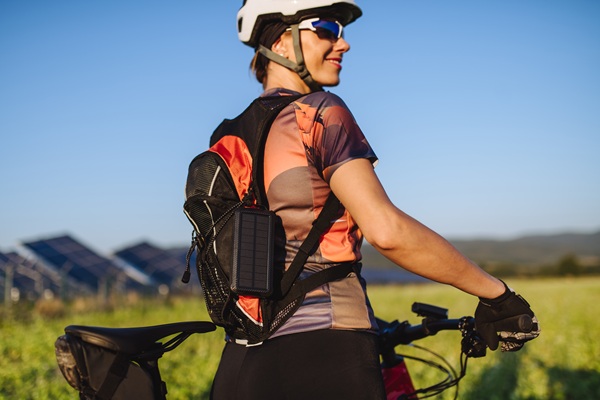
A cycling backpack A well-organized system can also incorporate a fastener for helmet, A loop for a rear light, a compartment for wet clothes, or a side pocket for a water bottle. These details make a real difference in everyday use.
For sporting outings, it's useful to have quick access to nutrition, a multitool, and... windproof jacket. For commuting by bike, the organization should primarily protect personal belongings and electronic devices.
The cycling backpack for commuting to work
Commuting by bike presents very specific needs. You have to carry essential items without arriving with an uncomfortable or damp bag. Style can also matter, especially in a professional environment.
A padded laptop compartment is often essential. It should hold the device securely in place and prevent bumps and knocks. A divider for clothes or food also improves organization.
A cycling backpack For work, it needs to remain practical once you're off the bike. Sturdy handles, a wide opening, and a document-compatible format are all appreciated.
Visibility is another major criterion. Reflective elements increase the cyclist's visibility in traffic. A rear light attachment point further enhances safety.
The choice for sporting outings
For a sporting outing, the goal is to carry the essentials without hindering the effort. The bag must be light, compact, and very stable.
Compatibility with a hydration pack becomes interesting. It allows you to drink regularly without taking your hands off the device. handlebar too long. It's practical in gravel bike, in MTB or during long summer outings.
A cycling backpack The sports equipment must also stay close to the body. The pockets must be well designed, as cyclists often access their gear while moving or during very short stops.
The weight of the empty bag also matters. A model that's too heavy becomes a hindrance when the pace picks up. A good compromise between lightness, durability, and support is key.
Compatibility with a water bladder
The water bladder is a real asset for long outings. It slips into an internal compartment and connects to a hose located on the shoulder strap.
This system promotes regular hydration. The cyclist drinks in small sips without waiting to feel thirsty. This is useful when the effort is prolonged or when the terrain requires keeping the hands on the handlebar.
A cycling backpack Compatible with a hydration bladder, it must include a hose outlet, a shoulder strap attachment, and an easy-to-clean compartment.maintenance This remains important to avoid bad odors.
For urban commutes, a hydration pack isn't always necessary. A water bottle or a flask on the bike is often sufficient. For touring, however, it becomes much more useful.
Safety and visibility
Security is not limited to helmet and lights. The bag can also improve the cyclist's visibility, especially in the city or when the light is low.
Light colors, reflective inserts, and surfaces visible from a distance are useful features. They attract more attention from motorists, especially from the side and rear.
A cycling backpack Equipped with a rear light bracket, it becomes even more relevant for daily commutes. The light, positioned high, is often easily visible in traffic.
The stability of the contents must also be considered. Poorly stored items can create discomfort or constant noise. Good internal organization indirectly contributes to security by reducing distractions.
Weight and load distribution
The weight carried directly influences comfort. A heavily loaded bag tires the shoulders and alters posture on the bike.
Heavy items should be placed close to the back and preferably in the center of the bag. This improves balance and reduces movement of the load.
A cycling backpack It shouldn't become a solution for carrying everything without thinking. For very heavy or everyday loads, panniers attached to the bike can sometimes be more comfortable.
The bag remains very practical for moderate loads. It is easy to carry once you arrive and requires no special equipment on the bike.
Materials and durability
A bag designed for cycling must withstand friction, repeated handling, splashes, and changing weather conditions. Therefore, the quality of the materials plays a crucial role.
Abrasion-resistant fabrics extend the bag's lifespan. Sturdy zippers prevent unpleasant surprises. Reinforced seams are essential in high-stress areas.
A cycling backpack Durable, it retains its shape and support qualities over time. It better protects the contents and remains comfortable to wear, even after many journeys.
The finishing details matter too. Easy-to-grip pull tabs with gloves, a reinforced base, or an easy-to-clean bottom are real advantages for regular use.
The city cycling backpack
In the city, a bag needs to be practical, visible, and easy to handle. Stops are frequent. Cyclists often alternate between cycling, walking, public transport, and working.
A compact size is appreciated on busy streets. A wide opening makes it easy to access the contents. A secure pocket against the back protects valuables.
A cycling backpack Urban fabrics must also withstand light rain and dirt. Easy-clean fabrics are very practical for everyday use.
Comfort remains essential, even over short distances. Repeated journeys eventually reveal the flaws of a poorly fitted bag.
The cycling backpack for hiking
When hiking, self-sufficiency becomes more important. You need to bring water, a jacket, tools, food, a first aid kit and sometimes a warm layer.
The bag must therefore offer more capacity while remaining stable. The waist belt and compression straps become very useful.
A cycling backpack Hiking gear should also allow for good equipment organization. Quick access to essential items prevents wasting time during breaks.
Back ventilation is crucial here. Over several hours, an excessively damp back can become uncomfortable, especially when the temperature drops after exertion.
Common mistakes to avoid
The first mistake is choosing a bag that's too big. A large volume seems reassuring, but it often leads to carrying too much. The weight increases and comfort decreases.
The second mistake is neglecting support. Without a chest strap or effective adjustments, the bag moves around and unnecessarily tires the cyclist.
Choose a cycling backpack Choosing a product solely for its appearance is also risky. Design matters, but ergonomics, ventilation, and rain protection are more important in practice.
Finally, don't forget compatibility with your riding position. A bag that's perfect for a city bike might be uncomfortable on a... road bike very inclined.
How to properly adjust your bag
A good adjustment transforms comfort. The bag must be positioned high enough so as not to rest on the saddle, but not too high so as not to interfere with the helmet.
The shoulder straps should be snug without compressing the shoulders. The chest strap stabilizes the top of the bag. The hip belt, if present, should be positioned at hip level.
A cycling backpack When properly fitted, it stays close to the body and doesn't tip over in corners. After a few kilometers, it's normal to slightly fine-tune the settings.
It is advisable to test the bag loaded, as the sensations change greatly between an empty bag and a full one.
FAQ
What size should I choose for a cycling backpack ?
The volume depends on the intended use. A small volume is sufficient for a short ride. A medium volume is better suited to commuting by bike. For touring, you need more capacity for water, clothing, and repair equipment.
Is a cycling backpack comfortable for commuting to work ?
Yes, provided you choose a model with ergonomic straps, ventilated back, good stability and compartments suitable for professional items.
Should you choose a waterproof bag for cycling ?
A waterproof bag or one equipped with a rain cover is recommended if you regularly ride in wet weather or if you carry sensitive items such as a computer.
What is the difference between a bicycle bag and a regular bag ?
A bag designed for cycling generally offers better stability, more efficient ventilation, reflective elements, and storage tailored to the cyclist's needs.
Is a water bladder useful in a cycling backpack ?
It is especially useful for long outings, hikes, and sports activities. For short urban trips, a water bottle or flask may suffice.
How to avoid getting too hot with a backpack while cycling ?
Choose a model with a ventilated back panel, breathable shoulder straps, and a well-distributed load. A bag that is too tight or too heavy will increase the feeling of overheating.

Related Posts
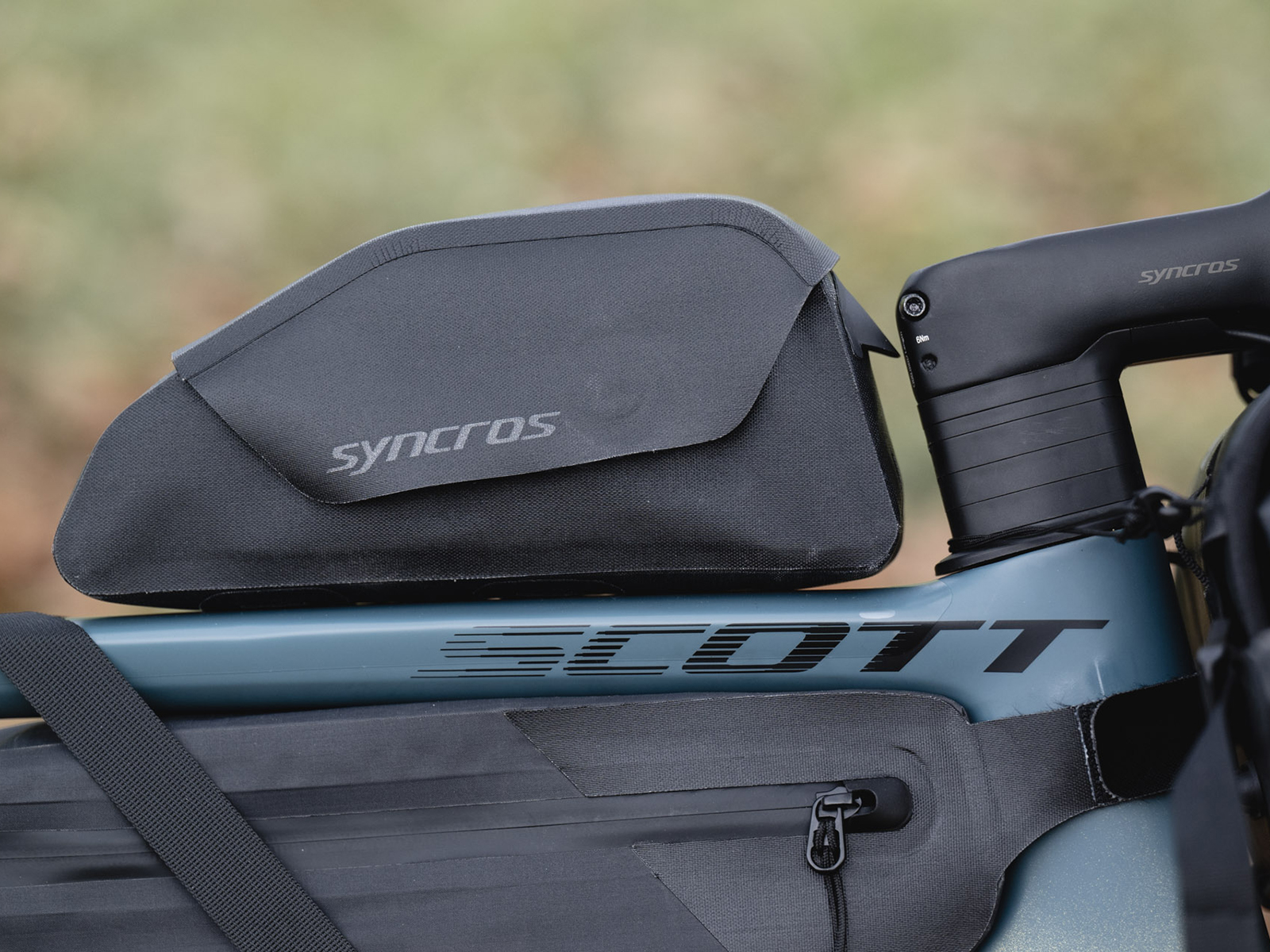
The pannier has become an essential piece of equipment for many cyclists. Whether for daily commutes, bike riding, long rides, cycle touring, bikepacking, or simply leisurely outings, it allows you to carry your belongings comfortably without carrying a load on your back. A well-chosen pannier improves comfort, maintains the bike's balance, and makes organizing your gear easier.
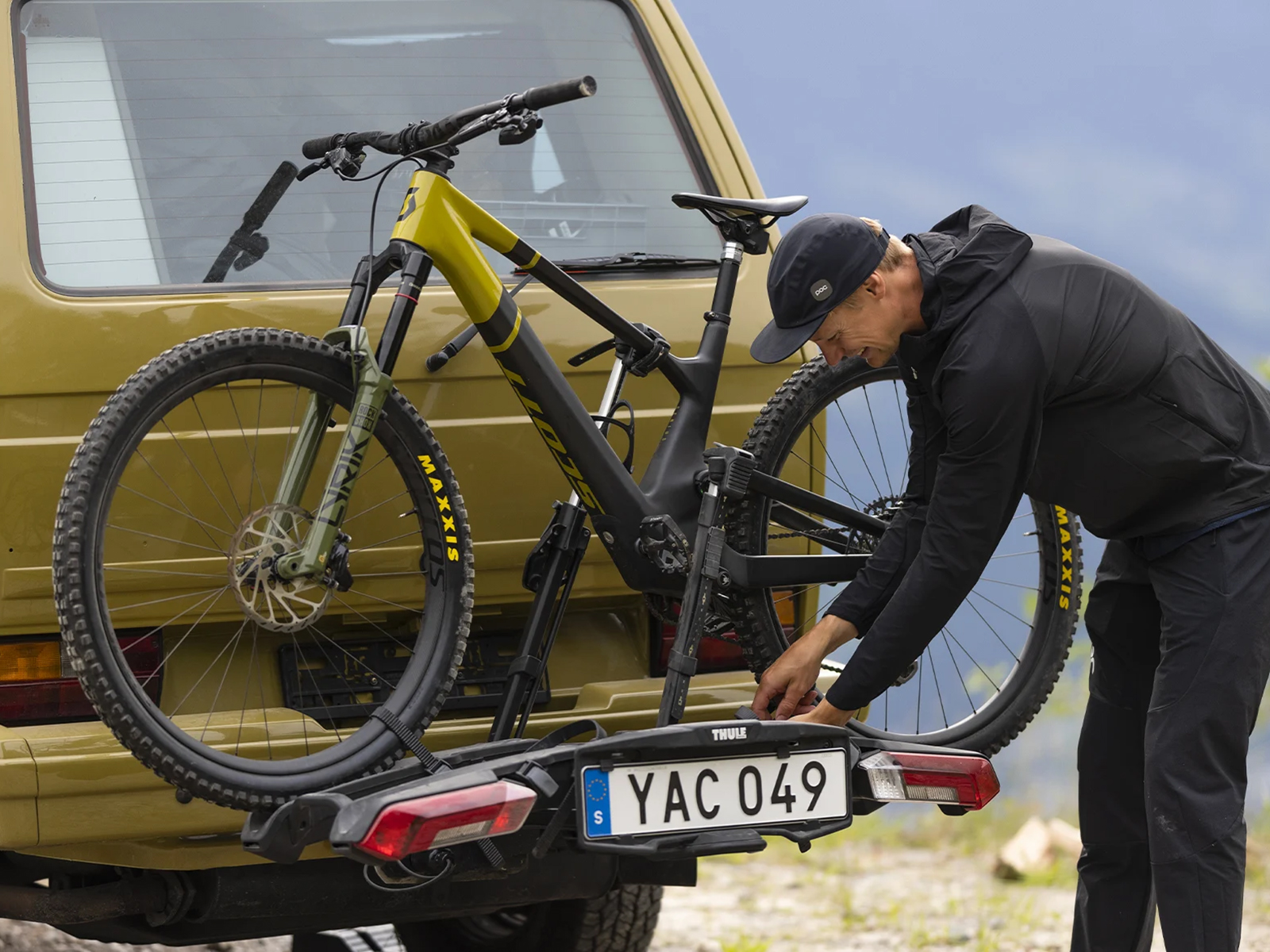
Choosing the right bike rack is essential for transporting your bikes safely, protecting your equipment, and enjoying a worry-free journey. Given the wide variety of systems available, identifying the best solution for your vehicle, the number of bikes you're carrying, or your intended use isn't always easy. Between hitch-mounted, tailgate-mounted, and roof-mounted models, there are many differences in terms of load capacity, ease of installation, compatibility, and user-friendliness.
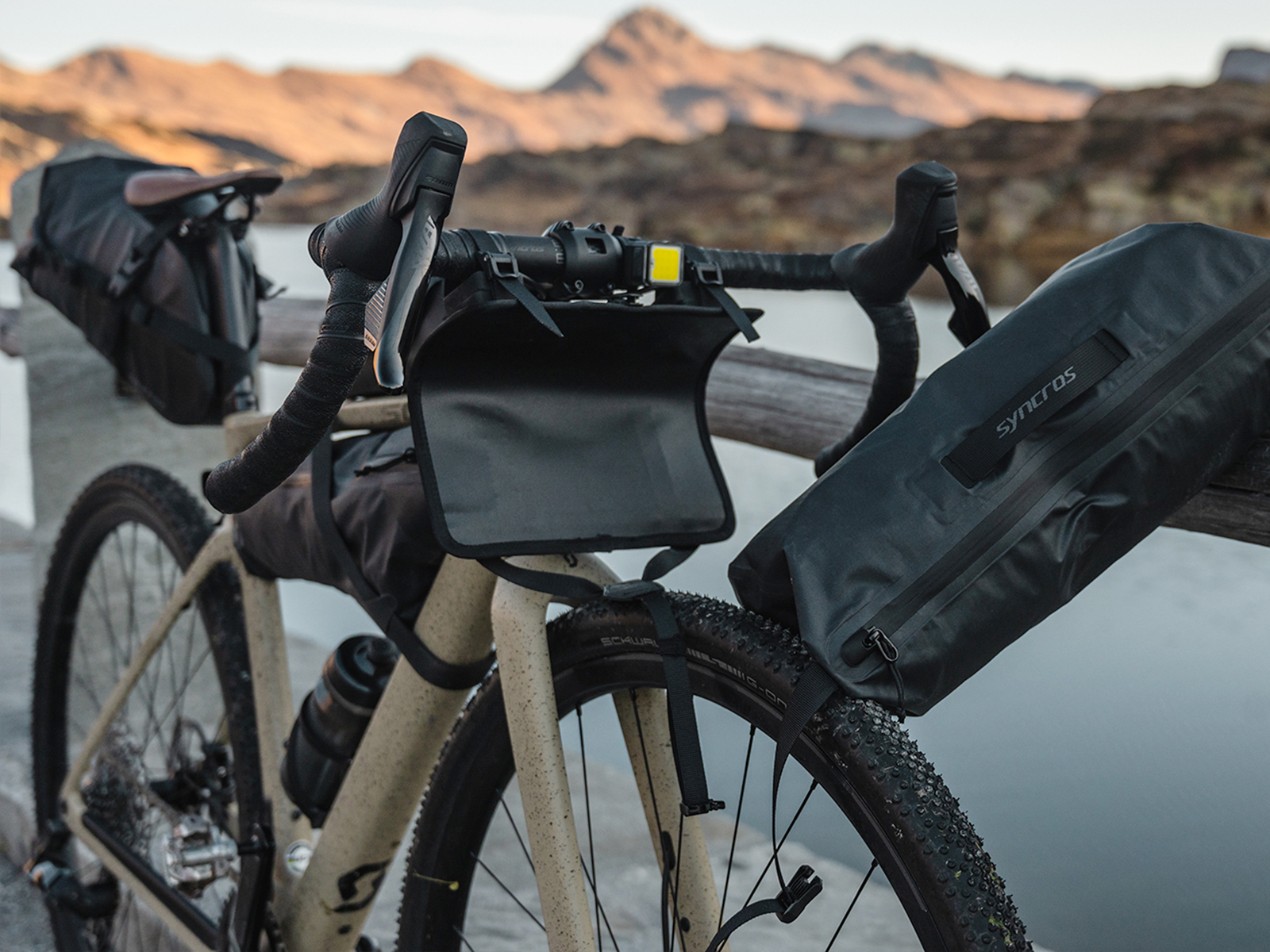
Bikepacking is an adventure cycling practice that involves traveling independently with a lightweight load attached directly to the bicycle. Unlike traditional cycle touring, which uses racks and large panniers, bikepacking favors compact bags distributed across the frame , handlebar , and tige de saddle . This approach allows for a bike that remains agile, efficient, and suitable for varied terrain, whether roads, tracks, forest paths, or trails.
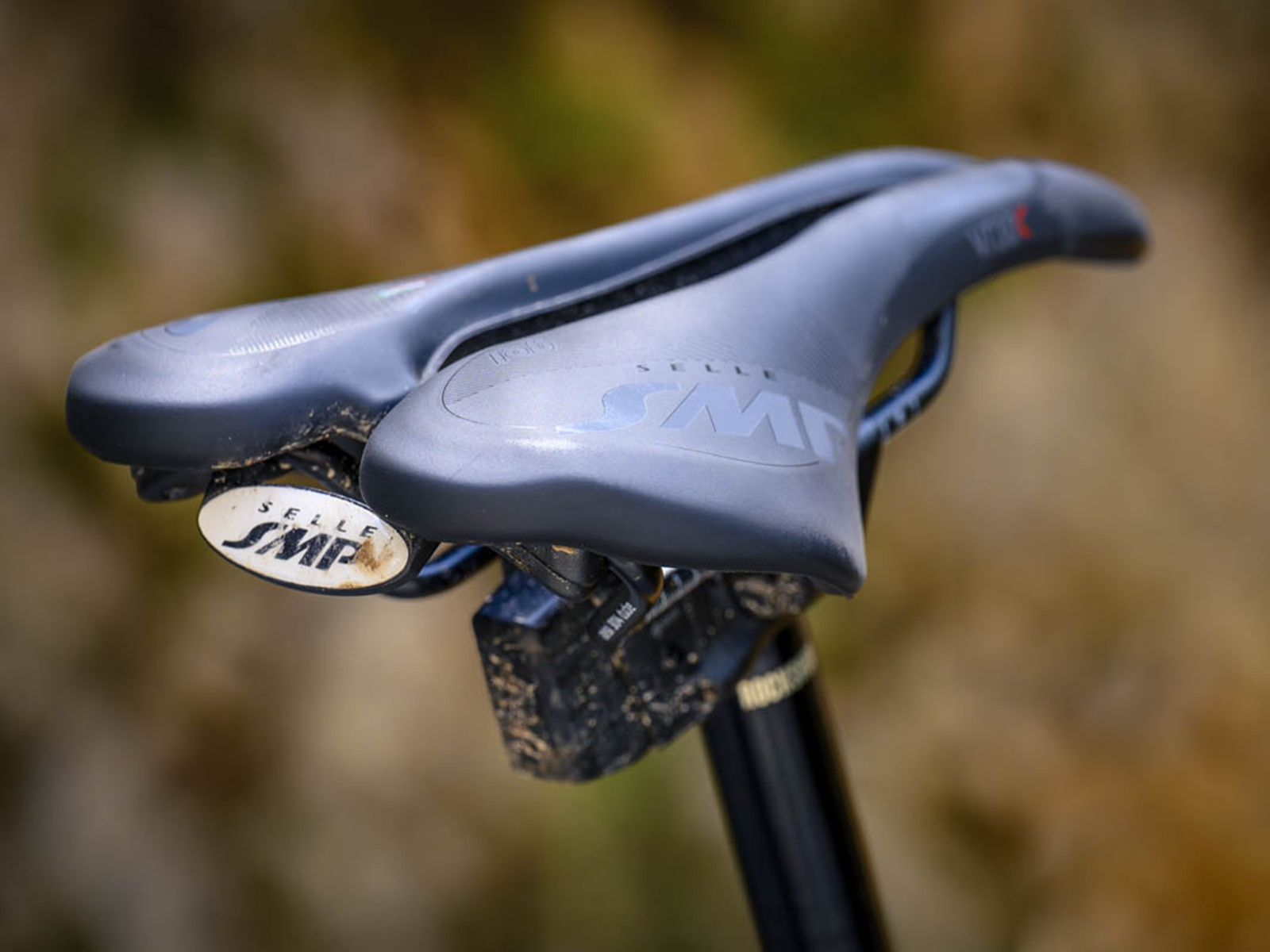
Choosing the right saddle is one of the most important factors in improving comfort, performance, and enjoyment of off-road riding. An unsuitable saddle can cause pelvic pain, chafing, numbness, or reduced pedaling efficiency. Conversely, a well-chosen saddle allows for better power transfer, maintains a stable position on the bike, and lets you fully enjoy your rides, whether it's trail riding, cross-country, enduro, or downhill. The shape, width, padding, materials, and type of riding all directly influence the choice. Therefore, it's essential to consider your body type, riding style, and riding habits before making your selection.
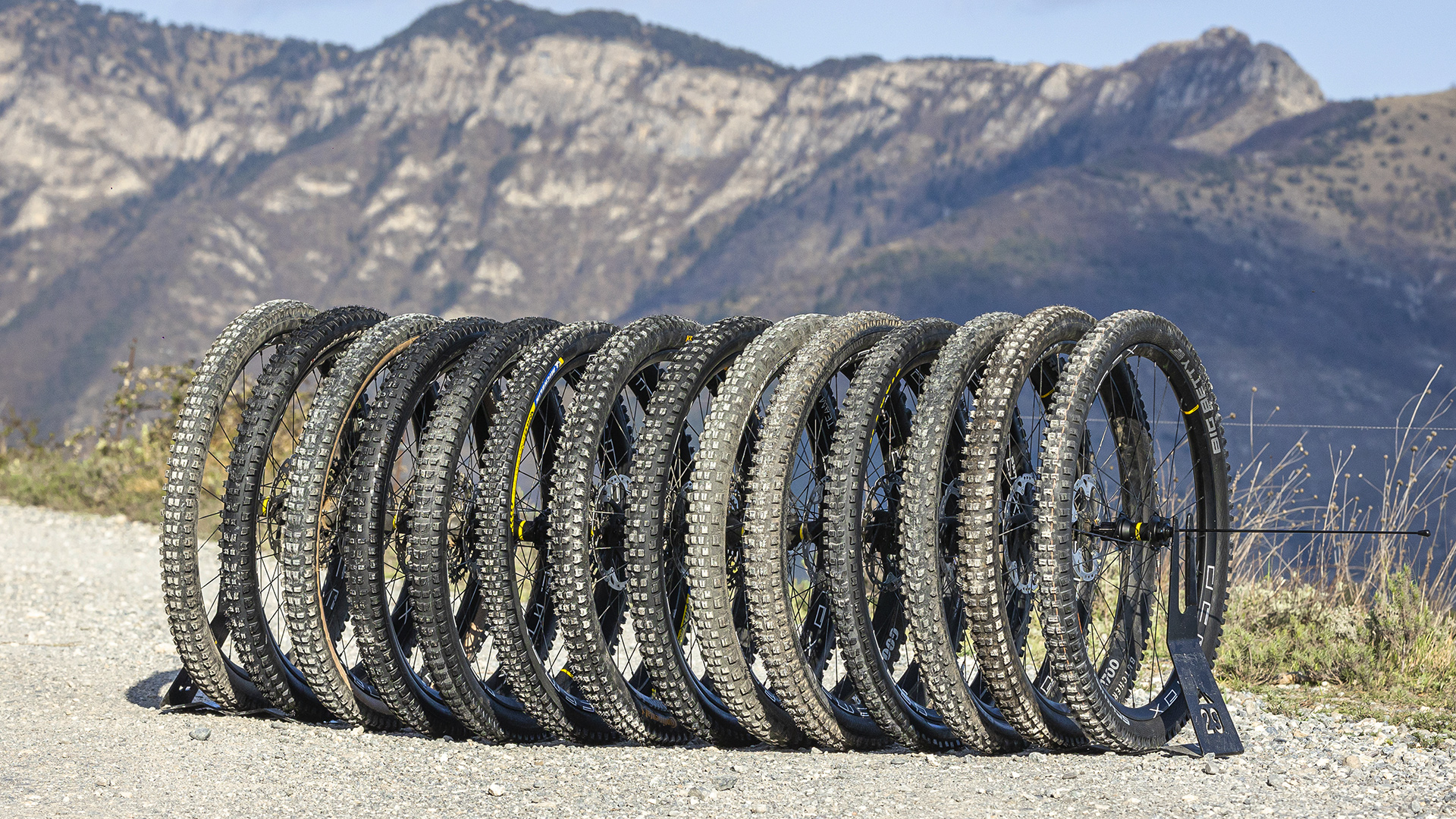
Choosing the right MTB tires immediately changes how your bike handles. On the trails, tyre influence grip, braking, traction, comfort, and puncture resistance. A suitable model allows for better control in corners, easier obstacle clearance, and more confident riding, whether on dry, muddy, rocky, or smooth terrain.
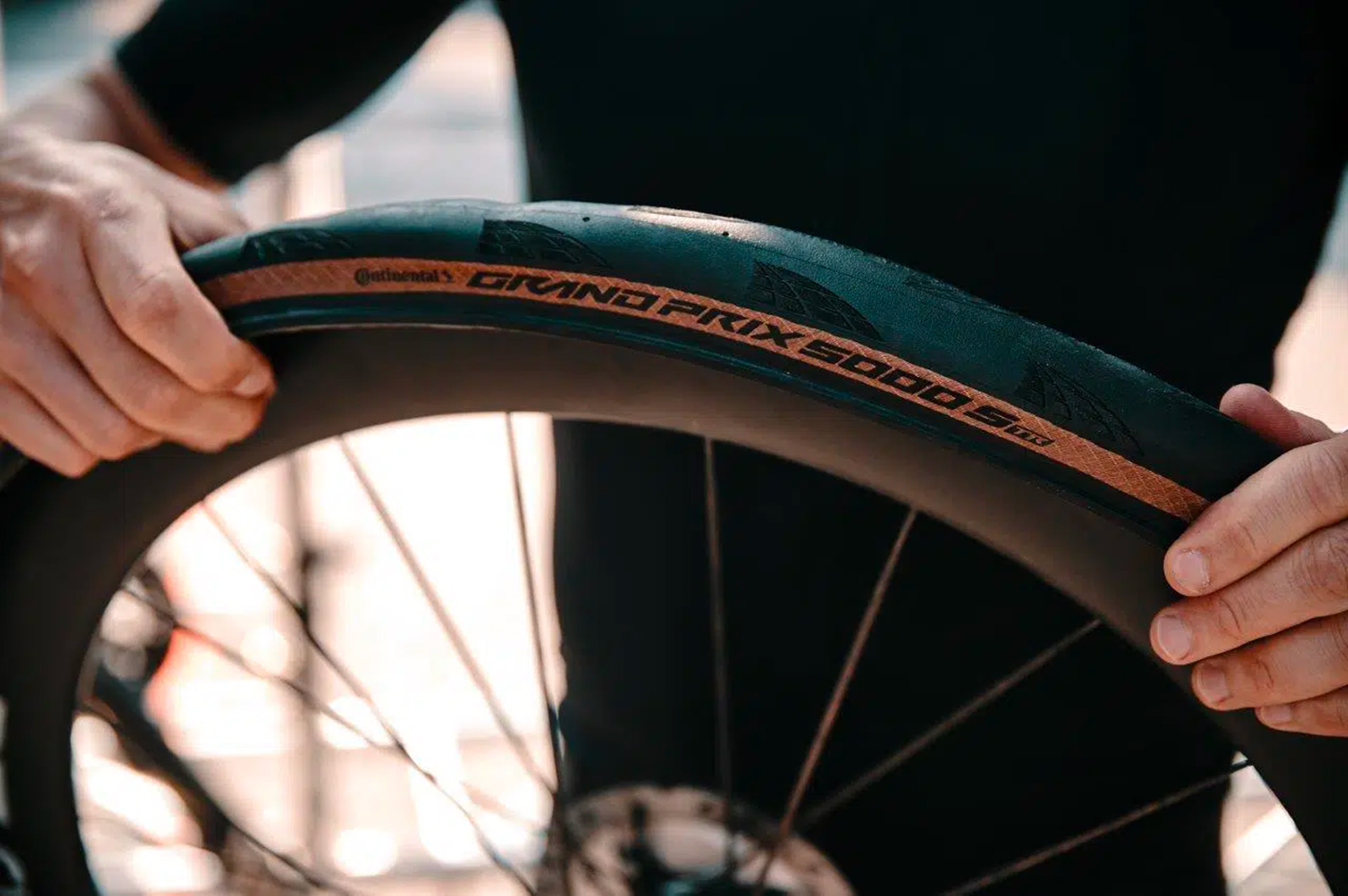
Choosing the right road Bike tires is one of the most important decisions for improving performance and comfort. tyre directly influence speed, grip, safety, and overall feel on the bike. A well-suited model allows you to ride more efficiently, with less effort and more confidence, whether on long straightaways or technical descents.