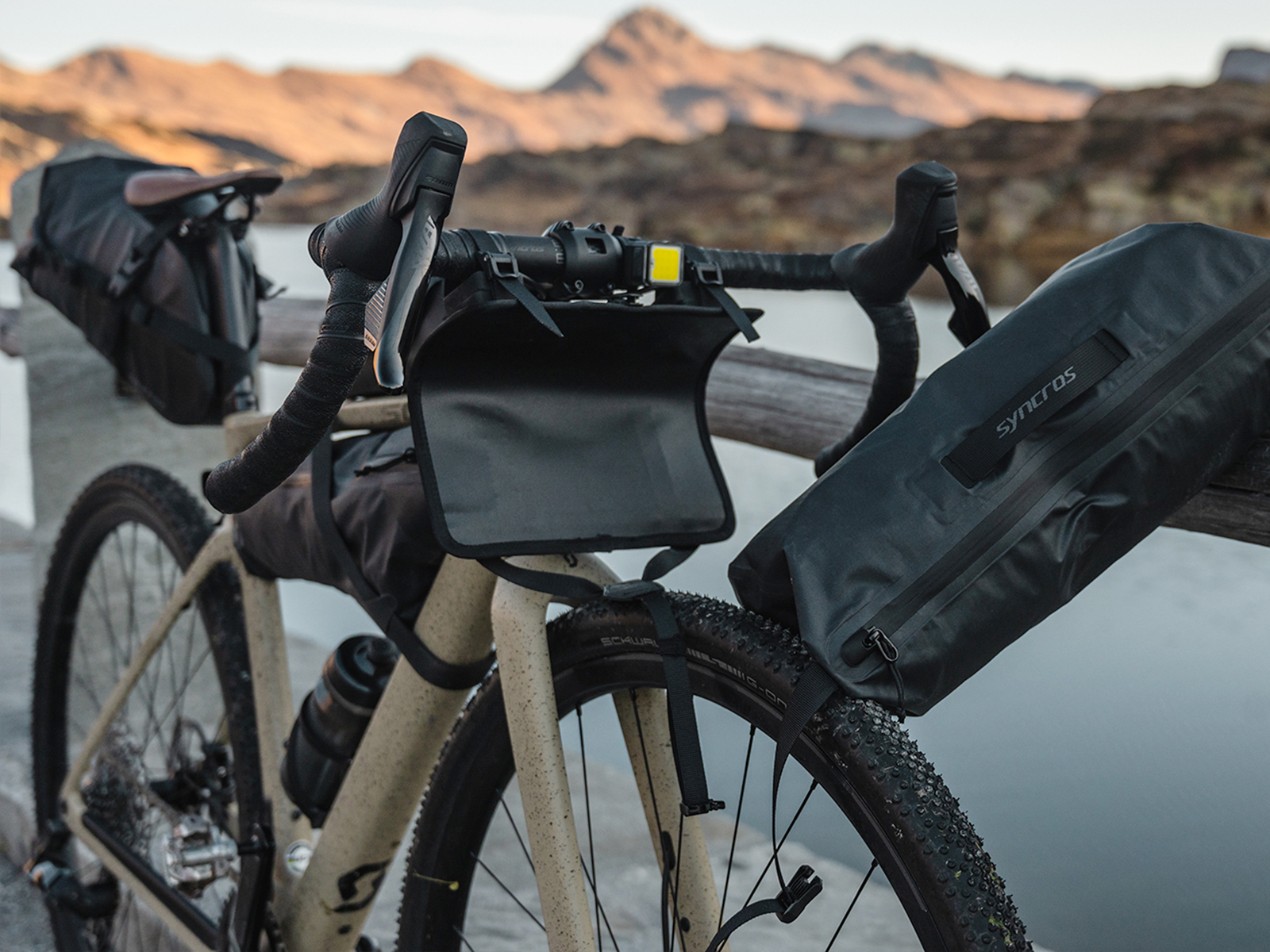
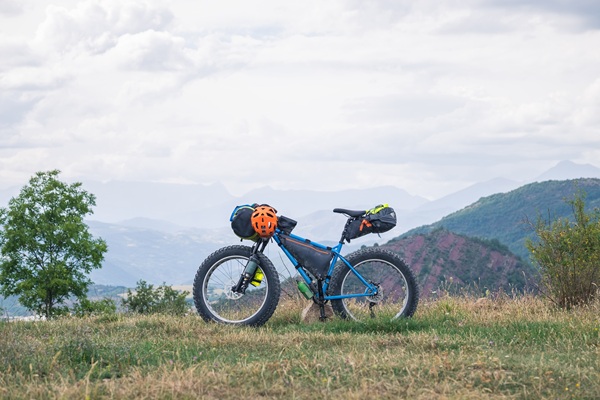
Bikepacking is an adventure cycling practice that involves traveling independently with a lightweight load attached directly to the bicycle. Unlike traditional cycle touring, which uses racks and large panniers, bikepacking favors compact bags distributed across the frame , handlebar , and tige de saddle . This approach allows for a bike that remains agile, efficient, and suitable for varied terrain, whether roads, tracks, forest paths, or trails.
Its success stems from its versatility. Bikepacking allows for trips ranging from a single night to several weeks. This freedom appeals to those who love travel, sports, exploration, and adventure. However, choosing the right equipment plays a crucial role in a successful experience. Appropriate gear improves comfort, safety, and the ability to ride for extended periods in good conditions.
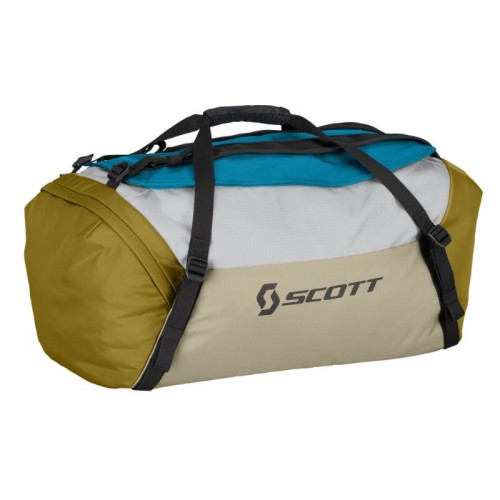
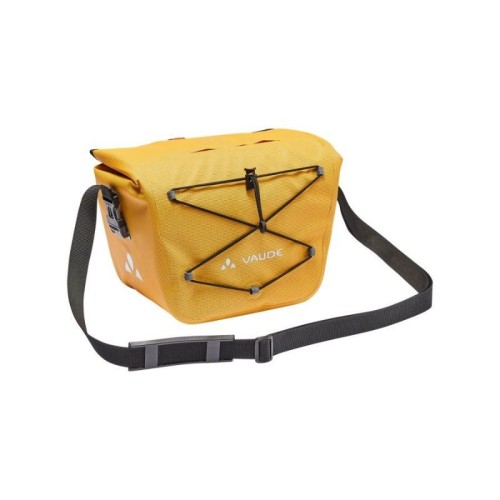
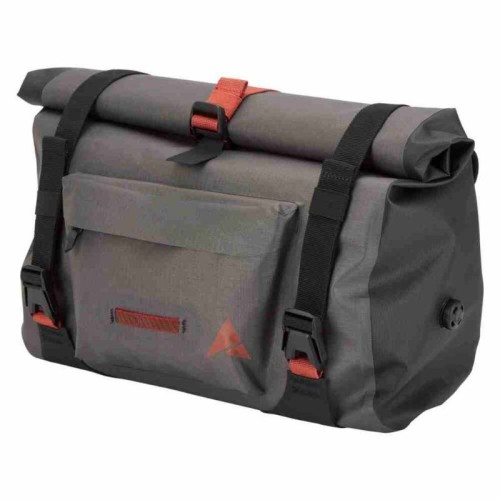
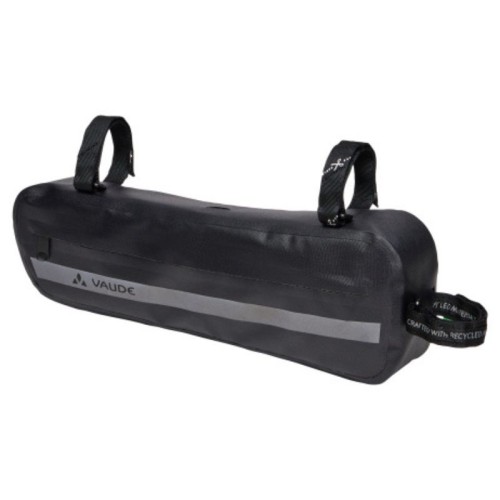


Choosing your Bikepacking equipment This requires taking into account several criteria: the type of bicycle, the duration of the trip, the weather conditions, the desired range, and the terrain. Well-chosen equipment allows you to carry the essentials without unnecessarily weighing down the bicycle.
Understanding the spirit of bikepacking
Bikepacking is based on a simple principle: traveling light while remaining self-sufficient. This philosophy prioritizes simplicity, efficiency, and adapting to the terrain.
Unlike traditional bicycle touring, the load is distributed as close as possible to the frame in order to preserve maneuverability. The cyclist can thus take on more technical routes and easily leave asphalt roads.
This practice is also suitable for amateurs of gravel bike, of MTB, of road bike endurance or modern touring bikes. The choice ofBikepacking equipment will largely depend on how each person wishes to experience their adventure.
Why choose the right bikepacking equipment?
Every gram carried influences the bike's behavior. An unevenly distributed load can make steering unstable, complicate technical sections, and increase fatigue on long distances.
Well-designed equipment, on the other hand, optimizes riding comfort. The bike remains responsive and pleasant to ride even when the kilometers add up.
The quality of the fastenings, the waterproofing of the bags and the robustness of the materials become particularly important during multi-day trips exposed to rain, dust or vibrations.
Which bike to use for bikepacking?
The good news is that there isn't just one type of bike specifically designed for bikepacking. Many models can be suitable depending on the terrain.
THE gravel bike It represents one of the most popular options today thanks to its versatility. It offers an excellent compromise between road performance and off-road capability.
THE MTB remains a benchmark for more challenging routes. A Bikepacking equipment compact is therefore particularly useful in order to maintain all the necessary freedom of movement on technical trails.
| Type of bicycle | Prime plot | Strengths |
|---|---|---|
| Gravel bike | Roads and trails | Versatility and efficiency |
| MTB | Technical trails and paths | Comfort and control |
| Road endurance | Asphalt and long distances | Speed and efficiency |
| Hiking | Versatile travel | Comfort and stability |
Essential bikepacking gear bags
The panniers are the heart of the transport system. They allow the load to be distributed evenly on the bicycle.
The satchel of saddle It typically accommodates clothing, bedding, or equipment that is not used much during the day. Its volume can vary depending on the length of the trip.
The satchel of frame is ideal for heavier items such as tools, power banks, or food. A good Bikepacking equipment always seeks to place the weight in the center of the bike in order to improve overall balance.
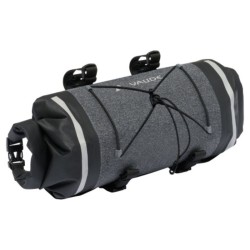
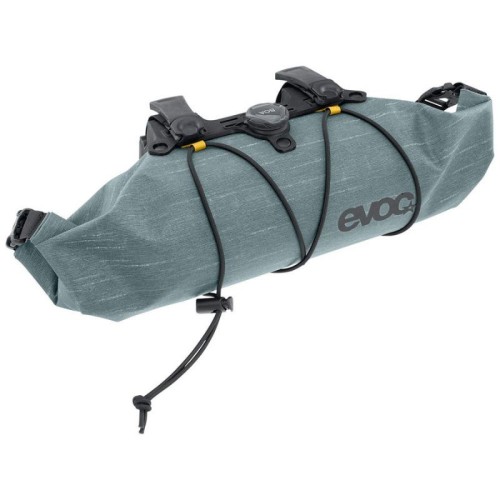
The satchel of handlebar is often used to carry sleeping bags, mattresses, or certain compressible clothing.
Additional pockets can also be installed on the top tube in order to keep food, phone or navigation equipment easily accessible.
How to distribute the costs effectively
Weight distribution directly influences the bike's handling. An unbalanced load can create an unpleasant swaying effect.
Heavy items should be placed as close as possible to the center of gravity. This includes tools, batteries, water tanks, and certain electronic equipment.
Large but lightweight items can be positioned at the front or rear. This arrangement improves the overall efficiency of theBikepacking equipment while limiting mechanical stress.
Choosing your bikepacking gear for sleeping
Sleeping gear often represents a significant portion of the equipment carried. The choice depends on the season, temperatures, and the desired level of comfort.
A compact sleeping bag significantly reduces bulk. Technical models offer an excellent balance between thermal insulation and weight.
The mattress also plays a major role. It improves rest and contributes to physical recovery after several hours of saddle.
Depending on their travel habits, some cyclists prefer a lightweight tent while others opt for a shelter, A tarp or a minimalist bivouac system.
Clothing suitable for adventure
The principle of bikepacking is to carry only the essentials. Each garment must be versatile and high-performing.
The multi-layer system remains particularly effective. A breathable first layer wicks away moisture while an insulating layer provides warmth when temperatures drop.
A waterproof jacket constitutes an essential element of theBikepacking equipment. Weather conditions can change rapidly, especially in the mountains or during long crossings.
Technical textiles have the advantage of drying quickly and taking up little space in panniers.
Water management while bikepacking
Hydration remains a top priority during cycling trips. Needs increase significantly with physical exertion and heat.
Most practitioners use several water bottles attached to the frame. Some bikes also have additional attachment points under the down tube or on the fork.
For longer adventures, it can be wise to add a water bladder or a filtration system to make water collected in nature drinkable. Bikepacking equipment A well-designed product must always incorporate this essential dimension.
Navigation and orientation
The development of technologies GPS has greatly facilitated route planning.
The counters GPS Dedicated to cycling, they allow you to precisely follow a route, record performance and manage remaining battery life.
However, a dead battery or electronic malfunction can occur. Many travelers also carry a paper map or download offline maps.
Navigation is an integral part of the experience and fully contributes to the pleasure of discovery.
Bikepacking equipment for repair
The ability to perform basic repairs is essential when driving far from any assistance.
A repair kit should contain the essentials without being bulky. The goal is to be able to resolve the most common incidents encountered while traveling.
A good Bikepacking equipment It usually includes a pump, a multitool, tire levers, tubeless repair equipment or spare inner tubes depending on the assembly used.
| Equipment | Utility |
|---|---|
| Multitool | Current settings |
| Pump | Tire inflation |
| Tire changer | Quick repair |
| Quick link | Troubleshooting chain |
| Patches or plugs | Puncture repair |
What lighting should I choose?
Lighting improves safety and extends riding time. Even on a ride that is mainly during the day, it remains essential.
A powerful front light makes it easier to see when the light is fading. At the rear, a visible light increases safety for other road users.
USB rechargeable systems now dominate the market thanks to their ease of use and energy efficiency.
Optimizing your bikepacking gear for multi-day trips
The longer the trip, the more strategic the selection of equipment becomes.
It is often preferable to choose multifunctional equipment capable of fulfilling several uses. This approach reduces the volume transported and simplifies organization.
A Bikepacking equipment Optimized prioritizes compactness, reliability and lightness without sacrificing the comfort essential to a smooth journey.
Each item must justify its presence in the panniers. This approach generally allows for a significant reduction in the total weight carried.
Choosing tires for bikepacking
Tires have a significant influence on comfort, traction, and puncture resistance.
On mixed terrain, versatile tires often offer the best compromise between performance and grip.
Wider tire sections generally improve comfort on tracks and trails. They also allow for lower tire pressures.
THE assembly Tubeless tires are particularly appreciated in the world of bicycle touring thanks to their ability to limit punctures.
Nutrition and food on the go
Energy needs increase rapidly during long days of cycling.
Food should be energy-rich, easy to transport, and simple to consume. Carbohydrate-rich foods often form the basis of the effort.
Food storage is an integral part ofBikepacking equipment. The pouches of frame and cockpit bags allow you to have snacks within easy reach.
Good management of supplies contributes directly to enjoyment and performance during the trip.
Common mistakes in bikepacking
Overpacking is the most common mistake among beginners. The desire to anticipate every situation often leads to carrying too much equipment.
Another pitfall is neglecting pre-departure testing. It's best to test the bike loaded to check how it handles.
The choice of a Bikepacking equipment An unsuitable route for the terrain can also complicate the experience. A mountainous route does not impose the same constraints as a route that is primarily on roads.
Finally, route planning and water management always deserve special attention.
FAQ
What is bikepacking ?
Bikepacking is a form of bicycle travel that favours a light load distributed in panniers attached directly to the bicycle in order to maintain maneuverability and autonomy.
Which bike is best suited for bikepacking ?
A gravel bike, A MTB, a touring bike or a road bike Endurance may be suitable depending on the terrain and the type of adventure planned.
Which panniers should I use for bikepacking ?
The most common are the satchel and saddle, the satchel of frame, the satchel of handlebar and the pouches of top tube.
How much weight can you carry while bikepacking ?
The weight depends on the bike, the equipment used, and the duration of the trip. The goal is generally to travel as light as possible.
Is bikepacking suitable for beginners ?
Yes. It is possible to start with a short trip with an overnight stay in complete autonomy before considering longer adventures.
What is the difference between bikepacking and cycle touring ?
Bikepacking favors a compact load fixed directly to the bike, while cycle touring generally uses larger pannier racks and side bags.

Related Posts
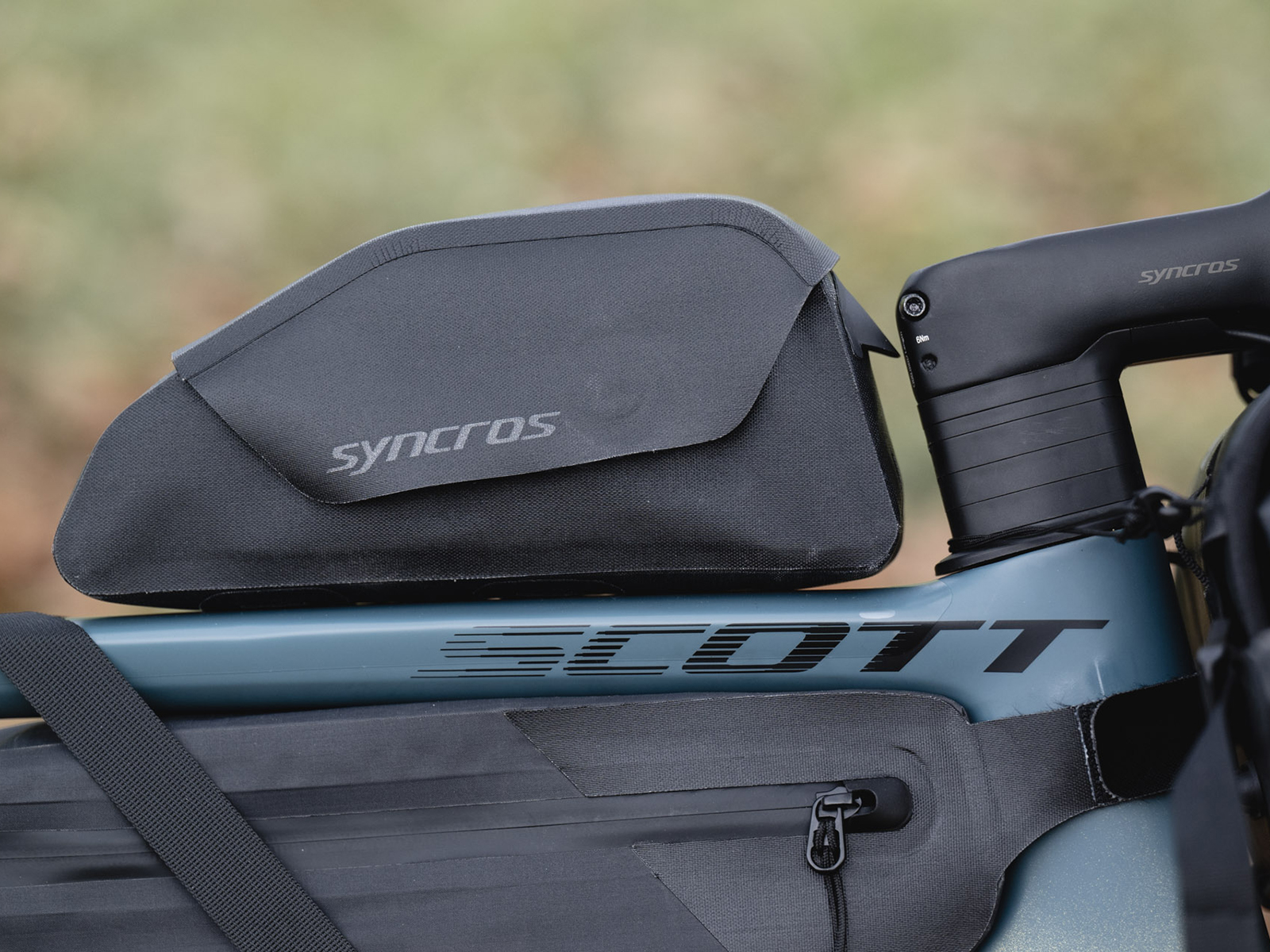
The pannier has become an essential piece of equipment for many cyclists. Whether for daily commutes, bike riding, long rides, cycle touring, bikepacking, or simply leisurely outings, it allows you to carry your belongings comfortably without carrying a load on your back. A well-chosen pannier improves comfort, maintains the bike's balance, and makes organizing your gear easier.
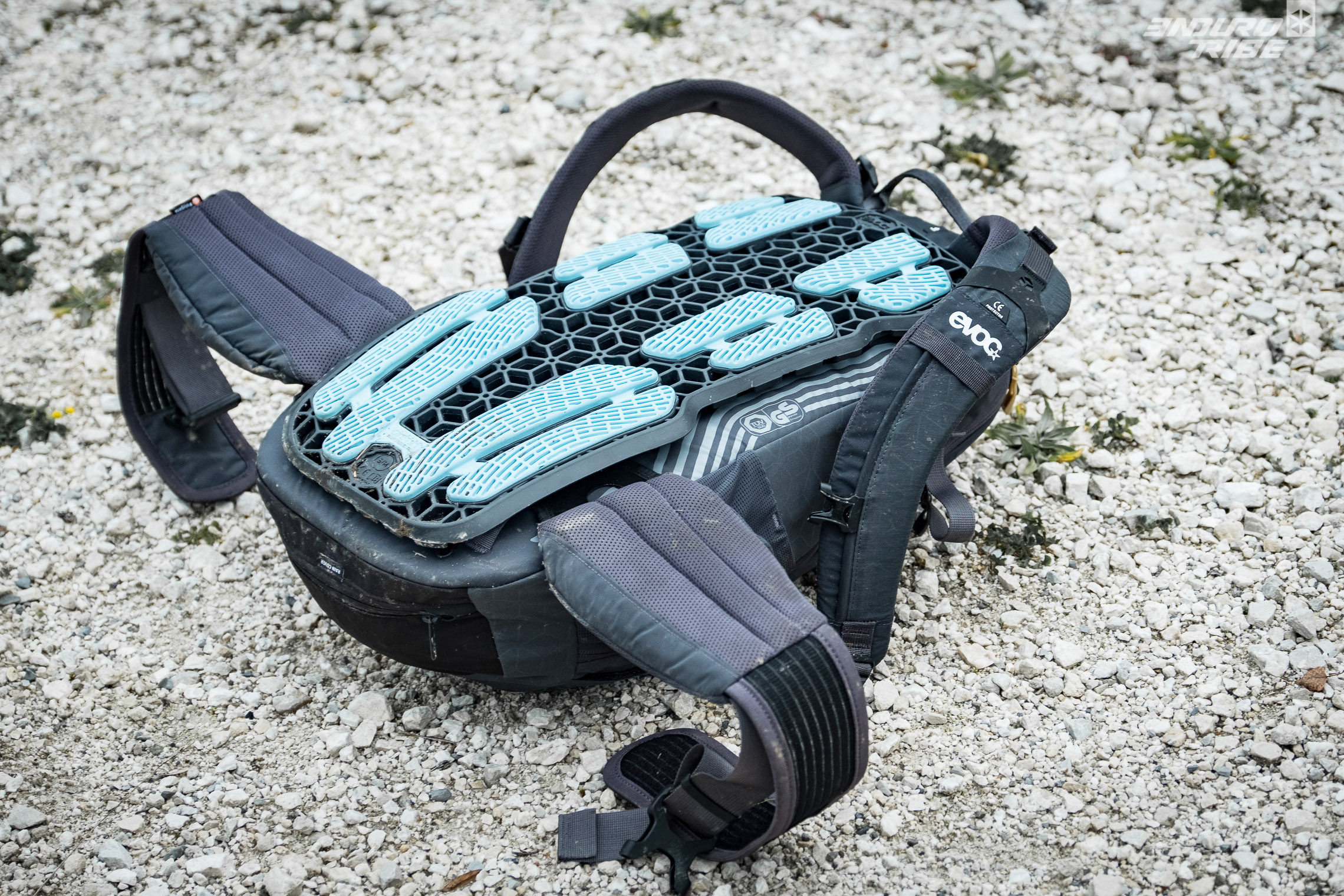
Choosing a cycling backpack requires finding the right balance between comfort, capacity, stability, rain protection, and easy access to your gear. A good bag shouldn't just carry things. It should stay securely in place, not interfere with pedaling, minimize back perspiration, and effectively protect essential items. Whether you're commuting to work, going for a sporting activity, cycling around town, touring by bike, or hiking, your needs will differ.
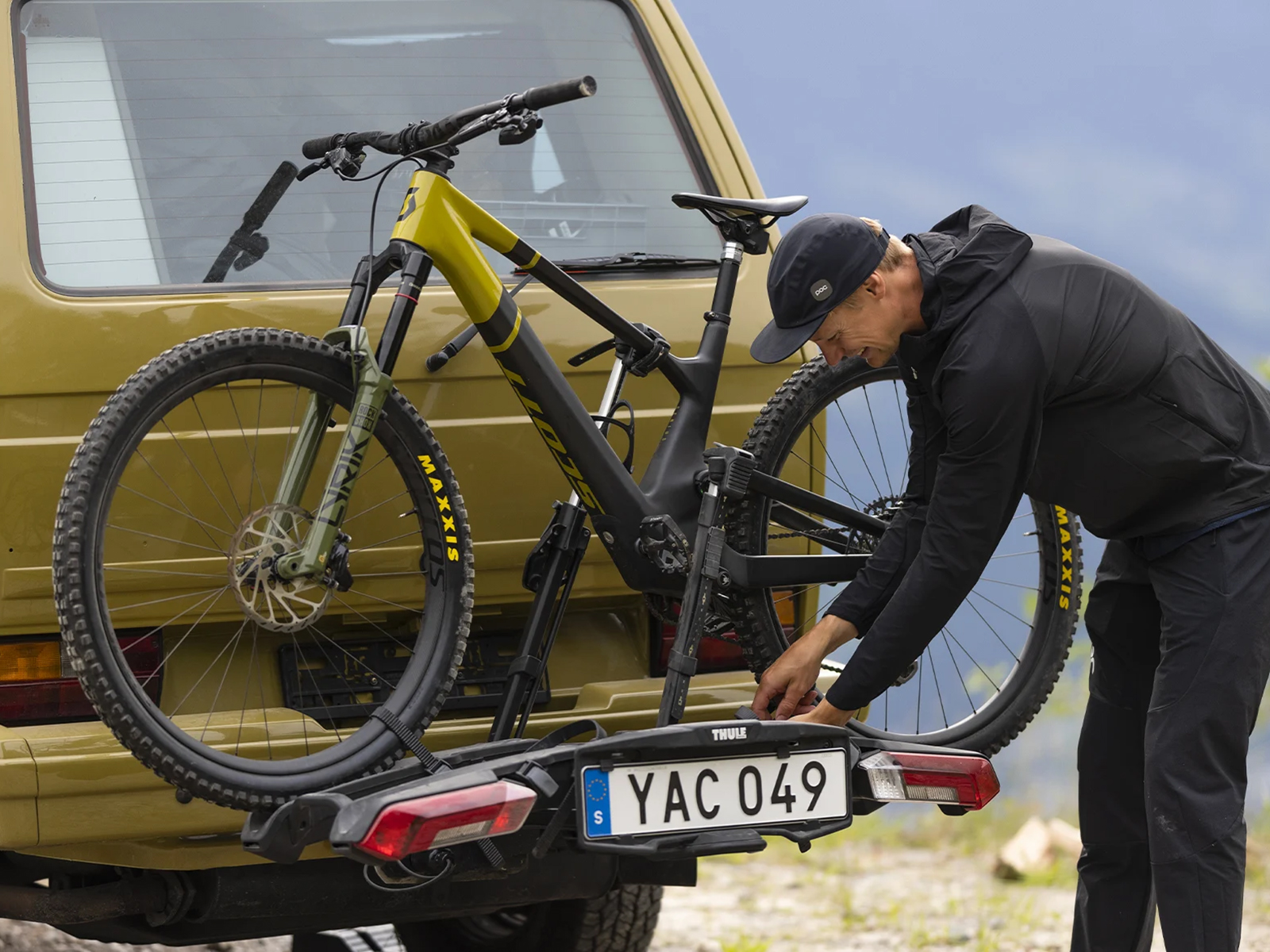
Choosing the right bike rack is essential for transporting your bikes safely, protecting your equipment, and enjoying a worry-free journey. Given the wide variety of systems available, identifying the best solution for your vehicle, the number of bikes you're carrying, or your intended use isn't always easy. Between hitch-mounted, tailgate-mounted, and roof-mounted models, there are many differences in terms of load capacity, ease of installation, compatibility, and user-friendliness.
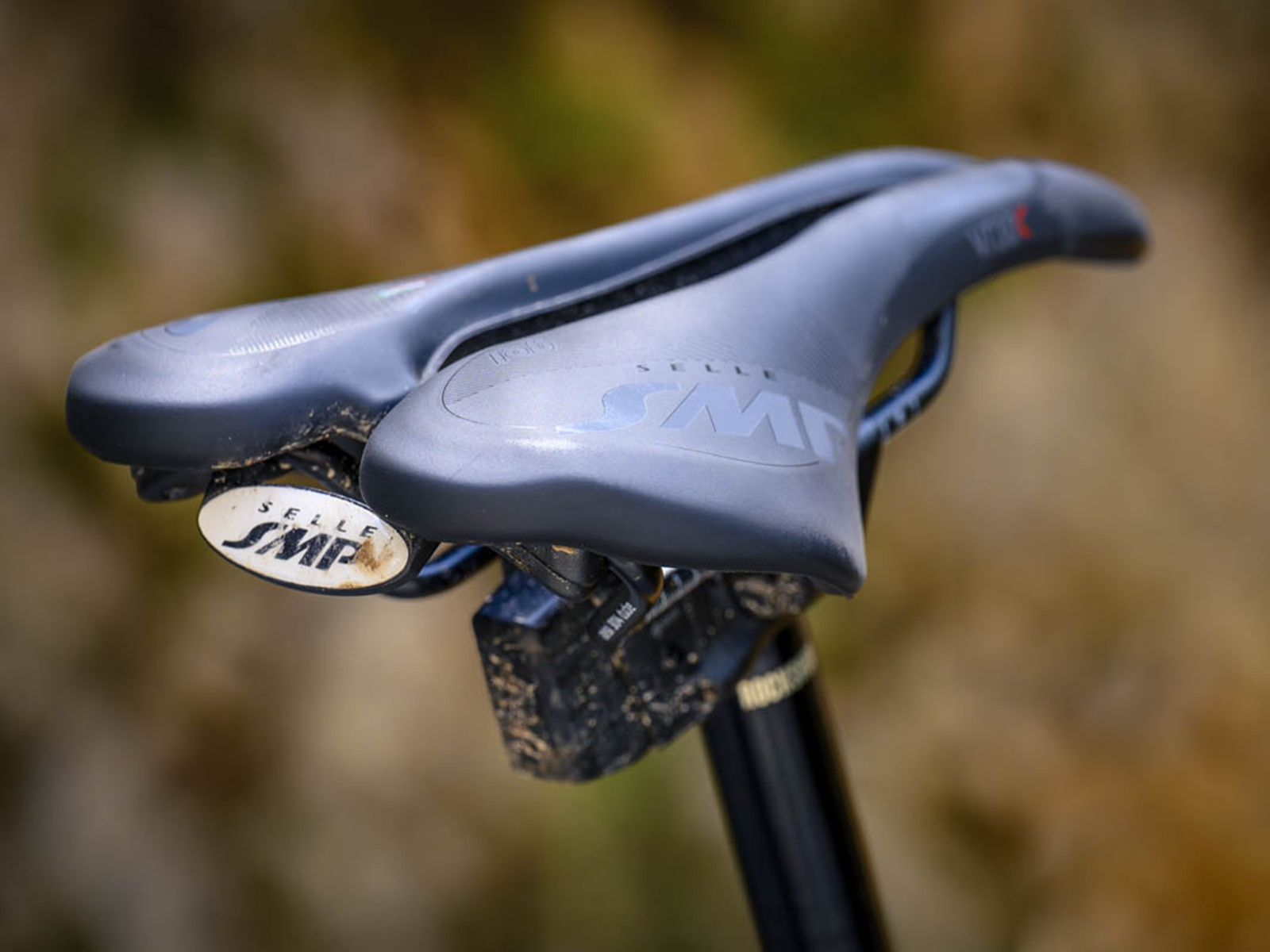
Choosing the right saddle is one of the most important factors in improving comfort, performance, and enjoyment of off-road riding. An unsuitable saddle can cause pelvic pain, chafing, numbness, or reduced pedaling efficiency. Conversely, a well-chosen saddle allows for better power transfer, maintains a stable position on the bike, and lets you fully enjoy your rides, whether it's trail riding, cross-country, enduro, or downhill. The shape, width, padding, materials, and type of riding all directly influence the choice. Therefore, it's essential to consider your body type, riding style, and riding habits before making your selection.
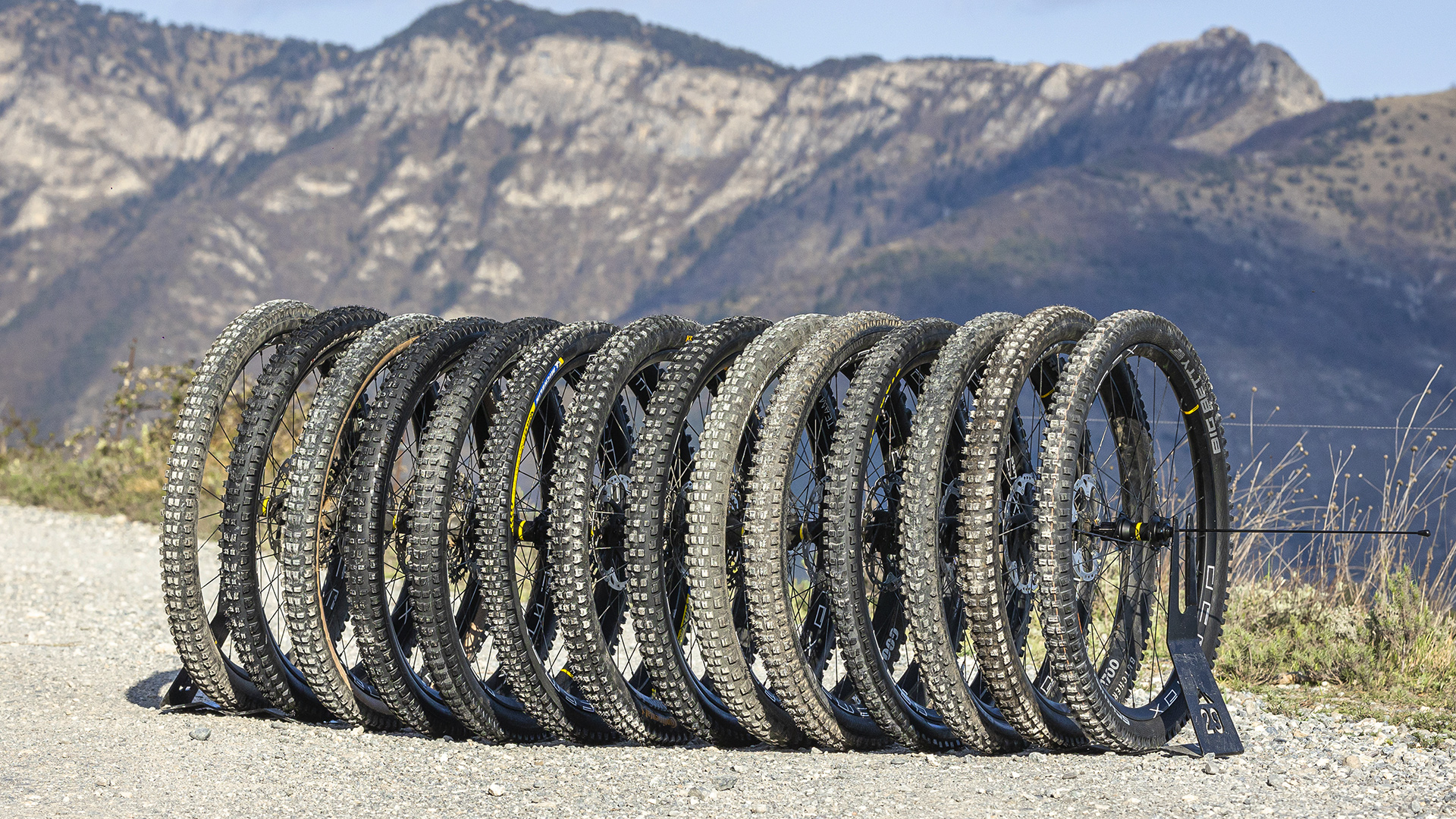
Choosing the right MTB tires immediately changes how your bike handles. On the trails, tyre influence grip, braking, traction, comfort, and puncture resistance. A suitable model allows for better control in corners, easier obstacle clearance, and more confident riding, whether on dry, muddy, rocky, or smooth terrain.
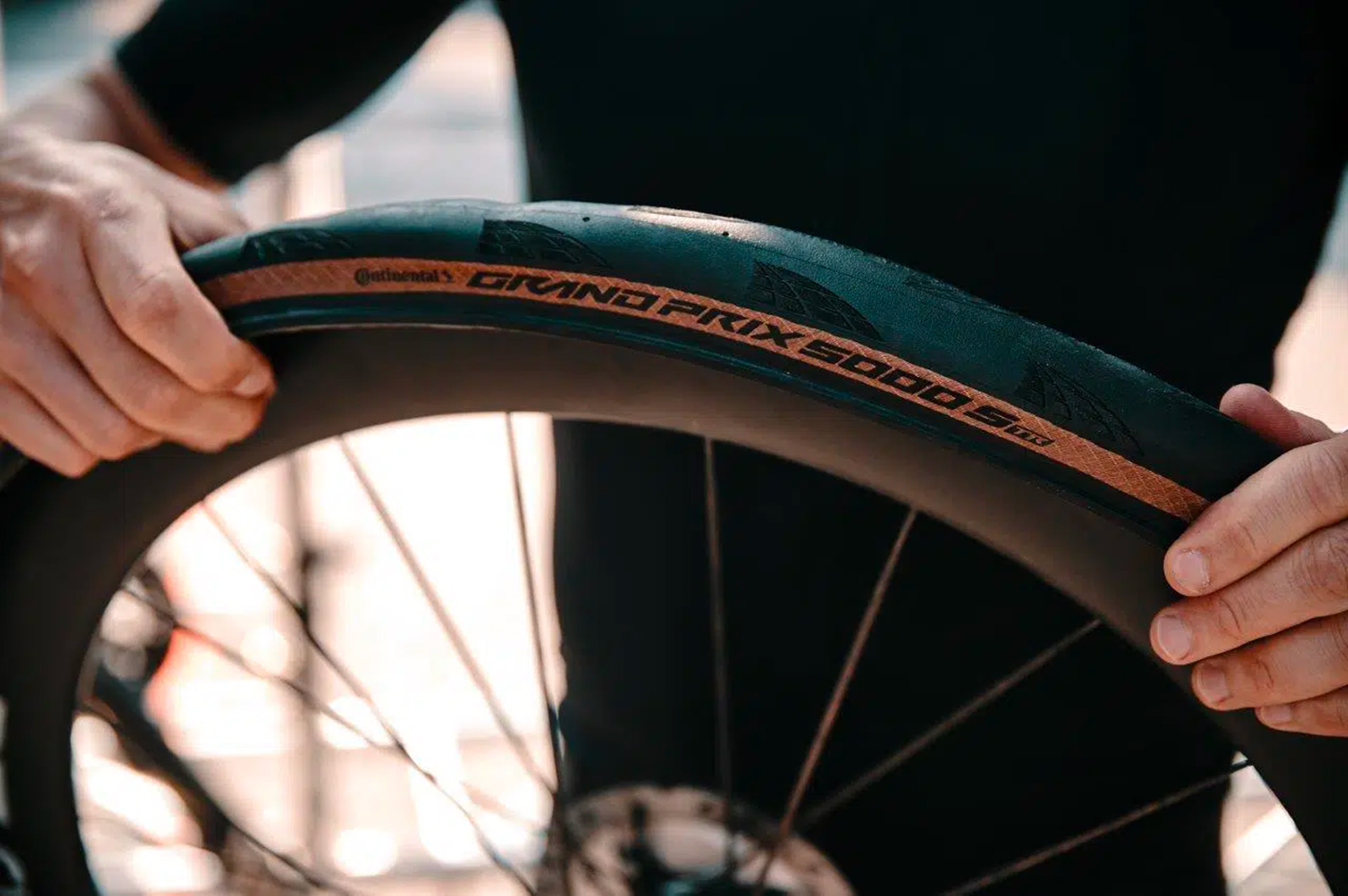
Choosing the right road Bike tires is one of the most important decisions for improving performance and comfort. tyre directly influence speed, grip, safety, and overall feel on the bike. A well-suited model allows you to ride more efficiently, with less effort and more confidence, whether on long straightaways or technical descents.