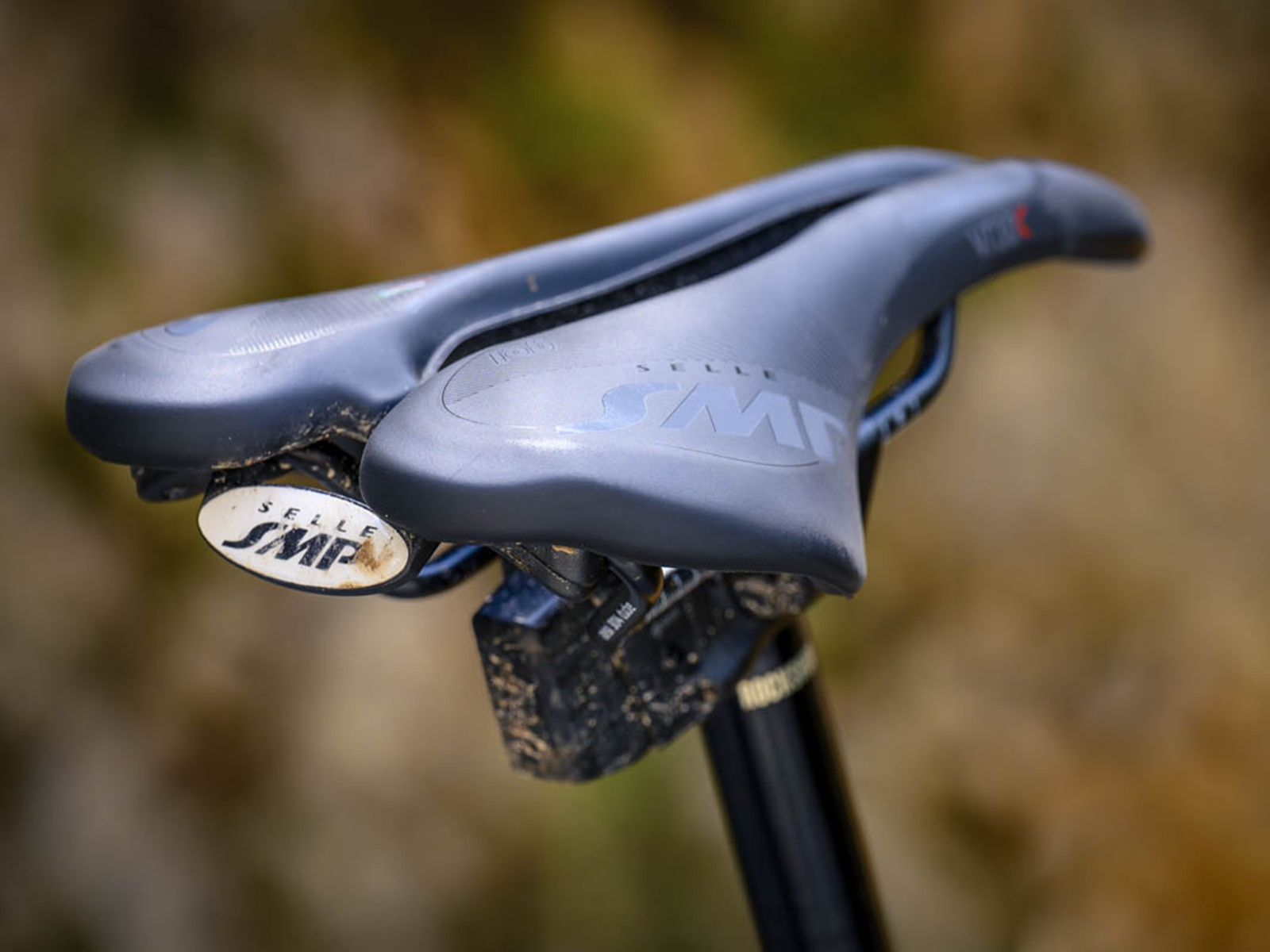
Choosing the right saddle is one of the most important factors in improving comfort, performance, and enjoyment of off-road riding. An unsuitable saddle can cause pelvic pain, chafing, numbness, or reduced pedaling efficiency. Conversely, a well-chosen saddle allows for better power transfer, maintains a stable position on the bike, and lets you fully enjoy your rides, whether it's trail riding, cross-country, enduro, or downhill. The shape, width, padding, materials, and type of riding all directly influence the choice. Therefore, it's essential to consider your body type, riding style, and riding habits before making your selection.
Why the saddle MTB is it an essential element ?
There saddle constitutes one of the three main points of contact between the cyclist and their bicycle, along with the handlebar and the pedals. Its role is not limited to comfort. It also contributes to the rider's overall balance and the quality of pedaling.
In MTB, The constraints are greater than on paved roads. Rough terrain generates vibrations, impacts, and constant changes in position. saddle adapted to better absorb these constraints while ensuring good pelvic support.
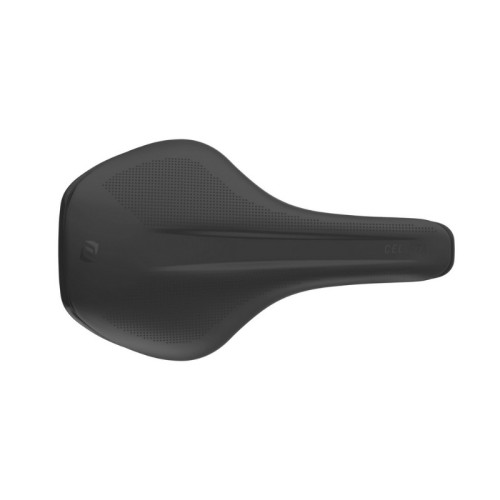
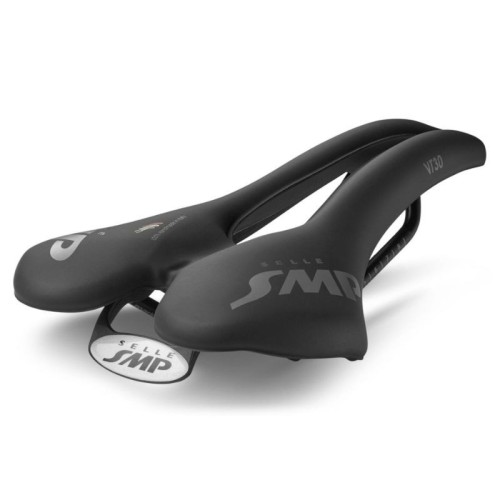
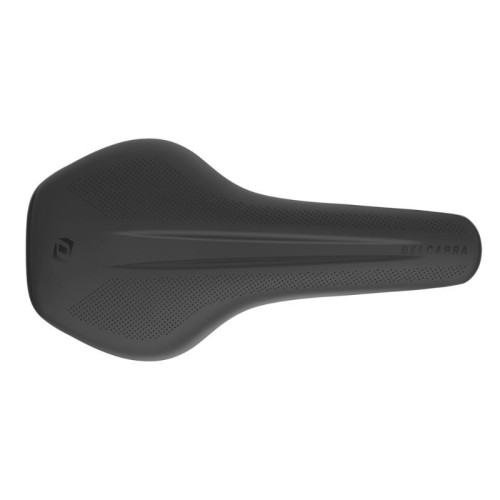
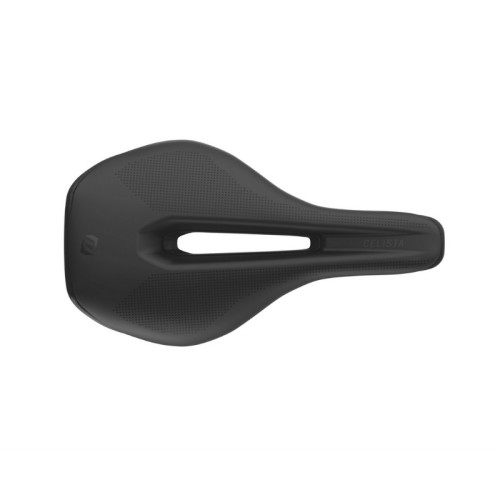
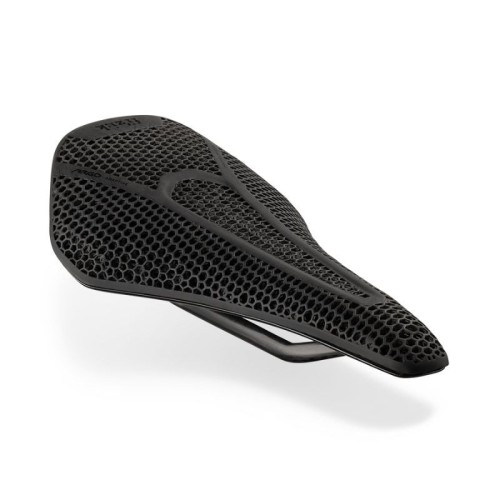
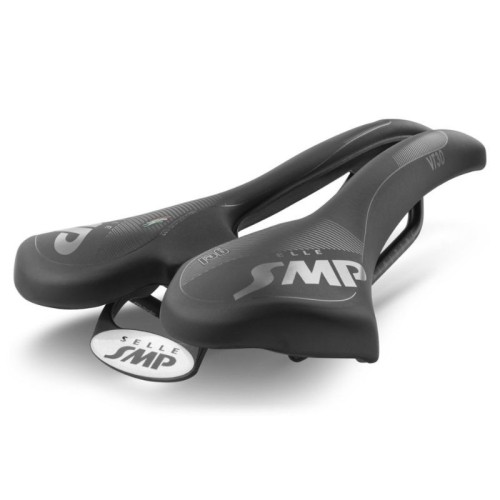
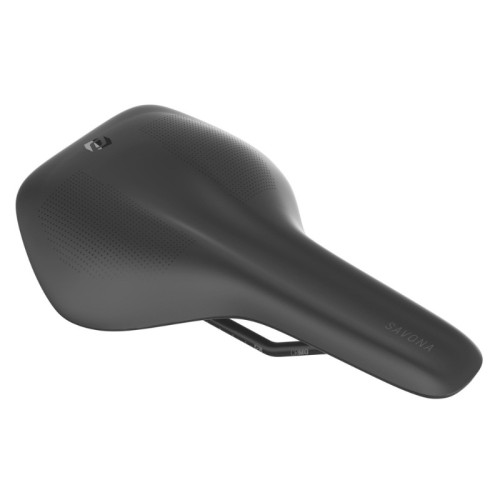
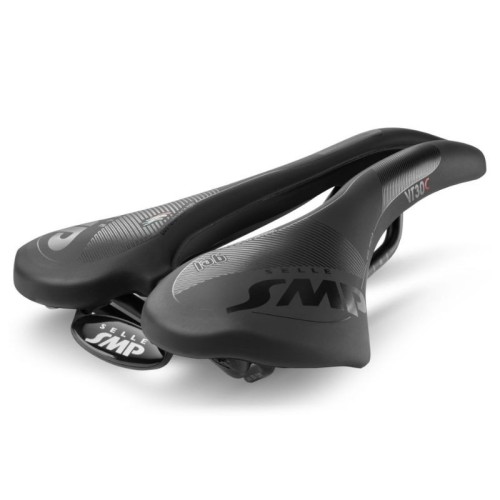
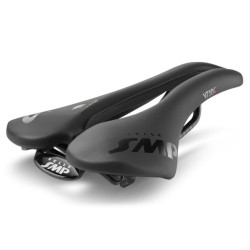
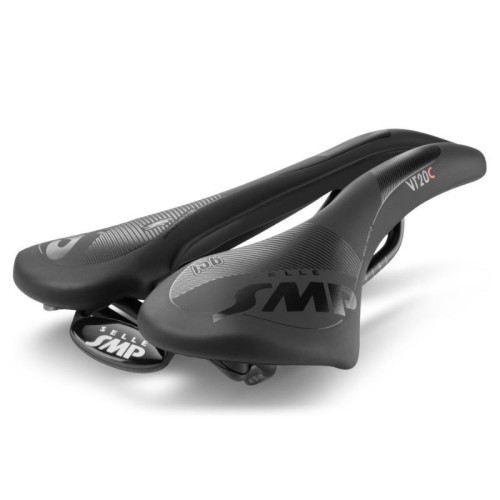
A saddle MTB An unsuitable outing can quickly turn a pleasant experience into an unpleasant one. Perineal pain, irritation, or excessive pressure points are often related to poor choice rather than a lack of experience.
Comfort depends on a subtle balance between width, shape, flexibility, and position on the bike. saddle A garment that is too tight can create significant pressure points. saddle Being too wide can cause chafing on the thighs.
Understanding anatomy and support points
The cyclist's weight rests primarily on the pelvic bones called the ischial tuberosities. These bony areas must be properly supported to prevent excessive pressure on the soft tissues.
Each person has a different body shape. The distance between the ischial tuberosities varies from person to person, which explains why a saddle Very comfortable for one cyclist, but uncomfortable for another.
The width of the pelvis therefore directly influences the choice of seat. The more correctly the points of support are distributed, the more pleasant long rides become.
A saddle MTB comfortable must allow for effective support of the pelvis while allowing sufficient freedom of movement for frequent position changes in off-road conditions.
Choose the right width
Width is often the most crucial factor. It must correspond to the distance between the ischial tuberosities so that the body's weight rests on the bony structures rather than on sensitive tissues.
A saddle Too narrow concentrates pressure on a small area. This can lead to pain and numbness. Conversely, a saddle Being too wide risks hindering the natural movement of the legs.
To determine the appropriate width, it is helpful to know the distance between your sit bones. This measurement serves as a basis for selecting a model that is consistent with your body shape.
| Width of the ischium | Width of saddle generally suitable |
|---|---|
| Narrow basin | Saddle narrow |
| Intermediate basin | Saddle medium width |
| Wide basin | Saddle wide |
This table provides a general indication. Personal experience always remains a determining factor.
What form of saddle MTB prioritize
The shape directly influences the behavior of the saddle on the ground. Some models have a flat profile while others are more recessed.
A flat shape allows for greater pelvic movement and is often suitable for riders who frequently change position. Saddles with a deeper cut generally offer more support.
A saddle MTB Cross-country models often prioritize performance and freedom of movement. Trail or enduro models tend to focus more on a balance between support and comfort.
The beak of saddle The size of the mouthpiece also plays an important role. A mouthpiece that is too wide can create friction. A thinner mouthpiece facilitates technical movements and challenging passages.
The role of padding
Contrary to popular belief, a saddle Heavily padded isn't necessarily the most comfortable. Excessive foam can increase compression on soft tissues and cause more discomfort over long distances.
Moderate padding often provides better support. The pelvis remains stable and pedaling efficiency is preserved.
Regular users generally prefer foams of medium or high density. These retain their qualities over time and prevent excessive sinking.
A saddle MTB A well-designed foam distributes pressure through its overall shape rather than relying solely on the thickness of the foam.
Stools with a central canal or hollow
Many models incorporate a discharge channel or a central opening. This design aims to reduce pressure on sensitive areas.
This technology can significantly improve the comfort of some cyclists, especially during long rides or when the position is relatively inclined forward.
The benefit, however, depends on each individual's body type. Some pilots greatly appreciate this design, while others prefer a solid surface.
The most important thing remains the consistency between the general form of the saddle, the position on the bike and the rider's morphology.
How to choose a saddle MTB according to his practice
The type of riding heavily influences the choice of model. The needs of a cross-country competitor are different from those of an enduro or trail rider.
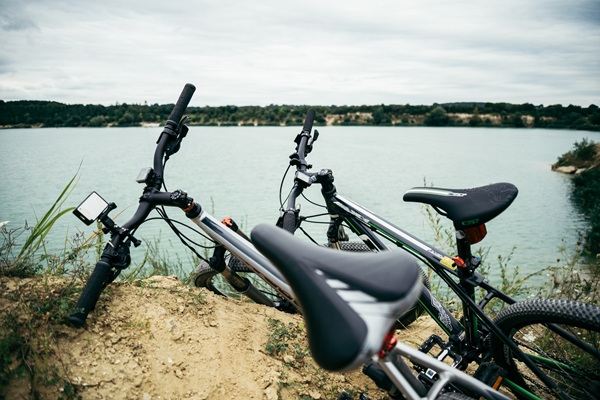
In cross-country riding, the search for performance often leads to lightweight saddles that are relatively firm and offer great freedom of movement.
For trail and all-mountain riding, the goal is to find a good compromise between comfort, bike control, and mobility.
A saddle MTB designed for enduro or downhill riding, it must allow for rapid body movements while remaining discreet when the stem of saddle telescopic is lowered.
| Practical | Desired characteristics |
|---|---|
| Cross-country | Lightweight, efficient, compact profile |
| Trail | Versatility, comfort, mobility |
| All-mountain | Maintenance and freedom of movement |
| Enduro | Robustness and control |
| Descent | Compact and discreet size |
The materials used
The hull forms the main structure of the saddle. It can be made from different materials offering varying levels of rigidity.
The rails also contribute to the overall behavior. Steel, manganese, titanium, and carbon are commonly used materials.
Steel rails prioritize robustness. Titanium offers an excellent compromise between weight, comfort, and strength. Carbon fiber prioritizes lightness and performance.
A saddle MTB Quality typically combines a balanced hull, reliable rails, and a coating resistant to splashes, mud, and repeated friction.
The weight of the saddle Is it important ?
Weight may be a relevant criterion for some practitioners, but it should never take precedence over comfort.
Gaining a few grams will be pointless if the saddle It causes pain after a few kilometers. Comfort remains the primary selection criterion.
Competitive cyclists often place more importance on the overall weight of the bike. Touring cyclists generally prioritize durability and comfort over several hours of riding.
A slightly heavier but perfectly fitting model will almost always be preferable to an uncomfortable ultralight version.
Properly adjust your saddle MTB
Even the best saddle the market can become uncomfortable if its adjustment is incorrect. Height, recoil, and tilt directly influence the sensations.
A saddle Positioned too high, it generates muscle tension and pelvic instability. Too low, it reduces pedaling efficiency.
The angle should generally remain close to horizontal. Excessive forward or backward tilting can create unwanted pressure points.
A saddle MTB When properly adjusted, it promotes a natural posture and limits pain during prolonged outings.
Signs that it's time to change saddle
Certain persistent pains should raise concern. Regular numbness, repeated friction, or localized pain often indicate an adaptation problem.
Significant wear and tear on the surface can also alter the feel. The foam sometimes loses its properties after several years of intensive use.
It is also possible that changes in riding style or position on the bike may require a different model.
Taking the time to reassess one's needs often allows for a significant improvement in overall comfort.
Common mistakes when choosing a saddle MTB
The first mistake is choosing solely based on appearance or weight. A saddle What performs well on paper is not necessarily suited to your body type.
Another common mistake is to opt for very thick padding in the hope of achieving greater comfort. In many cases, the result is the opposite.
Many cyclists also neglect the adjustment The position. An excellent one. saddle An incorrectly installed one can cause the same problems as a faulty model.
Finally, it's important to allow a reasonable amount of time for adaptation. Sensations sometimes change after several outings.
THE bib short and seating comfort
There saddle should never be considered in isolation. The bib short plays a vital role in overall comfort.
A quality chamois leather improves pressure distribution and reduces friction. The combination of the bib short and the saddle must be consistent.
An excellent bib short will not compensate for a bad saddle. On the other hand, it allows you to fully exploit the qualities of a well-chosen seat.
A saddle MTB A suitable bike combined with quality equipment often transforms the long-distance riding experience.
Specificities according to morphology
Every cyclist has a unique anatomy. The flexibility of the pelvis, natural posture, and width of the foot placement strongly influence the ideal choice.
Some people prefer strong support while others seek more freedom of movement.
Leg length, hip mobility, and overall position on the bike can also alter the sensations felt on the same ride. saddle.
The goal is always to find the balance between support, comfort and pedaling efficiency.
FAQ
How to know if a saddle is it too narrow ?
A saddle Too narrow often causes marked pressure points, pelvic pain and sometimes numbness during prolonged outings.
A saddle Is more padding necessarily more comfortable ?
No. Excessive padding can increase compression and friction. Comfort depends primarily on the suitability of the shape of the saddle and the cyclist's physique.
Which is the best saddle for long outings MTB ? ?
The best saddle The correct size is one that corresponds to the width of the pelvis, the pedaling position, and the type of riding. There is no universal model.
Should we choose a saddle with a central opening ?
The central opening can reduce pressure on certain sensitive areas. However, its effectiveness depends on the cyclist's body shape and preferences.
How often should you replace your saddle ? ?
There is no fixed lifespan. Replacement may be necessary in case of significant wear, deformation, or persistent discomfort.
THE adjustment of the saddle Is it as important as his choice ?
Yes. One. saddle A perfectly fitted seat can become uncomfortable if the height, reach, or tilt is incorrectly adjusted.

Related Posts
The pannier has become an essential piece of equipment for many cyclists. Whether for daily commutes, bike riding, long rides, cycle touring, bikepacking, or simply leisurely outings, it allows you to carry your belongings comfortably without carrying a load on your back. A well-chosen pannier improves comfort, maintains the bike's balance, and makes organizing your gear easier.
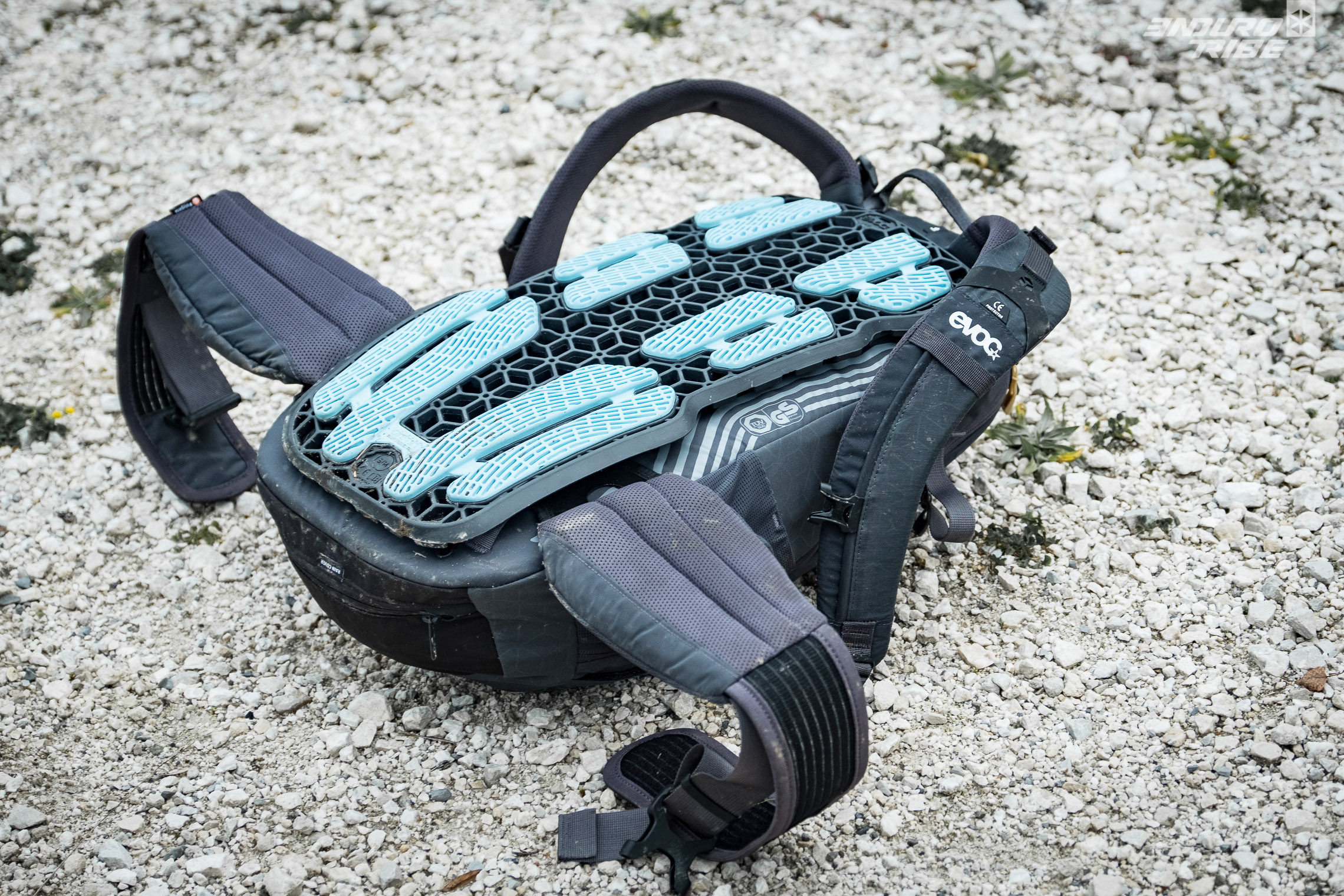
Choosing a cycling backpack requires finding the right balance between comfort, capacity, stability, rain protection, and easy access to your gear. A good bag shouldn't just carry things. It should stay securely in place, not interfere with pedaling, minimize back perspiration, and effectively protect essential items. Whether you're commuting to work, going for a sporting activity, cycling around town, touring by bike, or hiking, your needs will differ.
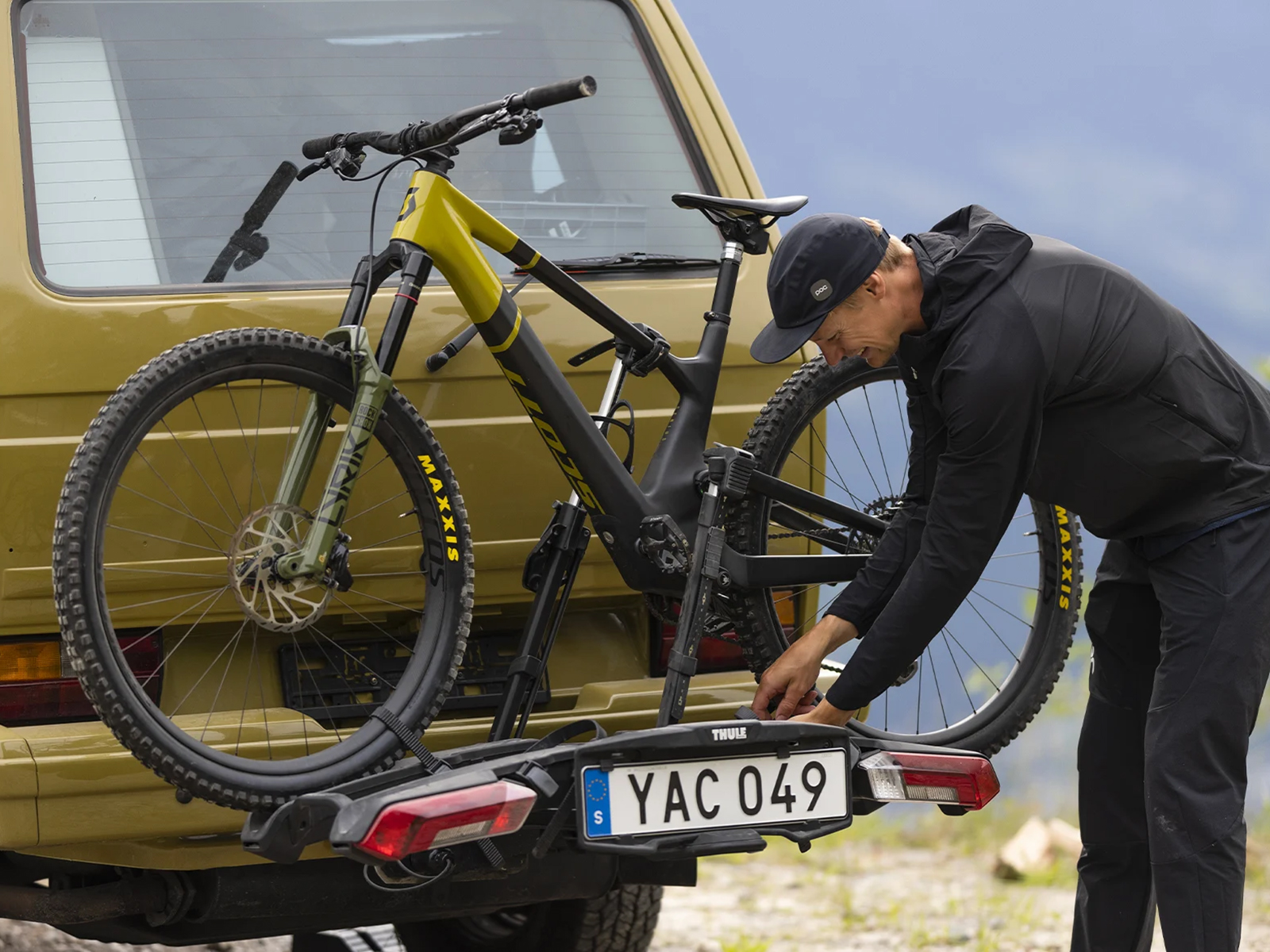
Choosing the right bike rack is essential for transporting your bikes safely, protecting your equipment, and enjoying a worry-free journey. Given the wide variety of systems available, identifying the best solution for your vehicle, the number of bikes you're carrying, or your intended use isn't always easy. Between hitch-mounted, tailgate-mounted, and roof-mounted models, there are many differences in terms of load capacity, ease of installation, compatibility, and user-friendliness.
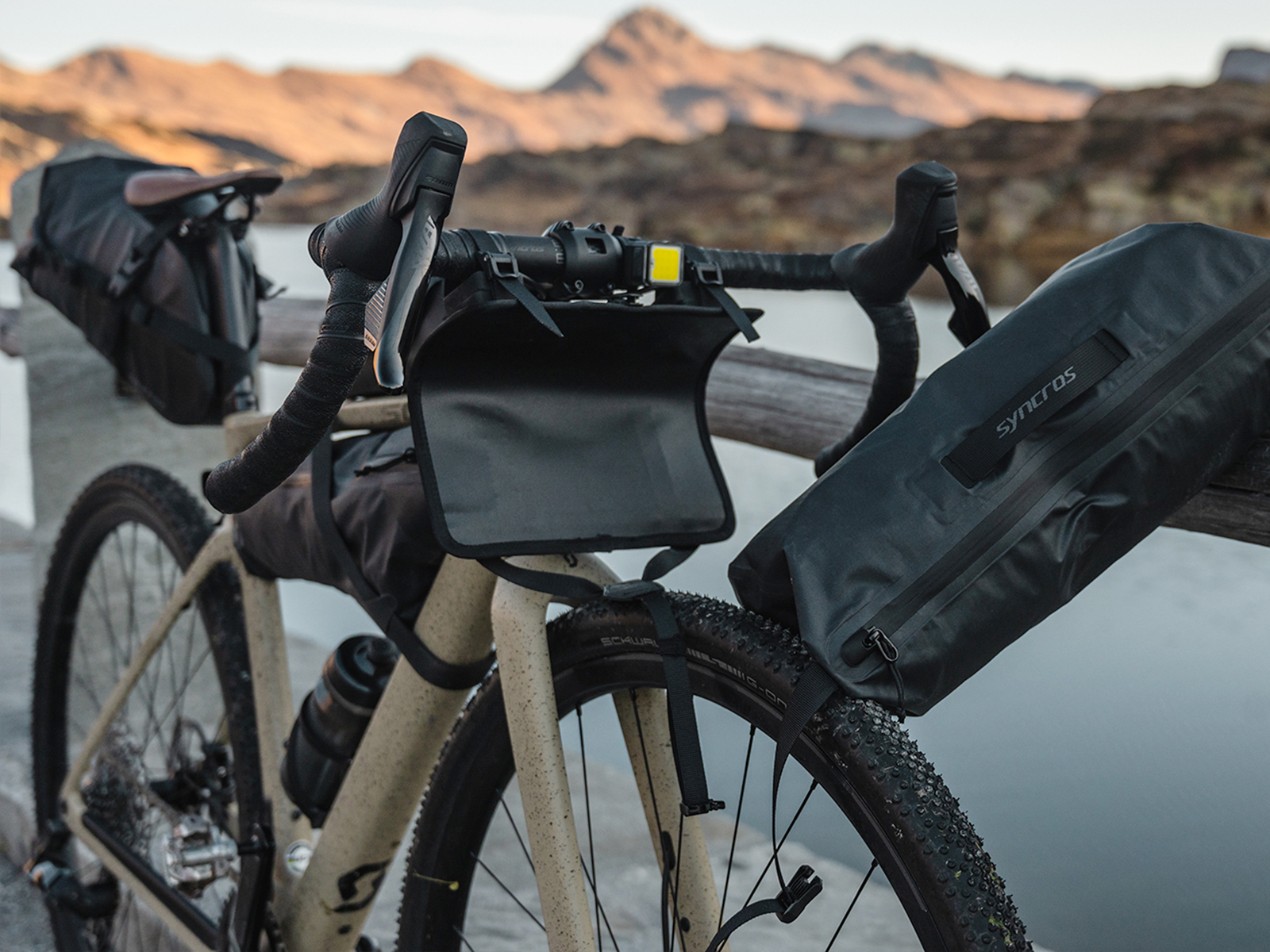
Bikepacking is an adventure cycling practice that involves traveling independently with a lightweight load attached directly to the bicycle. Unlike traditional cycle touring, which uses racks and large panniers, bikepacking favors compact bags distributed across the frame , handlebar , and tige de saddle . This approach allows for a bike that remains agile, efficient, and suitable for varied terrain, whether roads, tracks, forest paths, or trails.
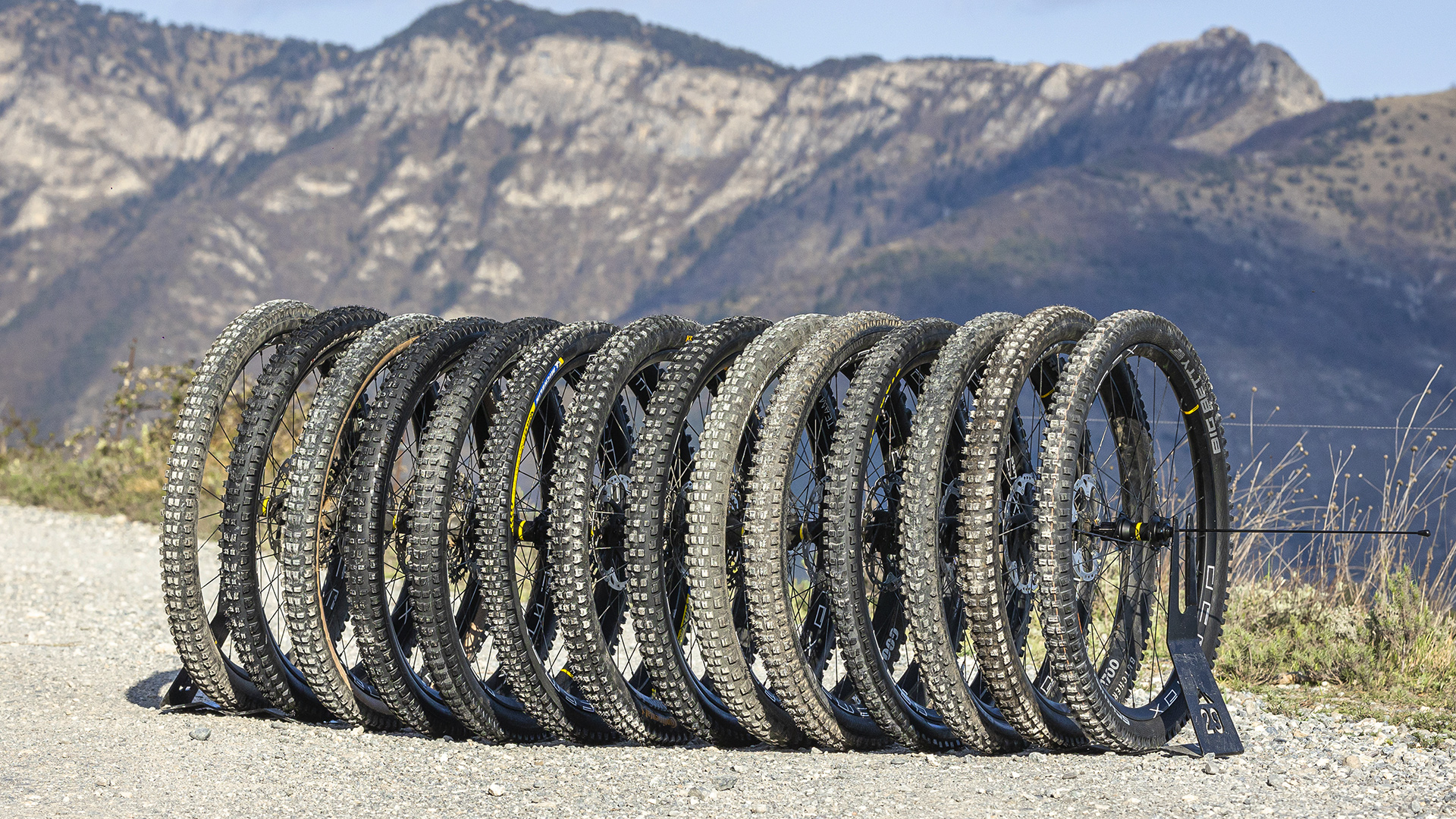
Choosing the right MTB tires immediately changes how your bike handles. On the trails, tyre influence grip, braking, traction, comfort, and puncture resistance. A suitable model allows for better control in corners, easier obstacle clearance, and more confident riding, whether on dry, muddy, rocky, or smooth terrain.
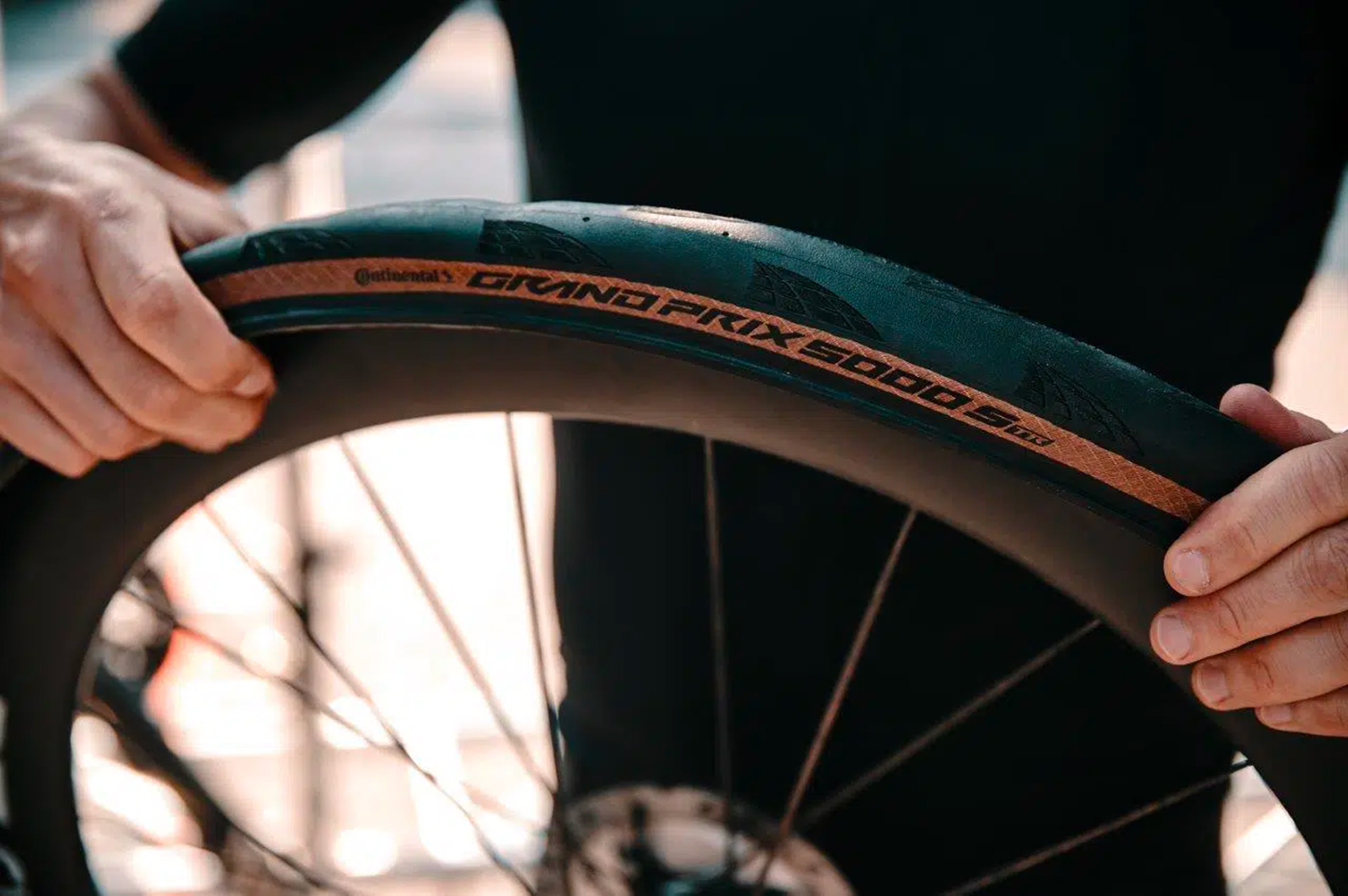
Choosing the right road Bike tires is one of the most important decisions for improving performance and comfort. tyre directly influence speed, grip, safety, and overall feel on the bike. A well-suited model allows you to ride more efficiently, with less effort and more confidence, whether on long straightaways or technical descents.