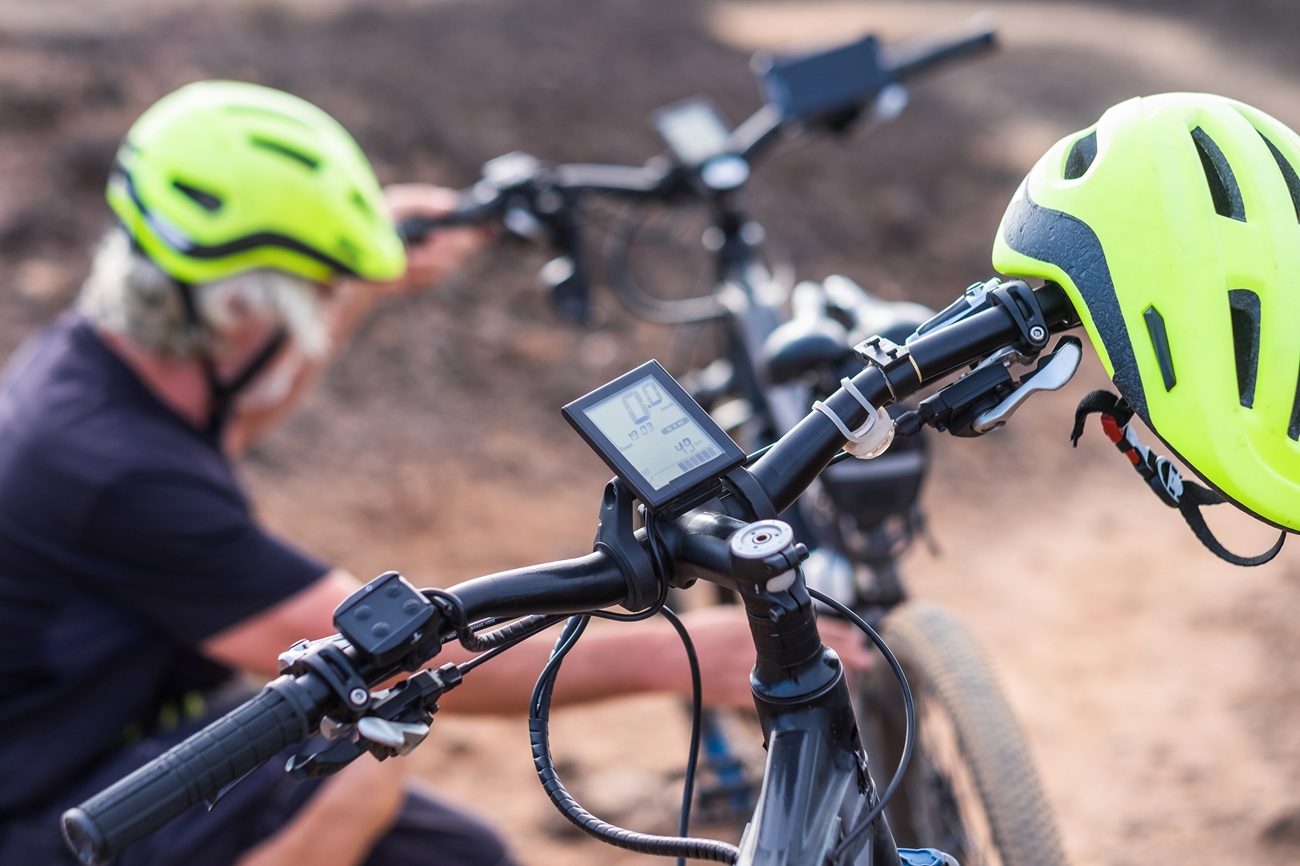
A bike bike computer is an essential accessory for cyclists who want to track their performance, plan their routes, or simply record their rides. Given the multitude of models available, it's crucial to understand the features offered in order to select the one that best suits your needs.
The different types of bicycle computers
Wired counters
Wired meters are connected by a cable between the sensor and the display unit. They are generally more affordable and offer reliable data drivetrain .
- Advantages: Attractive price, reliable drivetrain .
- Disadvantages: More complex installation due to wiring, less aesthetically pleasing.
Wireless Meters
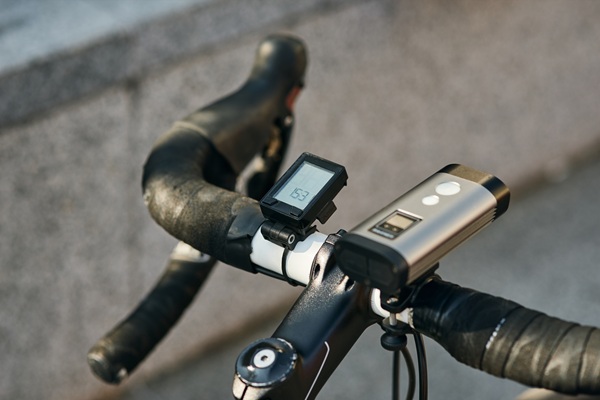
These models use wireless signals to transmit data from the sensor to the screen. They are more aesthetically pleasing and easier to install.
- Advantages: Simplified installation, sleek design.
- Disadvantages: Susceptible to interference, battery life dependent on batteries.

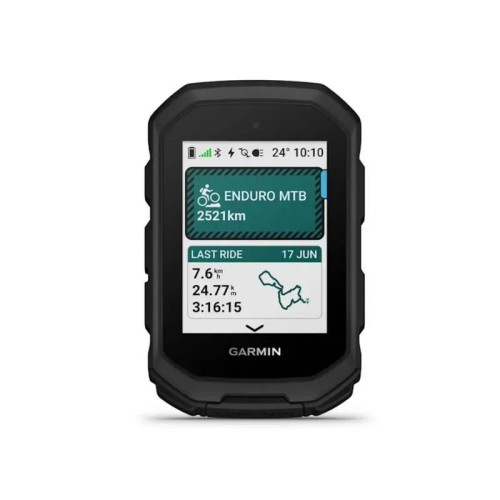

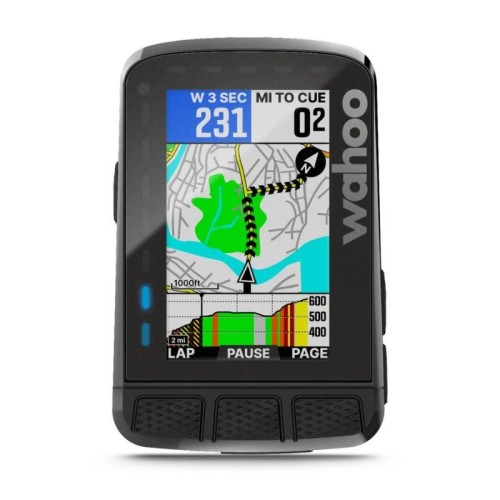
GPS counters
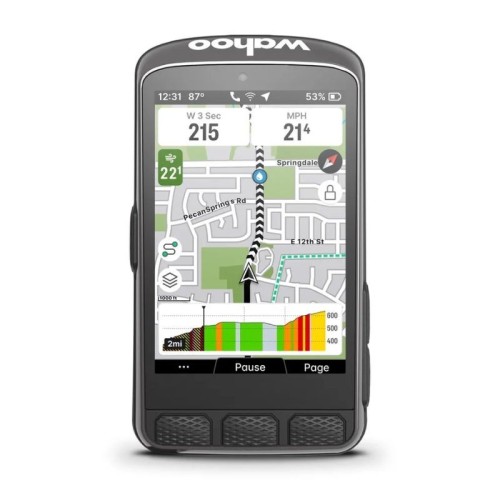
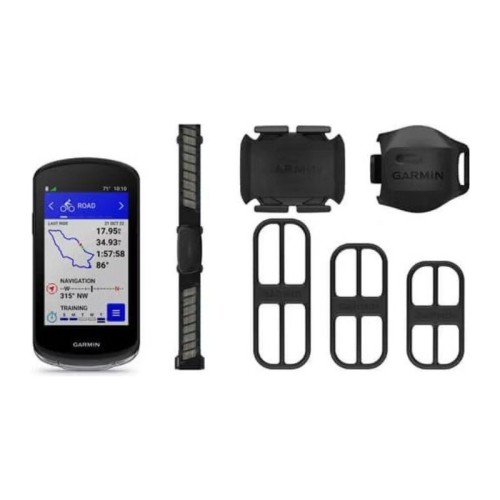
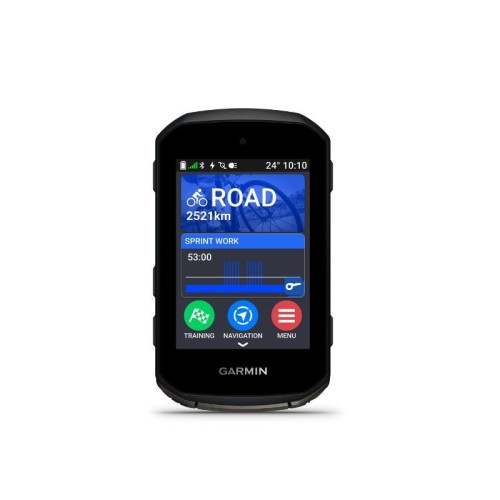
GPS computers incorporate advanced features such as navigation, accurate route recording, and detailed performance analysis.
- Advantages: Extensive functionality, data accuracy, ability to synchronize with applications.
- Disadvantages: Higher cost, limited battery life depending on the model.
Features to consider
Depending on your objectives, some features may be more or less essential:
Measuring speed and distance
A basic function present on all computers, it allows you to know your current, average, maximum speed and the distance traveled.
Pedaling cadence
Indicates the number of pedal revolutions per minute, useful for optimizing your effort and improving your technique.
Heart rate
Some compatible heart rate monitors measure your heart rate, helping to adjust the intensity of your workout.
Altimeter
Measures positive and negative elevation gain, essential for cyclists in the mountains or wishing to analyze their uphill performance.
GPS Navigation
Allows you to follow predefined routes, discover new paths and avoid getting lost during your outings.
Connectivity
The ability to synchronize the bike computer with mobile applications or online platforms makes it easier to track and share your performance.
Selection criteria
Type of practice
Identify your cycling activity: leisure, intensive training, competitions, cycle touring. Your needs will vary depending on this.
Budget
Prices vary considerably. Set a budget based on the features that are essential for you.
Readability and ergonomics
A clear screen, an intuitive interface, and accessible buttons are important for comfortable use.
Autonomy
Make sure that the battery life of the bike computer corresponds to the duration of your usual outings.
Compatibility
Check compatibility with your other equipment, such as cadence sensors, heart rate sensors or mobile applications.
Comparison of meter types
| bike computer type | Benefits | Disadvantages |
|---|---|---|
| Wired Bike computer | Affordable price, reliable drivetrain | More complex installation, visible wiring |
| Wireless Bike computer | Easy installation, sleek design | Potential for interference, battery dependent |
| GPS Bike computer | Advanced features, precision, connectivity | High cost, variable battery life |
Installation and usage tips
Facility
Carefully follow the manufacturer's instructions to correctly install the sensor and display unit. Correct installation ensures data accuracy.
Waterproofing
Make sure your bike computer is water resistant, especially if you drive in all weather conditions.
Update
For GPS computers, regularly check for software updates to benefit from the latest features and fixes.
Choosing a bike bike computer depends on your riding style, your needs in terms of features, and your budget. Take the time to assess your priorities to select the device that will effectively accompany you on your rides.
A GPS bike computer offers advanced features such as navigation, precise route recording, and synchronization with apps. This makes it an ideal choice for demanding cyclists or cycle touring enthusiasts.
What average battery life can be expected from a bicycle bike computer ?
Battery life depends on the model. Simple computers can last several months on batteries, while GPS last between 10 and 20 hours per charge.
Is a bike computer compatible with all bikes?
Yes, most bike computers are universal and can be adapted to all types of bikes, provided the sensor is properly installed.
Is it possible to connect a bike bike computer to a mobile application?
Yes, many cycling computers, especially GPS , are compatible with applications like Strava or Garmin Connect to analyze and share your data.
How do I maintain my bicycle bike computer ?
Clean the screen and sensors regularly, avoid shocks, and replace or recharge batteries as needed to ensure a long lifespan.

Related Posts
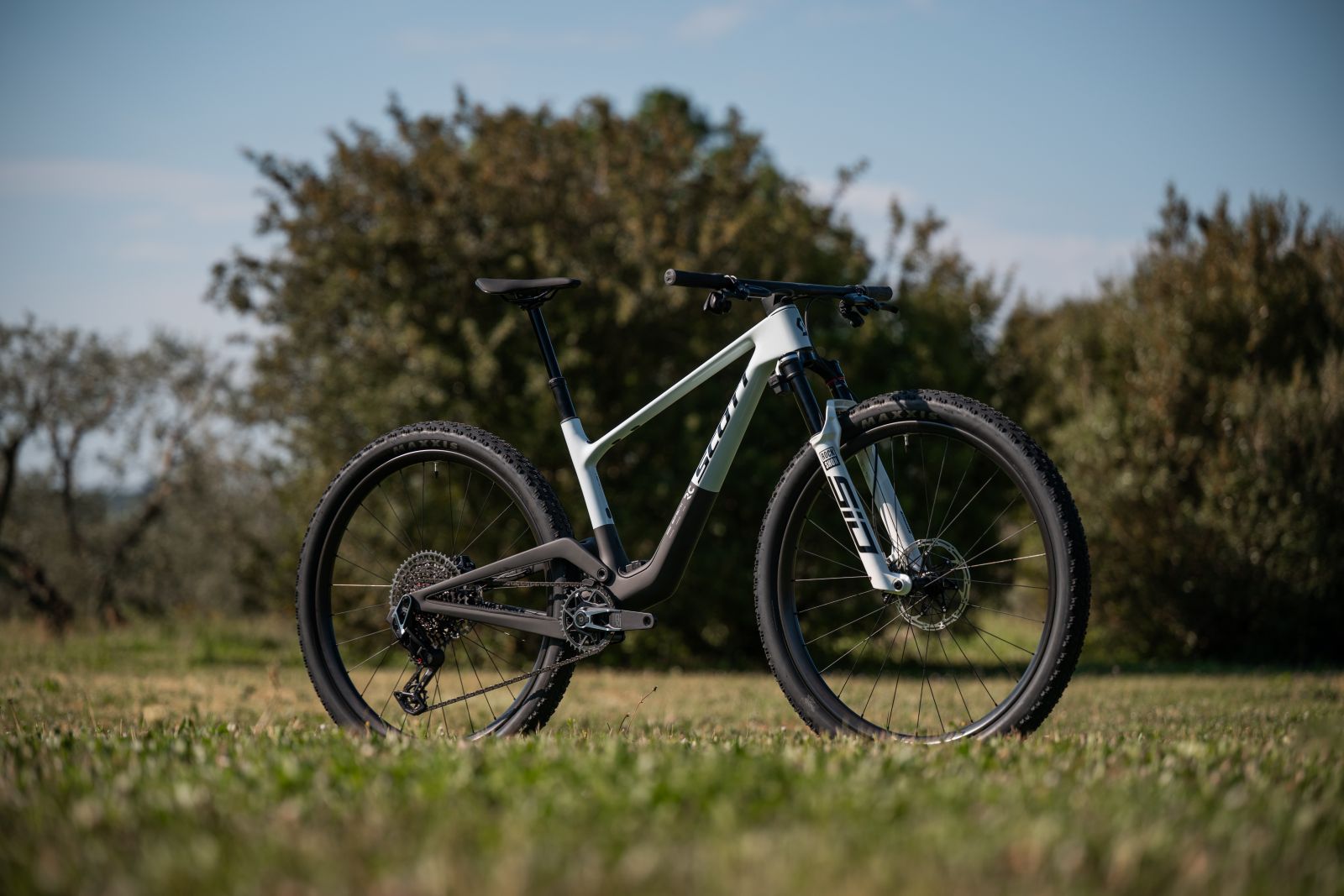
The Scott Spark RC World Cup and Expert 2027 push the boundaries of XC even further. Flight Attendant suspension, Syncros carbon wheels and top-level performance: discover our full review.
The pannier has become an essential piece of equipment for many cyclists. Whether for daily commutes, bike riding, long rides, cycle touring, bikepacking, or simply leisurely outings, it allows you to carry your belongings comfortably without carrying a load on your back. A well-chosen pannier improves comfort, maintains the bike's balance, and makes organizing your gear easier.
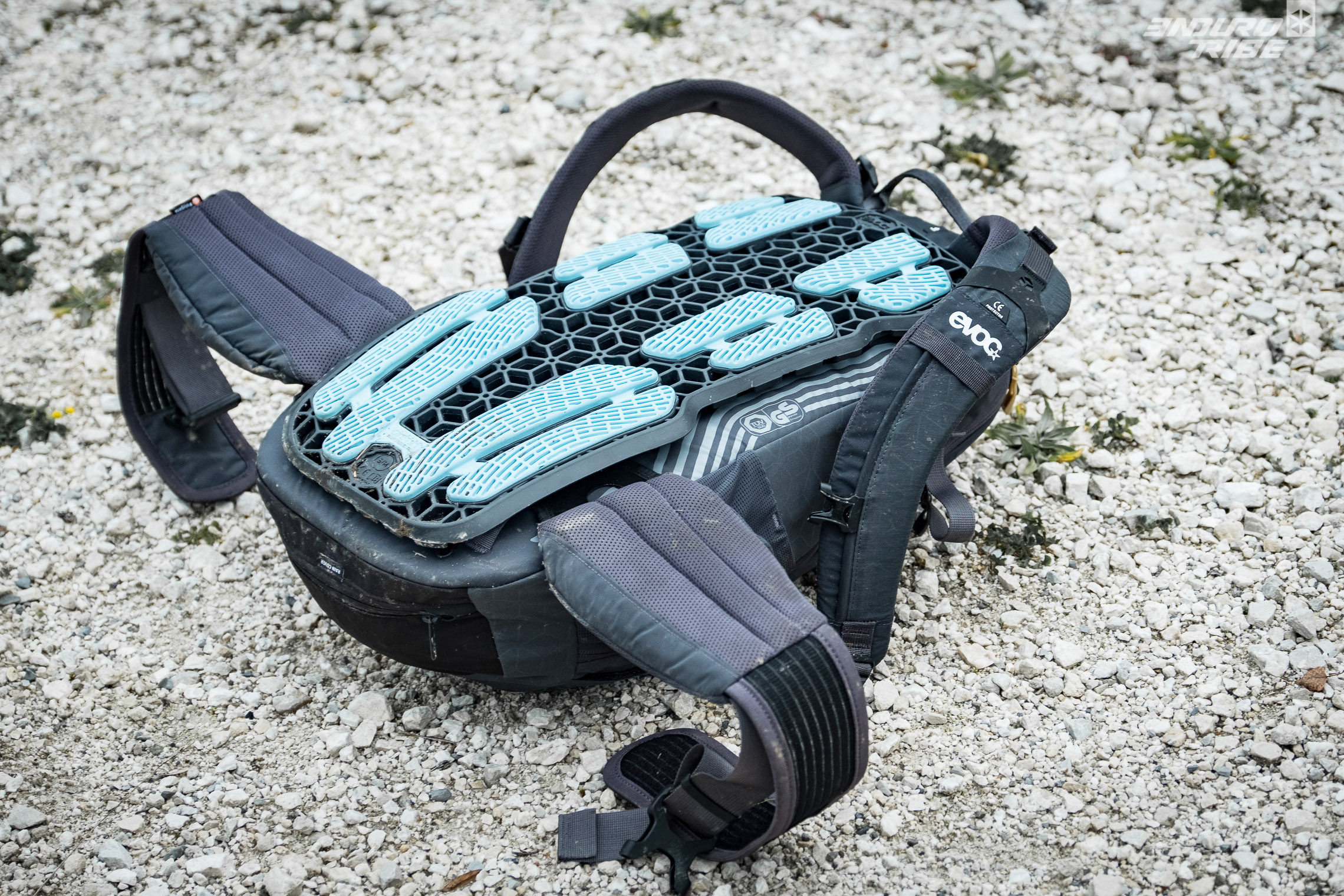
Choosing a cycling backpack requires finding the right balance between comfort, capacity, stability, rain protection, and easy access to your gear. A good bag shouldn't just carry things. It should stay securely in place, not interfere with pedaling, minimize back perspiration, and effectively protect essential items. Whether you're commuting to work, going for a sporting activity, cycling around town, touring by bike, or hiking, your needs will differ.
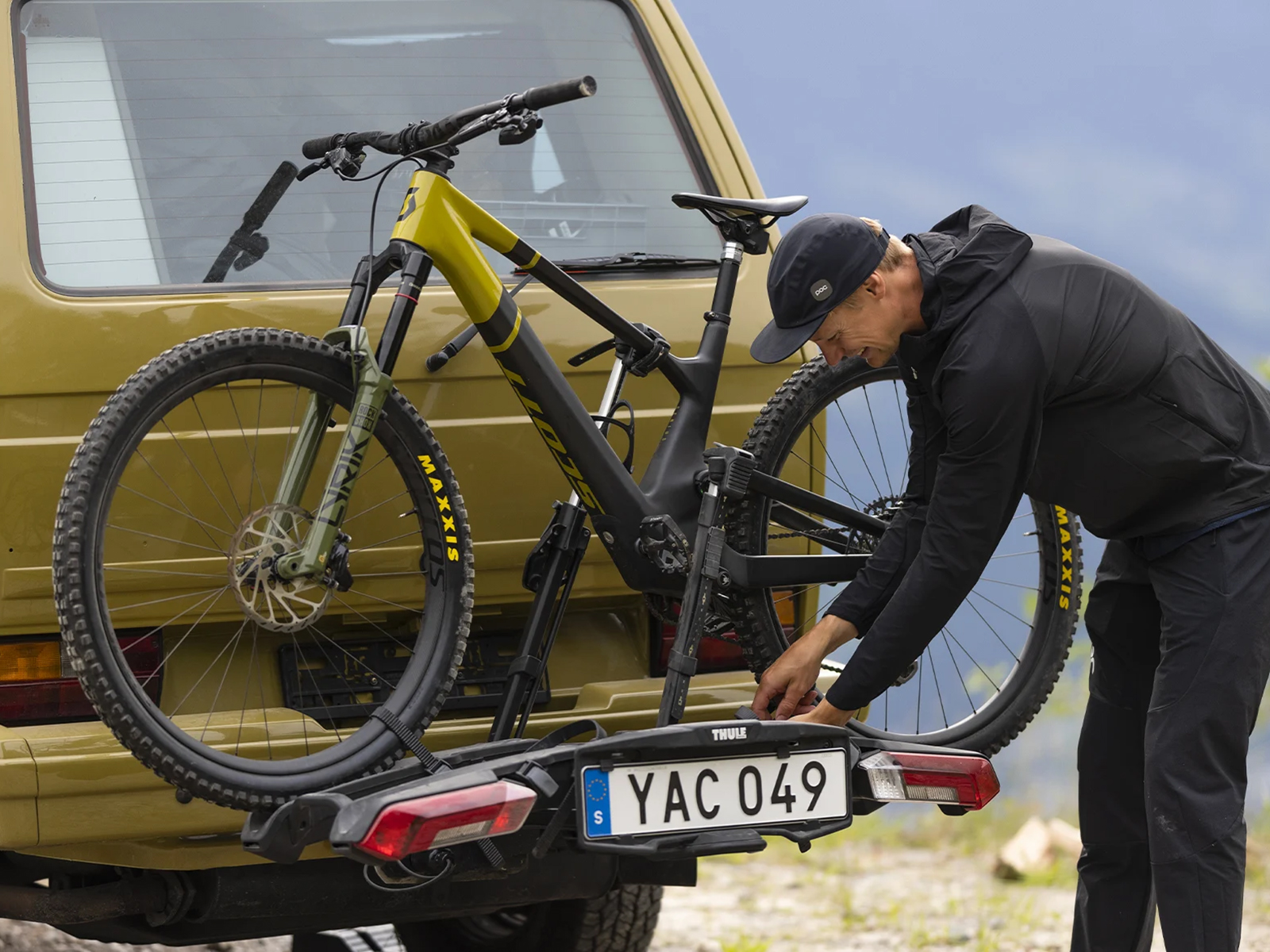
Choosing the right bike rack is essential for transporting your bikes safely, protecting your equipment, and enjoying a worry-free journey. Given the wide variety of systems available, identifying the best solution for your vehicle, the number of bikes you're carrying, or your intended use isn't always easy. Between hitch-mounted, tailgate-mounted, and roof-mounted models, there are many differences in terms of load capacity, ease of installation, compatibility, and user-friendliness.
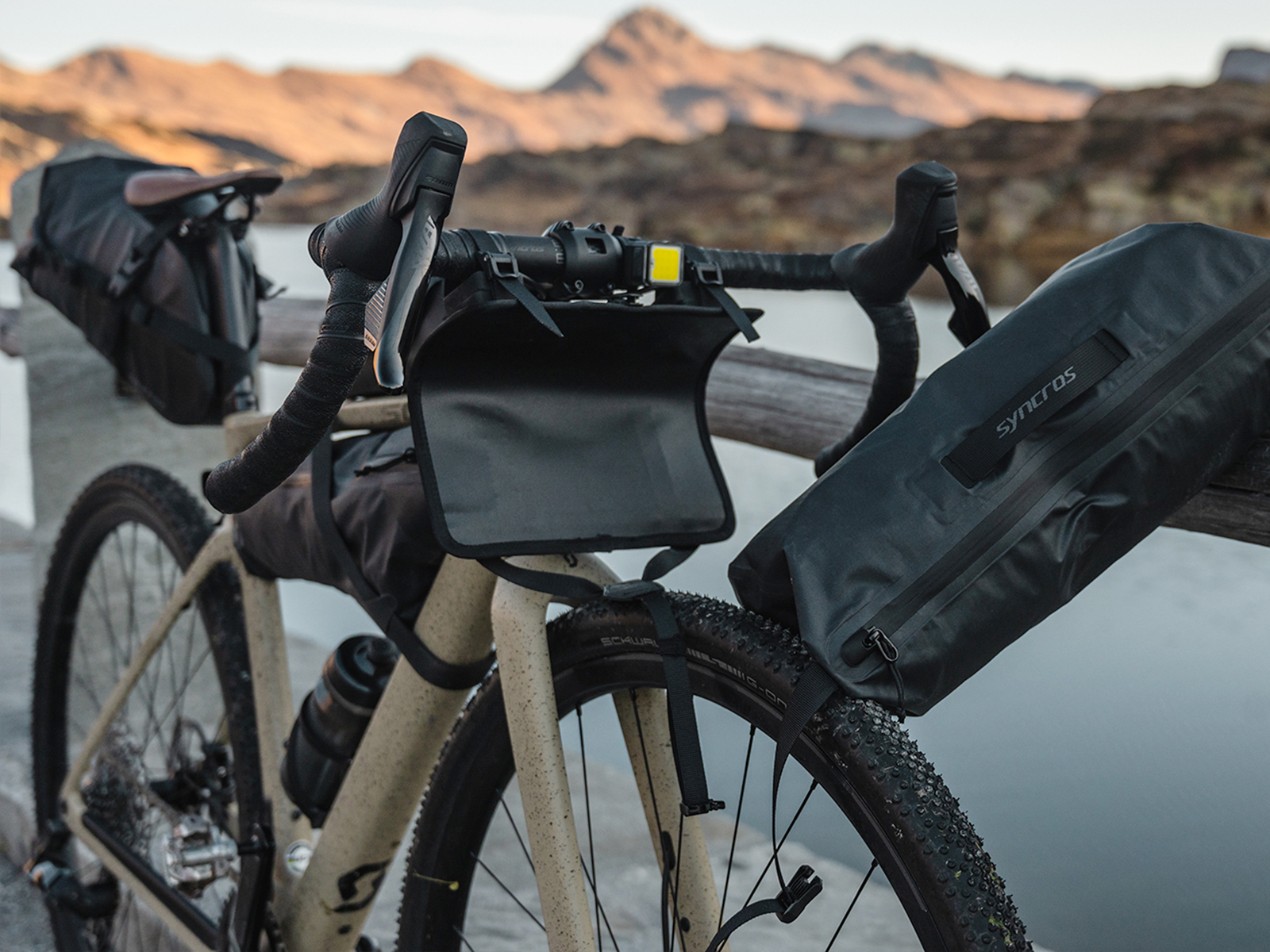
Bikepacking is an adventure cycling practice that involves traveling independently with a lightweight load attached directly to the bicycle. Unlike traditional cycle touring, which uses racks and large panniers, bikepacking favors compact bags distributed across the frame , handlebar , and tige de saddle . This approach allows for a bike that remains agile, efficient, and suitable for varied terrain, whether roads, tracks, forest paths, or trails.
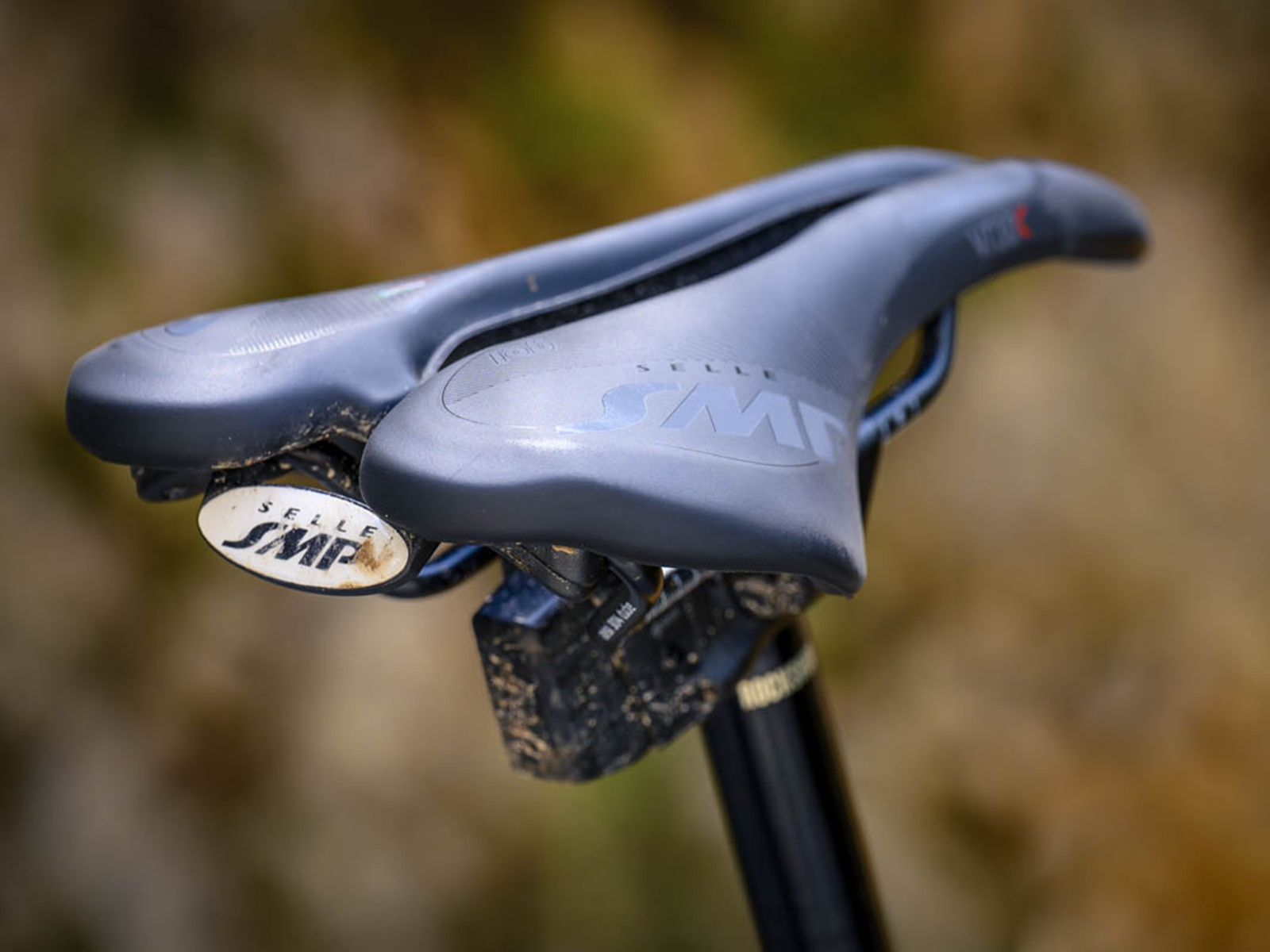
Choosing the right saddle is one of the most important factors in improving comfort, performance, and enjoyment of off-road riding. An unsuitable saddle can cause pelvic pain, chafing, numbness, or reduced pedaling efficiency. Conversely, a well-chosen saddle allows for better power transfer, maintains a stable position on the bike, and lets you fully enjoy your rides, whether it's trail riding, cross-country, enduro, or downhill. The shape, width, padding, materials, and type of riding all directly influence the choice. Therefore, it's essential to consider your body type, riding style, and riding habits before making your selection.