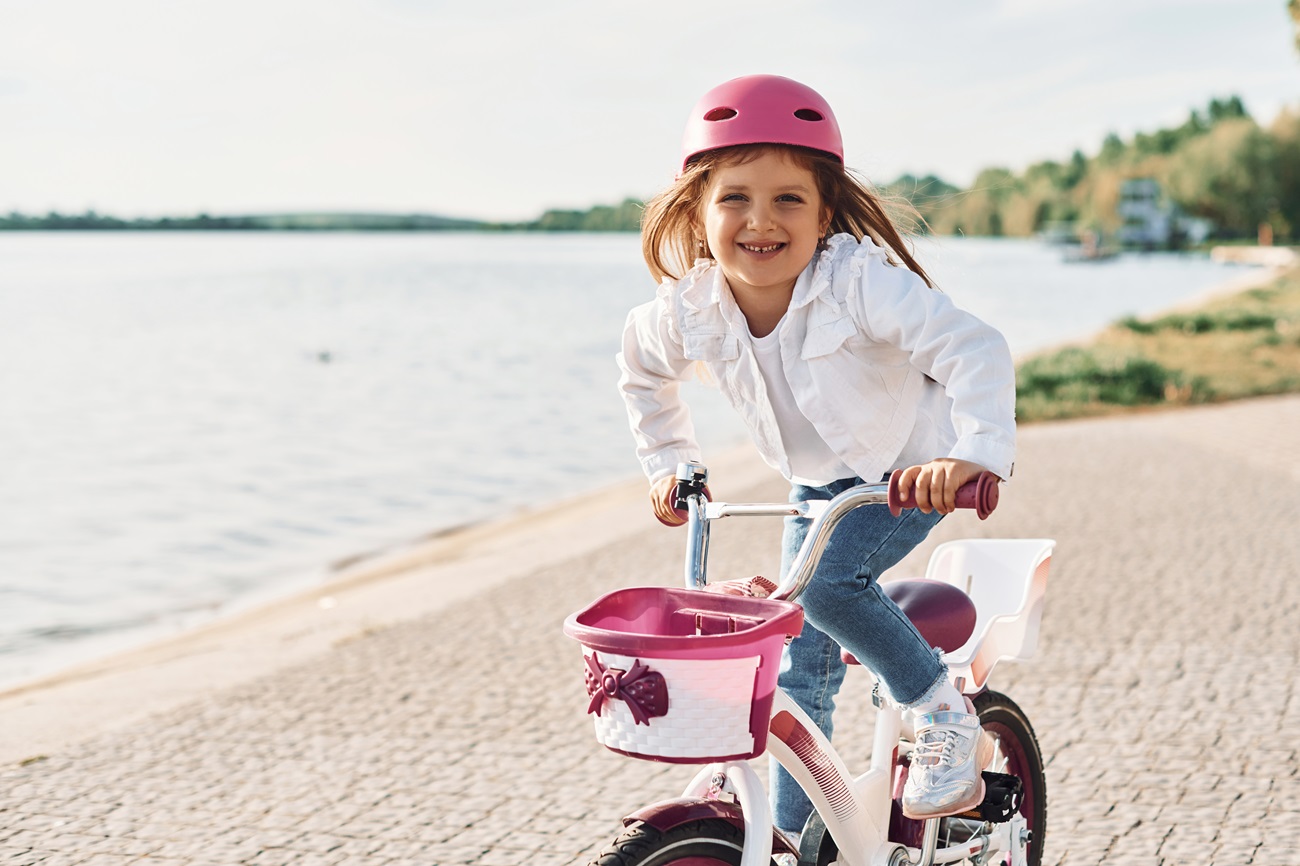
Choosing the perfect bike for your child is a crucial step that influences their learning, safety, and enjoyment of riding. This comprehensive guide will help you navigate the various criteria to consider to make the best choice.
Understanding the importance of bicycle size
Bike size is one of the most important factors in ensuring your child's comfort and safety. An ill-fitting bike can make learning difficult and increase the risk of injury. The correct size will allow your child to master their bike more easily and gain confidence.
How to choose the ideal size?
Children's bike sizes are usually expressed in inches, which corresponds to the wheel diameter. Here are the main factors to consider:
- Child's height: Use a measuring tape to measure their height from head to toe.
- Leg length: Measure the inseam, as this determines the minimum saddle height.
- The child's age: Although indicative, age is often used to select bikes, but it is always best to check the child's morphology.
The following table is a practical guide to matching a child's height and age with the correct size for purchasing kids Bike :
| Child's age | Child's size | Wheel diameter |
|---|---|---|
| 2 to 4 years | 85 to 100 cm | 12 inches |
| 3 to 5 years | 95 to 110 cm | 14 inches |
| 4 to 6 years old | 105 to 120 cm | 16 inches |
| 5 to 7 years old | 110 to 125 cm | 18 inches |
| 6 to 8 years old | 115 to 130 cm | 20 inches |
| 8 to 12 years old | 130 cm and over | 24 inches |
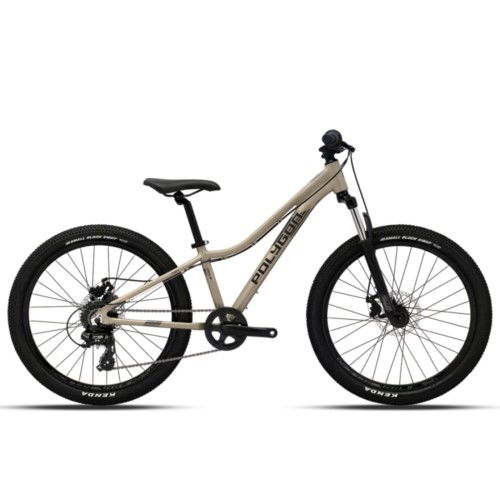
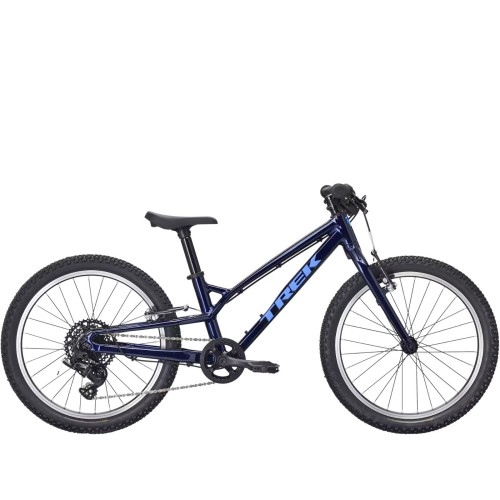
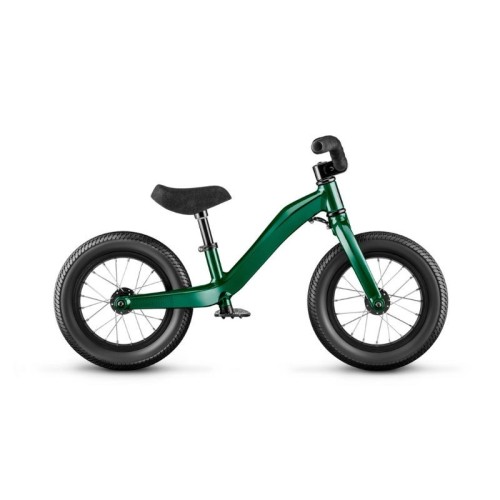
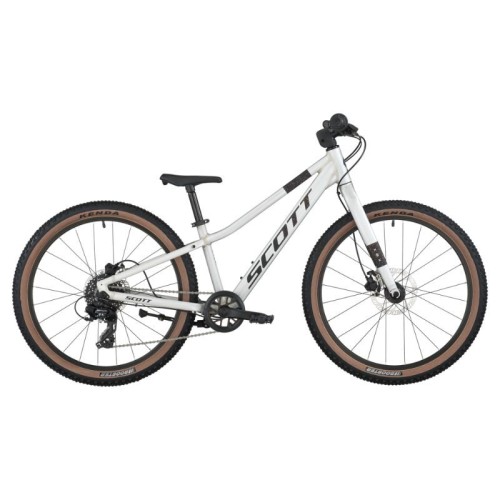
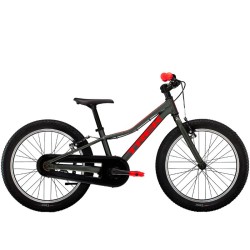
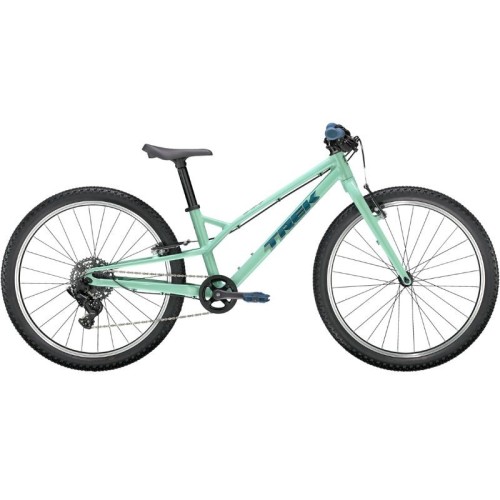
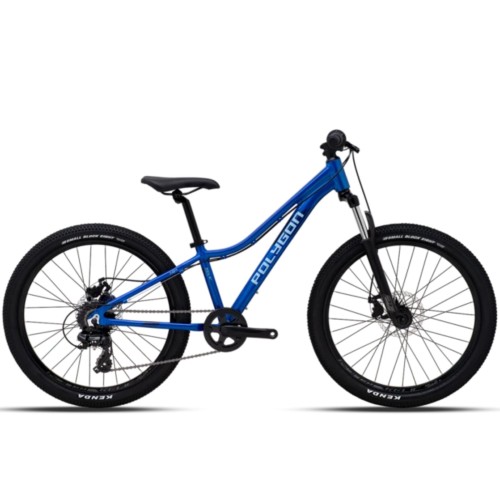
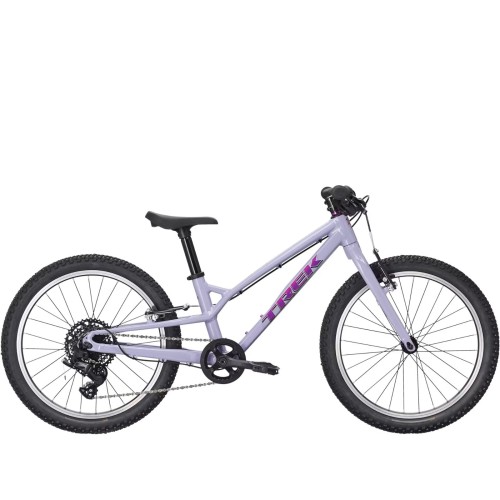
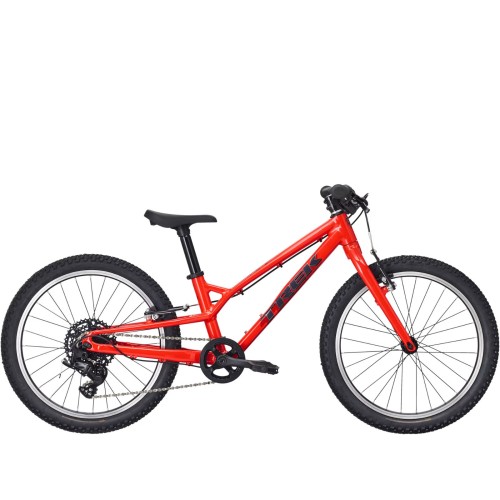

Choose the right type of bike
Your child's needs change with age, skills, and personal preferences. There are different types of children's bikes, each with its own specific advantages.
Balance bike
Designed for children aged 2 to 4, a balance bike is a pedal-less bicycle that helps develop balance and coordination. The absence of pedals allows the child to focus on controlling their balance by pushing with their feet. It's an ideal stepping stone before moving on to a traditional bicycle with pedals.
Bicycle with small training wheels
For children between 3 and 6 years old, training wheels are a practical solution for learning to pedal safely. They allow the child to become familiar with the pedaling motion without worrying about balance. The stabilizers can be removed once the child feels comfortable.
MTB and city Bike
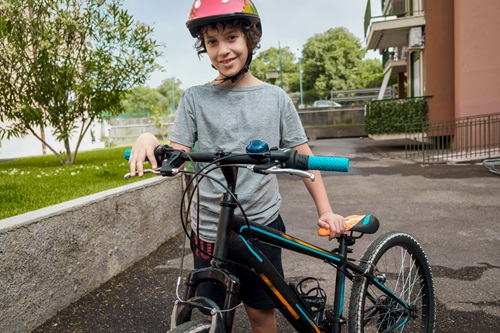
For older children (from age 6), MTB and city bikes are suitable depending on their intended use. MTB are perfect for outdoor adventures or riding on rough terrain, while city Bike are designed for road or urban riding. These bikes often include gears and more sophisticated braking systems.
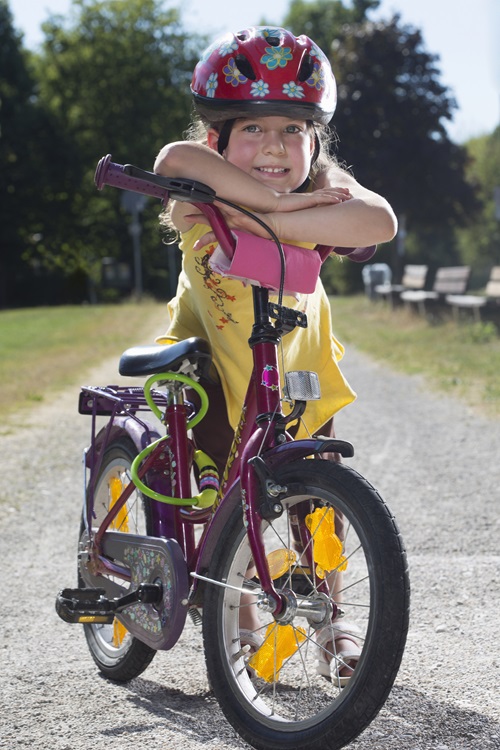
Essential safety features
Safety is a crucial factor when choosing a bicycle for your child. A well-designed and equipped bicycle can significantly reduce the risk of accidents.
Braking system
Brakes should be adapted to the strength and size of your child's hands. Young children often prefer coaster brakes, which are simpler to use. Hand brakes are ideal for older children who have already developed their fine motor skills.
Secured Chain and crankset
A chain guard is essential to protect the child's legs and prevent their clothes from getting caught in the chain . It also ensures easier maintenance and greater durability of the bicycle.
Visibility
Reflectors on the wheels and pedals, as well as front and rear lights, are essential to ensure the child's visibility, especially at the end of the day or in poorly lit areas.
The weight of the bicycle and its impact
A bike that's too heavy can be difficult for a child to maneuver, especially when they're just starting out. Opt for frames made of aluminum or lightweight alloys, which combine strength and lightness. A lightweight bike is not only easier to control, but it's also more enjoyable for your child to ride, allowing them to ride longer without getting tired.
Essential accessories
Accessories can greatly improve your child's experience in terms of comfort and safety:
- Helmet : Mandatory in many countries, it protects the head in case of a fall.
- Gloves: Protect the hands and ensure a better grip on the handlebar .
- Stabilizers: Perfect for children who are starting to learn to pedal.
- Basket: Ideal for carrying toys or light items.
- Bell: Allows you to signal the presence of the child to other users.
Tips for choosing and buying a bicycle
Here are some practical recommendations to help you with your choice:
- Testing the bike: If possible, take your child to try the bike in a store. Check that they are able to get on, off, and pedal comfortably.
- Anticipating growth: A bicycle with an adjustable saddle and handlebar allows you to accompany the child for longer.
- Prioritize quality: Opt for recognized brands that guarantee reliable and safe bikes.
- Check the standards: Make sure the bike complies with the safety standards in force in your country.
How to choose the right size bike for a child?
At what age can a child start using a balance bike?
What are the essential safety measures for a kids Bike ?
How can you tell if the bike is suitable for the child's growth?

Related Posts
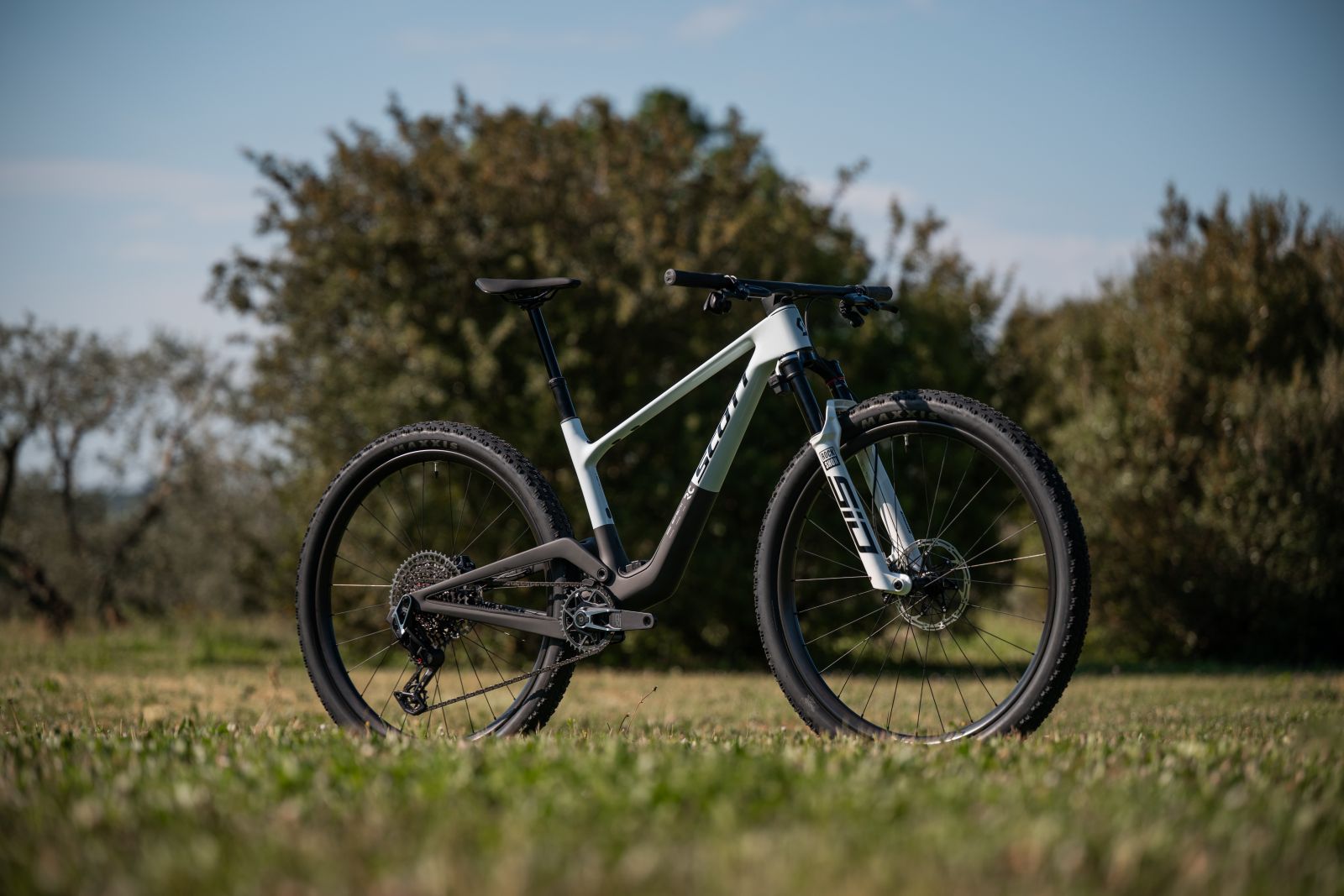
The Scott Spark RC World Cup and Expert 2027 push the boundaries of XC even further. Flight Attendant suspension, Syncros carbon wheels and top-level performance: discover our full review.
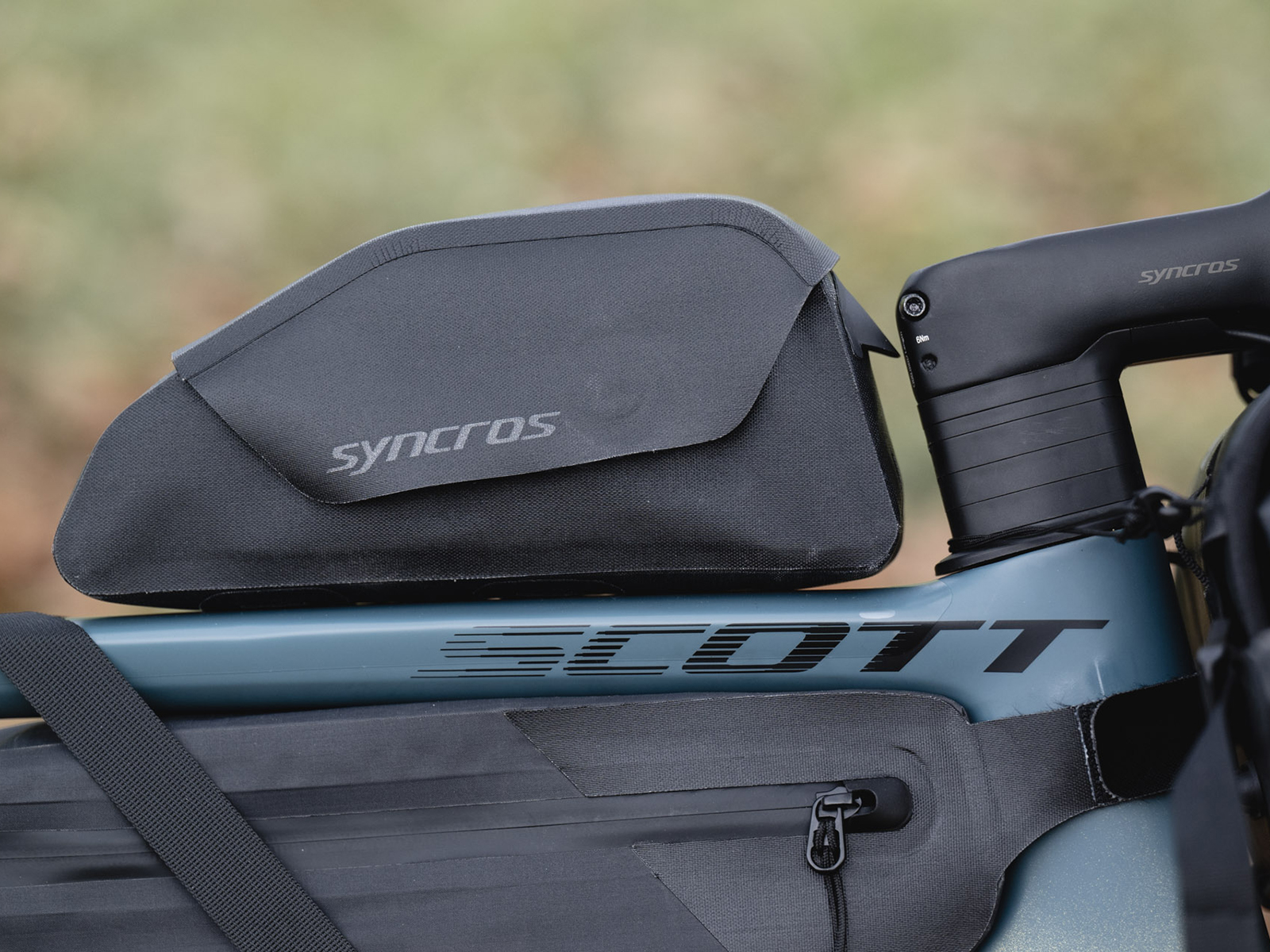
The pannier has become an essential piece of equipment for many cyclists. Whether for daily commutes, bike riding, long rides, cycle touring, bikepacking, or simply leisurely outings, it allows you to carry your belongings comfortably without carrying a load on your back. A well-chosen pannier improves comfort, maintains the bike's balance, and makes organizing your gear easier.
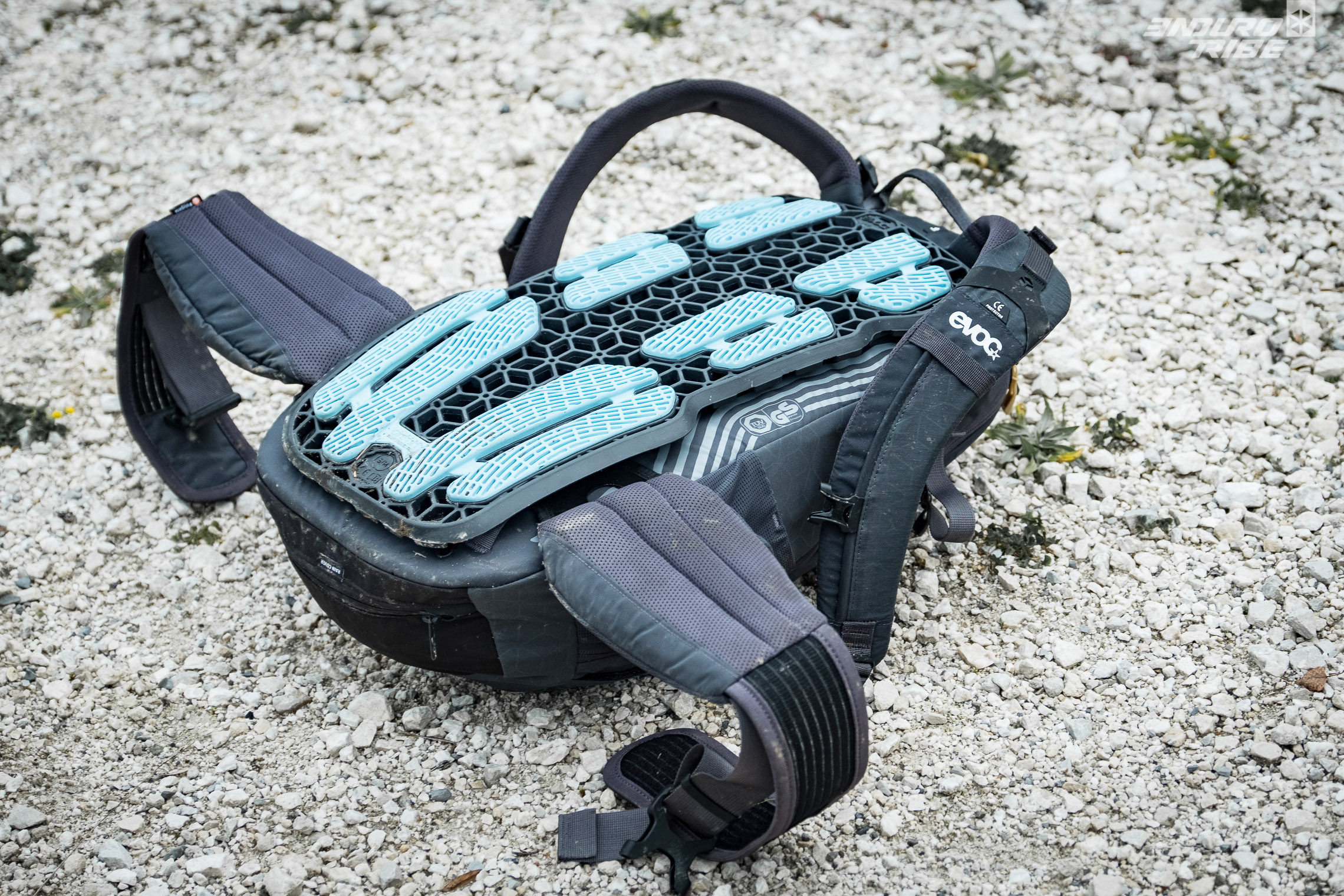
Choosing a cycling backpack requires finding the right balance between comfort, capacity, stability, rain protection, and easy access to your gear. A good bag shouldn't just carry things. It should stay securely in place, not interfere with pedaling, minimize back perspiration, and effectively protect essential items. Whether you're commuting to work, going for a sporting activity, cycling around town, touring by bike, or hiking, your needs will differ.
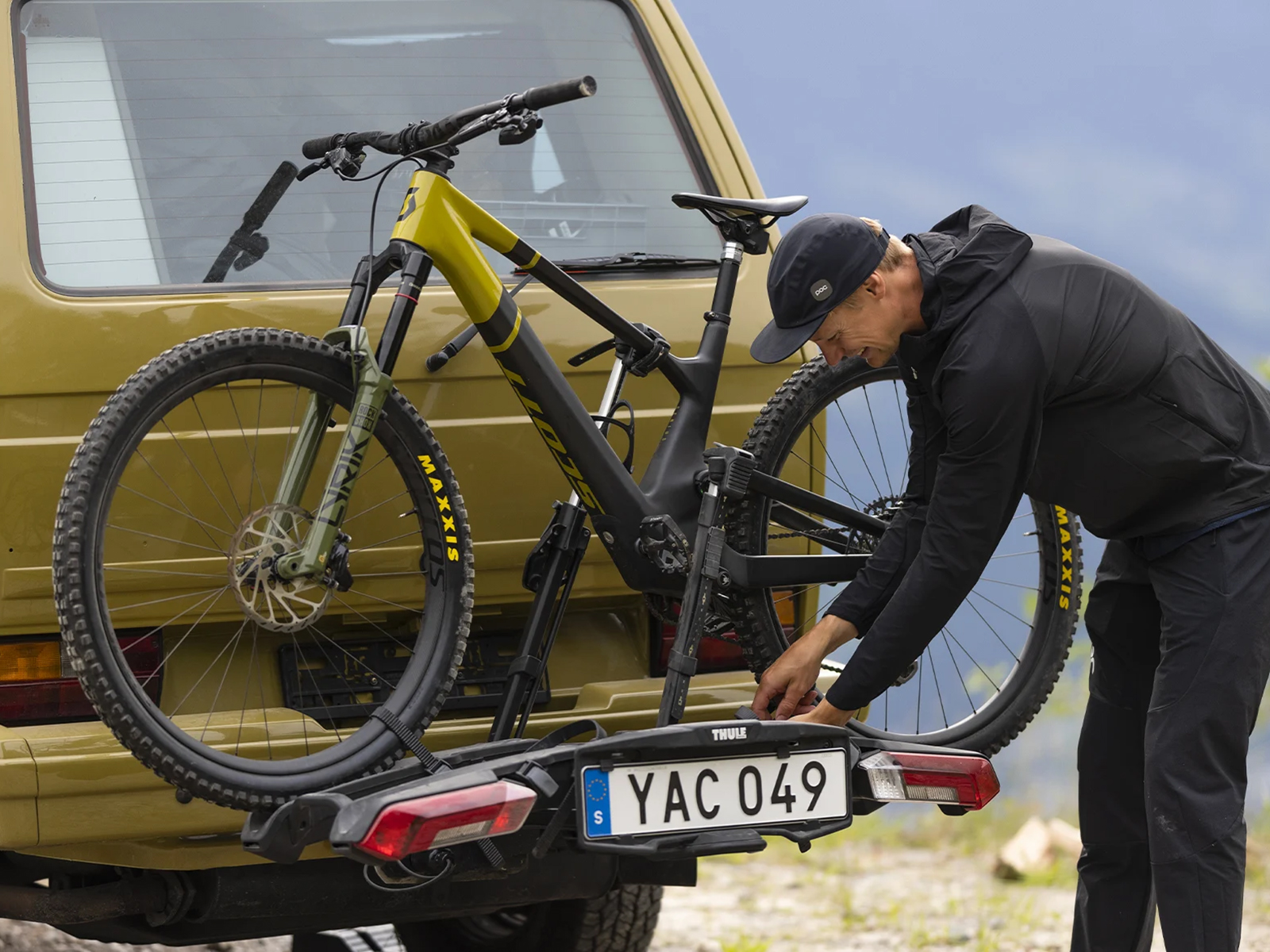
Choosing the right bike rack is essential for transporting your bikes safely, protecting your equipment, and enjoying a worry-free journey. Given the wide variety of systems available, identifying the best solution for your vehicle, the number of bikes you're carrying, or your intended use isn't always easy. Between hitch-mounted, tailgate-mounted, and roof-mounted models, there are many differences in terms of load capacity, ease of installation, compatibility, and user-friendliness.
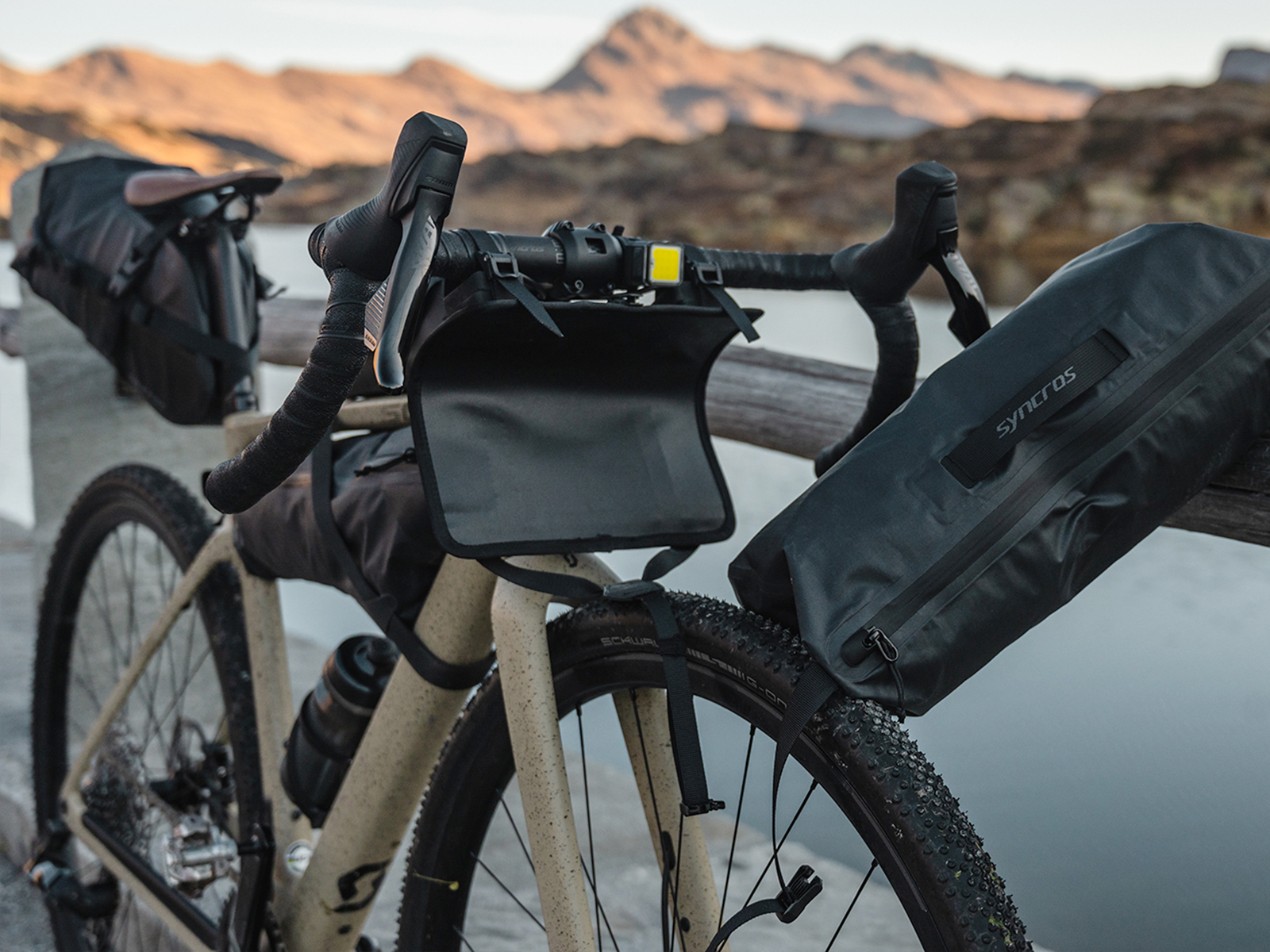
Bikepacking is an adventure cycling practice that involves traveling independently with a lightweight load attached directly to the bicycle. Unlike traditional cycle touring, which uses racks and large panniers, bikepacking favors compact bags distributed across the frame , handlebar , and tige de saddle . This approach allows for a bike that remains agile, efficient, and suitable for varied terrain, whether roads, tracks, forest paths, or trails.
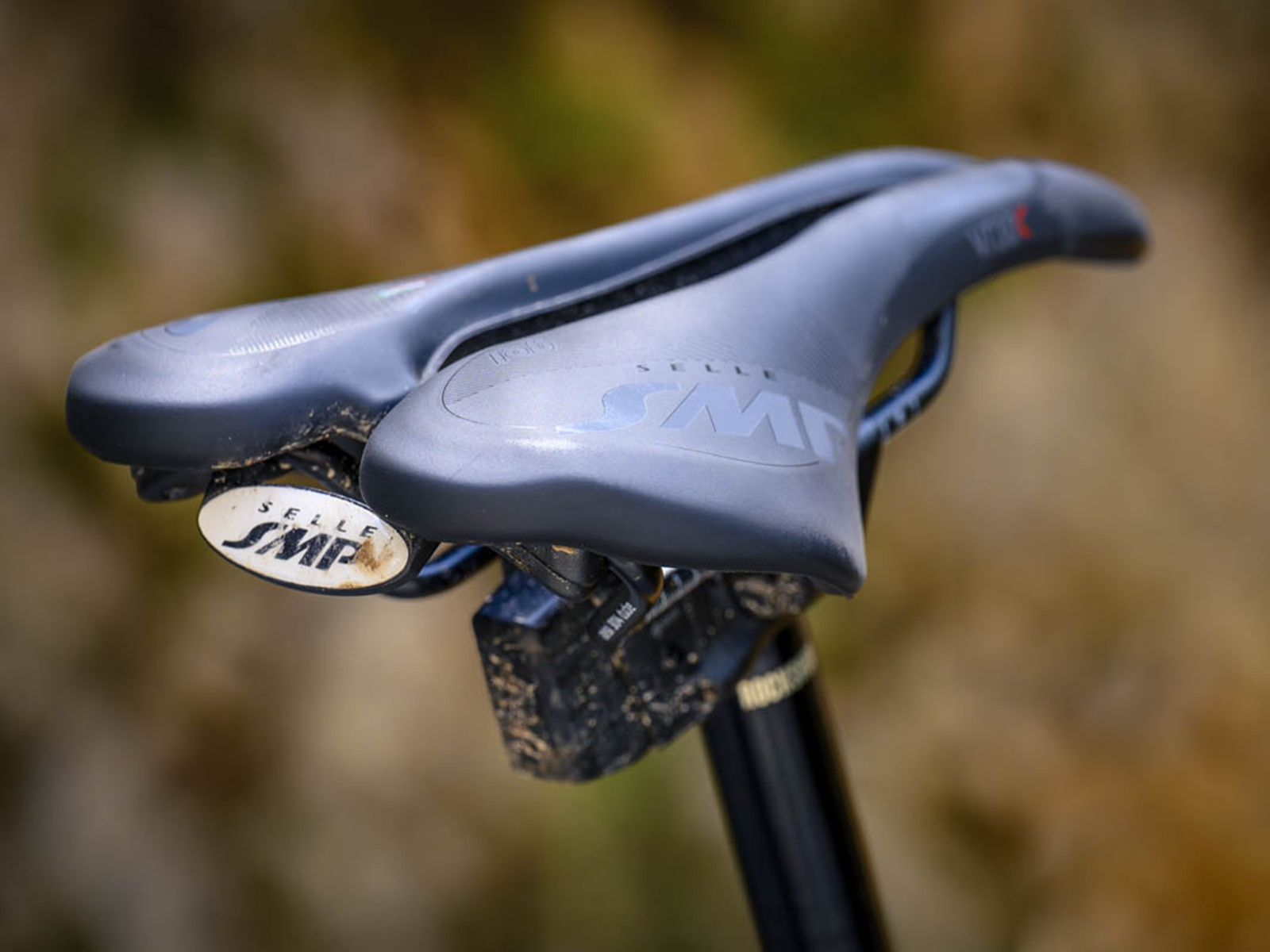
Choosing the right saddle is one of the most important factors in improving comfort, performance, and enjoyment of off-road riding. An unsuitable saddle can cause pelvic pain, chafing, numbness, or reduced pedaling efficiency. Conversely, a well-chosen saddle allows for better power transfer, maintains a stable position on the bike, and lets you fully enjoy your rides, whether it's trail riding, cross-country, enduro, or downhill. The shape, width, padding, materials, and type of riding all directly influence the choice. Therefore, it's essential to consider your body type, riding style, and riding habits before making your selection.