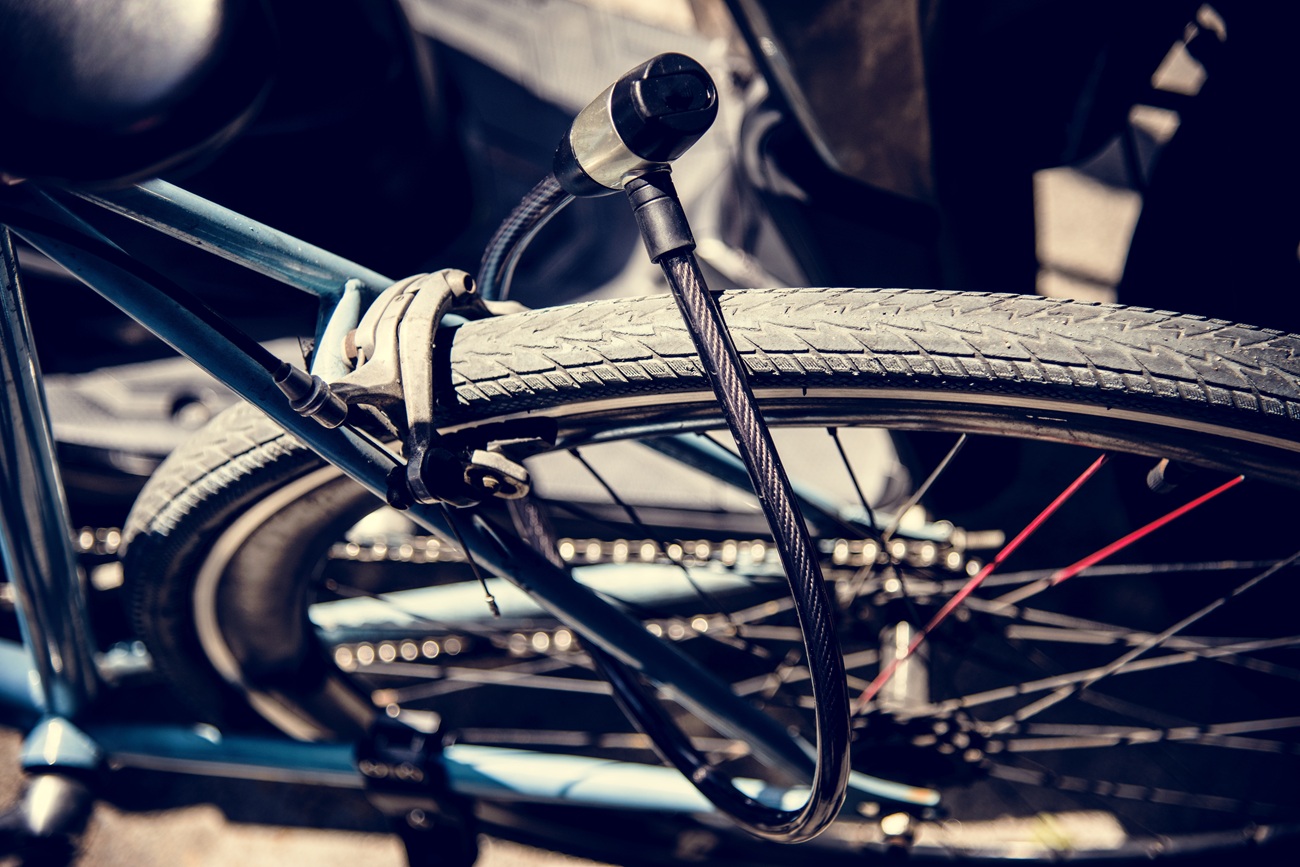
Securing your bicycle or MTB is a priority to prevent theft, whether it's parked on a busy urban street or in a more secluded area. Choosing the right lock is essential for optimal protection. This guide presents the different types of locks, their advantages and disadvantages, as well as the key criteria for making the best choice.
The main types of anti-theft devices
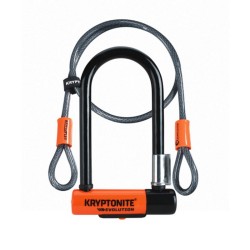
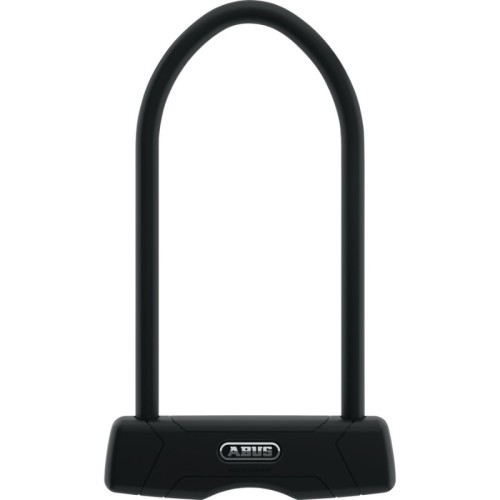
U-lock
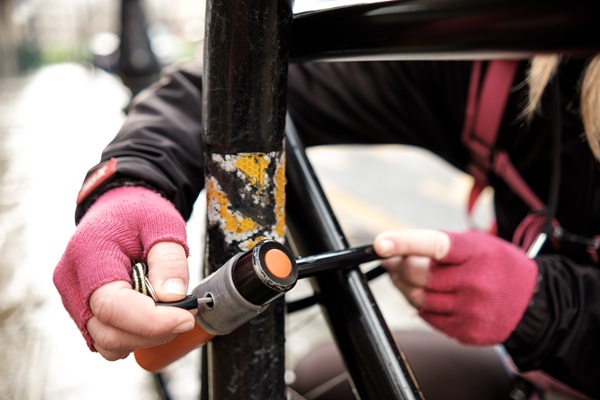
The U-lock is one of the most popular due to its robustness. Made of hardened steel, it resists sawing and prying.
- Advantages: Excellent safety, particularly suitable for extended stops.
- Disadvantages: Heavy and less convenient to transport.
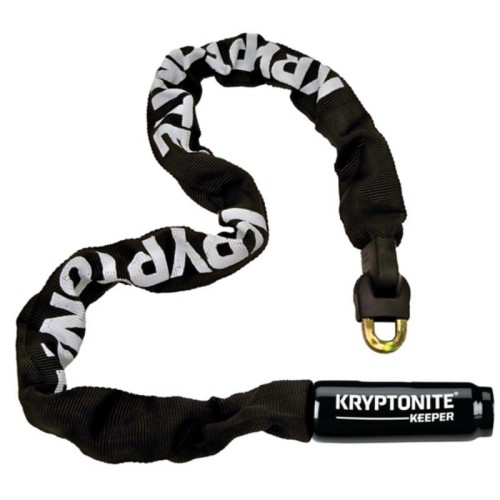
chain lock
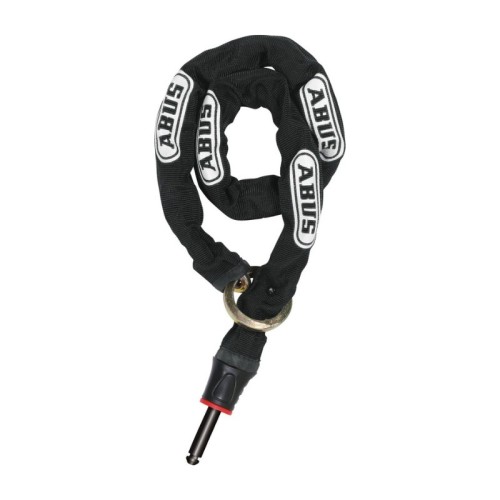
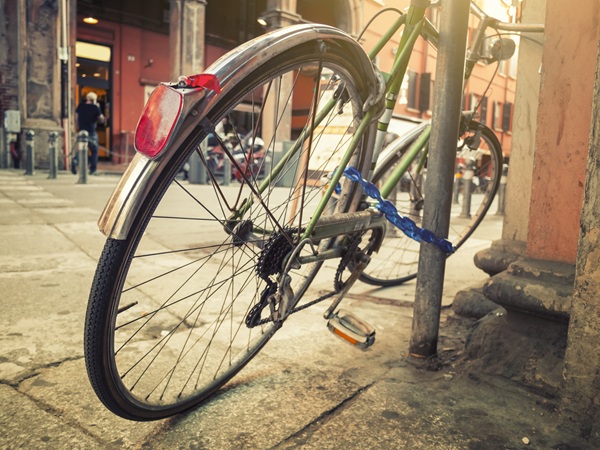
Flexible and robust, the chain lock allows you to secure the bike to various attachment points, such as posts or trees.
- Advantages: Versatile and robust depending on the diameter of the links.
- Disadvantages: Significant weight and bulky.
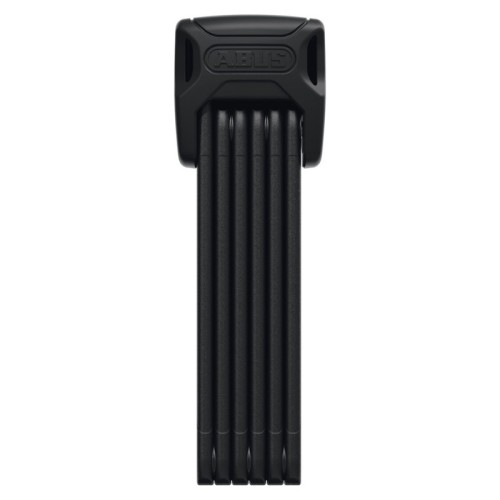
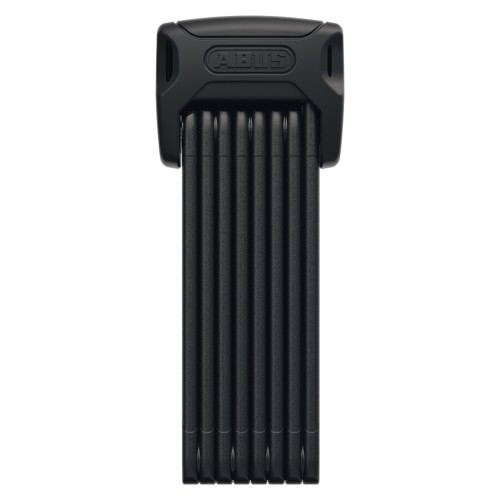
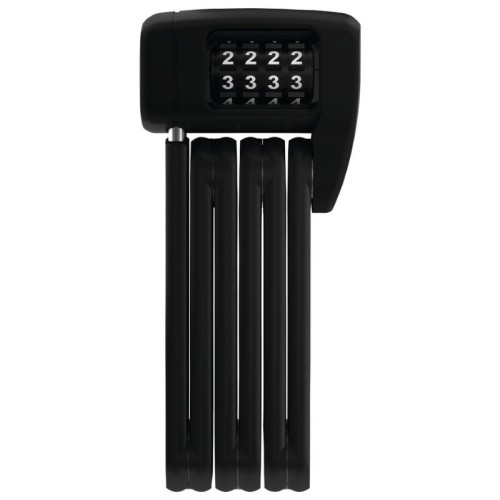
Folding lock
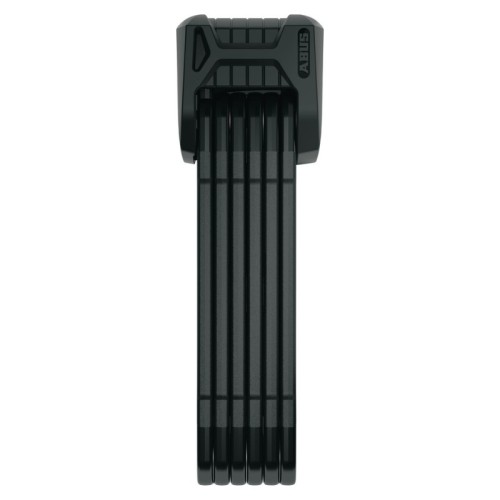
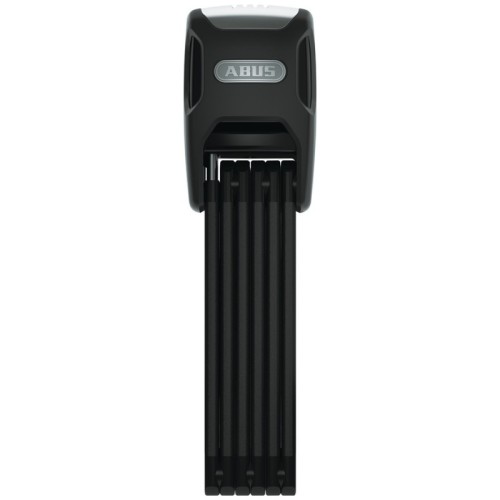
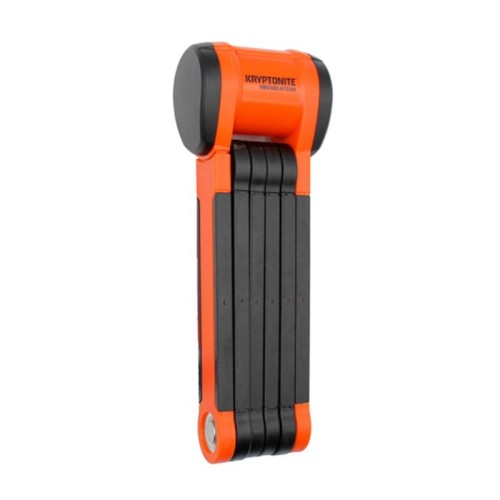
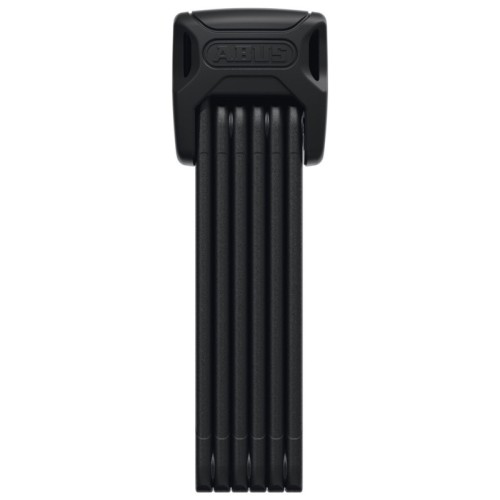
Folding locks are made up of articulated metal segments, offering a good compromise between security and practicality.
- Advantages: Compact, easy to carry and sufficiently secure.
- Disadvantages: Less resistant than U-locks or chain .
Cable lock
Although lightweight and flexible, the cable lock is a limited protection option, often used as a supplementary lock.
- Advantages: Lightweight, easy to handle.
- Disadvantages: Not very resistant to cutting tools.
The essential criteria for choosing a lock
Security level
The security levels of bike locks are often classified on scales ranging from basic to very high. For urban use or for a city Bike , purchasing a lock with a high security level is recommended.
Type of bicycle
The choice of lock should take into account your type of bicycle. A MTB , for example, requires a robust lock to withstand thefts in isolated areas, while a city Bike may prioritize practicality.
Weight and transportability
A heavy-duty lock is often more secure but may be less convenient to carry. Consider your needs in terms of mobility and practicality.
Compatibility with attachment points
Make sure that the lock you choose fits well with the available attachment points, such as posts or bike racks.
Practical tips for optimal safety
Secure your bicycle properly
Always secure the frame and one wheel to a fixed anchor point. Wheels can be easily stolen if they are not secured.
Use two locks
A dual system, such as a U-lock and a cable, often deters thieves.
Avoid isolated areas
Park your bike in well-lit and busy areas.
Comparison of anti-theft devices according to their characteristics
| Type of anti-theft device | Security level | Benefits | Disadvantages |
|---|---|---|---|
| In U | Pupil | Robustness, maximum security | Bulky |
| Chain | Variable | Versatility, adaptability | Heavy |
| Folding | Medium to high | Compact, practical | Less resistant |
| Cable | Down | Lightweight, flexible | Low security |
Which type of anti-theft device is the most secure?
The U-lock is generally considered the most secure, thanks to its robustness and resistance to attacks.
How do I choose the right size for my lock?
Choose a size that fits the usual attachment points, while ensuring a good grip on the frame and wheel.
Should I use one or more locks?
For better security, combine two types of locks, such as a U-lock and a cable to protect the frame and wheels.
What is the difference between a cable lock and chain ?
The cable lock is lighter but less secure, while the chain offers better resistance to theft attempts.
How do I maintain my anti-theft device?
Lubricate the locking mechanisms regularly and avoid leaving your lock exposed to prolonged weather conditions.

Related Posts
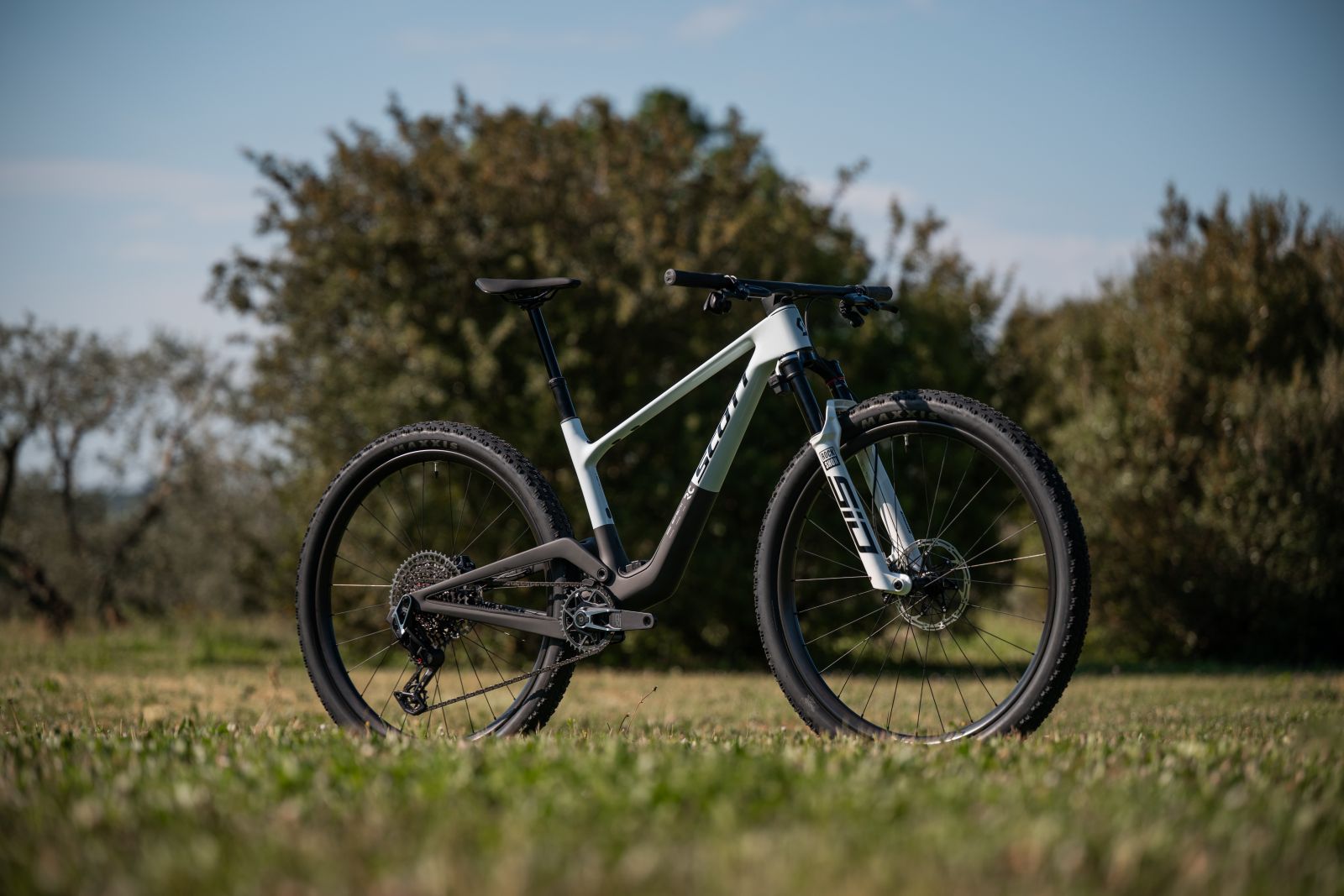
The Scott Spark RC World Cup and Expert 2027 push the boundaries of XC even further. Flight Attendant suspension, Syncros carbon wheels and top-level performance: discover our full review.
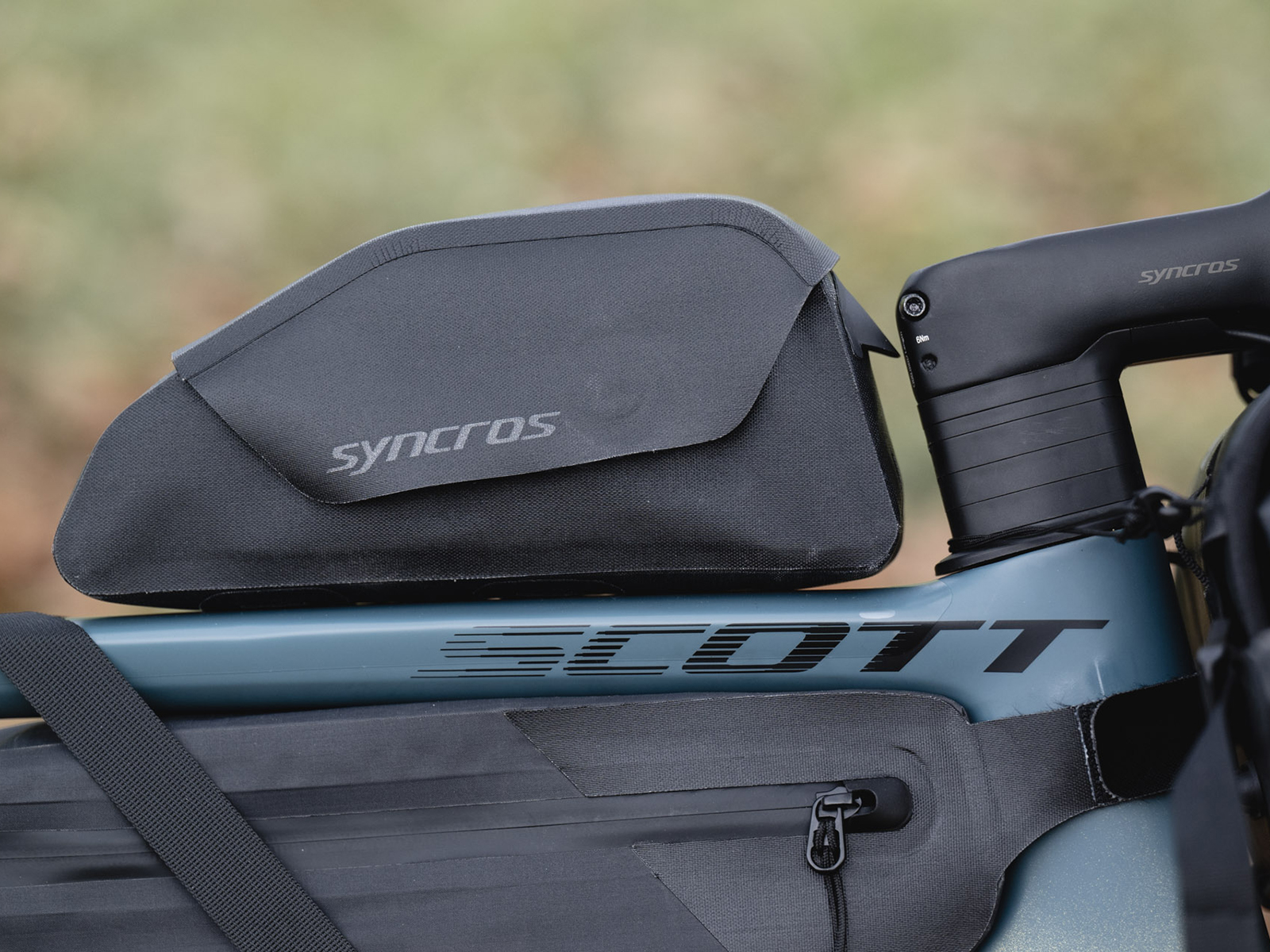
The pannier has become an essential piece of equipment for many cyclists. Whether for daily commutes, bike riding, long rides, cycle touring, bikepacking, or simply leisurely outings, it allows you to carry your belongings comfortably without carrying a load on your back. A well-chosen pannier improves comfort, maintains the bike's balance, and makes organizing your gear easier.
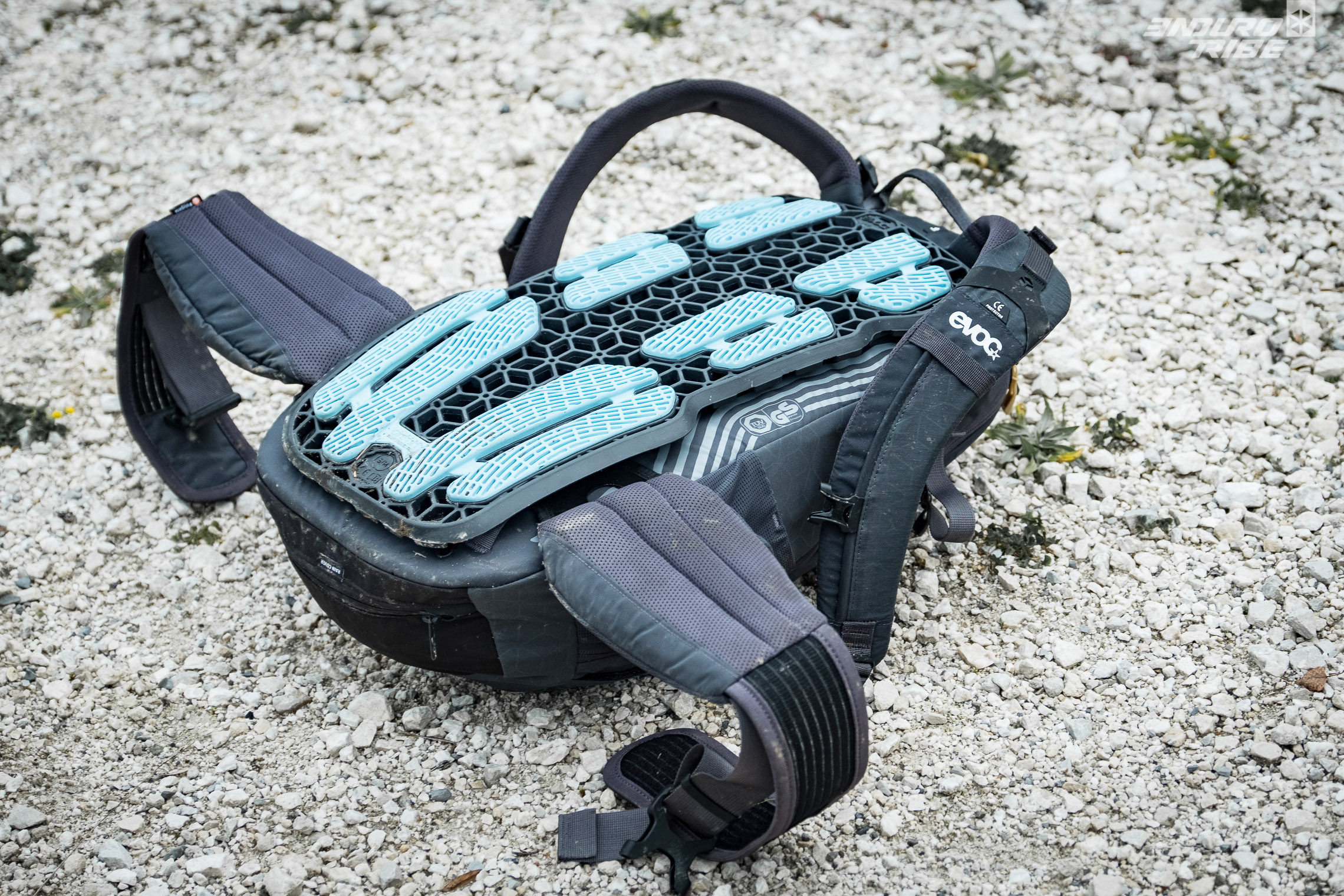
Choosing a cycling backpack requires finding the right balance between comfort, capacity, stability, rain protection, and easy access to your gear. A good bag shouldn't just carry things. It should stay securely in place, not interfere with pedaling, minimize back perspiration, and effectively protect essential items. Whether you're commuting to work, going for a sporting activity, cycling around town, touring by bike, or hiking, your needs will differ.
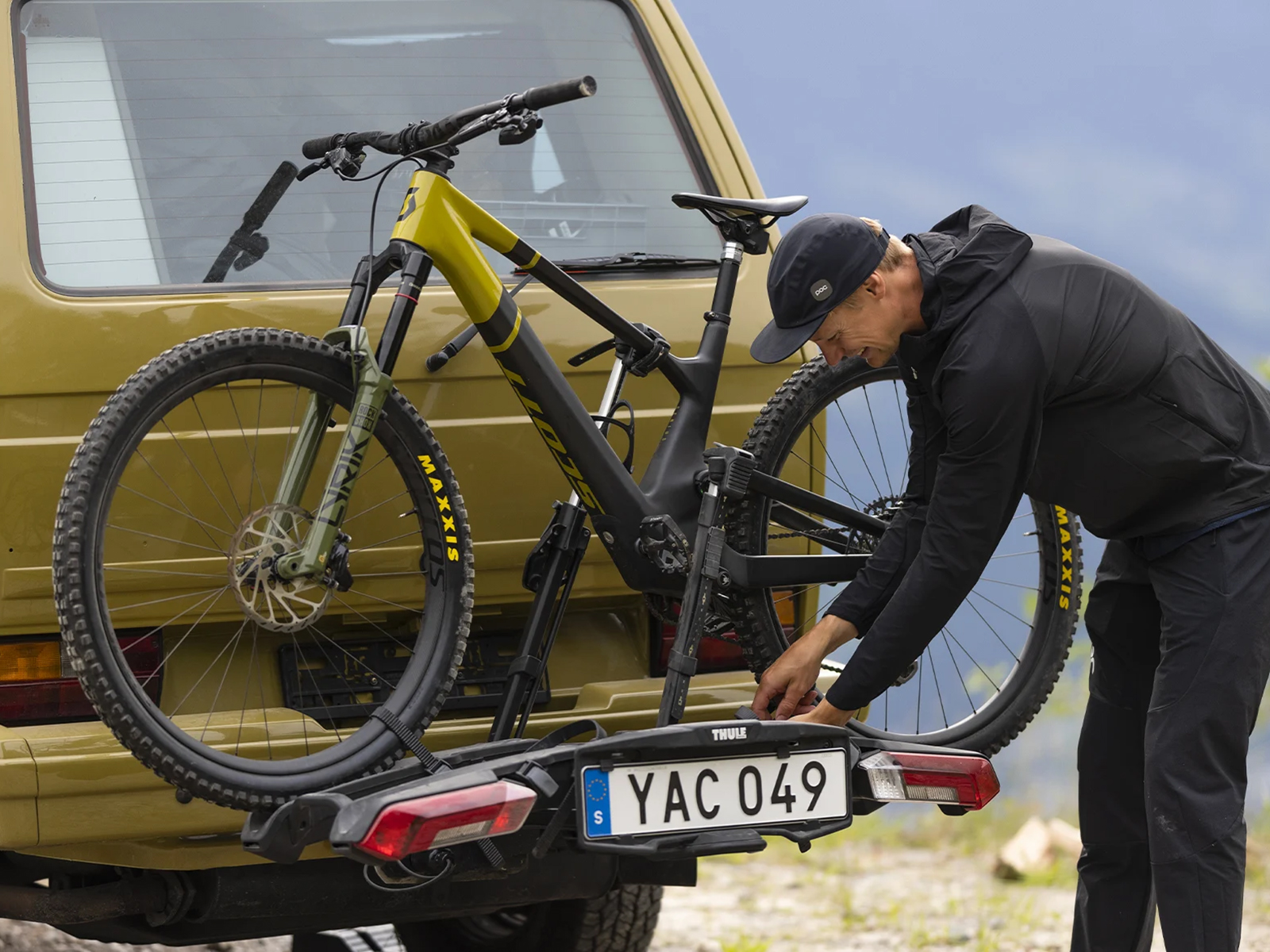
Choosing the right bike rack is essential for transporting your bikes safely, protecting your equipment, and enjoying a worry-free journey. Given the wide variety of systems available, identifying the best solution for your vehicle, the number of bikes you're carrying, or your intended use isn't always easy. Between hitch-mounted, tailgate-mounted, and roof-mounted models, there are many differences in terms of load capacity, ease of installation, compatibility, and user-friendliness.
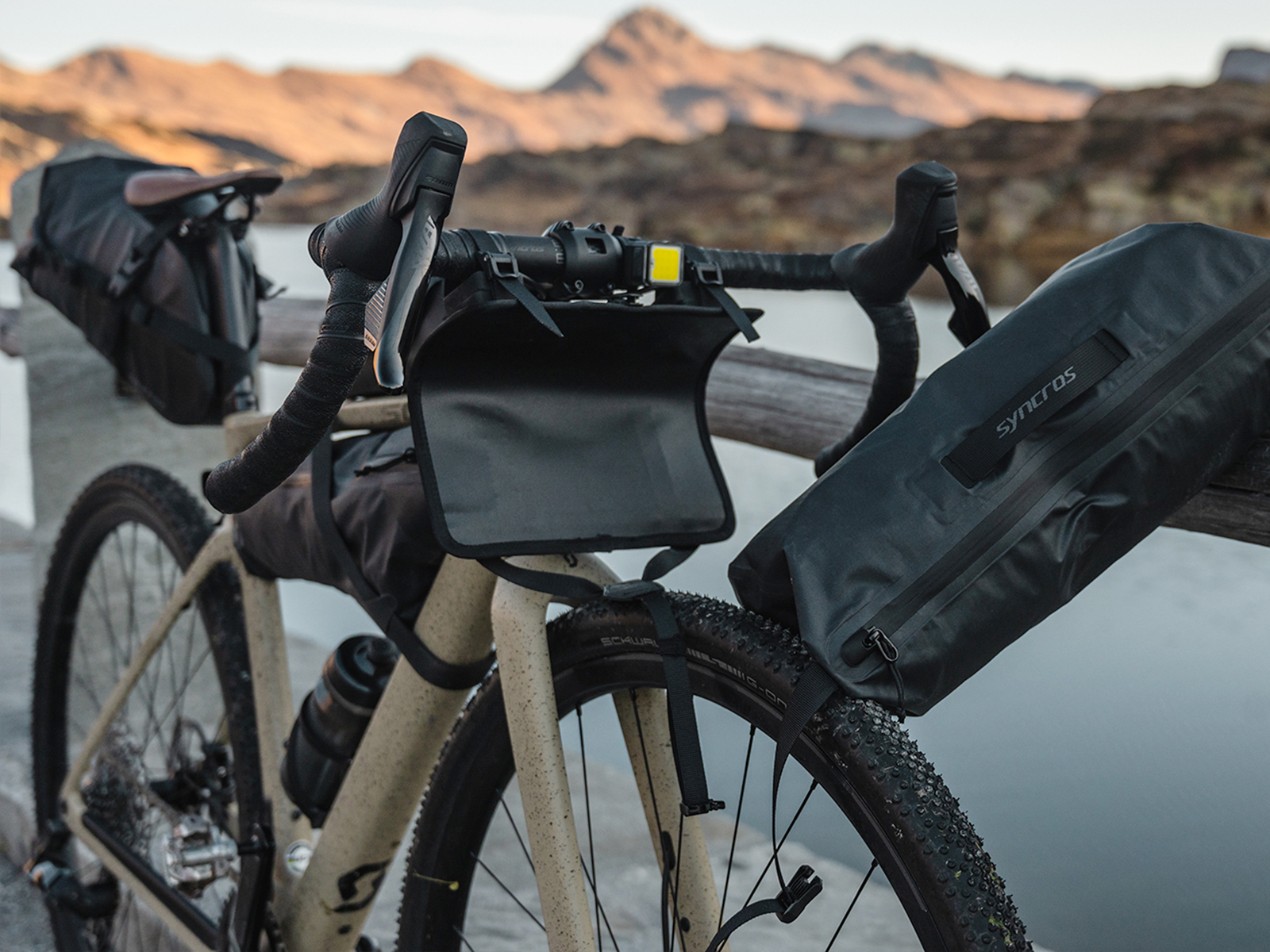
Bikepacking is an adventure cycling practice that involves traveling independently with a lightweight load attached directly to the bicycle. Unlike traditional cycle touring, which uses racks and large panniers, bikepacking favors compact bags distributed across the frame , handlebar , and tige de saddle . This approach allows for a bike that remains agile, efficient, and suitable for varied terrain, whether roads, tracks, forest paths, or trails.
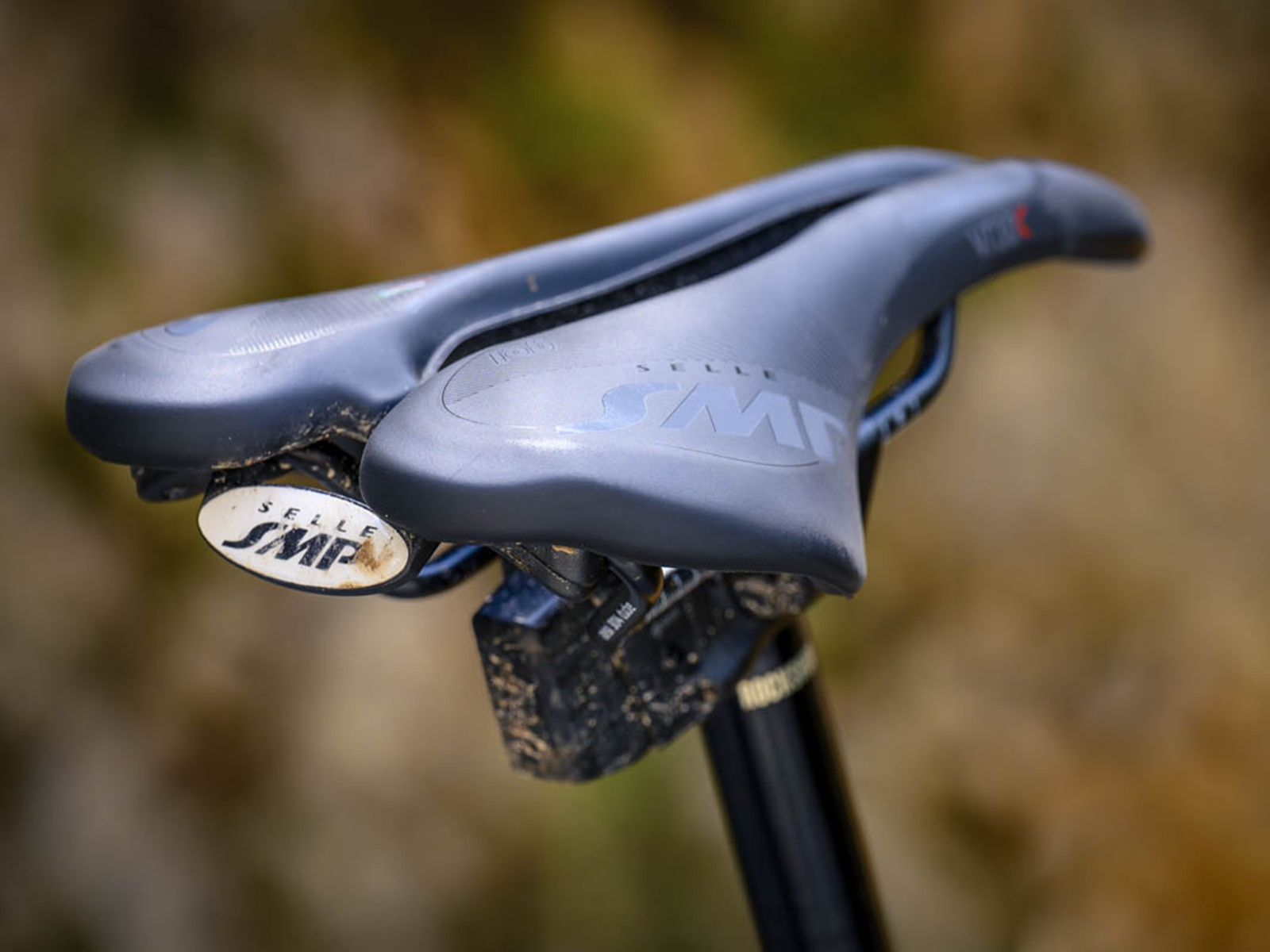
Choosing the right saddle is one of the most important factors in improving comfort, performance, and enjoyment of off-road riding. An unsuitable saddle can cause pelvic pain, chafing, numbness, or reduced pedaling efficiency. Conversely, a well-chosen saddle allows for better power transfer, maintains a stable position on the bike, and lets you fully enjoy your rides, whether it's trail riding, cross-country, enduro, or downhill. The shape, width, padding, materials, and type of riding all directly influence the choice. Therefore, it's essential to consider your body type, riding style, and riding habits before making your selection.