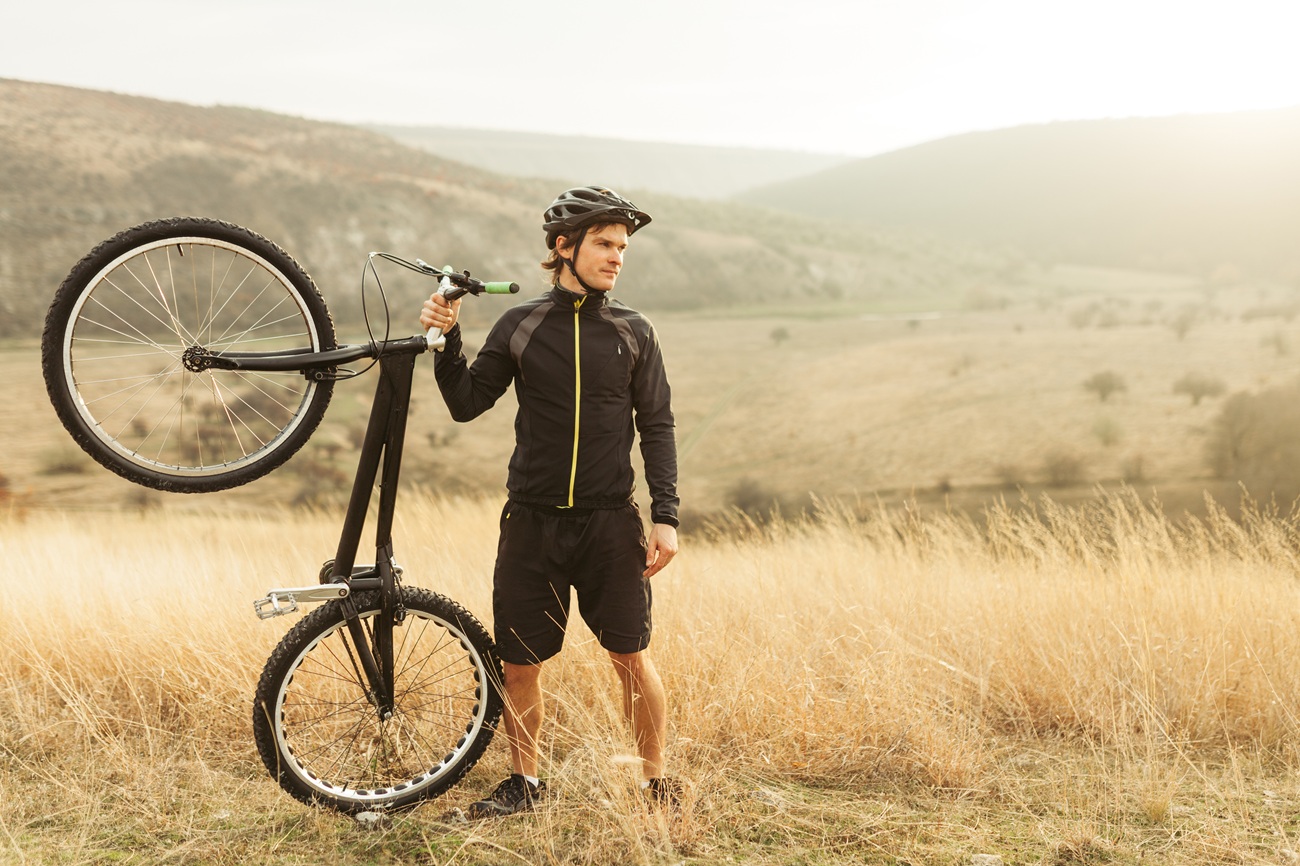
Choosing a carbon MTB means investing in a bike that is lightweight, stiff, and high-performing. This type of frame has revolutionized MTB , especially for those who enjoy competition or long, technical rides. But to make the right choice, it's essential to understand its specific characteristics, the differences between the various ranges, and to tailor your selection to your riding style and skill level.
Advantages of a frame carbon
Carbon fiber isn't just a fad. It's valued for its lateral stiffness, its ability to dampen vibrations, and its low weight. frame Well-designed carbon optimizes power transfer during pedaling while absorbing vertical shocks. This results in greater comfort over long distances and increased efficiency, especially uphill.
However, it is necessary to differentiate between the types of fibers and the manufacturing methods. frame An entry-level carbon fiber bike won't perform like a high-end model. It all comes down to lamination, resin quality, molding precision, and final quality control.
Define your practice first and foremost
Before comparing models, you need to clarify your intended use. Carbon fiber is an excellent material, but not all MTB carbon They are not suited to the same terrain or the same requirements. Here are some general guidelines:
- Cross-country (XC) : requires lightness and pedaling efficiency. The frames are rigid and performance-oriented.
- Trail Versatile, a good compromise between climbing and descending. frame It must be sturdy and comfortable.
- All-mountain : suitable for technical and varied terrain, with greater travel.
- Enduro Robustness and stability are the priorities. The carbon must be reinforced and well dampened.
- Descent : only the very high-end carbon models can claim this, given the extreme constraints.
Choosing the right size frame
A MTB An incorrectly sized shoe can lead to pain, reduced efficiency, and an increased risk of falls. Sizes vary slightly between brands, but you can refer to this guide:
| Cycling size | Size of frame recommended | Ideal use |
|---|---|---|
| Between 1.60 m and 1.70 m | S | XC, Trail |
| Between 1.70 m and 1.80 m | M | Trail, All-Mountain |
| Between 1.80 m and 1.90 m | L | Enduro |
| Over 1.90 m | XL | Enduro, DH |
Don't forget that adjusting a MTB also depends on the length of the stem, THE adjustment of the saddle and the height of handlebar. If you are hesitating between two sizes, choose the smaller one for a more playful ride, or the larger one for enhanced stability.
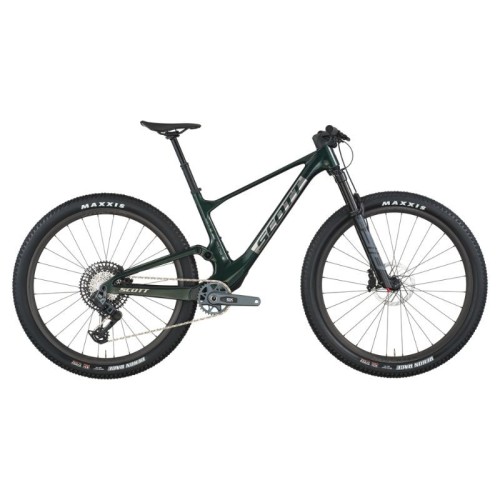
Semi-rigid or full-suspension
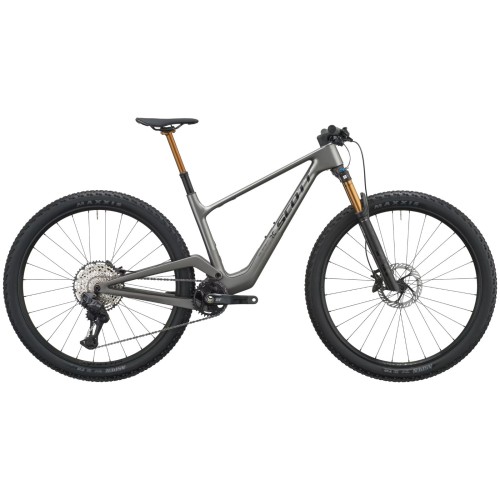
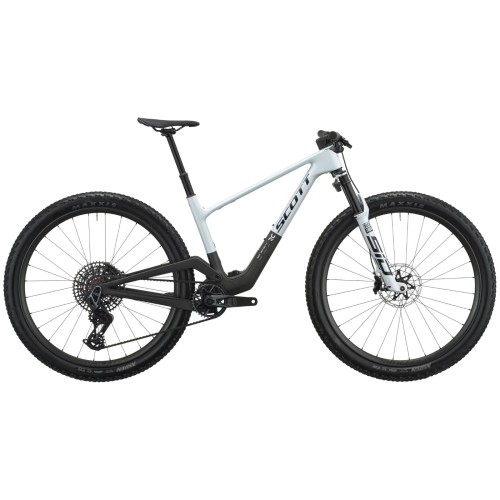
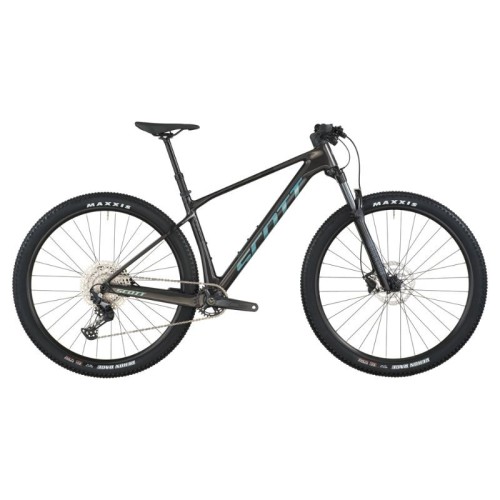
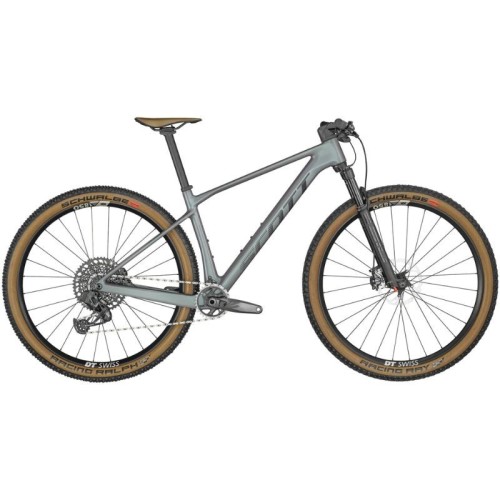
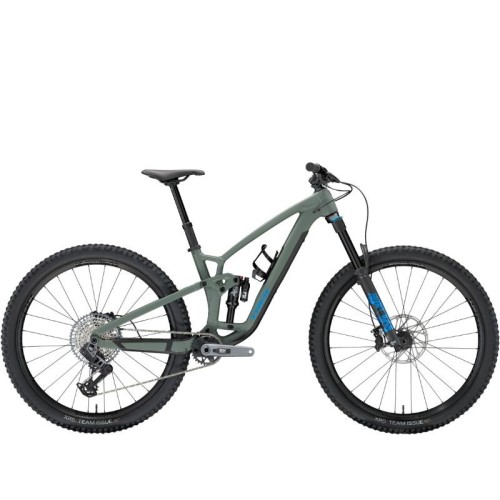
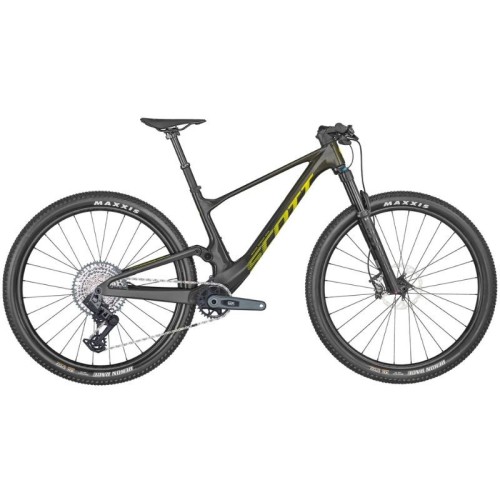
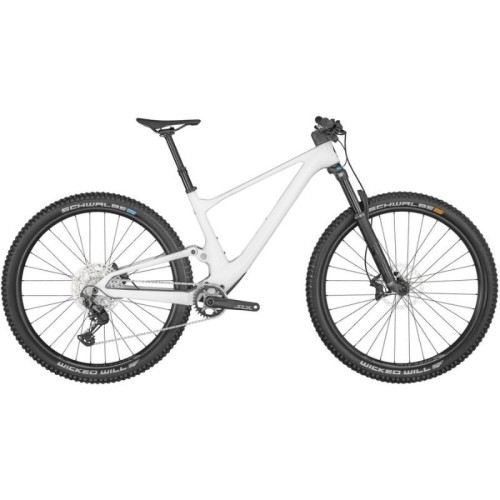
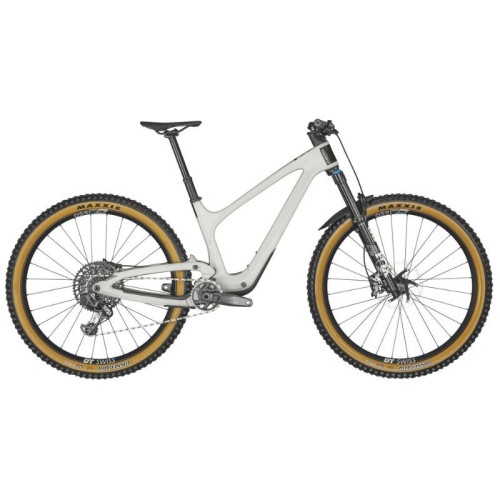
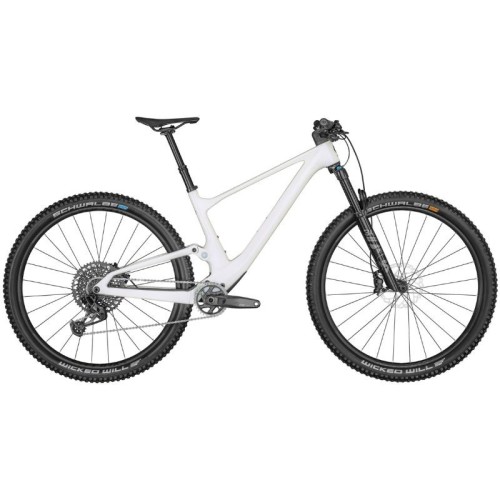
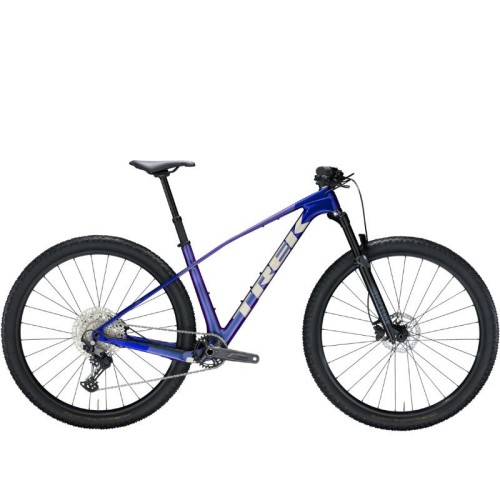
The choice between a frame semi-rigid and a frame Full suspension depends on your terrain and comfort preferences:
- Semi-rigid : light, responsive, excellent uphill and on less rough terrain.
- Full suspension : Front and rear suspension, ideal for comfort on long descents and technical terrain.
Carbon fiber allows for the design of high-performance rear suspensions without adding weight. frame. On a well-designed model, the loss of pedaling efficiency is almost non-existent thanks to modern suspension technologies.
Fiber type and carbon quality
There are different types of carbon fibers used for frames:
- Standard carbon : more affordable, less rigid, but sufficient for beginners or recreational practitioners.
- High modulus carbon : more rigid and lighter, for better performance.
- High modulus carbon Used on competition frames, it is ultra-light but can be more fragile.
Some manufacturers combine several types of fibers to optimize areas of rigidity and flexibility. This results in a high-performance, comfortable, and more durable bicycle.
Drivetrain and suitable brakes
On a MTB carbon, it is important to have a drivetrain at the level of frame :
- Mono chainring Increasingly common, it simplifies use and reduces weight. Combined with a cassette Large, it covers a good range of development.
- Double chainring : more versatile for those who ride in the mountains and on roads, but heavier.
As for the brakes, hydraulic discs are essential to fully exploit the capabilities of a frame carbon, especially downhill or in wet conditions.
Wheels and tires
A good MTB Carbon deserves lightweight and stiff wheels. You can choose from:
- Wheels 29-inch : more efficiency, stability on descents, good for XC and trail riding.
- Wheels 27.5-inch : superior handling, a good choice for enduro or for smaller riders.
Tires should be chosen according to the terrain: widely spaced knobs for mud, closer together for dry and hard surfaces. Also consider tubeless tires, which allow you to ride at lower pressures without the risk of pinch flats.
Travel and comfort
Suspension travel refers to the suspension's ability to absorb shocks. The greater the travel, the more comfortable and stable the bike will be on rough terrain, but the heavier and less agile it will be. In general:
- Up to 120 mm: XC
- 130 to 150 mm: Trail / All-Mountain
- 160 mm and above: Enduro / DH
Carbon fiber allows for compensation of the increased suspension travel through a design of frame lighter, without compromising robustness.
Weight and handling sensations
One of carbon's greatest advantages remains its weight. A good MTB Carbon fiber can weigh under 10 kg for high-end XC models. For trail or enduro, a frame This well-designed system allows for a dynamic bike to weigh around 12 to 13 kg.
Less weight means less inertia when pedaling, better acceleration, and improved climbing performance. It also allows for better control of the line on descents, even on technical trails.
Budget and value for money
A MTB Carbon fiber isn't just for racing. Affordable models are now available, especially in the hardtail category. However, it's important to remember that the price isn't solely determined by the... frame, but also of all the components: drivetrain, wheels, brakes, suspension.
Good value for money involves finding a balance between a frame well-designed and equipment that matches your level and practice. No need to invest in a frame ultra high-end if the wheels or the fork don't follow.
Maintenance specific to carbon
Carbon fiber requires minimal care. Avoid direct impacts against sharp edges, always use a torque wrench for tightening, and clean with mild products. Regular visual inspections will detect any cracks or defects.
Contrary to popular belief, a frame Carbon fiber can last a very long time if properly maintained. It does not rust, does not deform over time, and offers remarkable strength if well designed.
THE MTB Carbon fiber is an excellent option for those seeking performance, lightness, and riding pleasure. However, choosing the right model is crucial. By clearly defining your intended use, your size, and your expectations in terms of comfort and responsiveness, you'll be able to select a... MTB who will accompany you effectively in all situations.
Keep in mind that a good bike isn't just about the materials used. It's about the whole package. assembly, The consistency of the components and the quality of the design will make all the difference on the field. Take the time to try, compare, and check every detail to make a choice you won't regret.
FAQ
Is carbon more brittle than aluminum ?
No, one frame A well-designed carbon fiber can be as strong as a frame Made of aluminum. It is more resistant to vibrations and retains its shape over time. However, it can be sensitive to direct impacts and requires special care during transport or handling.maintenance.
Can we use a MTB Carbon fiber for downhill skiing ?
Yes, but only if the frame is designed for this purpose. All the MTB Carbon fiber wheels are not designed to withstand the extreme stresses of downhill riding. It is preferable to opt for specific, reinforced models with a long travel.
What is the lifespan of a frame carbon ?
A frame Carbon fiber can last for many years, even a lifetime, if properly maintained and used under normal conditions. It does not rust or deform like metal and retains its mechanical properties over time.
The weight of a MTB Is carbon always lighter ?
Generally yes, but it also depends on the equipment mounted on the bike. One frame carbon can reduce the overall weight by several hundred grams, but the whole fork, wheels and drivetrain must be consistent in order to fully benefit from it.
Is it possible to repair a frame Made of carbon ?
Yes, in many cases a frame A cracked or damaged carbon fiber component can be repaired by a specialist. The repair must be carried out according to precise protocols to guarantee structural strength. This is often more economical than replacement. frame entire.

Related Posts
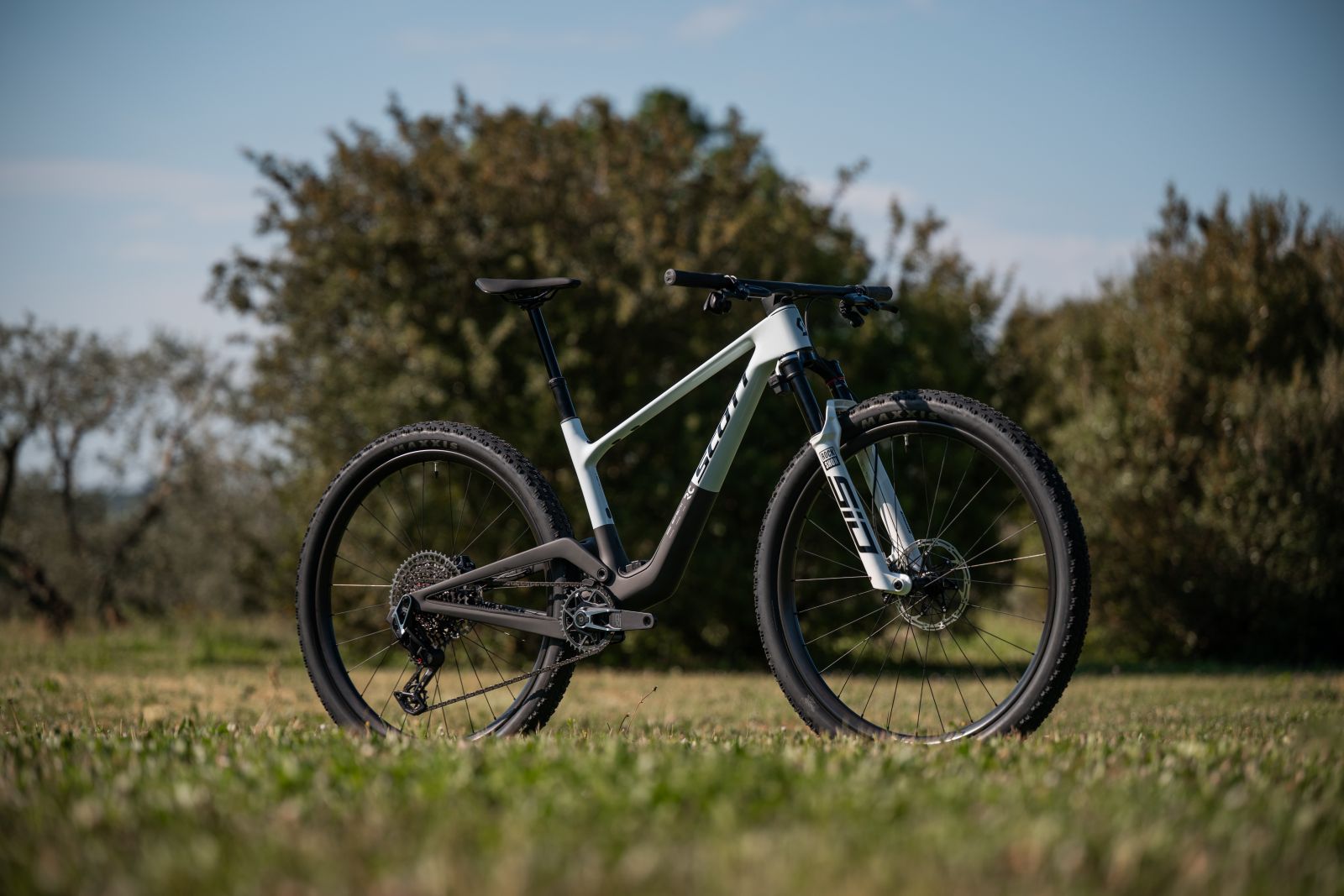
The Scott Spark RC World Cup and Expert 2027 push the boundaries of XC even further. Flight Attendant suspension, Syncros carbon wheels and top-level performance: discover our full review.
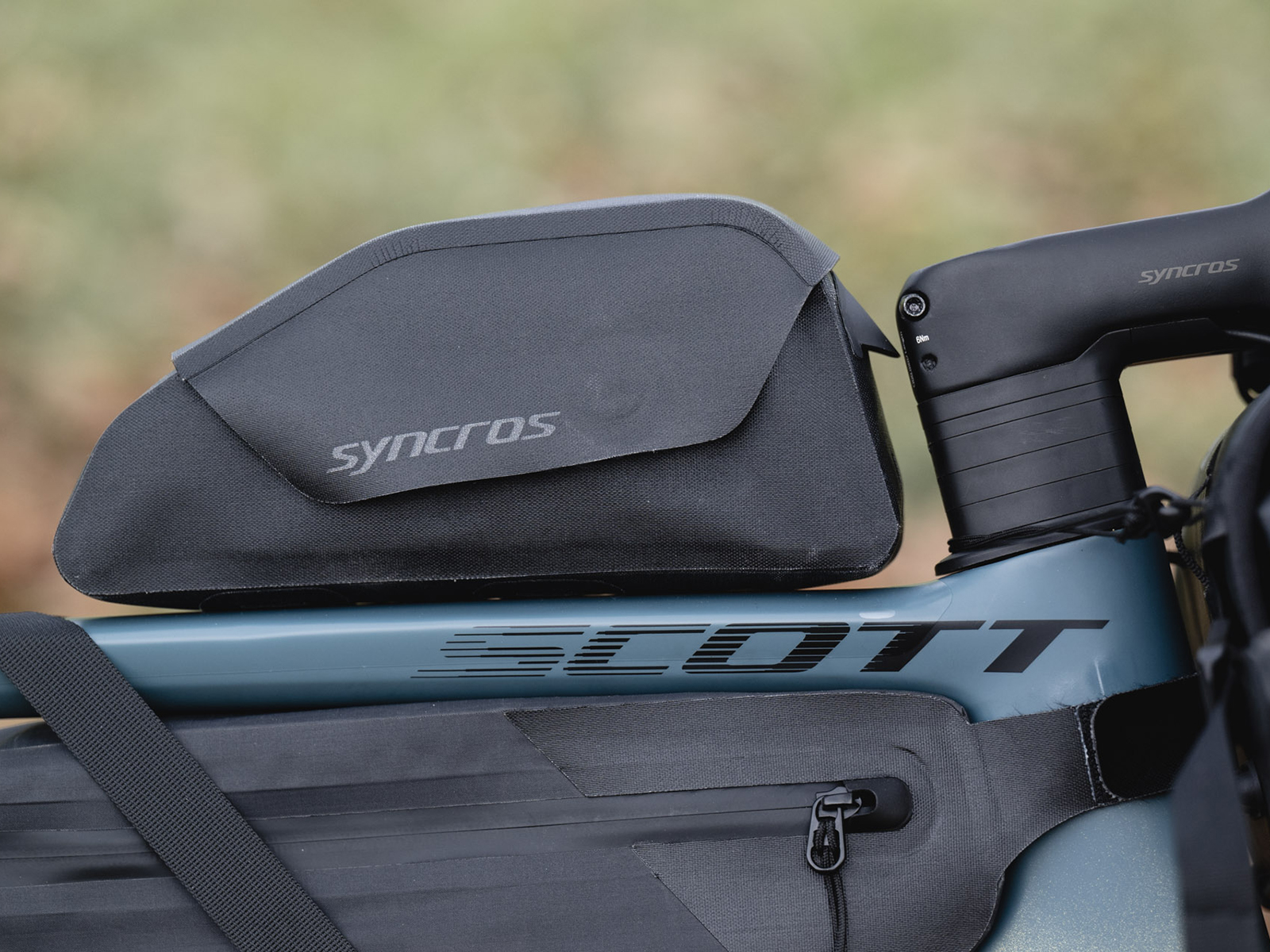
The pannier has become an essential piece of equipment for many cyclists. Whether for daily commutes, bike riding, long rides, cycle touring, bikepacking, or simply leisurely outings, it allows you to carry your belongings comfortably without carrying a load on your back. A well-chosen pannier improves comfort, maintains the bike's balance, and makes organizing your gear easier.
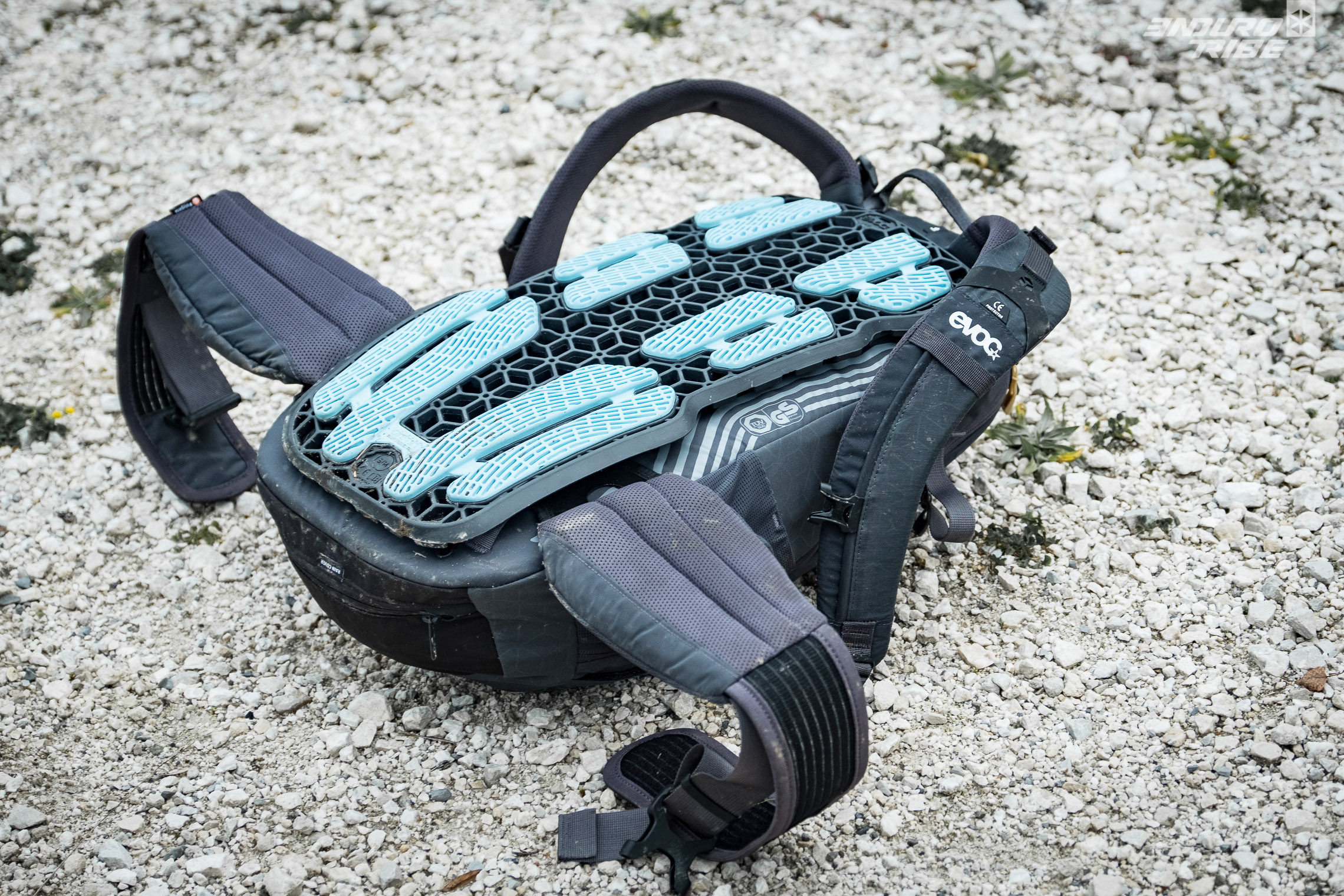
Choosing a cycling backpack requires finding the right balance between comfort, capacity, stability, rain protection, and easy access to your gear. A good bag shouldn't just carry things. It should stay securely in place, not interfere with pedaling, minimize back perspiration, and effectively protect essential items. Whether you're commuting to work, going for a sporting activity, cycling around town, touring by bike, or hiking, your needs will differ.
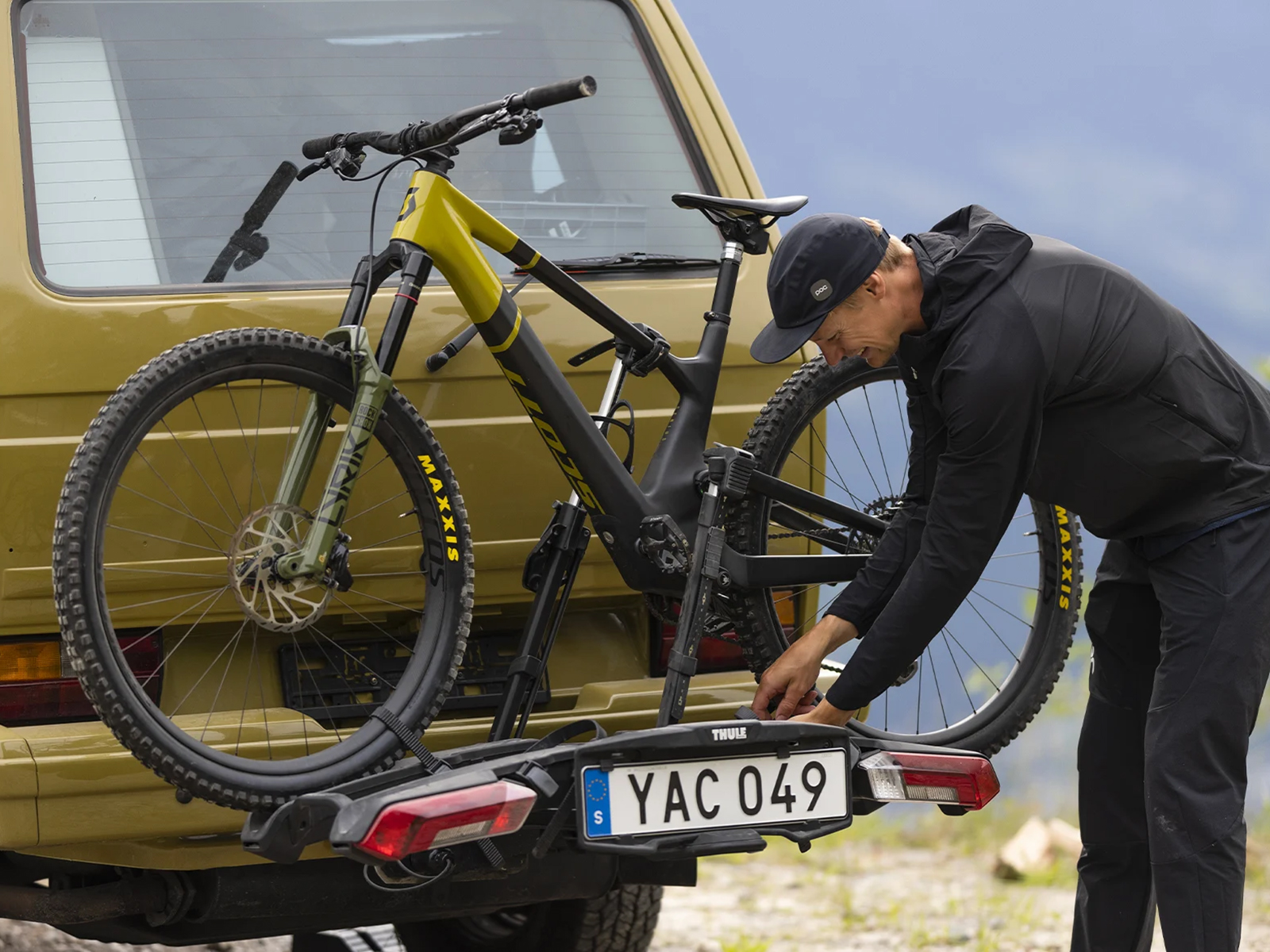
Choosing the right bike rack is essential for transporting your bikes safely, protecting your equipment, and enjoying a worry-free journey. Given the wide variety of systems available, identifying the best solution for your vehicle, the number of bikes you're carrying, or your intended use isn't always easy. Between hitch-mounted, tailgate-mounted, and roof-mounted models, there are many differences in terms of load capacity, ease of installation, compatibility, and user-friendliness.
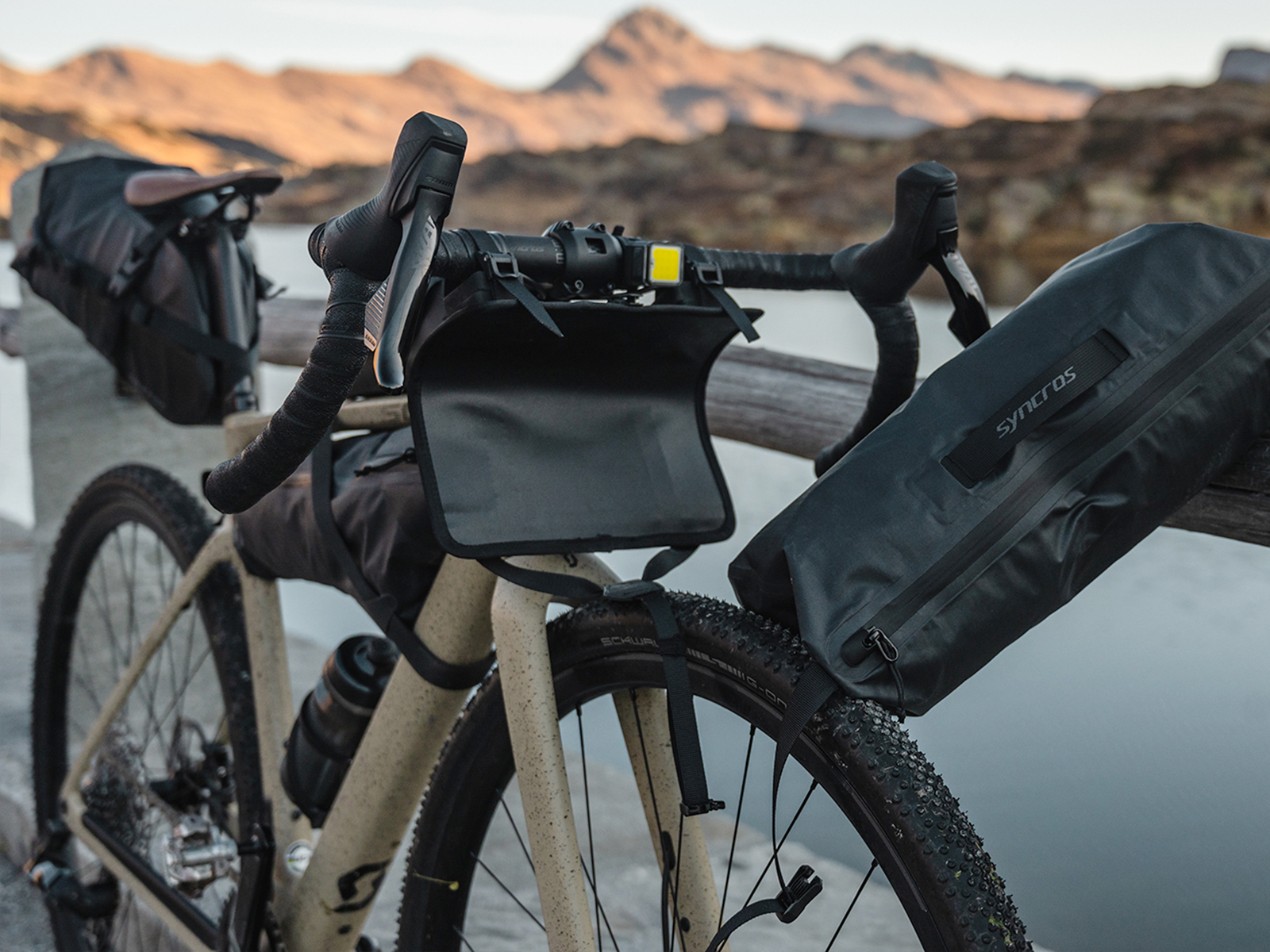
Bikepacking is an adventure cycling practice that involves traveling independently with a lightweight load attached directly to the bicycle. Unlike traditional cycle touring, which uses racks and large panniers, bikepacking favors compact bags distributed across the frame , handlebar , and tige de saddle . This approach allows for a bike that remains agile, efficient, and suitable for varied terrain, whether roads, tracks, forest paths, or trails.
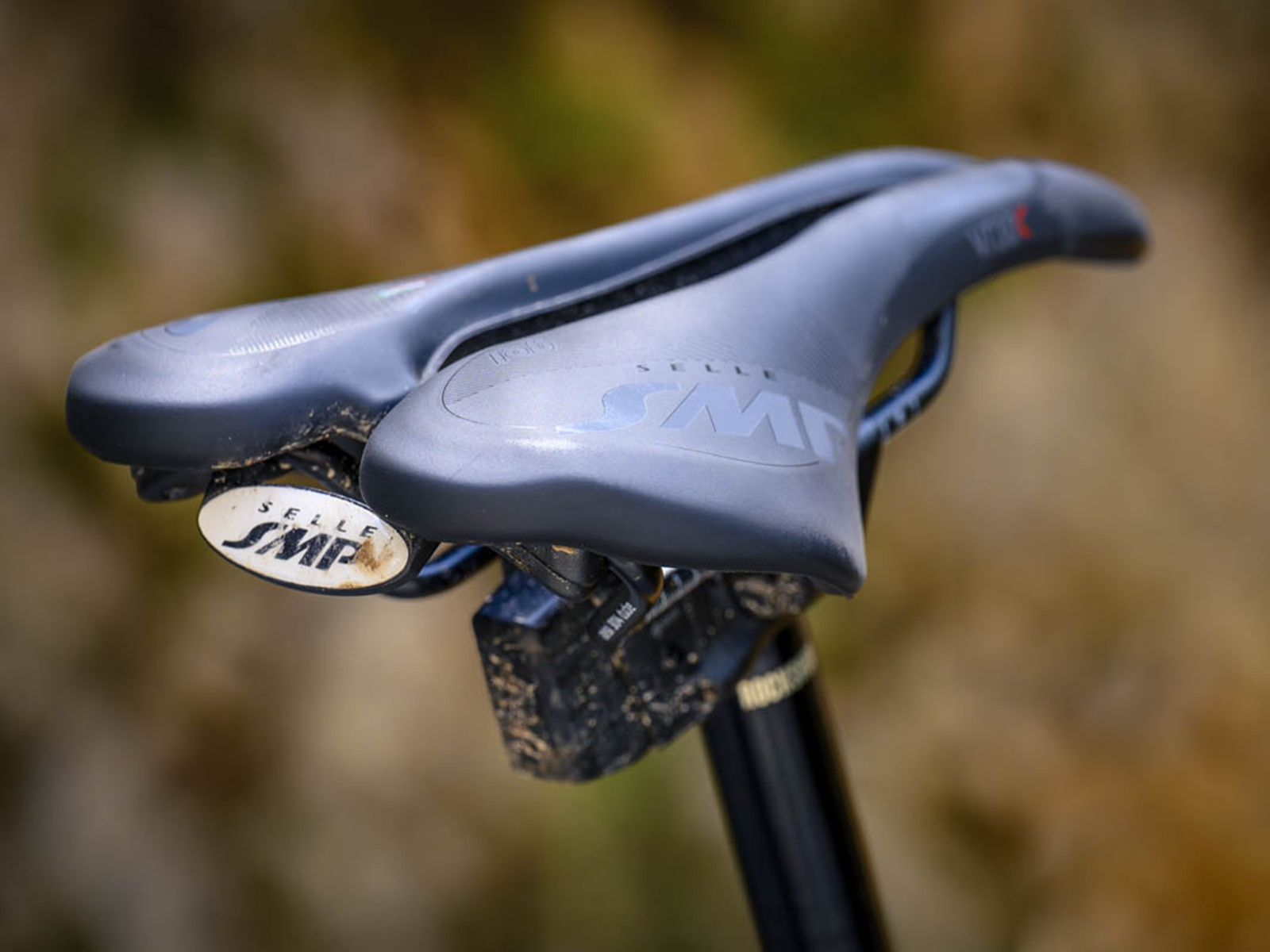
Choosing the right saddle is one of the most important factors in improving comfort, performance, and enjoyment of off-road riding. An unsuitable saddle can cause pelvic pain, chafing, numbness, or reduced pedaling efficiency. Conversely, a well-chosen saddle allows for better power transfer, maintains a stable position on the bike, and lets you fully enjoy your rides, whether it's trail riding, cross-country, enduro, or downhill. The shape, width, padding, materials, and type of riding all directly influence the choice. Therefore, it's essential to consider your body type, riding style, and riding habits before making your selection.