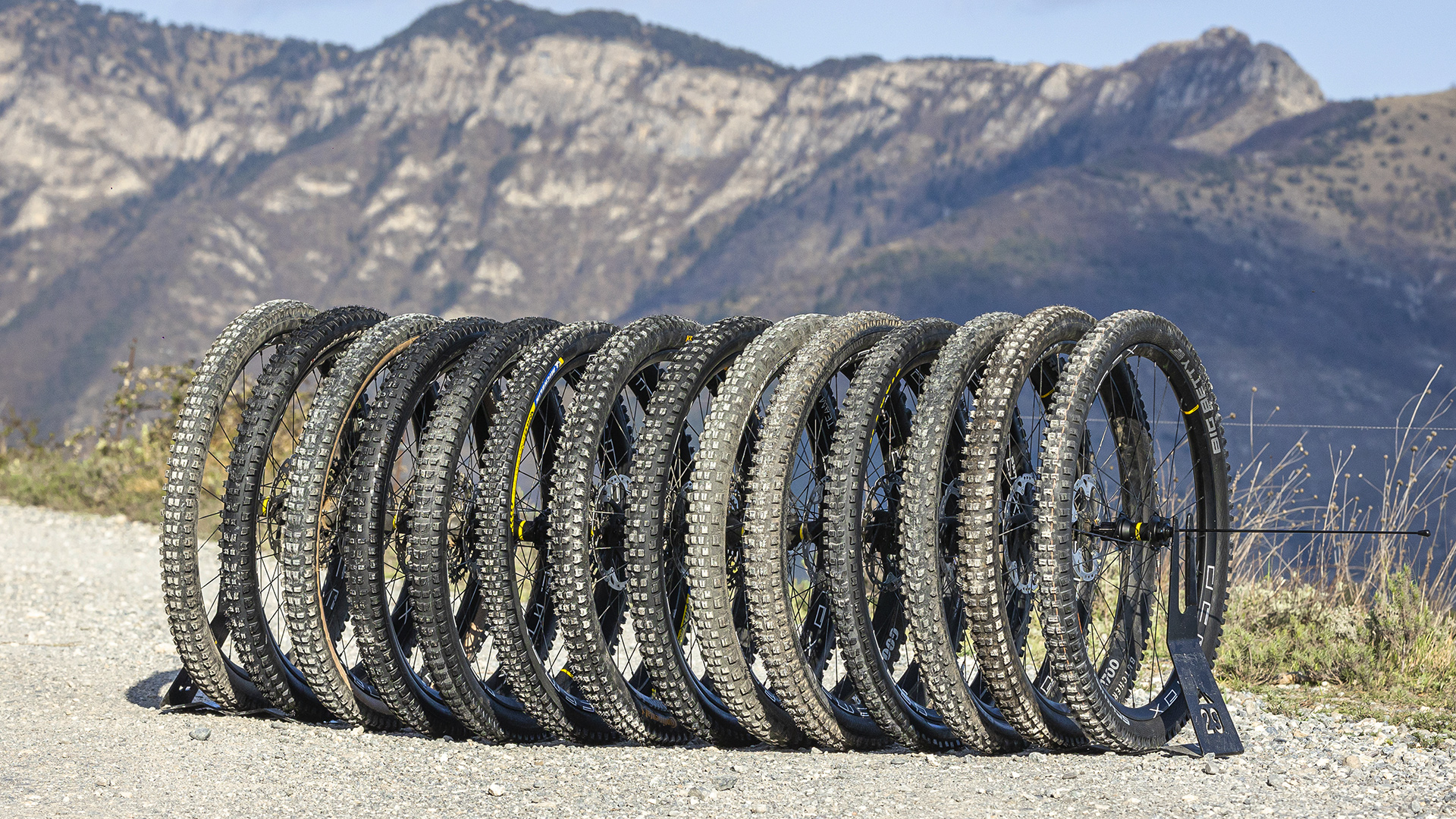
Choosing the right MTB tires immediately changes how your bike handles. On the trails, tyre influence grip, braking, traction, comfort, and puncture resistance. A suitable model allows for better control in corners, easier obstacle clearance, and more confident riding, whether on dry, muddy, rocky, or smooth terrain.
THE tyre is the only contact between the MTB and the ground. Its width, his cleats, its carcass, its eraser and its pressure determine how the bike reacts. tyre A surface that rolls too much can lack grip. tyre Being too aggressive can negatively impact performance. The right choice therefore depends on your riding style, your terrain, and your skill level.
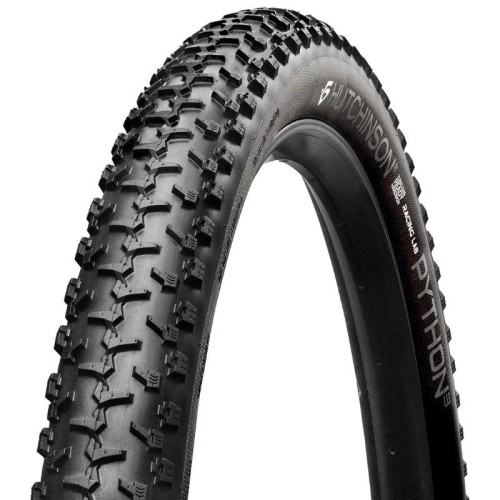
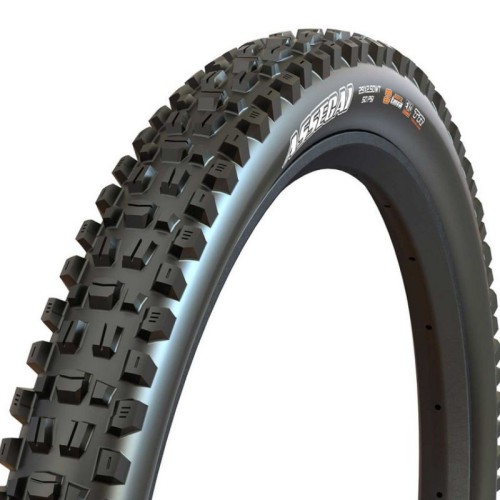
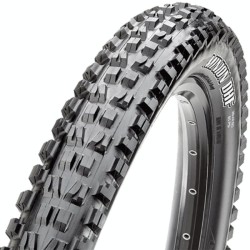
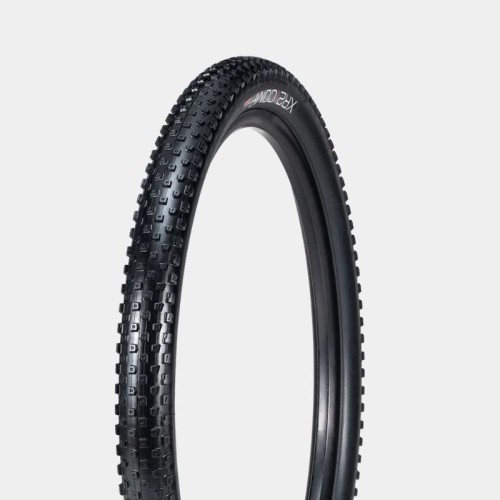
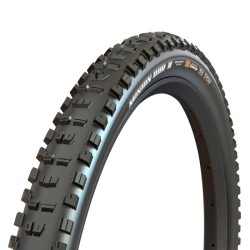
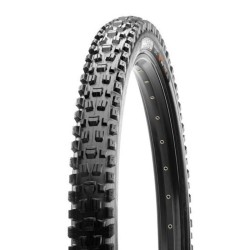
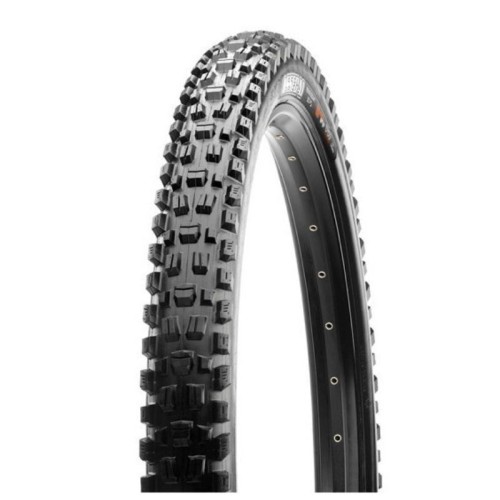
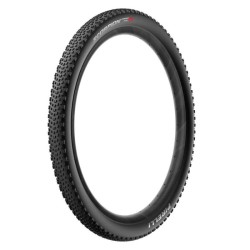

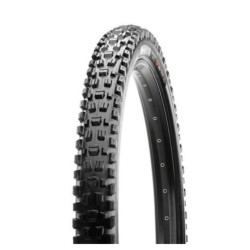
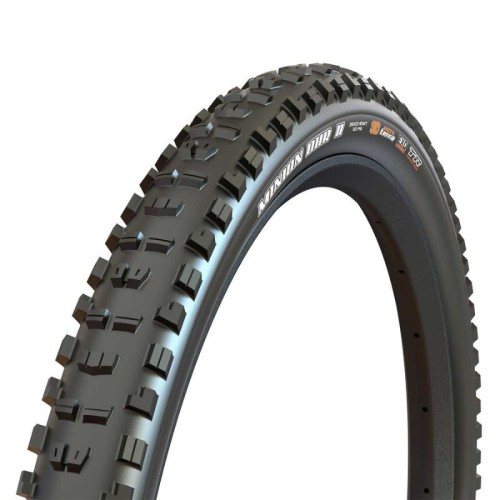
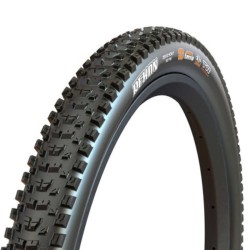
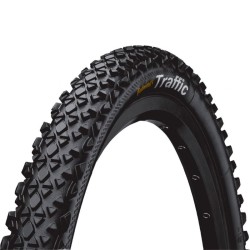
THE tires MTB must also be compatible with your wheels, your frame and your assembly. . Inner tube, Tubeless, section, diameter, front or rear profile: every detail counts. For riding around Montpellier, Nîmes, Lunel or on the hills near Ventoux, you often need to prioritize a reliable compromise between grip, robustness and performance.
Tires MTB essential criteria to check
The first criterion is the size. It must match the diameter of the wheel. The most common sizes are the wheels of MTB in 27.5 inches and 29 inches. Next, you need to check the maximum width accepted by the frame and the fork.
The second criterion is the profile. A tyre With large cleats, you get better grip on soft, wet, or technical terrain. tyre with a lower central band rolls faster on compact tracks. The design of the tyre It must therefore follow your dominant terrain.
THE tires MTB Tires are also chosen according to their level of protection. A reinforced casing is more resistant to rocks, roots, and lateral impacts. It sometimes adds a little weight, but it prevents many punctures and improves reliability on demanding rides.
| Criteria | Role | Advice |
|---|---|---|
| Width | Comfort, stability and grip | Wider for technical terrain |
| Cleats | Grip and braking | More noticeable on soft ground |
| Carcass | Resistance and support | Reinforced for enduro and rough terrain |
| Eraser | Adhesion and wear | Soft for grip, hard for durability |
| Pressure | Motor skills and efficiency | Adjust according to weight and terrain |
Understanding the type of practice
A MTB Cross-country riding demands lightweight, fast-rolling, and pedal-efficient tires. The goal is to maintain speed, especially on climbs and fast trails. The treads are often shallower, with a central band that reduces rolling resistance.
In trail running, you need a tyre More versatile. The bike needs to climb well, but also descend safely. Therefore, we're looking for good lateral grip, a fairly robust casing, and a tire compound capable of maintaining traction in corners.
Whether in enduro or all-mountain riding, the tires MTB They must withstand significant stress. The impacts are more powerful, the rocks more aggressive, and the descents faster. A reinforced casing then becomes almost essential to maintain precision and limit punctures.
Tires MTB : choose the right width
Width strongly influences the bike's handling. tyre A wider design increases the contact area with the ground. This provides more comfort, more grip, and better stability on technical sections.
A tyre Narrower tires are often lighter and roll more easily. They are suitable for dry, hard, and fast terrain. However, they are less forgiving of mistakes and absorb shocks less. They can also lack traction on soft ground.
THE tires MTB Wide tires are highly valued for trail and enduro riding. They allow you to ride with lower pressure, which improves grip. However, you must check that the frame, there fork and the rim accept this section.
| Width | Frequent use | Sensation |
|---|---|---|
| Fine to intermediate | Cross-country, rolling terrain | Fast and lightweight |
| Intermediate | Trail running, sporting hike | Versatile and comfortable |
| Wide | All-mountain, enduro | Stable and secure |
The role of cleats
THE cleats determine the hook. On a tyre MTB, Their shape, height, and spacing completely change their behavior. Low, closely spaced cleats roll fast. High, widely spaced cleats bite better into loose soil.
The central band influences performance and braking. If it is continuous or semi-continuous, the tyre It rolls better. If it is very sculpted, it brakes harder and grips better on technical climbs.
THE tires MTB With their genuine side knobs, they inspire confidence in corners. They keep the bike stable when leaning. On dry and dusty terrain, this lateral grip is crucial, as the wheel can easily lose traction.
Tires MTB soft gum or hard gum
There eraser It influences grip and wear. A softer compound grips better, especially on rocks, wet roots, and technical terrain. It provides a feeling of security when braking and cornering.
A harder rubber compound wears down less quickly. It is often more effective for long distances, regular rides, and dry terrain. It also offers better pedaling efficiency, but less grip on slippery surfaces.
THE tires MTB Modern tires often combine several rubber densities. The central part may be more resistant, while the sides are softer. This allows for maintaining performance while improving cornering grip.
Casing and puncture protection
There carcass is the internal structure of the tyre. It determines its flexibility, support, and resistance. A lightweight casing promotes acceleration. A reinforced casing offers better protection against impacts and cuts.
In MTB, The carcass is crucial. On brittle terrain, the flanks of the tyre They can rub against stones. A side panel that is too fragile can be easily cut. Side protection reduces this risk and improves stability at low pressure.
THE tires MTB Reinforced bindings are particularly recommended for committed riders, powerful motorcyclists, and rocky terrain. They provide better support while maintaining balance, even if the weight increases slightly.
| Carcass | Advantage | Recommended use |
|---|---|---|
| Lightweight | Efficiency and responsiveness | Cross-country, rolling terrain |
| Versatile | Balance of comfort and durability | Trail running, sporting hike |
| Reinforced | Protection and maintenance | Enduro, all-mountain, rough terrain |
Tires MTB tubeless or inner tube
THE assembly with inner tube It remains simple and easy to troubleshoot. It's suitable for occasional users or those who want a familiar solution. Its main drawback is the risk of pinching when the pressure is low.
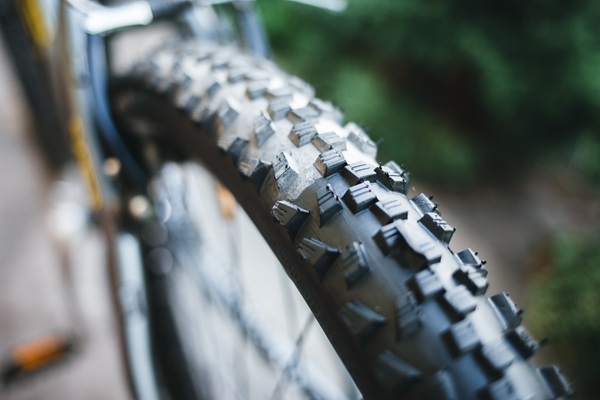
THE tubeless has become a benchmark in MTB. It allows you to ride with less pressure, therefore with more grip and more comfort. The sealant plugs small punctures and reduces the need for stopping during rides.
THE tires MTB tubeless Ready They offer an excellent compromise for regular use. They require compatible rims, suitable valves, and a assembly Clean. Once properly installed, they clearly improve the feel on the field.
Adjust the pressure to the terrain
There pressure is a adjustment essential. Too inflated, the tyre It bounces, loses grip, and transmits all the vibrations. If it's not inflated enough, it becomes vague and can bottom out. rim and risks deforming when turning.
The good adjustment depends on the pilot's weight, the width of the tyre, The type of casing and the terrain will affect the pressure. Dry, rolling terrain can handle slightly higher pressure. Technical terrain often requires lower pressure for better grip.
THE tires MTB Tubeless tires allow for lower pressures than a assembly with a bedroom. That's one of their major advantages. However, you must remain attentive to maintaining the tyre in the supports.
| Ground | Adjustment research | Effect |
|---|---|---|
| Dry and rolling | Moderate to firm pressure | Better performance |
| Roots and stones | Lower pressure | More grip and comfort |
| Mud | Controlled pressure | More regular motor skills |
Tires MTB The front and rear do not play the same role.
THE tyre The front wheel guides the bike. It must offer excellent lateral grip and reassuring braking. It's what gives confidence in corners, off-camber sections, and descents.
THE tyre The rear transmits power. It must offer motor skills, but also good performance. It wears out faster than the tyre earlier, because it better withstands the forces of pedaling and braking.
Many cyclists choose tires MTB different at the front and rear. One tyre before, more eye-catching and a tyre A more rolling rear end often results in a balanced, enjoyable, and efficient bike.
Choose according to the terrain
On dry, compact ground, a tyre Rolling tires are often sufficient. Low-profile knobs reduce resistance. The bike rolls more smoothly and remains comfortable on long rides.
On soft, dusty, or sandy ground, more traction is needed. Widely spaced cleats help with this. tyre to penetrate the ground. They prevent the wheel from floating or coming loose too easily.
On wet ground, the tires MTB They need to clear the mud. High, well-spaced lugs limit clogging. They maintain better traction when the ground becomes heavy and slippery.
| Ground | Recommended profile | Priority |
|---|---|---|
| Dry and hard | Low studs | Yield |
| Stony | Sturdy crampons and reinforced carcass | Protection |
| Muddy | High, widely spaced crampons | Evacuation |
| Mixed | Versatile profile | Balance |
Tires MTB diameter and compatibility
The diameter must match your wheels. One tyre Designed for a 29-inch wheel, it cannot be mounted on a 27.5-inch wheel. This information is indicated on the sidewall of the tyre current.
The width must also fit within the frame and the fork. Sufficient space must be maintained to avoid friction, especially when the wheel deforms slightly or when mud accumulates.
THE tires MTB must also correspond to the internal width of the rim. A rim too narrow with a tyre A very wide range can lead to inaccurate behavior. rim The adapted design improves support and stability.
Size and usage guide
The choice of tire size depends on the bike, the type of riding, and the desired level of comfort. Thinner tires promote speed, while wider tires provide grip and confidence on technical sections.
| Format | Frequent use | Main advantage |
|---|---|---|
| Twenty-seven and a half inches | Trail, all-mountain, maneuverability | Bike more playful |
| Twenty-nine inches | Cross-country, trail, modern enduro | Best crossing |
| Intermediate section | Hiking and versatile use | Good balance |
| Large section | Technical terrain | More grip and comfort |
THE tires MTB must always be chosen taking into account the available space. A tyre A large size may seem ideal, but it becomes problematic if it rubs in the chain stays, THE seat stays or the hoop of fork.
Tires MTB yield and weight
The weight of a tyre It influences acceleration. A lightweight model makes the bike more responsive, especially uphill. This is beneficial for cross-country and fast courses.
But one tyre Very lightweight is often less durable. On rough terrain, weight savings can come at the cost of punctures, cuts, or poor support. Therefore, performance shouldn't be judged solely on the scale.
THE tires MTB They need to find the right balance between weight, strength, and grip. For demanding use, it's better to accept a few extra grams if it provides greater safety and reliability.
Durability and signs of wear
A tyre of MTB Tire wear occurs through the tread, the knobs, and the sidewalls. Rounded knobs provide less braking power and less grip in corners. Cut or cracked sidewalls should raise a red flag.
THE tyre The rear wheel often wears out faster. It is subjected to acceleration, braking, and friction when going uphill. It may need to be replaced before the tyre Before.
Of the tires MTB Worn tires reduce safety. They increase braking distances and make the bike less predictable. Checking them regularly helps avoid unpleasant surprises during a ride.
Tires MTB mistakes to avoid
The first mistake is choosing a tyre Too fast for technical terrain. The bike feels quick at first, but lacks grip under braking and in corners. Confidence quickly disappears.
The second mistake is neglecting the carcass. A nice lug pattern isn't enough. Without a solid sidewall, the tyre can deform or break on stones.
The third mistake is to assemble the same tires MTB all year round, regardless of the season. One tyre Effective on dry terrain, it can become limited in winter or on muddy ground. Adapting your equipment significantly improves handling.
FAQ
What tire width MTB choose ?
The width depends on the intended use and the terrain. A narrower section improves efficiency on rolling terrain. A wider section provides more comfort, stability, and grip on technical terrain.
Should you choose tires? MTB Are they different at the front and rear ?
Yes, that's often a good solution. tyre The front should prioritize grip and steering. tyre The rear end must offer traction, braking and adequate performance.
Is tubeless tires recommended in MTB ? ?
Yes, tubeless is very interesting in MTB. It allows you to ride with less pressure, improves grip and reduces the risk of punctures thanks to the sealant.
How to choose the tread pattern for your tires MTB ? ?
For dry, rolling terrain, low-profile lugs are effective. For soft, muddy, or technical terrain, taller and more widely spaced lugs are needed to improve grip and water evacuation.
When to replace your tires MTB ? ?
They need to be replaced when the studs are very worn, when the sidewalls are cut, or when the tyre loses grip. One tyre Anything deformed or cracked must also be replaced.
What tire pressure should I use? MTB ? ?
The pressure depends on the pilot's weight, the terrain, and the width of the tyre and of the assembly. Lower pressure improves grip, but it must remain sufficient to prevent heeling and maintain good support.
Related Posts
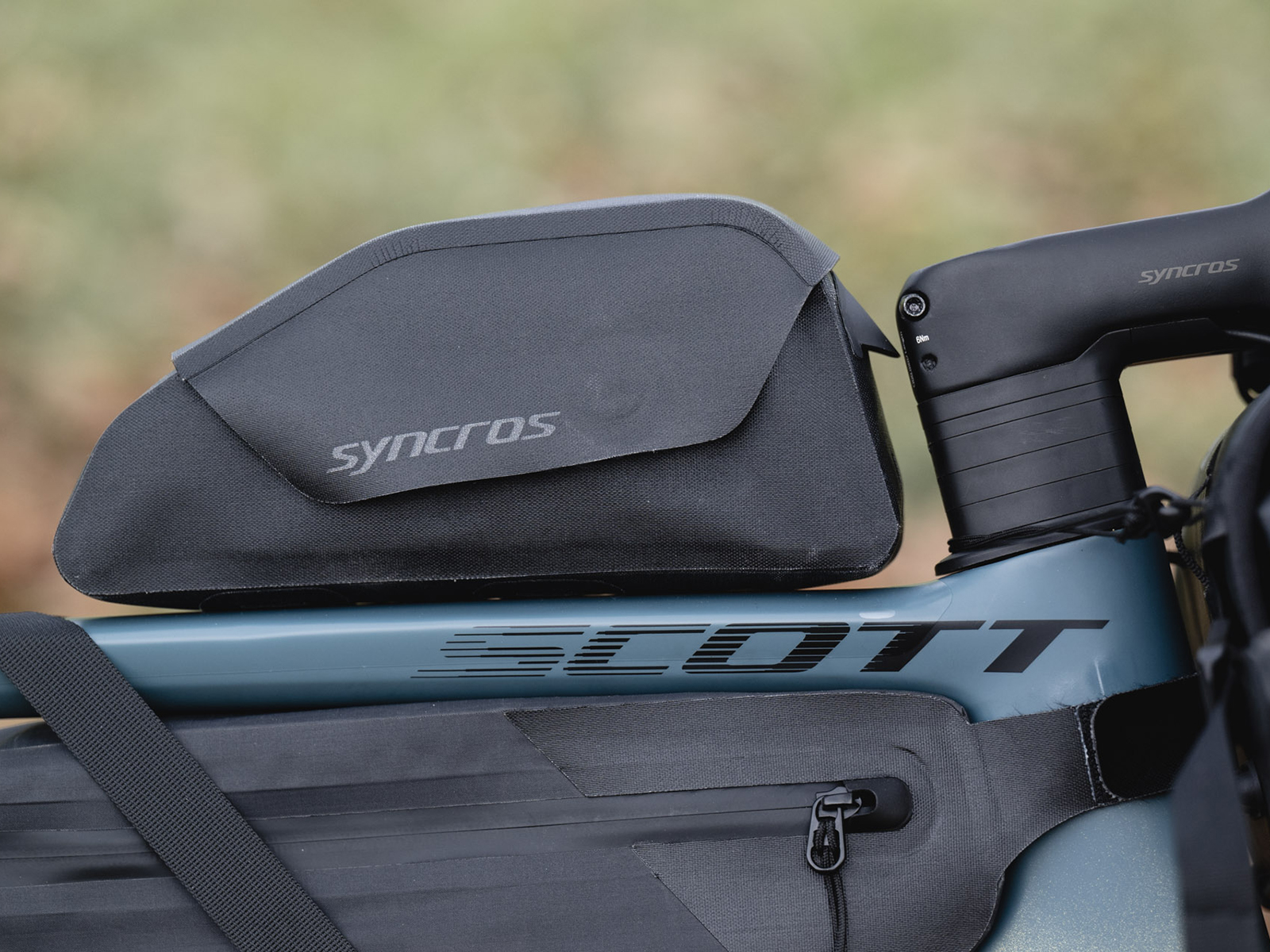
The pannier has become an essential piece of equipment for many cyclists. Whether for daily commutes, bike riding, long rides, cycle touring, bikepacking, or simply leisurely outings, it allows you to carry your belongings comfortably without carrying a load on your back. A well-chosen pannier improves comfort, maintains the bike's balance, and makes organizing your gear easier.
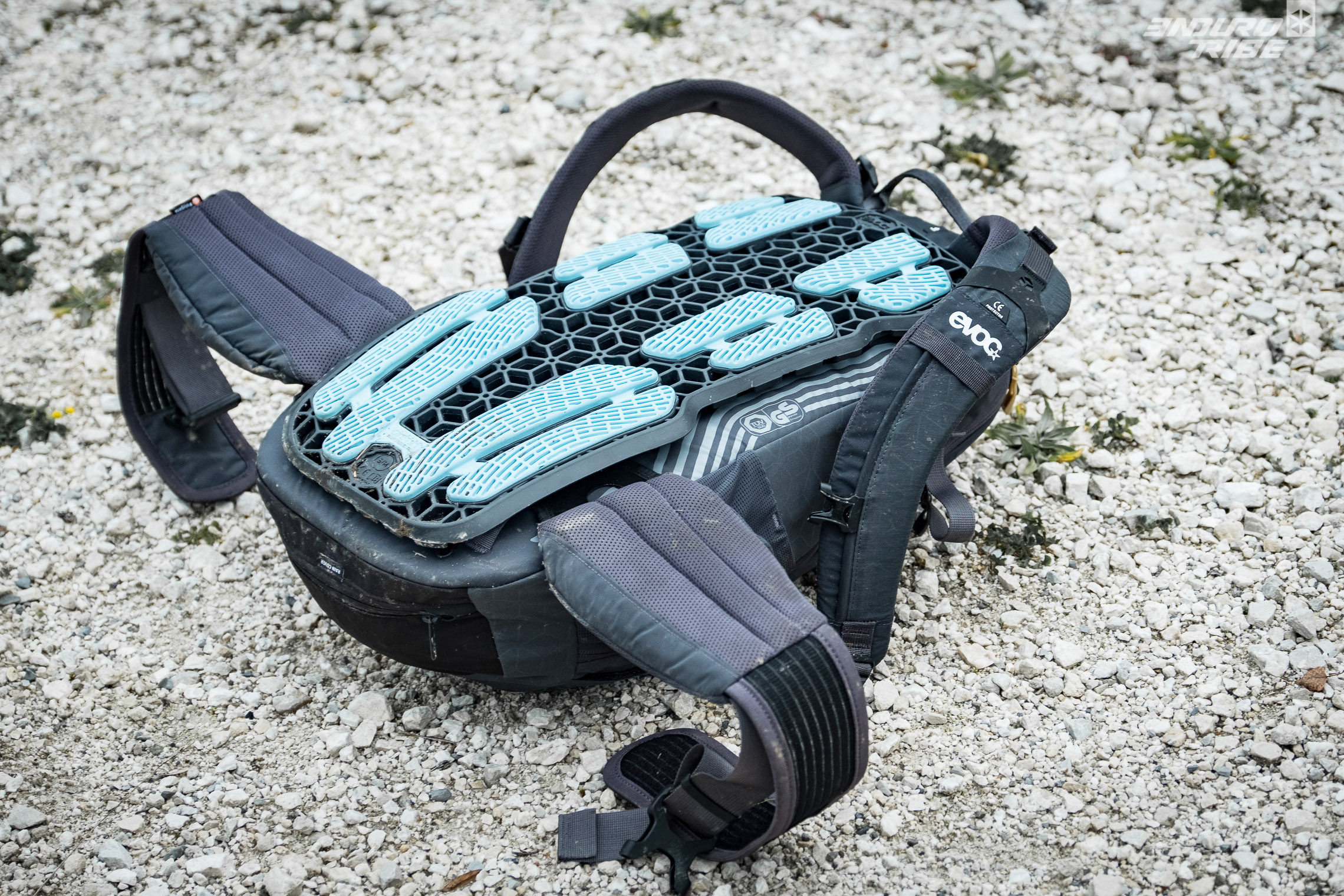
Choosing a cycling backpack requires finding the right balance between comfort, capacity, stability, rain protection, and easy access to your gear. A good bag shouldn't just carry things. It should stay securely in place, not interfere with pedaling, minimize back perspiration, and effectively protect essential items. Whether you're commuting to work, going for a sporting activity, cycling around town, touring by bike, or hiking, your needs will differ.
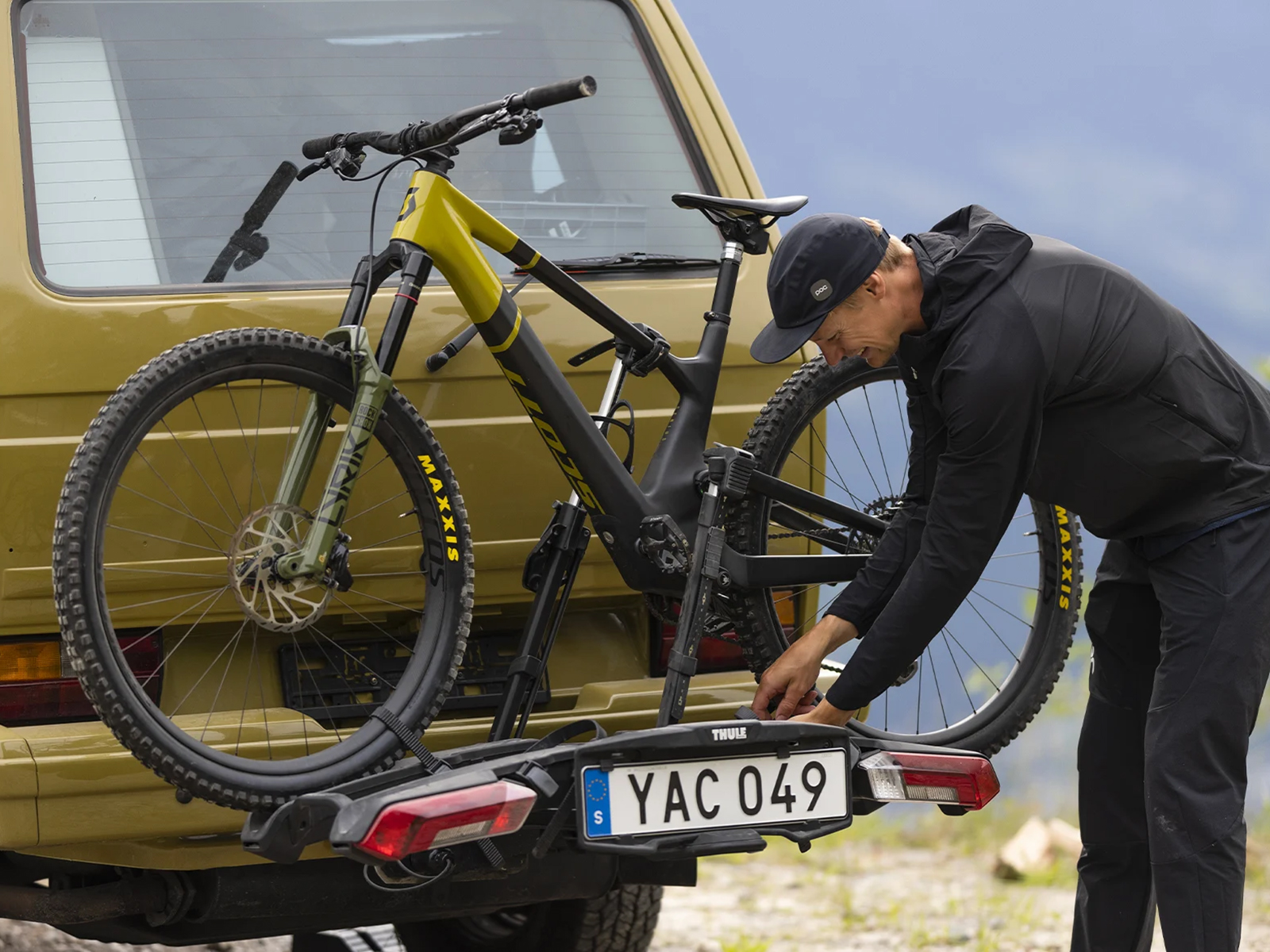
Choosing the right bike rack is essential for transporting your bikes safely, protecting your equipment, and enjoying a worry-free journey. Given the wide variety of systems available, identifying the best solution for your vehicle, the number of bikes you're carrying, or your intended use isn't always easy. Between hitch-mounted, tailgate-mounted, and roof-mounted models, there are many differences in terms of load capacity, ease of installation, compatibility, and user-friendliness.
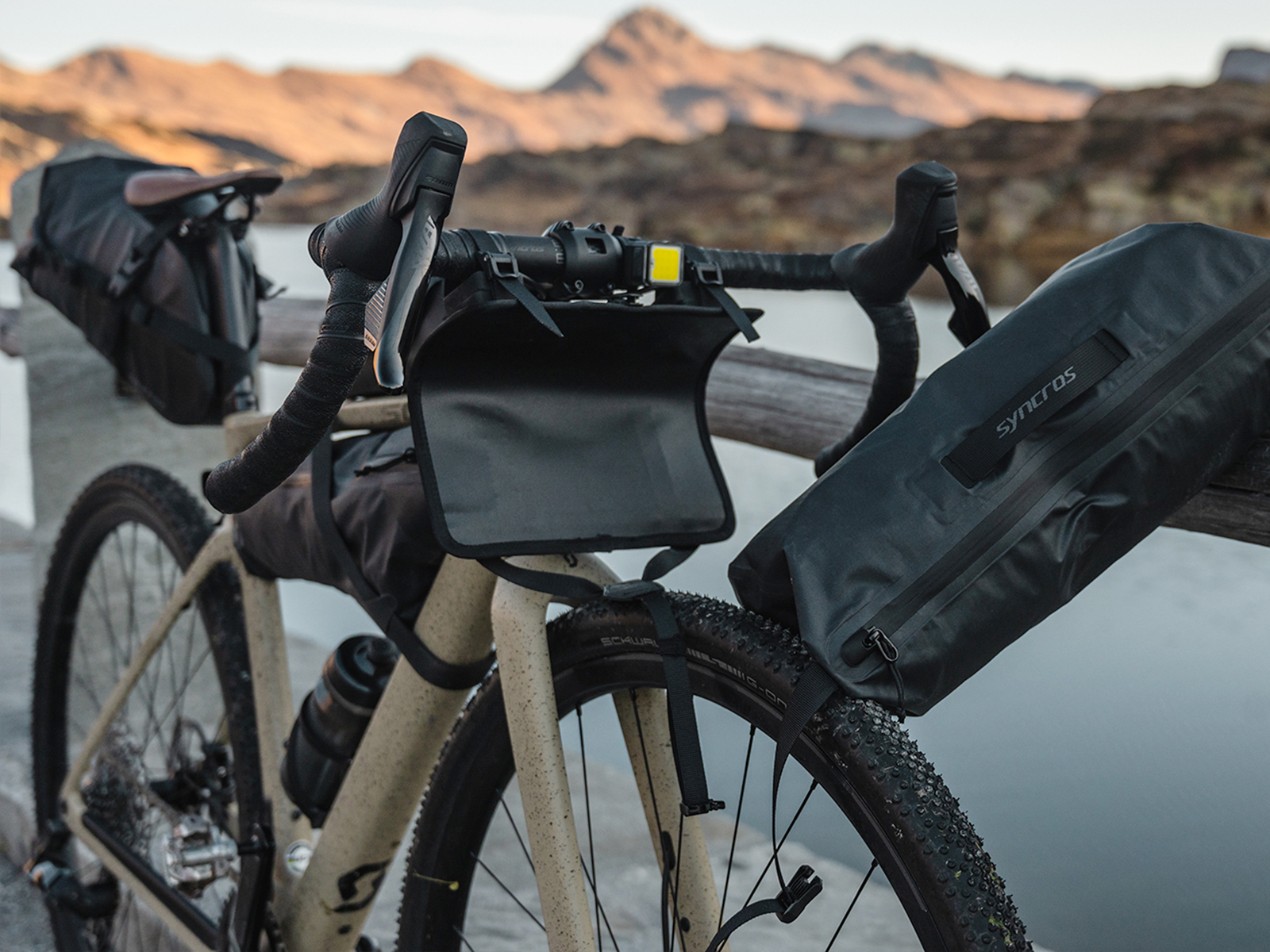
Bikepacking is an adventure cycling practice that involves traveling independently with a lightweight load attached directly to the bicycle. Unlike traditional cycle touring, which uses racks and large panniers, bikepacking favors compact bags distributed across the frame , handlebar , and tige de saddle . This approach allows for a bike that remains agile, efficient, and suitable for varied terrain, whether roads, tracks, forest paths, or trails.
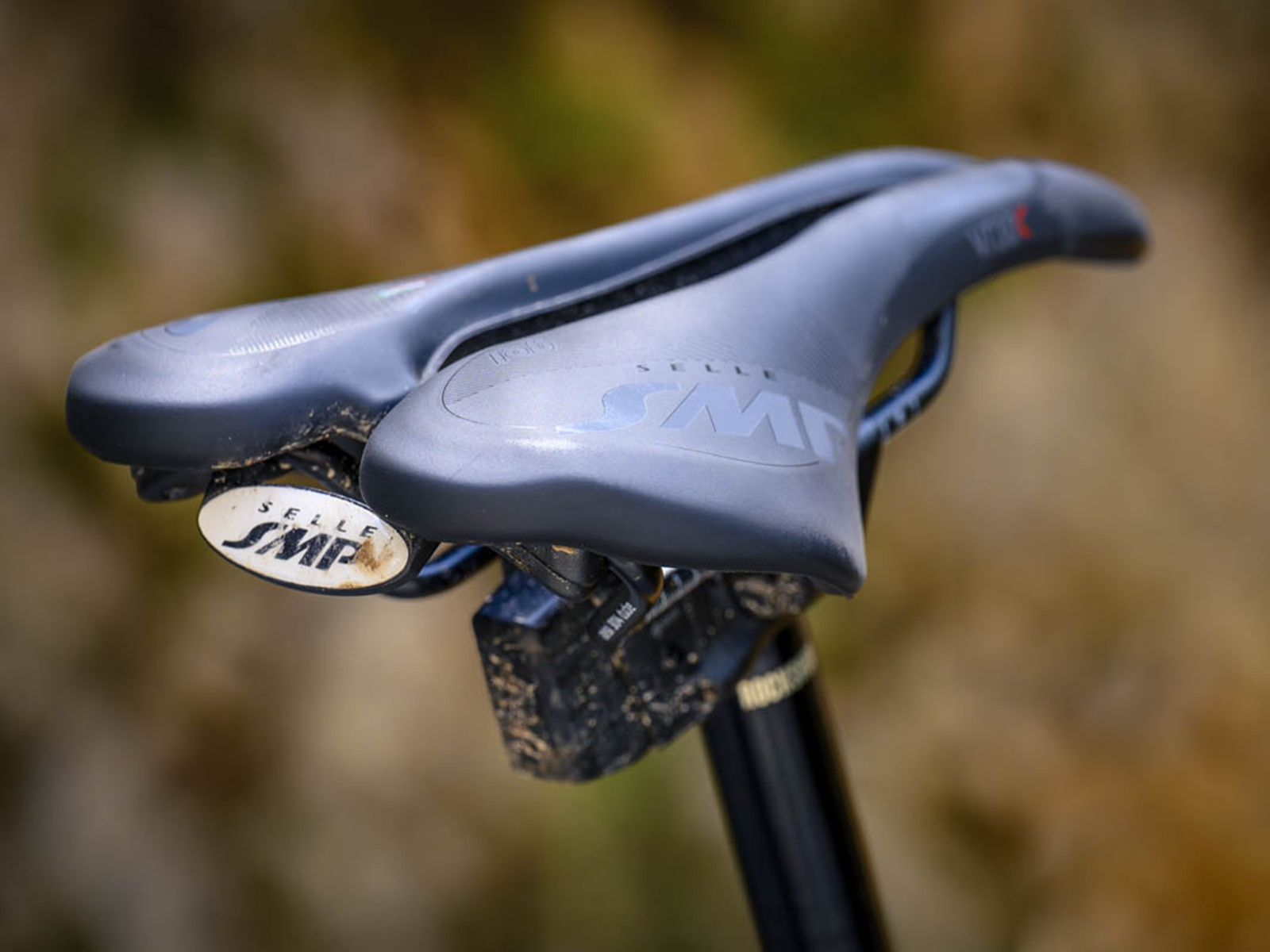
Choosing the right saddle is one of the most important factors in improving comfort, performance, and enjoyment of off-road riding. An unsuitable saddle can cause pelvic pain, chafing, numbness, or reduced pedaling efficiency. Conversely, a well-chosen saddle allows for better power transfer, maintains a stable position on the bike, and lets you fully enjoy your rides, whether it's trail riding, cross-country, enduro, or downhill. The shape, width, padding, materials, and type of riding all directly influence the choice. Therefore, it's essential to consider your body type, riding style, and riding habits before making your selection.
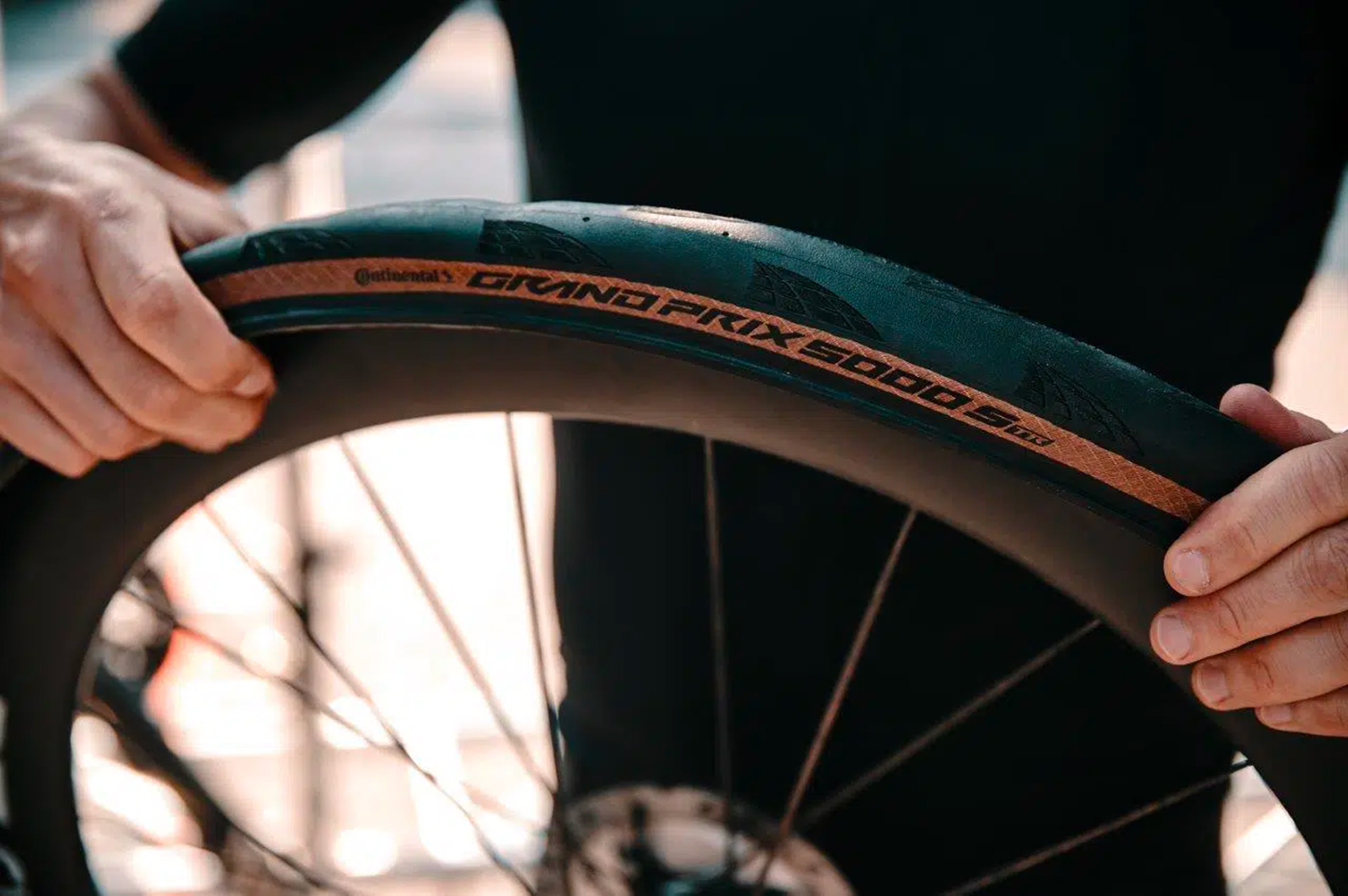
Choosing the right road Bike tires is one of the most important decisions for improving performance and comfort. tyre directly influence speed, grip, safety, and overall feel on the bike. A well-suited model allows you to ride more efficiently, with less effort and more confidence, whether on long straightaways or technical descents.