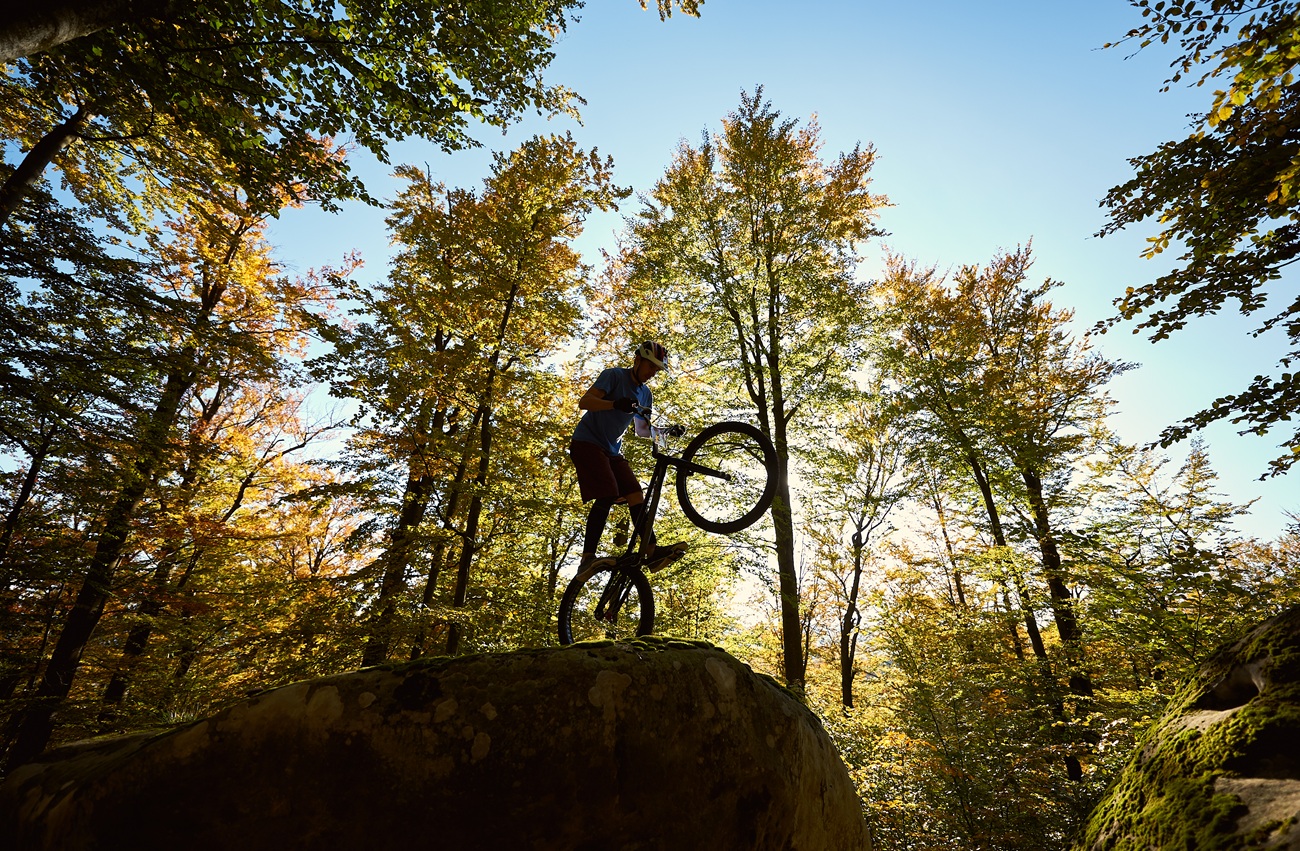
Choosing a full-suspension MTB starts with the essentials. The priority is full suspension. It's the heart of a full-suspension MTB . It combines a front fork and a rear rear shock , effectively filtering out obstacles and improving comfort. Traction remains optimal on all types of terrain. This type of bike also requires a suitable geometry, which ensures control and stability. All the more reason to make it the primary criterion.
How to choose a full-suspension MTB
Choosing a full-suspension MTB starts with the essentials. The priority is full suspension. This system combines a front fork and a rear rear shock . It effectively filters out obstacles and improves comfort. Traction remains optimal, even on rough terrain. Next comes frame geometry. It ensures control and stability from the very first use of the bike.
Full suspension and travel
Full suspension plays a central role on technical terrain. Travel directly impacts the bike's ability to absorb shocks. A properly adjusted fork maintains the bike's handling . The rear rear shock affects stability on descents. This balance provides greater comfort and reduces fatigue . For a full-suspension MTB , the quality of the suspension components is the primary consideration.
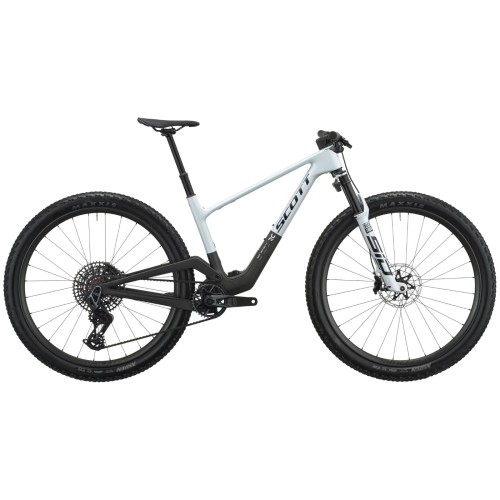
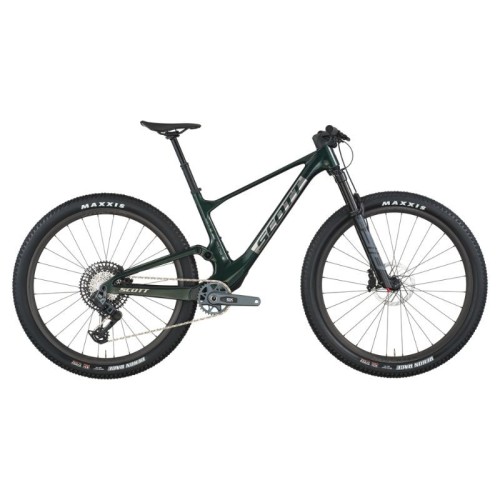
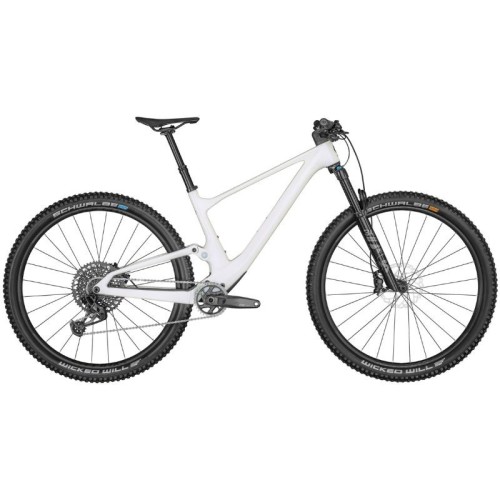
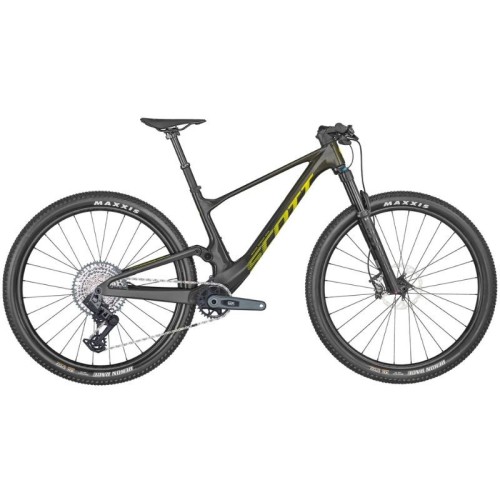
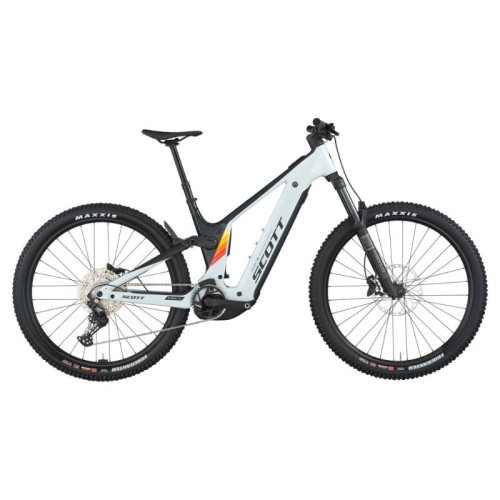
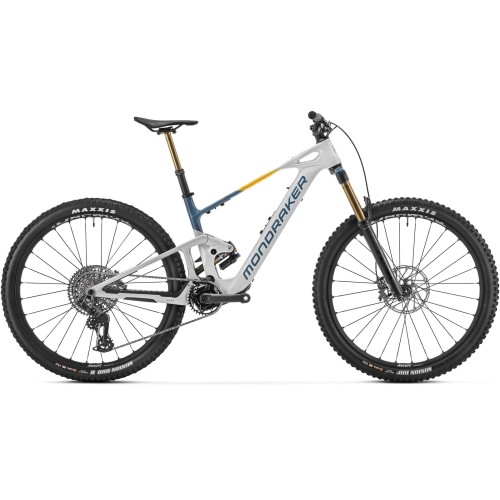
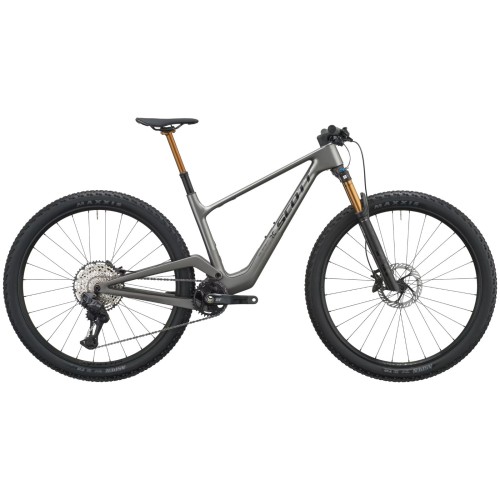
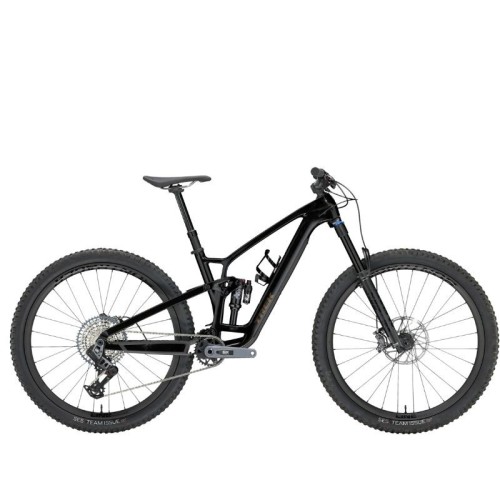
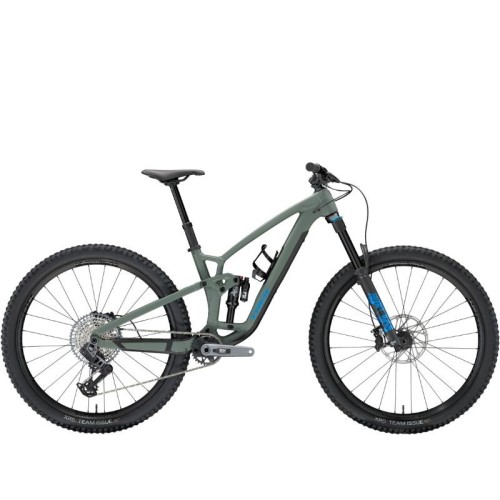
A properly adjusted rear shock keeps the rear wheel in contact with the ground. This improves traction and grip. The overall handling of the bike becomes more predictable. You gain control and safety. High-performance suspension is therefore essential when choosing a full-suspension MTB .
frame geometry and behavior of the full-suspension MTB
The frame geometry balances control and agility . A slack head angle provides stability on descents. A short top tube helps you turn faster. This compromise is essential for riders who enjoy a variety of techniques. With a full-suspension MTB , good geometry enhances your pedaling cadence.
A well-designed rear triangle maintains traction. This further stabilizes the bike. The rear end must be stiff, the whole assembly fluid. This dual objective combines performance and resistance to mechanical stress.
Drivetrain , speeds and cadence
The drivetrain influences pedaling cadence. A 1x system is simpler. It reduces weight and limits the risk of derailleur slippage. A suitable cassette provides a good gear range, making both climbs and accelerations easier. Well-positioned shifters optimize comfort . For a full-suspension MTB , this ergonomics is invaluable.
A well-calibrated drivetrain reduces muscle fatigue . Pedaling remains smooth on varied terrain. Shifting is precise and safe. The difference is immediately noticeable.
The choice also depends on the terrain. You have to find the right balance between lightness and efficiency. This requires some practice and testing in the field.
Hydraulic braking for greater control
Hydraulic braking is a wise choice. It provides consistent braking power and precise modulation. This system is safer on steep inclines. Properly sized rotors dissipate heat effectively. Durable brake pads improve longevity . Braking becomes more precise on a full-suspension MTB .
Glove-compatible levers are a real advantage. They reduce hand fatigue. Regular maintenance ensures consistent performance. The system remains reliable, even in wet conditions.
Adjusting the power to the descent conditions is crucial. Proper adjustment prevents loss of control, especially on fast or technical terrain.
Wheels, tires and grip of the full-suspension MTB
The wheels influence its overall handling. 27.5-inch facilitate maneuverability. 29-inch wheels promote speed over obstacles. Knobby tires optimize traction on loose terrain. For a full-suspension MTB , choosing the right compromise between weight and traction is crucial for performance.
Tubeless assembly allow you to ride at lower pressures. This reduces punctures and combines comfort and performance. Rides become smoother and uninterrupted.
Choose tires suited to the terrain: dry, wet, or technical. Each tread pattern affects grip and performance.
Frame and materials for durability
The frame plays a major role in durability. Aluminum remains strong and affordable. Carbon is lighter and absorbs vibrations better. For intensive use, longevity is key. A full-suspension MTB must remain reliable under physical stress.
A robust design distributes stress evenly. Reinforced tubes and protective elements safeguard the structure. The absence of play increases rigidity . The overall performance becomes more precise.
The choice of material also depends on the rider's weight and riding style. This impacts the bike's durability over time.
Ergonomic settings for comfort and precision
The saddle must be properly positioned for pain-free pedaling. An incorrect height creates tension. The handlebar must be aligned and precise. Effective grips minimize slippage. On a full-suspension MTB , these adjustments optimize handling on technical sections.
Properly fitting handlebar increase confidence on descents. They make cornering easier. Comfort becomes a lever for performance.
Good ergonomics prolongs the enjoyment of rides. Fatigue is reduced. Control becomes natural.
Bicycle Maintenance and longevity
Regular maintenance is essential on this type of bike. The suspension requires frequent bleeding and adjustments. The brakes need targeted maintenance . The drivetrain needs cleaning and lubrication. This type of bike has more moving parts and deserves extra attention to remain reliable.
Using standard components simplifies repairs. This reduces maintenance costs. Regular maintenance extends the life of the bicycle.
Plan ahead for pre-season checks. Check the suspension, brakes, headset . This will prevent unexpected breakdowns.
Comparative table of key elements
| Domains | What to look for |
|---|---|
| Suspension | Well-balanced travel, adjustable settings |
| Geometry | Open angle for stability, short tube for maneuverability |
| Drivetrain | 1× Simple and Effective System |
| Brakes | Powerful and modular hydraulic system |
| Wheels/tires | Suitable for the terrain, preferably tubeless. |
| Frame | Sturdy material and durable design |
| Maintenance | Regular maintenance and common parts |
This table provides a clear overview of priorities. It guides you in your comparison before choosing a model. Each row reflects a key point for the long-term use of a full-suspension MTB .
FAQ
Why choose a full-suspension MTB rather than a hardtail?
Full-suspension MTB offer greater comfort and control on rough terrain. They maintain better traction and reduce fatigue during technical descents.
What travel should I choose depending on my intended use?
For moderate trail riding, a medium travel suspension is sufficient. For enduro or challenging downhill riding, opt for a longer travel suspension for greater stability and comfort.
How to properly maintain a full-suspension MTB ?
Perform an initial suspension service . Check the brakes, clean and lubricate the drivetrain . Regularly inspect the fasteners and steering.
Related Posts
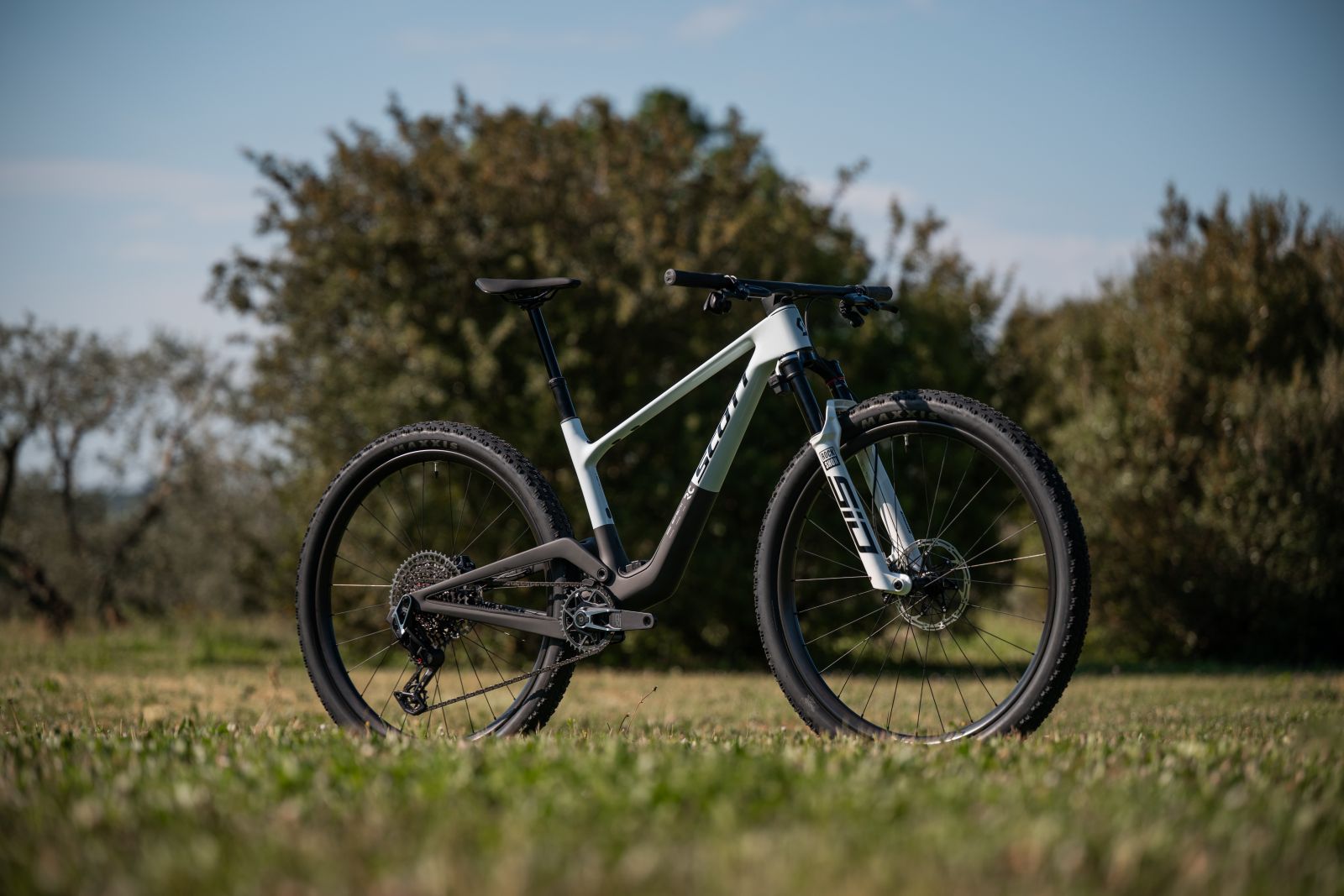
The Scott Spark RC World Cup and Expert 2027 push the boundaries of XC even further. Flight Attendant suspension, Syncros carbon wheels and top-level performance: discover our full review.
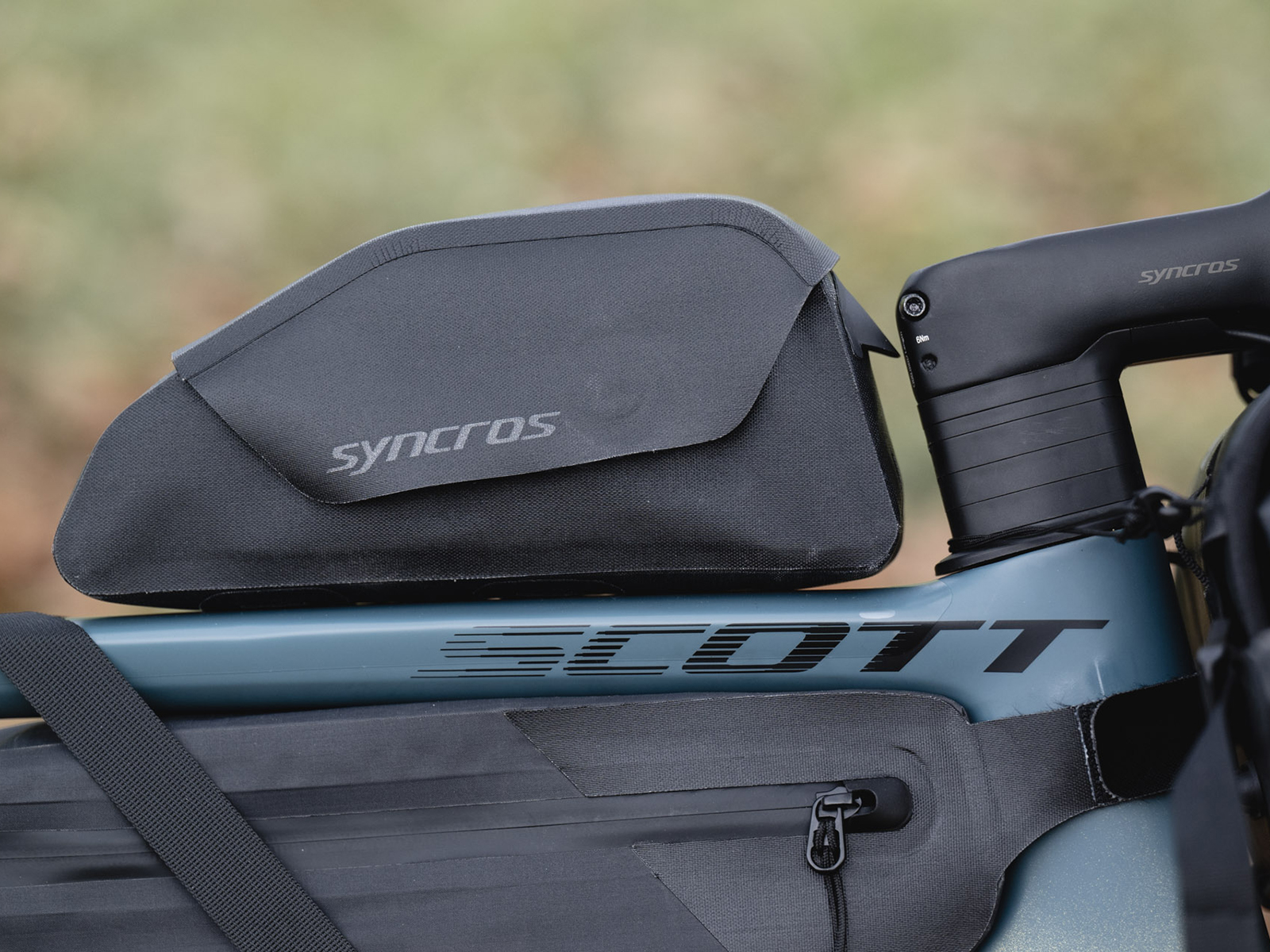
The pannier has become an essential piece of equipment for many cyclists. Whether for daily commutes, bike riding, long rides, cycle touring, bikepacking, or simply leisurely outings, it allows you to carry your belongings comfortably without carrying a load on your back. A well-chosen pannier improves comfort, maintains the bike's balance, and makes organizing your gear easier.
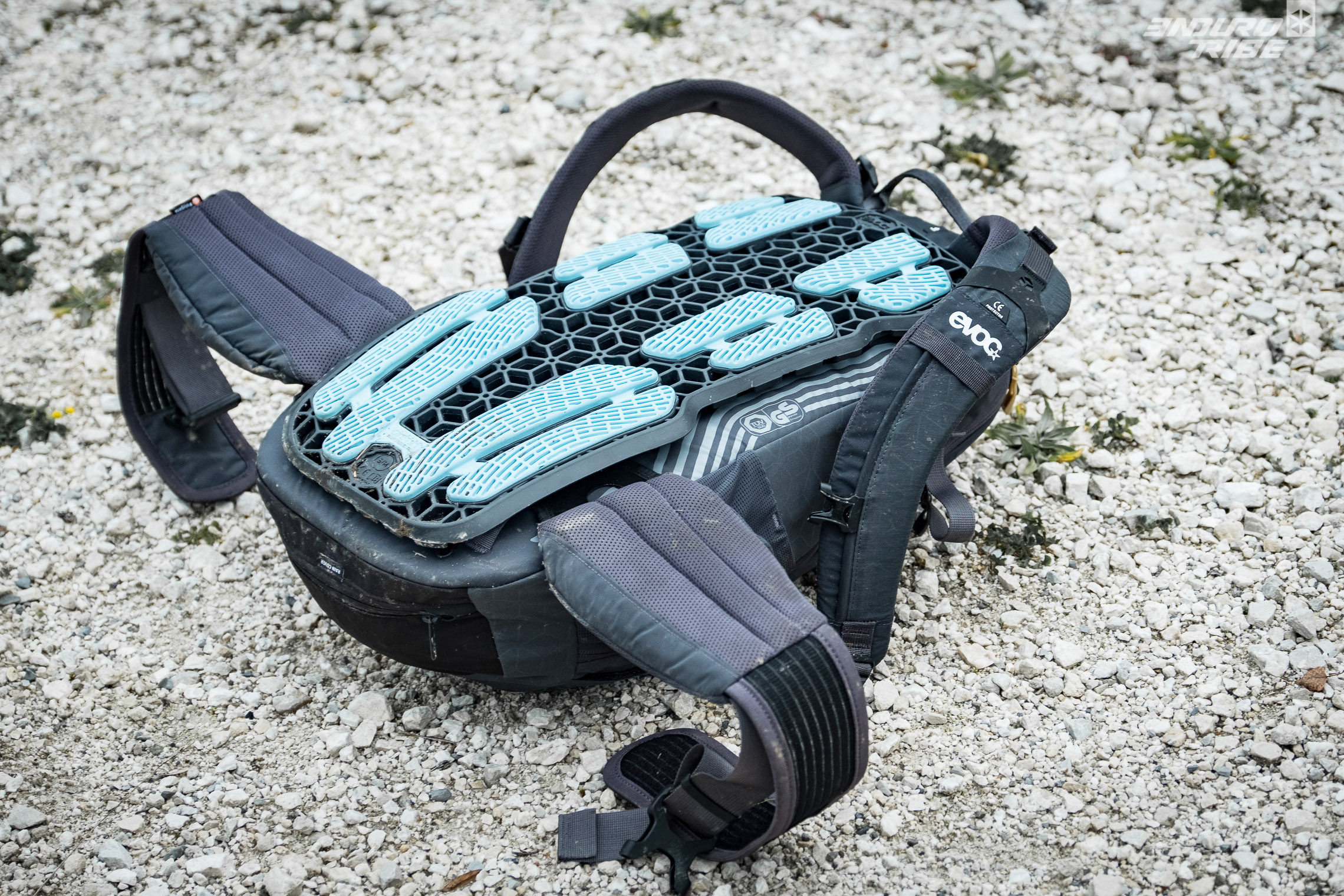
Choosing a cycling backpack requires finding the right balance between comfort, capacity, stability, rain protection, and easy access to your gear. A good bag shouldn't just carry things. It should stay securely in place, not interfere with pedaling, minimize back perspiration, and effectively protect essential items. Whether you're commuting to work, going for a sporting activity, cycling around town, touring by bike, or hiking, your needs will differ.
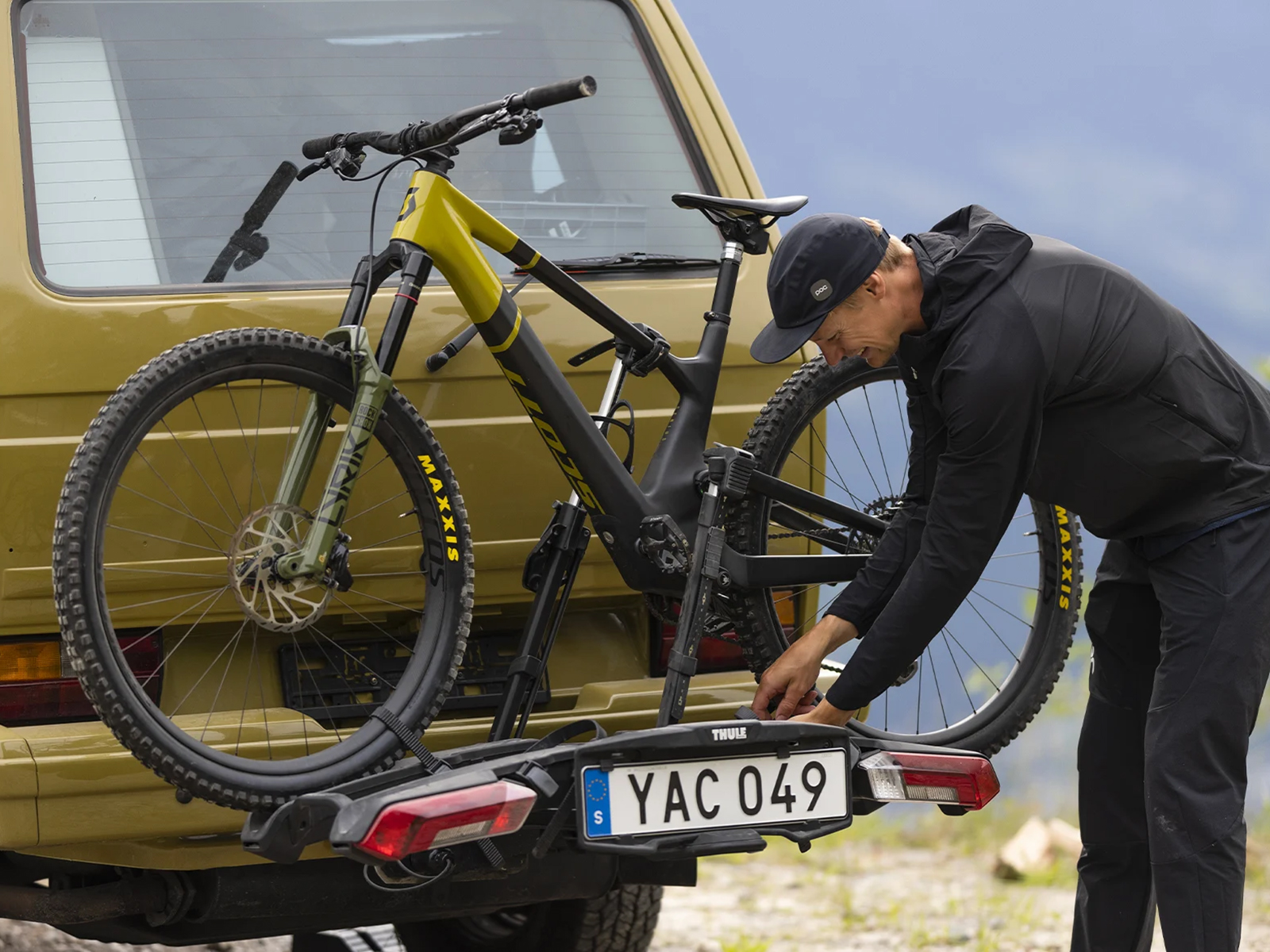
Choosing the right bike rack is essential for transporting your bikes safely, protecting your equipment, and enjoying a worry-free journey. Given the wide variety of systems available, identifying the best solution for your vehicle, the number of bikes you're carrying, or your intended use isn't always easy. Between hitch-mounted, tailgate-mounted, and roof-mounted models, there are many differences in terms of load capacity, ease of installation, compatibility, and user-friendliness.
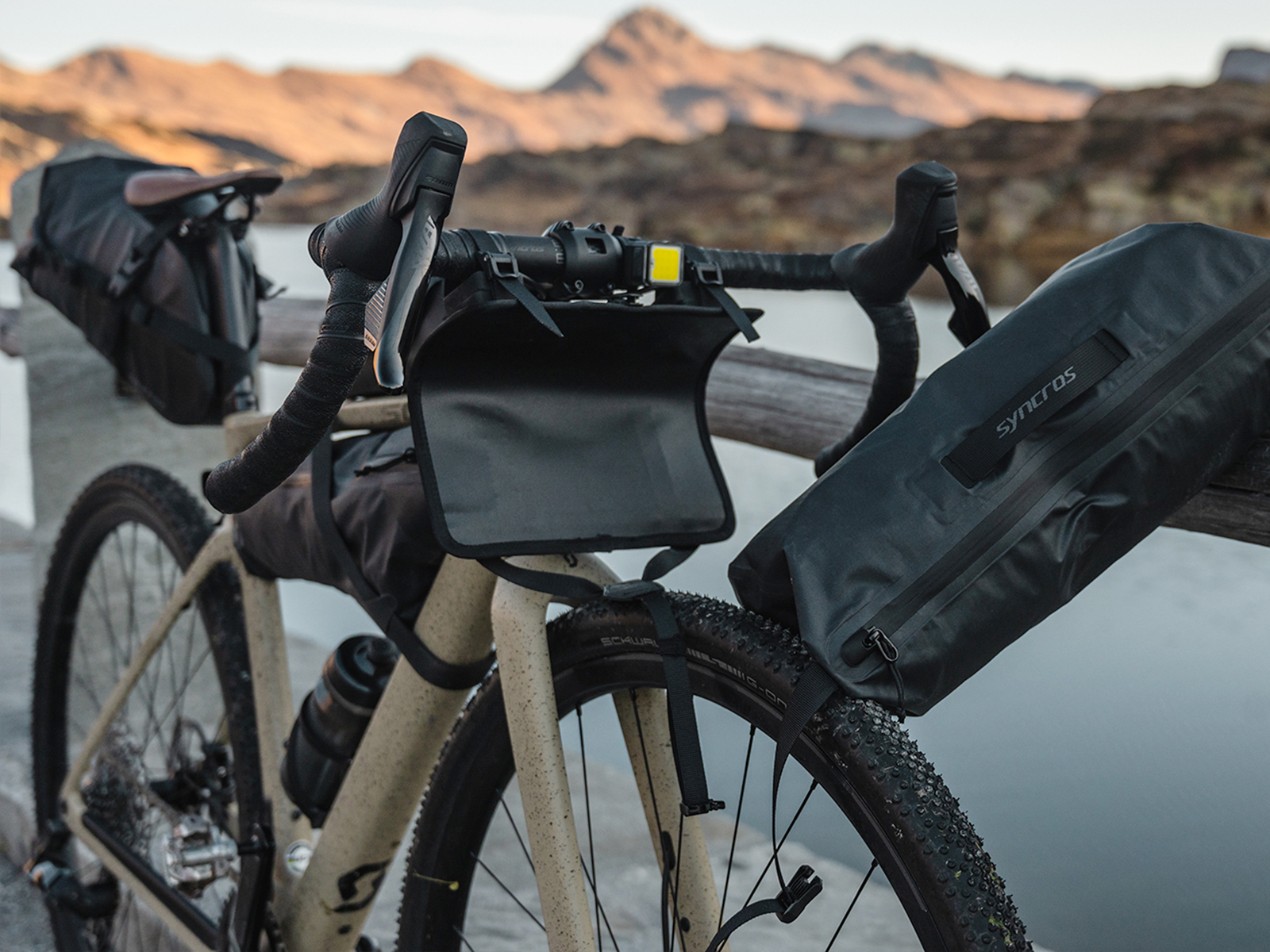
Bikepacking is an adventure cycling practice that involves traveling independently with a lightweight load attached directly to the bicycle. Unlike traditional cycle touring, which uses racks and large panniers, bikepacking favors compact bags distributed across the frame , handlebar , and tige de saddle . This approach allows for a bike that remains agile, efficient, and suitable for varied terrain, whether roads, tracks, forest paths, or trails.
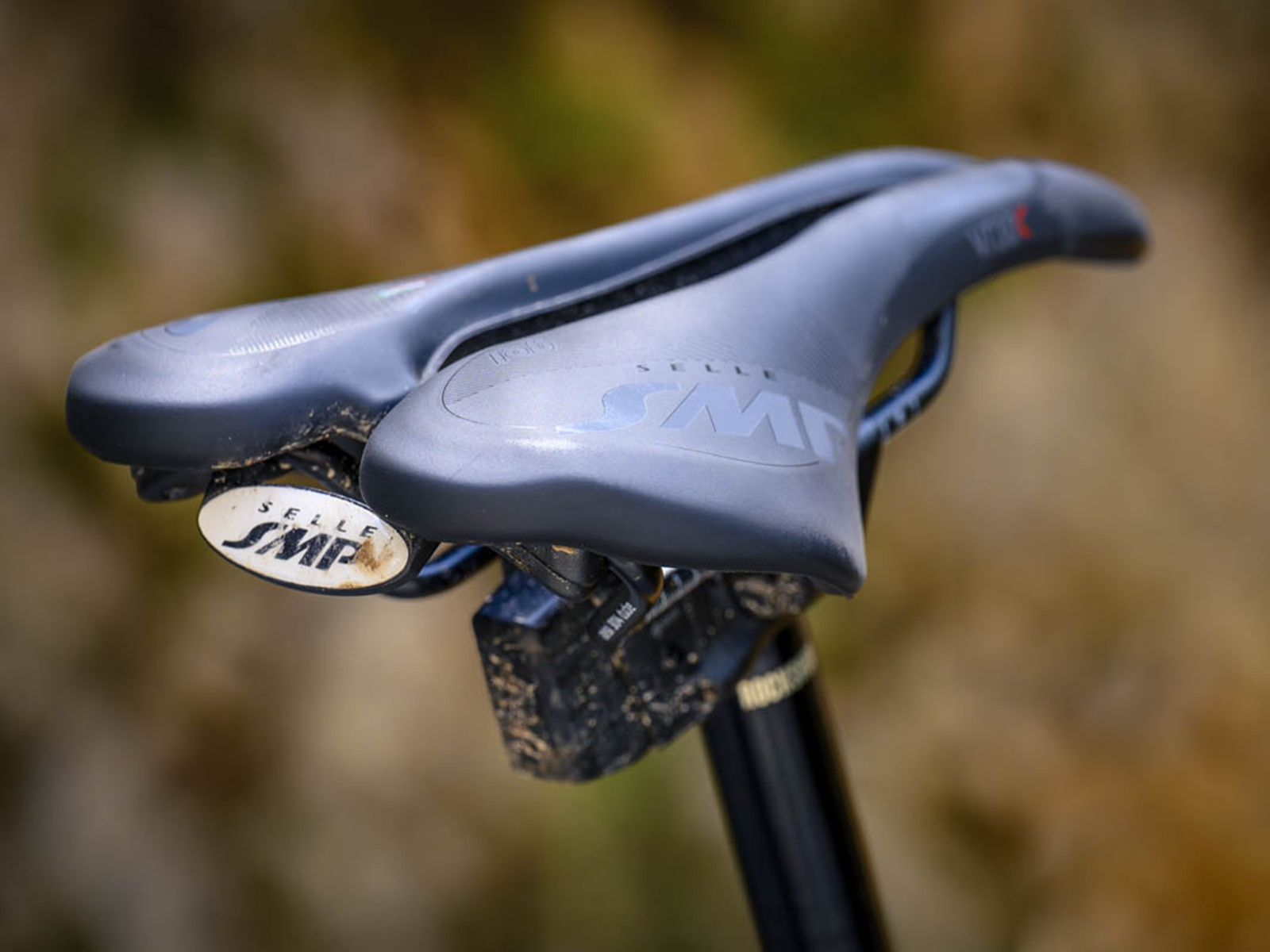
Choosing the right saddle is one of the most important factors in improving comfort, performance, and enjoyment of off-road riding. An unsuitable saddle can cause pelvic pain, chafing, numbness, or reduced pedaling efficiency. Conversely, a well-chosen saddle allows for better power transfer, maintains a stable position on the bike, and lets you fully enjoy your rides, whether it's trail riding, cross-country, enduro, or downhill. The shape, width, padding, materials, and type of riding all directly influence the choice. Therefore, it's essential to consider your body type, riding style, and riding habits before making your selection.