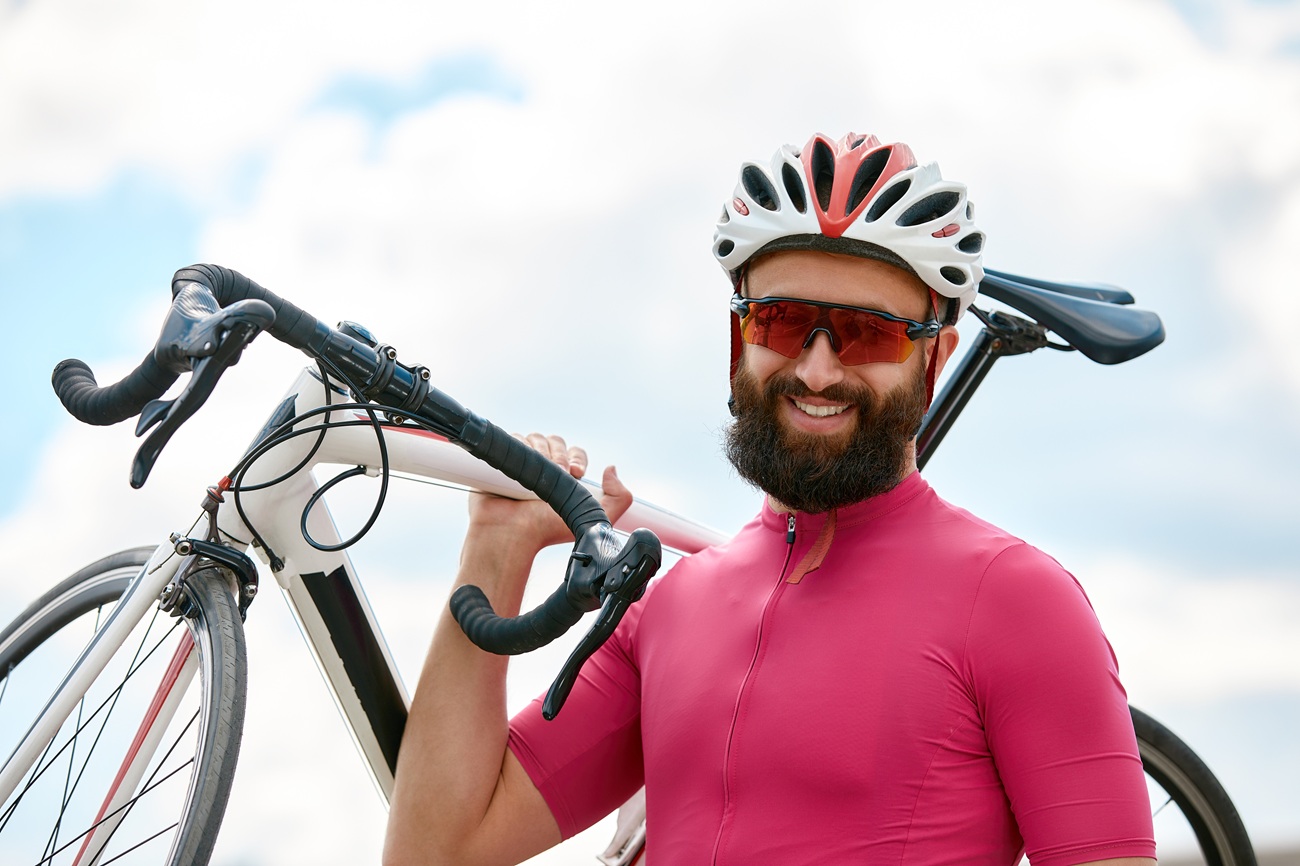
Choosing a bike suited to your riding style, body type, and preferences is essential to fully enjoy every ride. As a cycling expert, I offer a comprehensive guide to help you select a model that truly meets your needs.
How to choose a men's bicycle?
Choosing a bike suited to your riding style, body type, and preferences is essential to fully enjoy every ride. As a cycling expert, I offer a comprehensive guide to help you select a model that truly meets your needs.
Understanding the specific features of a men's bicycle
A men's bicycle is distinguished by a geometry optimized for a general male physique: frame more rigid, top tube higher and reach lying down, stem longer, saddle narrower, handlebar slightly wider. This allows for a more stretched-out riding position, more power and responsive handling, especially on-road or off-road.
Define your primary use
Before comparing models, clearly define your practice:
- Hiking and leisure: Prioritize comfort, stability, and practical accessories.
- Sport road: Look for lightness, aerodynamics and efficiency.
- Gravel bike and mixed road: to explore varied paths without fear of falling.
- MTB : Suitable for trails, mountains, and technical terrain.
- Hybrid / Hybrid Bike : perfect for combining city life with Sunday getaways.
- E-Bike : useful for urban journeys or to compensate for changes in elevation.
Choosing the right size frame and geometry
Size is crucial for your comfort and safety on a men's bicycle. It depends on your height, inseam, and arm length. A good adjustment the height of saddle and of the stem allows for a more refined choice, but the basic principle remains the correct size of frame.
Indicative table:
| User size | Inseam (cm) | Size frame | Main use |
|---|---|---|---|
| 1.65m to 1.75m | 75 to 80 | S | City / leisure / Hybrid Bike |
| 1.75m to 1.85m | 80 to 85 | M | Road / Gravel bike / MTB |
| 1.85m and over | 85 and over | L or XL | Sport road / MTB enduro |
Wheels, tires and terrain
The diameter and characteristics of the tires influence the bike's handling:
- 26": Easy to handle, perfect for compact sizes and technical use.
- 27.5": A good compromise between agility and comfort.
- 29": rolls over obstacles, very stable, ideal for large or taller people MTB.
- 700c standard: used on roads and gravel bike, effective over long distances.
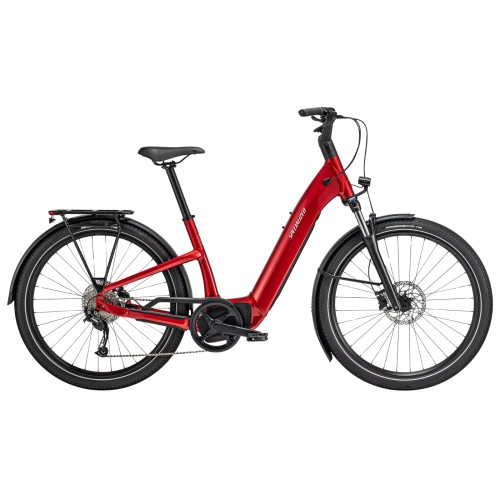
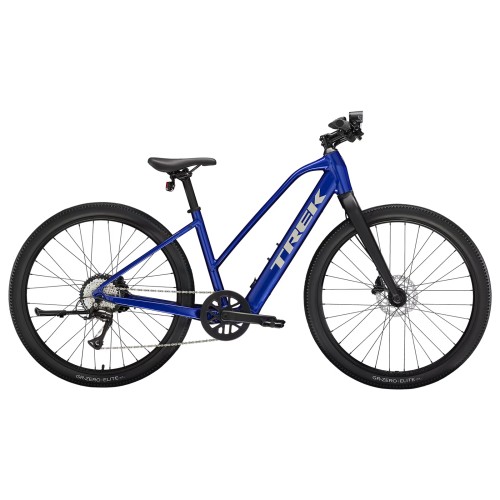
Electric Hybrid Bike Specialized Turbo Como 3.0 Red Tint/Silver Reflective 2023
-18%
€2,300.00
€2,799.00
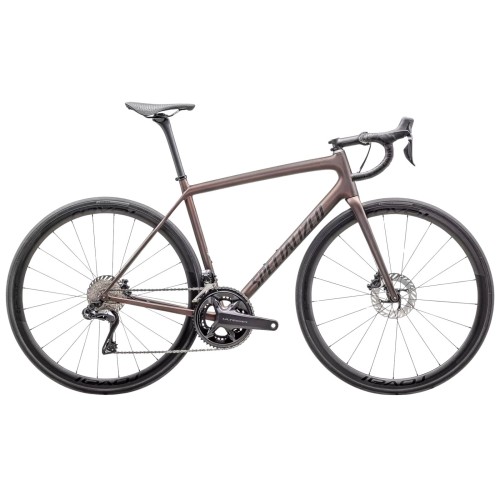
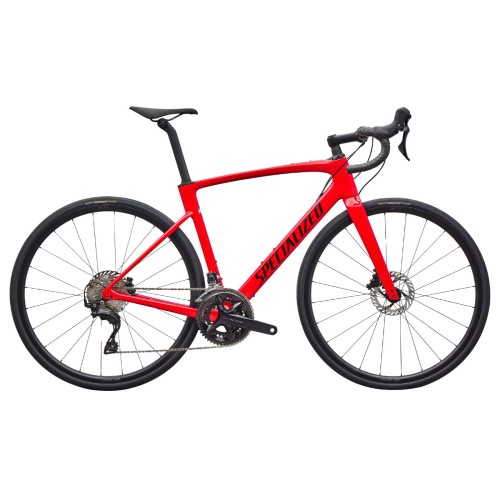
Specialized Aethos Pro Ultegra DI2 12s Satin Carbon / Red Pearl / Black 2025 carbon road bike
-8%
€5,999.00
€6,499.00
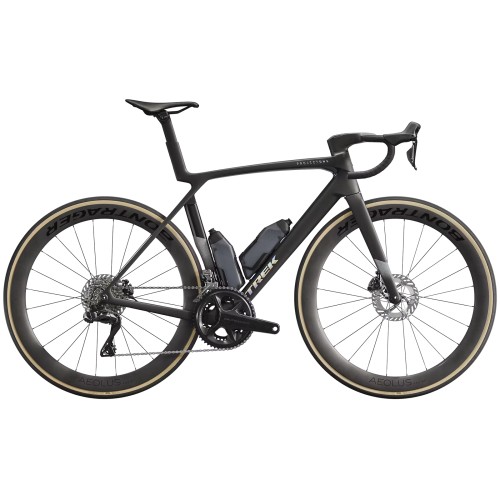
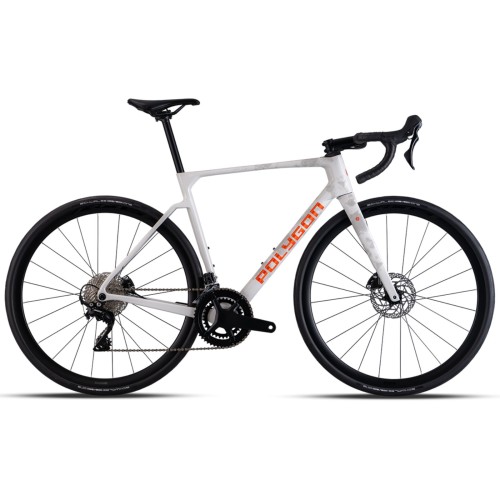
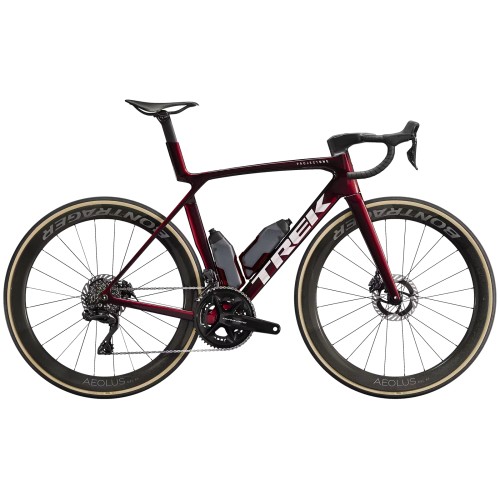
Trek Madone SLR 7 Gen.8 Ultegra Di2 12s Matte Carbon Smoke / Prismatic Pearl carbon road bike 2026
-13%
€6,990.00
€7,999.00
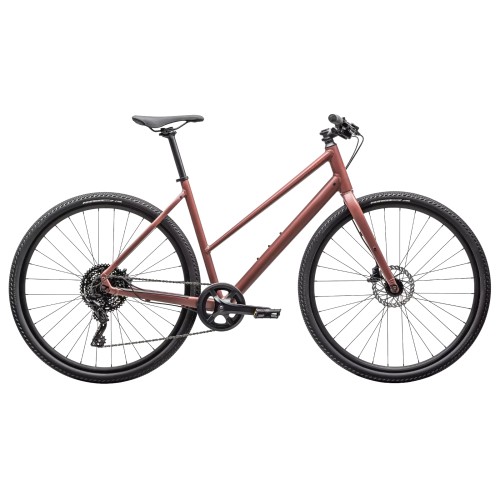
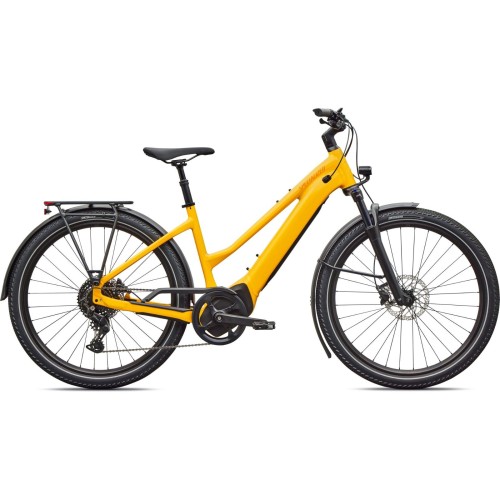
Specialized Sirrus X 2.0 Step-through Satin Spice / Deep Orange Reflectiv City bike
-13%
€650.00
€749.00
Material of frame and comfort
The material determines the weight, rigidity, durability, and feel:
- Aluminium: economical, lightweight and pleasant; often associated with fork Carbon for comfort.
- Steel : Durable, comfortable but heavier; ideal choice for travel.
- Carbon: Lightweight and efficient; perfect for the road, the gravel bike or the MTB High-end.
- Aluminum-carbon composite: An intermediate solution to experience performance without breaking the budget.
Drivetrain and speeds
There drivetrain must correspond to your usage:
| Practical | Type of drivetrain | Benefits | To watch |
|---|---|---|---|
| Sporty road | Double chainring compact or semi-compact | Wide speed range, good efficiency | Slightly heavier, maintenance more advanced |
| Gravel bike / hiking | Mono-chainring | Simpler, lighter, fewer adjustments | Choice of cassette crucial for the climbs |
| MTB | 1×12 | Flexible, reliable, easy to use | Steep slope requires good ratio |
| City / Hybrid Bike | 3 trays or hub internal | Comfort, simplicity, lessmaintenance | Weight and moderate performance |
Obstacles to each practice
The type of braking system influences your safety and control:
- Brake rotor hydraulics: Excellent power, modulation and reliability regardless of the weather.
- Brake rotor mechanics: maintenance Easy, inexpensive, slightly less efficient.
- Brake on rim : Lightweight and simple, good for dry roads, less effective in the rain or on dirty terrain.
Saddle, , stem And handlebar, fundamentals for comfort
Good posture allows you to ride for long periods without pain:
- Saddle : There are many different models available. It must fit your pelvic skeleton and dampen vibrations.
- Stem : it influences the distance to handlebar. Choose it according to your size and your intended use.
- Handlebar : width equivalent to that of your shoulders, ergonomics adapted according to the type of practice: flat, road, hilly.
Essential accessories
Certain elements extend the lifespan or functionality of the bicycle:
- A helmet Sturdy and well-fitted.
- Appropriate front/rear lighting and reflective visibility.
- A sturdy lock, preferably a U-lock or shielded cable.
- Mudguards and luggage rack for practical everyday use.
- Water bottle cage, pannier or bicycle backpack to carry your belongings.
Weight and transport
Weight plays a decisive role depending on your activity:
- Sport road: Prioritize a lightweight bike that is easy to carry uphill and pleasant to accelerate.
- Hybrid Bike / city: Slightly heavier but more stable and robust for carrying things.
- MTB : Choose a weight that suits your trails: very technical or challenging.
Maintenance and durability
A well-maintained bicycle lasts longer:
- Regular cleaning and lubrication of the chain.
- Check tire pressure to avoid punctures.
- Computerized verification of the tightening of critical components (stem, pedals, wheels).
- Maintenance periodic (brakes, drivetrain, (suspensions if present).
Budget and expected performance
Your budget will influence your choice of components:
- Entry-level: frame aluminium, brakes on rim or mechanical, simple transmissions.
- Mid-range: fork/carbon, hydraulic brakes, modern transmissions.
- High-end: frame High modulus carbon, electronic groupsets, optimized weight.
Custom seating and adjustment
A good adjustment maintaining your bike after purchase is essential:
- Height of saddle adjusted so that the leg remains slightly bent at the bottom of the pedal stroke.
- Angle and recoil of the saddle to balance pressure and performance.
- Position of the handlebar and of the stem to limit neck or back tension.
Try before you buy
Test your future bike on the road or trail: check the handling, braking power, and overall feel. Make sure everything is immediately comfortable or easily adjustable.
Compare the types of men's bicycles
| Type of bicycle | Targeted profile | Benefits | Points to check |
|---|---|---|---|
| Road | Performance, speed | High efficiency, lightweight | Frame suitable, rigid, drivetrain fluid |
| Gravel bike | Off-road adventure | Versatility, comfort, stability | Large-volume tires, powerful brakes |
| Hybrid Bike / hybrid | Urban and weekend use | Upright posture, practical accessories | Suspension, weight, accessory compatibility |
| MTB | Off-road, mountain | Robustness, grip, suspension | Type of travel, geometry, protection |
| E-Bike | Easy switching | Regular support, lots of fun | Battery weight, battery life, maintenance |
Focus on the suspensions
In MTB And gravel bike, The suspension improves grip and comfort:
- Fork before: useful on rough terrain to absorb shocks.
- Full suspension: for extreme terrain or challenging descents.
- Hybrid Bike with soft suspension: perfect for cushioning cobblestones and sidewalks.
How to recognize a good men's bicycle?
Several signs indicate that the bicycle is well-designed:
- Balanced geometry between reach and height of handlebar.
- Components consistent with the stated use (brakes, drivetrain, wheels).
- Neat assembly and clean finish.
- Compatibility with your accessories (mudguards, bottle cages, panniers).
In summary
Remember the key points:
- Identify your practice and your objectives.
- Choose a size and geometry that suits your body shape.
- Select the material of frame depending on your style and budget.
- Opt for drivetrain and brakes that are suitable for your preferred terrain.
- Think about comfort (saddle, , stem, , handlebarTry it before you buy.
- Prepare themaintenance and accessories for long-lasting use.
FAQ
What is the right size bicycle for a man ?
The correct size depends on your height and inseam. It generally varies between sizes S, M, L, or XL depending on the brand. It is recommended to consult a size chart or try the bike before purchasing to ensure proper ergonomics and comfort.
Can a men's bicycle be suitable for a woman ?
Yes, some men's bikes can be suitable for women depending on their body shape. However, the geometry of the frame, the width of the handlebar, the shape of the saddle or the step-over height may require specific adjustments.
Which brakes should I choose for a men's bicycle ?
The brakes on rotor Hydraulic brakes are ideal for sports or off-road riding. For urban or leisure use, brakes with rotor mechanical or on rim They may be sufficient, provided they are maintained regularly.
Do we need a saddle especially for men ?
Yes, one saddle Designed to fit the male anatomy, which is generally narrower and longer, this design improves comfort and reduces pain. It's advisable to try several models to find the right fit for your pelvis and activity.
What is the ideal weight for a men's bicycle ?
The ideal weight depends on the intended use. For road cycling or performance, choose a lightweight bike (less than 10 kg). For touring or the MTB, A higher weight may be acceptable if it guarantees robustness and comfort.
Related Posts
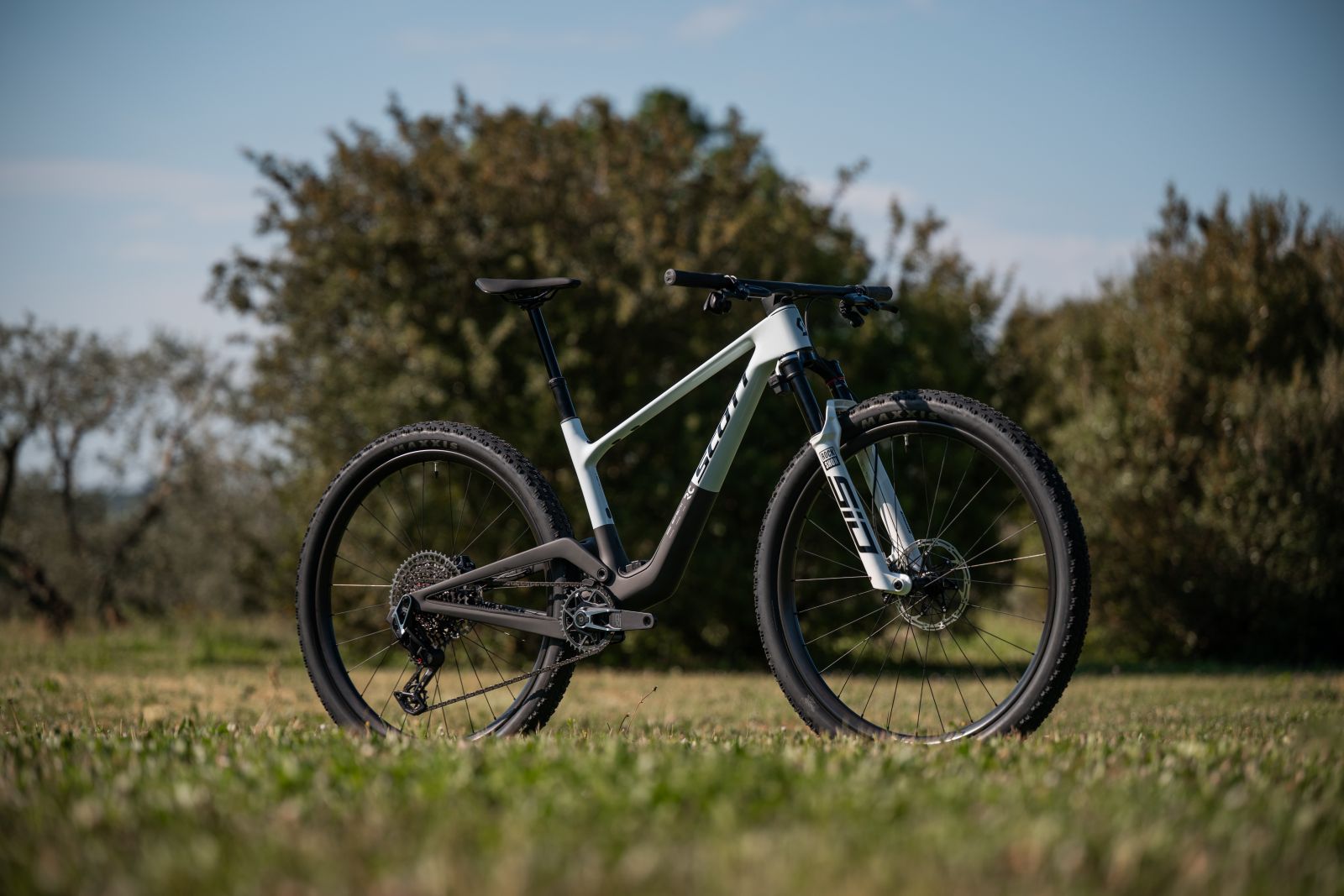
The Scott Spark RC World Cup and Expert 2027 push the boundaries of XC even further. Flight Attendant suspension, Syncros carbon wheels and top-level performance: discover our full review.
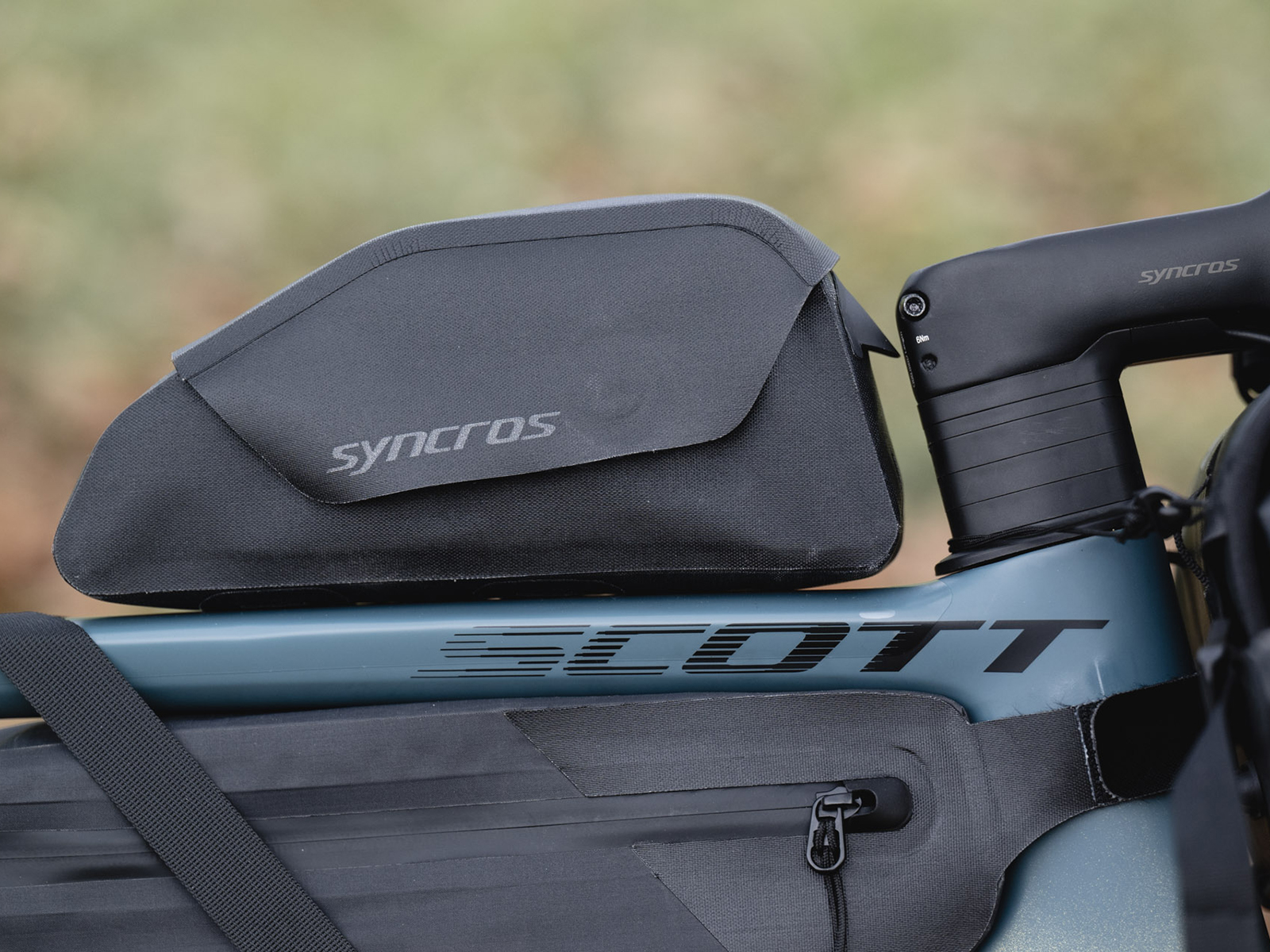
The pannier has become an essential piece of equipment for many cyclists. Whether for daily commutes, bike riding, long rides, cycle touring, bikepacking, or simply leisurely outings, it allows you to carry your belongings comfortably without carrying a load on your back. A well-chosen pannier improves comfort, maintains the bike's balance, and makes organizing your gear easier.
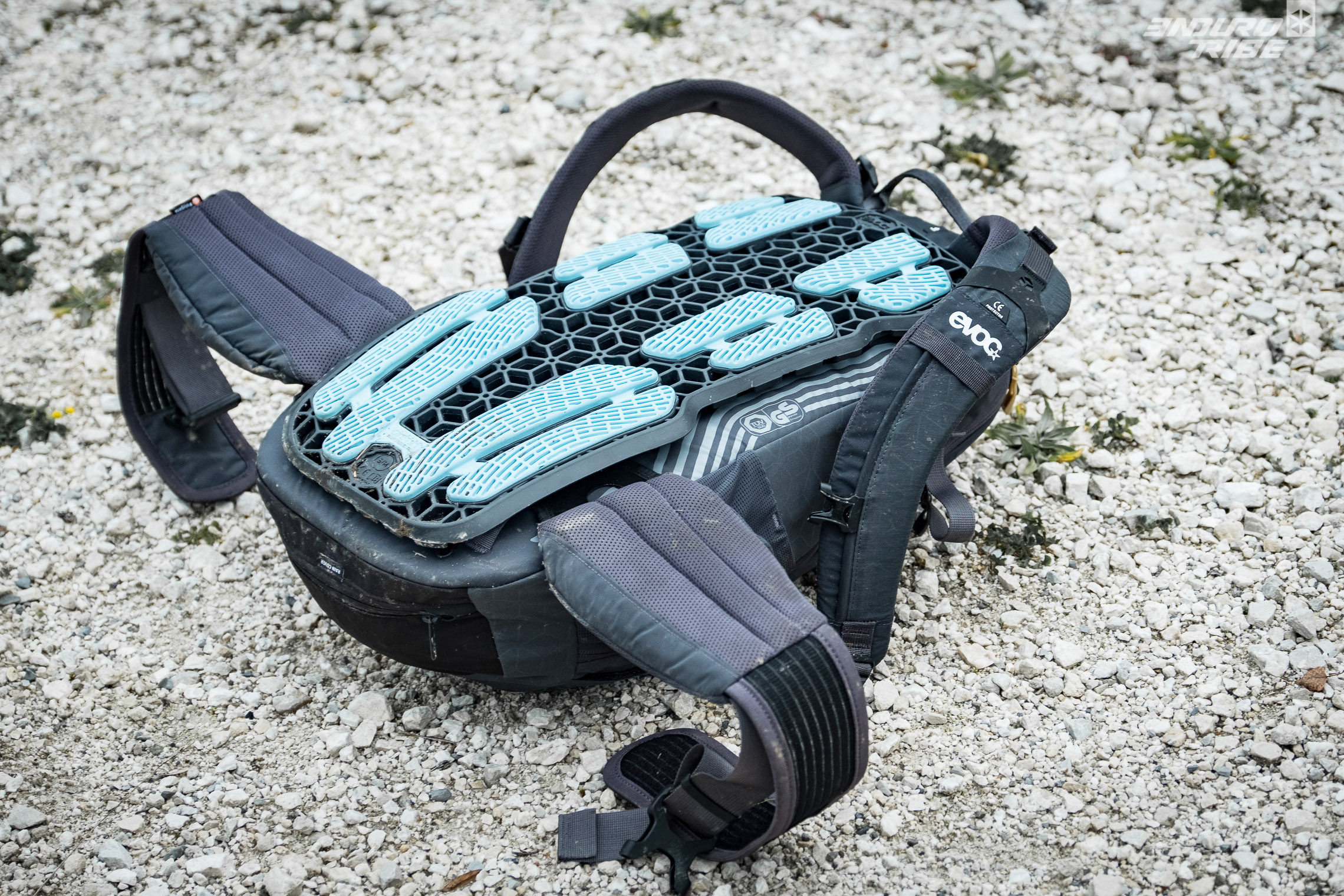
Choosing a cycling backpack requires finding the right balance between comfort, capacity, stability, rain protection, and easy access to your gear. A good bag shouldn't just carry things. It should stay securely in place, not interfere with pedaling, minimize back perspiration, and effectively protect essential items. Whether you're commuting to work, going for a sporting activity, cycling around town, touring by bike, or hiking, your needs will differ.
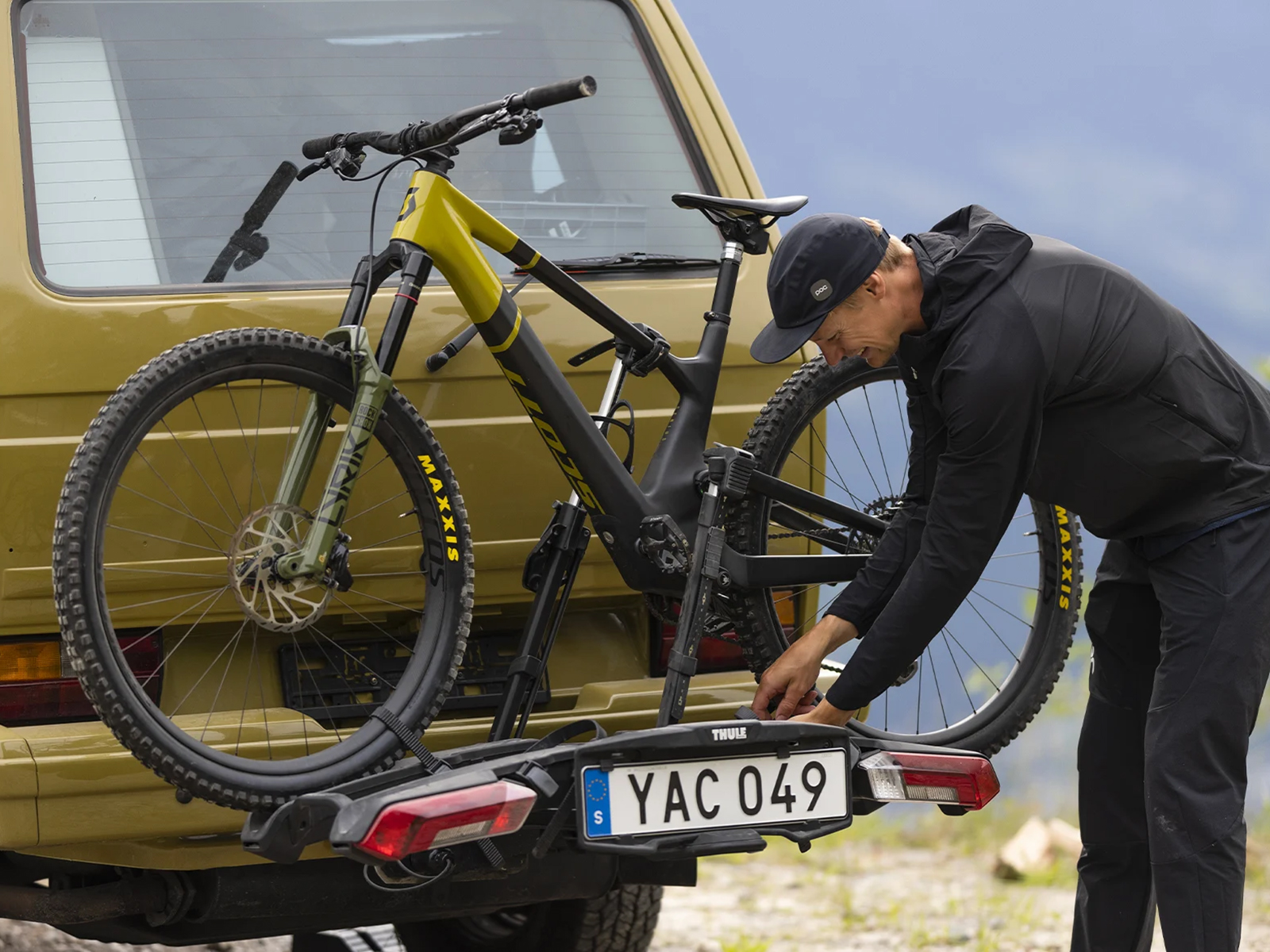
Choosing the right bike rack is essential for transporting your bikes safely, protecting your equipment, and enjoying a worry-free journey. Given the wide variety of systems available, identifying the best solution for your vehicle, the number of bikes you're carrying, or your intended use isn't always easy. Between hitch-mounted, tailgate-mounted, and roof-mounted models, there are many differences in terms of load capacity, ease of installation, compatibility, and user-friendliness.
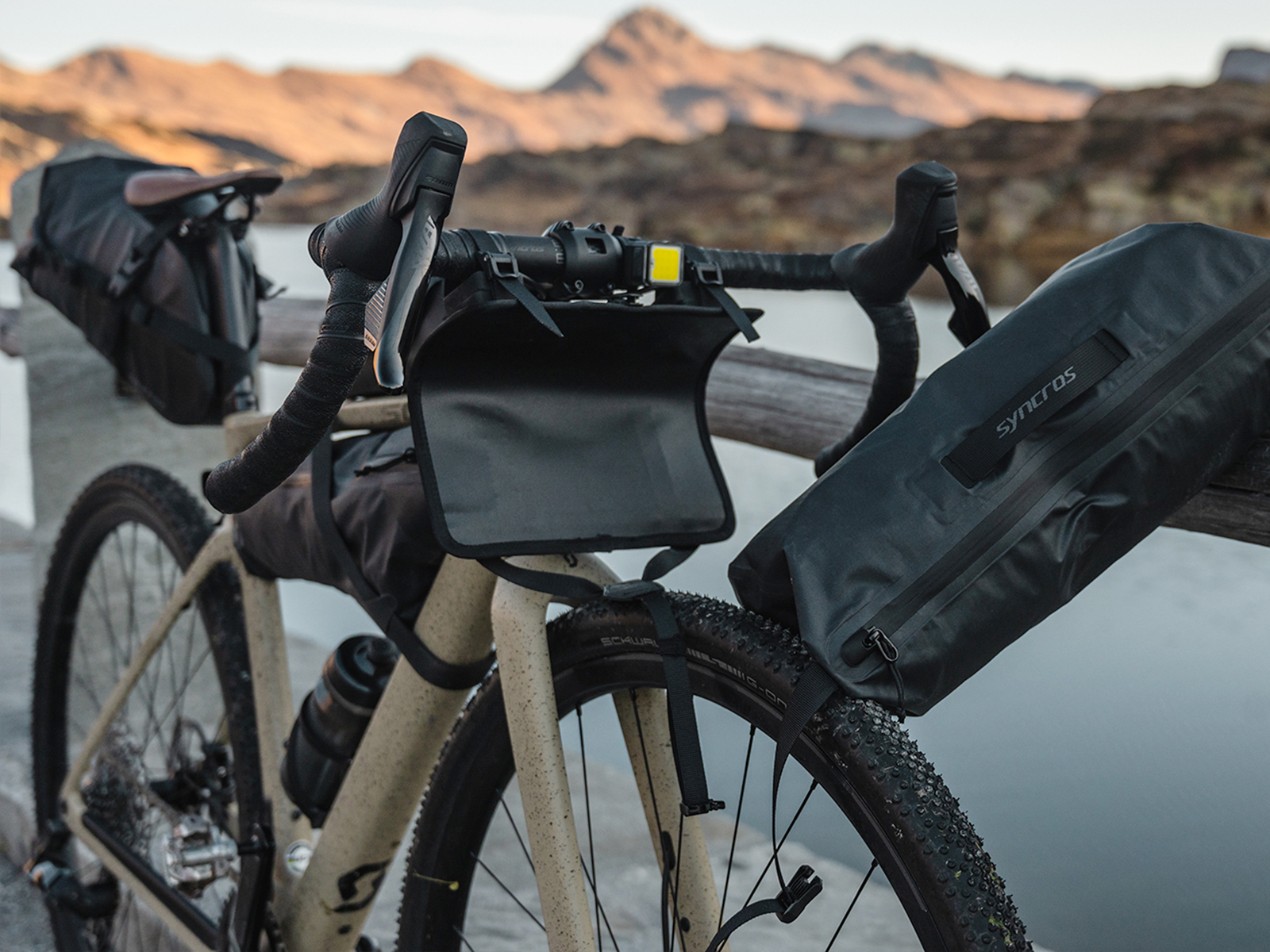
Bikepacking is an adventure cycling practice that involves traveling independently with a lightweight load attached directly to the bicycle. Unlike traditional cycle touring, which uses racks and large panniers, bikepacking favors compact bags distributed across the frame , handlebar , and tige de saddle . This approach allows for a bike that remains agile, efficient, and suitable for varied terrain, whether roads, tracks, forest paths, or trails.
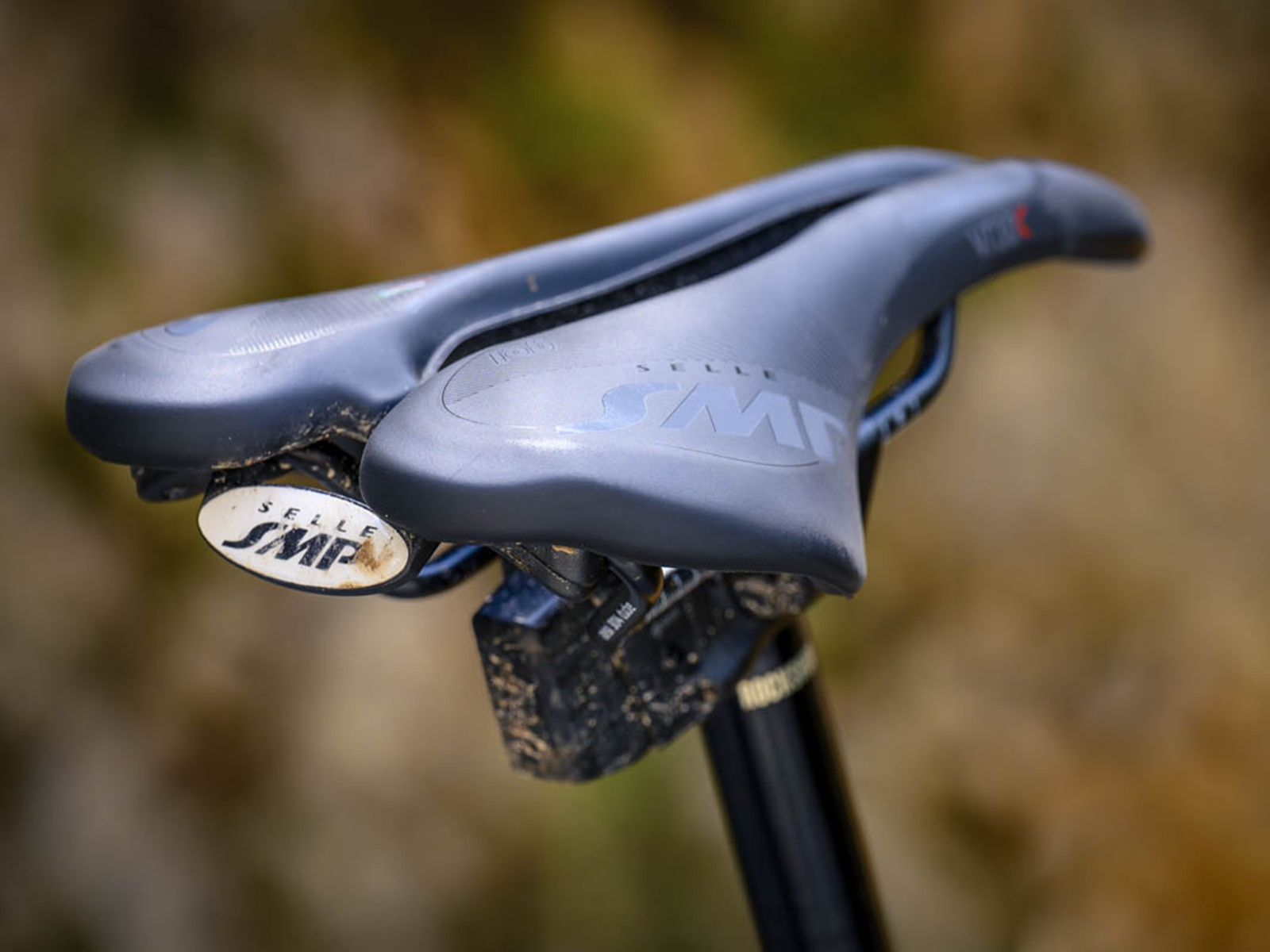
Choosing the right saddle is one of the most important factors in improving comfort, performance, and enjoyment of off-road riding. An unsuitable saddle can cause pelvic pain, chafing, numbness, or reduced pedaling efficiency. Conversely, a well-chosen saddle allows for better power transfer, maintains a stable position on the bike, and lets you fully enjoy your rides, whether it's trail riding, cross-country, enduro, or downhill. The shape, width, padding, materials, and type of riding all directly influence the choice. Therefore, it's essential to consider your body type, riding style, and riding habits before making your selection.