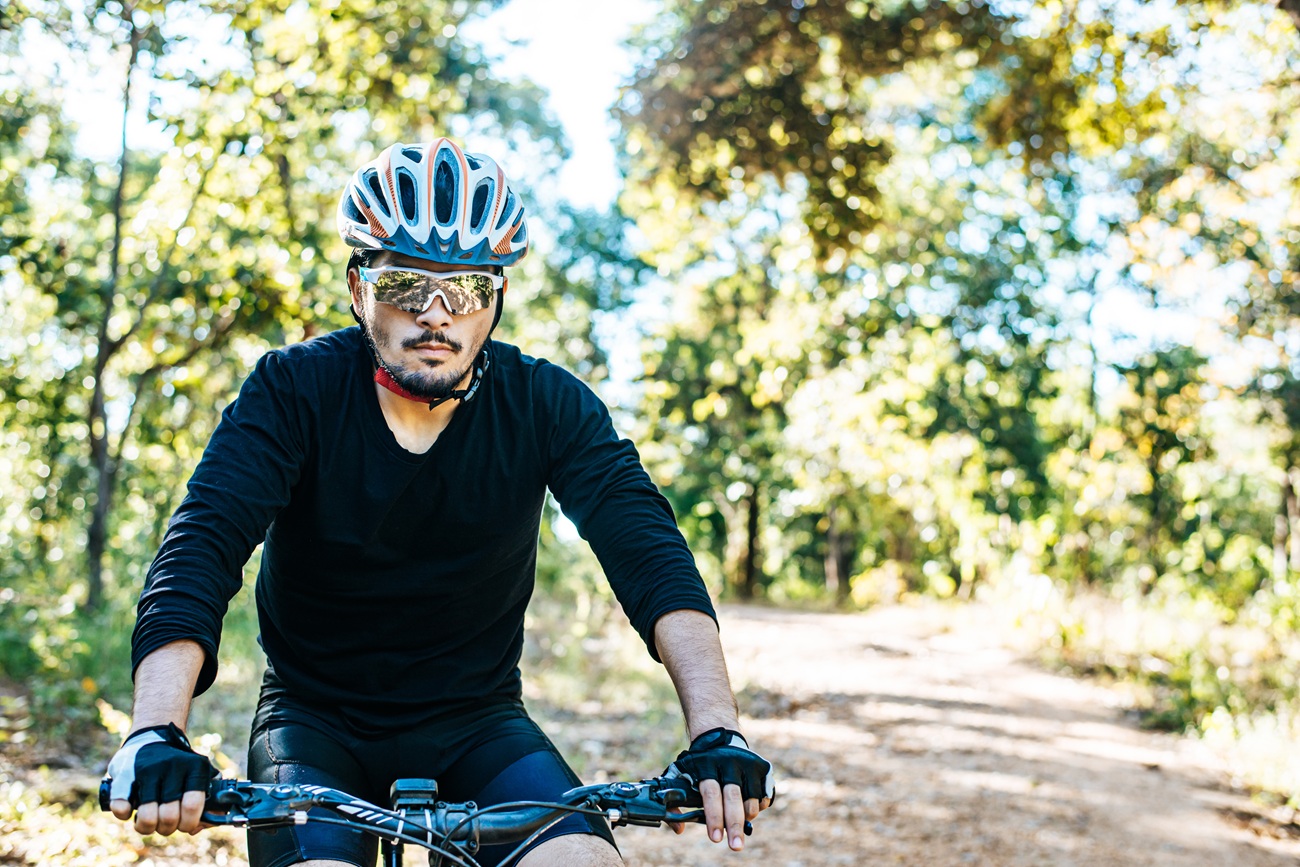
Choosing a men's mTB requires a clear understanding of your goals and desires. Every ride can be a different adventure. The right mTB must suit your riding style, your body type, and the terrain. This guide presents the elements to consider when finding a men's mTB that meets your needs.
Define your primary use
First and foremost, identify the type of route you want to ride. You might prioritize performance on smooth trails. You might be looking for thrills on technical terrain. Or you might want a mixed route, combining climbs and descents. Your choice of men's mTB will depend on this.
Choose the type of geometry
Geometry influences stability and handling. A men's cross-country mountain mTB prioritizes responsiveness and lightness. A trail or enduro mTB offers more travel and control. A downhill mTB emphasizes strength and stability.
Determine the frame type of your men's MTB
Aluminum frames are sturdy and affordable. Carbon frames are lightweight and comfortable. Steel frames are strong but heavier. The material should be chosen based on your intended use and budget.
Choose the frame size
Proper size ensures a good riding position. Consider your height and inseam. Manufacturers offer standard sizes. Adjust the saddle , stem , and handlebar to suit your body shape. A frame that is too large or too small can negatively impact handling.
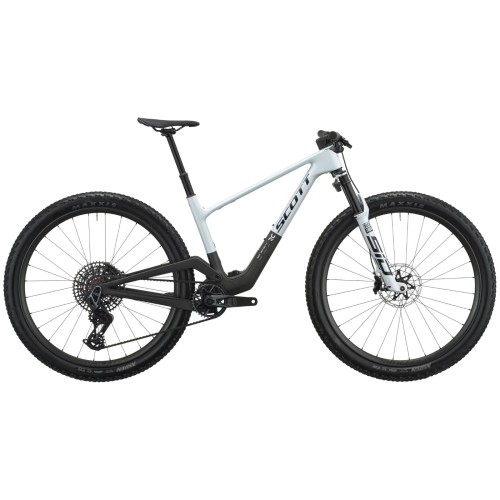
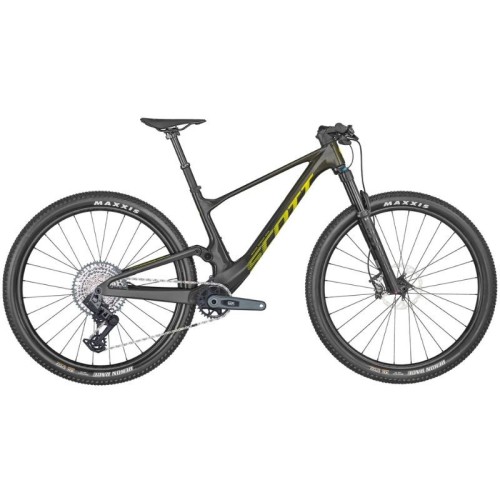
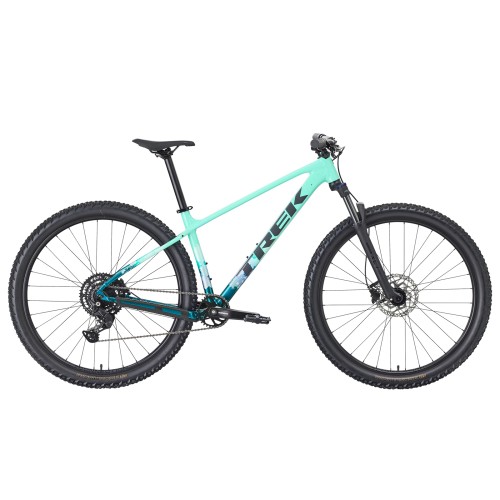
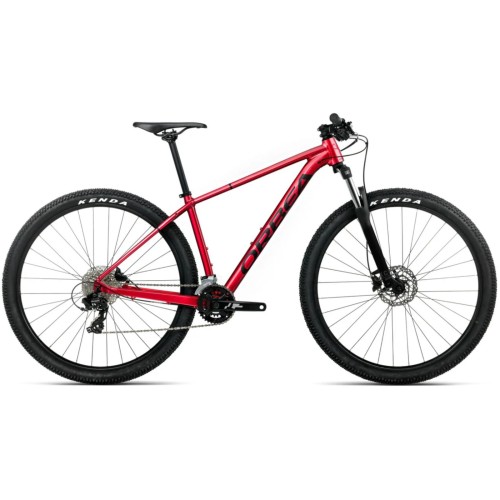
Decide on the type of suspension
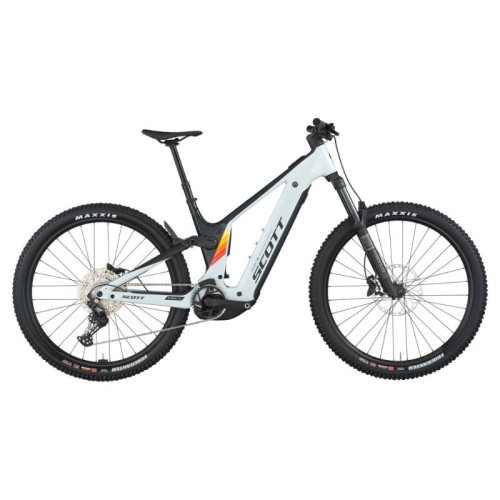
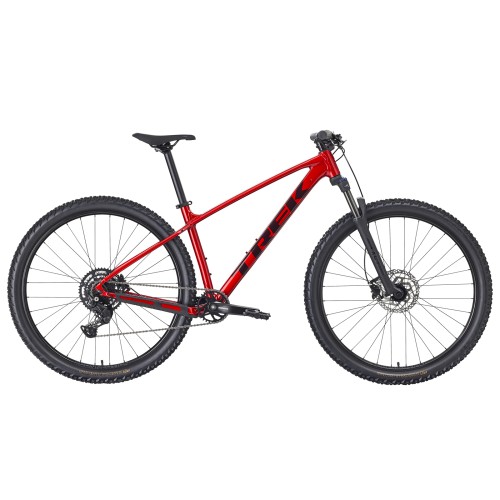
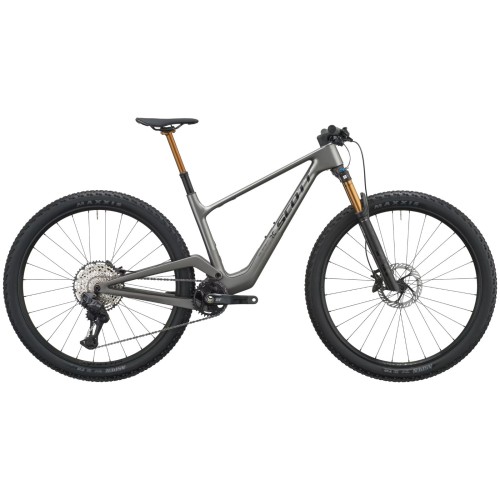
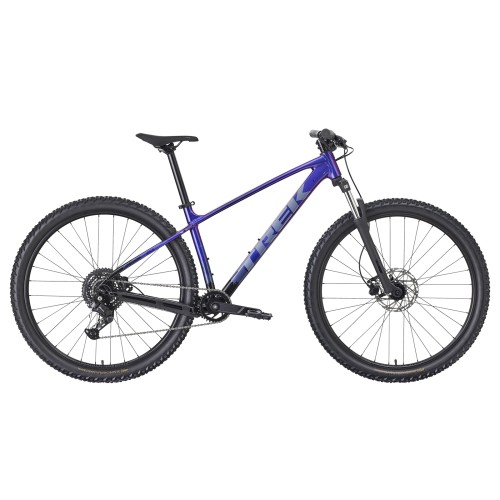
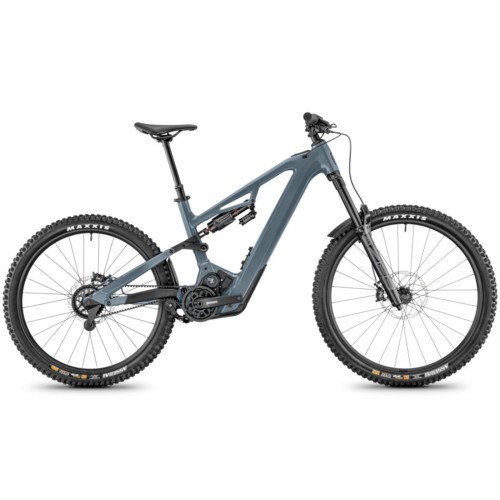
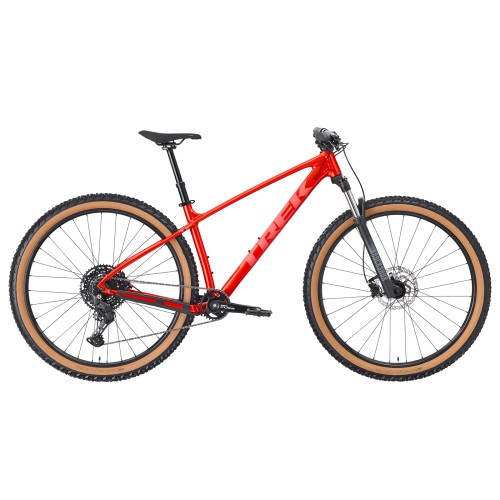
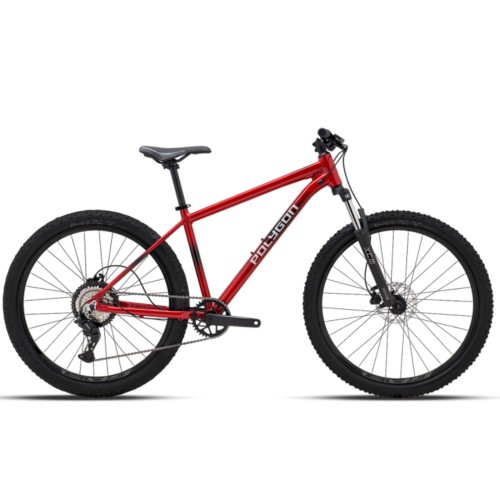
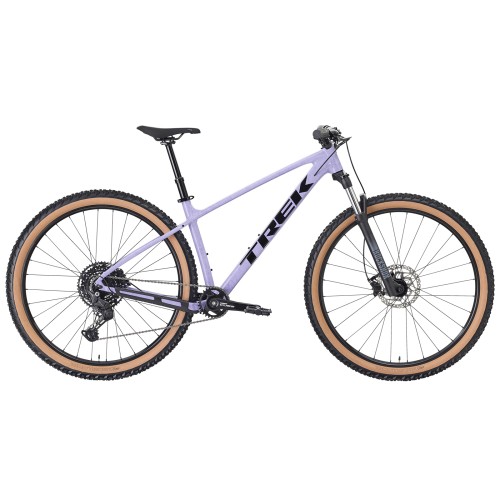
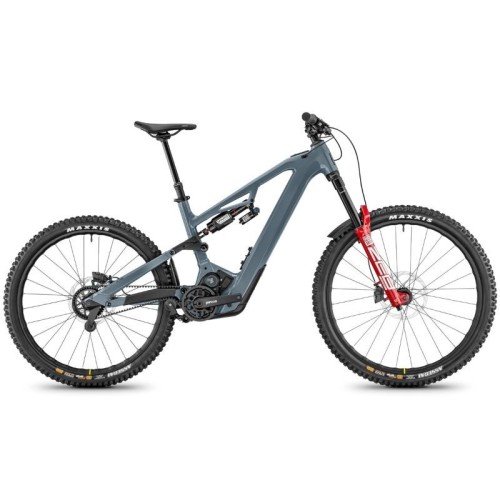
A rigid men's mTB without suspension is lightweight but less comfortable over obstacles. A hardtail with front suspension offers good balance on less technical terrain. A full-suspension bike provides more control on rough trails.
Understanding suspension travel
| Practical | Recommended deflection | Advantage |
|---|---|---|
| Cross-country | 100 to 120 mm | Light and efficient on the climb |
| Trail | 120 to 140 mm | Versatile and comfortable |
| Enduro | 140 to 160 mm | Downhill stability |
The choice of suspension travel should correspond to the terrain you ride most often. You can prioritize versatility or aim for performance on a specific type of trail. Adapt the suspension travel to your intended use.
Choosing the drivetrain for your men's MTB
A single chainring drivetrain simplifies operation and reduces weight. A double chainring offers greater versatility, especially in the mountains. The gear ratio should be appropriate for the terrain. Simplify or complicate it according to your needs.
Select effective brakes
Hydraulic rotor brakes offer power and precision. They are suitable for all weather conditions. Mechanical brakes are less expensive but require more maintenance . For a high-performance men's mTB , hydraulic brakes are a strategic choice.
Evaluate the wheels and tires
27.5″ wheels offer excellent maneuverability. 29″ wheels provide stability and better obstacle clearance. Wide tires enhance grip. Tubeless tires are recommended to prevent punctures and allow for lower tire pressures.
Analyze the overall weight
A lightweight men mTB improves climbing performance and responsiveness. Every gram counts in cross-country. A heavier model can offer more durability and comfort. Choose according to your needs and the terrain you ride.
Verify the quality of the components of your men's MTB
Check the quality of the suspension, wheels, drivetrain , and brakes. maintenance and durability depend on them. It's important to have a cohesive system where each component enhances the vehicle's performance.
Evaluate the practical aspects
Consider bottle cages, tool holders, and mudguards. Also consider a tige de saddle télescopique . These elements improve comfort and the riding experience without compromising performance.
Consider maintenance and durability
maintenance a men's mTB involves regular cleaning, lubrication, and checks. Check for play in the drivetrain . Check tire pressure. Check the brakes before every ride.
Calculate your budget
The price of a men's mTB ranges from entry-level to high-end. Balancing frame , components, performance, and reliability is essential. The best value for money is often found in the middle of the range.
Try before you buy
Nothing beats a test ride on your usual terrain. You get a feel for how the men's mTB handles uphill and downhill. You can test the riding position, handling, and responsiveness. A field test will confirm or refute your choices.
Compare the types of men mTB
| Kind | Profile | Benefits | Boundaries |
|---|---|---|---|
| Cross-country | Performance | Lightweight, efficient | Limited comfort |
| Trail | Versatile | Comfort, adaptability | Average weight |
| Enduro | Descent | Stable, comfortable | Heavy, expensive |
Ensuring future compatibility
Consider the future evolution of men's mTB . Check the compatibility of wheels and drivetrains. Check the stem and seatpost standards. This will allow you to adapt your bike to your changing needs.
Think about safety and protection.
Wearing a helmet is essential. Consider gloves and knee pads if you're riding on technical terrain. Visibility is important: choose reflective elements. Safety enhances enjoyment.
Advantages of men's mTB
A well-designed men's mTB offers enjoyment, versatility, and performance. It allows you to explore varied terrain. It helps you improve your riding skills and endurance. It's suitable for both sport and leisure riding.
Limitations to consider
Heavy-duty models are often heavier. Comfort may be sacrificed for longer runs. High-performance components are more expensive. Therefore, it's important to tailor your choices to your actual needs.
FAQ
What frame size should I choose for a men mTB ?
The size depends on your height and inseam. It's advisable to consult a size chart. You should also test ride the bike to ensure a proper fit. A good fit improves comfort and handling.
Is a men's mTB suitable for mixed use?
Yes, some models are versatile. They allow you to ride on trails, roads, and more rugged terrain. Choose a men mTB with balanced geometry and components suited to your usual riding style.
What is the difference between a men's mTB and a women's mTB ?
Men's mTB are generally designed with a geometry adapted to a male physique. The top tube is often longer, the handlebar wider, and the saddle narrower. However, a bike can be suitable for both men and women depending on the adjustments.
Should you choose an aluminum or carbon frame ?
An aluminum frame is strong and more affordable. It's suitable for most riding styles. Carbon fiber is lighter and absorbs vibrations better. It's recommended for performance but is more expensive.
Is it useful to have a tige de saddle télescopique ?
Yes, if you ride on varied or technical terrain. It allows you to quickly lower the saddle on descents, improving stability. This is a real advantage on trail and enduro models.

Related Posts
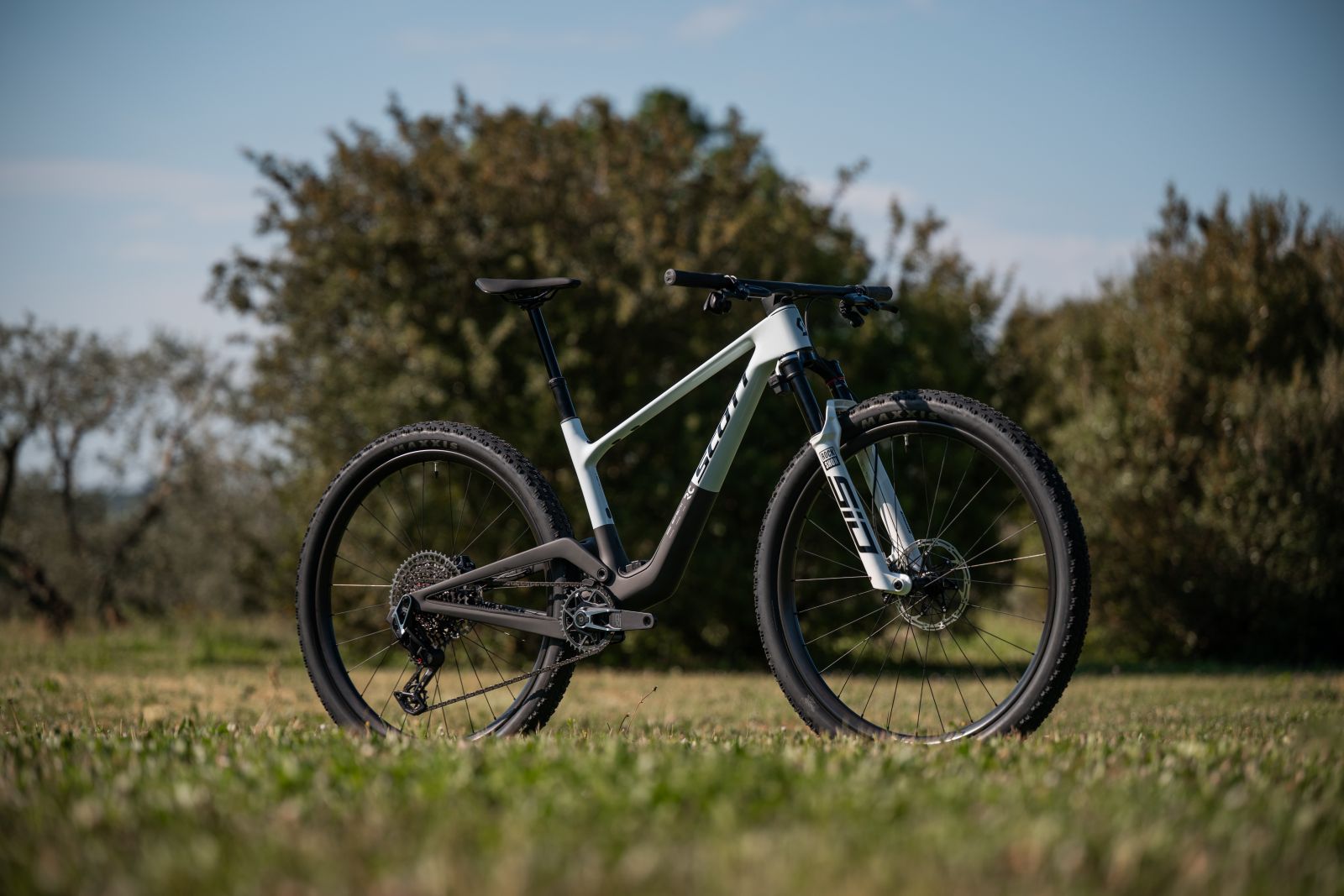
The Scott Spark RC World Cup and Expert 2027 push the boundaries of XC even further. Flight Attendant suspension, Syncros carbon wheels and top-level performance: discover our full review.
The pannier has become an essential piece of equipment for many cyclists. Whether for daily commutes, bike riding, long rides, cycle touring, bikepacking, or simply leisurely outings, it allows you to carry your belongings comfortably without carrying a load on your back. A well-chosen pannier improves comfort, maintains the bike's balance, and makes organizing your gear easier.
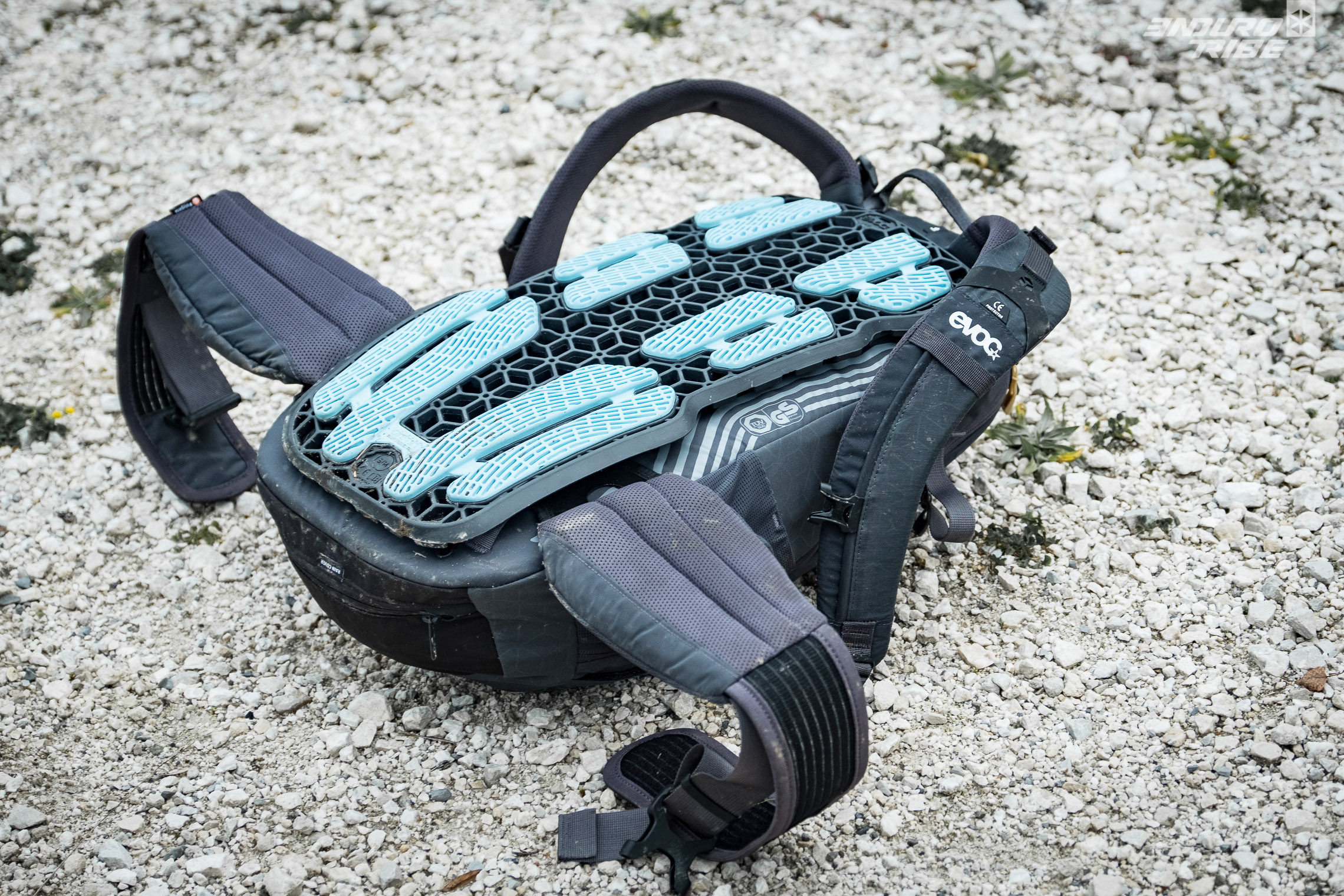
Choosing a cycling backpack requires finding the right balance between comfort, capacity, stability, rain protection, and easy access to your gear. A good bag shouldn't just carry things. It should stay securely in place, not interfere with pedaling, minimize back perspiration, and effectively protect essential items. Whether you're commuting to work, going for a sporting activity, cycling around town, touring by bike, or hiking, your needs will differ.
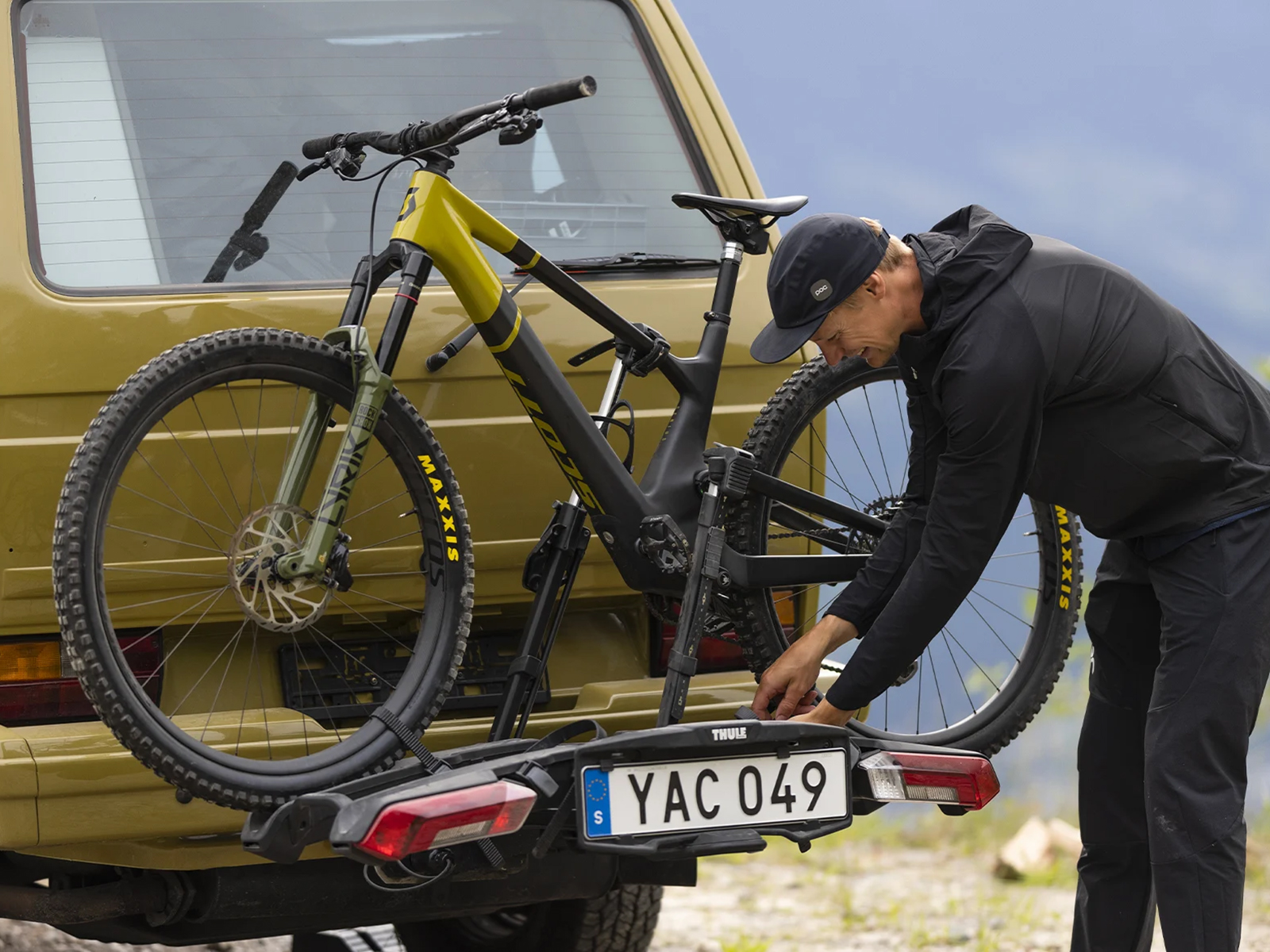
Choosing the right bike rack is essential for transporting your bikes safely, protecting your equipment, and enjoying a worry-free journey. Given the wide variety of systems available, identifying the best solution for your vehicle, the number of bikes you're carrying, or your intended use isn't always easy. Between hitch-mounted, tailgate-mounted, and roof-mounted models, there are many differences in terms of load capacity, ease of installation, compatibility, and user-friendliness.
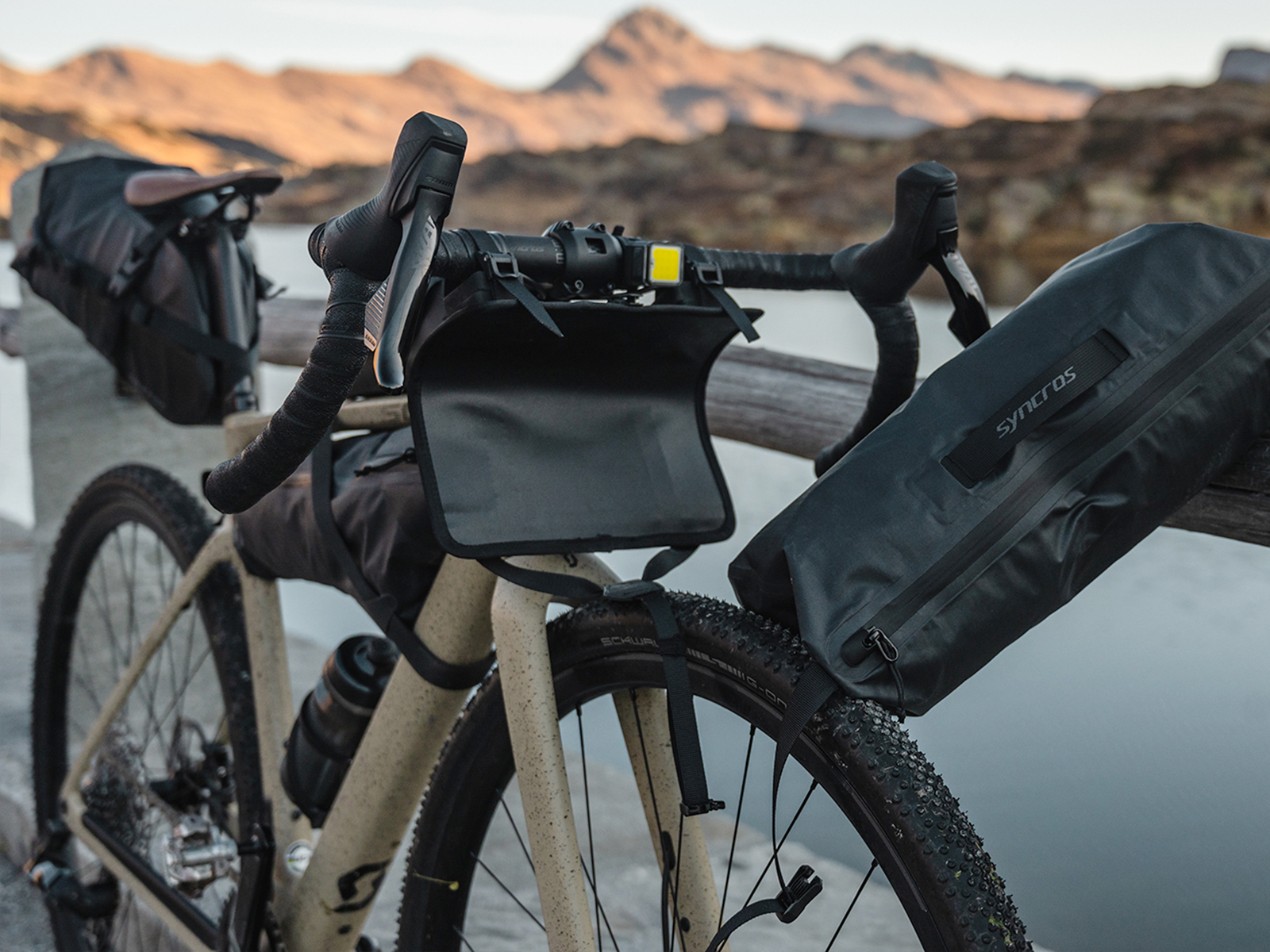
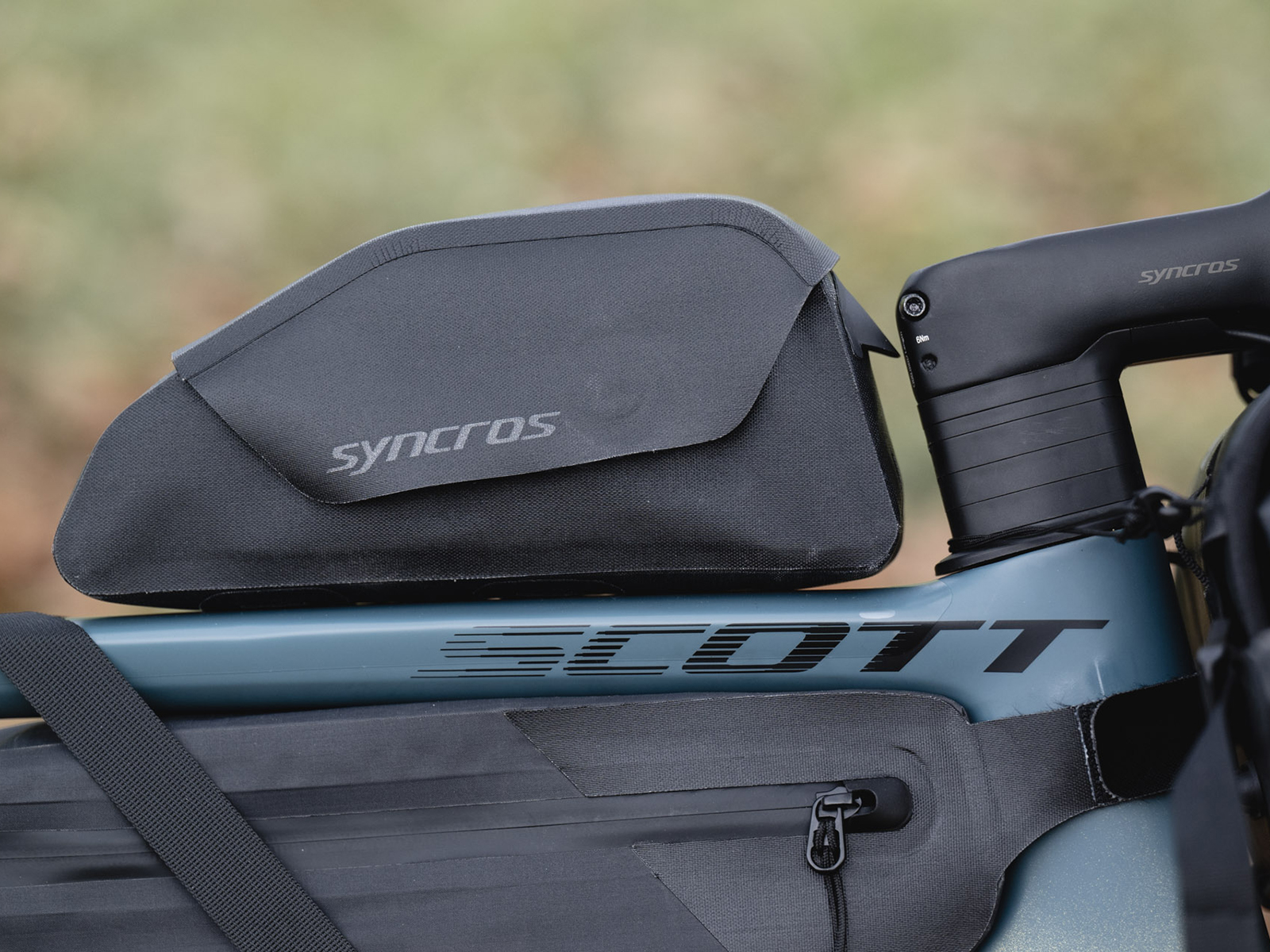
Bikepacking is an adventure cycling practice that involves traveling independently with a lightweight load attached directly to the bicycle. Unlike traditional cycle touring, which uses racks and large panniers, bikepacking favors compact bags distributed across the frame , handlebar , and tige de saddle . This approach allows for a bike that remains agile, efficient, and suitable for varied terrain, whether roads, tracks, forest paths, or trails.
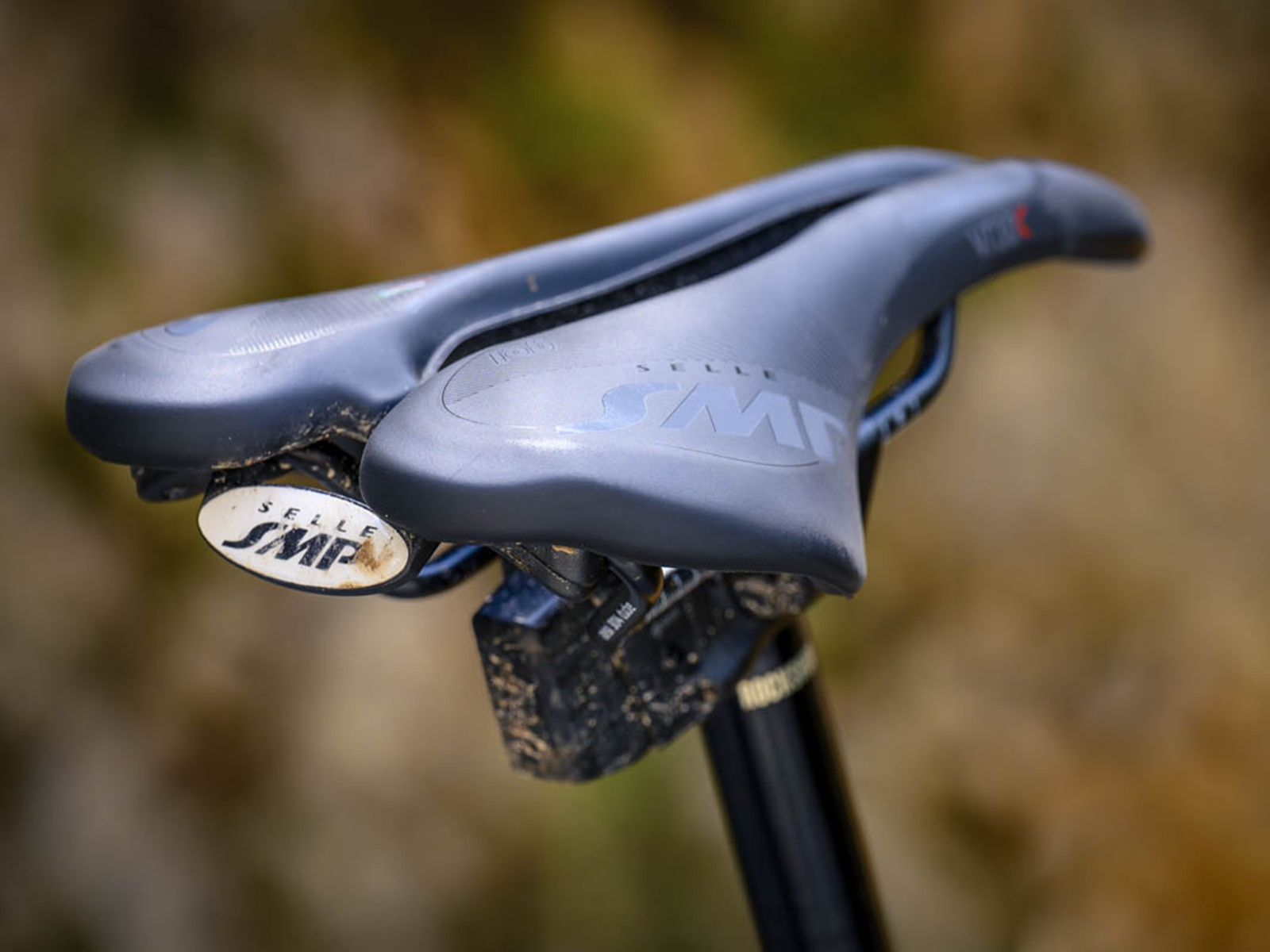
Choosing the right saddle is one of the most important factors in improving comfort, performance, and enjoyment of off-road riding. An unsuitable saddle can cause pelvic pain, chafing, numbness, or reduced pedaling efficiency. Conversely, a well-chosen saddle allows for better power transfer, maintains a stable position on the bike, and lets you fully enjoy your rides, whether it's trail riding, cross-country, enduro, or downhill. The shape, width, padding, materials, and type of riding all directly influence the choice. Therefore, it's essential to consider your body type, riding style, and riding habits before making your selection.