The vélo gravel bike , a true Swiss Army knife of cycling, allows you to ride on both roads and trails. Its versatility appeals to many cyclists, whether they're adventure enthusiasts or looking for an all-in-one bike. However, choosing the right model for your needs can be complex. This detailed guide will help you make the right choice based on your riding style, preferences, and budget.
Understanding the practice of gravel bike
Before selecting a vélo gravel bike , it is essential to define your main use:
- Sporting outings: for performance on roads and rolling paths.
- Hiking and bikepacking: for trips with a load.
- Daily use: for urban journeys or daily commutes.
This initial reflection will guide your technical and aesthetic choices.
The key elements of a vélo gravel bike
The frame
The frame is the heart of the bicycle. Several materials are available, each with its own advantages:
- Aluminium: lightweight and affordable, it offers good rigidity.
- Steel: heavier, but very comfortable and durable.
- Carbon: very light and efficient, but more expensive.
- Titanium: combines lightness, comfort and durability, but at a high price.
frame geometry also influences comfort and handling. A frame with a higher head tube and a sloping top tube offers a more comfortable riding position, ideal for long distances.
Wheels and tires
The wheels play a crucial role in the behavior of the bicycle:
- Diameter: 700c wheels are common, offering good performance on the road, while 650b wheels allow for wider tires for better grip on rough terrain.
- Tire width: generally between 35 and 45 mm, to be adapted according to the terrain and the desired comfort.
- Tubeless: opt for tubeless tires to reduce the risk of punctures and improve comfort.
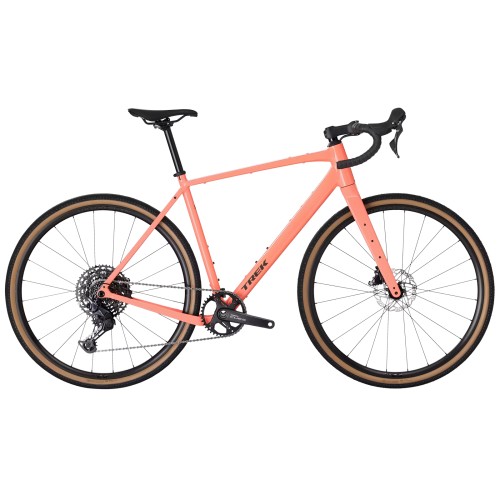
Trek Checkpoint ALR 4 Gen.3 Cues U8000 11s Living Coral 2026 gravel bike bike
-13% €1,299.00 €1,499.00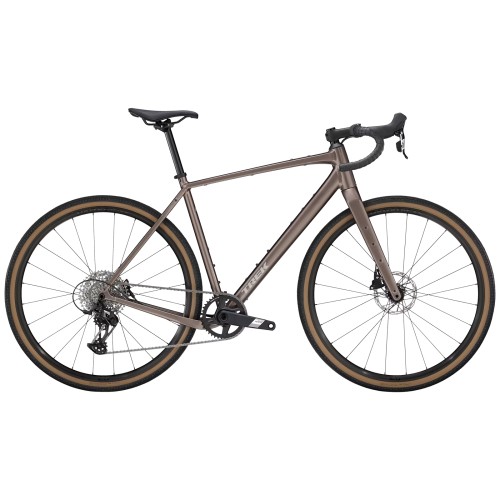
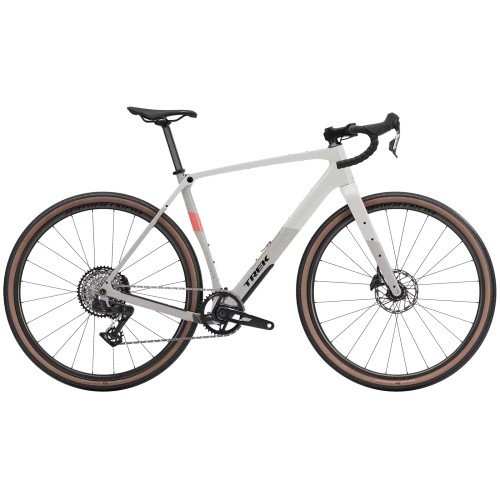
Trek Checkpoint SL 6 Gen.3 Rival XPLR AXS 13s Era White / Buff Beige gravel bike 2026
-5% €3,799.00 €3,999.00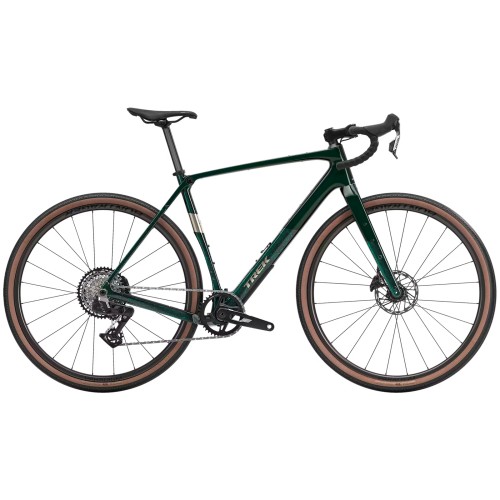
Trek Checkpoint SL 6 Gen.3 Rival XPLR AXS 13s Dark Green / Ivy Smoke Splatter gravel bike 2026
-5% €3,799.00 €3,999.00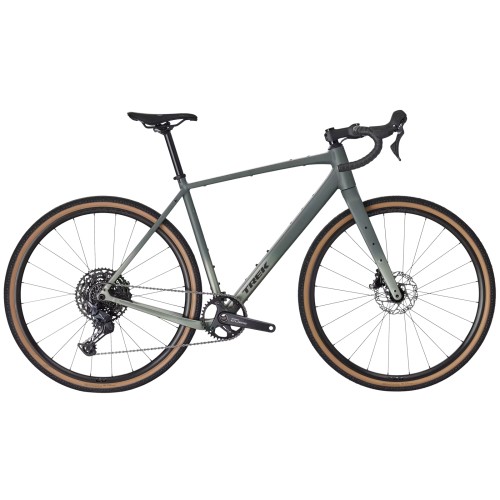
Trek Checkpoint ALR 4 Gen.3 Cues U8000 11s gravel bike Bike Matte Keswick Green to Lichen Fade 2026
-13% €1,299.00 €1,499.00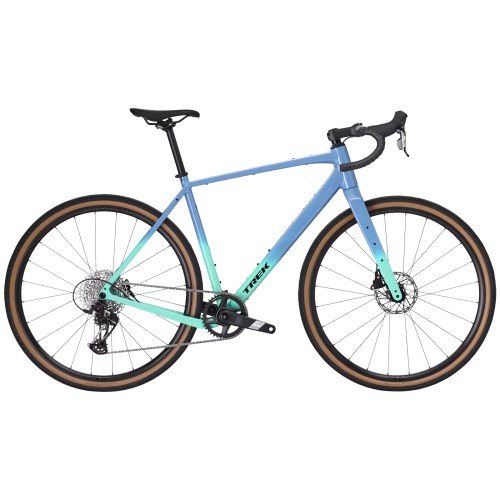
Trek Checkpoint ALR 5 Gen.3 Apex XPLR 12s gravel bike Bike Fjord Blue to Miami Green Fade 2026
-9% €1,790.00 €1,969.00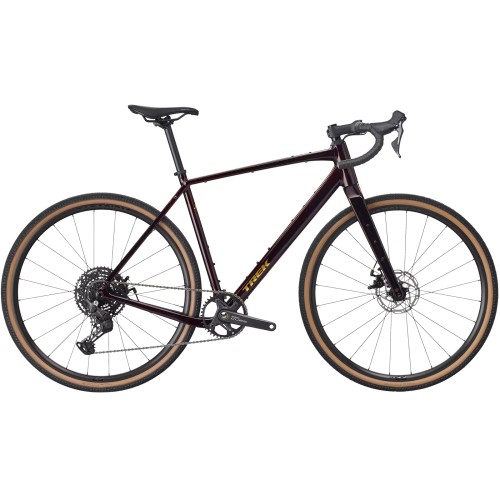
Trek Checkpoint ALR 3 Gen.3 Cues U6000 10s Dark Carmine gravel bike Bike 2026
-8% €1,190.00 €1,299.00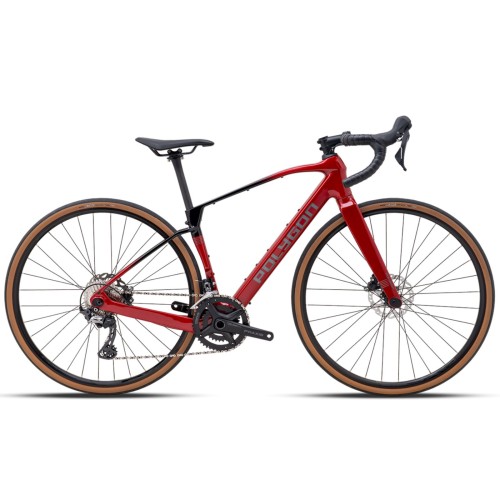
The drivetrain
The drivetrain must be adapted to the terrain you plan to travel on:
- Single chainring : simplifies gear changing and reduces weight, ideal for varied terrain without extreme elevation changes.
- Double chainring : offers a wider range of speeds, useful for hilly or mountainous terrain.
Specific gravel bike groupsets, such as the Shimano GRX or the SRAM XPLR, are designed to meet the demands of this discipline.
Braking
rotor brakes are the standard for gravel bike , offering consistent braking power in all weather conditions. Hydraulic systems are more efficient than mechanical ones, but also more expensive.
Accessories and equipment
Depending on your activity, certain accessories may prove essential:
- Fixing eyelets: for installing luggage racks, mudguards or bottle cages.
- Flared Handlebar : improves control on technical terrain.
- Lighting system: essential for night outings or in low light.
Budget and value for money
The price of a vélo gravel bike varies depending on the materials, components, and brand. Here is an estimate of the price ranges:
| Price range | Features |
|---|---|
| Less than €1,000 | Aluminum frames, entry-level drivetrain , mechanical brakes. Suitable for beginners or occasional use. |
| €1,000 to €2,500 | Higher quality aluminum or steel frames, hydraulic brakes, gravel bike specific drivetrains. A good compromise for regular use. |
| Over €2,500 | Carbon or titanium frames, high-end equipment, lightness and performance for demanding enthusiasts. |
Choose a model that matches your budget and needs, while also factoring in costs for essential accessories.
Some tips for making the right choice
- Try before you buy: if possible, test several models to assess their comfort and handling.
- Check reviews: feedback from other users can be valuable in identifying the strengths and weaknesses of a model.
- Adapt your choice to your body type: check the frame size for optimal posture.
- Don't neglect maintenance : a well-maintained bike lasts longer and remains efficient.
FAQ
What is the average weight of a vélo gravel bike ?
The weight of a vélo gravel bike typically varies between 8 and 12 kg depending on the frame materials and components. Carbon models are lighter, while steel models can be heavier but more comfortable.
Can a vélo gravel bike be used as road Bike ?
Yes, a vélo gravel bike can be used on the road. However, its wider tires and more robust frame may make it slightly slower than a pure road Bike .
What tire width should I choose for gravel bike ?
35-40mm tires are ideal for all-around use, while tires over 40mm are suitable for technical terrain and bikepacking.
Should you choose a single or double chainring drivetrain ?
A single chainring is suitable for flat or gently rolling terrain due to its simplicity. A double chainring is preferable for mountainous areas requiring a wide range of gears.
What frame size should I choose for a vélo gravel bike ?
The frame size depends on your height and build. Consult the manufacturer's size guide and try it on to check the comfort.

Related Posts
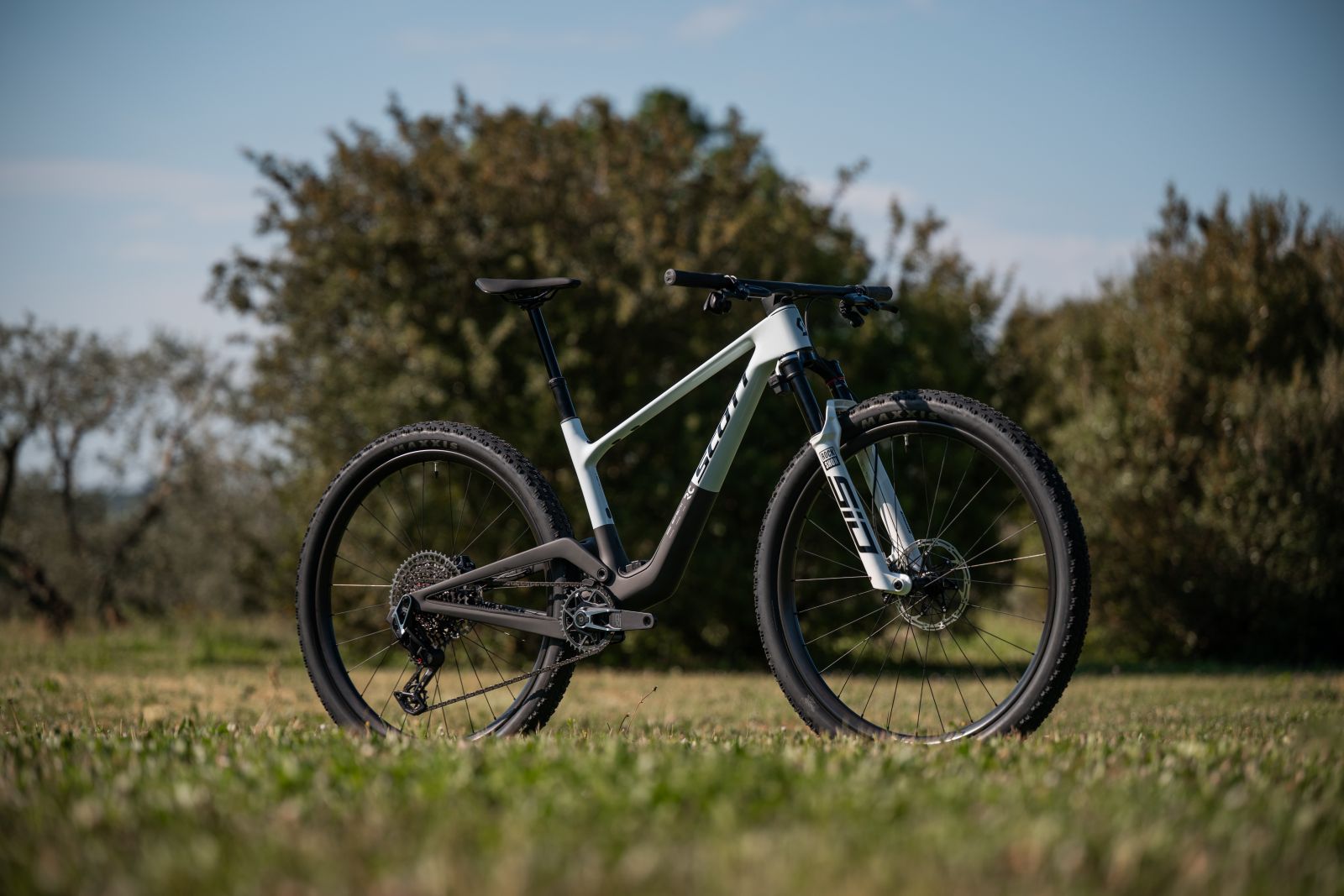
The Scott Spark RC World Cup and Expert 2027 push the boundaries of XC even further. Flight Attendant suspension, Syncros carbon wheels and top-level performance: discover our full review.
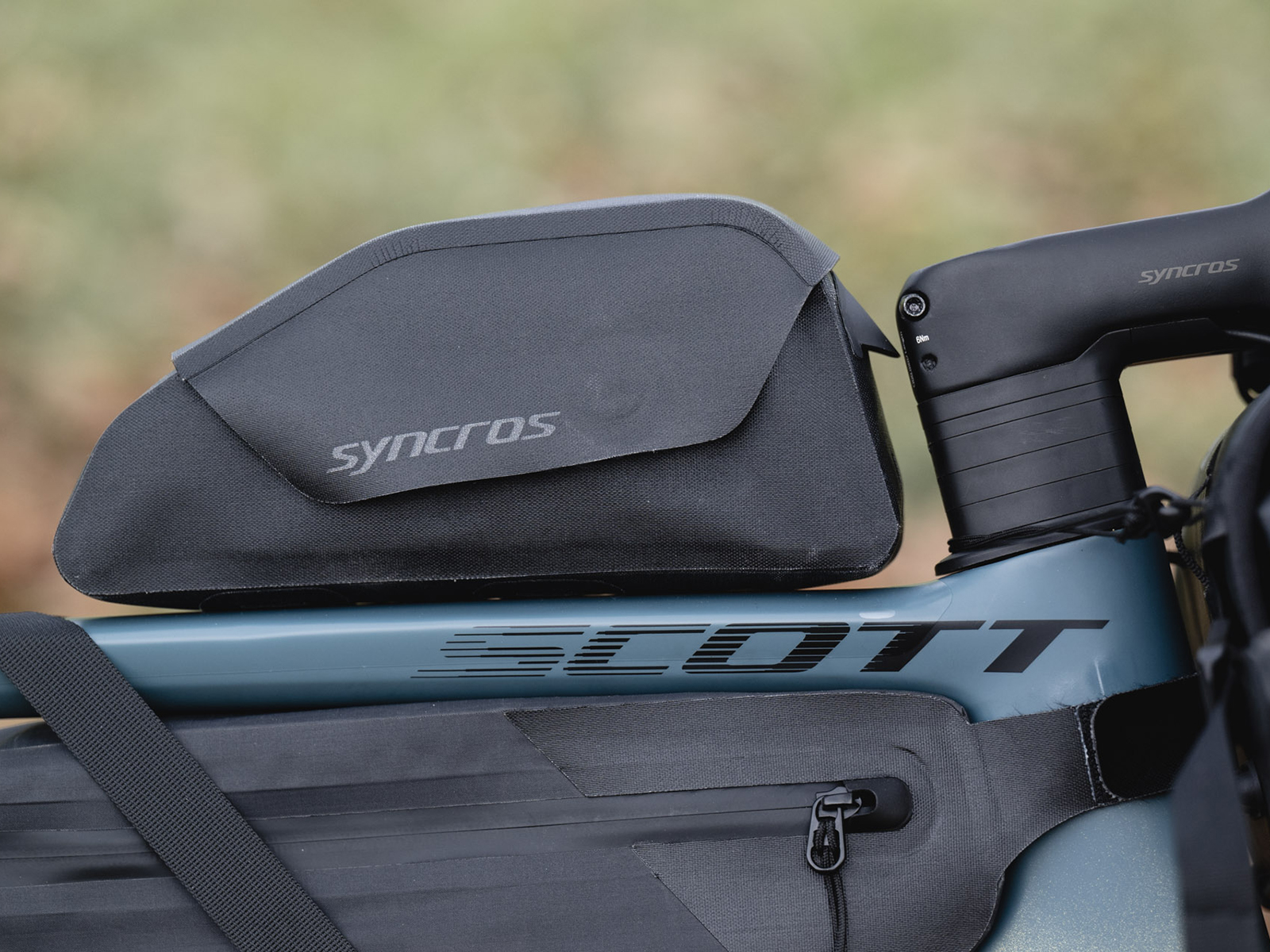
The pannier has become an essential piece of equipment for many cyclists. Whether for daily commutes, bike riding, long rides, cycle touring, bikepacking, or simply leisurely outings, it allows you to carry your belongings comfortably without carrying a load on your back. A well-chosen pannier improves comfort, maintains the bike's balance, and makes organizing your gear easier.
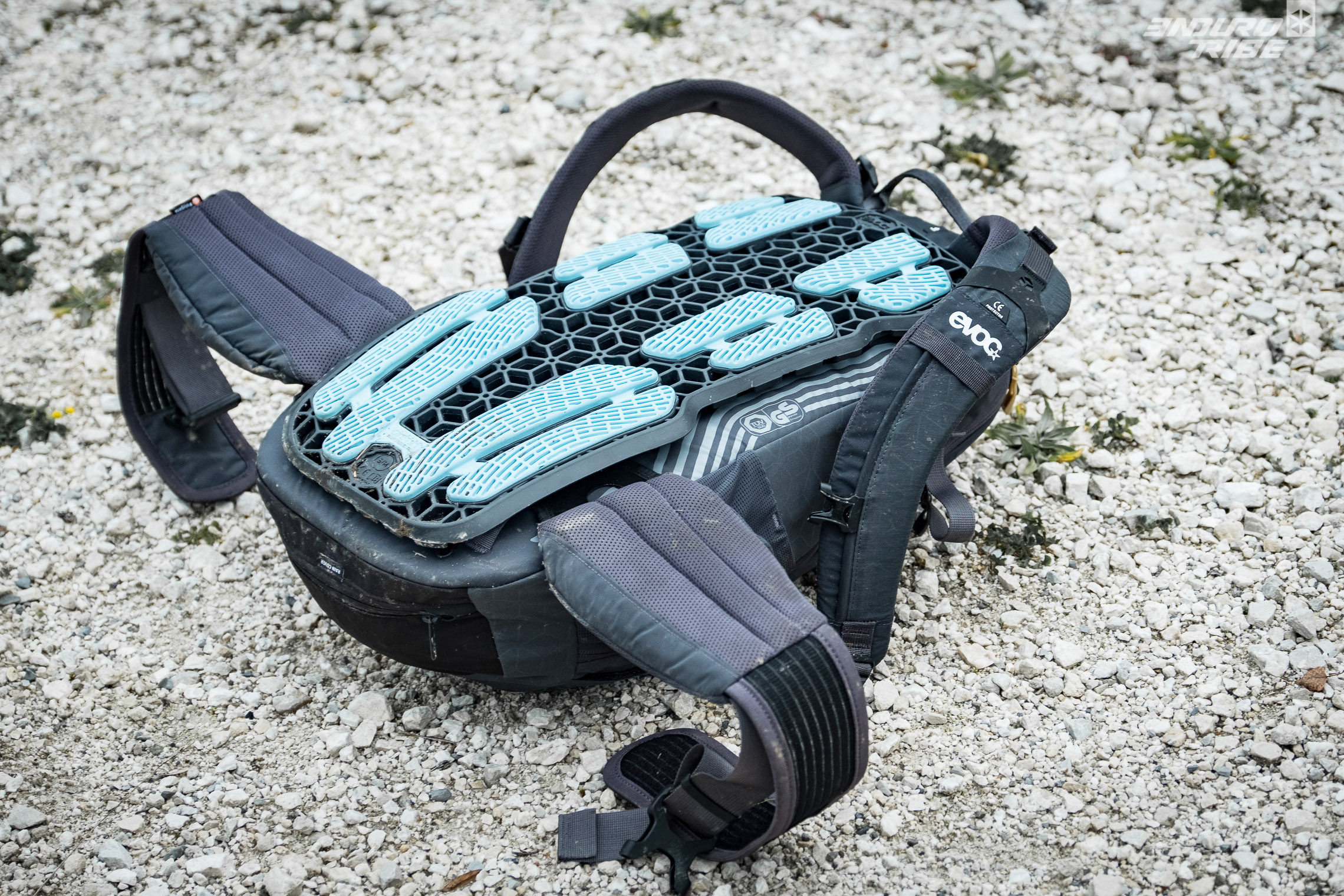
Choosing a cycling backpack requires finding the right balance between comfort, capacity, stability, rain protection, and easy access to your gear. A good bag shouldn't just carry things. It should stay securely in place, not interfere with pedaling, minimize back perspiration, and effectively protect essential items. Whether you're commuting to work, going for a sporting activity, cycling around town, touring by bike, or hiking, your needs will differ.
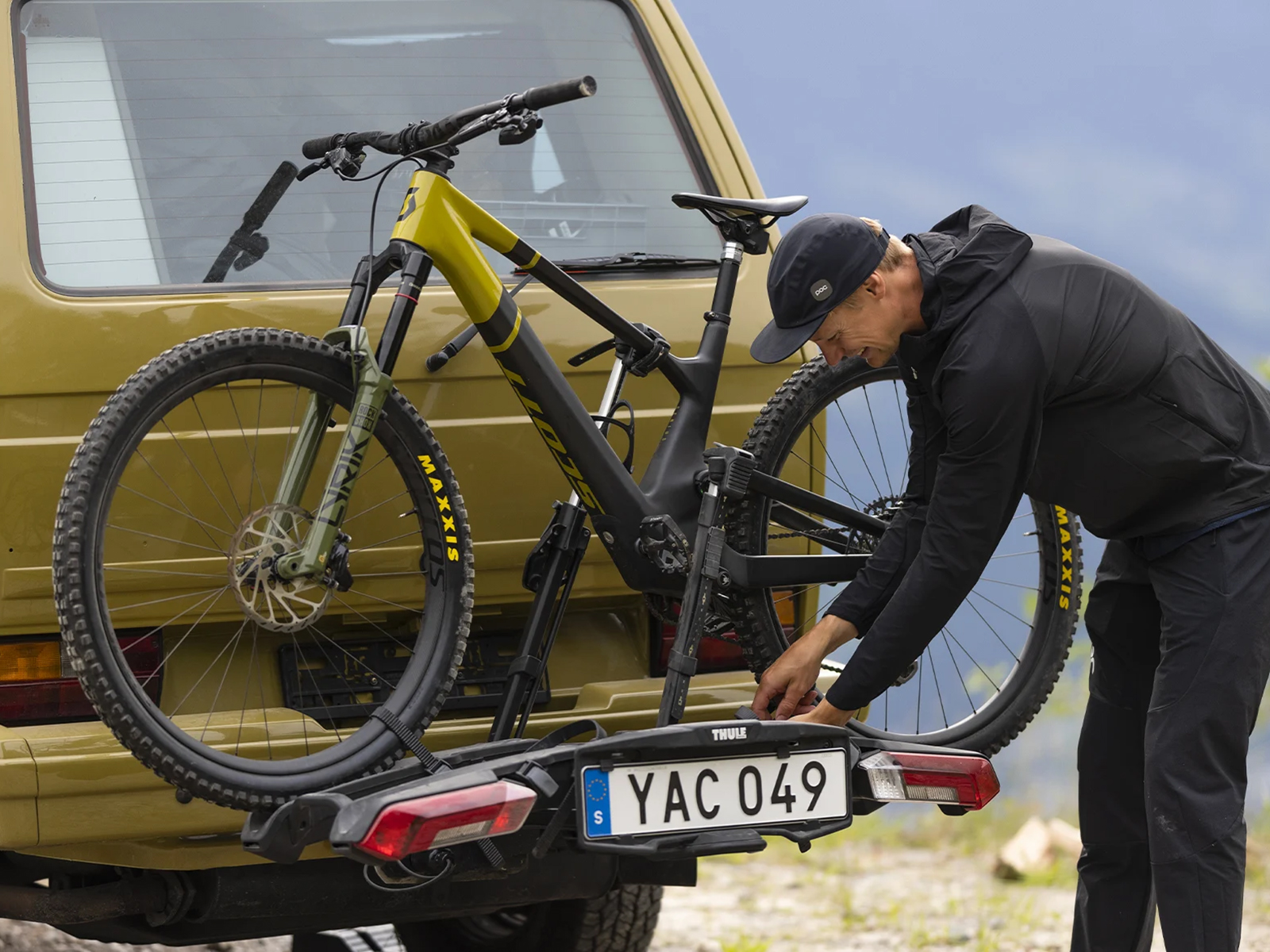
Choosing the right bike rack is essential for transporting your bikes safely, protecting your equipment, and enjoying a worry-free journey. Given the wide variety of systems available, identifying the best solution for your vehicle, the number of bikes you're carrying, or your intended use isn't always easy. Between hitch-mounted, tailgate-mounted, and roof-mounted models, there are many differences in terms of load capacity, ease of installation, compatibility, and user-friendliness.
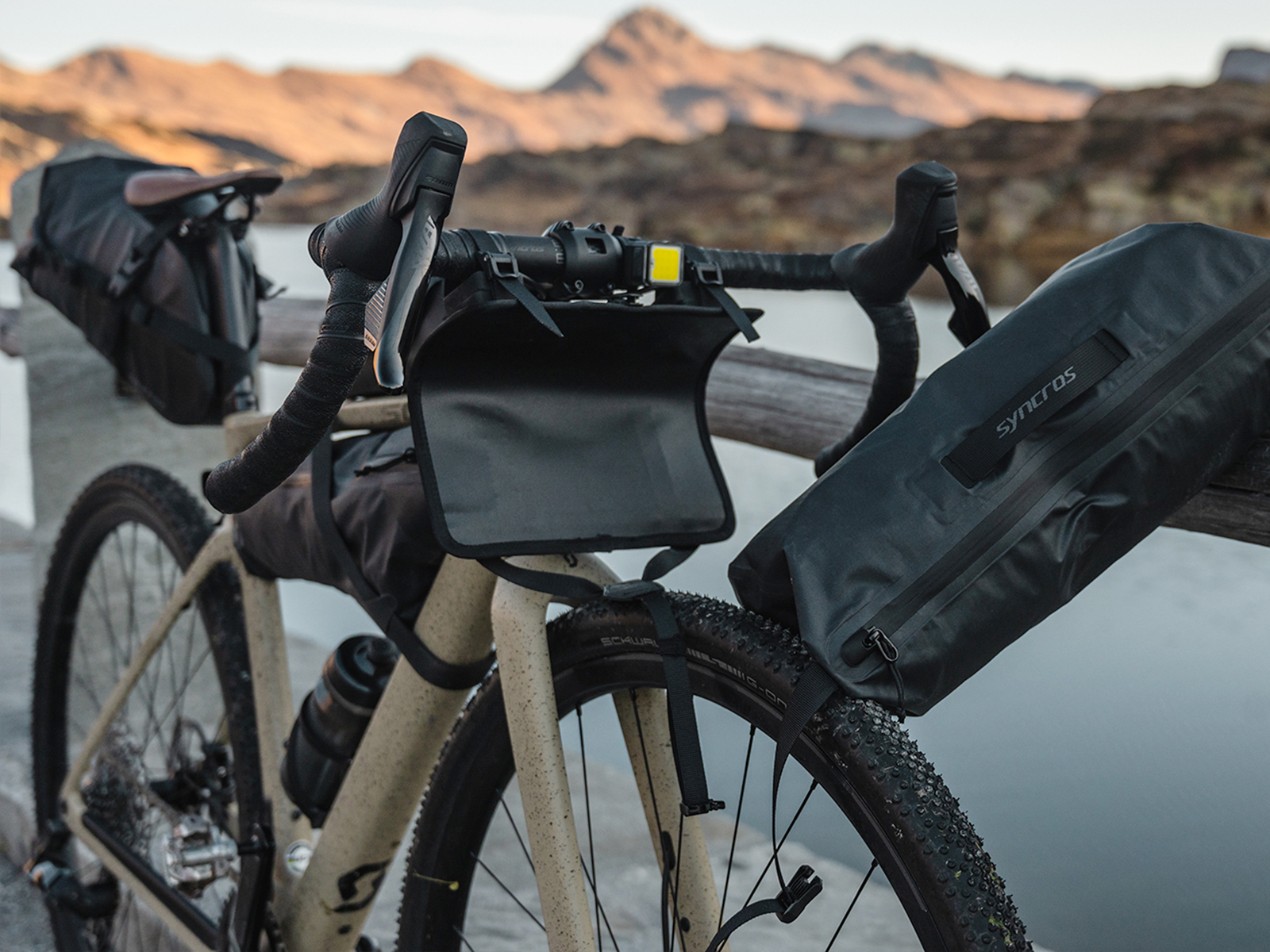
Bikepacking is an adventure cycling practice that involves traveling independently with a lightweight load attached directly to the bicycle. Unlike traditional cycle touring, which uses racks and large panniers, bikepacking favors compact bags distributed across the frame , handlebar , and tige de saddle . This approach allows for a bike that remains agile, efficient, and suitable for varied terrain, whether roads, tracks, forest paths, or trails.
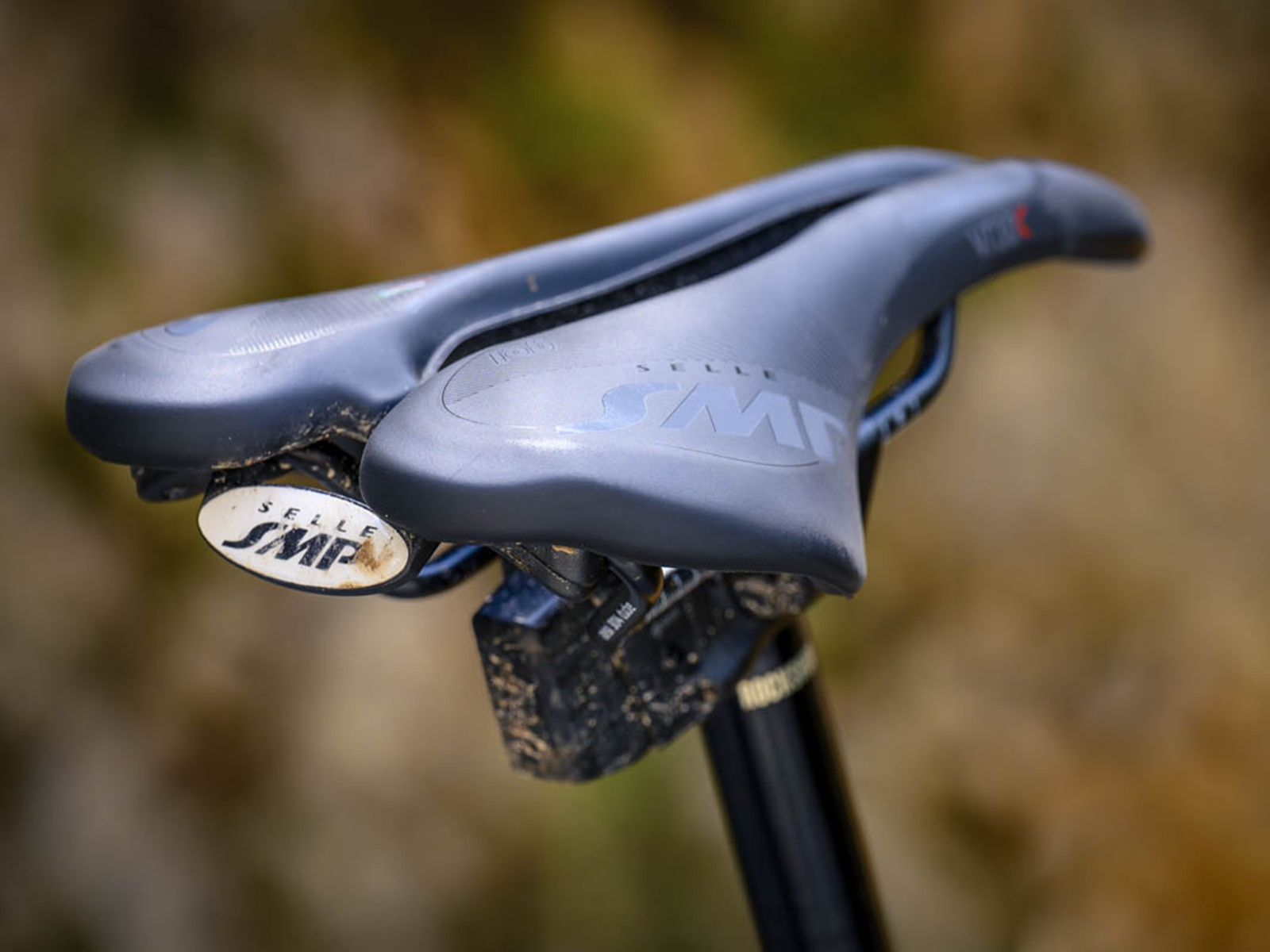
Choosing the right saddle is one of the most important factors in improving comfort, performance, and enjoyment of off-road riding. An unsuitable saddle can cause pelvic pain, chafing, numbness, or reduced pedaling efficiency. Conversely, a well-chosen saddle allows for better power transfer, maintains a stable position on the bike, and lets you fully enjoy your rides, whether it's trail riding, cross-country, enduro, or downhill. The shape, width, padding, materials, and type of riding all directly influence the choice. Therefore, it's essential to consider your body type, riding style, and riding habits before making your selection.