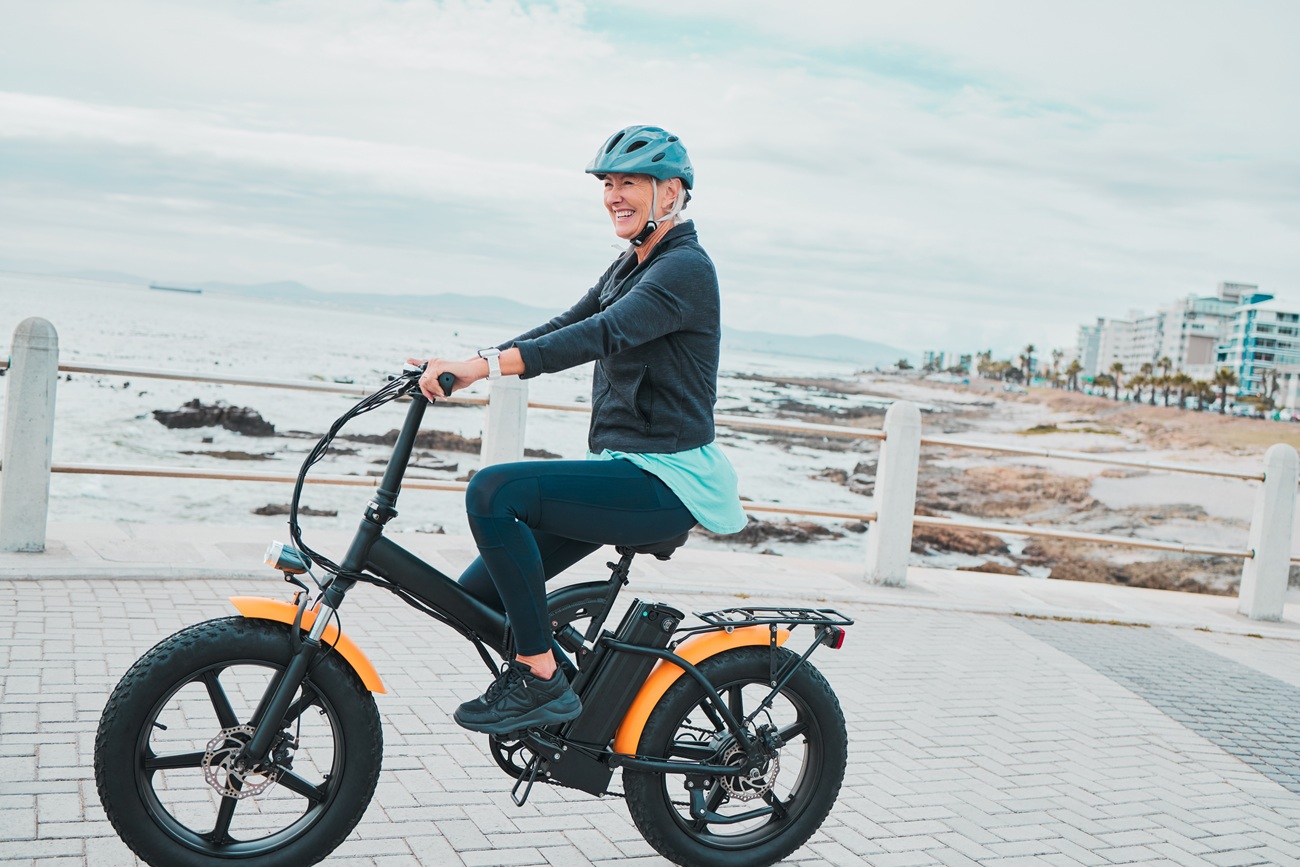
The electric city Bike has become an increasingly popular choice for daily commutes. It offers a fast, economical, and eco-friendly alternative to the car, especially in urban areas. But with so many models available, it can be difficult to know where to start. This guide will help you make a choice that suits your specific needs.
Defining your daily needs
Before even comparing models, you need to ask yourself the right questions. What is your daily commute like? Do you ride on flat or hilly roads? Do you use your bike to go to work, run errands, or simply for leisure? Choosing an electric city Bike depends heavily on how you intend to use it. If you cycle every day, it's essential to prioritize comfort, range, and reliability.
The type of journey directly influences the motor's power and battery capacity. A flat route in the city center won't require the same technical specifications as a route with hills or cobblestones. Also consider your physical condition: electric assistance is there to compensate, but it doesn't completely replace physical effort.
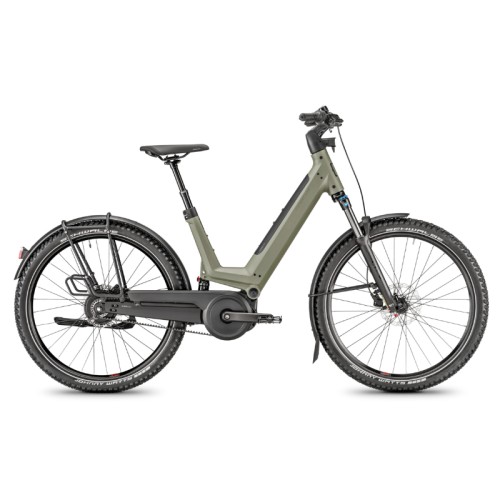
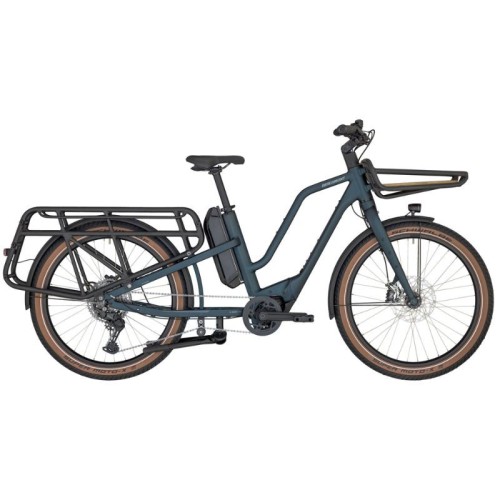
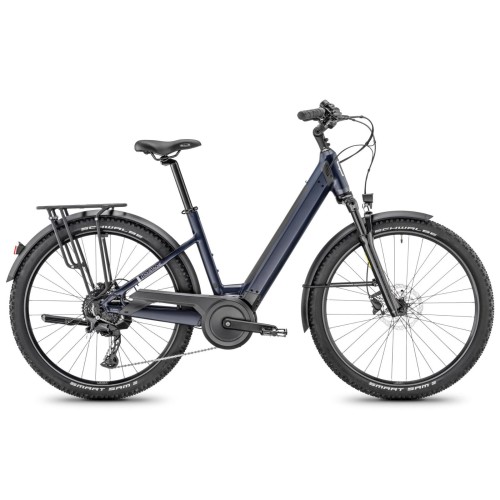
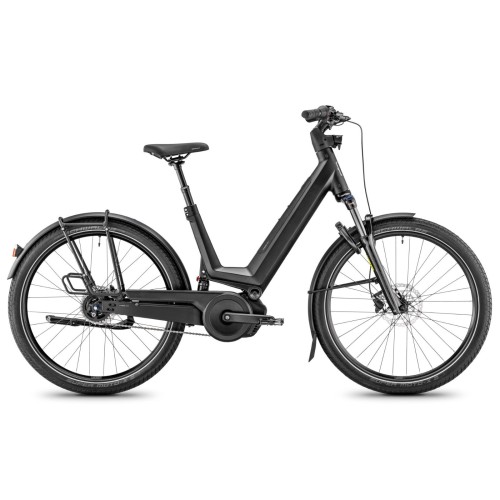
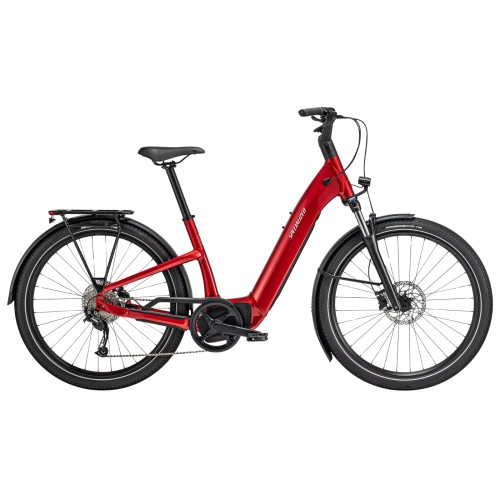
Electric Hybrid Bike Specialized Turbo Como 3.0 Red Tint/Silver Reflective 2023
-18% €2,300.00 €2,799.00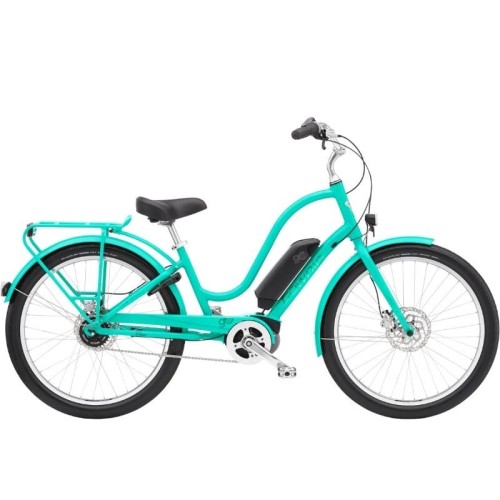
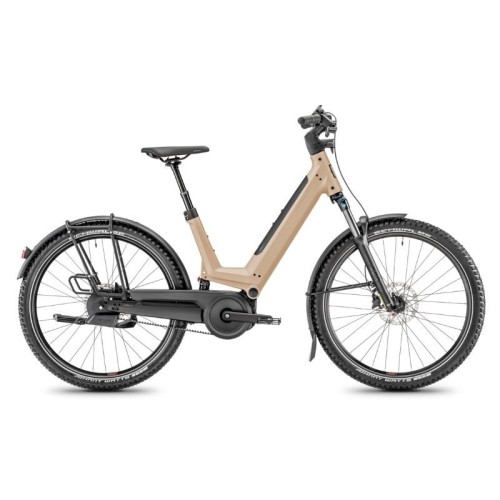
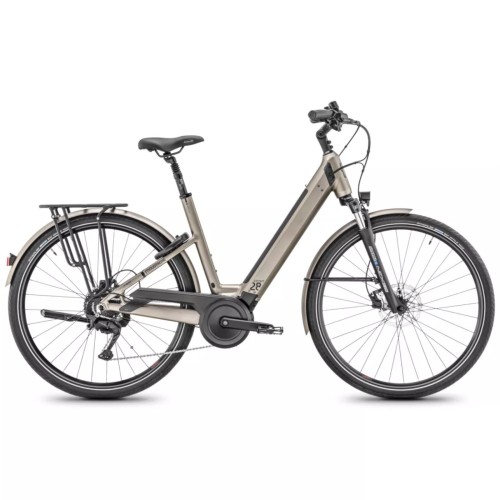
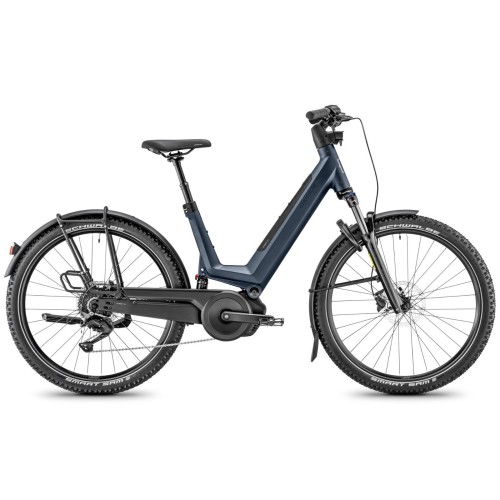
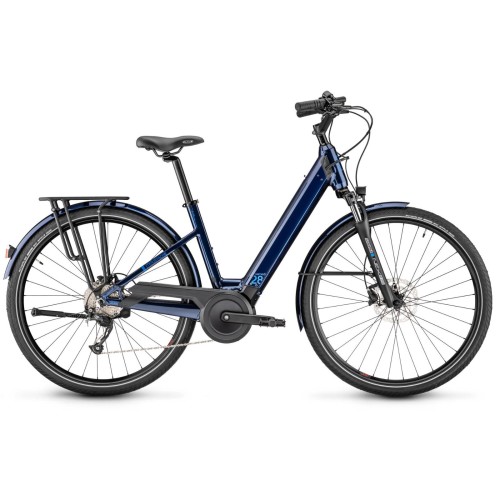
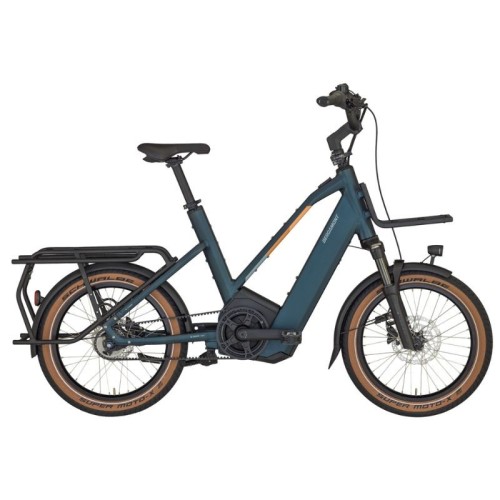
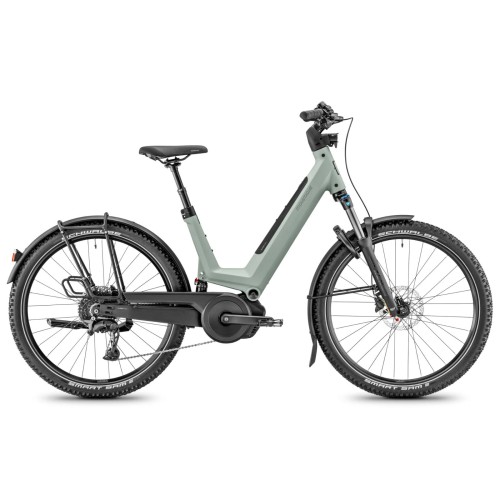
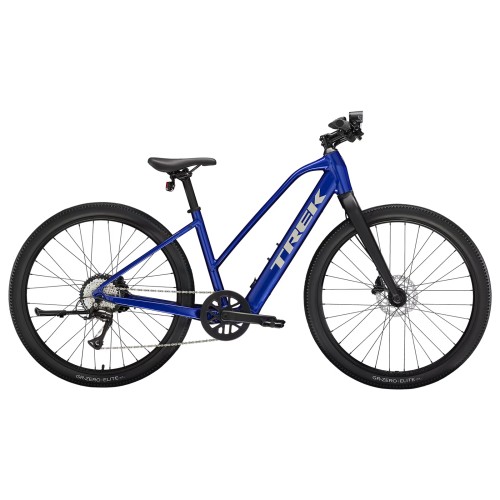
The number of kilometers you travel per day will determine the minimum range you need. It's better to choose a slightly more powerful battery than necessary rather than running out of power in the middle of the road.
Choosing the right motor for your electric city Bike
The motor is the heart of the electric city Bike . It can be located in the front wheel, the rear wheel, or at the bottom crankset . Each has its advantages and limitations. The front-wheel motor is simple and economical, but sometimes offers a strange pulling sensation. The rear-wheel motor provides a better boost, especially when starting, but it can make the bike slightly less maneuverable.
The mid-drive motor, located at the bottom crankset , offers the most natural and efficient feel. It provides a smooth and balanced pedaling experience. It is recommended for regular use, especially if you have hills to climb or are carrying heavy loads. It is also more efficient in managing energy, which improves battery life.
Some models allow you to choose different levels of assistance. This is an important criterion if you want to adapt the assistance according to the terrain, your fatigue, or the weather.
Consider the battery life and battery capacity.
The battery determines the range of your electric city Bike . It is often located on the rear rack, integrated into the frame , or attached to the tige de saddle . A standard capacity is around 400 to 500 Wh. This corresponds to a range of approximately 50 to 100 km depending on riding conditions (assistance level, rider weight, terrain, wind, etc.).
A removable battery is preferable: it can be recharged at home, at the office, or on the go. This greatly simplifies the daily management of the bike. Also consider charging time: some batteries require 5 to 6 hours for a full charge.
Here is a comparative table of battery types:
| Capacity (Wh) | Estimated range | Charging time | Removability |
|---|---|---|---|
| 400 Wh | 50-70 km | 5 a.m. | Yes |
| 500 Wh | 70-90 km | 6 a.m. | Yes |
| 625 Wh | 80-110 km | 6-7 a.m. | Variable |
Driving comfort above all
Comfort is a major factor when choosing an electric city Bike . An upright riding position, a low frame , a wide saddle , and ergonomic grips reduce fatigue. Opt for an open frame if you frequently get on and off your bike, especially while wearing city clothes.
Suspension also plays an important role. A front fork suspendue or a suspension seatpost helps absorb shocks on cobblestones or curbs. This comfort is particularly appreciated on long urban journeys.
Wheel size also influences stability and handling. 28-inch wheels are ideal for city riding: they offer good performance while ensuring a smooth ride.
Brakes, gears and drivetrain of the electric city Bike
An electric city Bike requires powerful and reliable brakes. Hydraulic rotor brakes are currently the most effective, even in wet conditions. rim brakes are less powerful but sufficient for moderate urban use.
The drivetrain is also worth considering. Some models offer internally hub hubs. These require little maintenance and allow you to change gears while stopped. Others prefer traditional derailleurs, which are lighter and more responsive, but also more exposed to the elements.
The choice of gears depends on your environment. For a flat city, a single drivetrain is sufficient. If you encounter hills, multiple gears will offer greater driving flexibility.
Weight, materials and safety
The weight can vary from 18 to 30 kg depending on the model. This is an important factor if you need to carry or move your electric city Bike regularly. A lighter bike will be more maneuverable and more pleasant to use on a daily basis.
An aluminum frame offers a good balance between strength and lightness. Steel is more robust but also heavier. Some high-end models use special alloys or carbon fiber, but the price increases rapidly.
Safety should not be neglected. A good lock is essential. Some models have a built-in locking system in the frame , or even an alarm. Also consider visibility: LED lights, reflectors, and reflective strips are crucial for riding at night.
Useful everyday accessories
A well-equipped electric city Bike makes life easier. A sturdy rack lets you carry groceries or panniers. Mudguards and a chain guard protect your clothes. A stable kickstand makes parking a breeze.
Some bikes are compatible with child seats or trailers, which can be a plus for families. Others include navigation systems or connectivity with your smartphone.
Also check for the presence of a lock mount, puncture-resistant tires and good integrated battery-powered lighting.
Test before you buy
A test ride is the best way to check if an electric city Bike is right for you. Even a highly rated model might not be suitable depending on your body type or riding style. Take advantage of a test ride to assess comfort, motor responsiveness, cockpit ergonomics, and the smoothness of the drivetrain .
Don't hesitate to compare several bikes under the same conditions. Pay attention to the small details: ease of battery connection, intuitiveness of the control screen, stability when stopped. Everything counts when it comes to a vehicle you'll be using every day.
Also take the time to check the maintenance requirements. A bike that is complex to maintain or whose parts are difficult to find can quickly become a burden.
Evaluate the value for money
A good electric city Bike is an investment. Don't just look at the purchase price. Consider the overall cost: maintenance , spare battery, accessories... A bike that's more expensive to buy can be more cost-effective in the long run if it's durable and well-designed.
Some manufacturers offer better warranties or after-sales service. It's best to choose a brand known for the reliability of its components and the availability of spare parts.
Finally, check if the bike is upgradeable: possibility of changing the battery, adding accessories, and easily repairing it if needed.
Choosing an electric city Bike means opting for freer and more enjoyable mobility. But it also means making a well-considered choice based on your needs, your environment, and your expectations. Comfort, range, safety, motor, drivetrain ... Every detail counts.
A good bike is one that will accompany you for a long time, without betraying you, in the streets of your city.

Related Posts
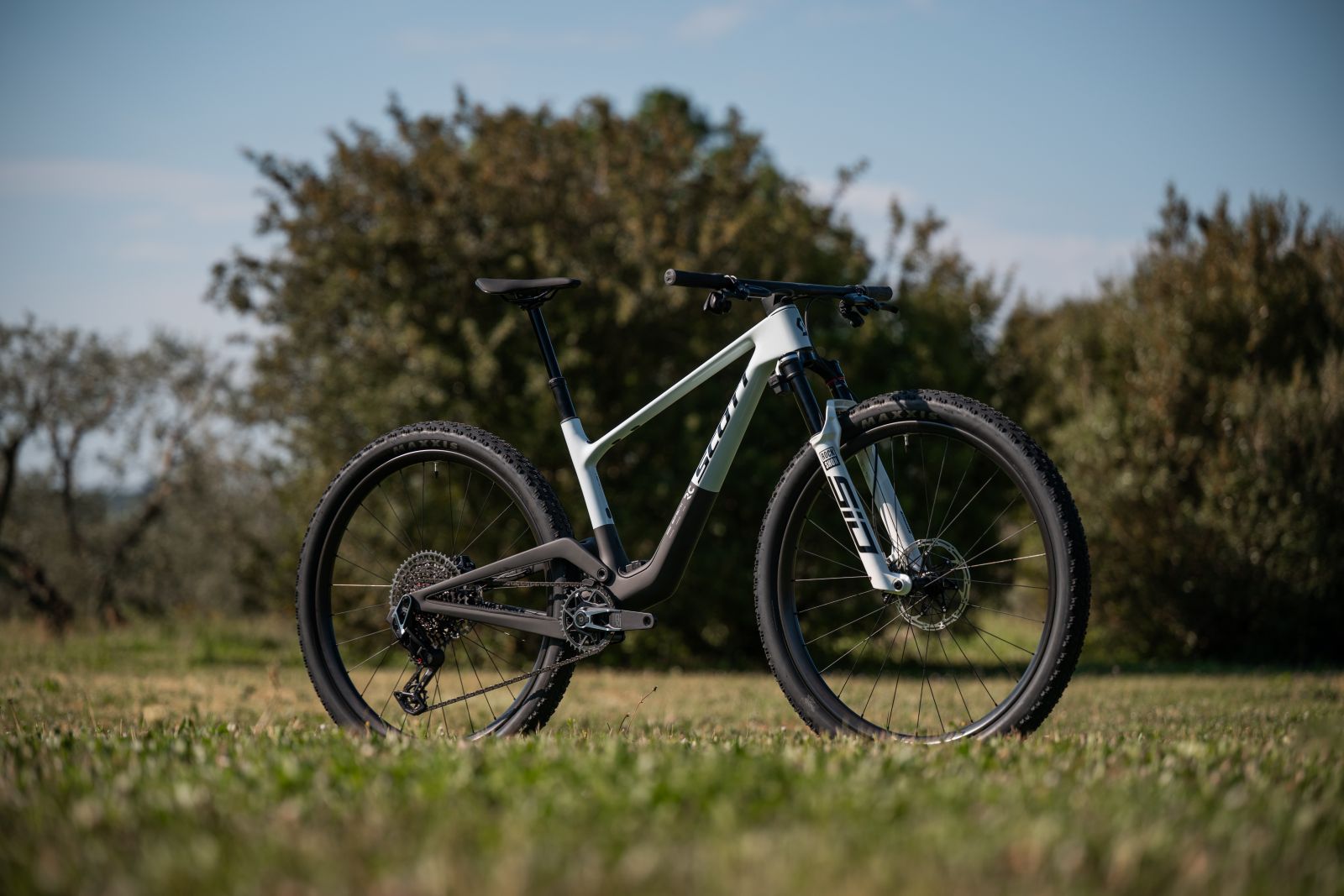
The Scott Spark RC World Cup and Expert 2027 push the boundaries of XC even further. Flight Attendant suspension, Syncros carbon wheels and top-level performance: discover our full review.
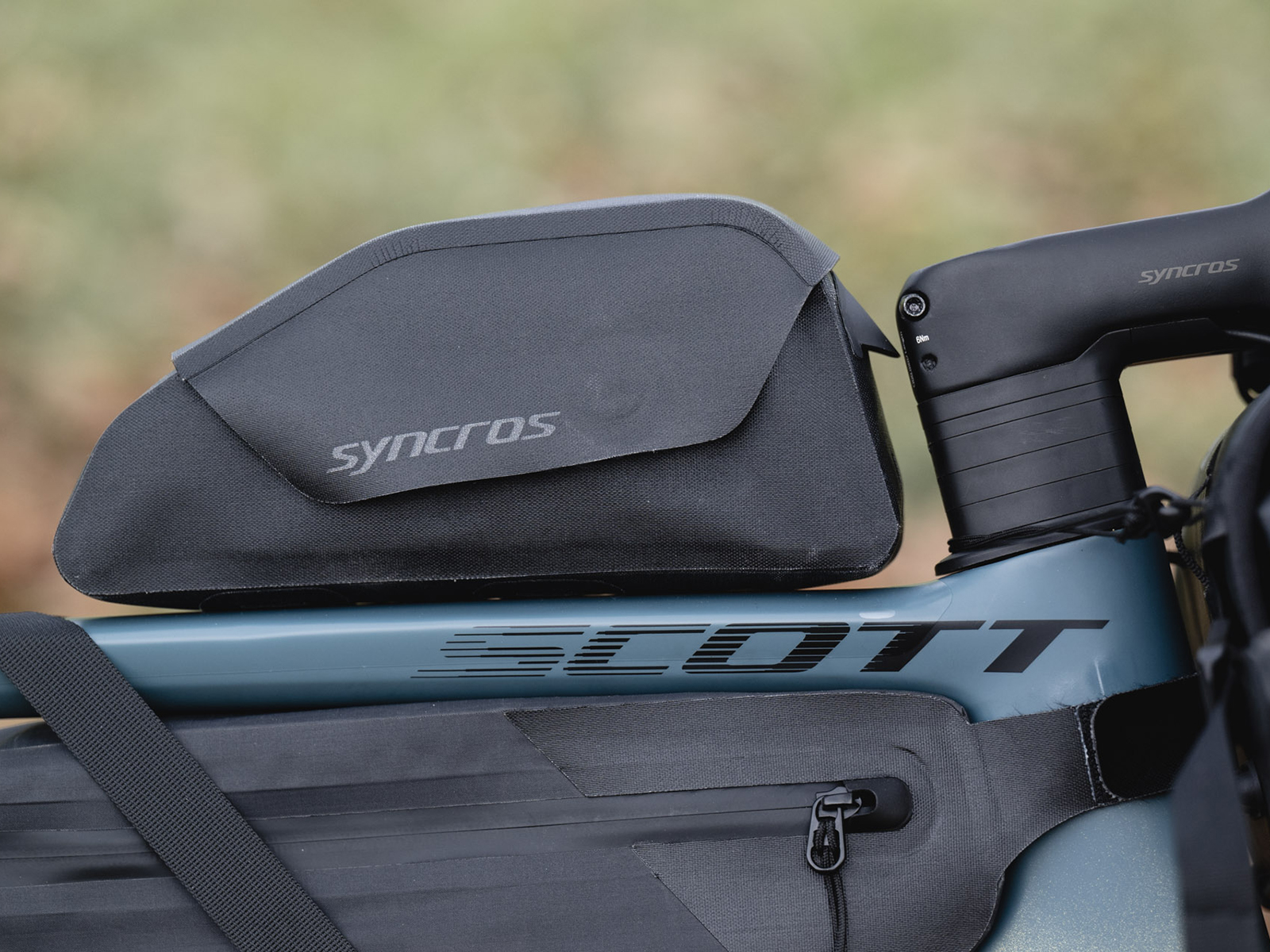
The pannier has become an essential piece of equipment for many cyclists. Whether for daily commutes, bike riding, long rides, cycle touring, bikepacking, or simply leisurely outings, it allows you to carry your belongings comfortably without carrying a load on your back. A well-chosen pannier improves comfort, maintains the bike's balance, and makes organizing your gear easier.
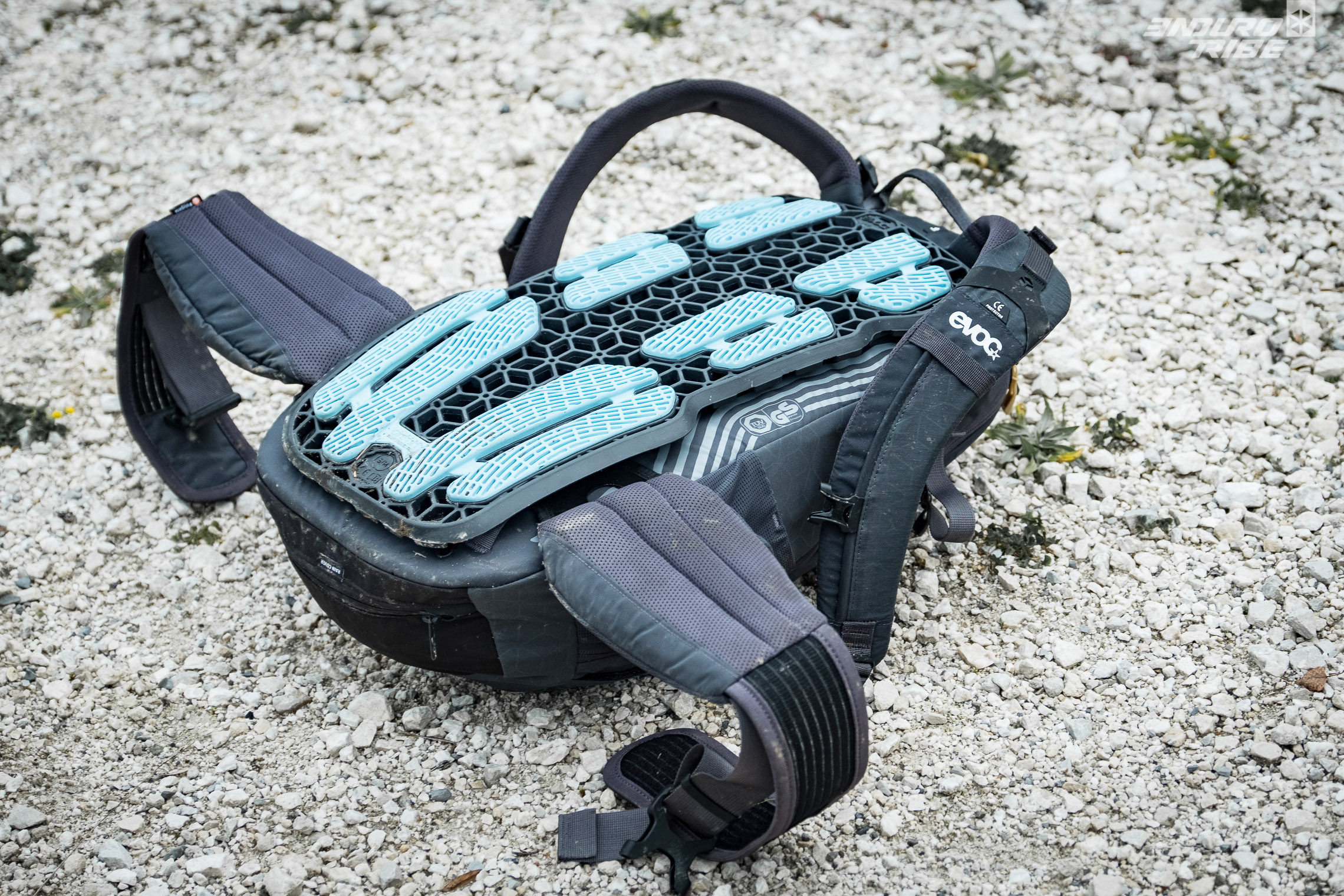
Choosing a cycling backpack requires finding the right balance between comfort, capacity, stability, rain protection, and easy access to your gear. A good bag shouldn't just carry things. It should stay securely in place, not interfere with pedaling, minimize back perspiration, and effectively protect essential items. Whether you're commuting to work, going for a sporting activity, cycling around town, touring by bike, or hiking, your needs will differ.
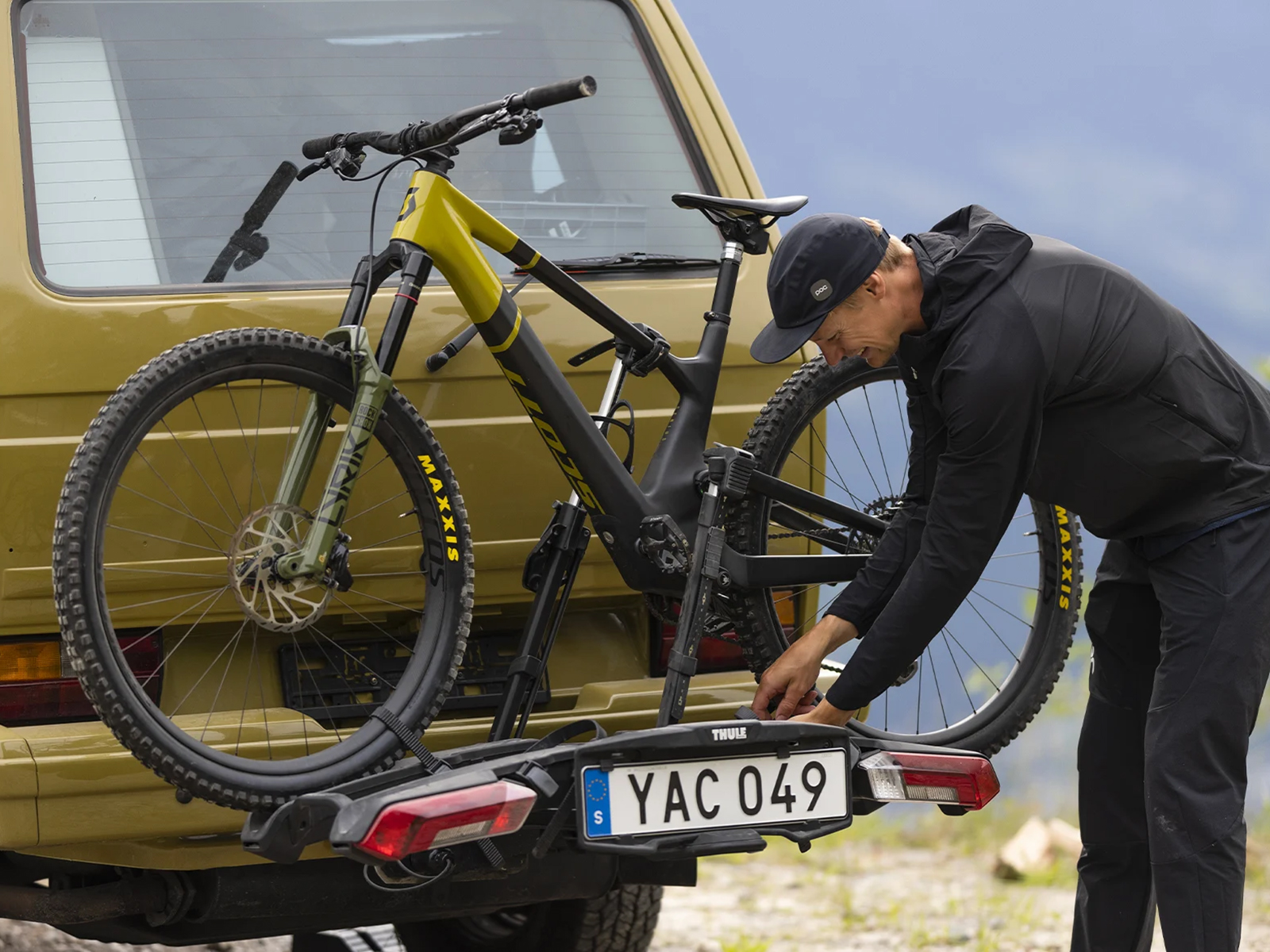
Choosing the right bike rack is essential for transporting your bikes safely, protecting your equipment, and enjoying a worry-free journey. Given the wide variety of systems available, identifying the best solution for your vehicle, the number of bikes you're carrying, or your intended use isn't always easy. Between hitch-mounted, tailgate-mounted, and roof-mounted models, there are many differences in terms of load capacity, ease of installation, compatibility, and user-friendliness.
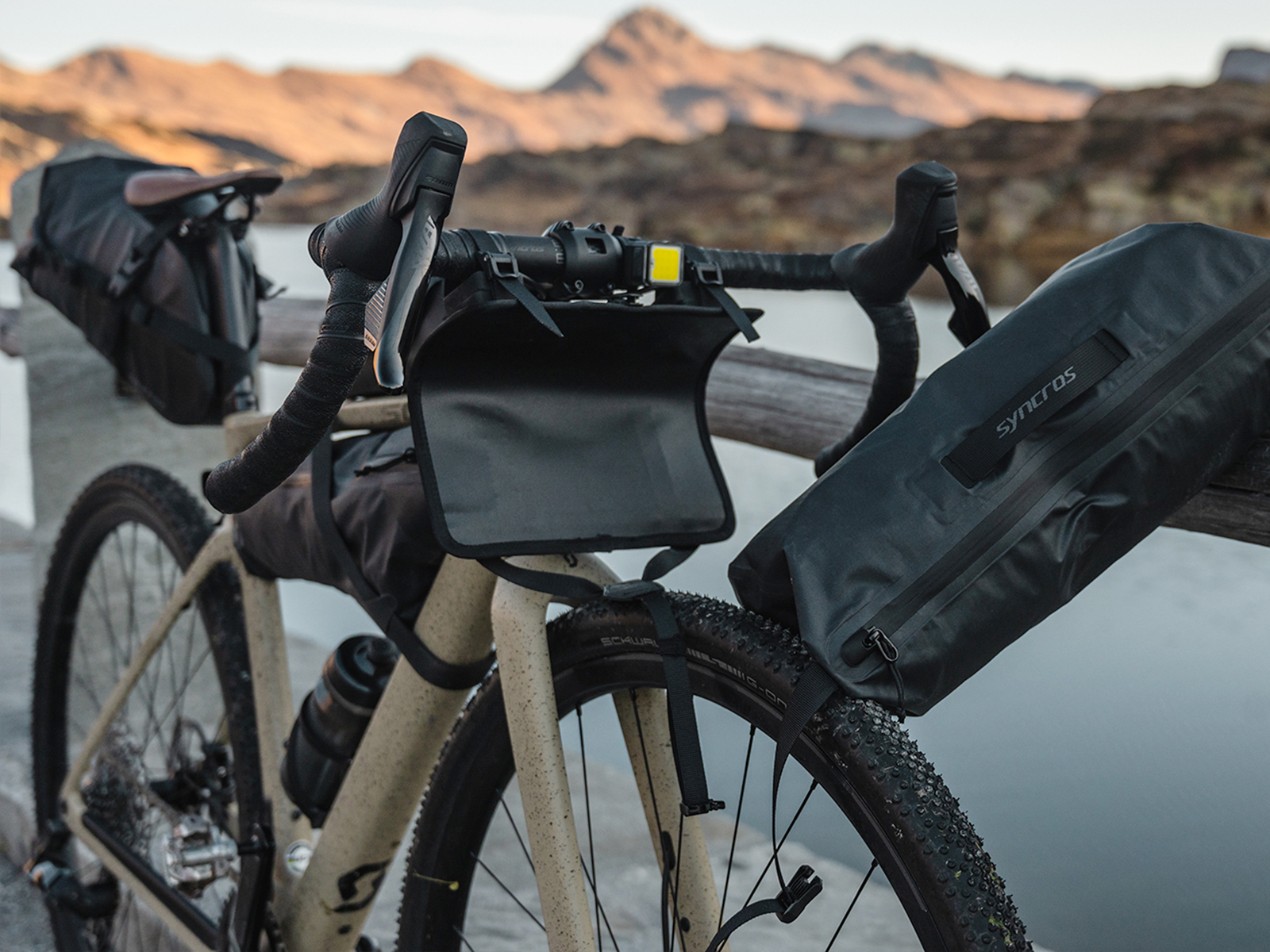
Bikepacking is an adventure cycling practice that involves traveling independently with a lightweight load attached directly to the bicycle. Unlike traditional cycle touring, which uses racks and large panniers, bikepacking favors compact bags distributed across the frame , handlebar , and tige de saddle . This approach allows for a bike that remains agile, efficient, and suitable for varied terrain, whether roads, tracks, forest paths, or trails.
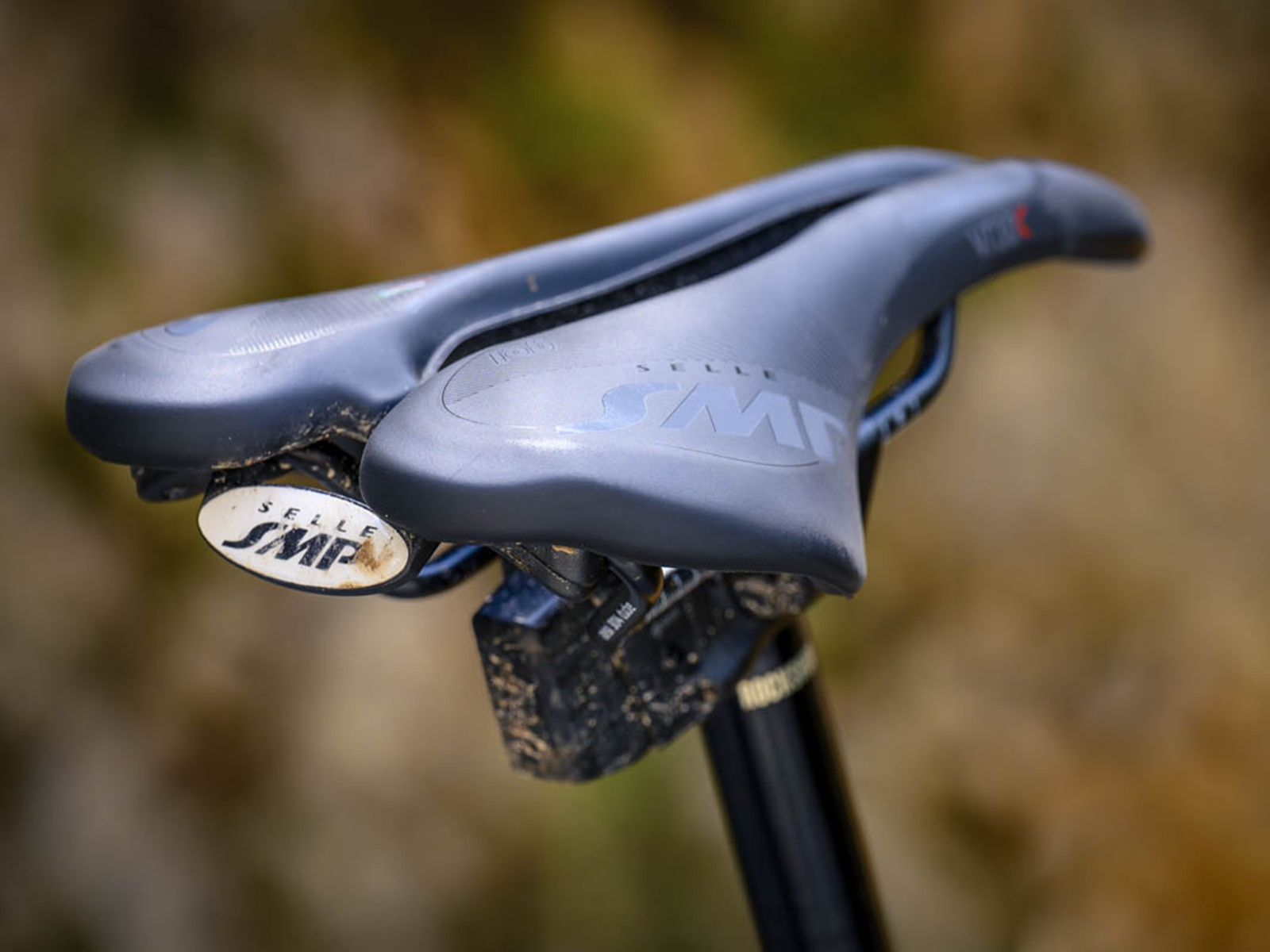
Choosing the right saddle is one of the most important factors in improving comfort, performance, and enjoyment of off-road riding. An unsuitable saddle can cause pelvic pain, chafing, numbness, or reduced pedaling efficiency. Conversely, a well-chosen saddle allows for better power transfer, maintains a stable position on the bike, and lets you fully enjoy your rides, whether it's trail riding, cross-country, enduro, or downhill. The shape, width, padding, materials, and type of riding all directly influence the choice. Therefore, it's essential to consider your body type, riding style, and riding habits before making your selection.