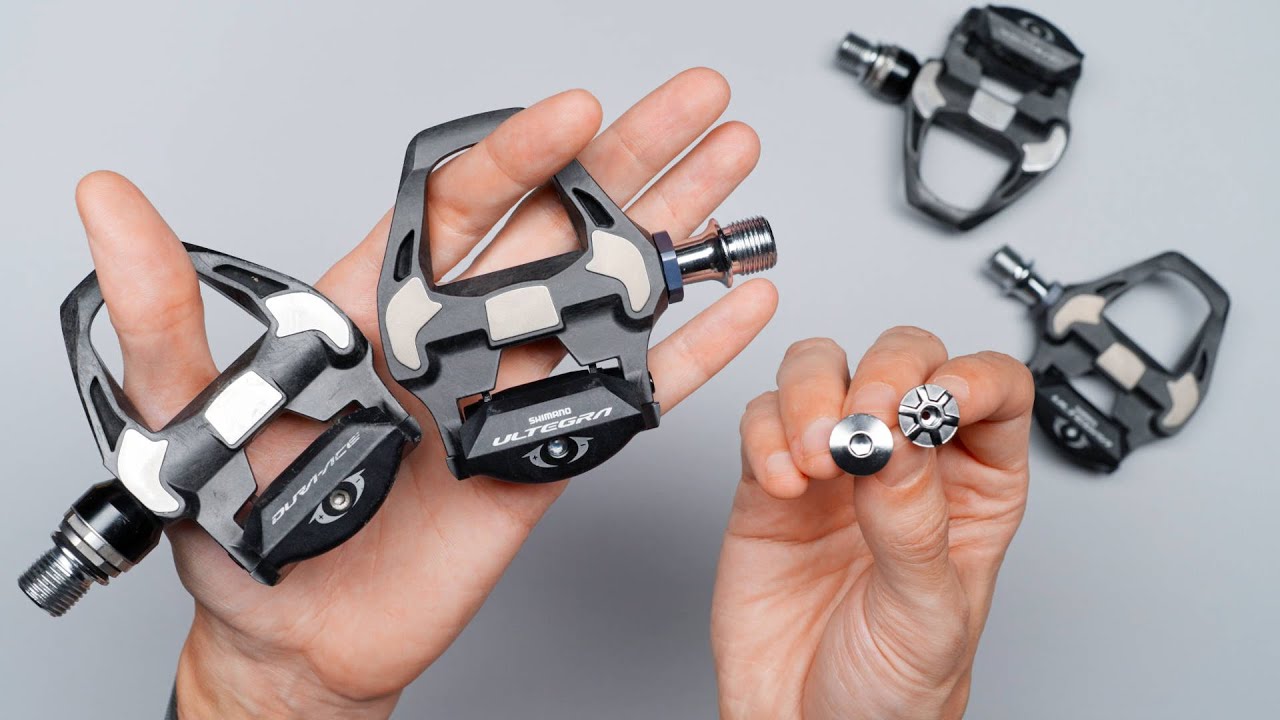
Choosing the right pedals is crucial for optimizing your comfort, safety, and performance on the bike. Whether you're an urban cyclist, mountain biker, or road cyclist, selecting the pedals best suited to your riding style is essential. This detailed guide will help you understand the different types of pedals available, their advantages and disadvantages, and the criteria to consider when making the best choice.
The different types of bicycle pedals
There are several types of bicycle pedals, Each one is adapted to a specific use. The choice depends mainly on your discipline, your level of experience and your personal preferences.
Flat pedals
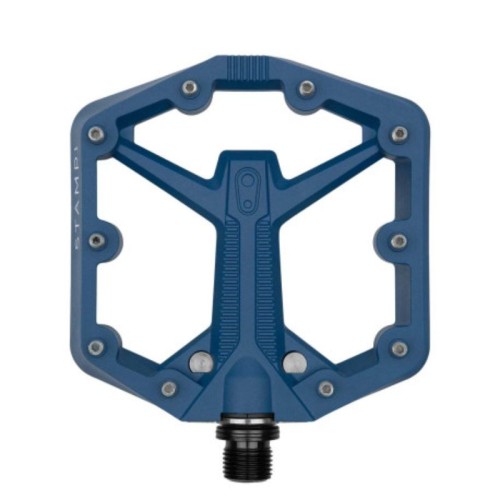
THE flat pedals, Classic pedals, also known as regular pedals, are ideal for beginners and urban commuting. They offer great freedom of movement and are compatible with any pair of shoes.
Benefits :
- Ease of use: no learning required.
- Suitable for short journeys and getting around town.
- Compatible with all types of shoes.
Disadvantages:
- Less efficient, because there is no foot attachment.
- Less suitable for intensive sports activities.
Clipless pedals
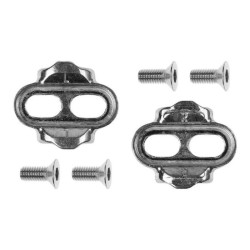
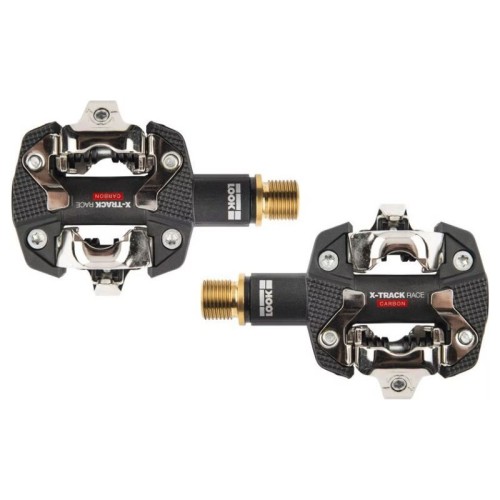
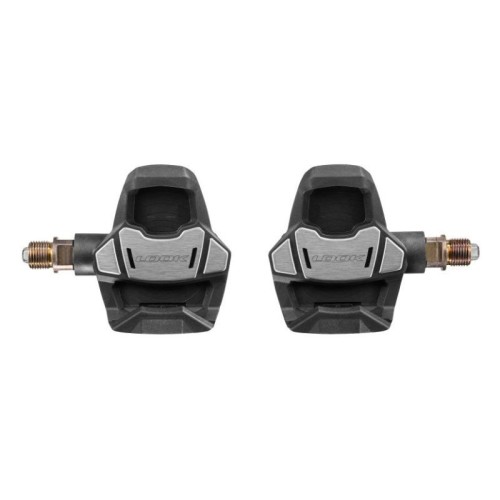
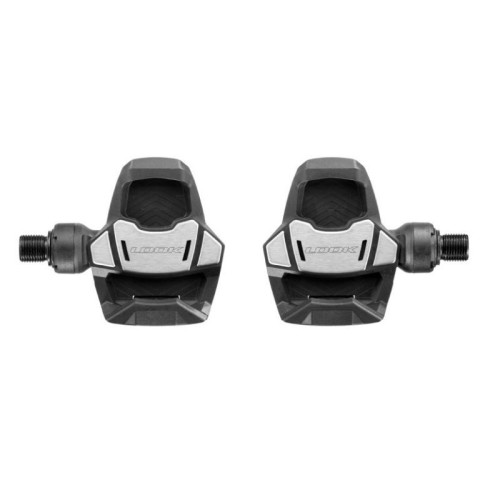
THE clipless pedals attach to the shoes using cleats specific. They are particularly popular with road cyclists and mountain bikers looking for better performance and more stability.
Benefits :
- Improved power transfer between the cyclist and the bike.
- Improved foot stability on the pedals.
- Suitable for long distances and competitions.
Disadvantages:
- They require an adjustment period to learn how to clip and unclip.
- Requirement to use compatible footwear.
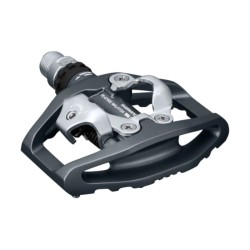
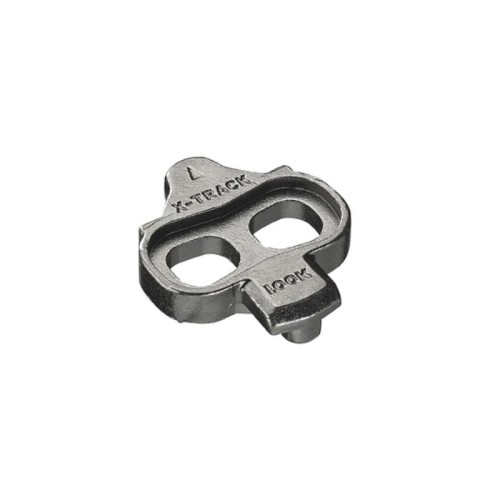
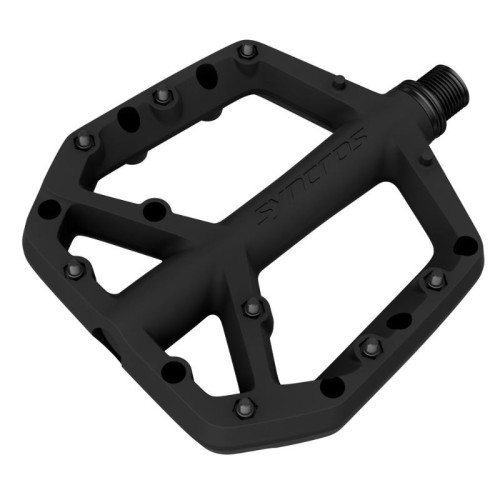
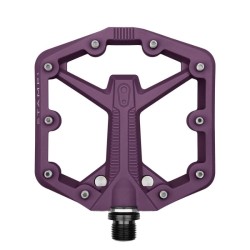

Hybrid pedals
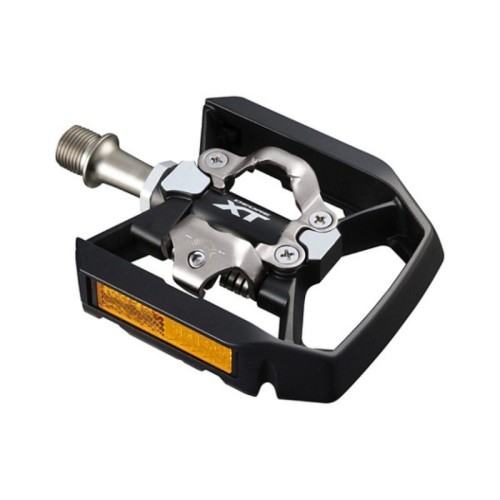
Hybrid pedals combine the advantages of flat pedals and clipless pedals. They offer a flat side and a side with automatic fastening, allowing cyclists to choose the use according to their needs.
Benefits :
- High versatility: suitable for different types of journeys.
- Ideal for those who alternate between urban commuting and sporting outings.
Disadvantages:
- Less efficient than pedals specialized in a single function.
The essential criteria for choosing bicycle pedals
The type of practice
The choice of pedals depends primarily on your discipline:
| Type of practice | Recommended pedals | Main features |
|---|---|---|
| Road Bike | Clipless pedals | Optimal performance, efficient power transfer |
| MTB | Clipless pedals or plates | Stability on rough terrain, good support |
| City | Flat pedals or hybrids | Ease of use, comfort |
| Gravel bike | Hybrid pedals | Versatility on roads and trails |
The materials
The materials used to manufacture pedals play an important role in their durability, weight, and price.
- Reinforced plasticLightweight and economical, ideal for urban or occasional use.
- AluminumRobust, shock-resistant, perfect for sports activities.
- Carbon: Ultra-light and high-performance, reserved for demanding cyclists.
The support surface
A large contact surface is essential for distributing pressure evenly, especially on long rides. The pedals of MTB often offer a larger surface area for better stability.
The fastening system
For the clipless pedals, There are different fastening systems:
- SPD (Shimano Pedaling Dynamics): Very widespread in MTB and in gravel bike, This system offers effective grip and quick release.
- LookFrequently used for the road Bike, with a large support surface to optimize power.
- TimeKnown for its lightweight pedals and good lateral clearance, popular with mountain bikers.
The weight of the pedals
The weight of pedals can impact performance, especially for competitive cyclists. Carbon or aluminum pedals are lighter, which reduces overall effort during long rides.
The advantages of investing in quality pedals
Choosing quality pedals has many advantages:
- Increased comfort: a good pair of pedals reduces foot fatigue during long rides.
- Better efficiency: better power transfer allows you to improve your performance.
- Sustainability: durable materials guarantee a long service life, even under intensive use.
- Security: a good attachment system reduces the risk of slipping and improves bike control.
How to maintain your bicycle pedals?
A good maintenance extends the lifespan of your pedals:
- Regular cleaning: remove dust, mud and residue after each outing.
- LubricationApply oil to the axles and fasteners to maintain their proper functioning.
- Verification of cleats: change them as soon as they show signs of excessive wear to avoid gripping problems.
When should you replace your pedals?
The pedals should be replaced as soon as you observe:
- Excessive play in the pedal axle.
- Cracks or signs of wear on the pedal body.
- A faulty or worn-out fastening system.
Choosing bicycle pedals shouldn't be taken lightly. It's essential to select a model suited to your riding style, body type, and preferences. By considering the criteria discussed in this guide, you'll be sure to find pedals that combine comfort, performance, and safety. A good investment will guarantee enjoyable rides, whether in the city, on the road, or in the countryside.
FAQ
Why choose clipless pedals?
THE clipless pedals They improve power transfer between the cyclist and the bike, thus offering better performance. They also ensure better foot stability, reduce the risk of slipping, and are ideal for long distances or competition.
What is the difference between flat pedals And hybrid pedals?
THE flat pedals They offer great freedom of movement and are ideal for urban riding or for beginners. Hybrid pedals, on the other hand, combine a flat side and a clipless side, allowing you to choose between comfort and performance depending on the cyclist's needs.
What type of pedals is best suited to MTB?
THE clipless pedals of the type SPD are often preferred in MTB, because they offer good foot support on uneven terrain. However, the flat pedals remain an interesting option for beginners or technical descents, as they allow you to quickly remove your foot if needed.
How to maintain your bicycle pedals?
It is recommended to clean the pedals regularly to remove mud and debris. Remember to lubricate the axles and fasteners to ensure they function properly. For the clipless pedals, regularly check the condition of the cleats and replace them if they are worn.
When should you replace your bicycle pedals?
Pedals should be replaced when you notice excessive play in the axle, cracks in the pedal body, or a worn-out cleat system. maintenance Regular maintenance helps to prolong their lifespan, but visible signs of wear indicate that it is time to change them.
THE clipless pedals Are they suitable for beginners?
Yes, but they require an adjustment period. Beginners can start with hybrid pedals to gradually familiarize themselves with the clipless system. Once comfortable, the clipless pedals can offer a significant performance gain.

Related Posts
The Scott Spark RC World Cup and Expert 2027 push the boundaries of XC even further. Flight Attendant suspension, Syncros carbon wheels and top-level performance: discover our full review.
The pannier has become an essential piece of equipment for many cyclists. Whether for daily commutes, bike riding, long rides, cycle touring, bikepacking, or simply leisurely outings, it allows you to carry your belongings comfortably without carrying a load on your back. A well-chosen pannier improves comfort, maintains the bike's balance, and makes organizing your gear easier.
Choosing a cycling backpack requires finding the right balance between comfort, capacity, stability, rain protection, and easy access to your gear. A good bag shouldn't just carry things. It should stay securely in place, not interfere with pedaling, minimize back perspiration, and effectively protect essential items. Whether you're commuting to work, going for a sporting activity, cycling around town, touring by bike, or hiking, your needs will differ.
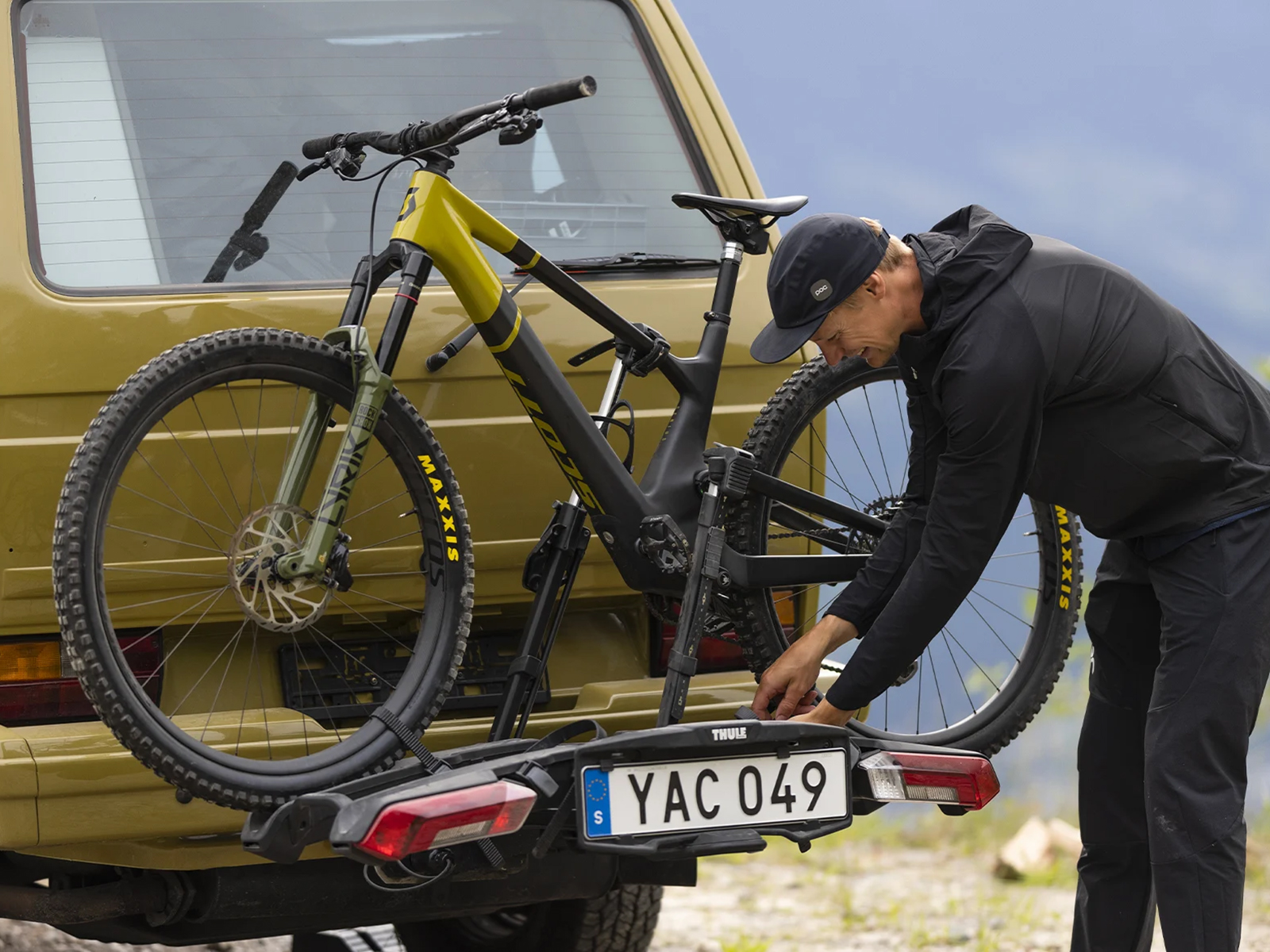
Choosing the right bike rack is essential for transporting your bikes safely, protecting your equipment, and enjoying a worry-free journey. Given the wide variety of systems available, identifying the best solution for your vehicle, the number of bikes you're carrying, or your intended use isn't always easy. Between hitch-mounted, tailgate-mounted, and roof-mounted models, there are many differences in terms of load capacity, ease of installation, compatibility, and user-friendliness.
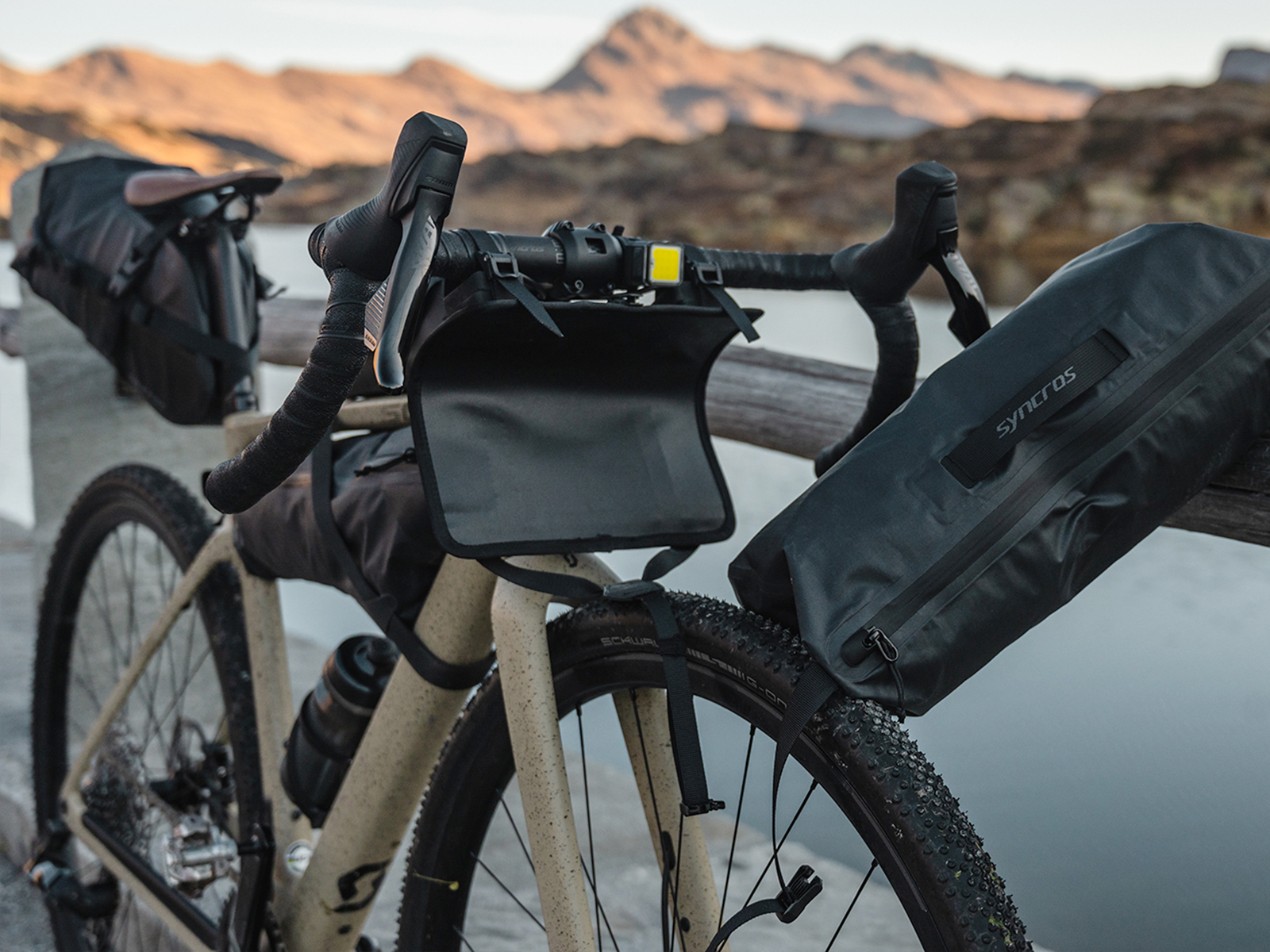
Bikepacking is an adventure cycling practice that involves traveling independently with a lightweight load attached directly to the bicycle. Unlike traditional cycle touring, which uses racks and large panniers, bikepacking favors compact bags distributed across the frame , handlebar , and tige de saddle . This approach allows for a bike that remains agile, efficient, and suitable for varied terrain, whether roads, tracks, forest paths, or trails.
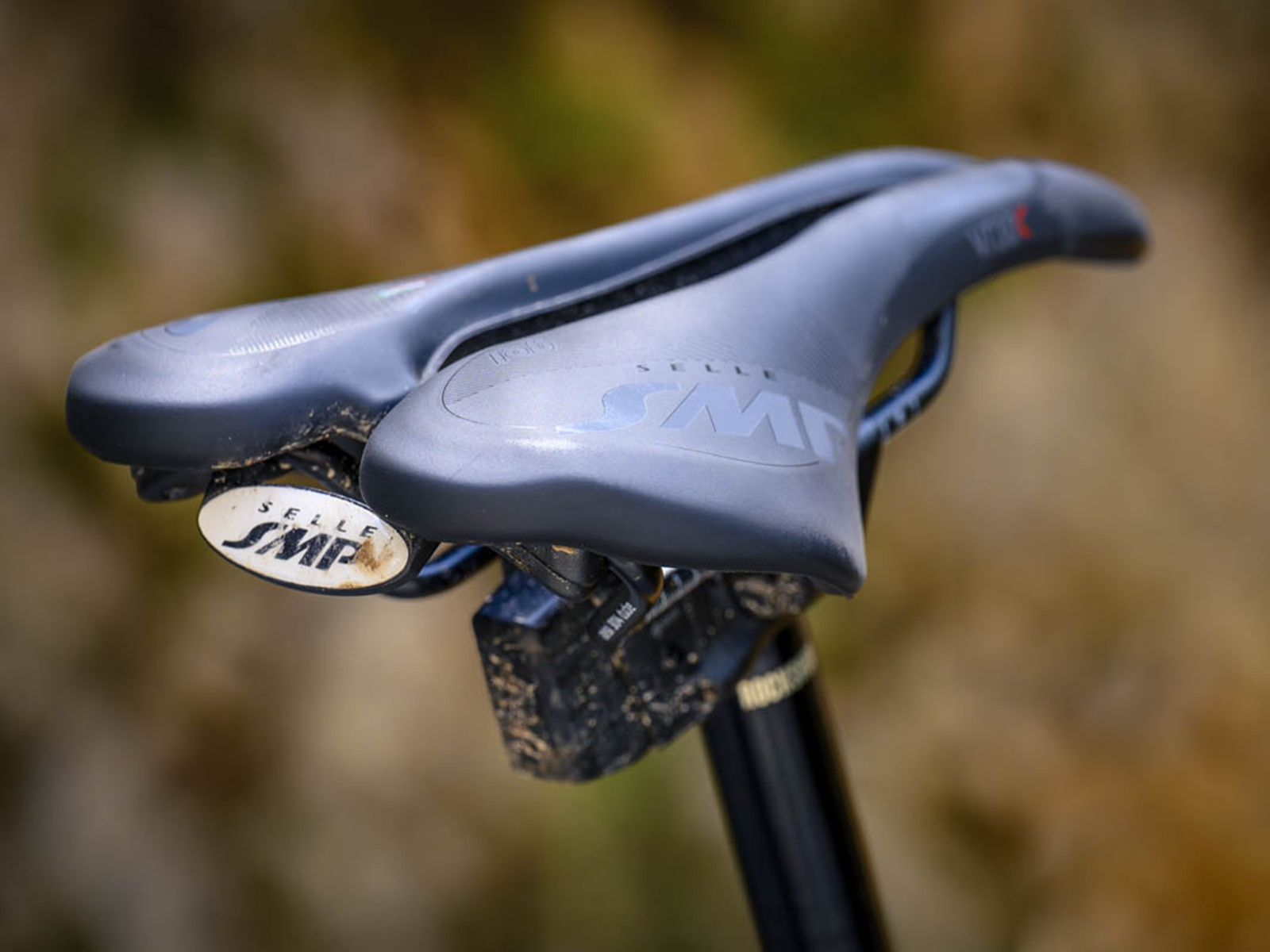
Choosing the right saddle is one of the most important factors in improving comfort, performance, and enjoyment of off-road riding. An unsuitable saddle can cause pelvic pain, chafing, numbness, or reduced pedaling efficiency. Conversely, a well-chosen saddle allows for better power transfer, maintains a stable position on the bike, and lets you fully enjoy your rides, whether it's trail riding, cross-country, enduro, or downhill. The shape, width, padding, materials, and type of riding all directly influence the choice. Therefore, it's essential to consider your body type, riding style, and riding habits before making your selection.