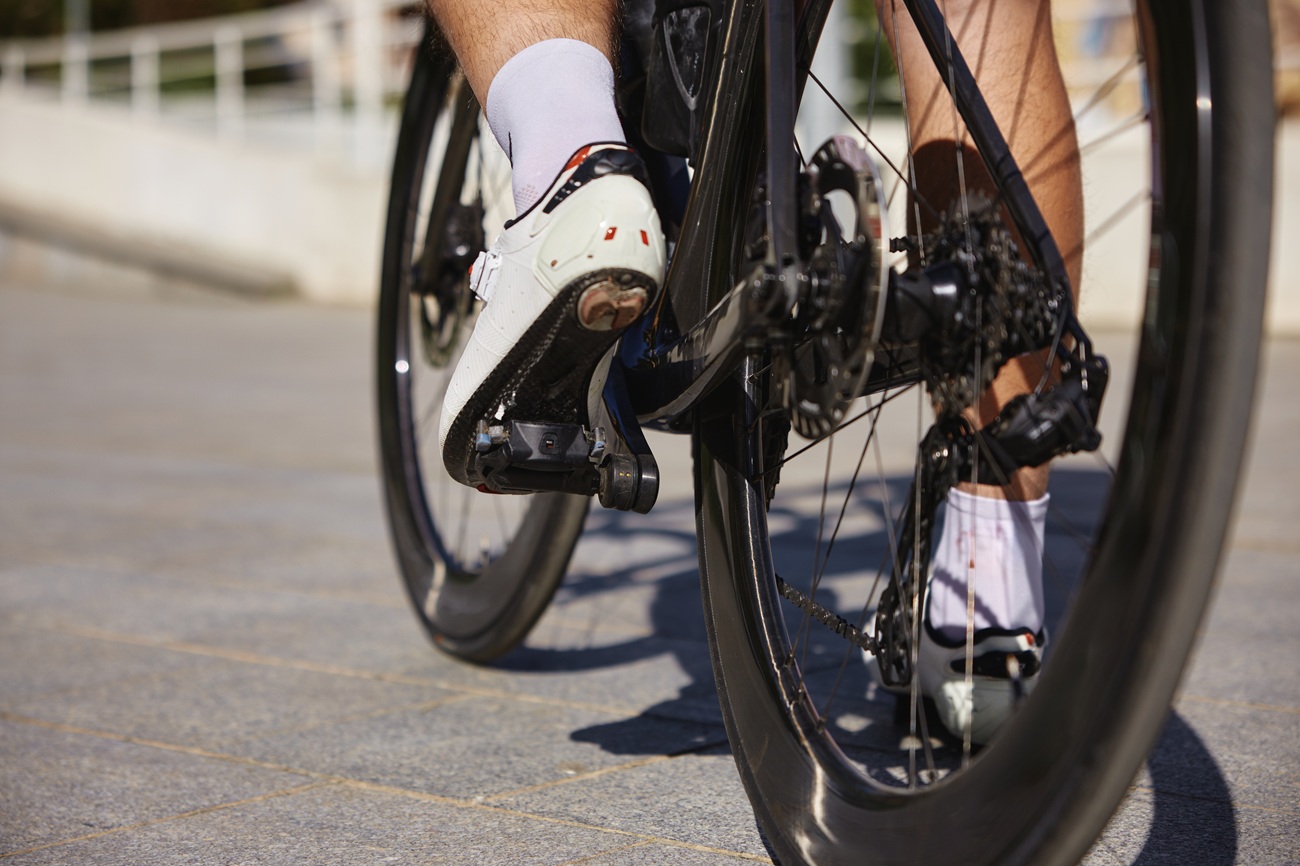
Shoes with carbon soles are now the preferred choice for cyclists seeking performance. They offer optimal power transfer , excellent stiffness , and a direct connection to the bike. This type of shoe is particularly popular in road cycling, but also in Gravel bike and cross-country MTB . However, choosing the right pair of shoes requires a good understanding of the trade-offs between performance, comfort, and intended use. A sole that is too stiff can become uncomfortable if it is not suited to your riding style or foot shape.
Carbon fiber offers a major advantage: it limits sole deformation during exertion. This allows you to maximize every watt produced. However, this performance also demands greater attention to fit, tightening, and overall comfort. A poorly fitting shoe with a carbon sole can quickly become uncomfortable.

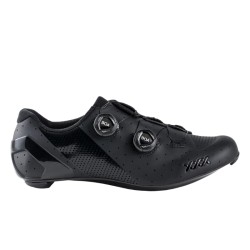
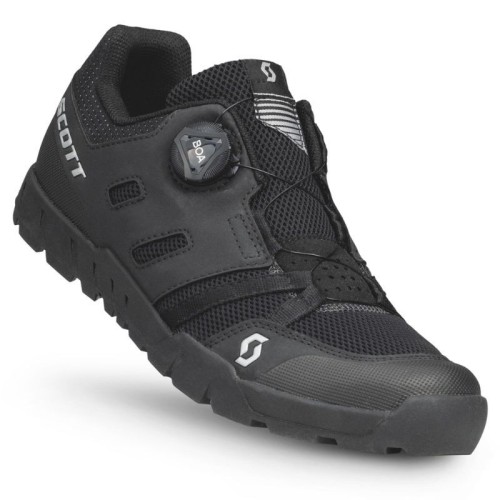
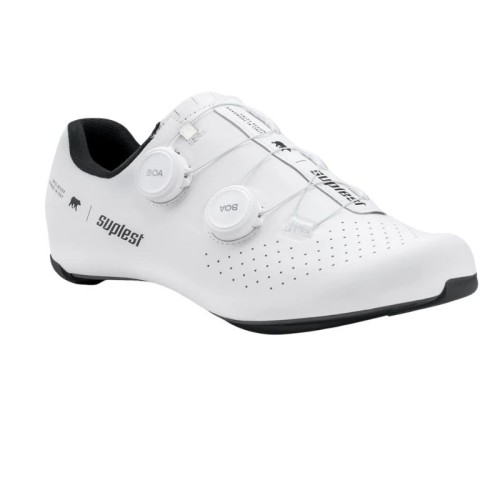
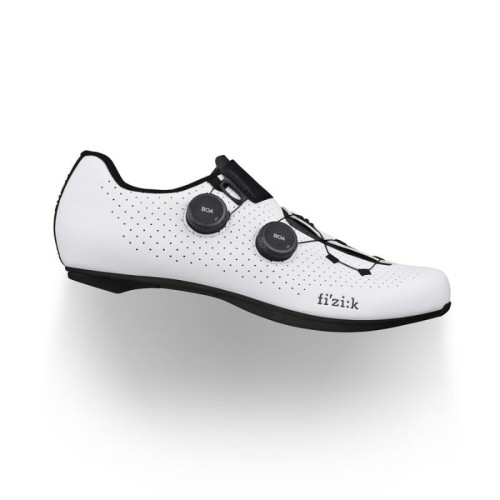

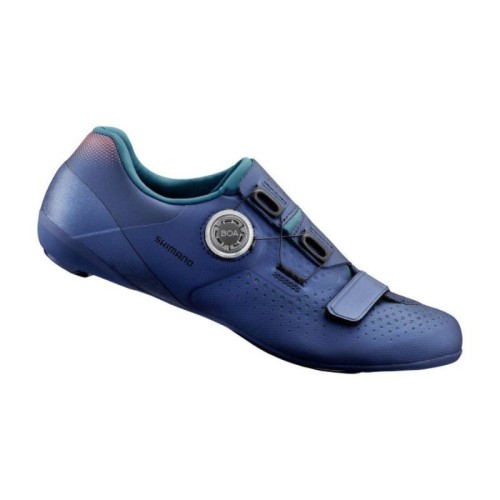

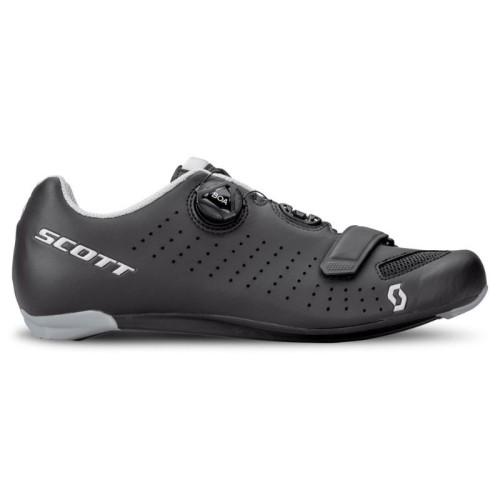
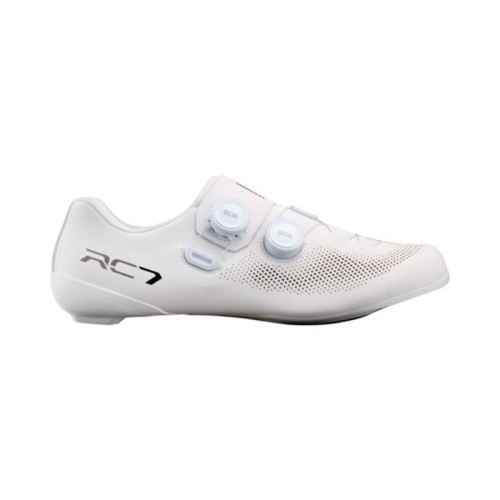
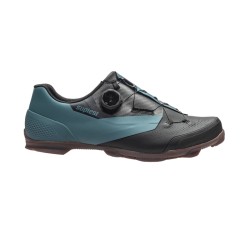
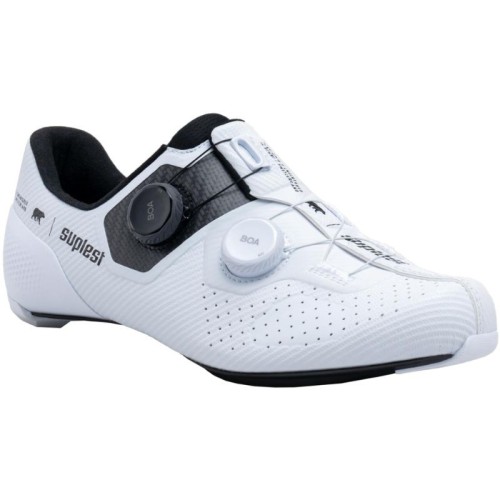
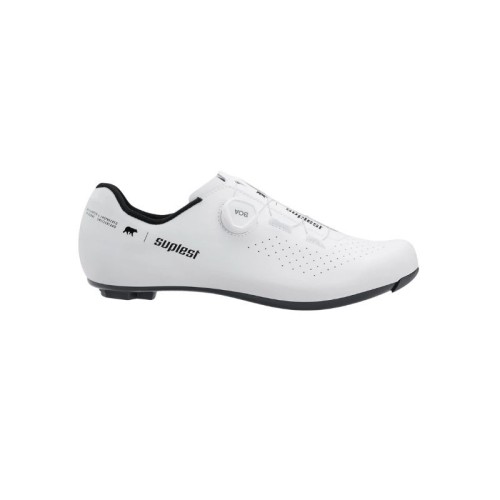
Carbon cycling shoes must therefore be chosen carefully. The right model is one that combines rigidity, support, and comfort, while also being suited to your riding style and intensity level.
Why choose carbon cycling shoes
The main advantage lies in performance. A carbon sole offers exceptional rigidity. It reduces energy loss and improves pedaling efficiency.
This stiffness allows for greater efficiency on long rides. It reduces muscle fatigue by optimizing each pedal stroke.
Carbon cycling shoes are particularly suited to demanding cyclists. They provide a feeling of precision and responsiveness that is difficult to achieve with softer materials.
Carbon cycling shoes and their rigidity
Rigidity is the key element. It determines the behavior of the shoe.
A carbon sole hardly deforms. This allows for direct power drivetrain to the pedal. This type of sole is often used in competition.
Carbon cycling shoes can offer varying levels of stiffness. Some models incorporate composites to provide a compromise between performance and comfort.
It is important to choose a stiffness that suits your intended use. Maximum stiffness is not always necessary for recreational use.
The comfort of carbon cycling shoes
Comfort remains an essential criterion, even on high-performance models.
A shoe that is too rigid can create pressure points. It is therefore important to choose a model with a good fit and appropriate padding.
Carbon cycling shoes should offer good foot support without compressing it. The heel should remain stable and the forefoot should be able to move slightly.
The quality of the insole also plays an important role in overall comfort.
The carbon cycling shoe tightening system
Tightening directly influences support and comfort.
Dial systems allow for precise and quick adjustment. They are very popular on high-end models.
Carbon cycling shoes can also be equipped with buckles or laces. Each system has its advantages depending on the intended use.
Proper tightening should distribute pressure evenly across the foot.
Ventilation and materials
Good ventilation is essential to prevent overheating of the foot.
The materials used must be breathable while offering good resistance. Mesh areas help improve air circulation.
Carbon cycling shoes must also be able to manage moisture. This improves comfort on long rides.
High-quality materials also ensure better durability.
Pedal compatibility
The shoes must be compatible with your pedal system.
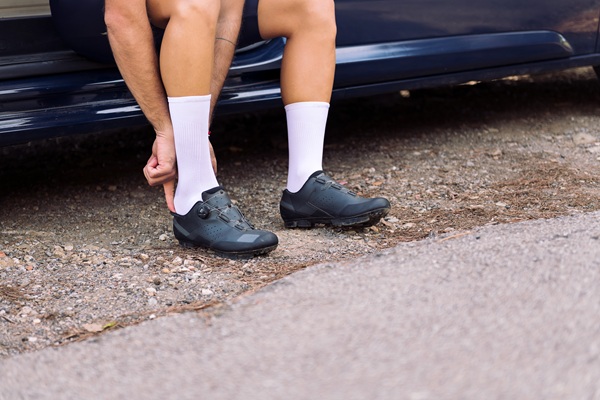
Road bikes typically use a three-bolt system. MTB bikes or Gravel bike bikes use a two-bolt system.
Carbon cycling shoes should allow for precise cleats adjustment . This improves foot position and reduces the risk of pain.
Proper adjustment is essential to optimize pedaling.
The weight of carbon cycling shoes
Weight is an important criterion for demanding cyclists.
Lightweight shoes enhance the feeling of dynamism and responsiveness.
Carbon cycling shoes are often lighter than classic models, while remaining very rigid.
However, a good balance must be found between lightness and comfort.
Adapting carbon cycling shoes to your riding style
The choice depends on your practice.
For competitive use, performance is the priority. For recreational use, comfort should be the focus.
Carbon cycling shoes should be adapted to your frequency of rides and your skill level.
A model that is too technical may be useless for occasional use.
Choosing the right shoe size
Shoe size is essential to avoid pain.
The foot should be held securely without being compressed. It is advisable to leave a slight gap at the front.
Carbon cycling shoes must offer a precise fit to ensure good support.
A good fit improves performance and comfort.
The durability of carbon cycling shoes
The materials must be durable to ensure a good lifespan.
Carbon is strong but must be protected against impacts.
Carbon cycling shoes need to be regularly maintained to retain their performance.
Proper maintenance helps to prolong their lifespan.
Mistakes to avoid
Choosing solely based on rigidity is a common mistake.
Ignoring comfort can lead to pain on long rides.
Poorly fitting carbon cycling shoes can impair performance.
It is important to prioritize a good balance between performance and comfort.
FAQ
Why choose a carbon sole?
The carbon sole offers maximum rigidity and excellent power transfer, ideal for improving performance.
Are carbon fiber shoes comfortable?
Yes, provided you choose a well-fitting model with a good fit and appropriate tightening.
What rigidity should I choose?
It depends on your intended use. High stiffness is ideal for performance, while medium stiffness is better suited for all-around use.
How to care for your carbon fiber shoes?
Clean them regularly, avoid impacts on the sole and let them air dry.
Should I order a size up?
Not necessarily. The most important thing is to make sure that the foot is well supported with a slight gap at the front.

Related Posts
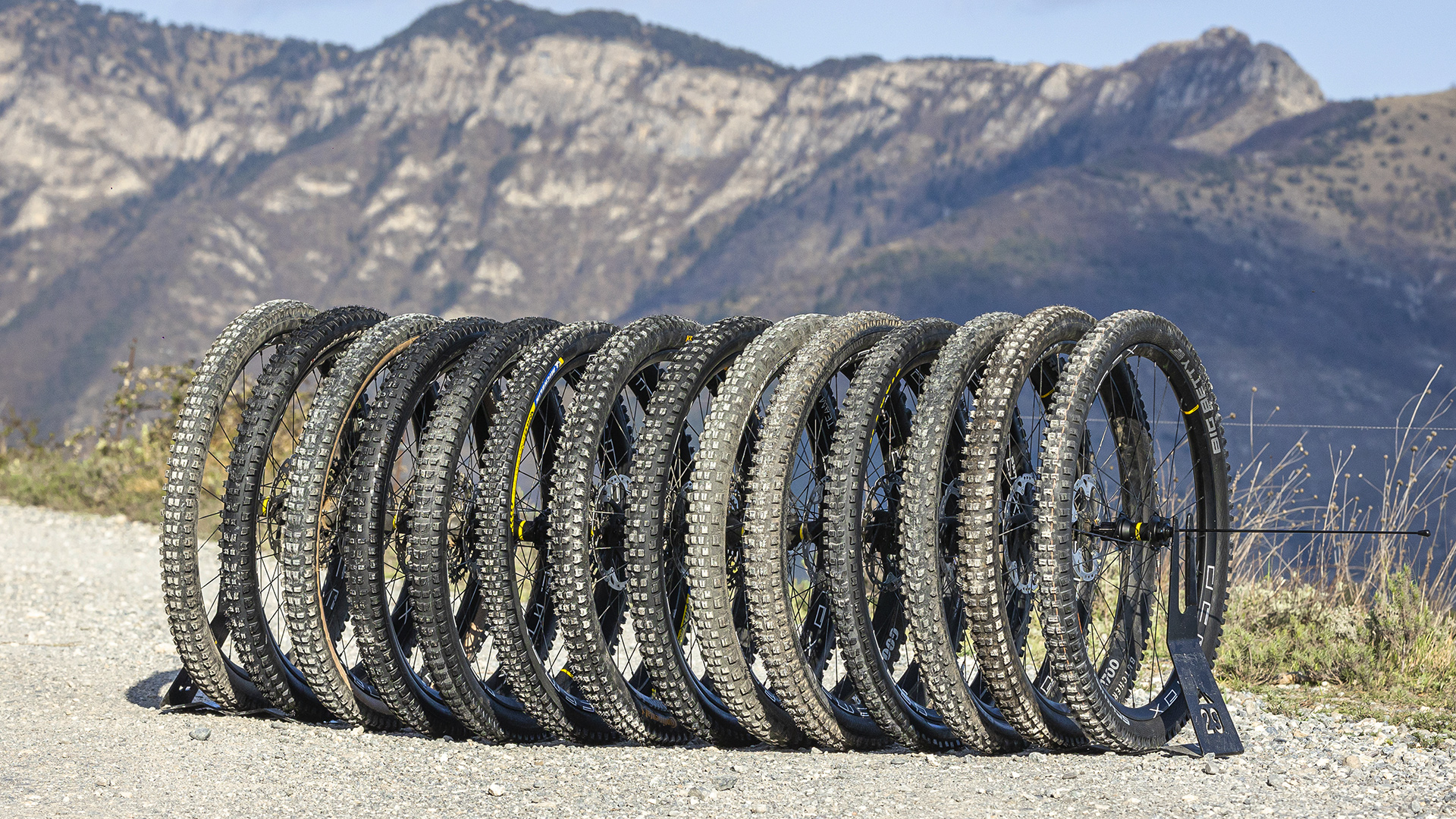
Choosing the right MTB tires immediately changes how your bike handles. On the trails, tyre influence grip, braking, traction, comfort, and puncture resistance. A suitable model allows for better control in corners, easier obstacle clearance, and more confident riding, whether on dry, muddy, rocky, or smooth terrain.
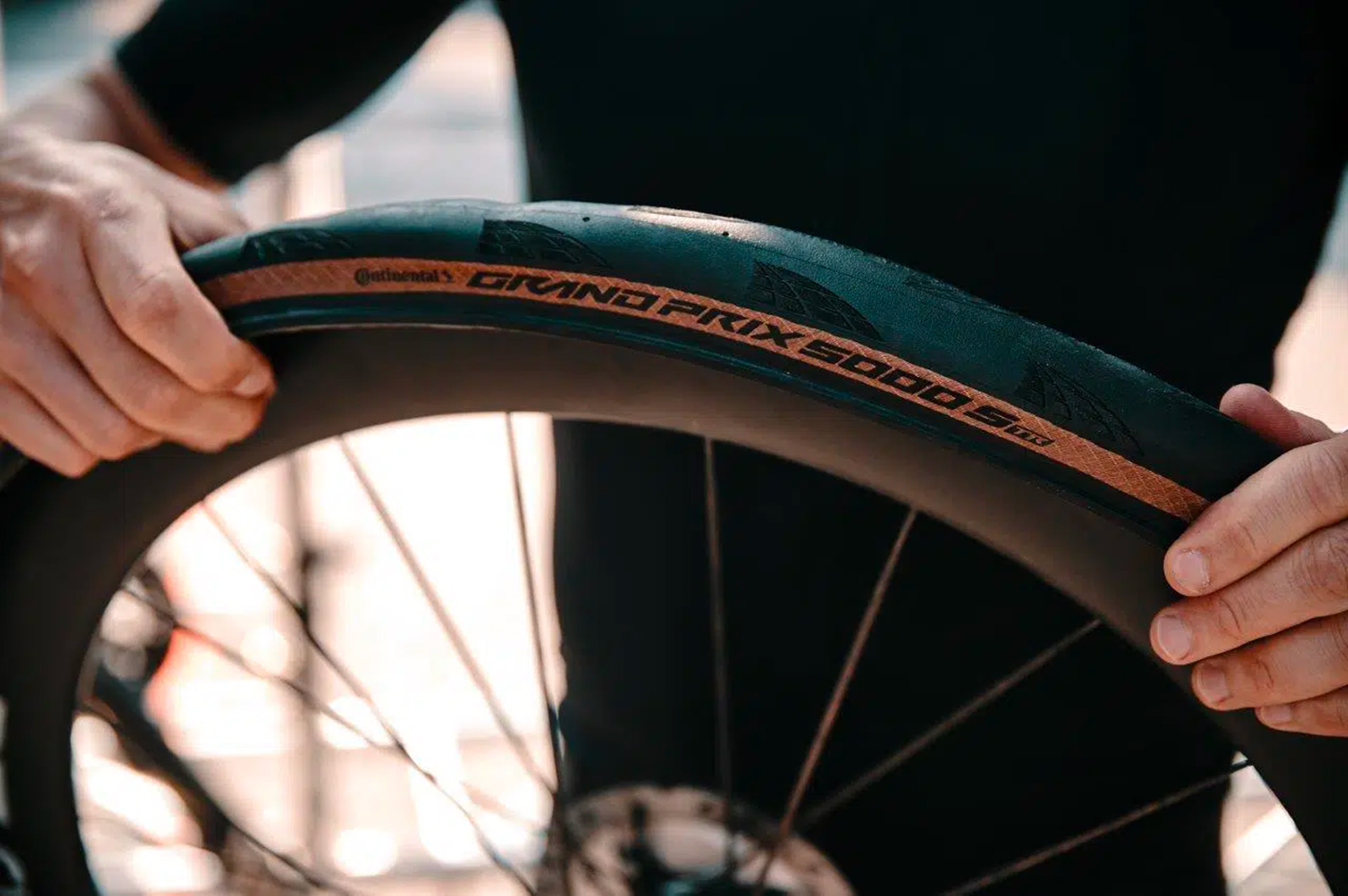
Choosing the right road Bike tires is one of the most important decisions for improving performance and comfort. tyre directly influence speed, grip, safety, and overall feel on the bike. A well-suited model allows you to ride more efficiently, with less effort and more confidence, whether on long straightaways or technical descents.
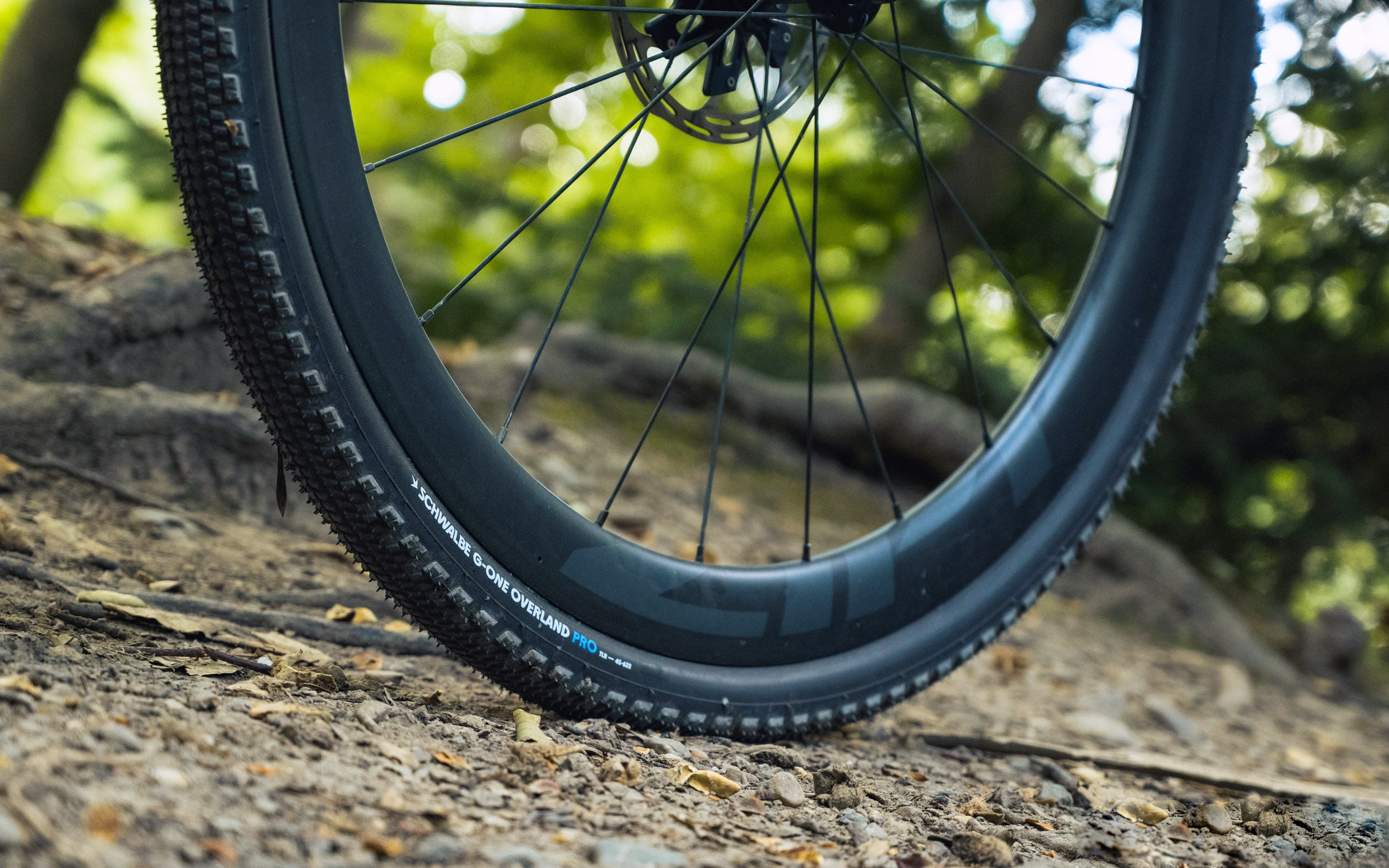
Choosing the right Gravel bike tires is essential to fully enjoy your bike on all terrains. gravel bike presents a variety of challenges: smooth roads, rocky paths, dusty tracks, or muddy sections. The tyre must be able to adapt to these changes without compromising comfort or safety. A good choice allows you to ride longer, with more control and less fatigue.
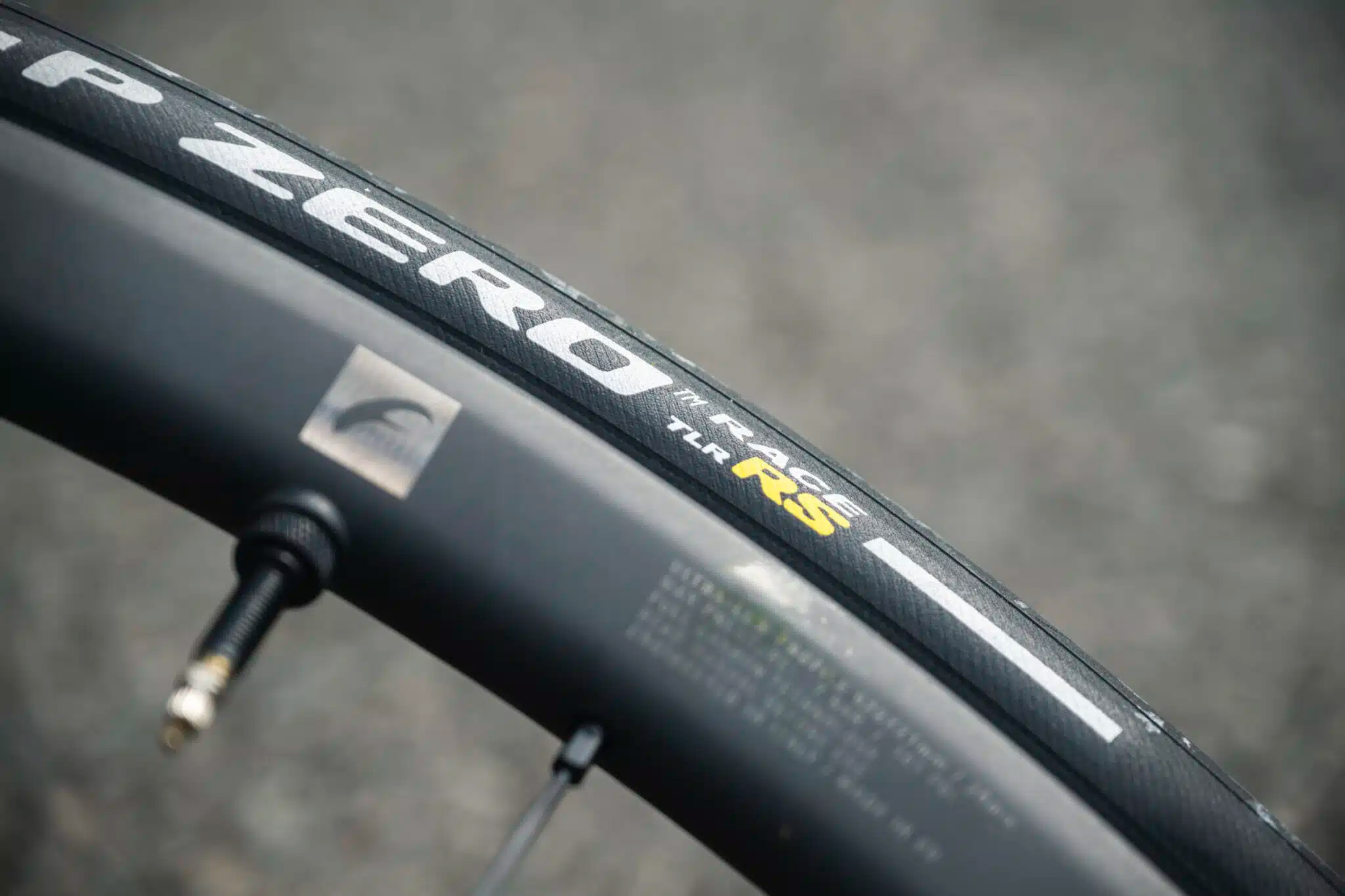
Choosing the right bike tires instantly transforms your bike's handling. Grip, comfort, performance, puncture resistance… it all starts with the tyre . A poor choice can make a bike unstable or uncomfortable, while a good tyre improves safety and enjoyment from the very first ride.
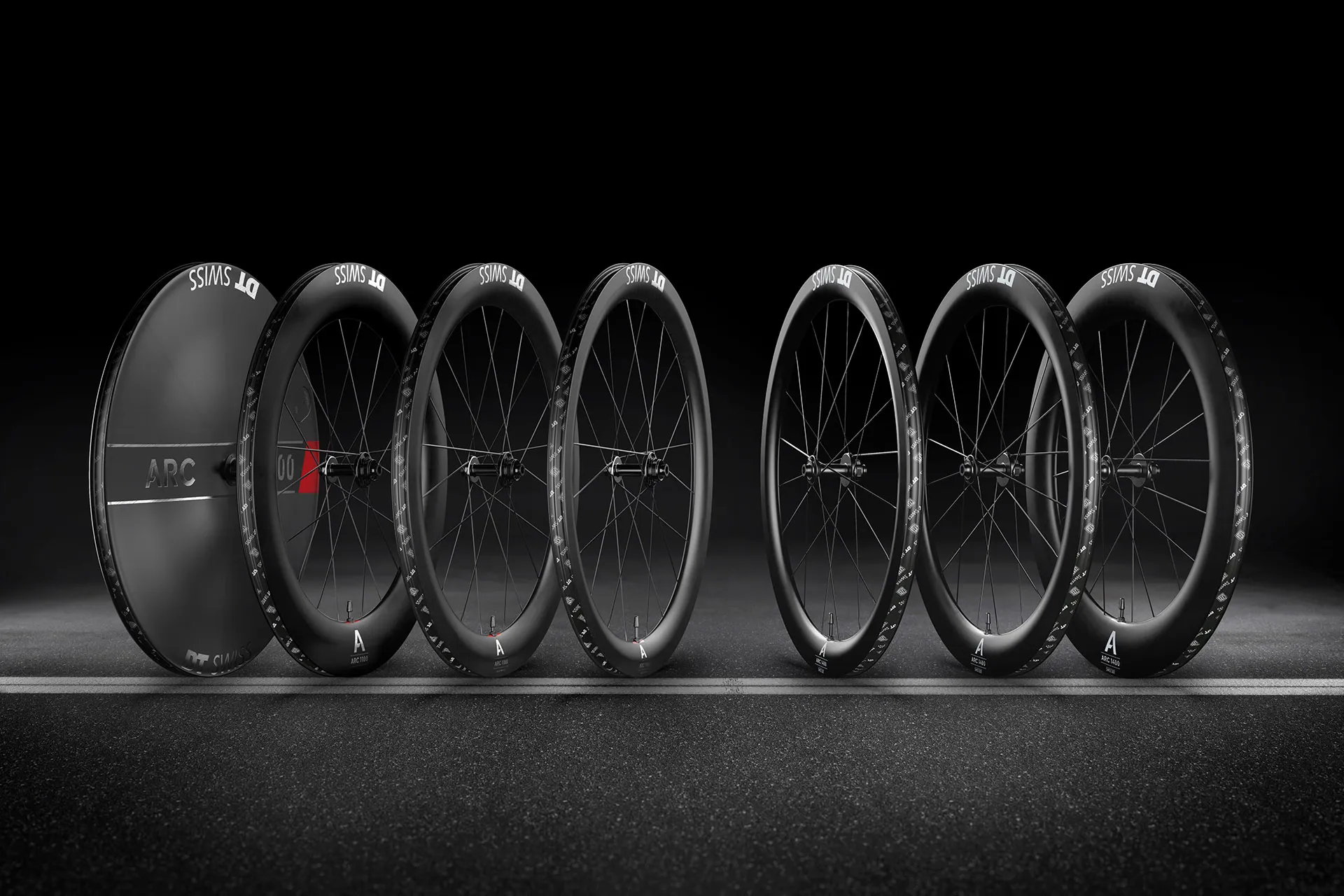
Choosing the right bicycle wheels immediately improves your bike's performance, comfort, safety, and handling. Before considering price or style, you must check compatibility with your frame , brake type, tire size, primary use, and desired performance level.
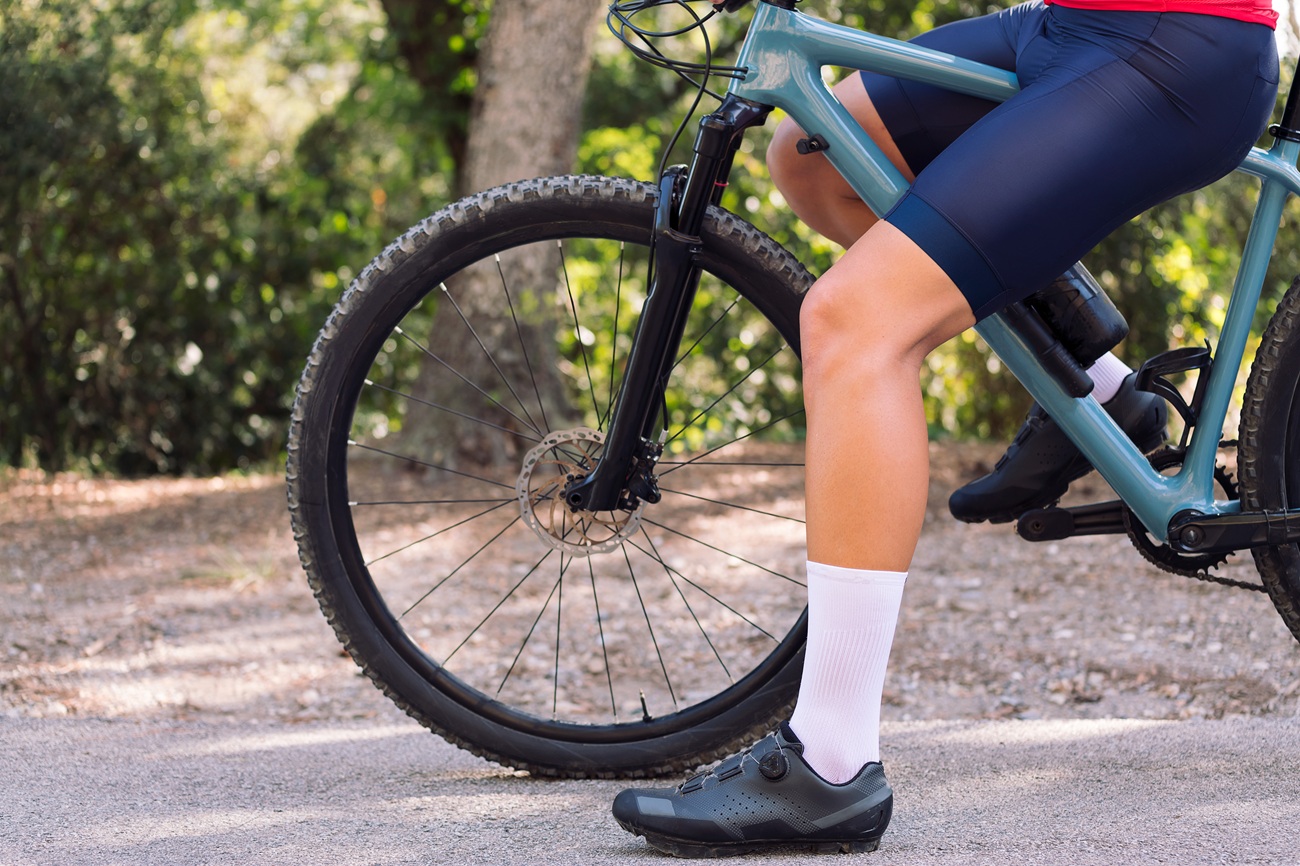
Choosing the right MTB shoes is essential for comfortable, efficient, and safe riding. A good pair improves pedaling efficiency , ensures precise foot support , and provides real stability on all terrains. MTB presents numerous challenges: rough terrain, technical sections, wet or muddy areas, and walking. Every detail counts. From sole stiffness and the quality of the closure system to protection and pedal compatibility , the choice requires careful consideration. Well-chosen shoes allow you to ride longer, with greater control and less fatigue.