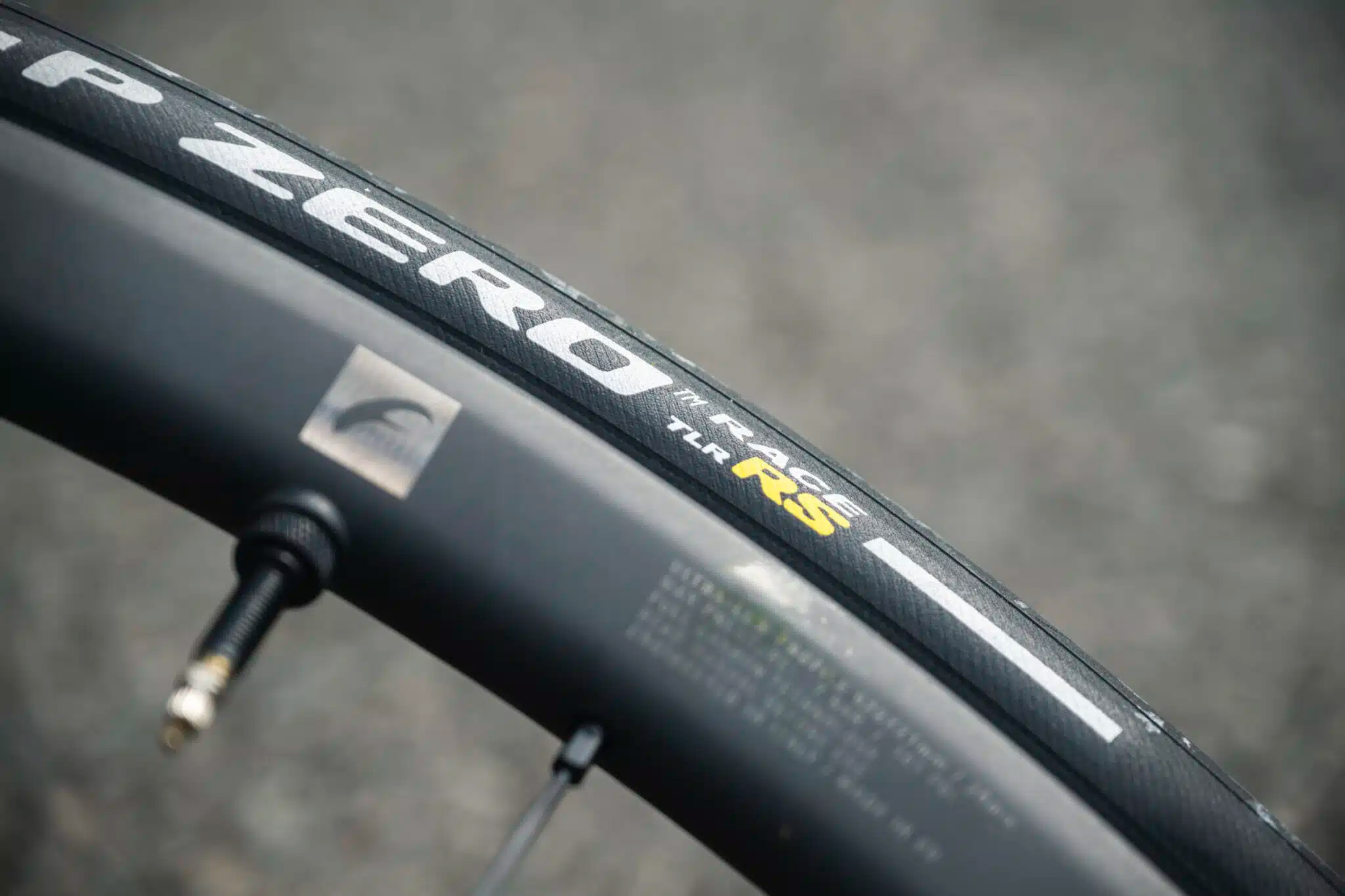
Choosing the right bike tires instantly transforms your bike's handling. Grip, comfort, performance, puncture resistance… it all starts with the tyre . A poor choice can make a bike unstable or uncomfortable, while a good tyre improves safety and enjoyment from the very first ride.
Before considering price or design, you need to analyze its actual use. Road, gravel bike, , MTB, Whether in the city or on a trip, each activity imposes specific constraints. The terrain, the weather, the frequency of use, and even your riding style influence the choice of tyre ideal.
THE bicycle tires Tires are distinguished by their width, rubber compound, casing, and internal structure. These elements determine their resistance, flexibility, and grip. Understanding these parameters helps avoid mistakes and allows you to invest in truly suitable equipment.
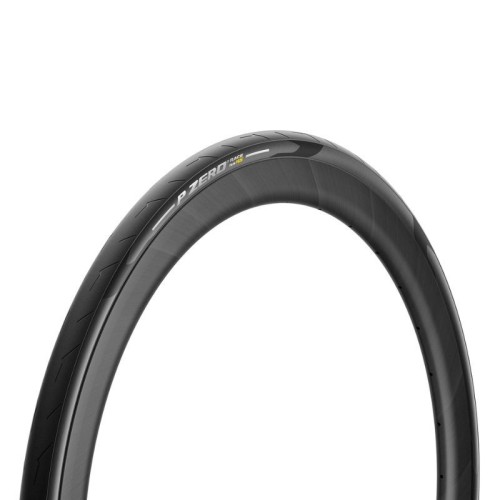
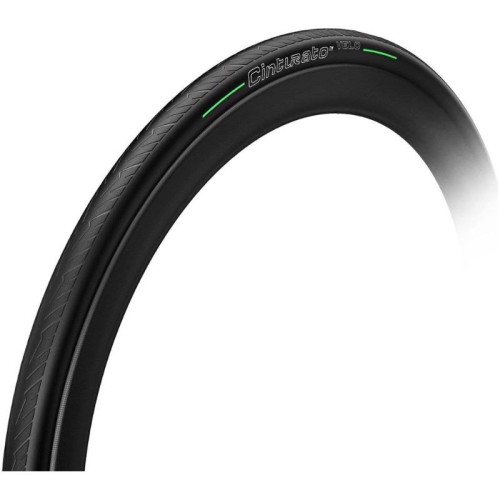
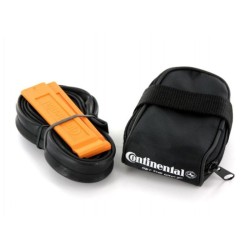
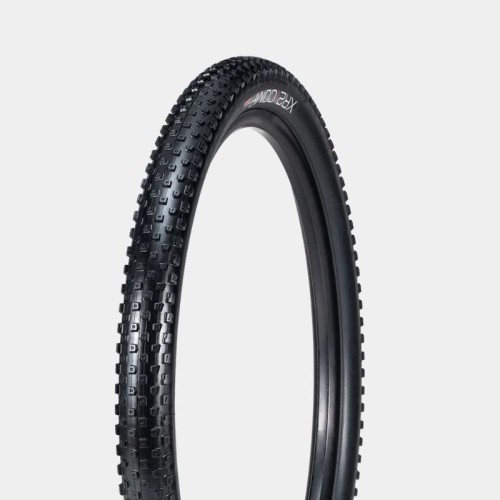
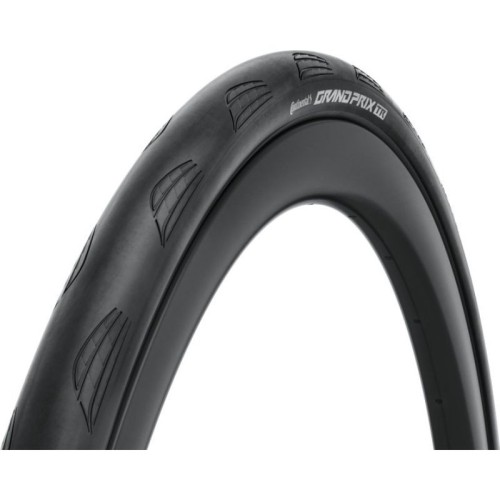
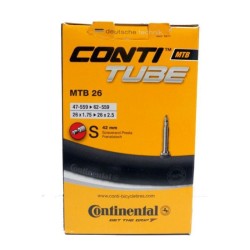
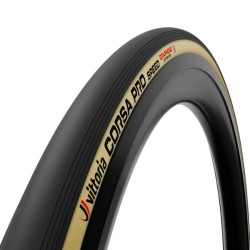
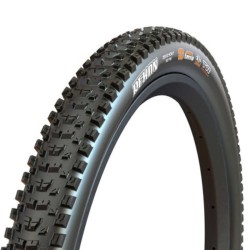
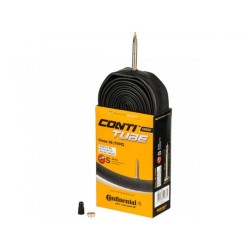
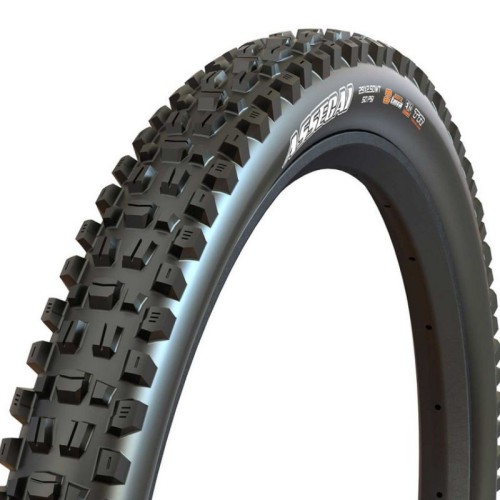
Bicycle tires: essential criteria to know
The first criterion is the dimension. It must correspond exactly to the wheel and the frame. A tyre Too wide, it can rub. tyre Too narrow reduces comfort and grip. The size is indicated on the side of the tyre current.
Next comes the width. It directly influences comfort and stability. tyre A larger size absorbs vibrations better. tyre The fin is more responsive but less forgiving. The right compromise depends on the terrain and your riding style.
THE bicycle tires must also be chosen according to their structure. . Inner tube, tubeless or tubular tyre, Each technology has its advantages. Tubeless tires are gaining ground thanks to their ability to limit punctures and improve comfort.
| Criteria | Impact | Advice |
|---|---|---|
| Width | Comfort and grip | Adapt to the terrain |
| Eraser | Grip and durability | Choose according to the weather |
| Carcass | Flexibility and strength | Adapt to use |
| Pressure | Performance and comfort | Adjust according to weight |
Understanding width and its influence
The width of the tyre plays a central role. On the road, wider tires have become the norm. They provide more comfort and better grip, without necessarily compromising performance.
On rough terrain, a larger section improves the motor skills and stability. In gravel bike and in MTB, This allows you to better overcome obstacles and ride with lower pressure.
THE bicycle tires Wide tires also reduce fatigue on long rides. They filter vibrations and offer a smoother feel, particularly appreciated on the uneven roads around Montpellier or Mont Ventoux.
Bicycle tires: rubber compound and grip
There eraser This determines the grip. A soft rubber compound offers excellent grip, especially on wet surfaces. However, it wears out more quickly. A hard rubber compound lasts longer but provides less grip.
Some tires combine several rubber compounds. This allows for a durable central tread and more grippy sidewalls. This type of construction is common on modern tires.
THE bicycle tires They must be adapted to the conditions. For frequent riding in the rain, a softer compound is advisable. For everyday use, a good compromise between durability and grip is preferable.
Carcass and resistance
There carcass corresponds to the internal structure of the tyre. It influences flexibility, comfort, and puncture resistance. A flexible casing improves performance but can be more fragile.
A reinforced casing offers better protection against cuts and punctures. It's ideal for the city, the gravel bike or travel. However, it can be a little more rigid.
THE bicycle tires Tires with puncture protection are particularly useful on daily commutes. They reduce the risk of unexpected breakdowns and increase peace of mind.
Bicycle tires: inner tube or tubeless
THE tyre with inner tube The simplest option remains. It is easy to assemble and repair. It is perfectly suited for leisure or urban use.
THE tubeless It works without a tube. It allows you to ride with lower pressure and offers greater comfort. The sealant automatically seals some punctures.
THE bicycle tires Tubeless tires are increasingly used. They require a assembly more precise, but they bring a real gain on the ground, especially in gravel bike and in MTB.
| Kind | Advantage | Limit |
|---|---|---|
| Inner tube | Simple | More frequent punctures |
| Tubeless | Comfort and safety | Assembly more technical |
Choose your tires for your riding style
In road Bike, We favor rolling tires with low rolling resistance. The priority is efficiency and speed. The contact patch remains small but effective.
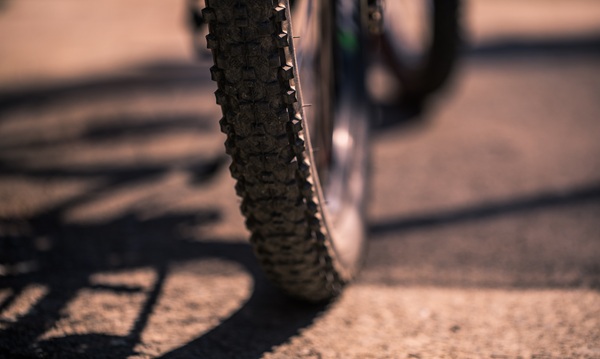
In MTB, The tires must have good grip. Knobby treads allow for better control of the bike on loose terrain. Durability is essential to withstand impacts.
THE bicycle tires gravel bike They need to be versatile. They roll well on the road while remaining effective on trails. Their semi-knobby tread pattern is an excellent compromise.
Bicycle tires: pressure and comfort
There pressure It directly influences the feel. High pressure improves performance but reduces comfort. Lower pressure improves grip and absorbs shocks.
The good adjustment depends on the cyclist's weight and the width of the tyre. A balance must be found between performance and safety. tyre Improperly inflated can become dangerous.
THE bicycle tires Modern tires allow for lower tire pressures than before. This significantly improves comfort, especially over long distances.
| Type of practice | Recommended pressure | Objective |
|---|---|---|
| Road | High | Yield |
| Gravel bike | Average | Versatility |
| MTB | Low | Membership |
Durability and wear
A tyre It wears down naturally. The tread becomes smoother over time. This reduces grip and increases the risk of punctures.
Signs of wear and tear, such as cuts or deformations, should be monitored. tyre In poor condition, it can compromise safety.
THE bicycle tires High-quality products offer greater longevity. They withstand harsh conditions better and maintain their performance for longer.
Bicycle tires: weather and terrain conditions
The choice of tyre It also depends on the climate. On dry soil, a tyre Rolling is sufficient. On wet surfaces, a grippier tire is preferable.
On soft ground, knobby tires improve traction. On smooth roads, a slick tire is more effective. Each type of terrain requires a different approach.
THE bicycle tires must correspond to your environment. Between the roads of the south, the gravel paths or the forest tracks, the needs vary greatly.
Tire Size Guide
The size of the tyre It must correspond to the wheel. This is indicated in millimeters or inches. It is important to respect this indication to avoid any compatibility problems.
| Type of bicycle | Current size | Use |
|---|---|---|
| Road | 700x25 to 700x32 | Performance |
| Gravel bike | 700x35 to 700x50 | Versatility |
| MTB | 27.5 or 29-inch | Technical terrain |
| City | 700x32 to 700x45 | Comfort |
Mistakes to avoid
Choosing solely based on price is a common mistake. tyre An unsuitable tire is more expensive in the long run. It wears out quickly and reduces the pleasure of riding.
Ignoring the recommended pressure is also problematic. This can cause premature wear or loss of grip.
THE bicycle tires must be consistent with your practice. One tyre road on path or a tyre MTB On asphalt will never give good results.
FAQ
What width of tyre choose ?
The width depends on your practice. The wider the tyre The wider it is, the more comfortable and stable it is. The thinner it is, the better it rolls.
Are tubeless tires reliable ?
Yes, they reduce punctures and improve comfort. They simply require a assembly adapted.
When should you change your bicycle tires ?
They need to be replaced when they are worn, cracked or lose their grip.
What pressure should I use ?
It depends on the weight and the tyre. You must follow the manufacturer's instructions and adjust according to the desired comfort level.
A tyre Is more expensive always better ?
Not necessarily. The best tyre is the one best suited to your needs and terrain.

Related Posts
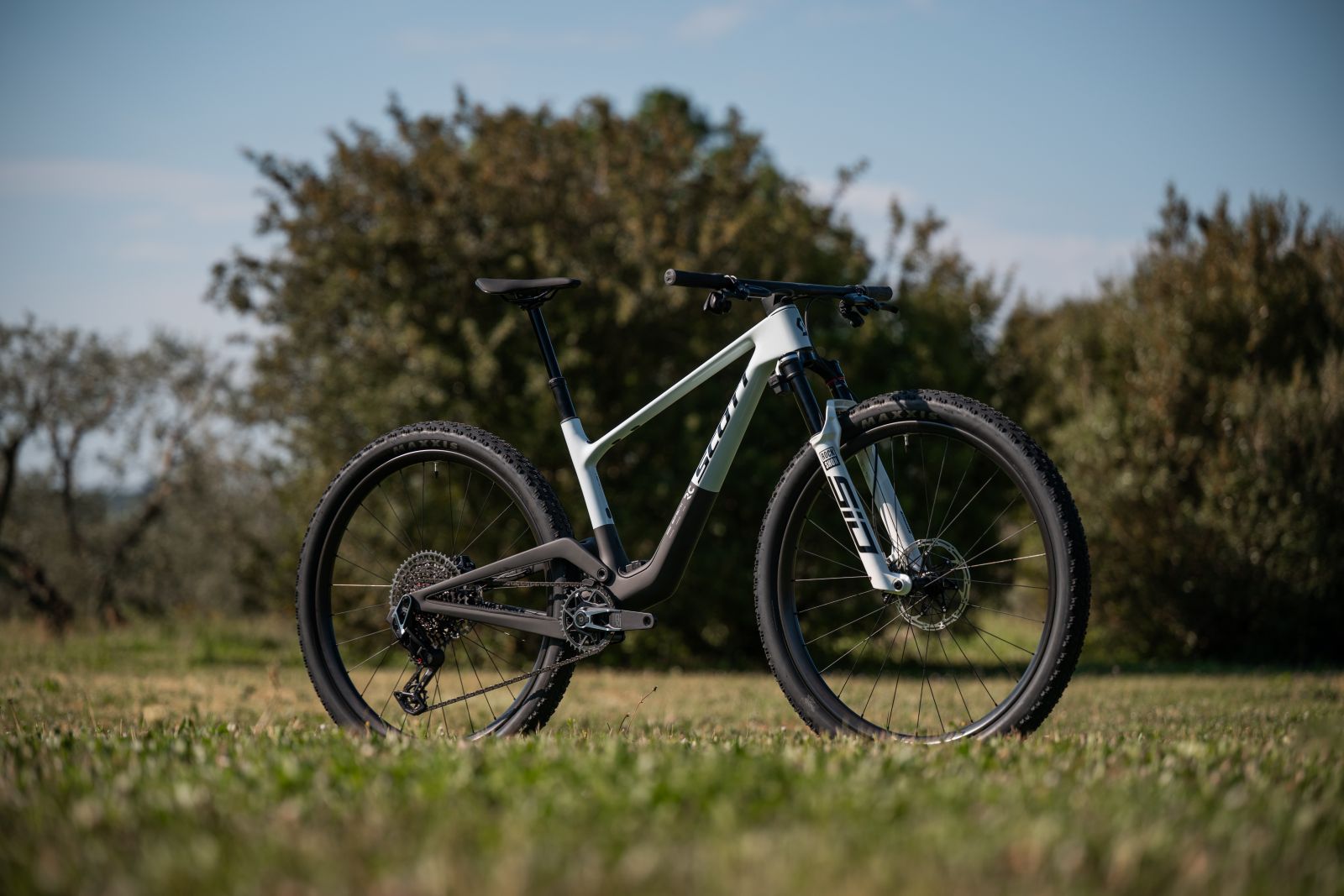
The Scott Spark RC World Cup and Expert 2027 push the boundaries of XC even further. Flight Attendant suspension, Syncros carbon wheels and top-level performance: discover our full review.
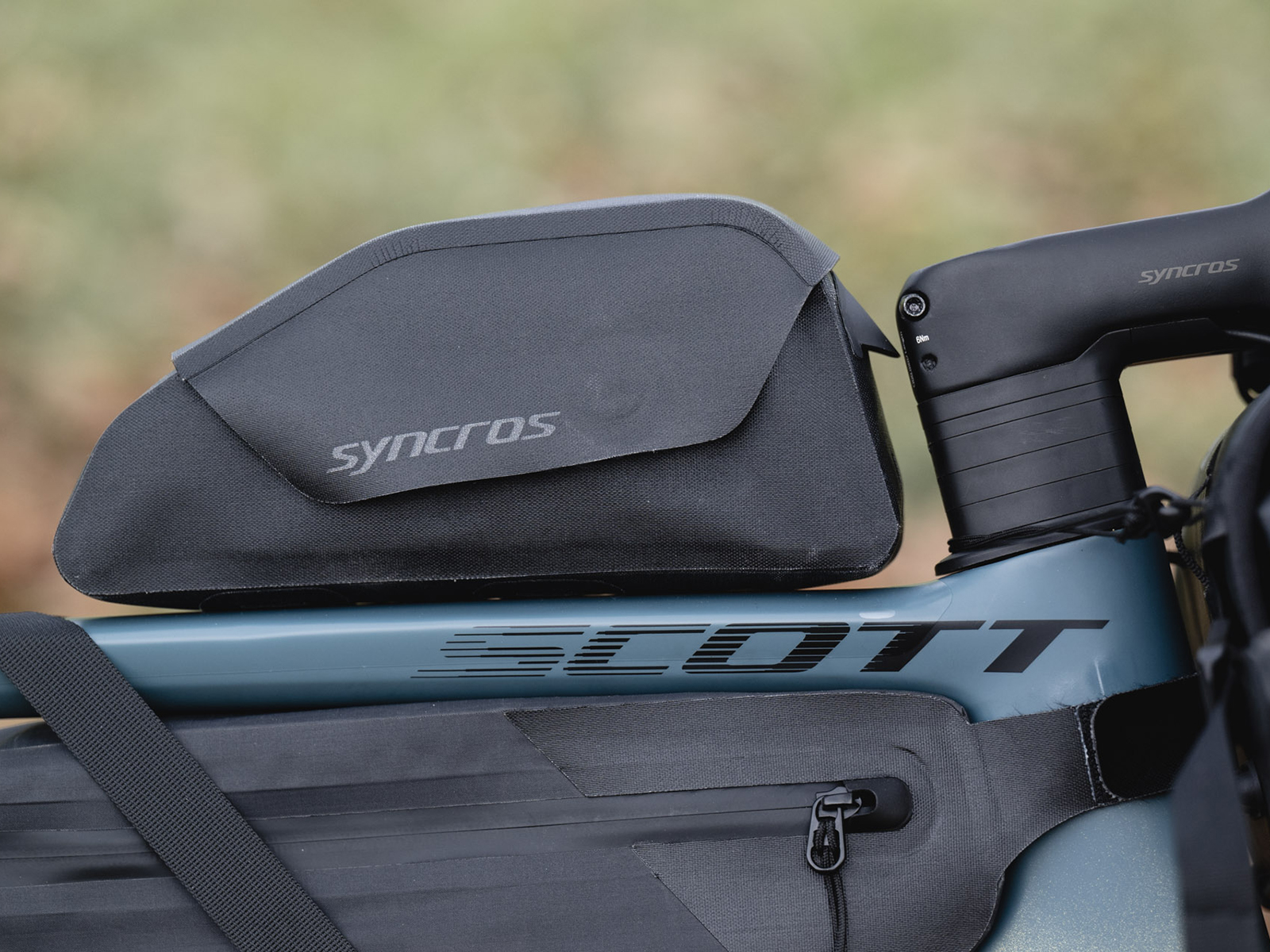
The pannier has become an essential piece of equipment for many cyclists. Whether for daily commutes, bike riding, long rides, cycle touring, bikepacking, or simply leisurely outings, it allows you to carry your belongings comfortably without carrying a load on your back. A well-chosen pannier improves comfort, maintains the bike's balance, and makes organizing your gear easier.
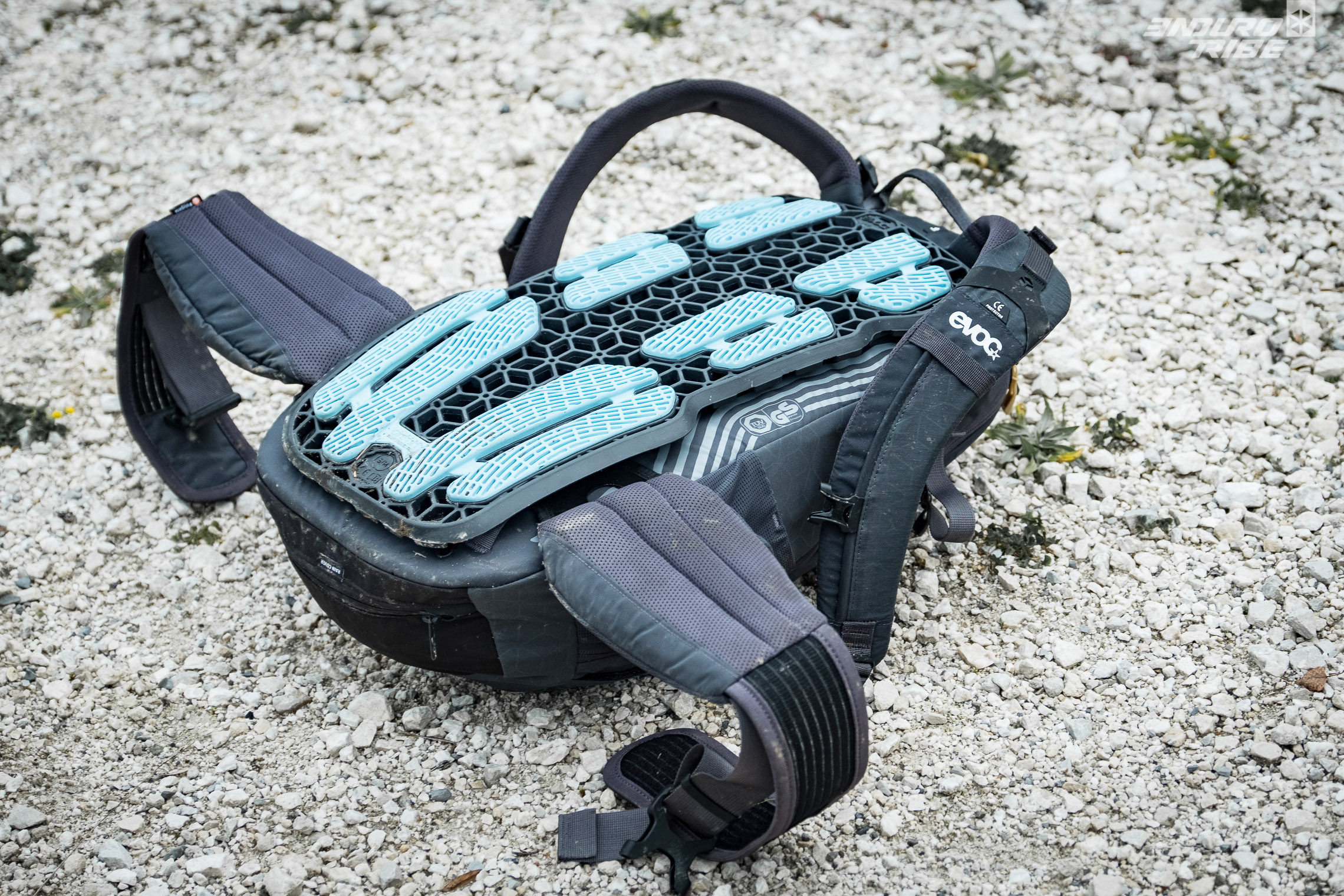
Choosing a cycling backpack requires finding the right balance between comfort, capacity, stability, rain protection, and easy access to your gear. A good bag shouldn't just carry things. It should stay securely in place, not interfere with pedaling, minimize back perspiration, and effectively protect essential items. Whether you're commuting to work, going for a sporting activity, cycling around town, touring by bike, or hiking, your needs will differ.
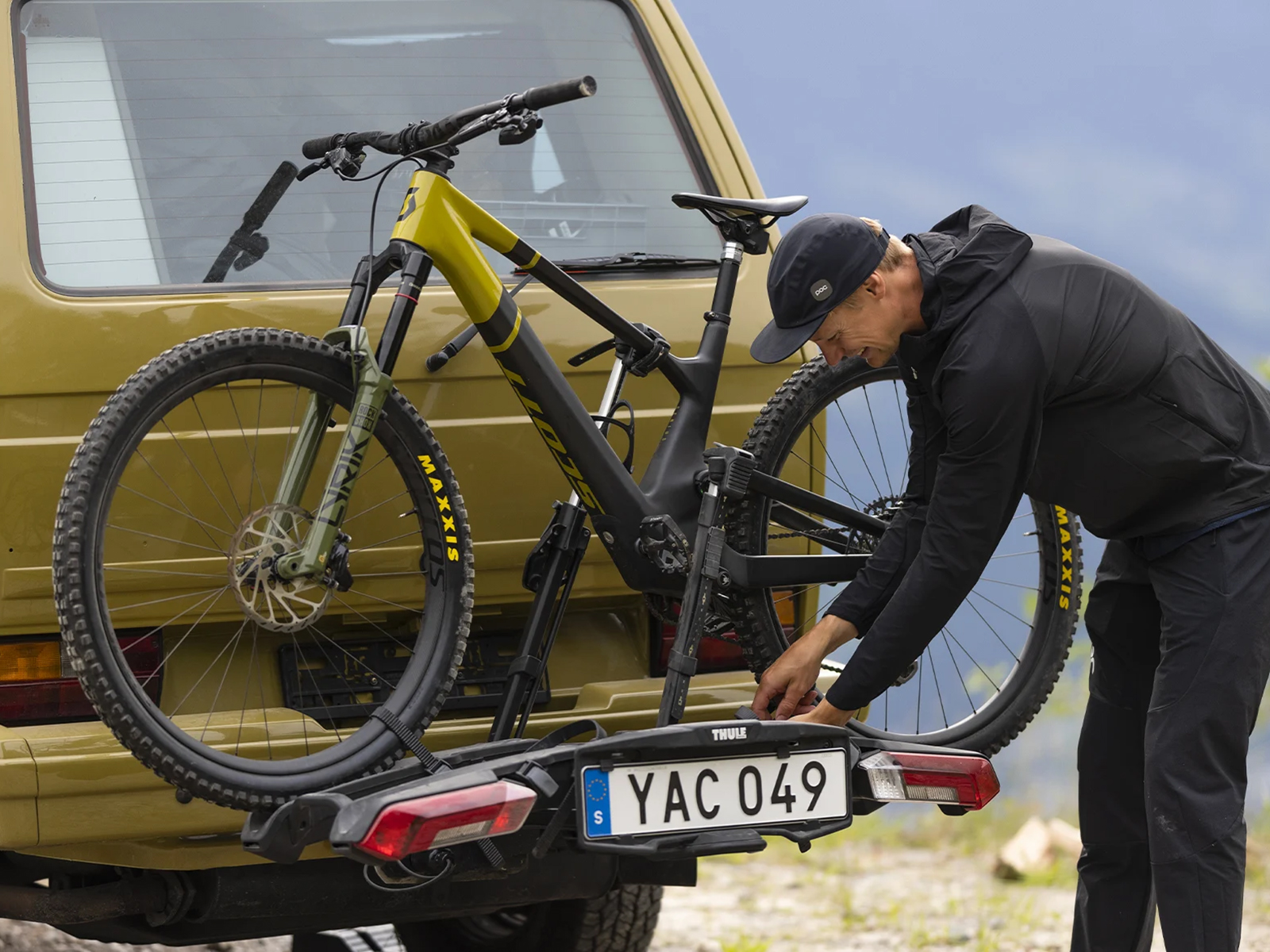
Choosing the right bike rack is essential for transporting your bikes safely, protecting your equipment, and enjoying a worry-free journey. Given the wide variety of systems available, identifying the best solution for your vehicle, the number of bikes you're carrying, or your intended use isn't always easy. Between hitch-mounted, tailgate-mounted, and roof-mounted models, there are many differences in terms of load capacity, ease of installation, compatibility, and user-friendliness.
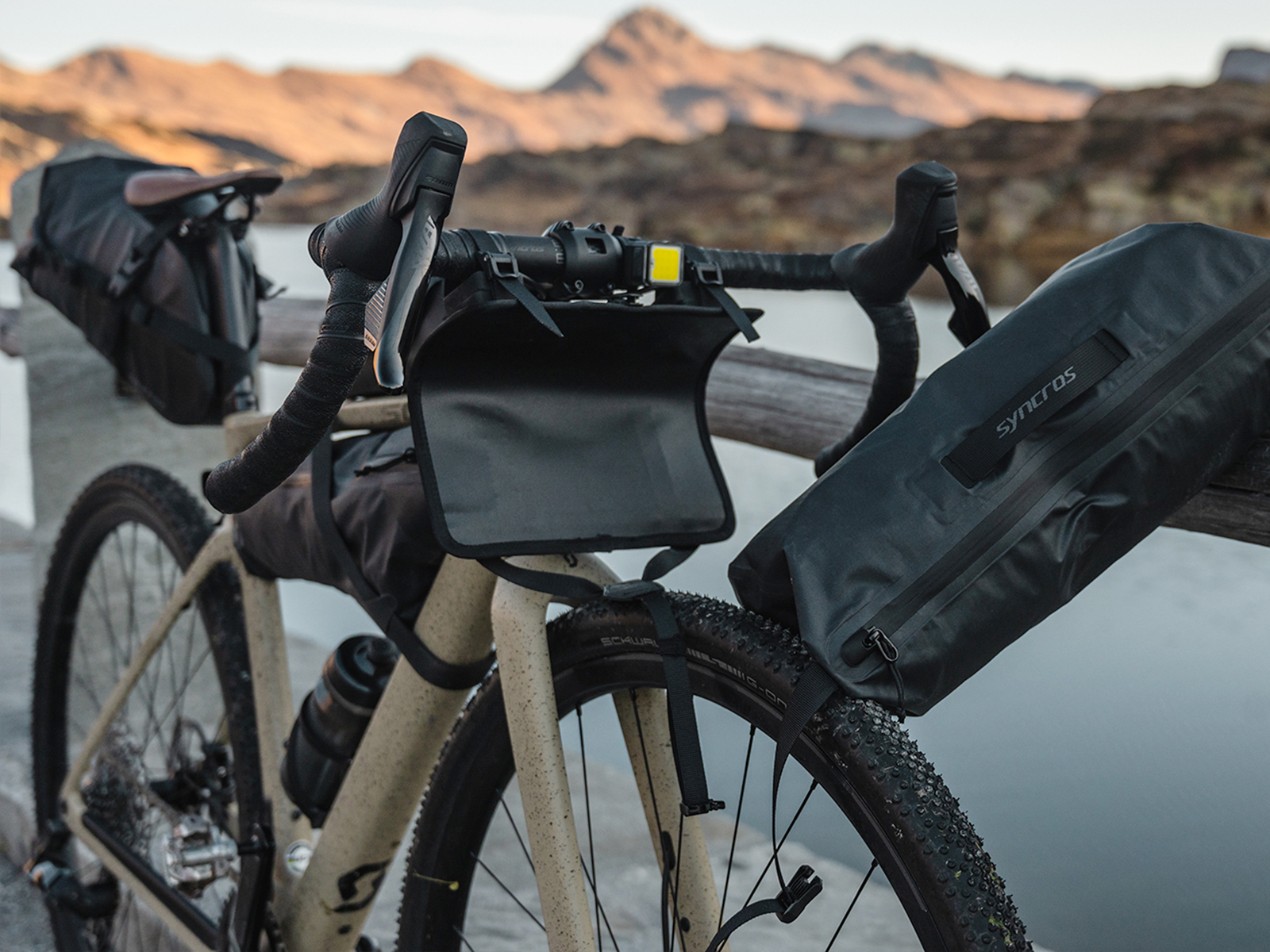
Bikepacking is an adventure cycling practice that involves traveling independently with a lightweight load attached directly to the bicycle. Unlike traditional cycle touring, which uses racks and large panniers, bikepacking favors compact bags distributed across the frame , handlebar , and tige de saddle . This approach allows for a bike that remains agile, efficient, and suitable for varied terrain, whether roads, tracks, forest paths, or trails.
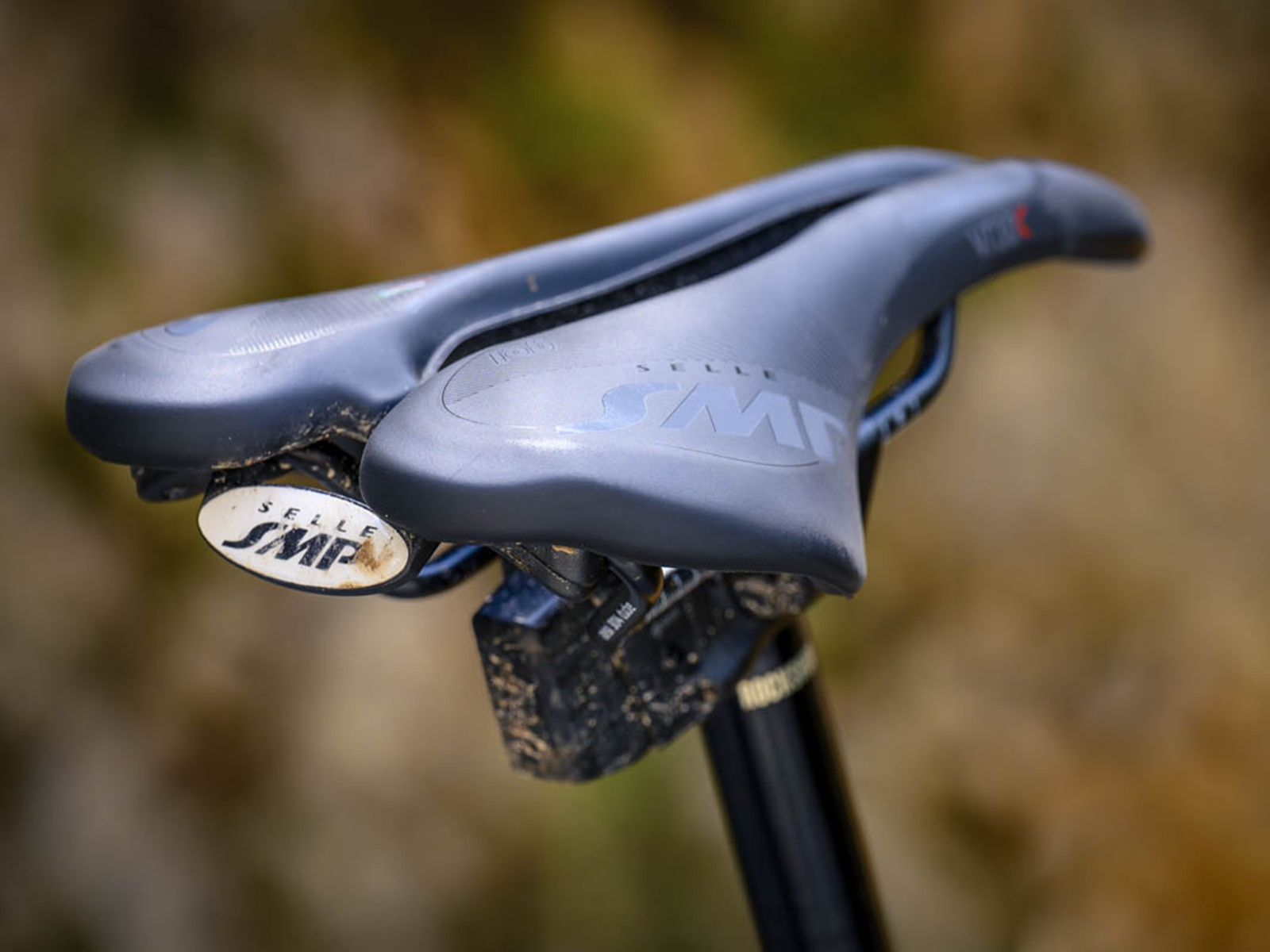
Choosing the right saddle is one of the most important factors in improving comfort, performance, and enjoyment of off-road riding. An unsuitable saddle can cause pelvic pain, chafing, numbness, or reduced pedaling efficiency. Conversely, a well-chosen saddle allows for better power transfer, maintains a stable position on the bike, and lets you fully enjoy your rides, whether it's trail riding, cross-country, enduro, or downhill. The shape, width, padding, materials, and type of riding all directly influence the choice. Therefore, it's essential to consider your body type, riding style, and riding habits before making your selection.