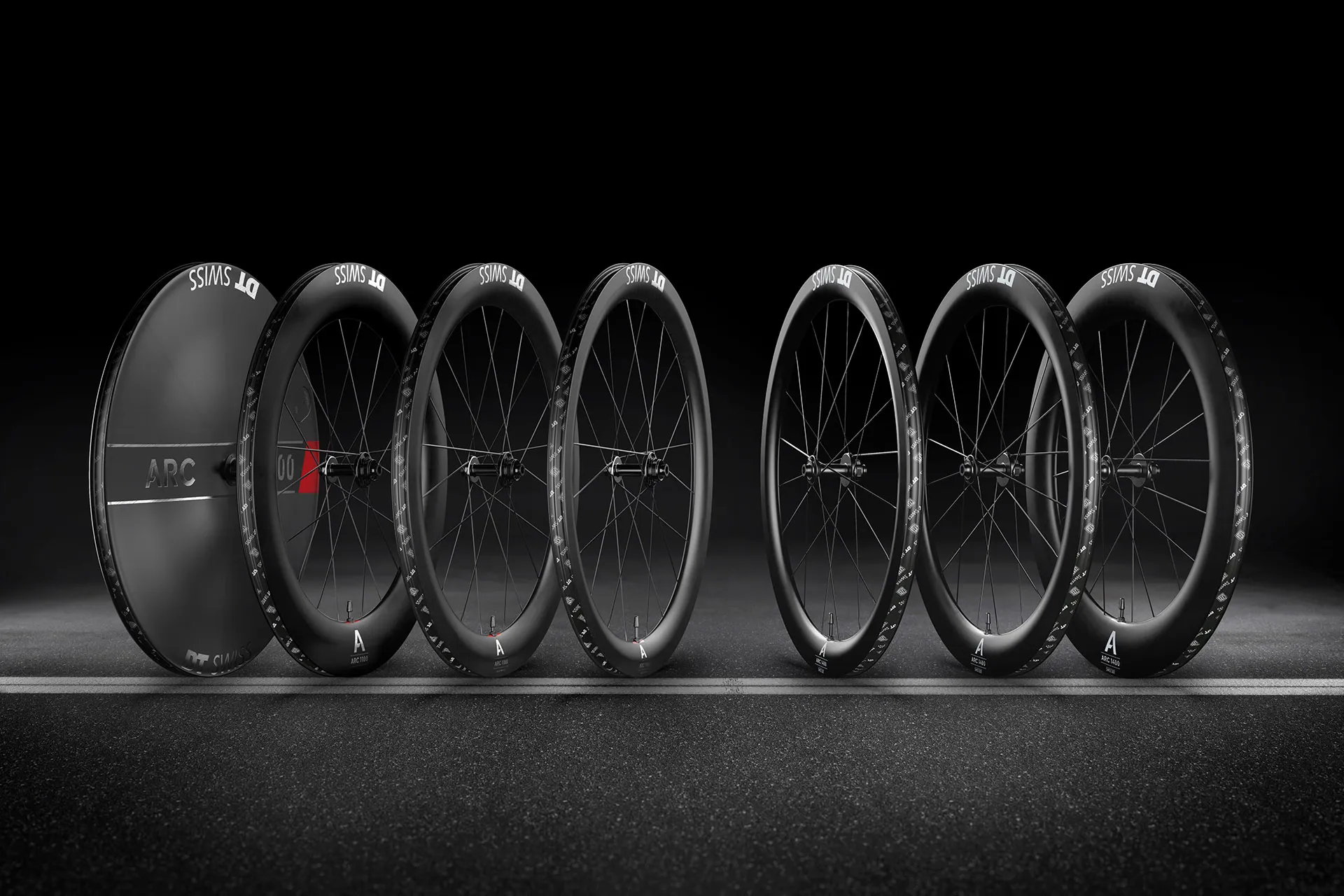
Choosing the right bicycle wheels immediately improves your bike's performance, comfort, safety, and handling. Before considering price or style, you must check compatibility with your frame , brake type, tire size, primary use, and desired performance level.
A wheel is not just a circle that turns. It brings together a rim, A hub, of the spokes, of the bearings, a fastening system and sometimes a highly refined aerodynamic profile. Each element influences acceleration, rigidity, stability and durability.
To choose your bicycle wheels, Therefore, one must start with their own experience. A road cyclist will not be looking for the same sensations as a mountain biker, a bike commuter, or a fan of... gravel bike. The right choice is the one that matches your terrain, your weight, your frequency of outings and your pedaling style.
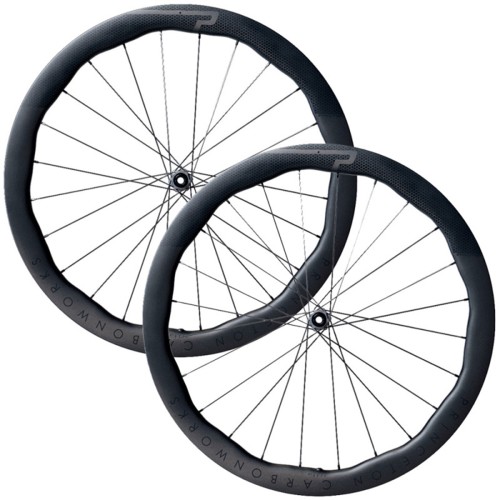
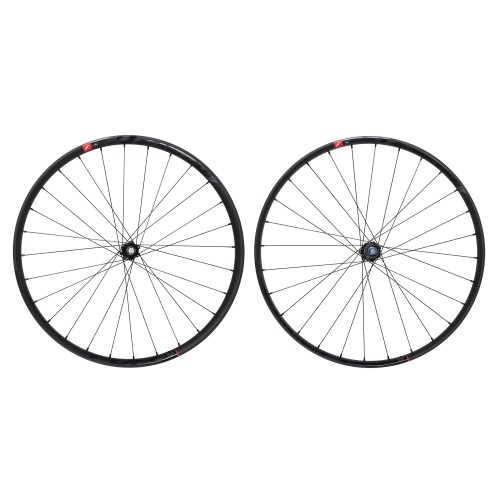
Princeton Peak 4550 Evolution Disc Black White Industries wheelset - Shimano
-34%
€2,379.00
€3,600.00
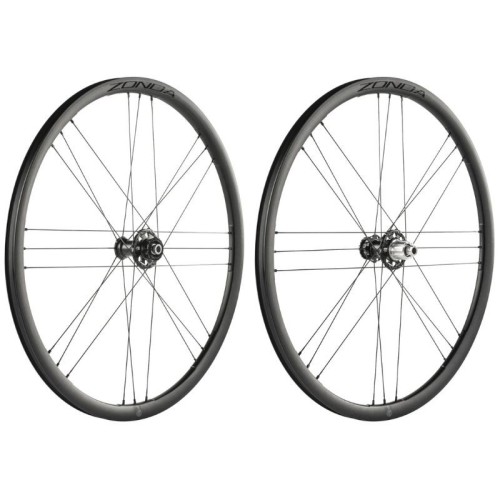
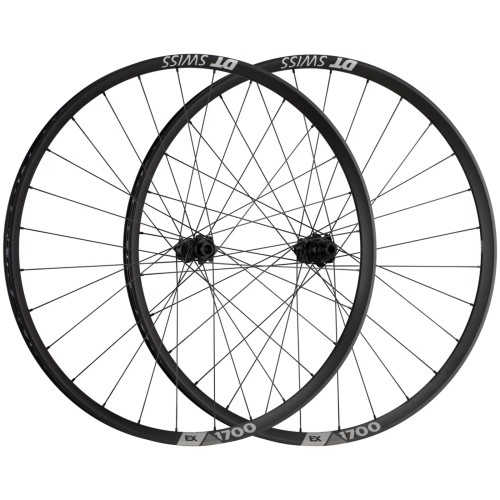

Bicycle wheels: the essential criteria to check first
The first criterion remains the compatibility. A pair of wheels can look excellent on paper but be completely unsuitable for your bike. You need to check the diameter, the width of rim, the type of axis, the freehub body, braking and the assembly of tyre.
| Criteria | Why this is important | To be checked |
|---|---|---|
| Diameter | Determine the adaptation to frame | Road, MTB, , gravel bike, city |
| Braking | Conditions safety | Skates or discs |
| Axis | Ensures the assembly correct | Quick release Or thru axle |
| Rim | Influence of comfort and performance | Internal width and material |
| Tyre | Changes the grip and pressure | Tubeless or inner tube tubular tyre |
THE bicycle wheels Wheels should also be chosen according to your skill level. A beginner often benefits more from choosing a reliable and comfortable wheel than a very light but demanding one. Conversely, a more athletic cyclist might look for a more responsive pair with better handling. inertia and improved accuracy on descents.
Size guide for choosing bicycle wheels
Choosing the size of bicycle wheels depends on the type of bike, the frame and practice. A wheel that is too big or too small will not be compatible with the bike and can affect comfort, handling, and safety. Before replacing a pair of wheels, you must therefore check the diameter indicated on the tyre currently, the available space in the frame and the fork, as well as the section of tyre desired.
| Type of bicycle | Current wheel size | Recommended use |
|---|---|---|
| Road Bike | 700C | Road cycling, endurance cycling, cyclosportive cycling |
| Gravel bike | 700C or 650B | Roads, paths, long distances |
| MTB adult | 27.5-inch Or 29-inch | Cross-country, trail, all-mountain |
| City bike and Hybrid Bike | 700C or 26-inch | Daily commutes, leisure activities, comfort |
| Kids Bike | 12 to 24 inches | Learning, progression, junior use |
Understanding the role of the rim
There rim is the outer part of the wheel. Its width, height, and material greatly affect the feel. A rim A low-profile guitar is often more comfortable and easier to handle. rim Higher dimensions provide more aerodynamics, especially on fast roads.
On the road, a rim A higher center of gravity helps maintain speed. However, it can be more susceptible to crosswinds. In the mountains, a rim Lighter and lower in height, it facilitates acceleration and changes of pace. For the gravel bike, a rim wider improves the retention of the tyre and stability.
In the choice of bicycle wheels, the internal width of rim deserves real attention. It must correspond to the section of the tyre. A rim Too narrow a space limits comfort. rim Too wide can deform the tyre if it is not suitable.
Bicycle wheels: aluminum or carbon
L'aluminum It remains a safe bet. It offers good value for money, excellent durability, and is often easier to repair. For regular use, whether urban, recreational, or for training, it's a very sensible choice.
THE carbon It focuses more on performance. It allows for the design of stiffer, lighter, or more aerodynamic profiles. A carbon wheel can transform the behavior of a road Bike, especially at sustained speeds. However, it requires a larger budget and a more precise choice.
THE bicycle wheels Carbon fiber wheels aren't just for competitive cyclists. They're also suitable for passionate riders who want to improve their performance and enjoyment. You simply need to choose a model that's appropriate for your weight, the terrain you ride on, and your braking system.
| Material | Strengths | Recommended use |
|---|---|---|
| Aluminum | Solid, affordable, versatile | Leisure, training, city, gravel bike |
| Carbon | Lightweight, rigid, aerodynamic | Sporty road, performance, competition |
Choose according to your practice
A road Bike It demands efficient, lightweight, and responsive wheels. For fast riding on flat terrain, a deeper profile can be advantageous. For climbing, lighter wheels are preferable. For long distances, comfort and reliability take precedence over marginal gains.
In MTB, The stresses are different. The wheels are subjected to impacts, powerful forces, mud, and changes in grip. Good Lateral rigidity, reliable hubs and a rim Solid materials are essential. assembly Tubeless tires are highly valued for reducing punctures.
In gravel bike, THE bicycle wheels They must find a balance between on-road performance and off-road durability. rim Compatible with wider tires, it provides comfort, traction, and confidence. This is a key factor for long rides without being affected by the terrain.
Bicycle wheels: braking rotor or on skates
The type of braking directly influences the choice. A wheel for rim brakes has a braking track on the rim. A wheel for brake rotor receives a rotor fixed at hub. The two systems are not interchangeable.
THE brake rotor It offers consistent power, especially in the rain or downhill. It also allows the use of rims without a braking surface, often optimized for aerodynamics or weight. Rim brakes remain simpler, lighter in certain setups, and easier to maintain.
Before buying bicycle wheels, you need to check the standard of rotor. The most common mounting systems are Center Lock and six-hole. The diameter of the... rotor accepted by the frame and the fork.
THE hub and the bearings
THE hub is the heart of the wheel. It ensures rotation around the axle. A good hub It rotates freely, resists water, withstands stress and maintains good alignment. It directly influences fluidity and durability.
THE bearings They can be traditional ball or annular type. The important things are their quality, their sealing, and their ease of use.maintenance. On a bicycle used all year round, bearings Being well protected is more useful than a minimal weight gain.
On bicycle wheels designed for sporty road use, a hub Fluid promotes long rides and high speeds. On a MTB or a gravel bike, Resistance to splashes, dust and frequent washing becomes a priority.
Bicycle wheels: width of tyre and pressure
The wheel works with the tyre. The two must be considered together. One rim Modern, wider tires often allow for the use of more comfortable tires without sacrificing performance. On the road, wider tires have become commonplace because they absorb vibrations better.
The pressure depends on the cyclist's weight, the cross-section of the tyre, the terrain and the assembly. Too much pressure reduces comfort and grip. Too little pressure can cause vagueness in steering or pinching. inner tube.
THE bicycle wheels Tubeless compatible tires allow you to ride with less pressure and more grip. The sealant seals small punctures. This is a clear advantage in gravel bike and in MTB, but also on the road for cyclists who want to limit puncture stops.
Tubeless, inner tube Or tubular tyre
THE assembly with inner tube It remains simple, economical, and easy to repair. It suits many cyclists, especially for recreational or everyday use. Its main drawback is its susceptibility to pinch flats and certain punctures.
THE tubeless removes the room. He requests a rim compatible, a background of rim adapted, a specific valve and preventative fluid. The assembly It may be a little more technical, but the comfort and puncture resistance are excellent.
THE tubular tyre This mainly concerns competition and certain very specific road uses. For the majority of riders, the bicycle wheels tubeless Ready today they represent the best compromise between modernity, performance and versatility.
| Assembly | Main advantage | Main limit |
|---|---|---|
| Inner tube | Easy to repair | More prone to punctures |
| Tubeless | Comfort and protection | Assembly more technical |
| Tubular tyre | Very sporty feeling | Less practical use |
Bicycle wheels: weight, stiffness and performance
The weight of a wheel matters, especially on climbs and during accelerations. A lighter wheel accelerates more easily. However, weight isn't everything. A wheel that's too flexible can lose precision, especially with a powerful rider or on demanding terrain.
There rigidity It provides a feeling of immediate responsiveness. It helps in sprints, accelerations, and fast corners. But excessive stiffness can make the bike less comfortable. The right choice therefore depends on the terrain and your riding style.
Of the bicycle wheels High-performance wheels must strike a balance between lightness, stiffness, and comfort. For long rides, a slightly more forgiving wheel can be more enjoyable than an ultra-stiff one. True efficiency is also measured by the reduced fatigue.
The number of spokes and the assembly
THE spokes connect the rim At hub. Their number, tension, and crossing influence strength. A well-mounted wheel remains stable, maintains its trueness, and transmits pedaling energy more effectively.
A lightweight road cyclist can use wheels with less than spokes to improve aerodynamics and reduce weight. A heavier cyclist, a loaded commuter, or a recreational cyclist gravel bike will have an interest in choosing a assembly more robust.
For bicycle wheels reliable, the quality of assembly The technical specifications are just as important. A consistent voltage, some spokes Proper maintenance and truing extend its lifespan. This is often what distinguishes a durable wheel from one that is merely attractive in a shop window.
Bicycle wheels: compatibility with cassette And drivetrain
THE freehub body must match your drivetrain. Shimano, SRAM Campagnolo and Campagnolo do not always use the same standards. MTB as on the road, some cassettes require a specific body.
You also need to check the number of gears. An old wheel may not accept a cassette modern without adaptation. Conversely, a recent wheel can sometimes work with a cassette older thanks to a spacer.
Before changing bicycle wheels, it is better to precisely control the cassette, the group and the standard of freehub body. This avoids unpleasant surprises at assembly and ensures smooth gear changes.
Which wheel is best for the mountains, flat terrain, and wind?
In the mountains, the priority is often lightness and controlled braking. A lower-profile, more responsive wheel helps on switchbacks, accelerations, and long climbs. Stability on descents remains essential, especially with powerful braking.
On flat ground, aerodynamics becomes more important. rim A higher gear ratio can help maintain good speed with less effort. The benefit is most noticeable as the pace increases. On hilly terrain, a medium profile often remains the most versatile.
With a crosswind, the bicycle wheels Very high climbs may require more attention. An experienced cyclist gets used to them, but a more casual rider will often be more comfortable with a moderate profile. Confidence in handlebar is better than a theoretical advantage.
Bicycle wheels: durability and maintenance
A good wheel should last. To ensure this, you need to monitor the wheel's trueness and tension. spokes, the state of bearings, the wear and tear of the rim and the tightening of the axles. A slight noise or a feeling of play should not be ignored.
After a ride in the rain, on trails or by the sea, a gentle cleaning protects the components. Avoid high-pressure jets directly on the hubs. Water can get inside the bearings and reduce their lifespan.
Of the bicycle wheels Well-maintained spokes retain their performance longer. Regular inspections also allow for the detection of cracks, loose spokes, or... tyre Poorly positioned. Safety often starts with these simple details.
Choose according to your size
The cyclist's weight influences the choice of wheels. A powerful or heavy person should prioritize a robust construction, a rim reliable and suitable shelving. It's not a question of level, but of mechanical constraints.
A lightweight cyclist might prioritize responsiveness and low weight. They'll benefit more easily from a fast wheel. However, they'll need to be mindful of crosswinds with high-profile wheels, especially on open roads.
THE bicycle wheels Luggage must also be taken into account. A bicycle equipped with panniers, used for touring or daily commuting, puts more strain on the rear wheel. In this case, strength takes precedence over aerodynamics.
Bicycle wheels: comfort and riding feel
Comfort doesn't just come from the saddle or frame. The wheels play a major role in absorbing vibrations. rim adapted, a tyre A good section and correct pressure really make a difference to the feeling on rough roads.
A very stiff wheel can give the impression of speed, but become tiring over long distances. A more forgiving wheel makes the bike easier to handle and reduces fatigue in the hands, shoulders, and back.
To choose bicycle wheels While enjoyable, you need to consider the actual duration of your rides. A pair that's ideal for a short run isn't necessarily the best for riding for several hours on Mont Ventoux, around Montpellier, Nîmes, or on the small roads near Lunel.
Avoid common mistakes
The most common mistake is choosing a wheel based solely on weight. A lightweight but fragile, poorly fitting, or overly stiff wheel can quickly lead to disappointment. Price alone doesn't guarantee the wheel will be suitable for your bike either.
Another mistake is neglecting standards. Thru axle, , quick release, , rotor Center Lock, rotor six holes, width of rim, , freehub body These details determine whether the wheel mounts correctly or not.
Finally, we must not forget that the bicycle wheels profoundly alters the bike's handling. A taller, wider, or stiffer pair of wheels can provide a very different feel. This is often a positive thing, provided the choice has been made carefully.
Bicycle wheels: budget and value for money
The best budget depends on the intended use. For a city Bike For occasional outings, a reliable pair of aluminum shoes may suffice. For a road Bike For athletes, investing in better wheels often yields a more noticeable gain than changing many small components.
Good value for money relies on consistency. There's no point in fitting a very high-end pair of wheels to a bike that can't take advantage of them. Conversely, good wheels can breathe new life into an already solid bike, improving acceleration and handling.
THE bicycle wheels must be viewed as a whole. Rim, , hub, , spokes, tires and maintenance They count together. A durable, compatible and attractive wheel will always be a better choice than a model chosen solely for its appearance.
Signs that you need to change your wheels
A wheel can be replaced when it is too warped, cracked, worn, or difficult to true. rim damaged, a hub that itches or spokes Breakages that often indicate advanced fatigue.
Changing your wheels can also be an upgrade choice. You might want better performance, more comfort, tubeless compatibility, or improved braking. rotor or better resistance for the gravel bike. In this case, the change is not a repair, but an evolution.
Of the bicycle wheels Adapted components quickly provide a healthier cycling experience. Pedaling feels smoother, trajectories are more precise, and confidence increases. It's one of the most noticeable upgrades for many cyclists.
FAQ
What is the first thing to check before choosing bicycle wheels ?
The first thing to check is compatibility with your bike. You need to check the diameter, axle type, braking system, the freehub body, the width of rim and the type of tyre Accepted.
Should you choose aluminum or carbon wheels ?
Aluminum is well-suited for reliability, performance, and budget. Carbon fiber is more advantageous for gains in efficiency, stiffness, and aerodynamics, especially on sporty roads.
Are tubeless wheels really useful ?
Yes, tubeless tires offer greater comfort, better grip, and good protection against small punctures. They are particularly popular in gravel bike, in MTB and increasingly on the road.
Do lighter wheels always make a bike better ?
Not always. Lightweight wheels help on climbs and accelerations, but they still need to be fairly stiff and strong. The best choice also depends on the terrain, the rider's size, and the intended use.
What height of rim Which one to choose for the road ?
A rim The bass guitar is lightweight and maneuverable, ideal for mountain use. rim A high profile promotes aerodynamics on flat terrain. A medium profile often remains the most versatile choice for varying terrain.
When should you replace your bicycle wheels ?
You need to replace your wheels when they are cracked, too warped, very worn, noisy, or when the spokes They often break. You can also change them to improve comfort, performance, or tubeless compatibility.

Related Posts
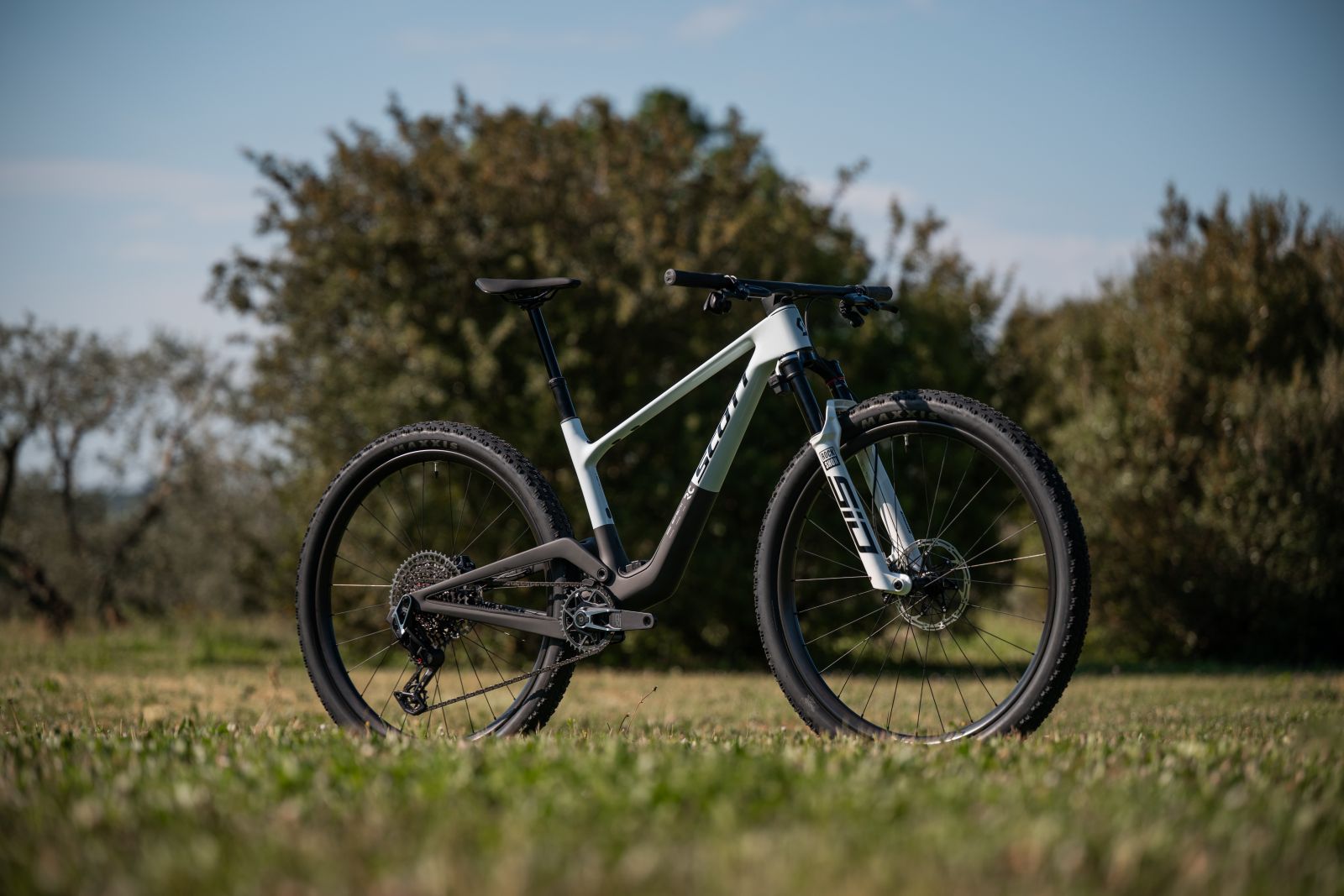
The Scott Spark RC World Cup and Expert 2027 push the boundaries of XC even further. Flight Attendant suspension, Syncros carbon wheels and top-level performance: discover our full review.
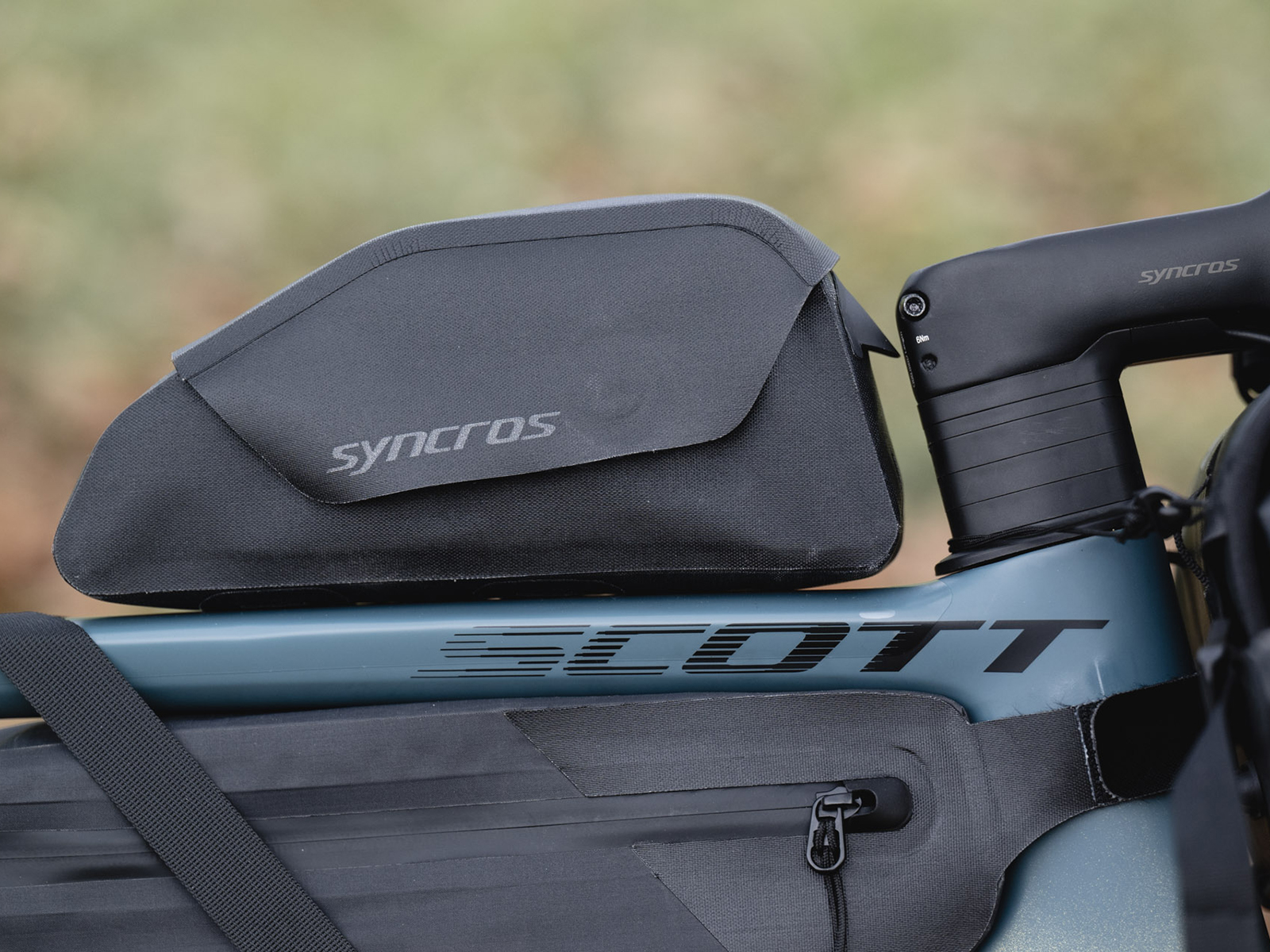
The pannier has become an essential piece of equipment for many cyclists. Whether for daily commutes, bike riding, long rides, cycle touring, bikepacking, or simply leisurely outings, it allows you to carry your belongings comfortably without carrying a load on your back. A well-chosen pannier improves comfort, maintains the bike's balance, and makes organizing your gear easier.
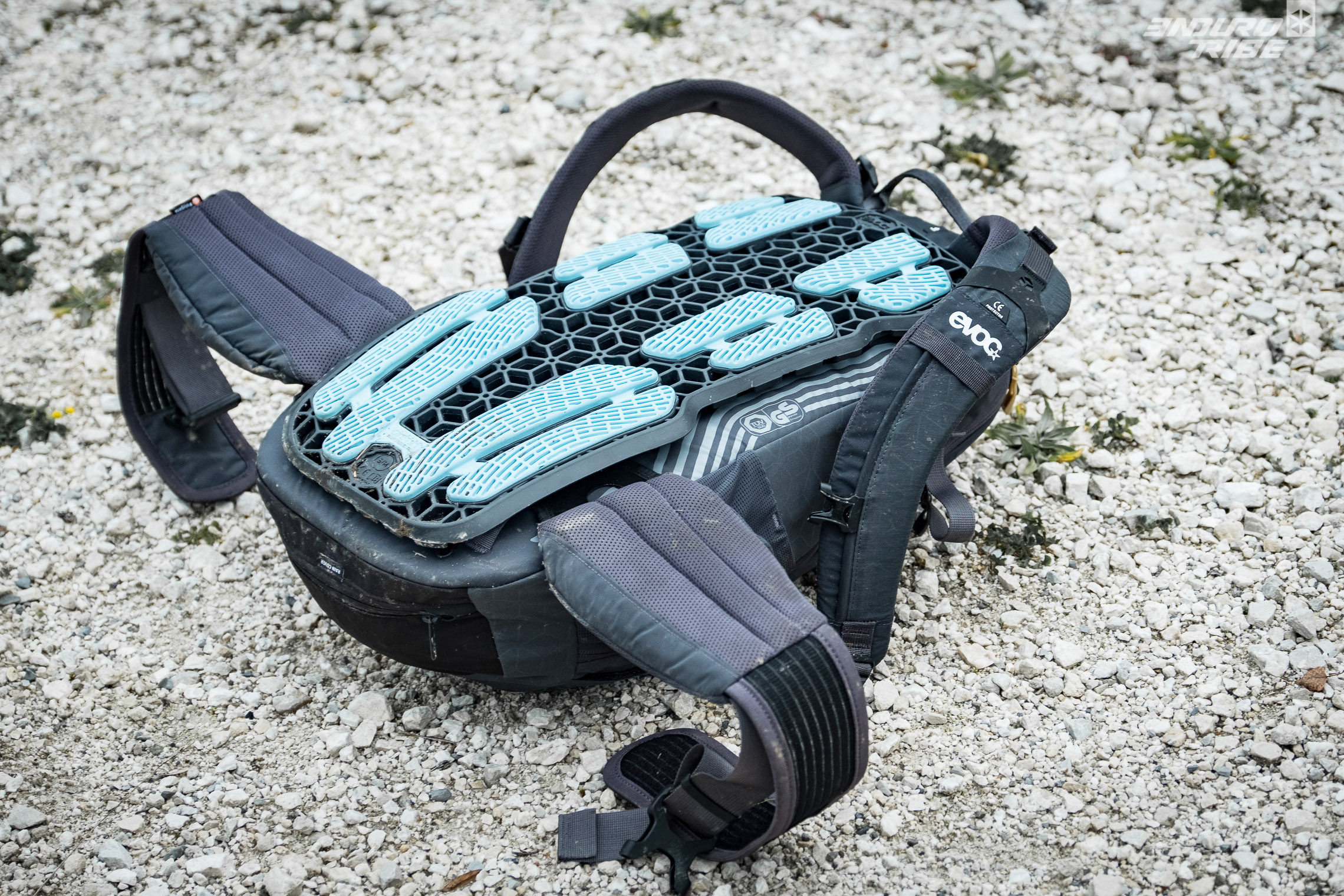
Choosing a cycling backpack requires finding the right balance between comfort, capacity, stability, rain protection, and easy access to your gear. A good bag shouldn't just carry things. It should stay securely in place, not interfere with pedaling, minimize back perspiration, and effectively protect essential items. Whether you're commuting to work, going for a sporting activity, cycling around town, touring by bike, or hiking, your needs will differ.
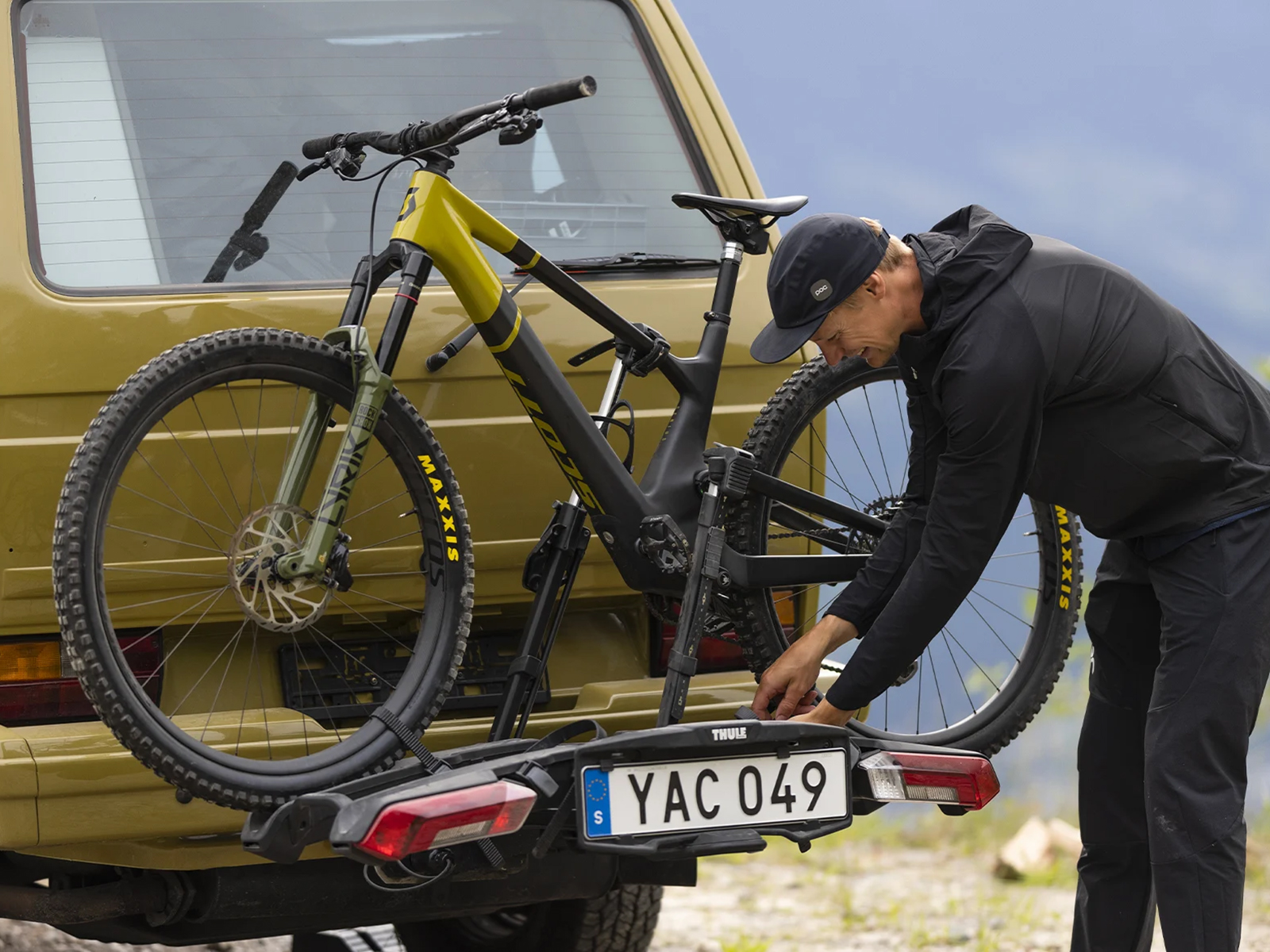
Choosing the right bike rack is essential for transporting your bikes safely, protecting your equipment, and enjoying a worry-free journey. Given the wide variety of systems available, identifying the best solution for your vehicle, the number of bikes you're carrying, or your intended use isn't always easy. Between hitch-mounted, tailgate-mounted, and roof-mounted models, there are many differences in terms of load capacity, ease of installation, compatibility, and user-friendliness.
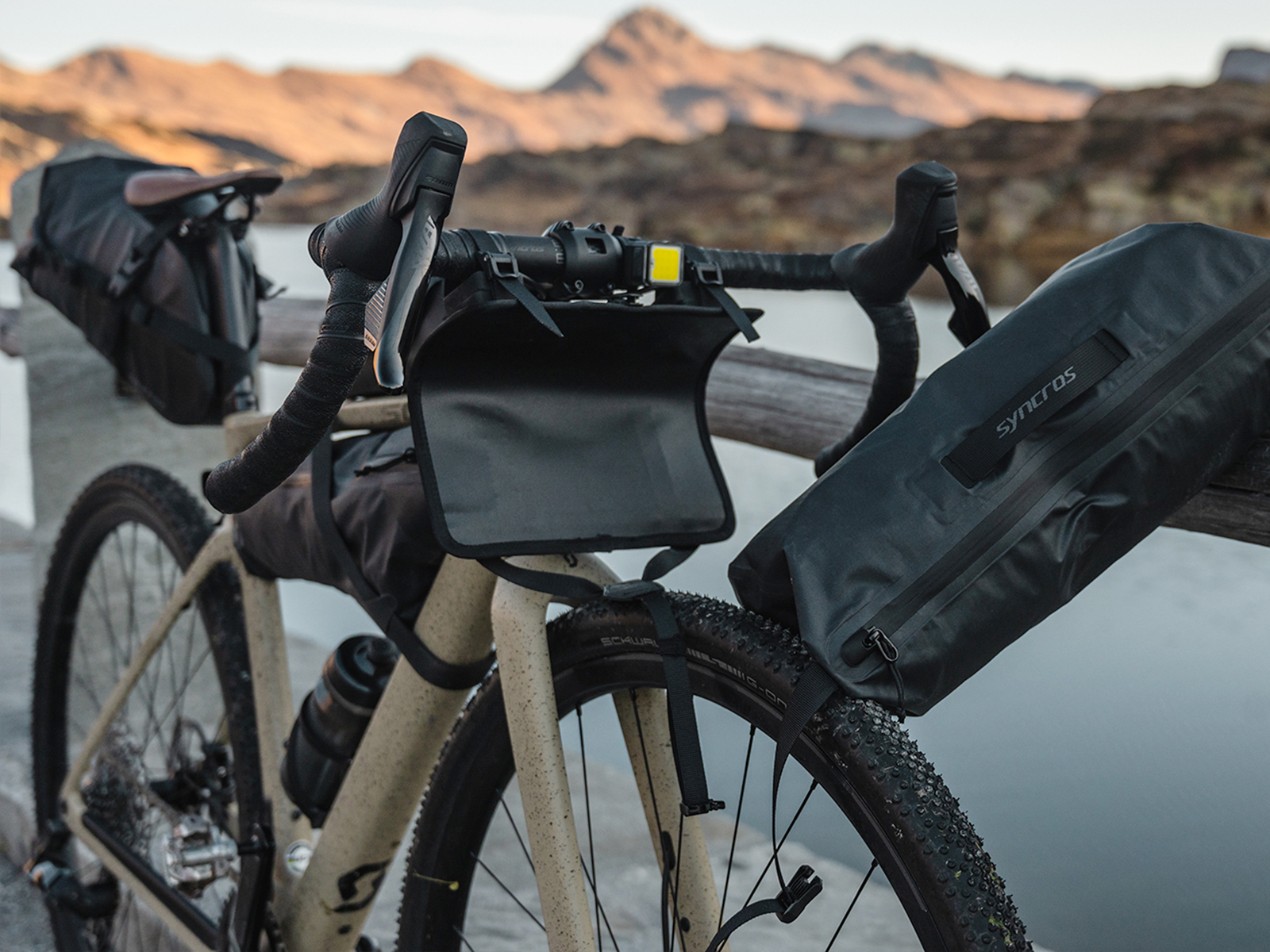
Bikepacking is an adventure cycling practice that involves traveling independently with a lightweight load attached directly to the bicycle. Unlike traditional cycle touring, which uses racks and large panniers, bikepacking favors compact bags distributed across the frame , handlebar , and tige de saddle . This approach allows for a bike that remains agile, efficient, and suitable for varied terrain, whether roads, tracks, forest paths, or trails.
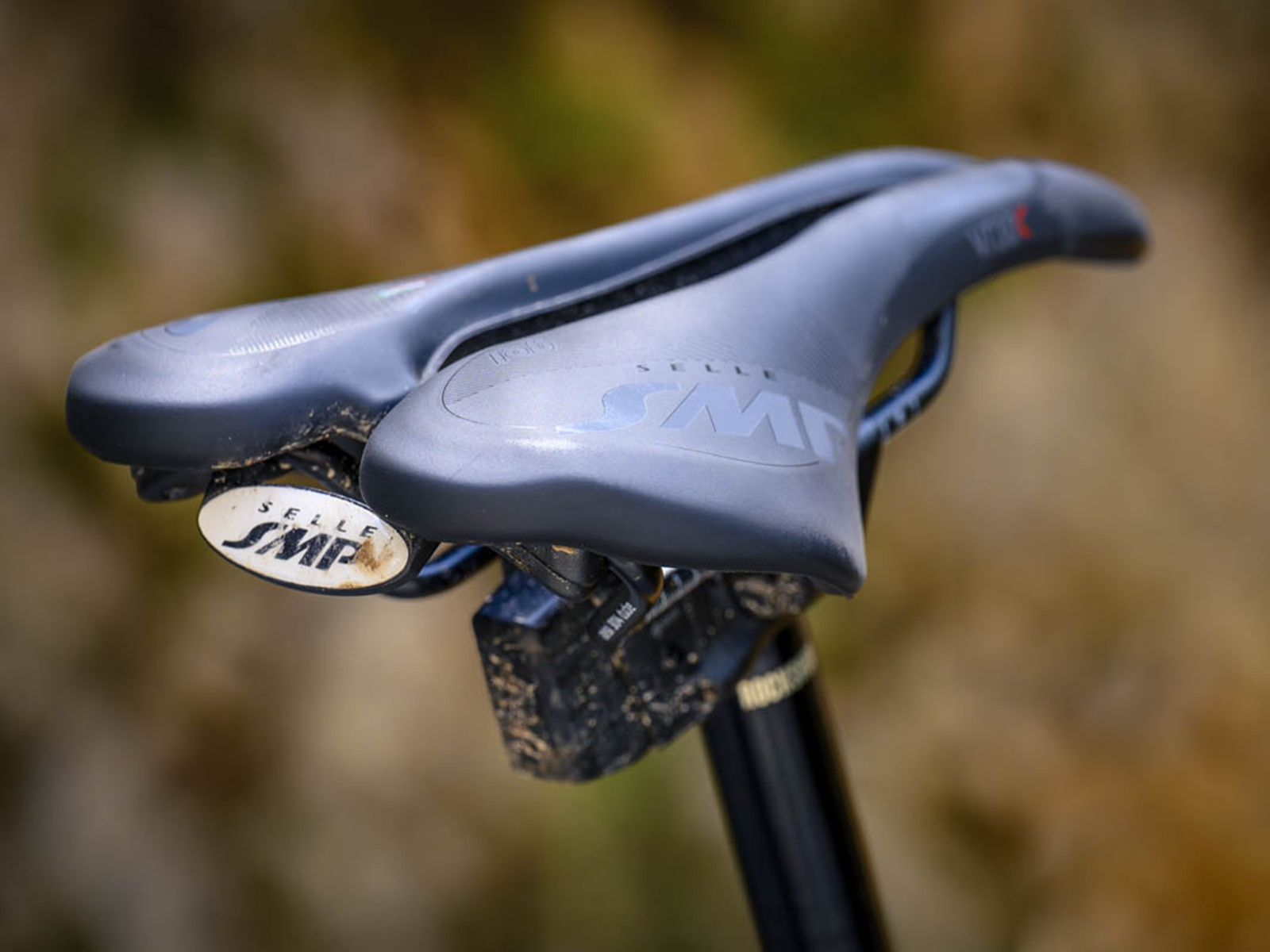
Choosing the right saddle is one of the most important factors in improving comfort, performance, and enjoyment of off-road riding. An unsuitable saddle can cause pelvic pain, chafing, numbness, or reduced pedaling efficiency. Conversely, a well-chosen saddle allows for better power transfer, maintains a stable position on the bike, and lets you fully enjoy your rides, whether it's trail riding, cross-country, enduro, or downhill. The shape, width, padding, materials, and type of riding all directly influence the choice. Therefore, it's essential to consider your body type, riding style, and riding habits before making your selection.