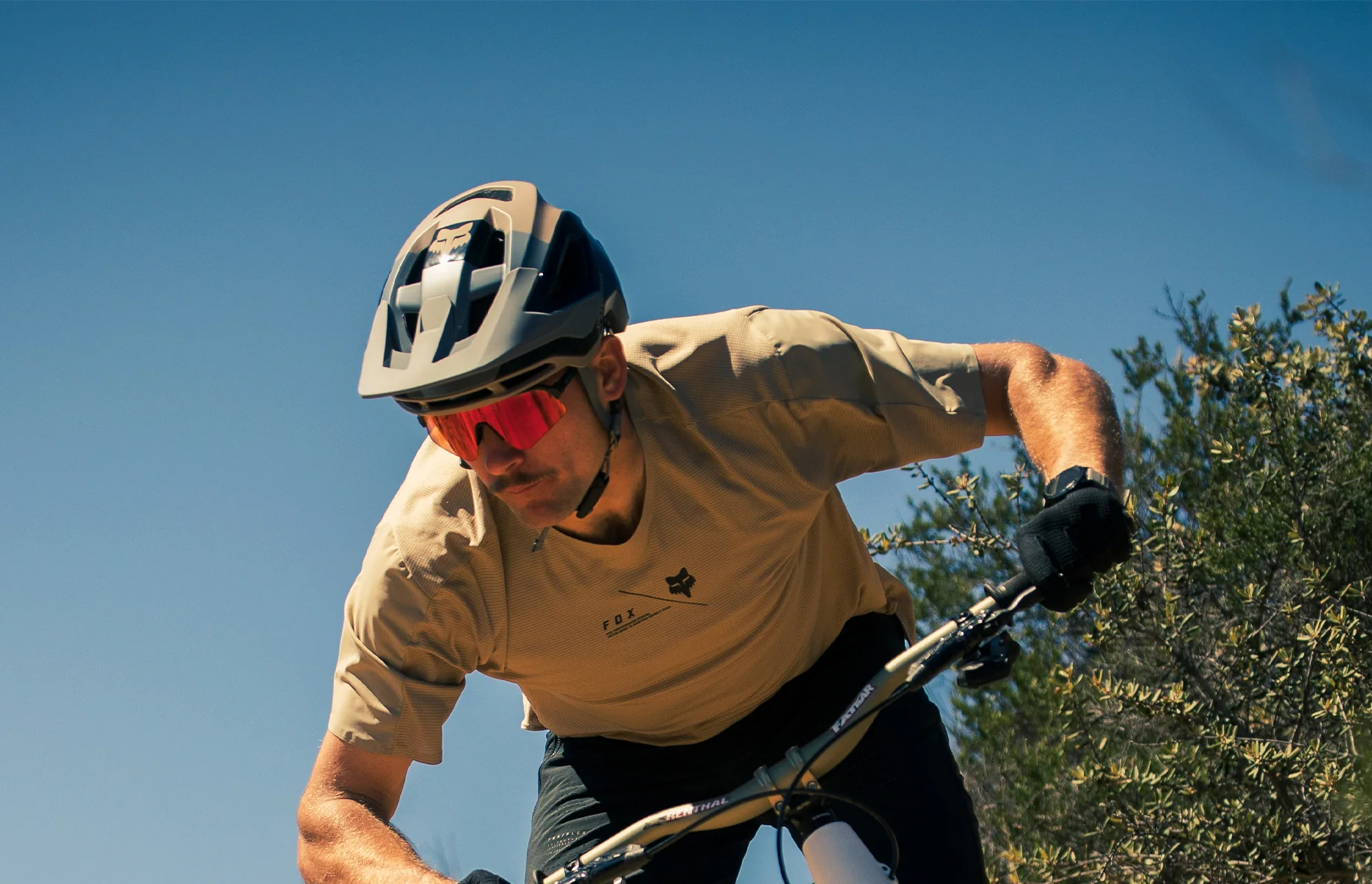
Choosing the right clothing for MTB is essential for a comfortable and safe ride. Unlike road cycling, MTB requires specific gear that offers good freedom of movement, enhanced protection, and resistance to the varied conditions of the trails. This guide will help you select the clothing best suited to your riding style and the weather conditions.
The essential criteria for choosing your MTB clothing
Comfort and freedom of movement
MTB clothing should be looser than road Bike clothing to allow for freedom of movement and adapt to the dynamic riding style. A good balance between fit and flexibility is essential.
Resistance and protection
Unlike lightweight road cycling jerseys, MTB clothing needs to be more robust to withstand falls, branches, and friction with the saddle .
- Reinforced fabrics: Protect against abrasion in case of a fall.
- Ventilation zones: Improve the removal of heat and perspiration.
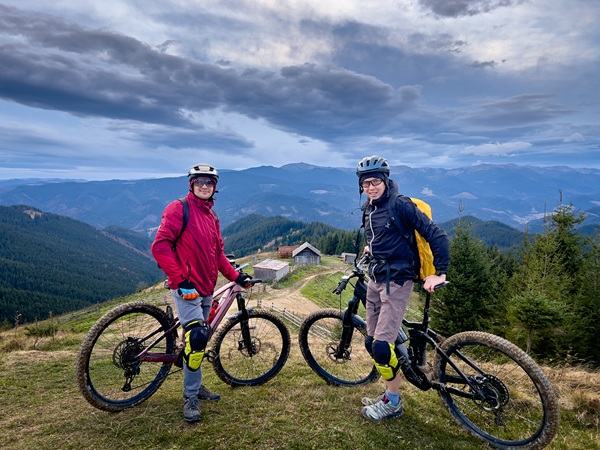
- Compatibility with protective gear: Clothing must allow the wearing of knee pads, elbow pads and a back protector if necessary.


Adapting to weather conditions
The choice of clothing also depends on the season and the climate:
- In warm weather: Opt for breathable and lightweight fabrics.
- In cold weather: Opt for thermal and windproof clothing.
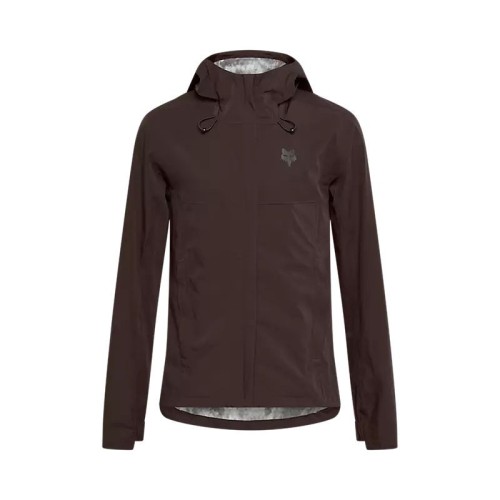
- In wet weather: A waterproof jacket is essential.
Essential clothing for MTB
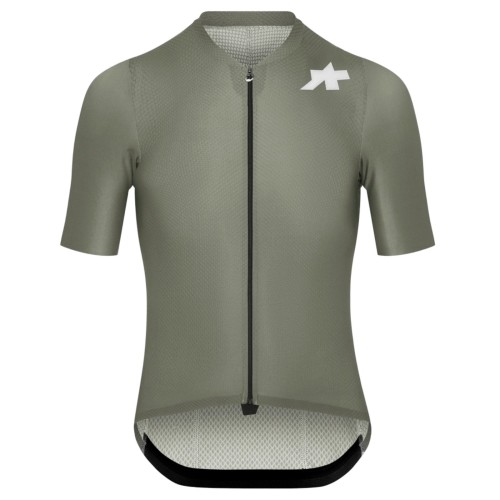
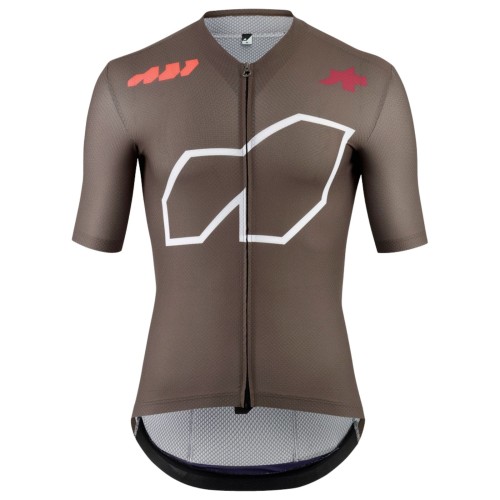
The MTB jersey
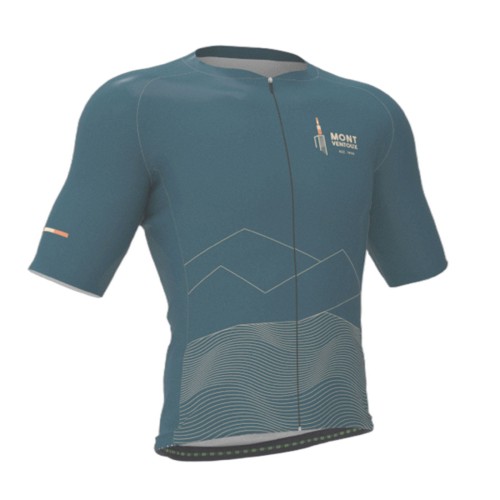
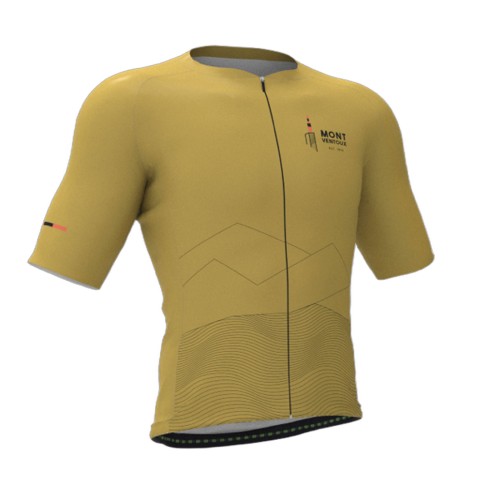
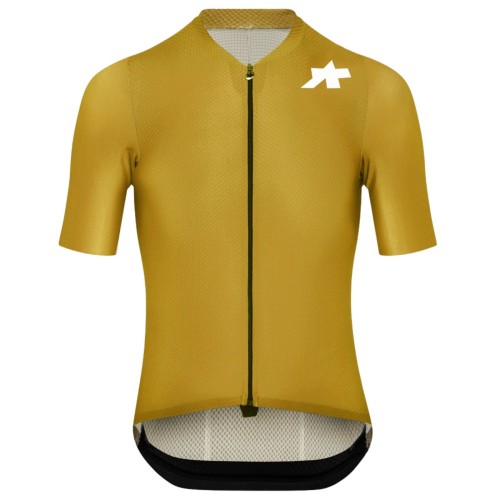
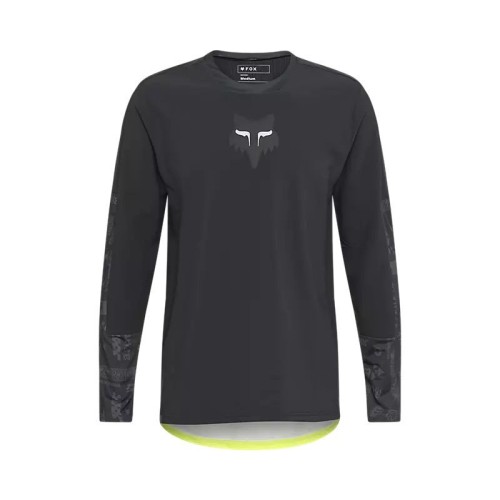
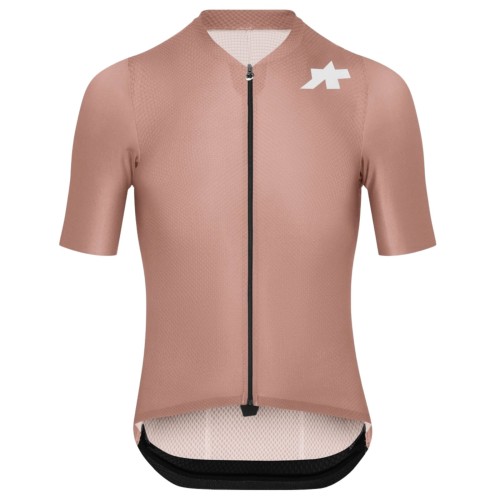
MTB jersey are distinguished by their looser fit compared to road Bike jerseys. There are two types:
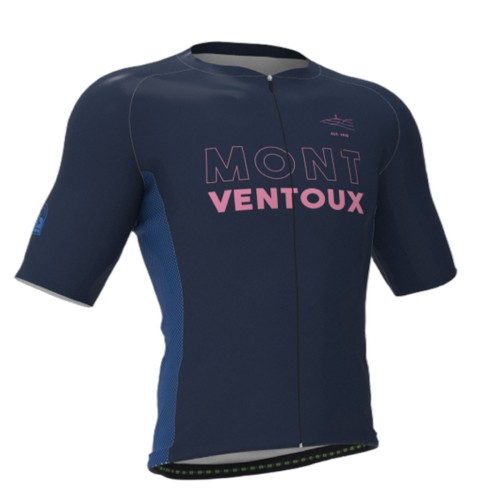
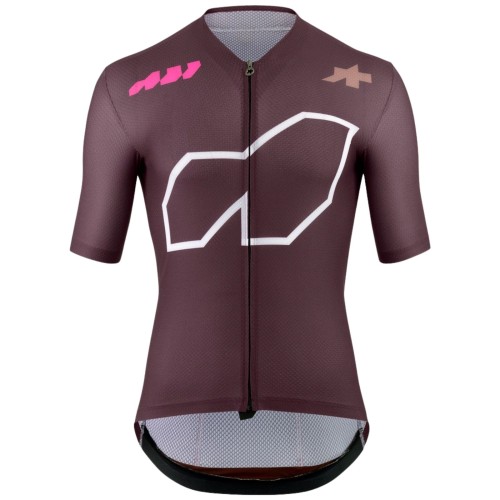
- Short-sleeved Jersey : Ideal for summer outings.
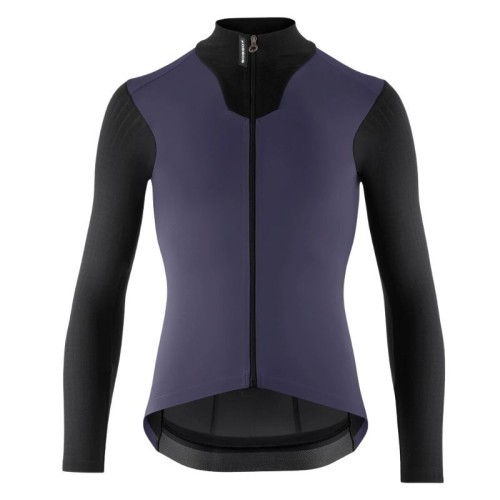
- Long-sleeved Jersey : Provides better protection against branches and scratches.
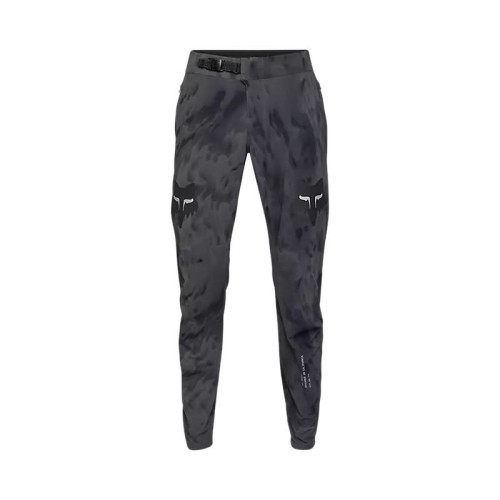
MTB shorts or pants
The choice between shorts and trousers depends on the type of activity:
- Shorts: More comfortable in summer and offer better freedom of movement.
- Pants: Recommended for enduro or downhill, better protection against splashes and chafing.
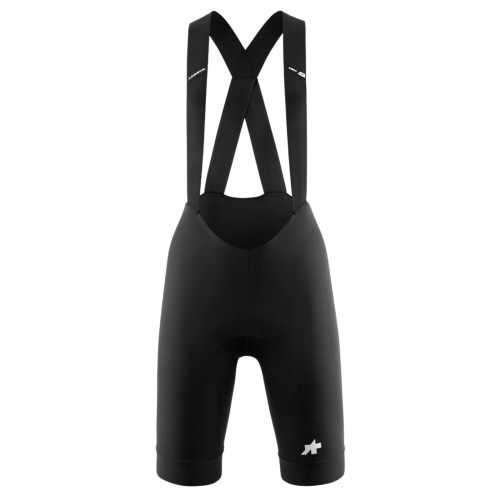
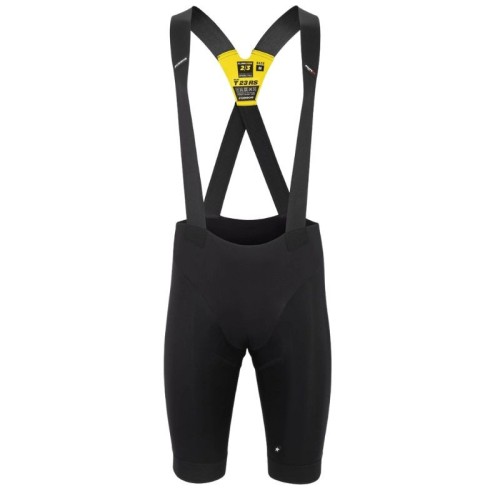
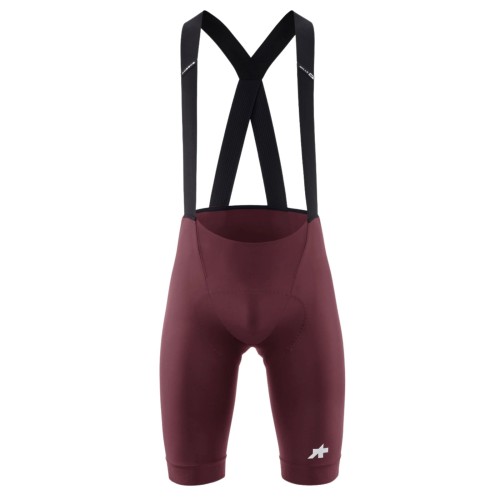
Some MTB shorts are equipped with an inner bib short with a chamois pad to improve comfort over long distances.
The gloves
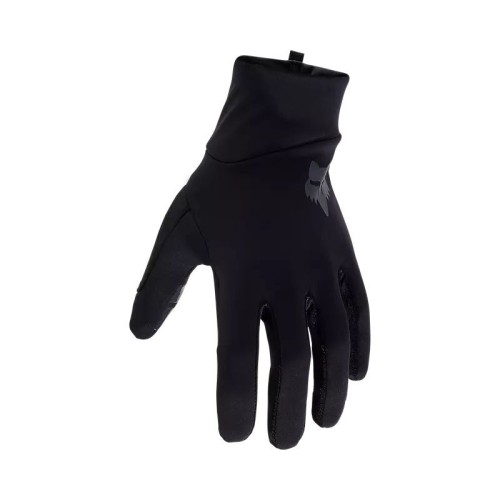
Gloves are essential for protecting your hands and improving your grip on the handlebar . There are two types:
- Short-finger gloves : Offer more ventilation in summer.
- Long-finger gloves : Protect against scratches and improve grip in all conditions.
The protective measures
Protective gear is essential in enduro and downhill riding:
- Knee pads: Protect in case of a fall without hindering pedaling.
- Elbow pads: Recommended for challenging routes.
- Back protector: Essential for downhill and enduro.
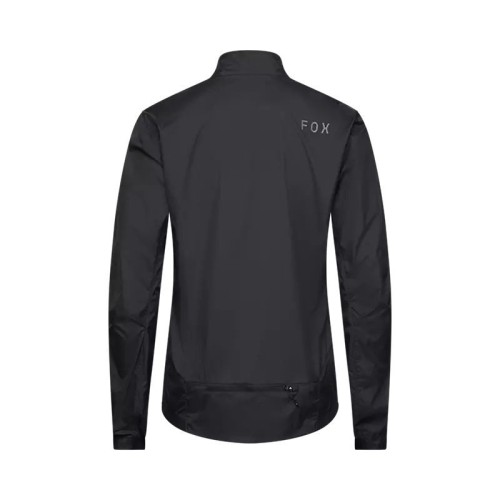
Jackets and windbreakers
The choice of a jacket depends on the weather:
- Windproof jacket : Lightweight and compact, ideal for cool outings.
- Waterproof jacket : Essential in the rain, with waterproof seams.
The shoes
There are two types of shoes for MTB :
- Flat shoes: Offer more freedom of movement with classic pedals.
- cleats shoes: Improve pedaling efficiency with clipless pedals .
Additional accessories
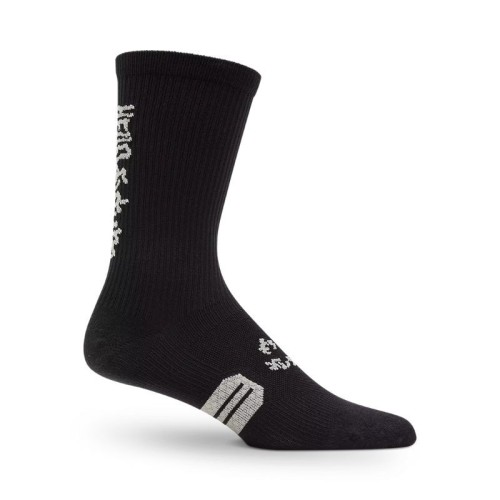
- Reinforced socks: Offer more protection and comfort.
- Neck warmer: Protects against the cold in winter.
- Reflective clothing: Improves visibility in low light.
How to choose the right size?
Here is a guide table to help you:
| Cyclist's size | Clothing size |
|---|---|
| 1.60m - 1.70m | S |
| 1.71m - 1.80m | M |
| 1.81m - 1.90m | L |
| 1.91m and over | XL |
Frequently Asked Questions
What is the difference between a MTB jersey and a road Bike jersey ?
A MTB jersey is looser to offer more freedom of movement and resist falls, while a road Bike jersey is more fitted to improve aerodynamics.
Can you wear regular shorts for MTB ?
Regular shorts lack the reinforcement and comfort needed for MTB . It's better to opt for specific shorts with integrated bib short .
Should you wear protective gear for mountain MTB ?
For relaxed practice, protective gear is not essential, but gloves and a helmet are recommended for added safety.

Related Posts
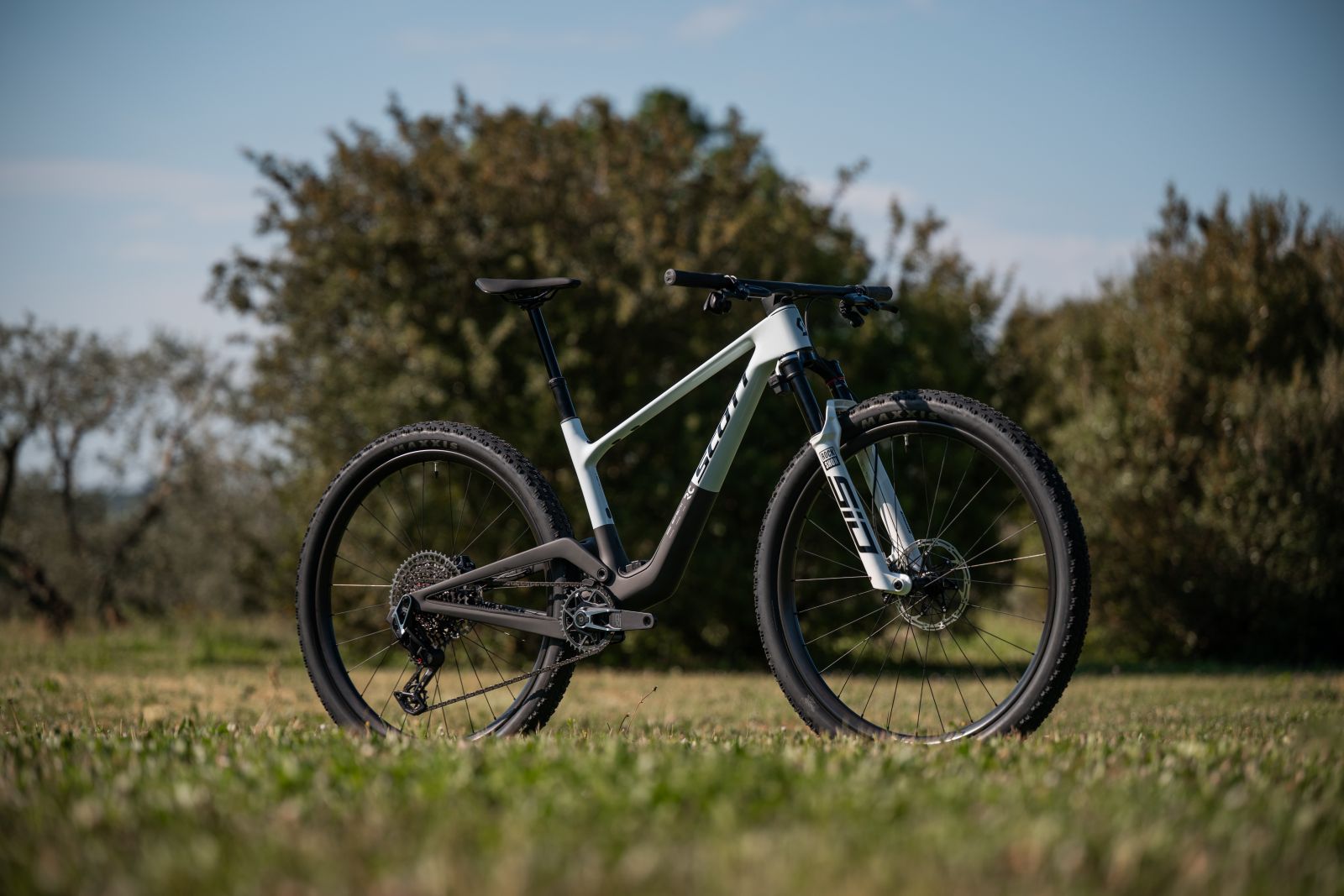
The Scott Spark RC World Cup and Expert 2027 push the boundaries of XC even further. Flight Attendant suspension, Syncros carbon wheels and top-level performance: discover our full review.
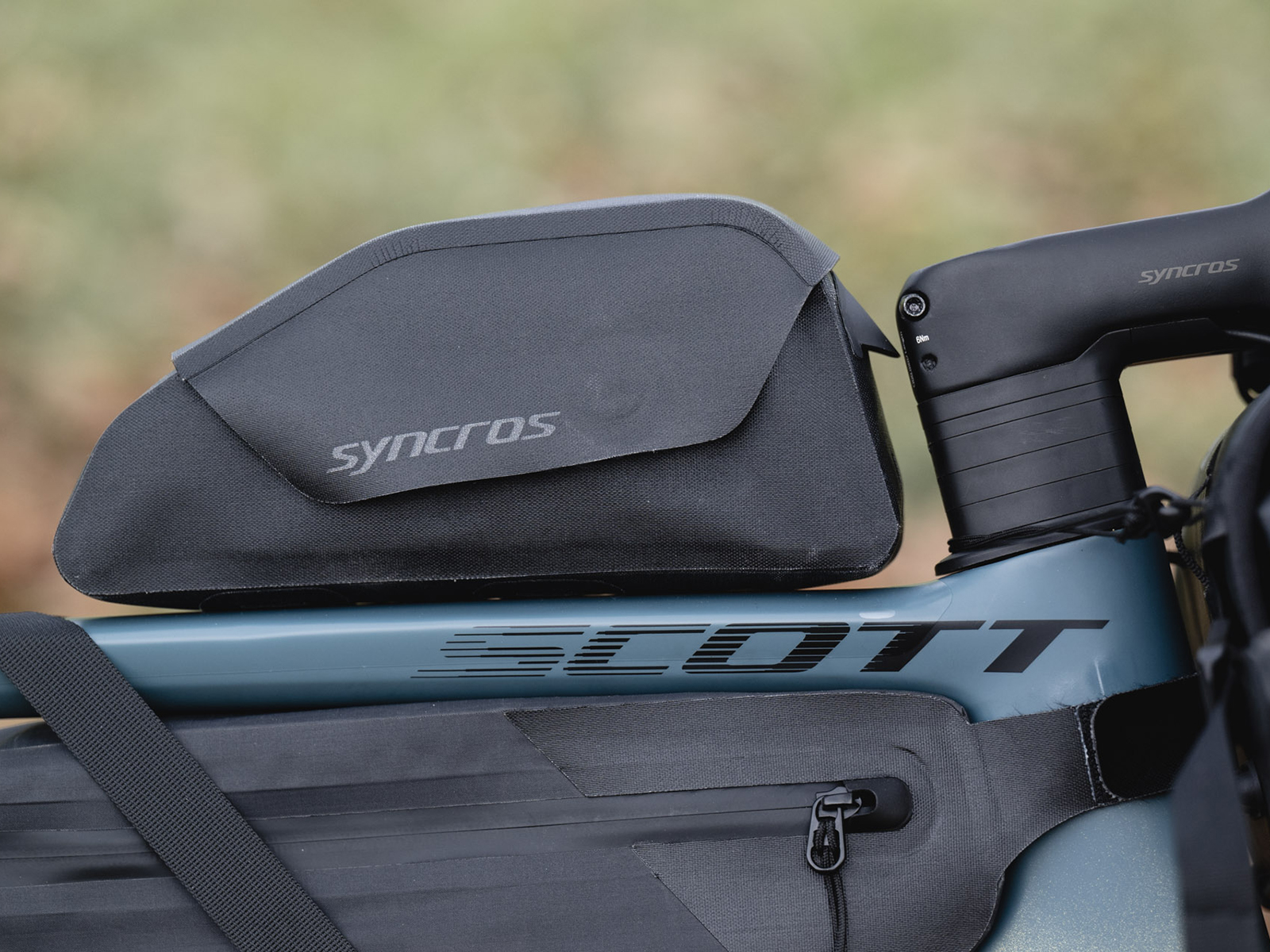
The pannier has become an essential piece of equipment for many cyclists. Whether for daily commutes, bike riding, long rides, cycle touring, bikepacking, or simply leisurely outings, it allows you to carry your belongings comfortably without carrying a load on your back. A well-chosen pannier improves comfort, maintains the bike's balance, and makes organizing your gear easier.
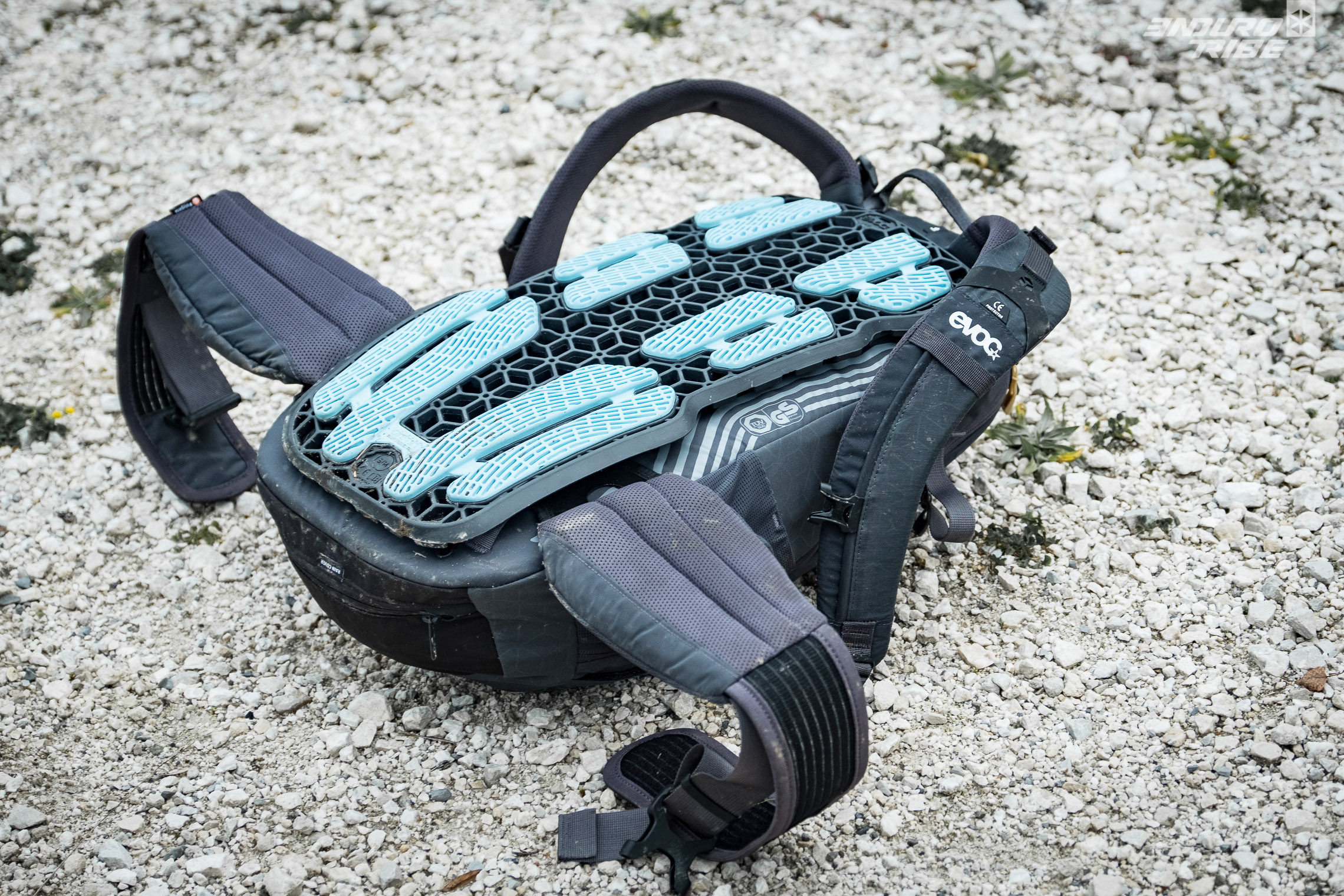
Choosing a cycling backpack requires finding the right balance between comfort, capacity, stability, rain protection, and easy access to your gear. A good bag shouldn't just carry things. It should stay securely in place, not interfere with pedaling, minimize back perspiration, and effectively protect essential items. Whether you're commuting to work, going for a sporting activity, cycling around town, touring by bike, or hiking, your needs will differ.
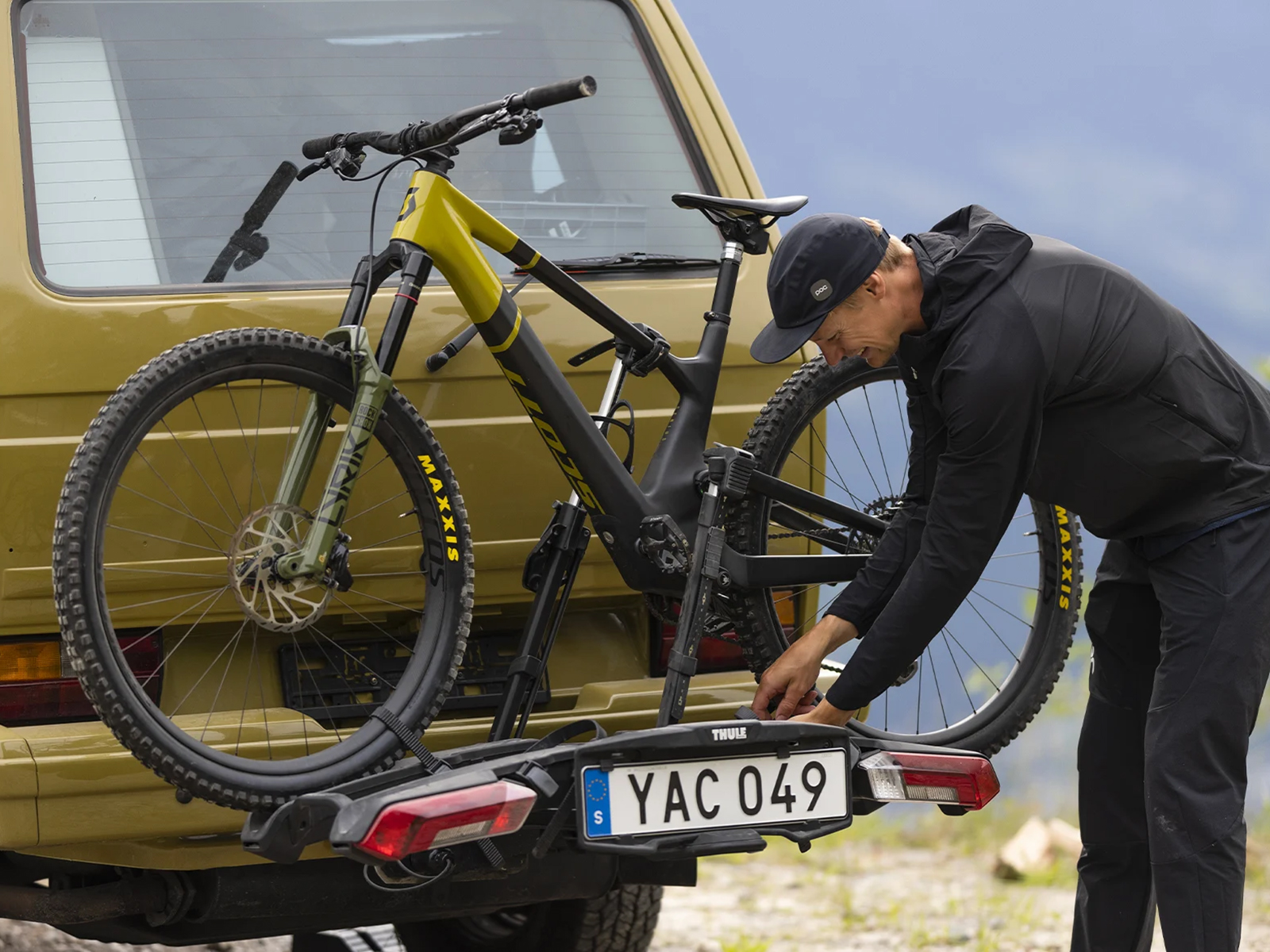
Choosing the right bike rack is essential for transporting your bikes safely, protecting your equipment, and enjoying a worry-free journey. Given the wide variety of systems available, identifying the best solution for your vehicle, the number of bikes you're carrying, or your intended use isn't always easy. Between hitch-mounted, tailgate-mounted, and roof-mounted models, there are many differences in terms of load capacity, ease of installation, compatibility, and user-friendliness.
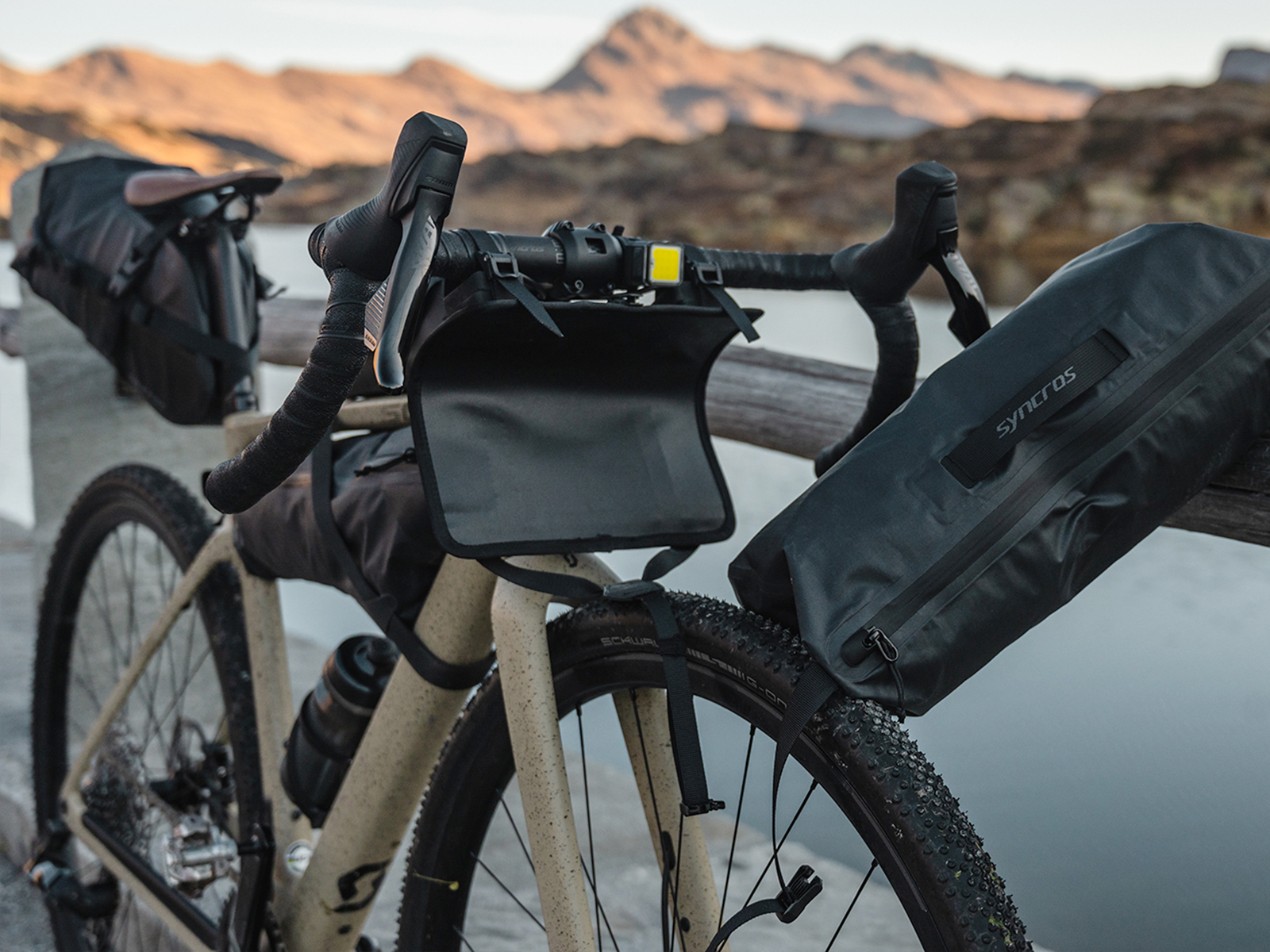
Bikepacking is an adventure cycling practice that involves traveling independently with a lightweight load attached directly to the bicycle. Unlike traditional cycle touring, which uses racks and large panniers, bikepacking favors compact bags distributed across the frame , handlebar , and tige de saddle . This approach allows for a bike that remains agile, efficient, and suitable for varied terrain, whether roads, tracks, forest paths, or trails.
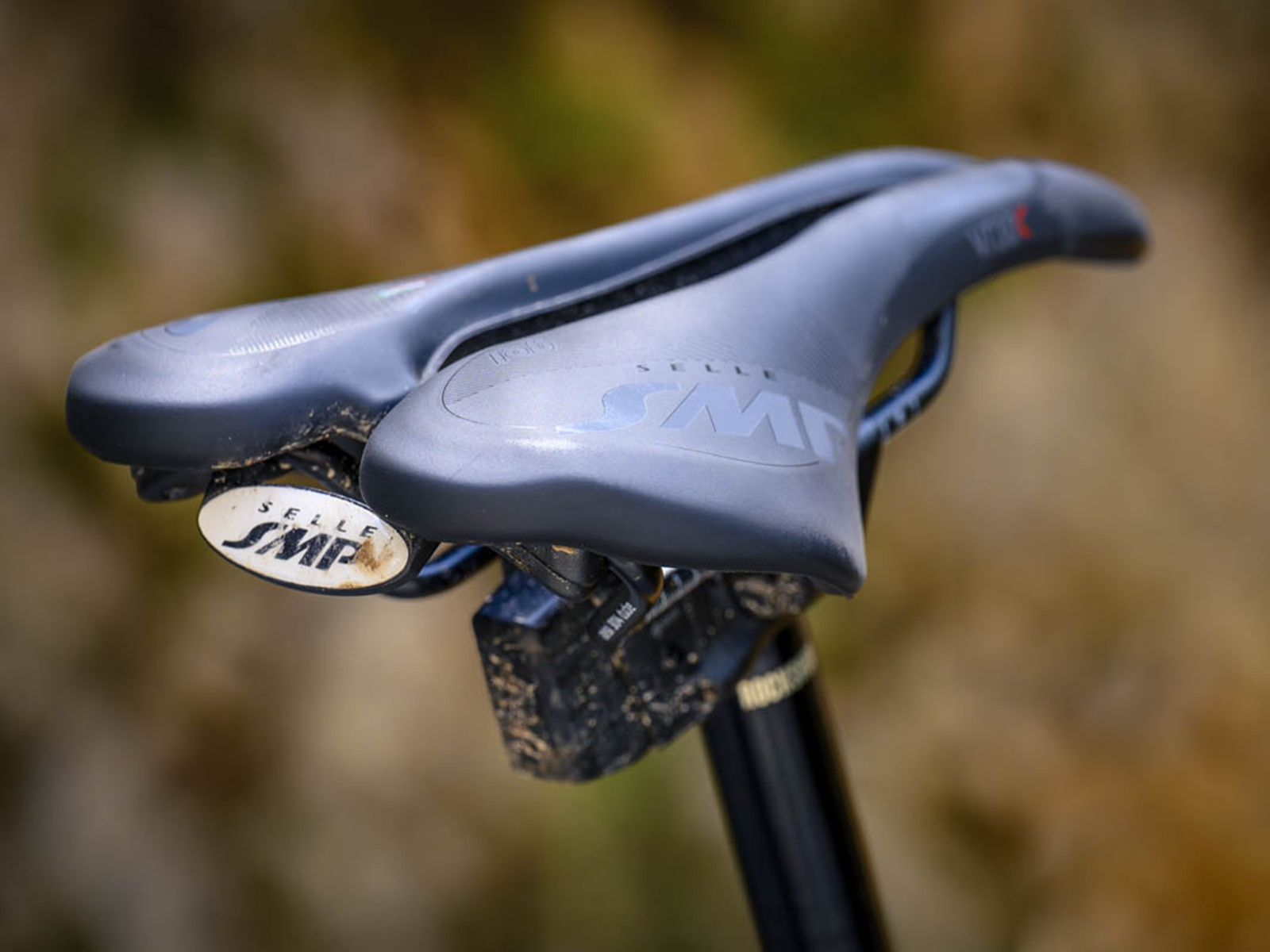
Choosing the right saddle is one of the most important factors in improving comfort, performance, and enjoyment of off-road riding. An unsuitable saddle can cause pelvic pain, chafing, numbness, or reduced pedaling efficiency. Conversely, a well-chosen saddle allows for better power transfer, maintains a stable position on the bike, and lets you fully enjoy your rides, whether it's trail riding, cross-country, enduro, or downhill. The shape, width, padding, materials, and type of riding all directly influence the choice. Therefore, it's essential to consider your body type, riding style, and riding habits before making your selection.