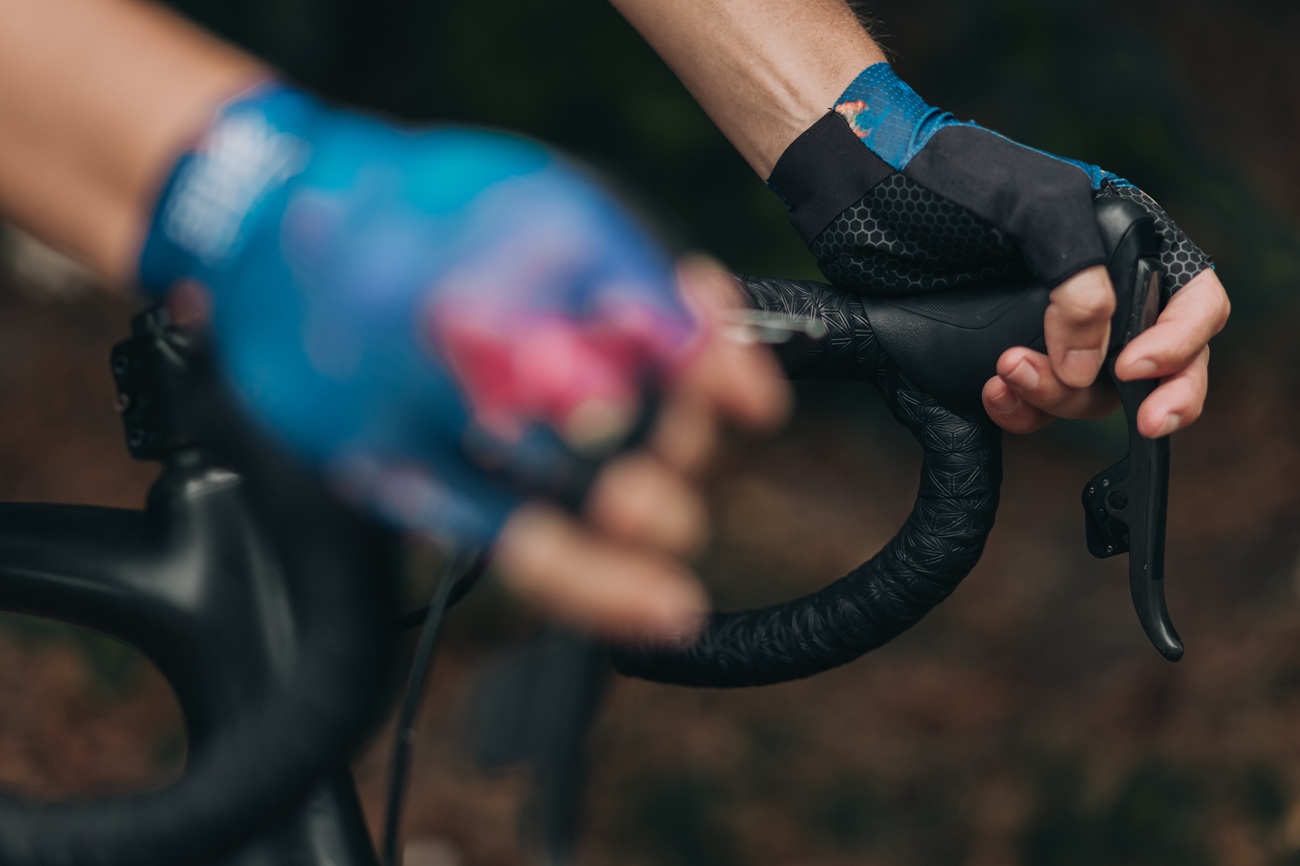
Choosing the right handlebar and stem is essential for a cyclist's comfort, performance, and safety. These components directly influence posture, handling, and power drivetrain . This guide will help you understand the criteria to consider when selecting the handlebar and stem best suited to your riding style.
Understanding the role of handlebar and of the stem
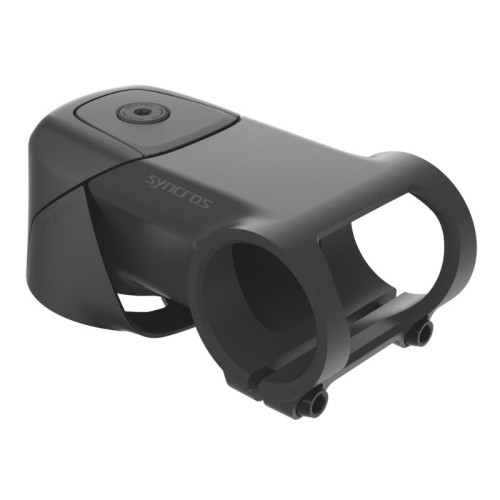
THE handlebar is the part of the bicycle on which the cyclist places their hands. It determines the position of the upper body, the opening of the chest, and the handling of the bicycle. stem connects the handlebar at the pivot of fork and influences the distance between the saddle and the handlebar, as well as the height of the cockpit.
The different types of hangers
There are several types of handlebars, each adapted to a specific use:
- Handlebar flat : Current in MTB, It offers a low position and good control on descents.
- Handlebar rise (rise): Popular in enduro and DH, it allows for a more upright position and better control on technical terrain.
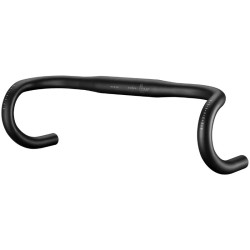
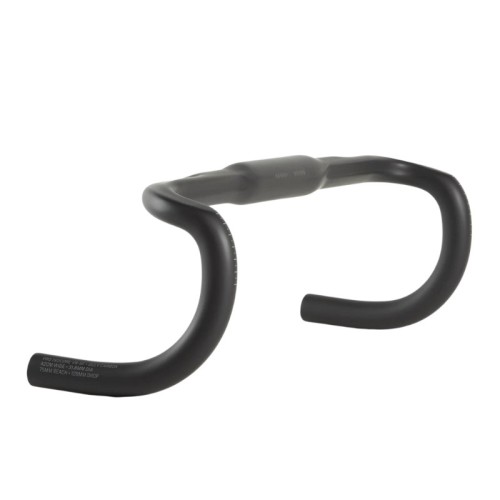
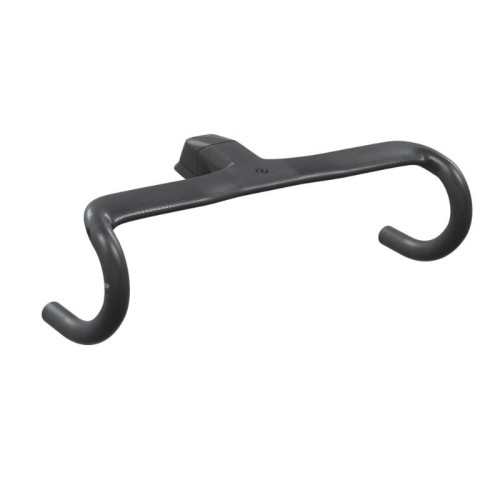
- Handlebar route (drop bar): Features a downward curve, offering multiple hand positions for aerodynamics and long-distance comfort.
- Handlebar butterfly : Used in cycle touring, it allows you to vary the hand positions to reduce fatigue.
- Handlebar gravel bike : Similar to handlebar road, with a flare for added stability on mixed terrain.
Choose the width of the handlebar
The width of the handlebar influences stability and comfort:
- Road Bike : The width of the handlebar generally corresponds to the width of the cyclist's shoulders.
- MTB : Wide handlebars (up to 800 mm) offer more stability on descents and better leverage for steering.
- Gravel bike : An intermediate width with a flare for more control on varied terrain.

The key dimensions of handlebar
Two important measures to consider:
- Reach : Horizontal distance between the center of the stem and the beginning of the curvature of the handlebar. A reach Shorter lengths promote a more upright posture.
- Drop: Height between the top and bottom parts of the handlebar. A low drop is more comfortable, a high drop is more aerodynamic.
The materials of the hangers
The choice of material affects weight, rigidity, and comfort:
- Aluminium: Affordable, rigid and durable, but transmits more vibrations.
- Carbon: Lightweight, absorbs vibrations, but more expensive and requires a assembly neat.
Buy your online handlebar And stem.
The different types of gallows
There stem influences the cyclist's position and the bike's responsiveness:
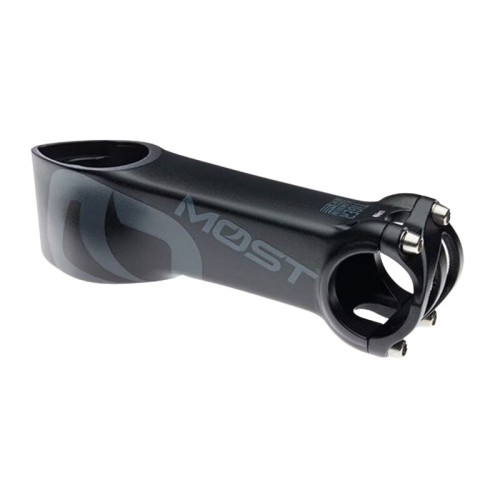
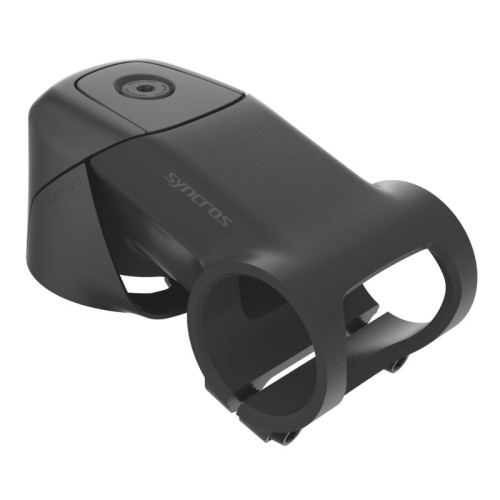
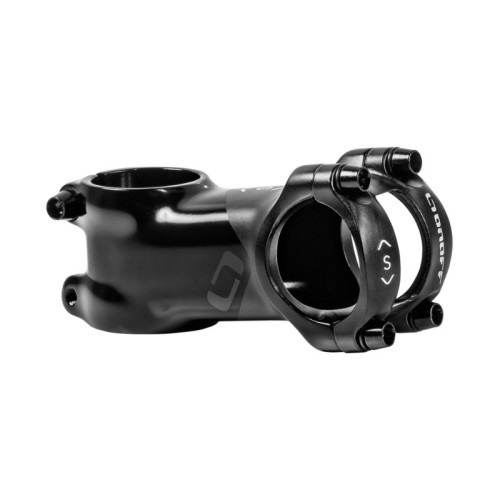
- Stem diver: Fits into the head tube, height adjustable, common on vintage or city bikes.
- Stem aheadset: It attaches around the pivot of fork, more rigid and lighter, standard on modern bikes.
Choose the length of the stem
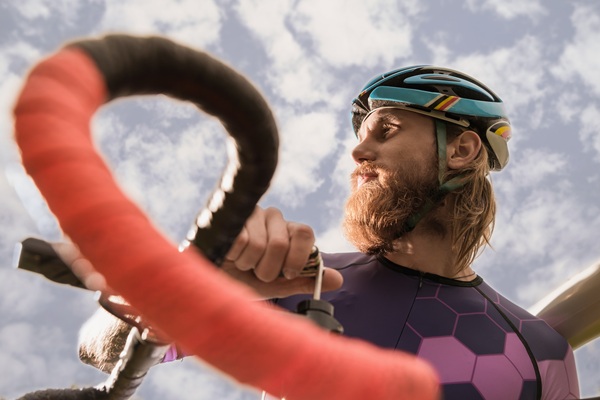
The length of the stem affects posture and handling:
- Stem short : Offers a more upright riding position, sharper steering, adapted to MTB technique.
- Stem long : Lengthens the position, stabilizes the direction, preferred in road Bike for aerodynamics.
The angle of the stem
The angle determines the inclination of the handlebar :
- Positive angle: Enhances the handlebar, a more upright and comfortable position.
- Negative angle: Lower the handlebar, a more aerodynamic position.
The materials of the gallows
As with the hangers, the material of the stem influence its characteristics:
- Aluminium: Lightweight, rigid, and affordable.
- Carbon: Even lighter, absorbs vibrations, but more expensive and requires special attention during the assembly.
Compatibility handlebar-stem
It is crucial to verify the compatibility between the handlebar and the stem :
- Diameter of handlebar in the center: Must correspond to the clamping diameter of the stem (often 31.8 mm).
- Pivot diameter fork : Must correspond to the diameter of the stem (often 1 1/8" or 28.6 mm).
The combos handlebar-stem integrated
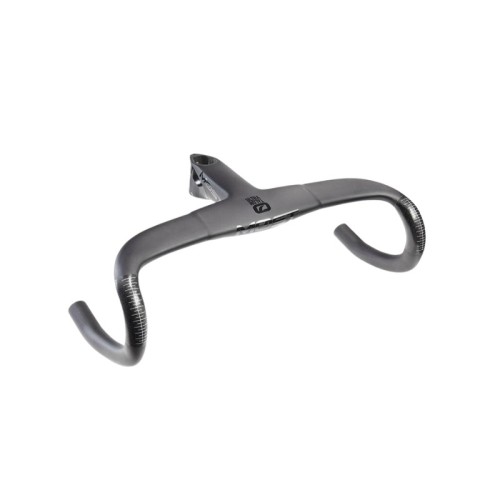
Some models include the handlebar and the stem in one piece:
- Benefits : Weight reduction, improved rigidity, sleek aesthetics.
- Disadvantages: Fewer adjustment options, higher cost, more complex replacement.
Adapting the cockpit to one's body type
A good adjustment of handlebar and of the stem This allows you to adopt a natural and effective position. Here are some tips to keep in mind:
- The distance between the saddle and the handlebar should help prevent pain in the shoulders, wrists or back.
- A handlebar Being too low can lead to overuse of the lumbar region, especially over long distances.
- A adjustment Being too high can alter aerodynamics and power transfer.
- Use a stem Adjustable settings can be a good temporary solution to find the right position.
Influence on driving and performance
The duo handlebar-stem directly affects the bike's handling:
- A short, high cockpit facilitates quick acceleration and technical maneuvers. MTB.
- A long and low post is more stable at high speed and promotes aerodynamics, suitable for road cycling or triathlon.
- The good adjustment It helps prevent pain, limit muscle fatigue and improve endurance.
Ergonomics and hand comfort
The choice of handlebar It also influences hand comfort:
- A handlebar with backsweep (slight backward tilt) allows for natural wrist alignment.
- Ergonomic grips or ribbons handlebar can reduce pressure and improve long-term comfort.
- In MTB, the extremities of handlebar (bar-ends) can offer useful additional grips on climbs.
Choose according to your practice
Here are some general guidelines depending on your type of practice:
| Practical | Type of handlebar | Type of stem |
|---|---|---|
| Road | Narrow, lightweight drop bar | Long, low angle |
| MTB trail/enduro | Large with rise | Short, brief |
| City Bike | Flat or slightly spicy | Adjustable, comfortable |
| Gravel bike | Drop bar with flare | Intermediate, balanced |
| Cycle touring | Butterfly or raised | Comfortable, adjustable |
The choice of handlebar and of the stem It's not just about style or trends. It's a key factor in performance, comfort, and enjoyment on the bike. Adapting these components to your body type, riding style, and personal preferences helps prevent pain, improves bike control, and optimizes your rides. Don't hesitate to try different setups or consult a bike fitter to fine-tune your adjustments. A well-fitted bike means a freer and more efficient cyclist.
FAQ
What is the purpose of a stem bike ?
It connects the handlebar to the fork and influences posture, bike responsiveness and the distance between the saddle and the handlebar.
What is the correct width of handlebar ? ?
It depends on your body type and your activity. On the road, it generally corresponds to shoulder width. MTB, A handlebar A larger size offers more control.
Can I ride any handlebar on my stem ? ?
No, the diameter of the handlebar corresponds to that of the necklace of the stem (often 31.8 mm). Also check compatibility with the type of stem (plunger or aheadset).
What is the difference between a stem short and long ?
A stem A short one makes the steering more responsive and the riding position more upright. stem The long length increases the position and stabilizes the bike at high speed.
Why choose a handlebar Made of carbon ?
It is lighter and filters vibrations better than aluminum, but it is more expensive and requires more care during installation.

Related Posts
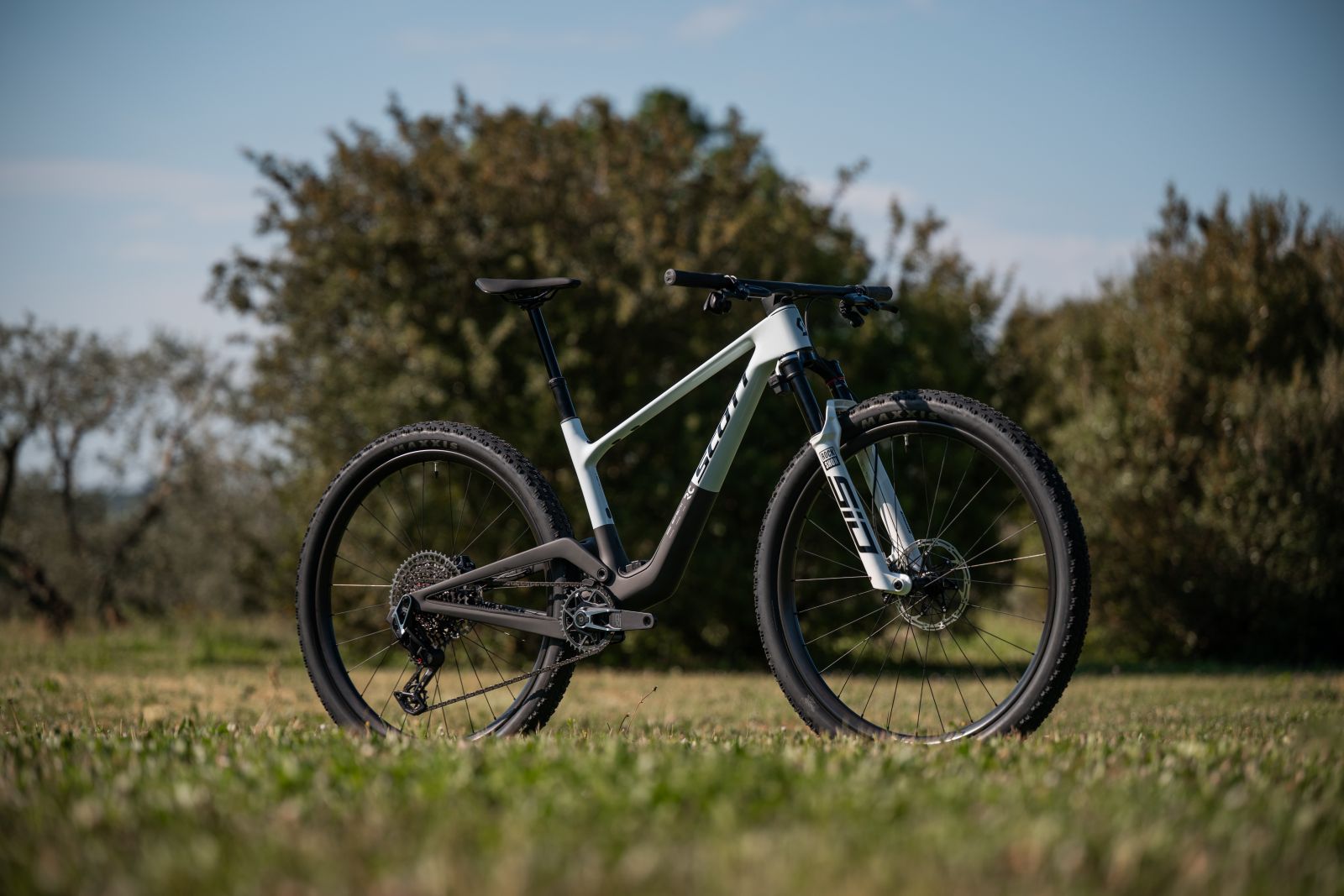
The Scott Spark RC World Cup and Expert 2027 push the boundaries of XC even further. Flight Attendant suspension, Syncros carbon wheels and top-level performance: discover our full review.
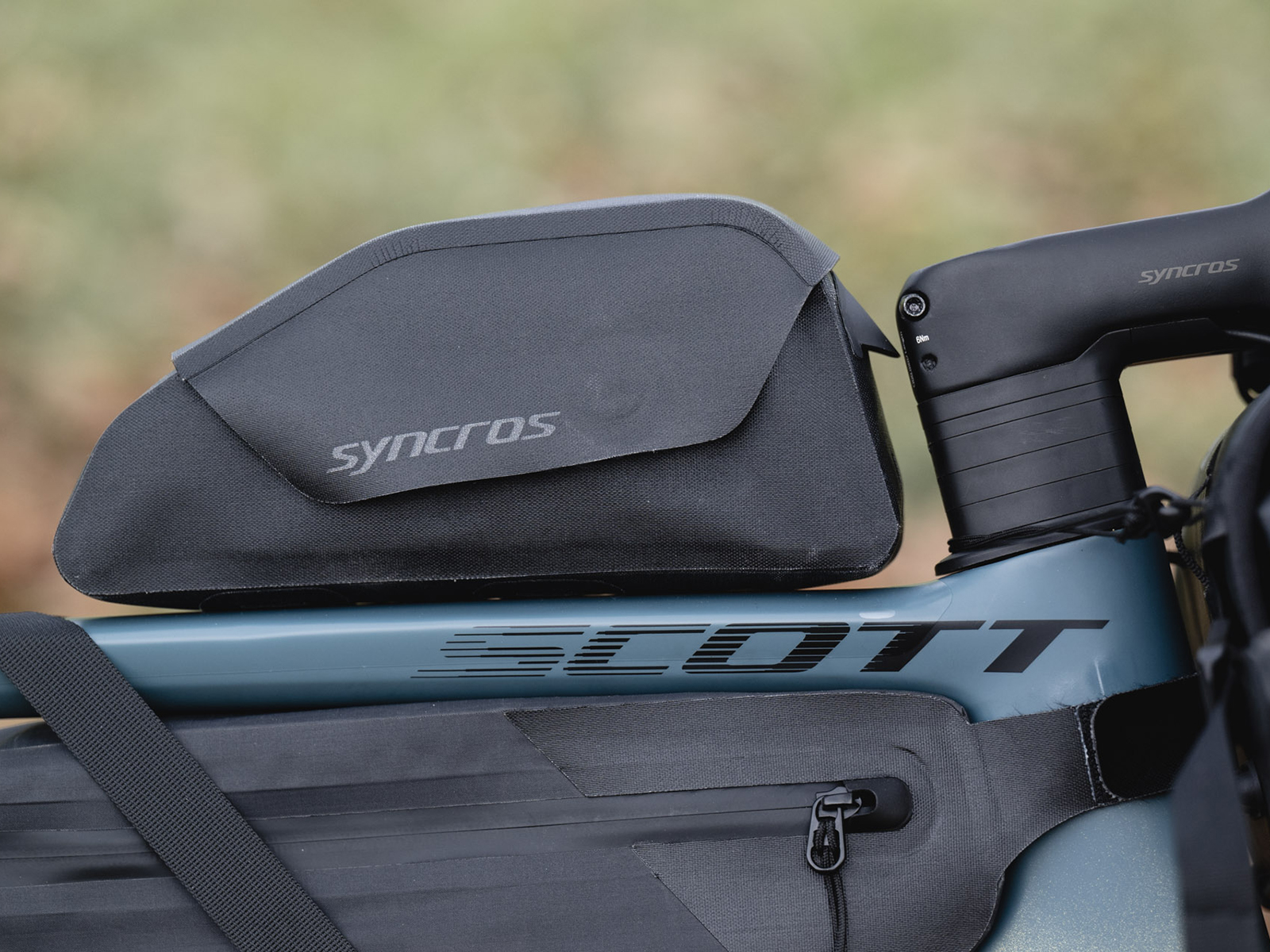
The pannier has become an essential piece of equipment for many cyclists. Whether for daily commutes, bike riding, long rides, cycle touring, bikepacking, or simply leisurely outings, it allows you to carry your belongings comfortably without carrying a load on your back. A well-chosen pannier improves comfort, maintains the bike's balance, and makes organizing your gear easier.
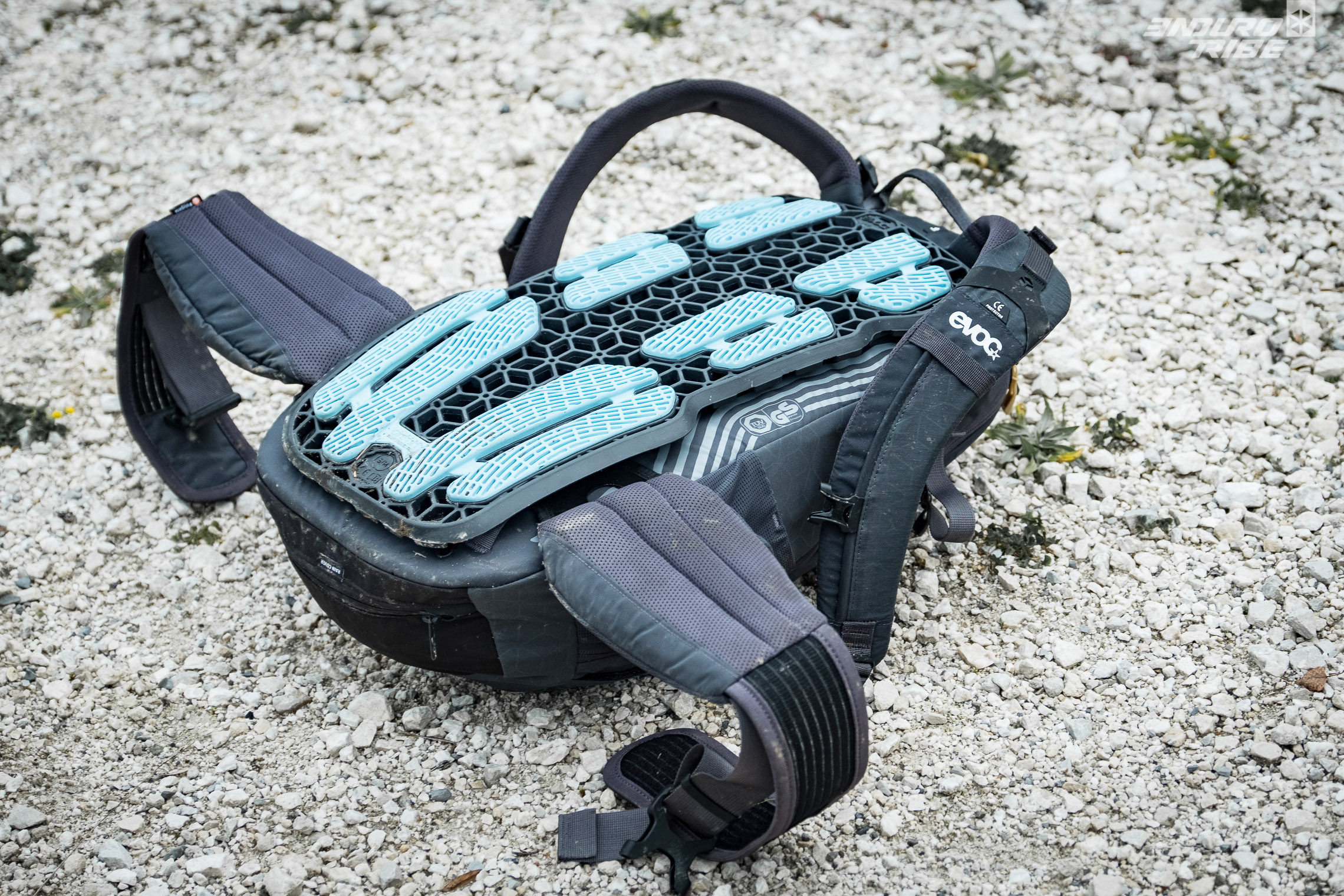
Choosing a cycling backpack requires finding the right balance between comfort, capacity, stability, rain protection, and easy access to your gear. A good bag shouldn't just carry things. It should stay securely in place, not interfere with pedaling, minimize back perspiration, and effectively protect essential items. Whether you're commuting to work, going for a sporting activity, cycling around town, touring by bike, or hiking, your needs will differ.
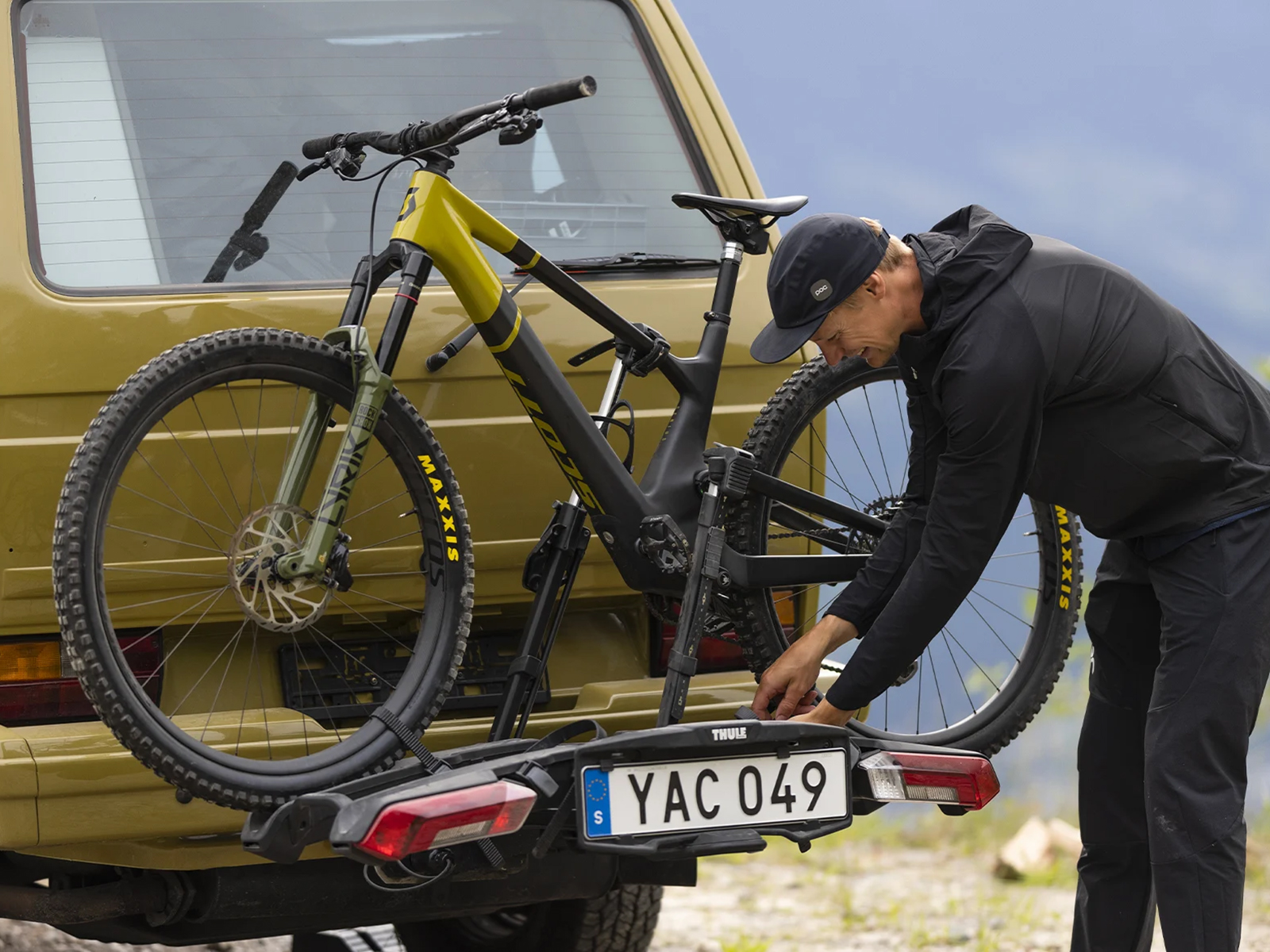
Choosing the right bike rack is essential for transporting your bikes safely, protecting your equipment, and enjoying a worry-free journey. Given the wide variety of systems available, identifying the best solution for your vehicle, the number of bikes you're carrying, or your intended use isn't always easy. Between hitch-mounted, tailgate-mounted, and roof-mounted models, there are many differences in terms of load capacity, ease of installation, compatibility, and user-friendliness.
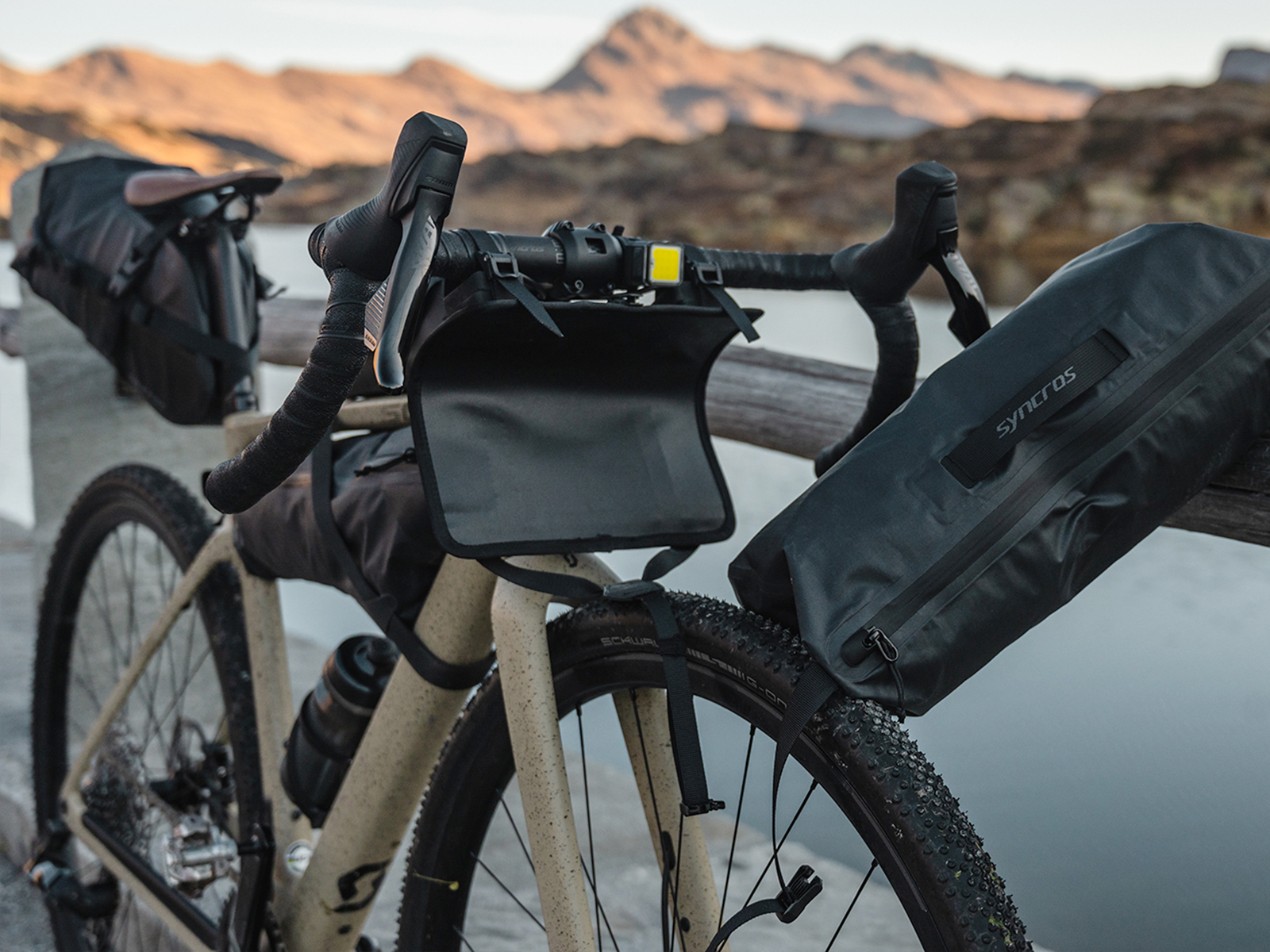
Bikepacking is an adventure cycling practice that involves traveling independently with a lightweight load attached directly to the bicycle. Unlike traditional cycle touring, which uses racks and large panniers, bikepacking favors compact bags distributed across the frame , handlebar , and tige de saddle . This approach allows for a bike that remains agile, efficient, and suitable for varied terrain, whether roads, tracks, forest paths, or trails.
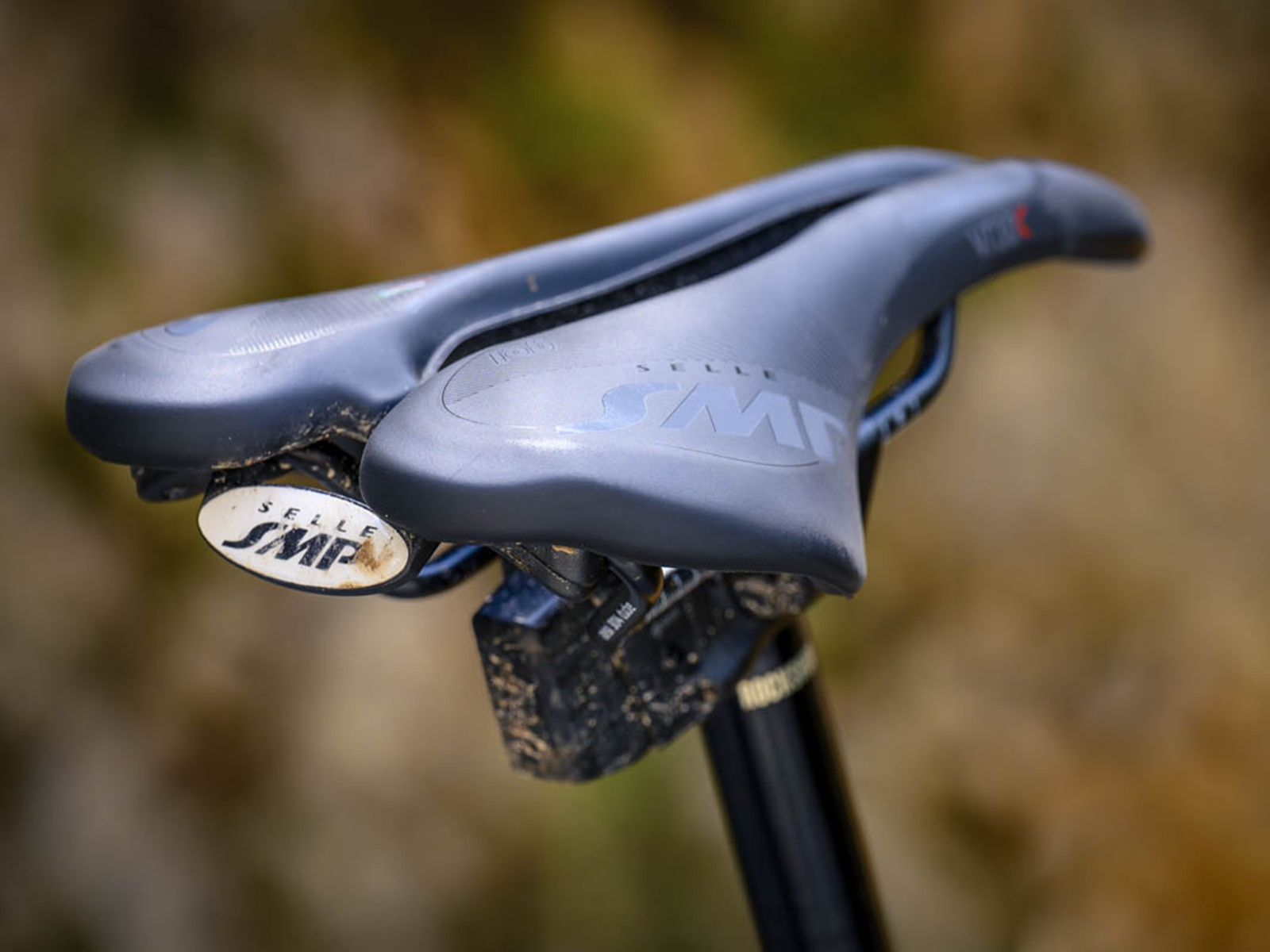
Choosing the right saddle is one of the most important factors in improving comfort, performance, and enjoyment of off-road riding. An unsuitable saddle can cause pelvic pain, chafing, numbness, or reduced pedaling efficiency. Conversely, a well-chosen saddle allows for better power transfer, maintains a stable position on the bike, and lets you fully enjoy your rides, whether it's trail riding, cross-country, enduro, or downhill. The shape, width, padding, materials, and type of riding all directly influence the choice. Therefore, it's essential to consider your body type, riding style, and riding habits before making your selection.