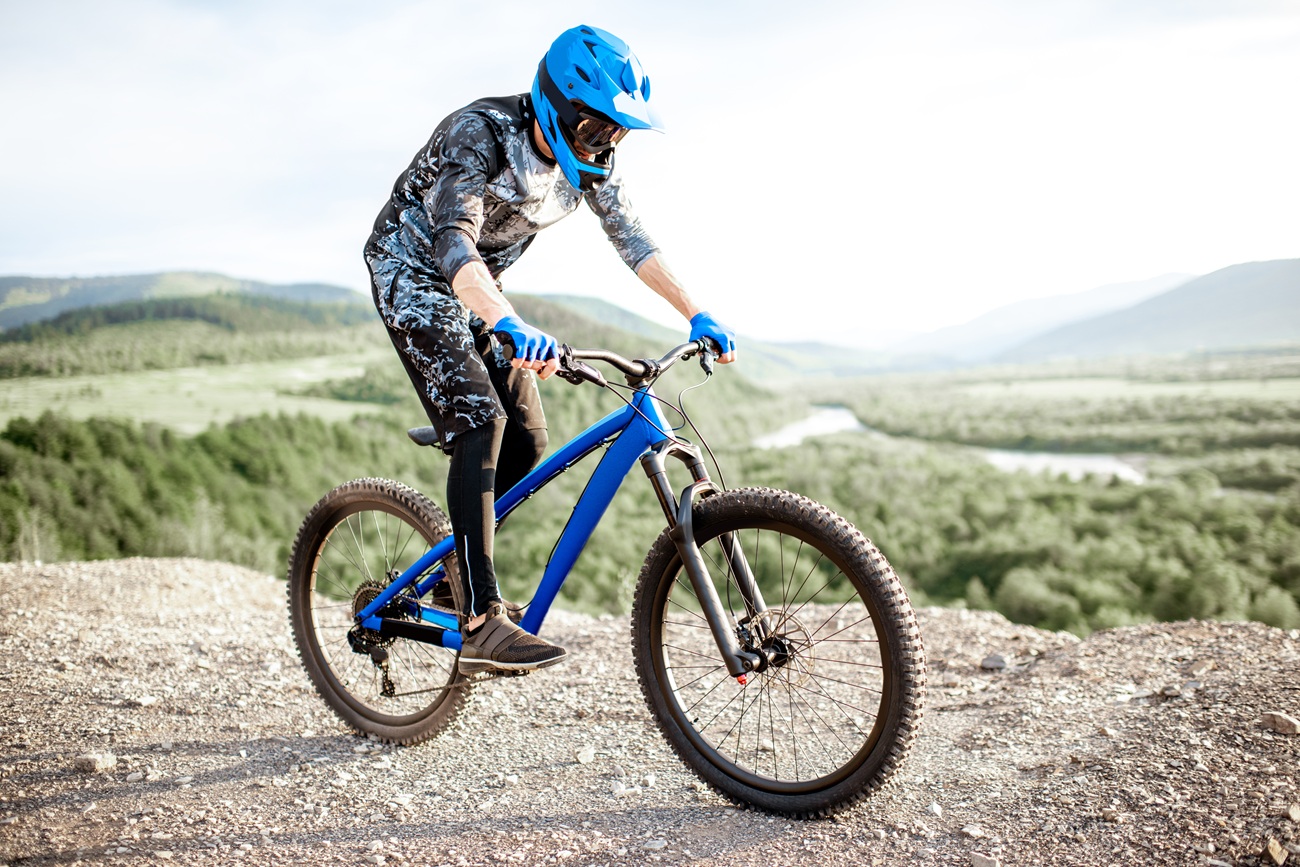
Choosing a cross-country MTB requires understanding your needs, skill level, and goals. This type of MTB , designed for performance and efficiency, is the ideal companion for racers and those who enjoy long, fast rides. It stands out for its lightness, performance, and precise handling. With a multitude of models on the market, making the right choice is essential for progress and enjoying the trails.
The essential characteristics of a MTB cross country
A cross-country mountain bike is optimized for speed, agility, and efficiency. It is often lightweight, stiff, and designed to maximize pedaling efficiency. The weight of the frame is a key criterion. The lighter the bike, the easier it is to accelerate and handle uphill.
The geometry of frame plays a central role. A head angle closed and a top tube Long wheels promote high-speed stability and climbing efficiency. The components must also keep pace, especially a drivetrain reliable, responsive brakes and high-performance wheels.
A good MTB cross country combines these elements to offer a machine tailored for competition or sustained sporting outings.
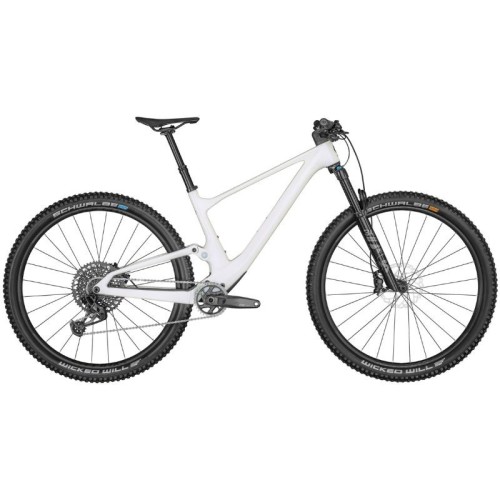
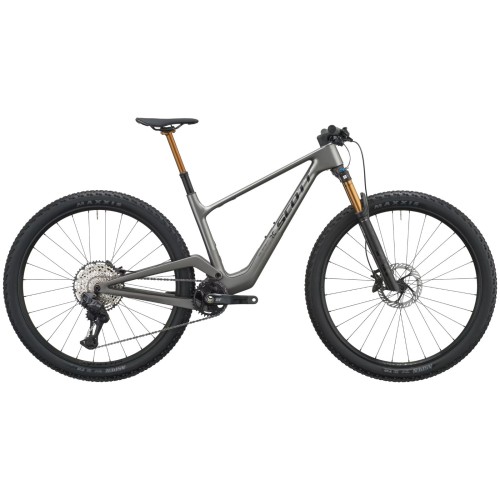
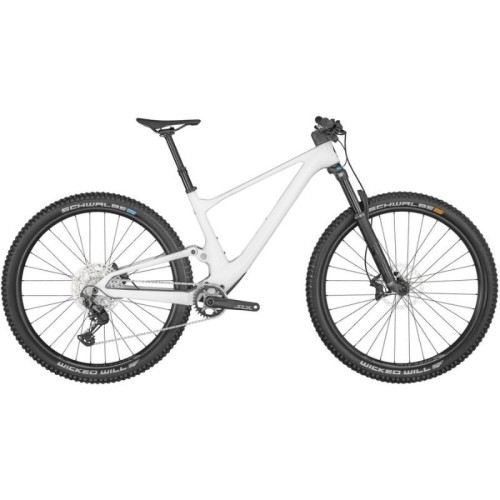
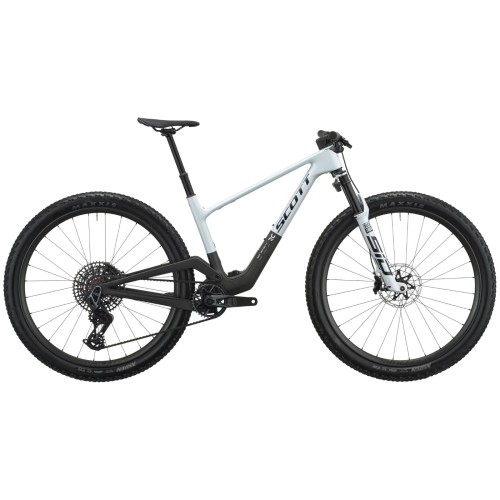
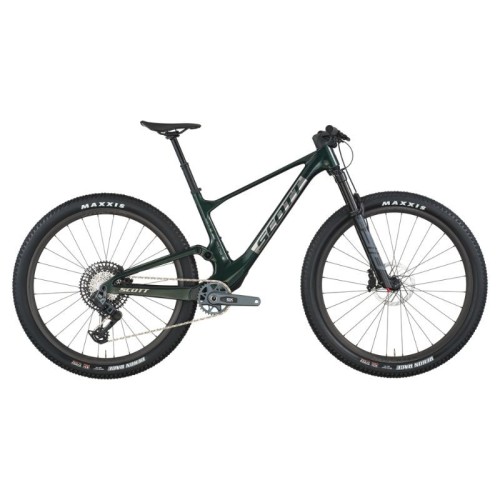
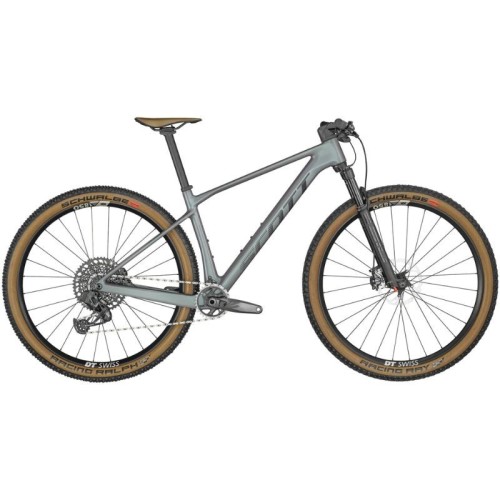
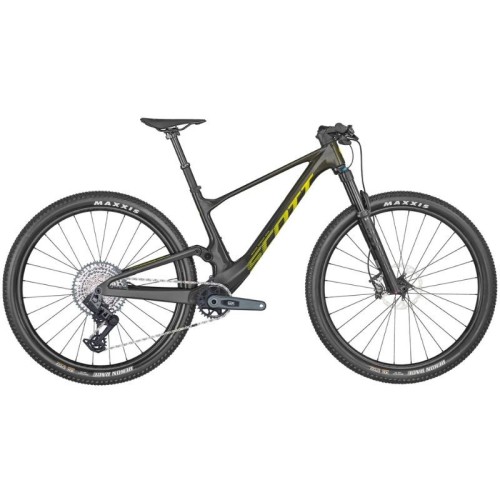
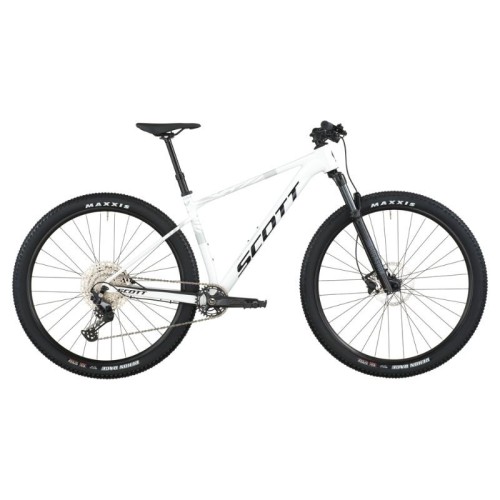
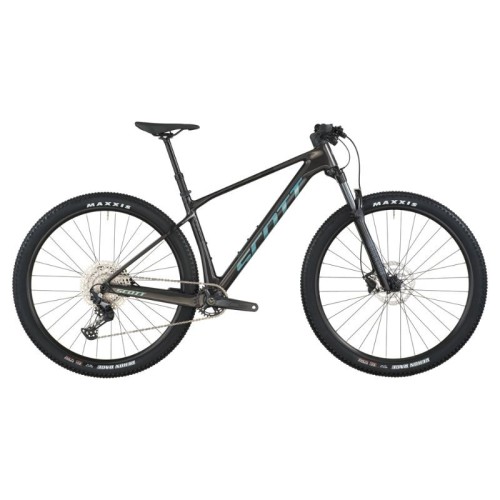
Choosing between a hardtail or full-suspension bike MTB cross country
The hardtail is often the preferred choice due to its lightness and mechanical simplicity. Without rear suspension, it offers direct power transfer to the rear wheel, which improves efficiency. It's perfect for rolling, dry, or less technical terrain.
The suspended design adds a rear shock The rear suspension provides added comfort and control, especially on rough, rooty terrain or fast descents. While it is heavier, the extra comfort and traction can make a difference in certain conditions.
Depending on your background and preferences, a MTB cross country A full suspension system can give you a definite advantage, especially on technical circuits or during long stage races.
The materials of frame to prioritize for a MTB cross country
The choice of frame directly influences the performance and handling of the bicycle. Aluminum is common due to its excellent value for money. It is stiff, durable, and affordable. Carbon fiber, on the other hand, is lighter and more efficient. It absorbs vibrations better and offers an excellent stiffness-to-weight ratio.
For competitors, a frame Carbon fiber is often essential. It reduces the overall weight of the bike while improving handling. Some very high-end models also offer frames with carbon fiber specifically designed for high-stress areas to further enhance efficiency.
A MTB cross country High-end carbon fiber is therefore the ideal choice for those aiming for maximum performance, but a good frame A well-equipped aluminum structure remains very competitive.
Choosing the right size and geometry for your MTB cross country
A poorly fitted bike can ruin all your rides. The size of the frame It must match your body type, but also your riding style. A MTB Being too big or too small leads to poor posture, lack of control, and noticeable discomfort.
It is important to look at data such as the length of the top tube, the height of stack and of the reach. This allows you to achieve a suitable position for endurance and riding. Feel free to adjust the stem, there saddle and the handlebar to refine the adjustment.
A MTB cross country A well-sized bike will allow you to make the most of your physical capabilities, optimizing your position and performance.
Drivetrain and development for cross-country use
There drivetrain is a fundamental element in choosing your MTB. For XC riding, the most common choice is to opt for a drivetrain Single chainring (1x12). This system simplifies handling, lightens the bike and reduces the risk of derailment.
The most commonly used groupsets are Shimano Deore, SLX, XT or SRAM NX, GX, and X01. The higher the range, the smoother and more precise the shifting. Wide-range cassettes (10-50 or 10-52 teeth) allow for efficient climbing while maintaining good top speed.
A MTB cross country well equipped in drivetrain Modern equipment is essential to maintain fluidity on all types of terrain, both uphill and on flat ground.
Wheels and tires suitable for a MTB cross country
Wheels play a key role in a bike's handling. Lightweight, stiff, and well-built, they allow for better responsiveness and optimal control. Carbon rims offer excellent performance, but aluminum rims remain reliable and more affordable.
THE assembly Tubeless tires have become essential for XC riding. They allow for lower pressure, increased comfort, and reduced punctures. Tires should be chosen according to the terrain: low tread for dry conditions, more pronounced tread for muddy conditions.
On a MTB cross country, 2.2 to 2.35 inch tires offer the right compromise between performance, comfort and grip, with a profile adapted to speed.
Front suspension: fork suitable for cross-country
There fork The suspension is one of the most crucial components in cross-country racing. It needs to be lightweight, precise, and responsive. Typical travel is 100mm, sometimes 120mm on more trail-oriented models. Brands like Fox (32, 34 SC) and RockShox (SID, Reba) dominate the market.
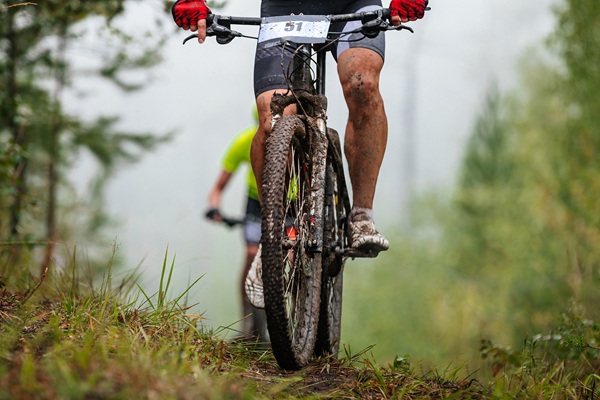
A good fork Improves control, reduces fatigue, and allows for better handling on rough terrain. Models with locking brakes handlebar are preferred for dynamic and adaptable driving depending on the terrain.
A MTB cross country With a quality front suspension, you will be able to tackle descents with more confidence while maintaining excellent traction on climbs.
Components and equipment to consider for a MTB cross country
Besides the frame and the drivetrain, The components strongly influence overall performance. A lightweight cockpit (stem short, handlebar (Flat or semi-raised) improves handling. stem of saddle It can be rigid or telescopic depending on preferences.
There saddle It must offer good support without hindering pedaling. clipless pedals are recommended for better pedaling efficiency. The brakes rotor Hydraulics are essential for powerful and adjustable braking.
A good MTB cross country is a coherent set of lightweight, reliable components adapted for sustained sporting activity.
Recognized brands in MTB cross country
Several brands stand out for their expertise in cross-country cycling. These include Specialized, Trek, Cannondale, Lapierre, Orbea, and Cube. These manufacturers offer comprehensive ranges with modern geometries and high-quality components.
The choice of brand often depends on geometry, aesthetic preferences, availability, and personal experience. It's important to try several models to feel the differences in handling and comfort.
At the house of Bicycle Dream, You can find a selection of MTB cross country high-performing with expert advice to guide your choice.
What budget is needed for a good MTB cross country
The price varies considerably depending on the materials and components. An entry-level aluminum model can start at around €1000. It is suitable for beginners or occasional users.
The mid-range, between €2000 and €3500, offers excellent bikes for amateur competitors, with frame carbon, drivetrain 1x12 drivetrain and hydraulic brakes. Above €4,000, you enter the very high-end range, with models designed for racing. UCI.
A MTB cross country Being well-equipped is a long-term investment. It will serve you for a long time and allow you to progress without technical limitations.
FAQ
What is the difference between a MTB cross-country and a MTB trail ?
THE MTB Cross-country is optimized for speed, lightness, and endurance. The MTB trail is more versatile, comfortable and geared towards the pleasure of riding on technical terrain.
A MTB Is cross-country suitable for beginners ?
Yes, especially the semi-rigid models. They are lightweight, affordable, and allow for rapid progress in technique and physical fitness.
Do we need a MTB Full-suspension cross-country bike for competitions ?
Not necessarily. A hardtail remains very efficient on rolling terrain. A full-suspension bike is recommended for technical courses or long distances with significant elevation gain.
What is the ideal tire pressure for a MTB cross-country ?
Generally, between 1.6 and 2 bar for tubeless tires, depending on your weight and the terrain. Too high a pressure reduces grip, while too low a pressure increases the risk of pinch flats.
What are the advantages of carbon for a MTB cross-country ?
Carbon fiber is lighter, stiffer, and absorbs vibrations better. It improves overall performance but remains more expensive than aluminum.
Is it a MTB Can cross-country be used for hiking ?
Yes, as long as the terrain isn't too rough. Their performance and lightness make them perfect for long distances on easy trails.

Related Posts
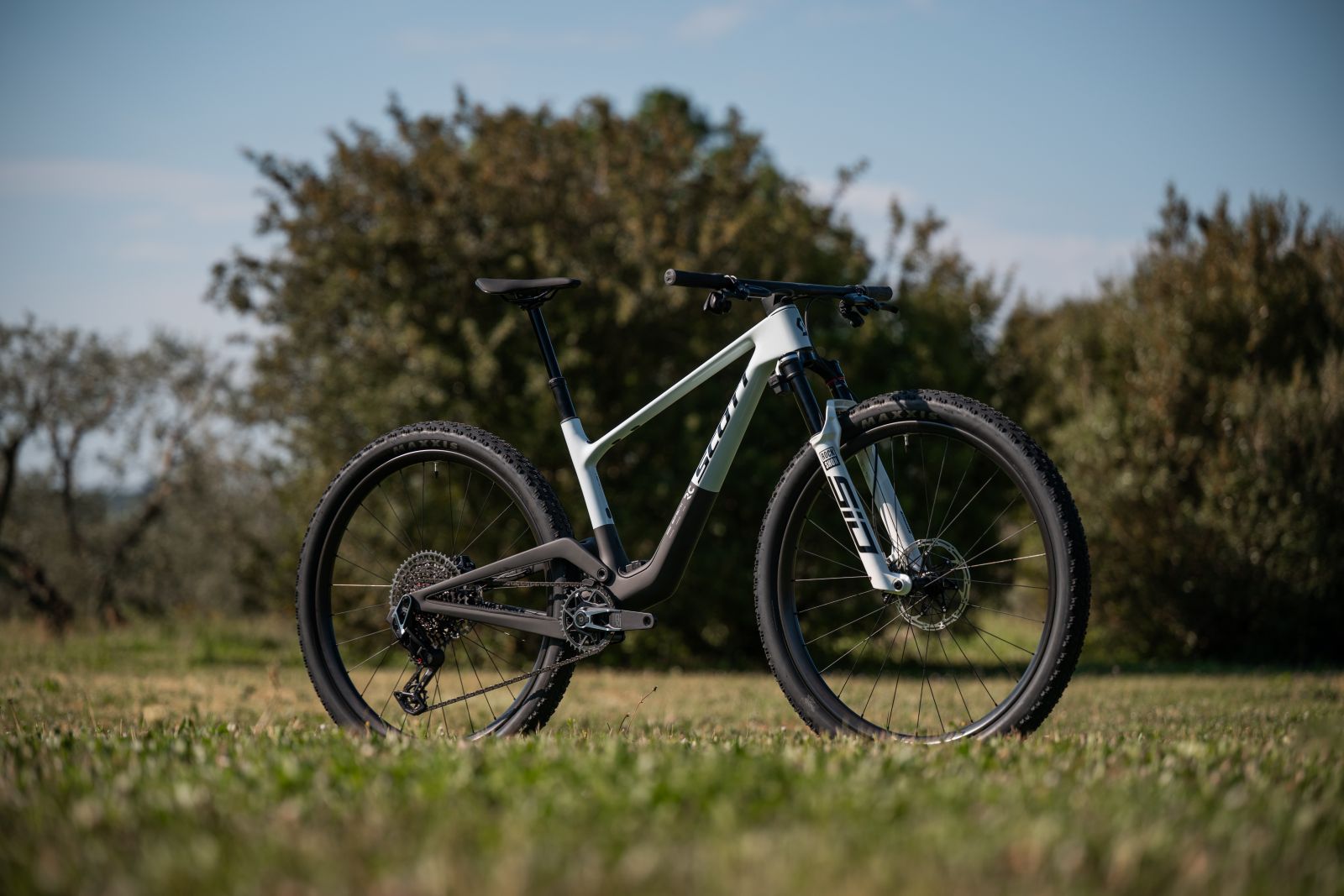
The Scott Spark RC World Cup and Expert 2027 push the boundaries of XC even further. Flight Attendant suspension, Syncros carbon wheels and top-level performance: discover our full review.
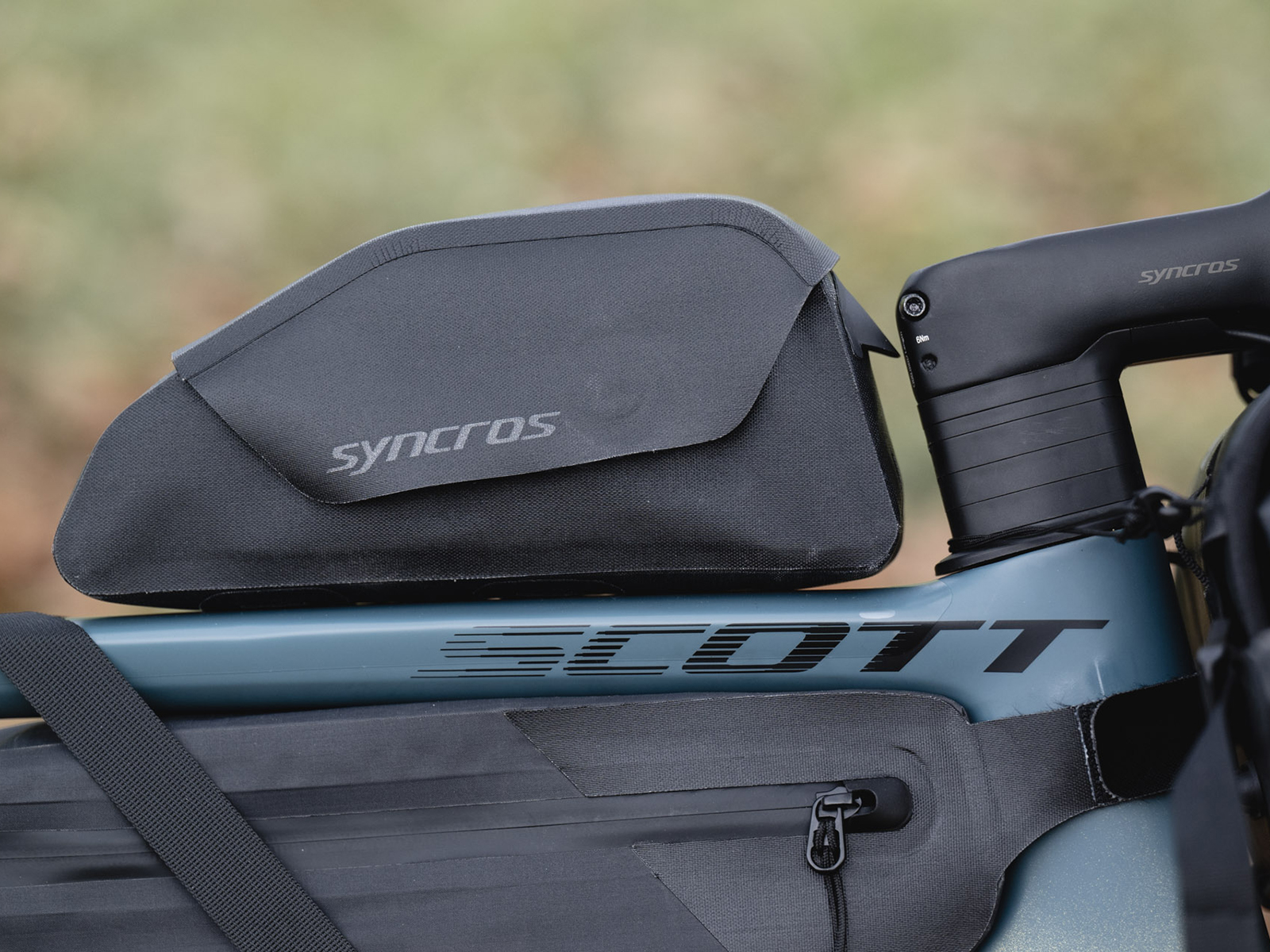
The pannier has become an essential piece of equipment for many cyclists. Whether for daily commutes, bike riding, long rides, cycle touring, bikepacking, or simply leisurely outings, it allows you to carry your belongings comfortably without carrying a load on your back. A well-chosen pannier improves comfort, maintains the bike's balance, and makes organizing your gear easier.
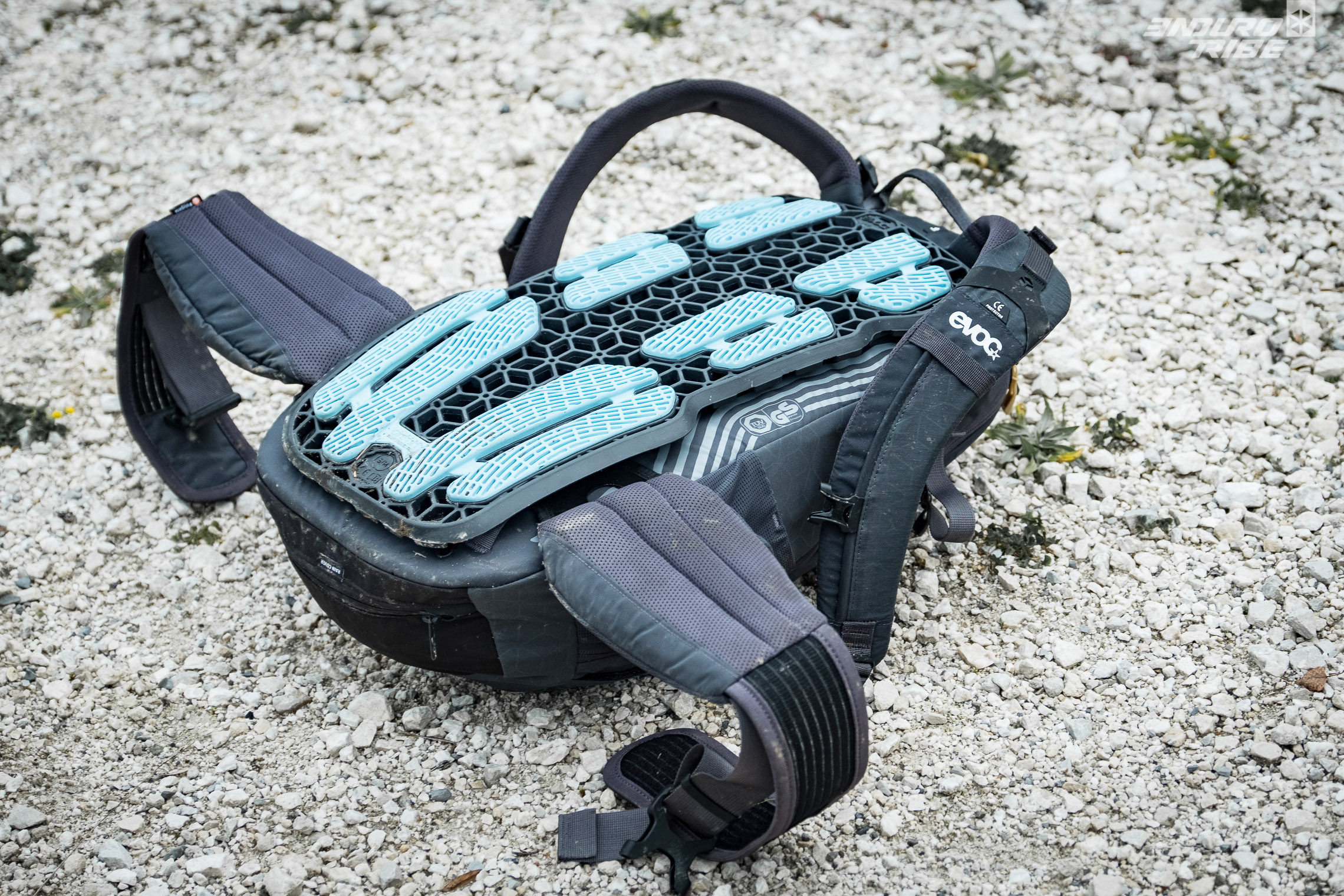
Choosing a cycling backpack requires finding the right balance between comfort, capacity, stability, rain protection, and easy access to your gear. A good bag shouldn't just carry things. It should stay securely in place, not interfere with pedaling, minimize back perspiration, and effectively protect essential items. Whether you're commuting to work, going for a sporting activity, cycling around town, touring by bike, or hiking, your needs will differ.
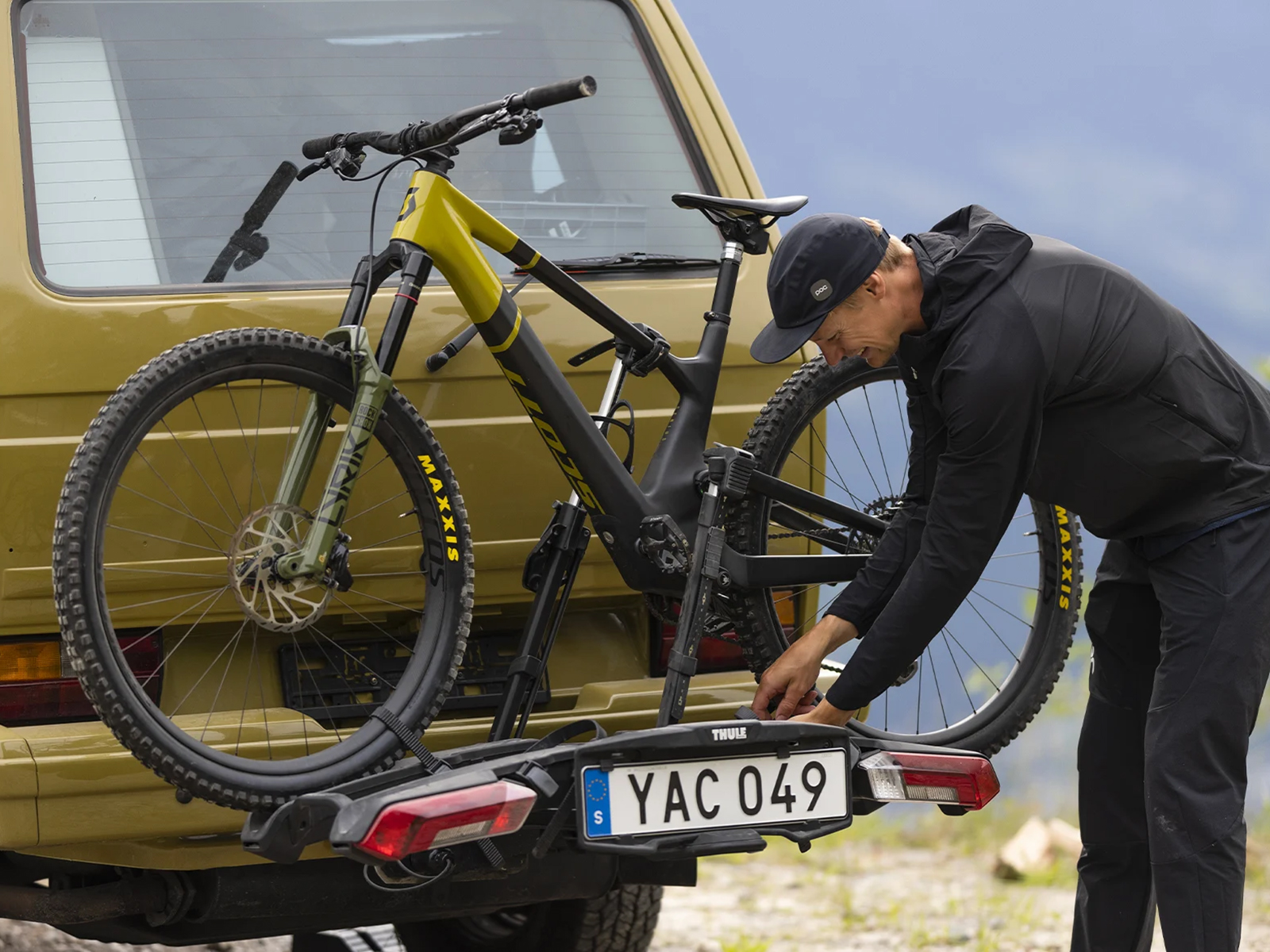
Choosing the right bike rack is essential for transporting your bikes safely, protecting your equipment, and enjoying a worry-free journey. Given the wide variety of systems available, identifying the best solution for your vehicle, the number of bikes you're carrying, or your intended use isn't always easy. Between hitch-mounted, tailgate-mounted, and roof-mounted models, there are many differences in terms of load capacity, ease of installation, compatibility, and user-friendliness.
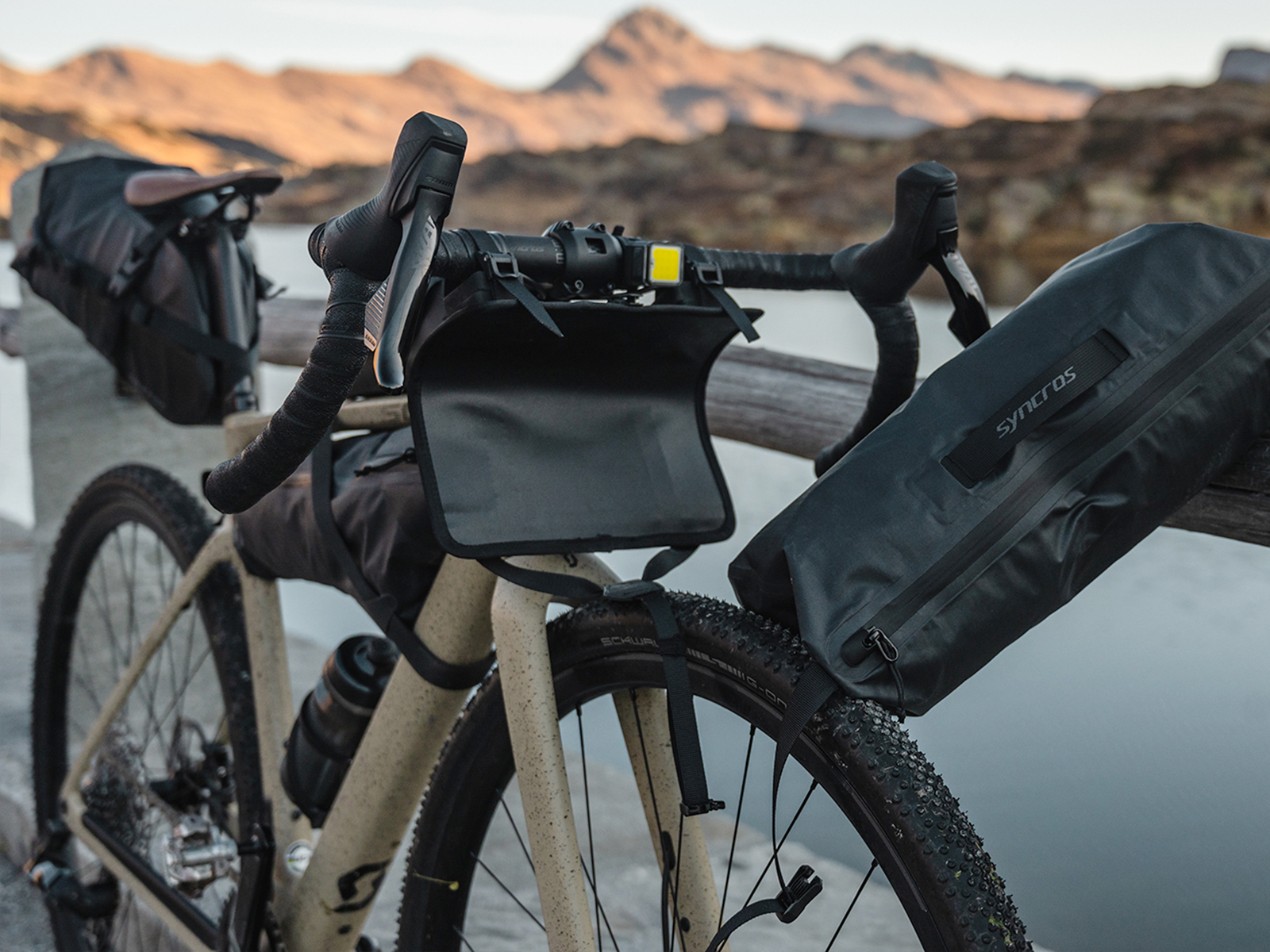
Bikepacking is an adventure cycling practice that involves traveling independently with a lightweight load attached directly to the bicycle. Unlike traditional cycle touring, which uses racks and large panniers, bikepacking favors compact bags distributed across the frame , handlebar , and tige de saddle . This approach allows for a bike that remains agile, efficient, and suitable for varied terrain, whether roads, tracks, forest paths, or trails.
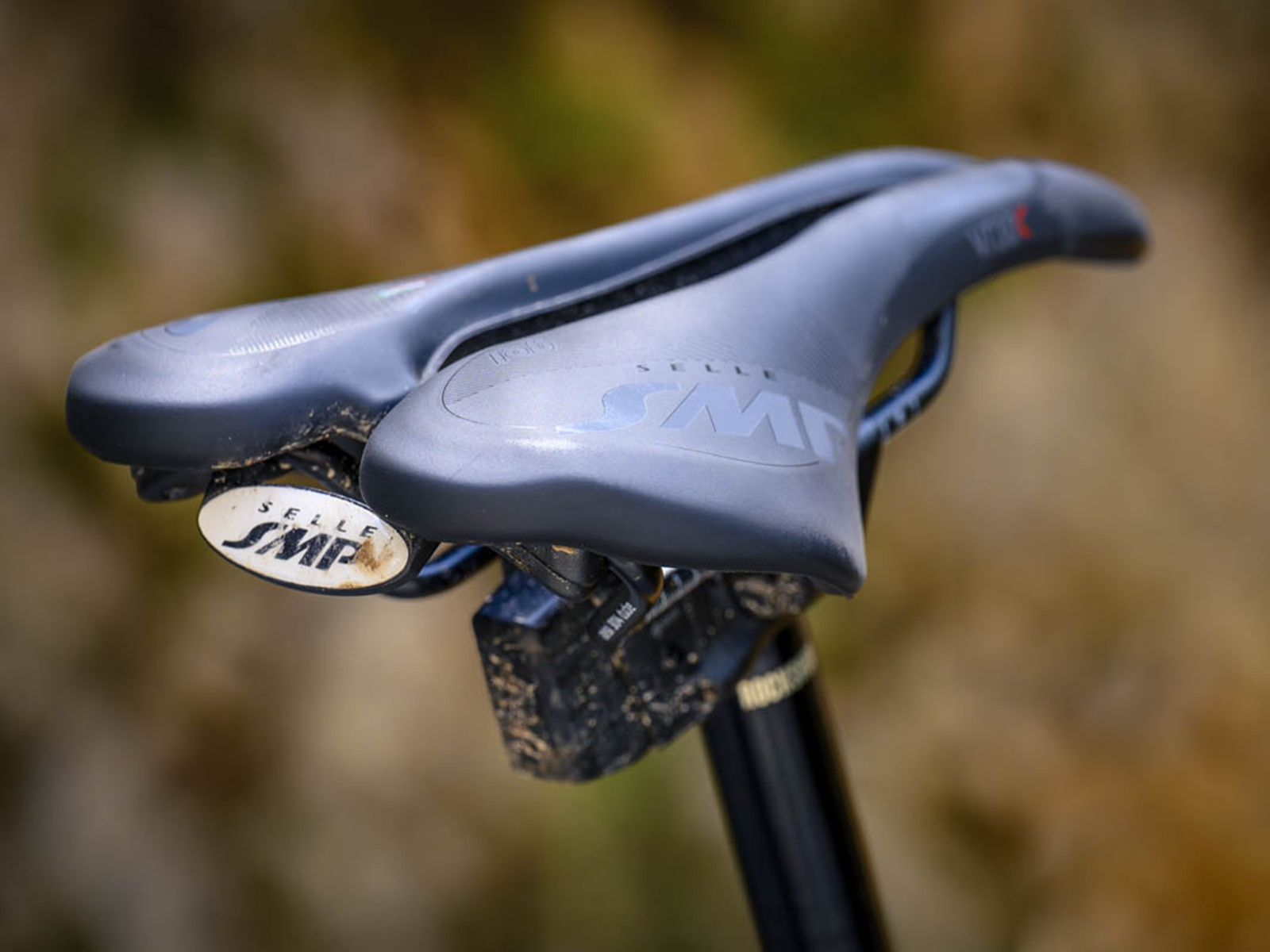
Choosing the right saddle is one of the most important factors in improving comfort, performance, and enjoyment of off-road riding. An unsuitable saddle can cause pelvic pain, chafing, numbness, or reduced pedaling efficiency. Conversely, a well-chosen saddle allows for better power transfer, maintains a stable position on the bike, and lets you fully enjoy your rides, whether it's trail riding, cross-country, enduro, or downhill. The shape, width, padding, materials, and type of riding all directly influence the choice. Therefore, it's essential to consider your body type, riding style, and riding habits before making your selection.