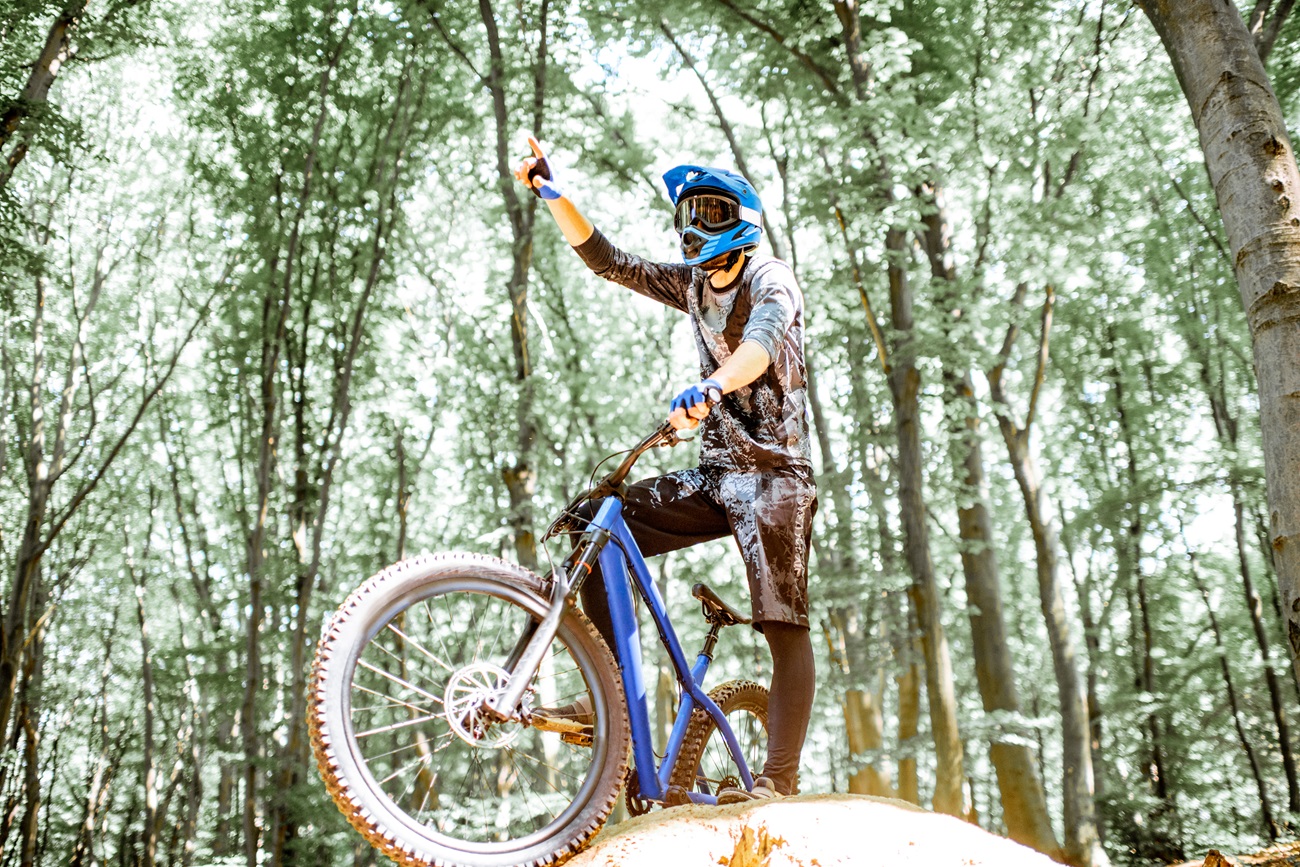
Choosing a MTB (MTB) is a crucial step for any cyclist, whether beginner or experienced. The market offers a wide variety of models, each designed to meet specific needs: touring, cross-country, all-mountain, enduro, or downhill. It's important to clearly understand your expectations and the type of riding you want to do to choose the right bike for you. This guide will provide all the necessary advice to help you choose your MTB wisely.
What type of MTB For what purpose ?
MTB hiking
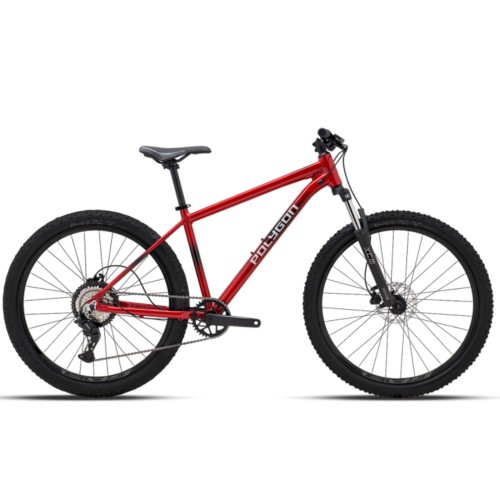
THE MTB hiking is ideal for those looking to enjoy outdoor excursions without necessarily focusing on performance. This type of bike is perfect for recreational use, with a front suspension (semi-rigid) that absorbs shocks on trails without adding weight. If you like taking your time to explore the trails without pressure, the MTB Hiking is the right choice.
Key features:
- Comfort and versatility.
- Frame semi-rigid.
- Deflection of the fork approximately 100 mm.
MTB cross country
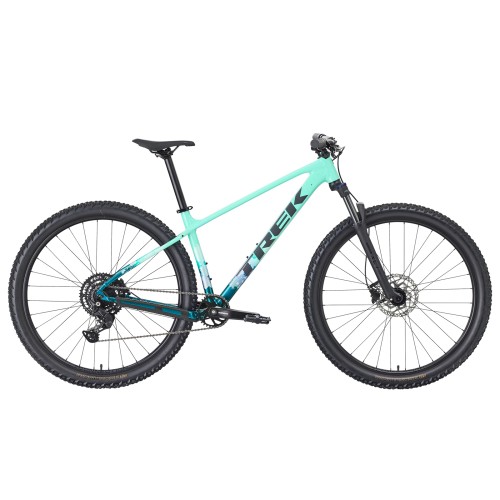
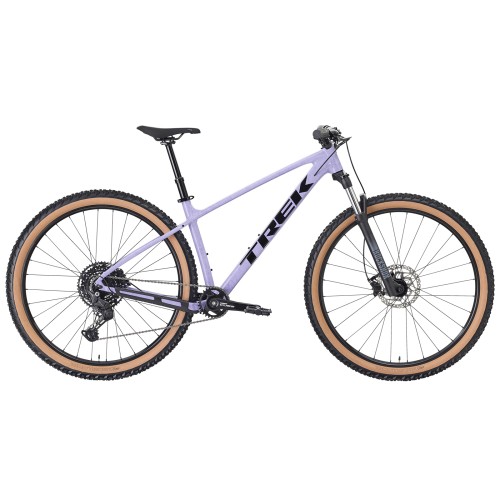
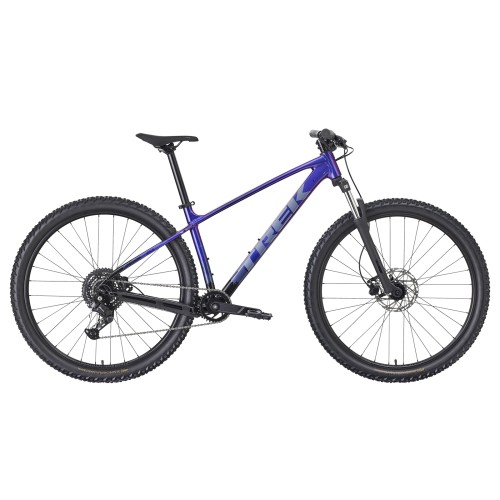
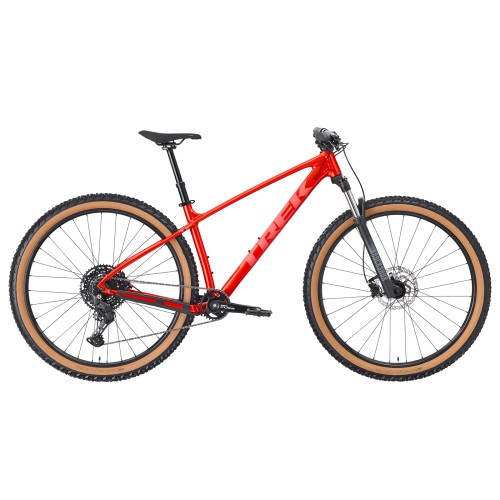
THE MTB cross-country (XC) is designed for speed and performance enthusiasts. If you love pushing your limits, whether uphill or downhill, this type of bike is for you. It's lightweight, responsive, and built for efficiency on varied terrain. MTB XC is a good choice for those planning to participate in competitions or who want light and fast bikes.
Key features:
- Lightweight to make climbing easier.
- Frame semi-rigid or full suspension.
- Travel of 100 to 120 mm.
MTB all-mountain
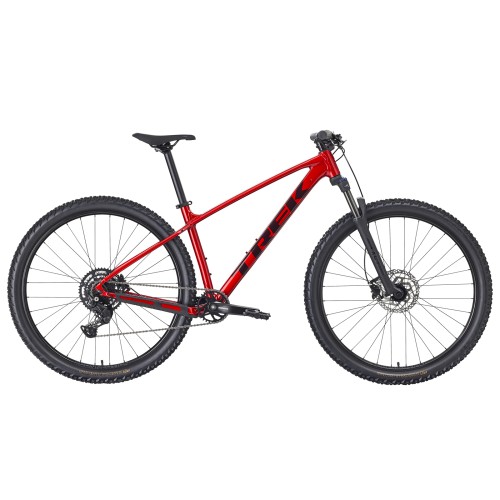
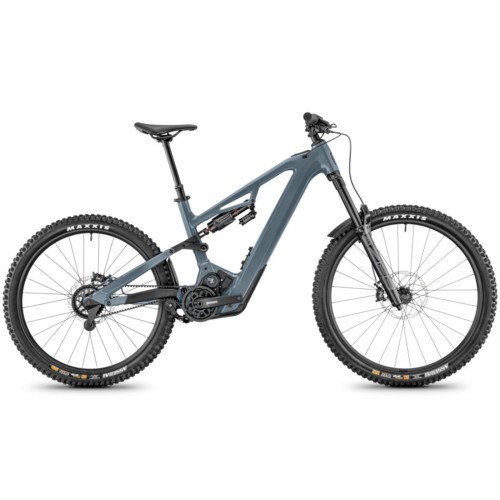
THE MTB all-mountain (AM) This bike is designed to tackle rough and technical terrain. Versatile, it allows for efficient climbing while offering great stability on descents. This bike is suitable for intermediate or advanced riders who enjoy exploring challenging trails, where control and robustness are paramount.
Key features:
- Full suspension for added comfort.
- Travel between 130 and 160 mm.
- 27.5" or 29" wheels.
MTB enduro
THE MTB enduro This bike is designed for cyclists seeking thrills, especially on technical descents. It offers excellent shock absorption while still being efficient enough for climbing. This type of bike is primarily aimed at experienced cyclists who ride on rough terrain and enjoy technical challenges.
Key features:
- Frame Robust full suspension.
- Travel between 150 and 180 mm.
- 27.5" or 29" wheels.
MTB downhill (DH)
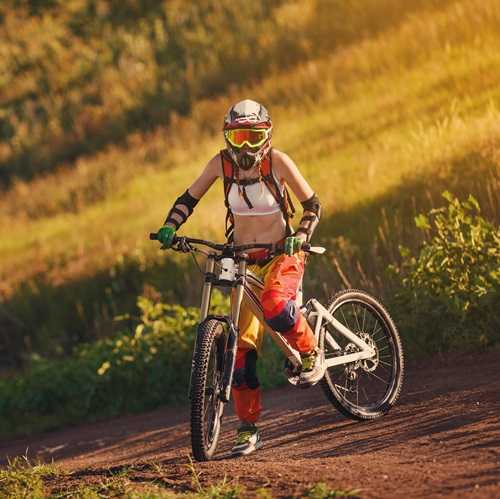
THE MTB downhill (DH) is designed exclusively for downhill riding, often in the mountains or bike parks. It is built to withstand the most violent impacts with long-travel suspension. This type of MTB is designed for fast and technical descents, with ski lifts to avoid pedaling uphill.
Key features:
- Frame Extremely durable, fully suspended.
- Travel greater than 200 mm.
- 27.5" or 29" wheels.
Frame types: semi-rigid or full suspension ?
The choice between a MTB semi-rigid and one MTB fully suspended is an essential step in thepurchase of MTB. Each type of frame It has advantages and disadvantages depending on how you use it.
Frame semi-rigid
THE MTB semi-rigid is equipped with a single front suspension (fork), which makes the bicycle lighter, less expensive, and more efficient to pedal. This type of frame is recommended for moderately rough terrain or for cyclists looking for a bike that performs well on climbs.
Benefits :
- Lightweight and efficient pedaling.
- Less thanmaintenance.
- More affordable price.
Disadvantages:
- Less comfort on very rough terrain.
- Less suitable for technical descents.
Frame fully suspended
THE MTB fully suspended It has front and rear suspension, which significantly improves comfort on technical terrain. It's ideal for descents and rough terrain because it absorbs shocks more effectively. However, it is heavier and requires more maintenance.maintenance.
Benefits :
- Optimal comfort, even on rough terrain.
- Better shock absorption.
- Ideal for technical descents.
Disadvantages:
- Heavier.
- Higher price.
- Maintenance more frequent.
What size wheels should I choose ?
Choosing the right wheel size is another important decision when buying a MTB. Today, there are primarily three wheel sizes: 26", 27.5" and 29". Each offers specific advantages depending on the type of terrain and riding style.
Wheels of 26-inch
THE wheels 26-inch were once the norm for MTB, However, they are used less and less these days. Their main advantage lies in their excellent maneuverability and responsiveness, making them ideal for technical terrain. However, they offer less comfort and stability compared to larger sizes.
Wheels of 27.5-inch
THE wheels 27.5-inch represent an ideal compromise between the maneuverability of the wheels 26-inch and the stability of the wheels 29-inch. They allow for smoother driving while offering good responsiveness and better obstacle clearance.
Benefits :
- A good compromise between maneuverability and stability.
- Versatile for various types of terrain.
Wheels of 29-inch
THE wheels 29-inch These wheels are perfect for long distances and rolling terrain. They offer excellent efficiency and make it easier to overcome obstacles. However, they are less responsive and maneuverable than smaller wheels, which can be a disadvantage on very technical courses.
Benefits :
- Excellent crossing capacity.
- Greater stability on rough terrain.
Disadvantages:
- Less maneuverable.
- Less responsive in tight corners.
Drivetrain And brakes: which elements should be prioritized ?
Drivetrain
There drivetrain of your MTB is a crucial element that determines its versatility and performance. The current trend is to move towards single-speed transmissions.chainring, which simplify gear shifting while reducing the bike's weight. Beginner cyclists can opt for a drivetrain double chainring for greater versatility, especially on very varied terrains.
Mono-chainring :
- Lighter and easier to use.
- Less risk of derailment.
Double chainring :
- More speed options.
- Versatility across varied terrains.
Brakes
The brakes on rotor are now the norm on most of the MTB. They offer superior and more reliable braking power, even in wet or muddy conditions.
Brakes rotor mechanics :
- Good braking power.
- Less expensive and easier to maintain.
Brakes rotor hydraulics :
- Increased power and precision.
- Request moremaintenance and costs more.
Choose a MTB electric
THE MTB electric (E-MTB) They have become widely available in recent years. They allow cyclists to ride longer and climb difficult hills without getting too tired. If you want to extend your rides or if you live in a hilly area, a MTB electric This could be an excellent option.
Advantages of E-MTB :
- Allows for longer outings.
- Invaluable assistance on difficult climbs.
- Ideal for cyclists who want to reduce physical effort.
Disadvantages:
- Heavier.
- More expensive.
- Requires regular battery recharging.
What MTB Which is best suited for a beginner ?
A MTB semi-rigid with a frame made of aluminum and wheels 27.5-inch It is recommended for a beginner. It offers a good compromise between lightness, comfort and maneuverability.
What size wheels should I choose for my MTB ? ?
The wheels of 27.5-inch are ideal for versatility, while the wheels of 29-inch are recommended for rolling terrain and long distances. The wheels of 26-inch are less common today.
Is it better to choose a MTB Full suspension or hardtail ?
THE MTB semi-rigid is ideal for beginners and those riding on relatively flat terrain, while full suspension offers more comfort and control on technical and rough terrain.

Related Posts
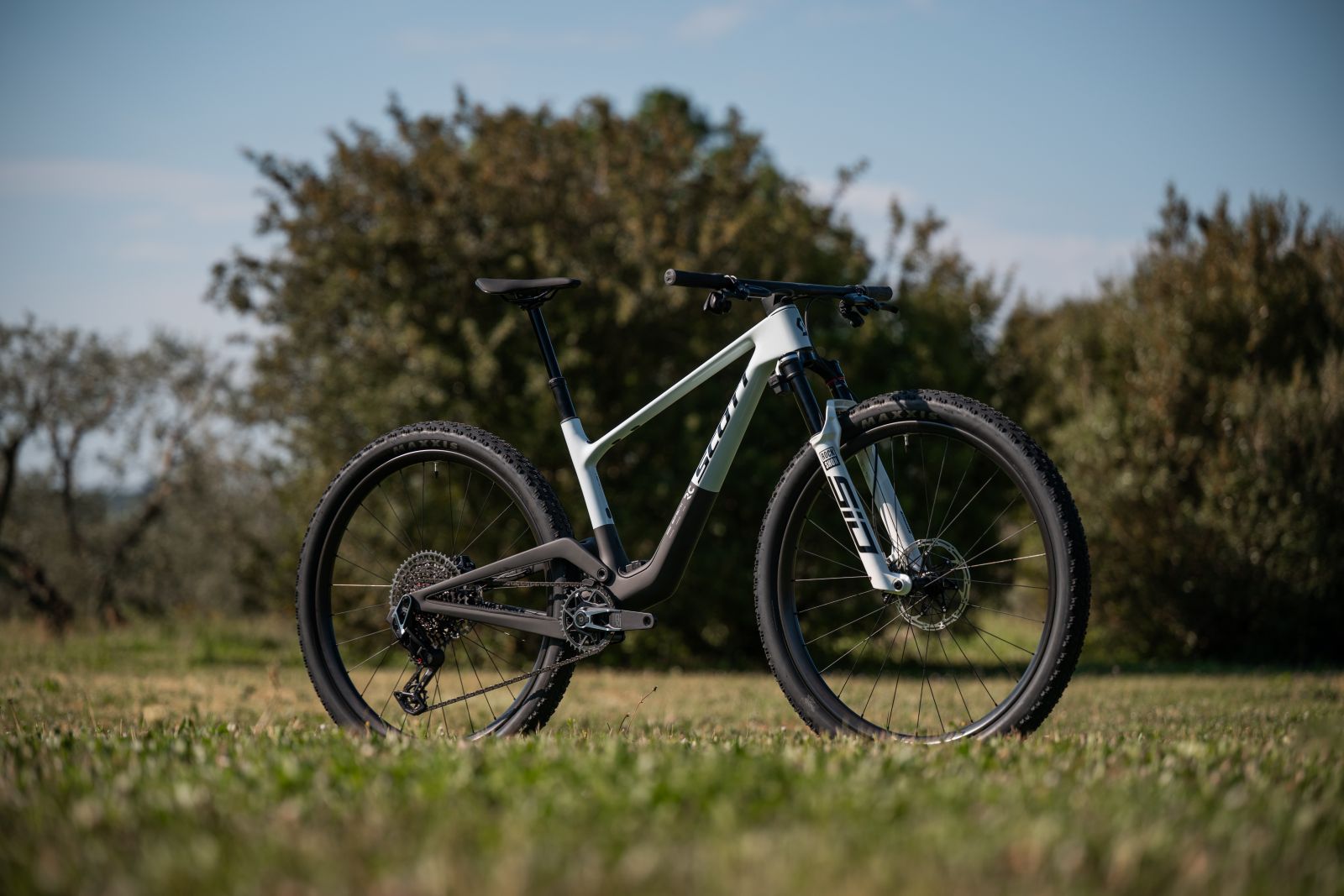
The Scott Spark RC World Cup and Expert 2027 push the boundaries of XC even further. Flight Attendant suspension, Syncros carbon wheels and top-level performance: discover our full review.
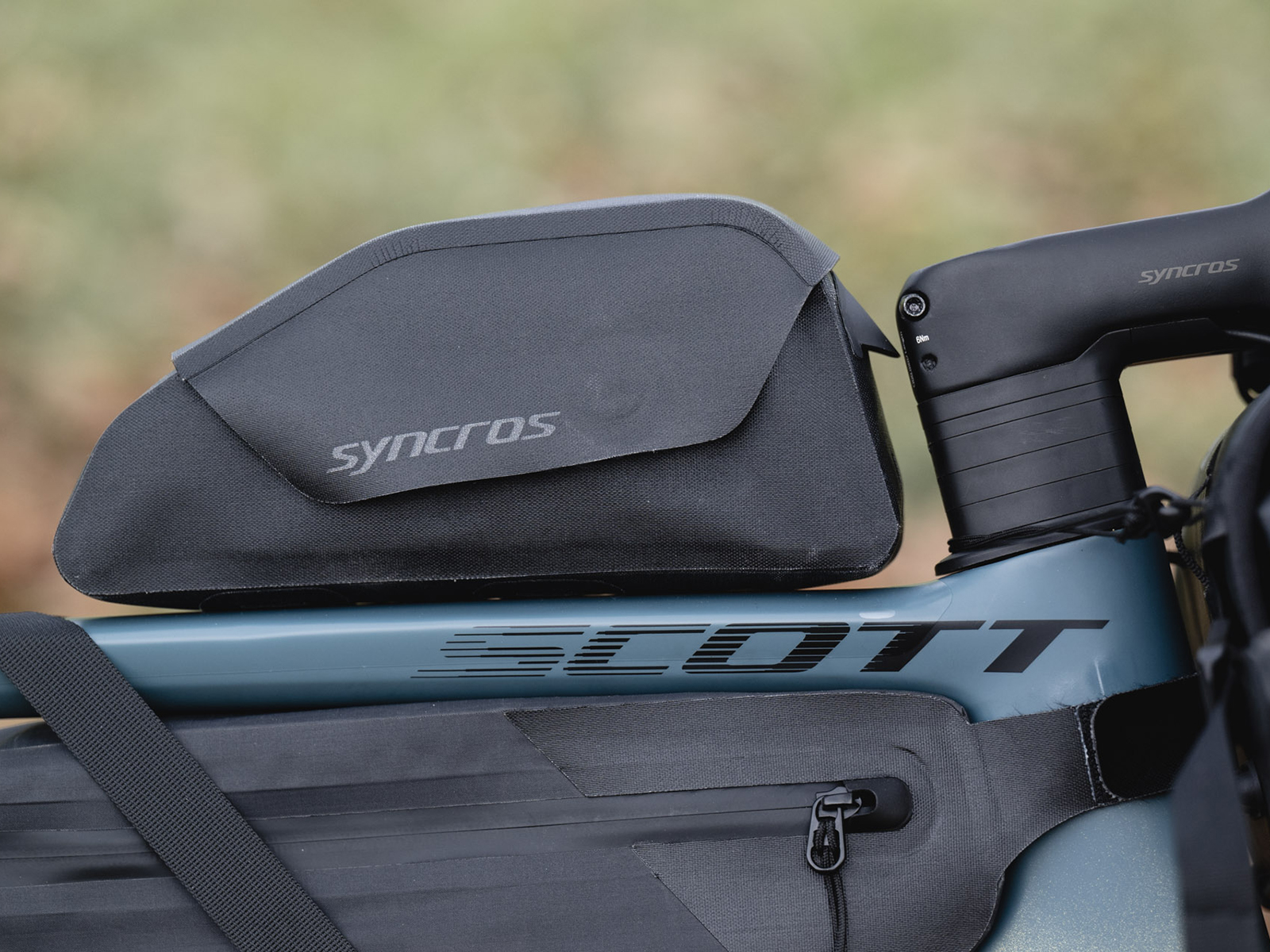
The pannier has become an essential piece of equipment for many cyclists. Whether for daily commutes, bike riding, long rides, cycle touring, bikepacking, or simply leisurely outings, it allows you to carry your belongings comfortably without carrying a load on your back. A well-chosen pannier improves comfort, maintains the bike's balance, and makes organizing your gear easier.
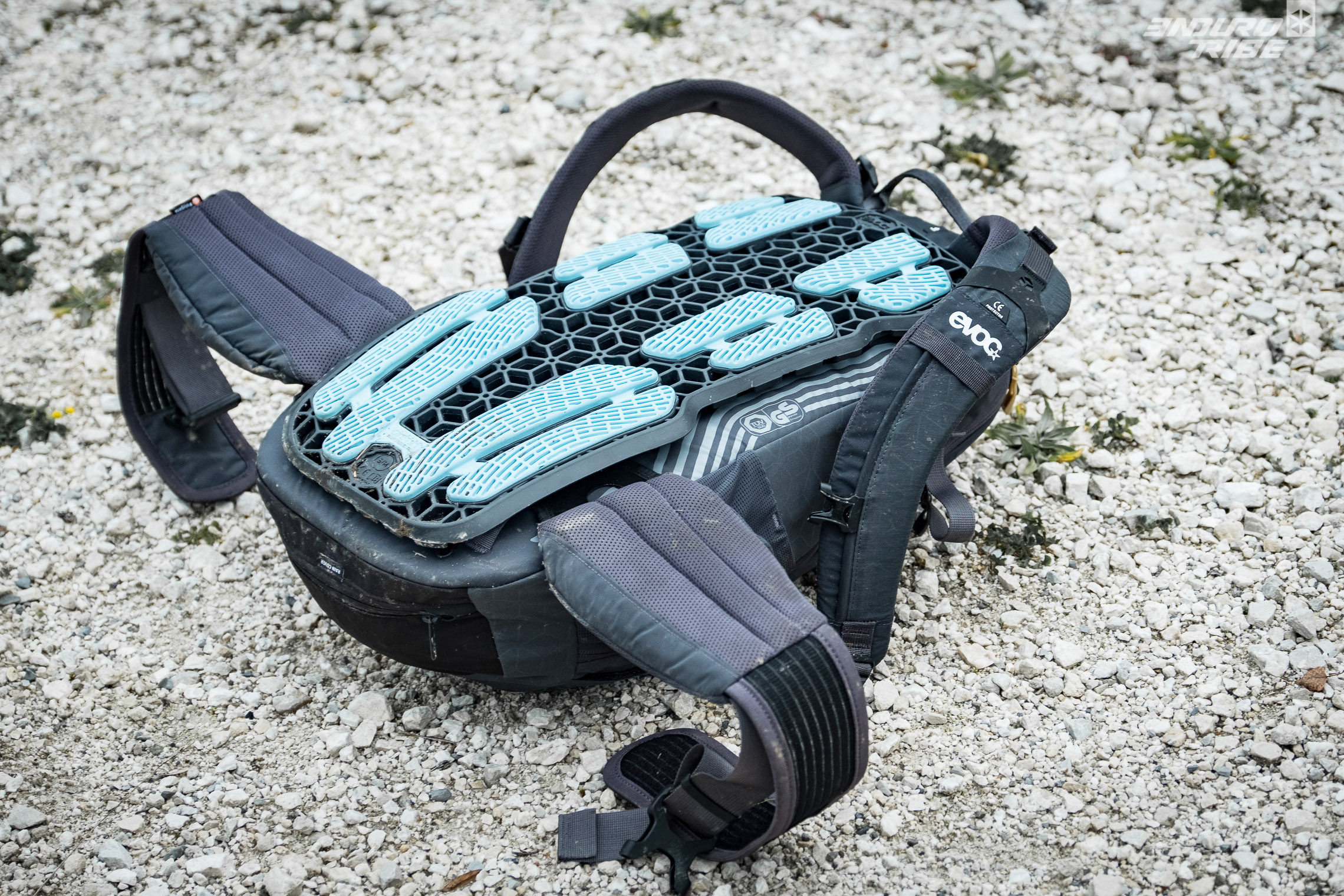
Choosing a cycling backpack requires finding the right balance between comfort, capacity, stability, rain protection, and easy access to your gear. A good bag shouldn't just carry things. It should stay securely in place, not interfere with pedaling, minimize back perspiration, and effectively protect essential items. Whether you're commuting to work, going for a sporting activity, cycling around town, touring by bike, or hiking, your needs will differ.
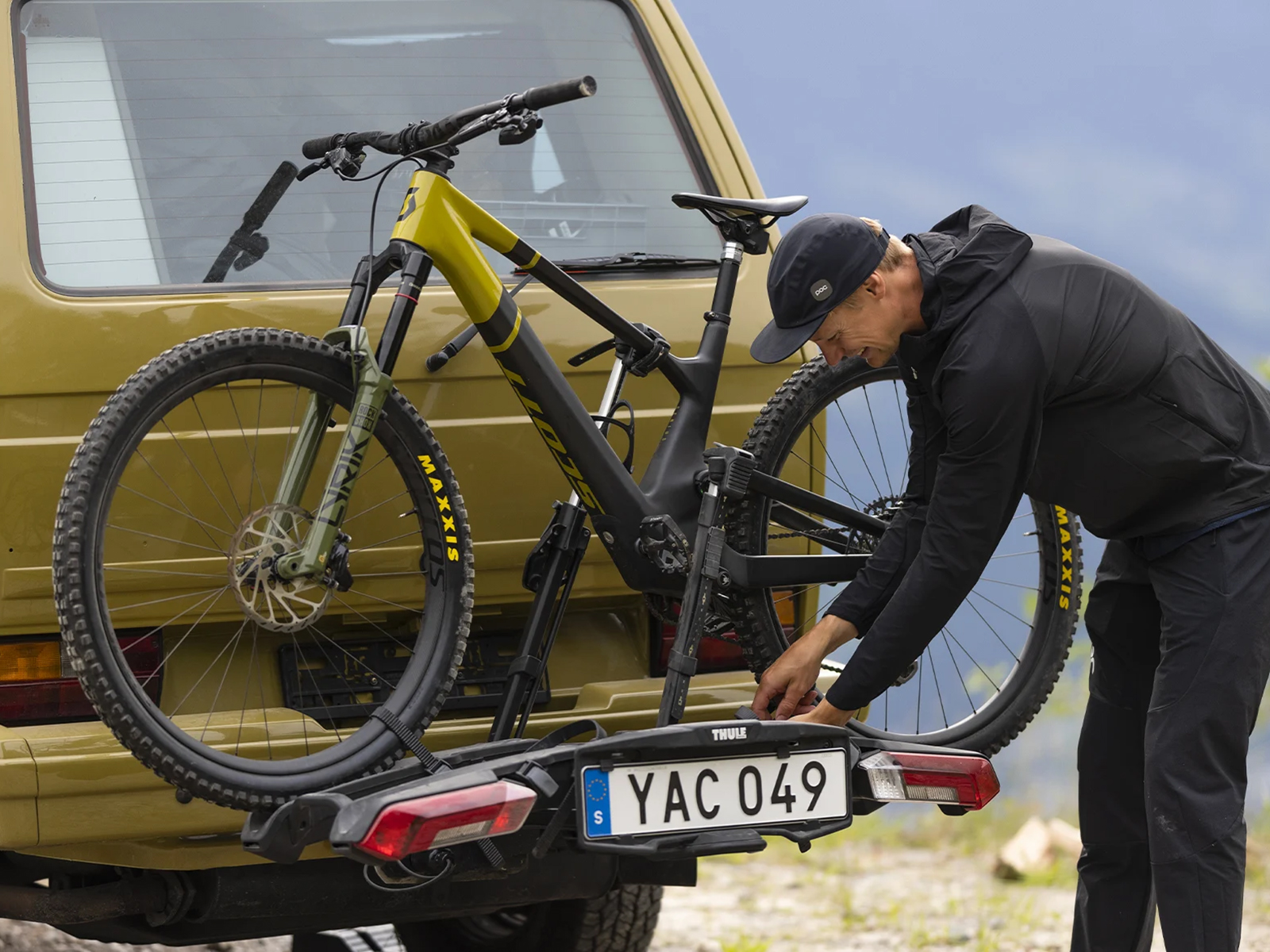
Choosing the right bike rack is essential for transporting your bikes safely, protecting your equipment, and enjoying a worry-free journey. Given the wide variety of systems available, identifying the best solution for your vehicle, the number of bikes you're carrying, or your intended use isn't always easy. Between hitch-mounted, tailgate-mounted, and roof-mounted models, there are many differences in terms of load capacity, ease of installation, compatibility, and user-friendliness.
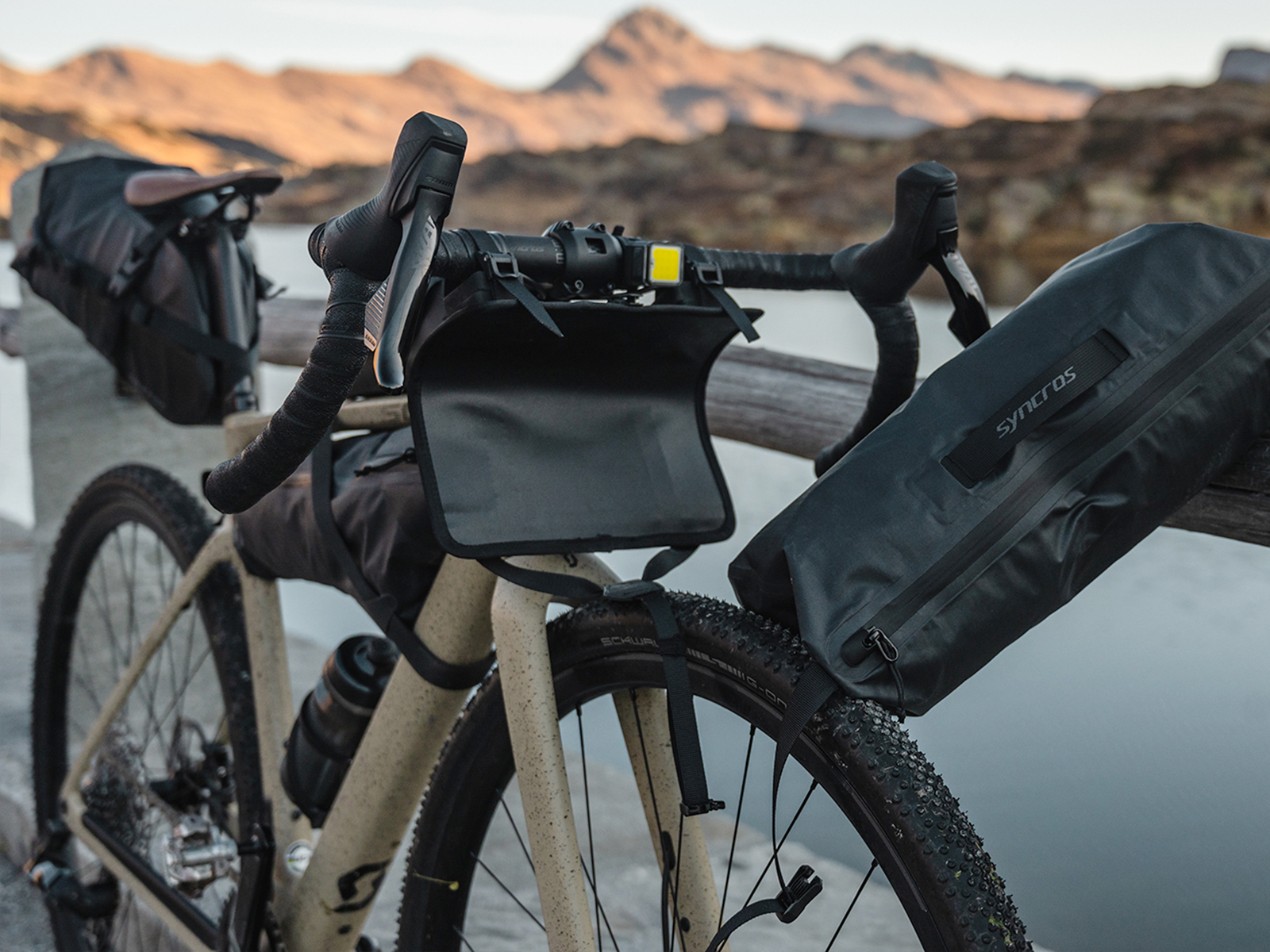
Bikepacking is an adventure cycling practice that involves traveling independently with a lightweight load attached directly to the bicycle. Unlike traditional cycle touring, which uses racks and large panniers, bikepacking favors compact bags distributed across the frame , handlebar , and tige de saddle . This approach allows for a bike that remains agile, efficient, and suitable for varied terrain, whether roads, tracks, forest paths, or trails.
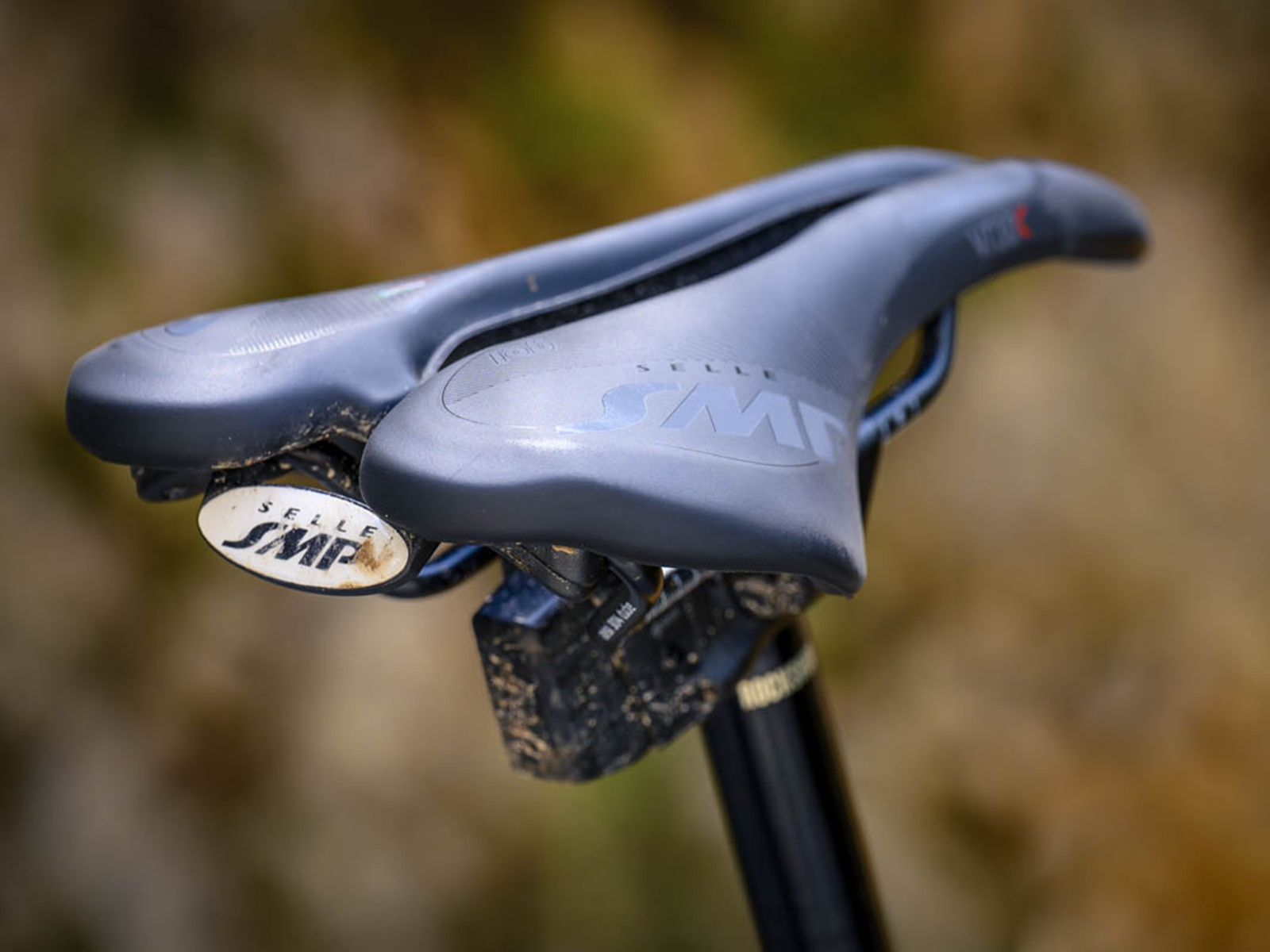
Choosing the right saddle is one of the most important factors in improving comfort, performance, and enjoyment of off-road riding. An unsuitable saddle can cause pelvic pain, chafing, numbness, or reduced pedaling efficiency. Conversely, a well-chosen saddle allows for better power transfer, maintains a stable position on the bike, and lets you fully enjoy your rides, whether it's trail riding, cross-country, enduro, or downhill. The shape, width, padding, materials, and type of riding all directly influence the choice. Therefore, it's essential to consider your body type, riding style, and riding habits before making your selection.