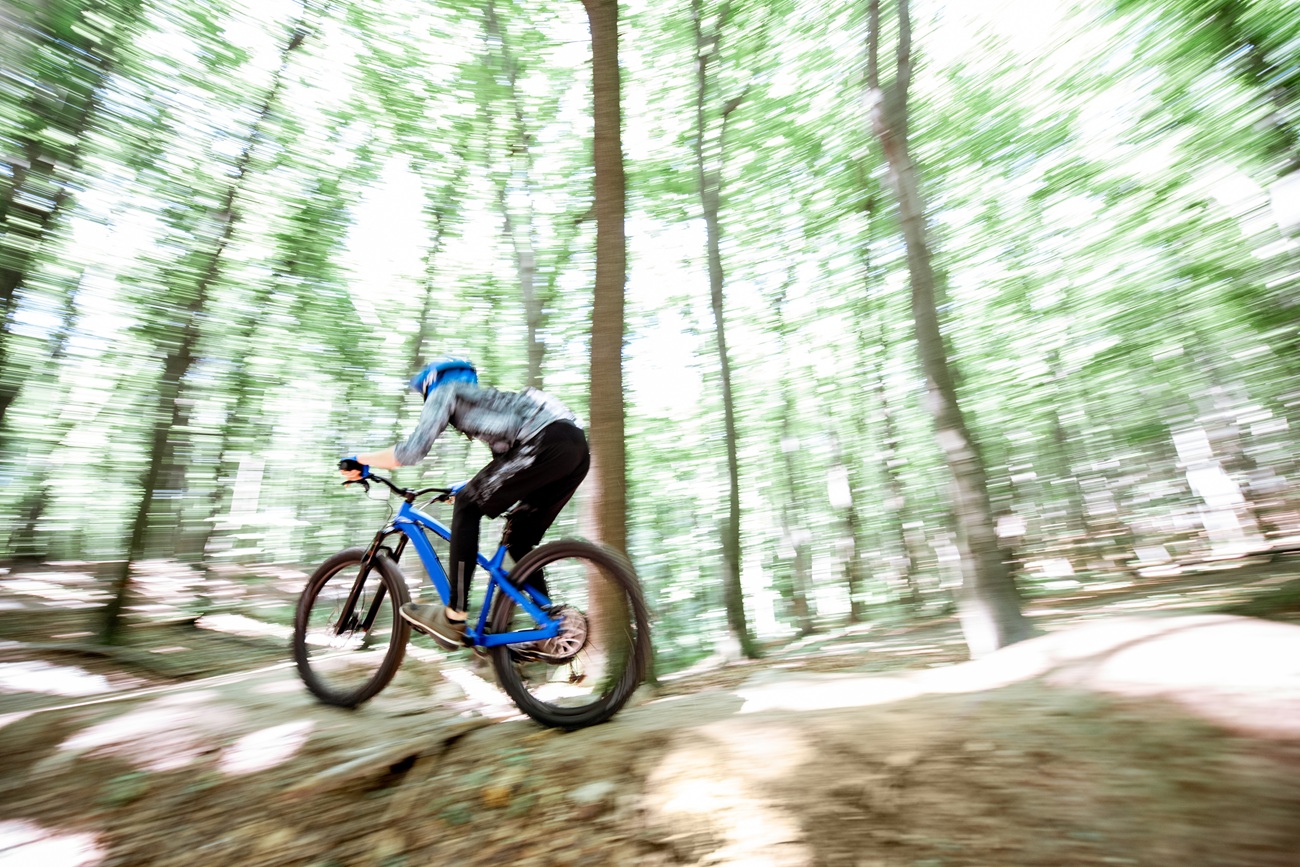
Choosing a MTB with frein à rotor has become essential for all serious mountain bikers. Whether you're riding in the forest, in the mountains, or on rough terrain, rotor brakes guarantee increased safety, powerful braking, and better control in all conditions. Given the wide variety of models available, it's crucial to understand the differences to choose a bike suited to your riding style.
Why favor one MTB has brake rotor
THE brake rotor It offers superior performance compared to rim brakes, especially in wet, muddy, or dusty conditions. It ensures a Progressive and constant braking, regardless of weather conditions. This translates into better control, increased confidence on descents and greater responsiveness.
The brakes on rotor They also reduce rim wear. They allow for harder braking without locking the wheels, thus decreasing the risk of skidding. On long descents, they don't heat up as much as brake pads, which preserves braking power.
A MTB has brake rotor It therefore quickly becomes obvious for those seeking to combine safety, performance and reliability on all terrains.
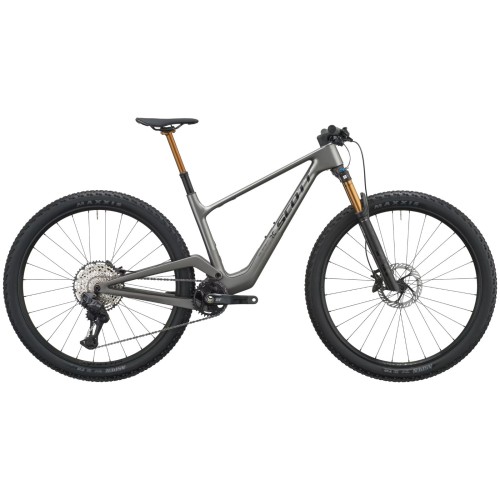
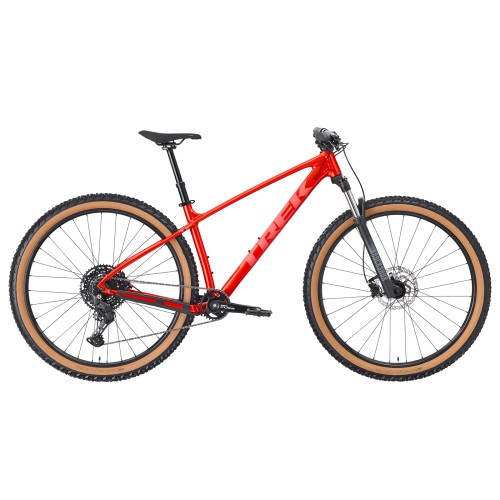
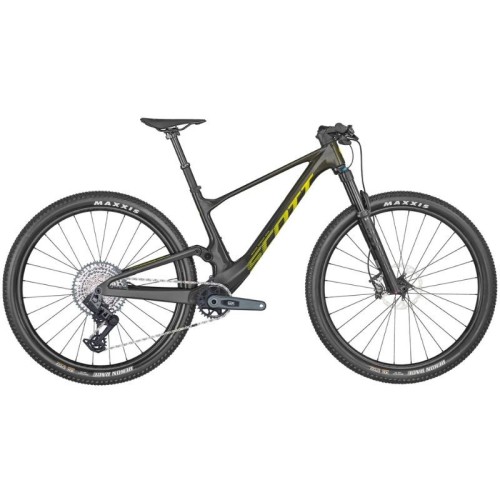
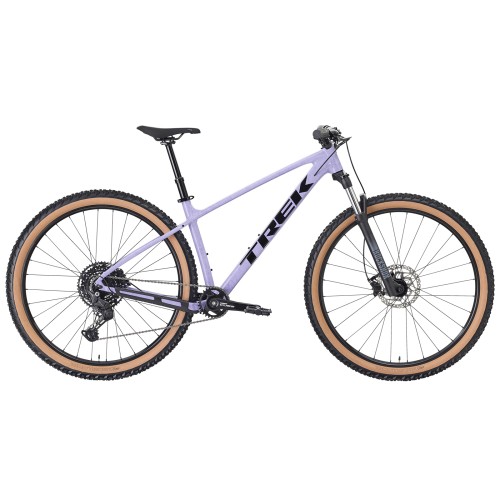
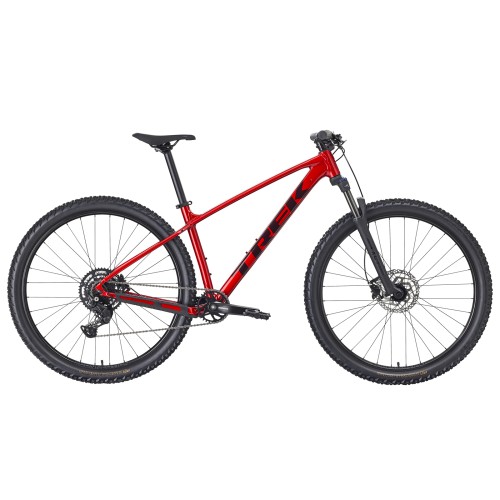
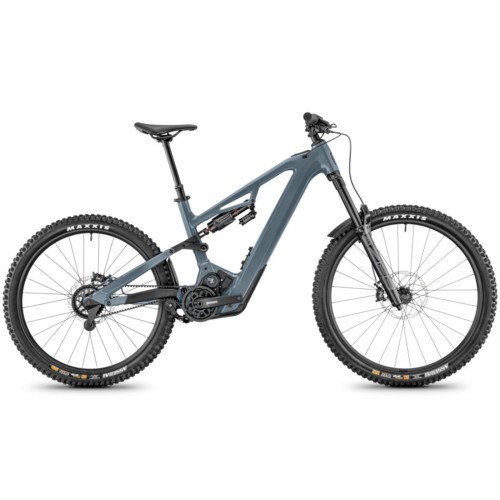
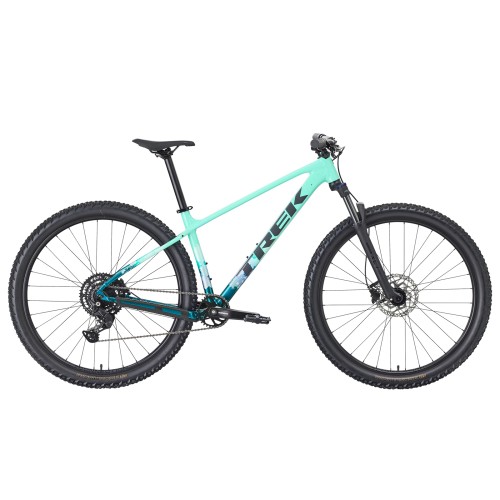
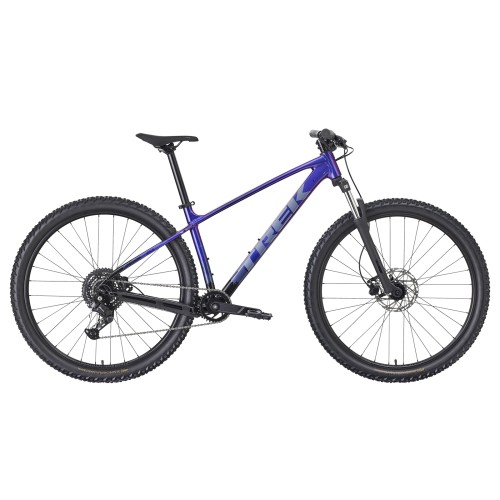
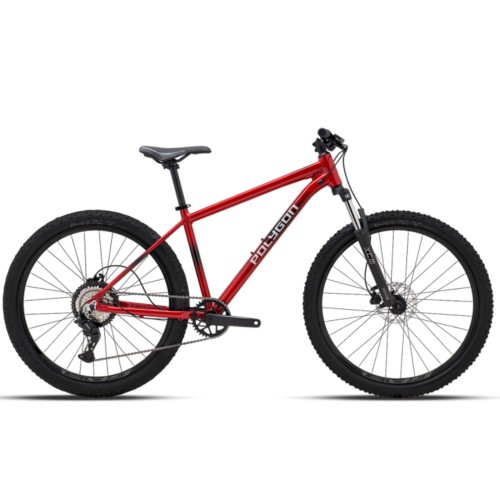
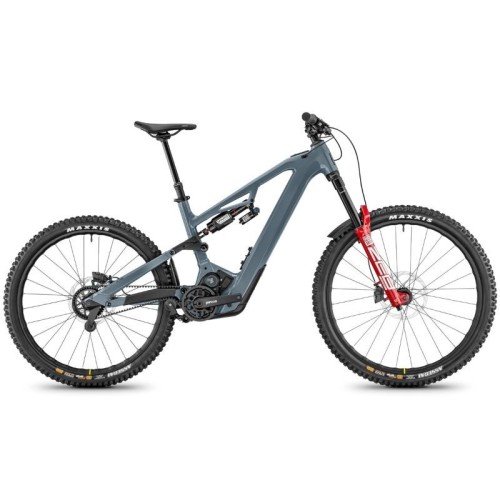
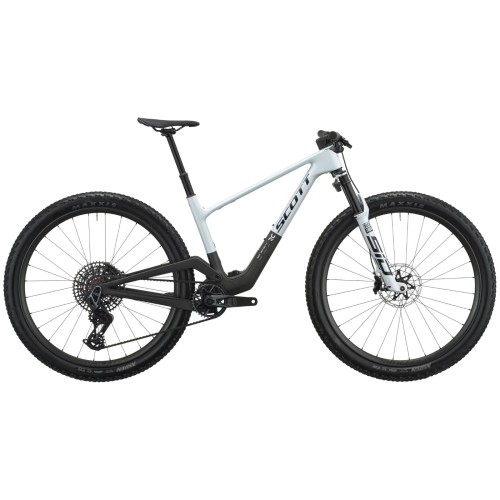
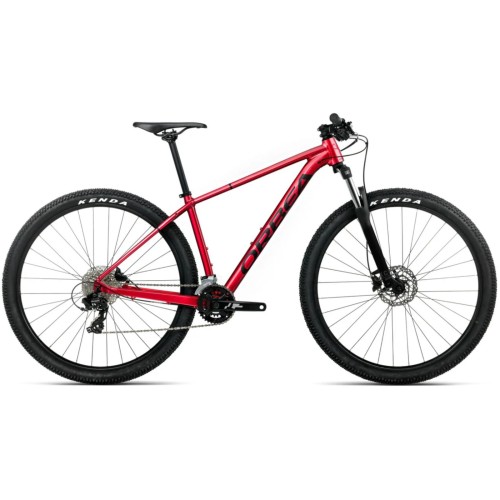
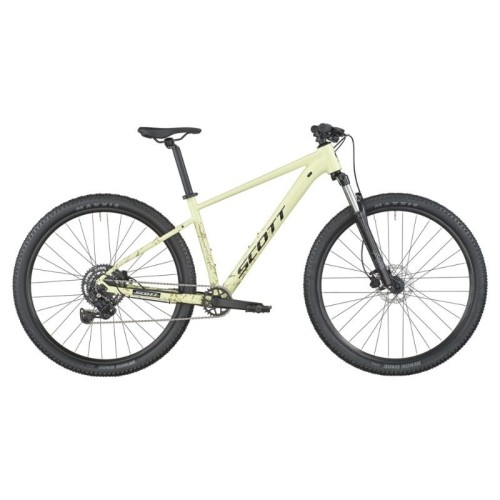
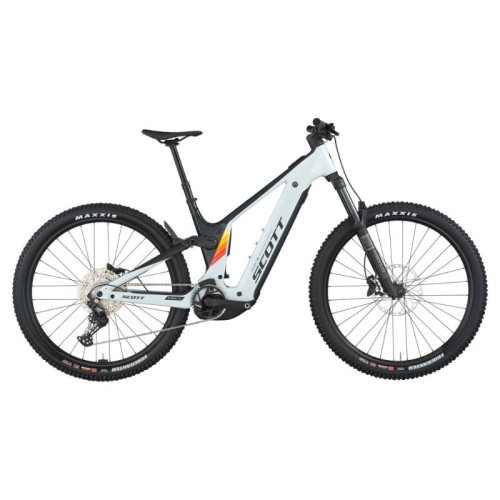
Differences between brake rotor mechanical and hydraulic
There are two main types of brakes rotor : mechanics And hydraulics. THE mechanical brake It operates with a cable, like traditional brakes. It is simple to maintain, but offers less power and modulation.
THE hydraulic brake It uses a liquid to transmit pressure. It is more efficient, smoother to use, and requires less effort at the lever. Its power and modulation are superior, making it the preferred choice for enthusiasts and competitors.
For regular use or on technical terrain, a MTB has brake rotor Hydraulics represents the most relevant investment in the medium and long term.
The key components of a system of brake rotor
Several factors come into play in the braking system. THE rotor (or rotor) is the central component. Its diameter influences braking power. A rotor 160 mm is common on the MTB cross-country, while a rotor 180 mm or even 200 mm is preferred in enduro or downhill.
THE brake pads Brakes also play an important role. There are several types. resin (softer, quieter) and metal (more heat-resistant). The choice depends on the type of terrain and the frequency of use.
A MTB has brake rotor A well-maintained unit, with quality components, will guarantee optimal safety even in the most extreme conditions.
Best practices according to the type of MTB has brake rotor
Depending on your discipline, the choice of system brake rotor differs. Here is a comparison table to guide your decision:
| Practical | Recommended brake type | Recommended disc diameter |
|---|---|---|
| Cross-country | Lightweight hydraulics | 160 mm |
| Trail | Versatile hydraulics | 180 mm |
| All-mountain / Enduro | Powerful hydraulics | 180 to 200 mm |
| Downhill (DH) | High-flow hydraulics | 200 mm and more |
| Leisure / hiking | Basic mechanics or hydraulics | 160 mm |
A MTB has brake rotor Being well-suited to your playing style allows for better control and less effort.maintenance and increased longevity.
MTB semi-rigid or all suspended with brake rotor
The choice between a semi-rigid and one fully suspended remains essential, even for the MTB equipped with brakes rotor. A hardtail is lighter, more responsive, ideal for rolling terrain or cross-country.
The full suspension, more comfortable, absorbs shocks on technical descents. Combined with good brakes... rotor, it guarantees a safe piloting and fluid in difficult sections. It is often chosen for enduro, trail or all-mountain riding.
In any case, a MTB has brake rotor improves braking performance, regardless of the type of suspension chosen.
Braking and downhill safety
When descending, mastering braking is essential for safety. Good braking allows you to slow down without locking the wheels, to take corners with confidence, and to stop quickly in case of an unexpected event.
The brakes on rotor offer a better power control delivered. They help prevent over-braking, uncontrolled skidding and falls. In the mountains, on muddy or rocky terrain, this control is crucial.
A MTB has brake rotor A well-maintained vehicle allows you to push your limits while maintaining a constant safety margin.
Maintenance and brake durability rotor
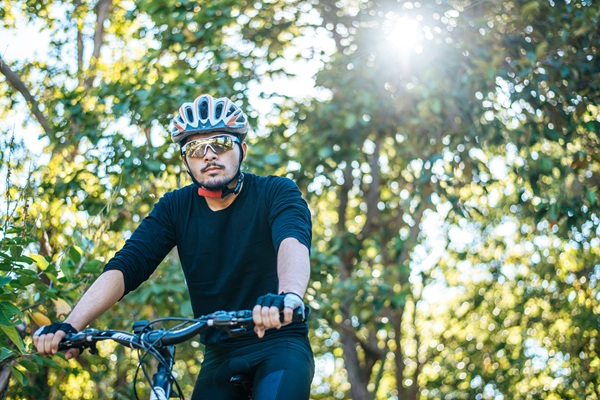
The brakes on rotor they ask a maintenance Regular maintenance is necessary to maintain effectiveness. Wear and tear must be monitored. brake pads, clean the discs, and bleed the hydraulic system if necessary. This ensures a constant braking and component durability.
A poorly maintained brake can lose power or become noisy. Warped or grease-contaminated discs impair braking performance. Regular checks ensure optimal operation.
Maintaining one's MTB has brake rotor is essential to preserve performance and safety, especially under heavy use.
Wheels and brake compatibility rotor
A bicycle equipped with brakes rotor requires specific wheels. hubs must be compatible with disks, and the rim must be reinforced to withstand the stresses of lateral braking.
THE assembly This can be done with six screws (standard IS) or by central locking (Centerlock). Both systems are reliable, but the choice depends on the type of rotor and wheel. Compatibility must be ensured when changing components.
A MTB has brake rotor When properly fitted with suitable wheels, it will offer greater robustness and better braking response.
Recognized brake brands rotor For MTB
Several brands stand out for their reliability and innovation. Shimano, SRAM, Magura and Hope are leading brands in the field. They offer models for all levels, from recreational to competitive.
The choice depends on your personal preferences, ease of maintenance, and desired power. Some systems are more gradual, others more powerful. Testing them is always the best way to make the right choice.
At the house of Bicycle Dream, It is possible to compare several models of MTB has brake rotor depending on your needs and practice.
Budget to plan for a good MTB has brake rotor
Entry-level models start at around €600. They are generally equipped with mechanical brakes, suitable for beginners or occasional use.
The mid-range, starting at €1000, already offers reliable hydraulic systems with a good power-to-weight ratio. Above €2000, you can find... MTB high-end with high-performance components, powerful brakes and frame carbon.
A MTB has brake rotor represents an excellent investment for those who want to progress, ride faster and more safely.
FAQ
Why choose a MTB has brake rotor rather than on skates ?
The brakes on rotor They offer more power, consistency and safety, especially in wet or technical conditions. They allow for better control on all terrains.
What is the difference between a brake rotor mechanical and hydraulic ?
THE mechanical brake It operates with a cable, while hydraulics uses fluid. The latter is more powerful, more progressive, and requires less effort.maintenance in intensive use.
The brakes on rotor Are they necessary for a beginner ?
They are not essential but highly recommended. Even for beginners, they provide greater comfort and increased safety, especially on wet or uneven terrain.
A rotor Is bigger necessarily more efficient ?
Yes. One. rotor A larger diameter offers more braking power and better resistance to overheating. It is therefore preferable for descents or heavier mountain bikers.
Should the brakes be serviced frequently? rotor ? ?
Yes. You need to check the wear on the brake pads, Clean the discs and bleed the hydraulic brakes regularly to maintain optimal performance.
Can brakes be fitted to rotor on a MTB Not intended for ?
No, unless the frame and the fork They are designed for this purpose. Specific supports and compatible wheels are required. Otherwise, it's best to change bikes.

Related Posts
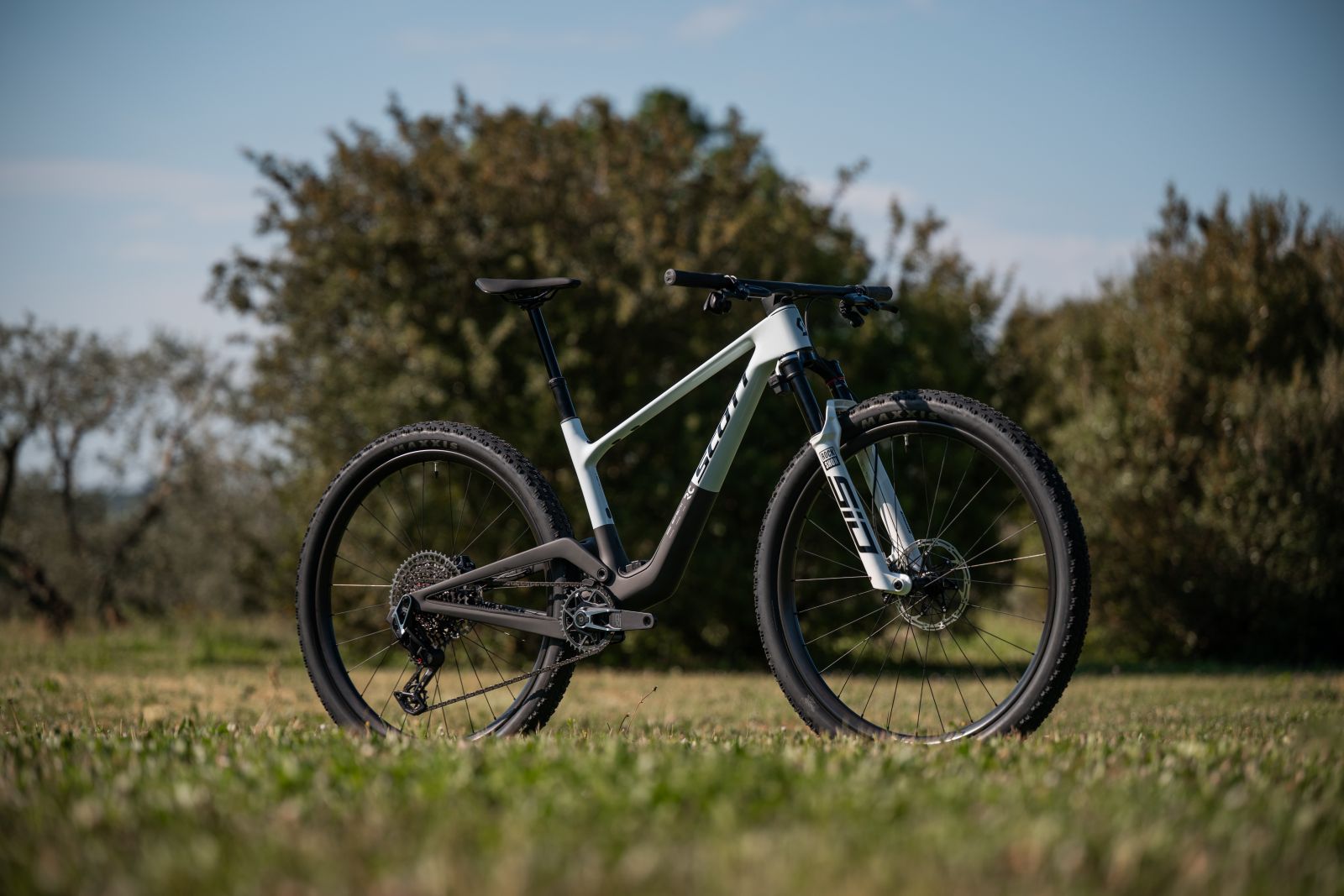
The Scott Spark RC World Cup and Expert 2027 push the boundaries of XC even further. Flight Attendant suspension, Syncros carbon wheels and top-level performance: discover our full review.
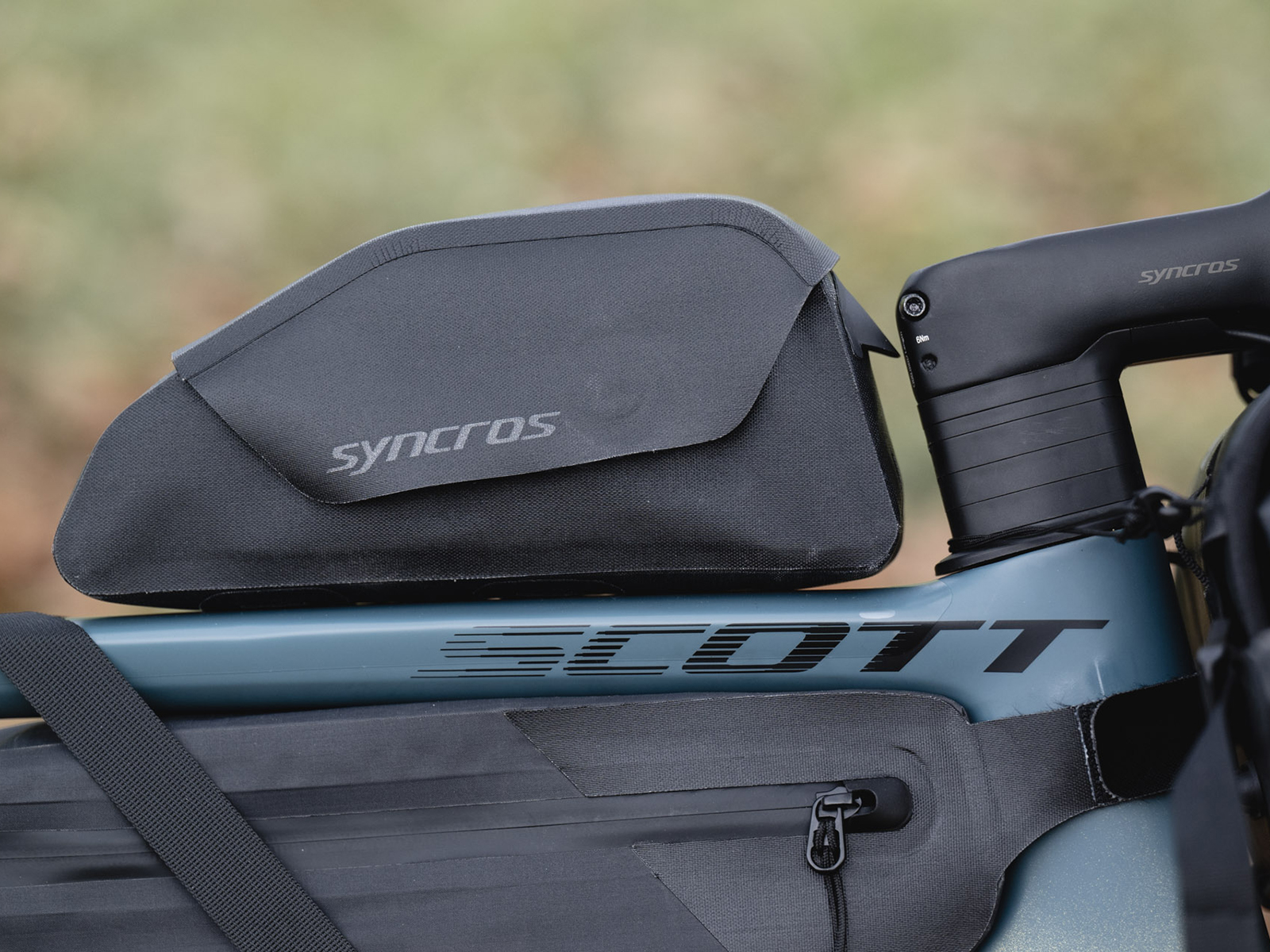
The pannier has become an essential piece of equipment for many cyclists. Whether for daily commutes, bike riding, long rides, cycle touring, bikepacking, or simply leisurely outings, it allows you to carry your belongings comfortably without carrying a load on your back. A well-chosen pannier improves comfort, maintains the bike's balance, and makes organizing your gear easier.
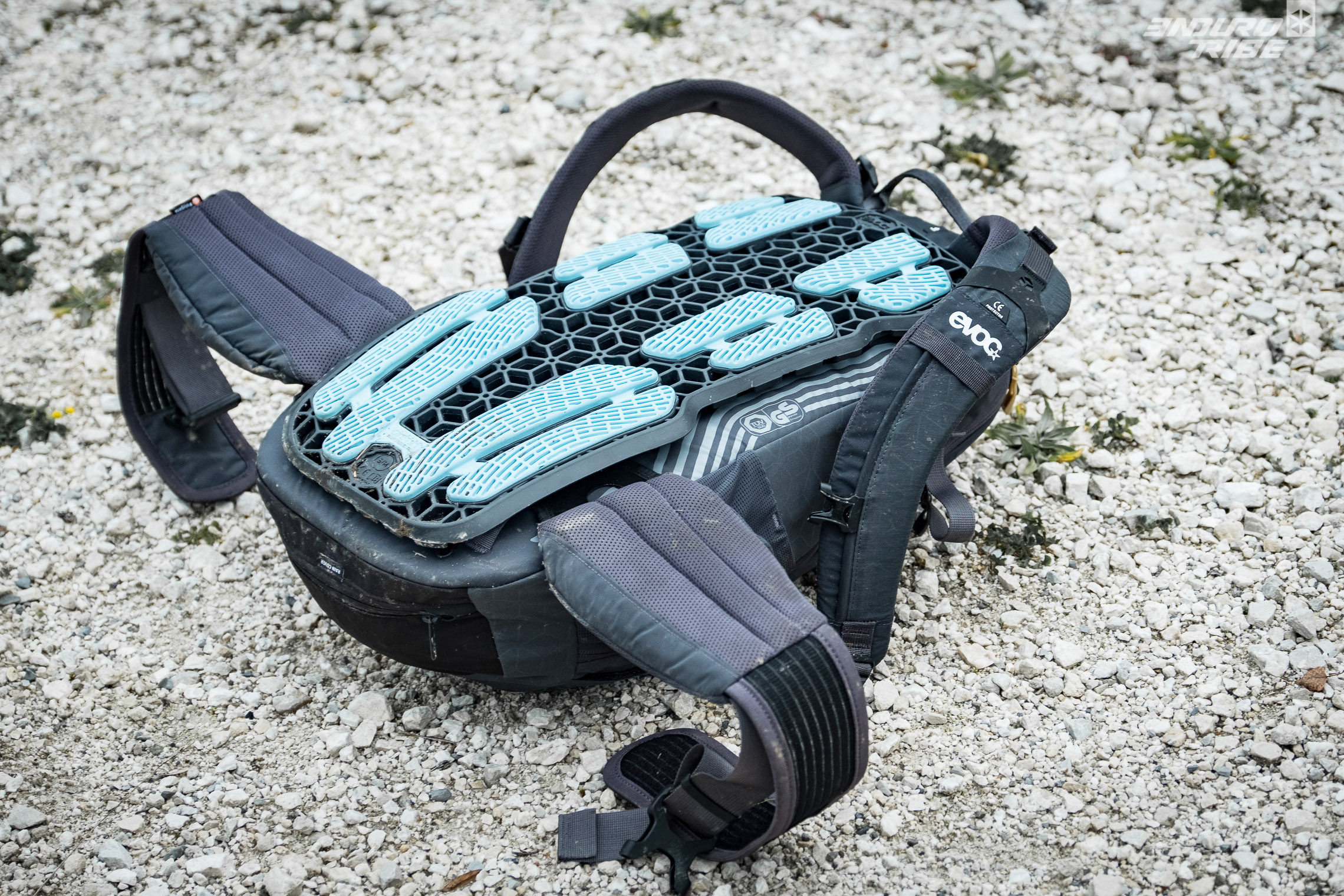
Choosing a cycling backpack requires finding the right balance between comfort, capacity, stability, rain protection, and easy access to your gear. A good bag shouldn't just carry things. It should stay securely in place, not interfere with pedaling, minimize back perspiration, and effectively protect essential items. Whether you're commuting to work, going for a sporting activity, cycling around town, touring by bike, or hiking, your needs will differ.
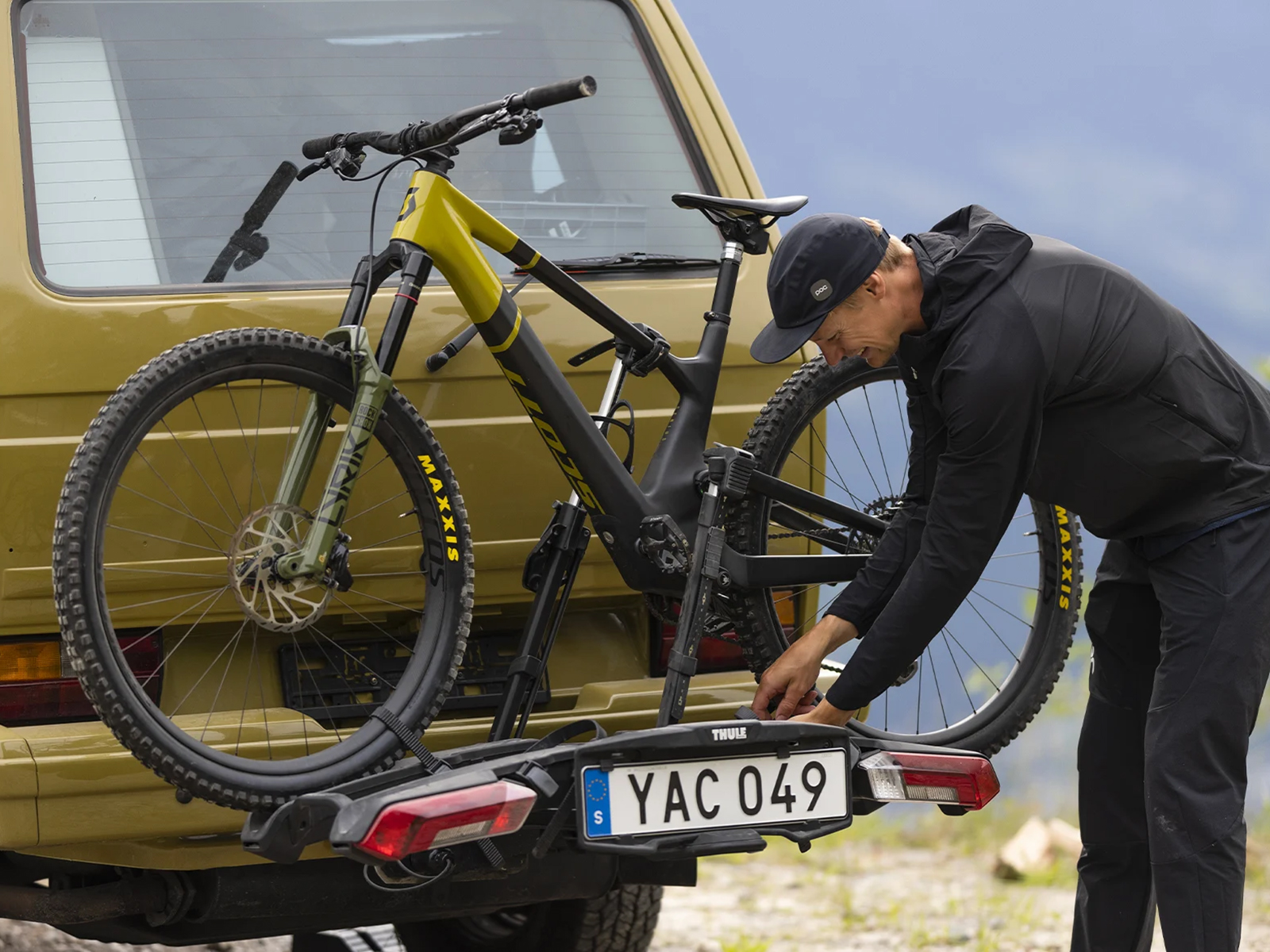
Choosing the right bike rack is essential for transporting your bikes safely, protecting your equipment, and enjoying a worry-free journey. Given the wide variety of systems available, identifying the best solution for your vehicle, the number of bikes you're carrying, or your intended use isn't always easy. Between hitch-mounted, tailgate-mounted, and roof-mounted models, there are many differences in terms of load capacity, ease of installation, compatibility, and user-friendliness.
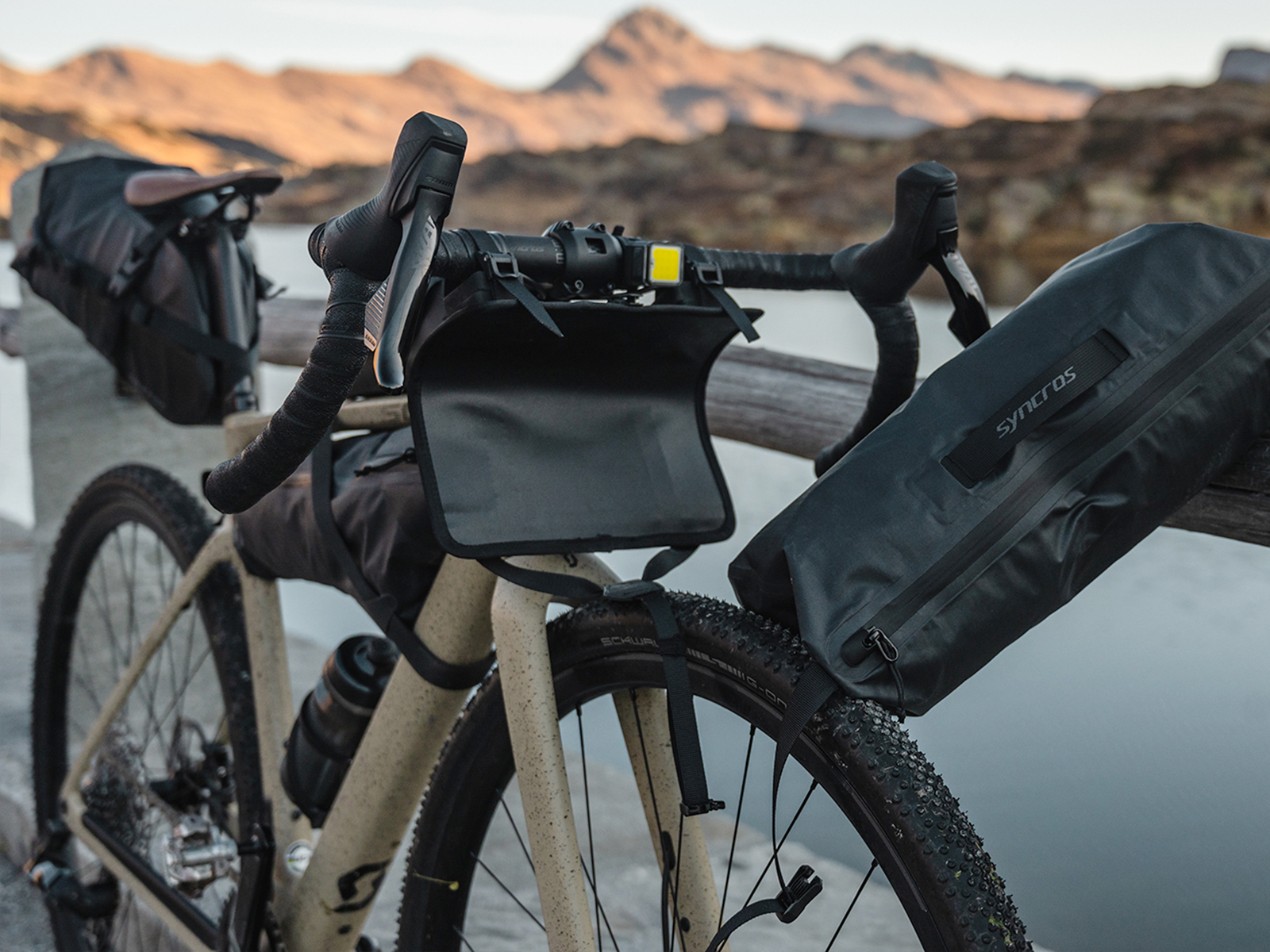
Bikepacking is an adventure cycling practice that involves traveling independently with a lightweight load attached directly to the bicycle. Unlike traditional cycle touring, which uses racks and large panniers, bikepacking favors compact bags distributed across the frame , handlebar , and tige de saddle . This approach allows for a bike that remains agile, efficient, and suitable for varied terrain, whether roads, tracks, forest paths, or trails.
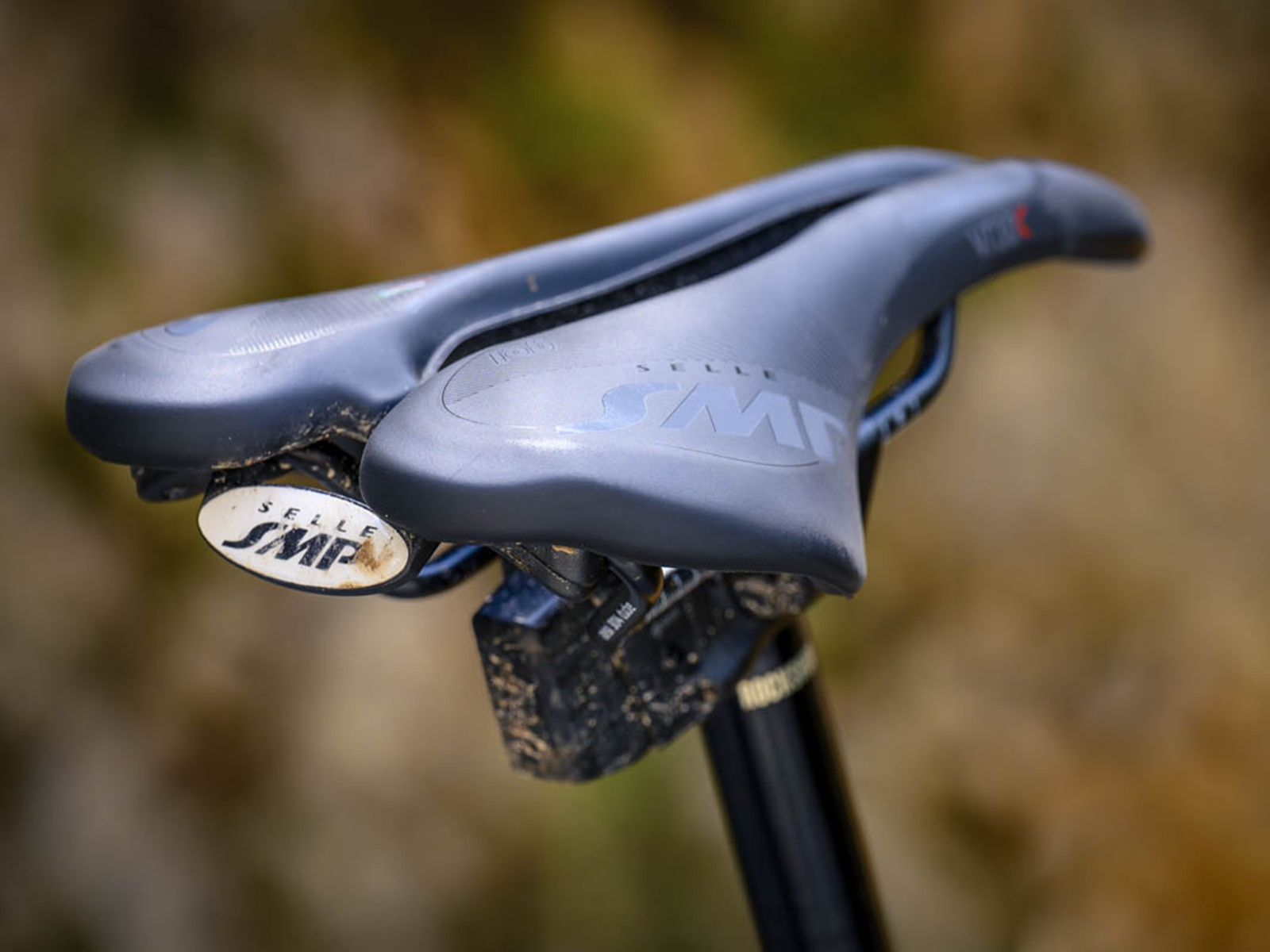
Choosing the right saddle is one of the most important factors in improving comfort, performance, and enjoyment of off-road riding. An unsuitable saddle can cause pelvic pain, chafing, numbness, or reduced pedaling efficiency. Conversely, a well-chosen saddle allows for better power transfer, maintains a stable position on the bike, and lets you fully enjoy your rides, whether it's trail riding, cross-country, enduro, or downhill. The shape, width, padding, materials, and type of riding all directly influence the choice. Therefore, it's essential to consider your body type, riding style, and riding habits before making your selection.