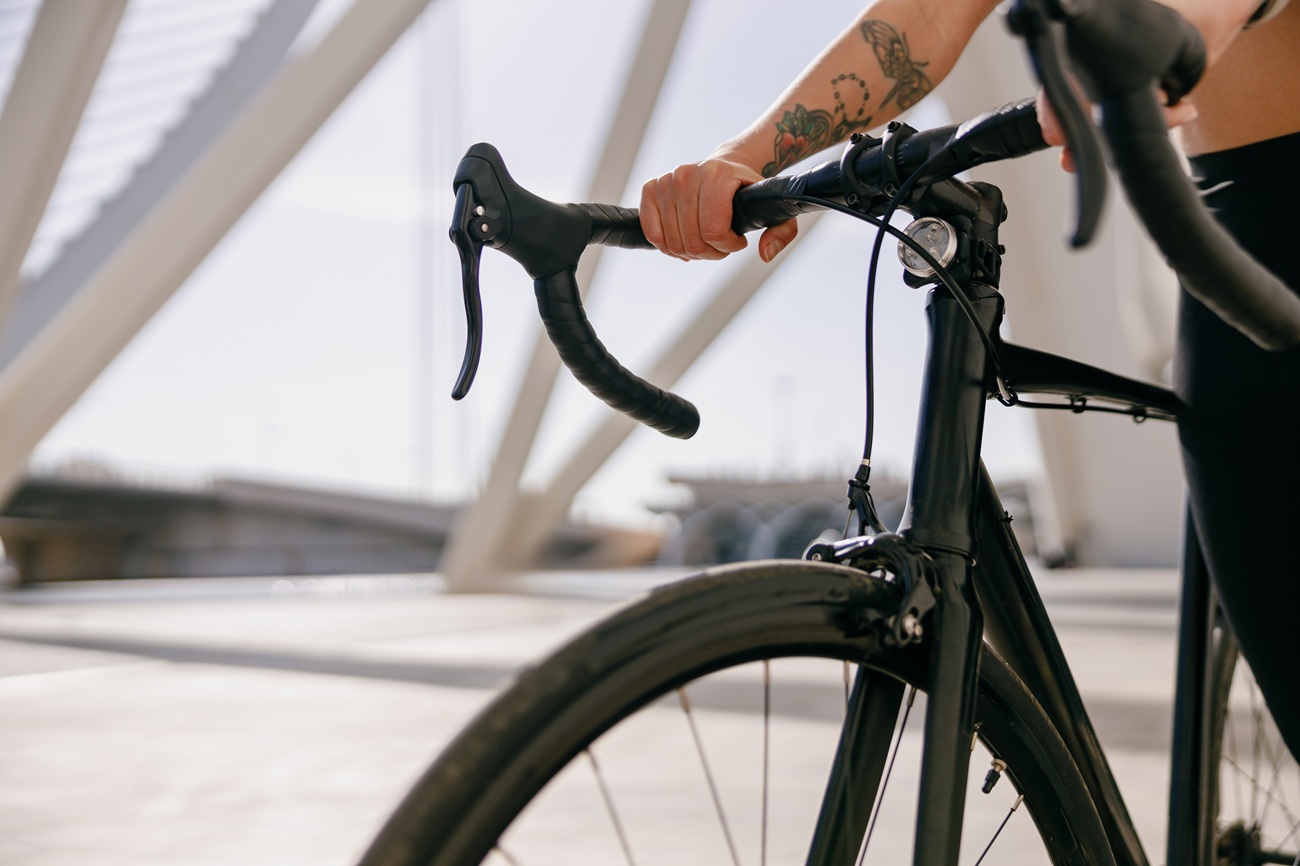
Choosing the right carbon road bike requires careful consideration from the very first moment of the decision. The frame , geometry, components, carbon finish, and compatibility all define the quality of the machine you'll be riding. Every detail matters for performance, comfort, and durability.
THE frame constitutes the cornerstone of a carbon racing bike. It must combine lightness, rigidity, shock absorption, and precision. Carbon fibers, their orientation, reinforcements, and lamination techniques are all factors to understand in order to distinguish one frame competent for an average model. On-road behavior depends heavily on this choice.
The components (drivetrain, (brakes, wheels) must be carefully adapted to frame. The choice of a high-end groupset, a hydraulic braking system, or carbon rims greatly influences the feel and performance. carbon racing bike When properly assembled, it offers exhilarating and reliable long-term performance.
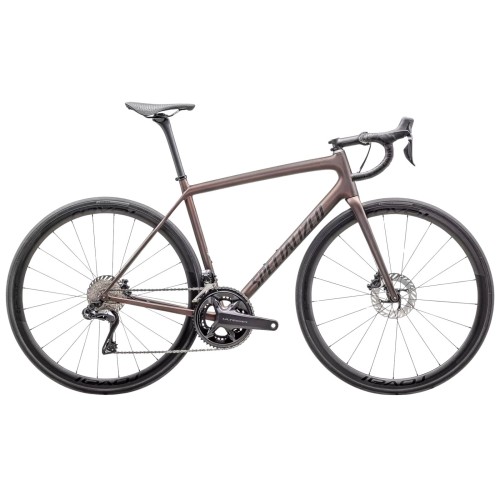
Specialized Aethos Pro Ultegra DI2 12s Satin Carbon / Red Pearl / Black 2025 carbon road bike
-8%
€5,999.00
€6,499.00
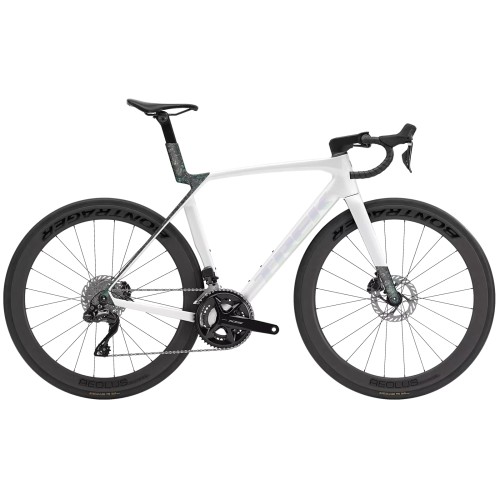
Trek Madone SL 6 Gen.8 105 Di2 Gloss Crystal White / Matte Deep Smoke Carbon road Bike 2026
-4%
€4,299.00
€4,499.00
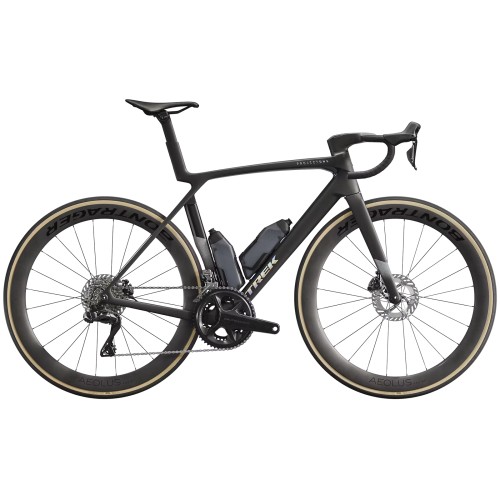
Trek Madone SLR 7 Gen.8 Ultegra Di2 12s Matte Carbon Smoke / Prismatic Pearl carbon road bike 2026
-13%
€6,990.00
€7,999.00
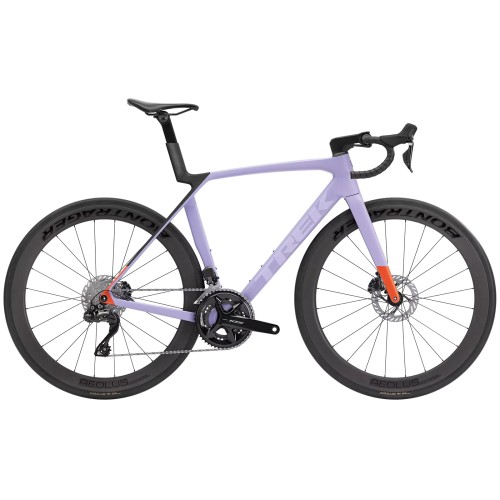
Trek Madone SL 6 Gen.8 105 Di2 Matte Lavender Haze / Deep Smoke Carbon road Bike 2026
-4%
€4,299.00
€4,499.00
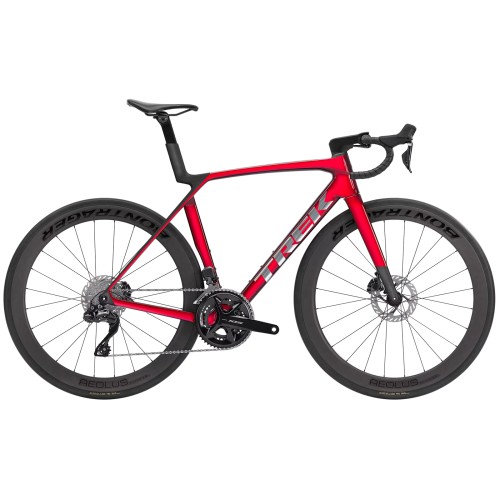
Trek Madone SL 6 Gen.8 105 Di2 Gloss Fury Red / Matte Deep Smoke Carbon road Bike 2026
-4%
€4,299.00
€4,499.00
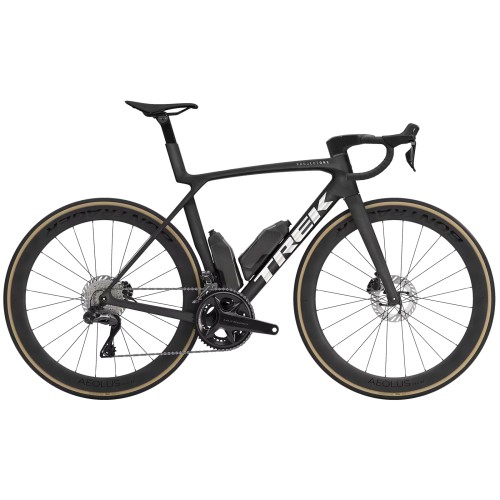
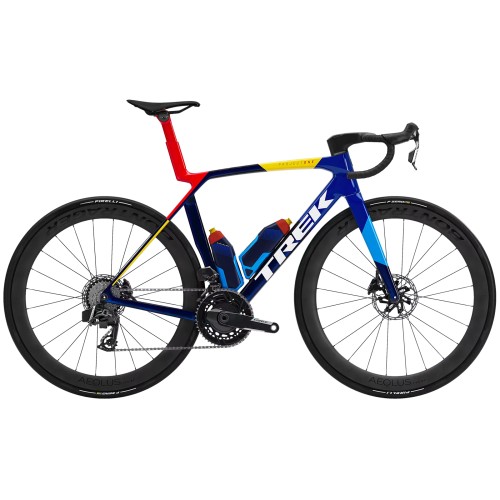
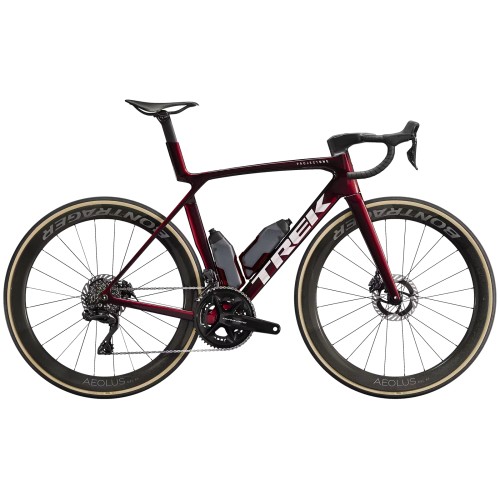
Frame Carbon: techniques, rigidity and tolerance
Carbon fiber allows for precise control of mechanical properties. On a carbon racing bike, The layers of fibers differ depending on the area: more rigid around the bottom bracket, more flexible on surfaces exposed to vibrations.
A frame well designed incorporates controlled flex zones: the seat stays can flex slightly to filter vibrations, while the down tube It remains rigid to transmit the force. The quality of the lamination, the reinforcements at the legs, the socket, the joints impact its durability over time.
Compatibility with modern standards is essential: through-shafts, housings of crankset Recent, standard brake mounts. These standards influence the modularity and scalability of a carbon racing bike.
Geometry and road comfort for a carbon racing bike
Geometry determines ergonomics, stability, and responsiveness. On a carbon racing bike,The dimensions of reach, , stack, case height and head angle must correspond to the cyclist's profile. An extreme geometry causes fatigue over long distances.
Smaller sizes present challenges: adjusting the riding position, the cockpit, and balancing. Appropriate geometry improves handling without compromising top speed or performance. Cornering and acceleration behavior are highly sensitive to these adjustments.
Stability on flat ground or downhill depends on thewheelbase, of the chain stays and the plate. One carbon racing bike A high-performing athlete must remain agile without becoming nervous on hilly or technical sections.
Group components: drivetrain, brakes, compatibility
There drivetrain must be fluid, precise, and durable. On a carbon racing bike, High-end groupsets, either wired or electronic, are preferred, depending on individual preference. The choice between 1x And 2x depends on the road profiles and competitions envisaged.
Hydraulic braking has become essential: consistent, modulated, and powerful in all weather conditions. Mechanical brakes remain simpler, but less effective on wet roads. frame must accept the necessary fixings for the discs.
The wheels must be compatible with the frame Compatible rims, aerodynamic profile, resistance to lateral stress. Weight, moment of inertia, and rigidity all affect responsiveness. A carbon racing bike Well-designed, it harmonizes the elements.
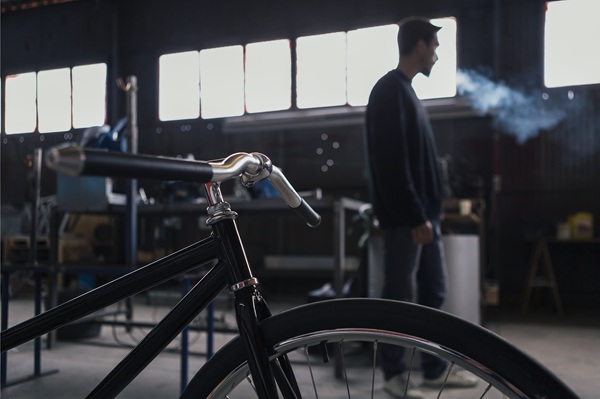
Tires, pressure and grip for a carbon road bike
Choosing tires that roll well but also have good grip is essential: for a carbon racing bike, models around 25 to 30 mm (or 28 mm depending on tolerance of the frame) ensure a compromise between speed and comfort. Tubeless tires are increasingly adopted for their flexibility.
Tire pressure plays a critical role: driving with too high a pressure reduces grip; too low a pressure increases the risk of pinch flats. frame must allow sufficient margin to adjust the pressure according to the weight and the condition of the road.
The contact surface, the sculpting, the ability to absorb irregularities are felt more at high speed on a carbon racing bike. Good cornering grip and puncture resistance boost confidence while riding.
Weight, performance and road feel
A carbon racing bike The goal is minimal weight without fragility. A lightweight machine improves acceleration, pick-up, and climbing ability. However, care must be taken to ensure that the structure remains durable and robust.
The overall yield results from the combination frame, , drivetrain, Wheels, tires. Reduced energy loss translates into better performance. The frame It must be laterally rigid but vertically tolerant for comfort.
The sensations provided by carbon fiber are often praised: fine vibration absorption, smooth handling, natural responsiveness. Testing on various road profiles allows for a true evaluation of this potential.
Inspection, quality control and durability
Before any acquisition, inspect the sensitive areas of the frame : joints, tabs, machined surfaces. Feel the tubes to detect soft spots or invisible cracks. A carbon racing bike of quality, it does not present any perceptible structural defects.
Maintenance plays a crucial role: respecting torque specifications, monitoring tightening times, avoiding impacts, and using appropriate products. Incorrect tightening of a clamp or housing can lead to invisible but critical micro-cracks.
Any necessary repairs should be entrusted to specialists. Careful treatment prolongs the life of a carbon racing bike. Regular use requires periodic inspections to ensure safety.
Compatibility, standards and scalability
A frame efficient, accepts modern standards: 12 mm thru-axles, cases of crankset Common rails (BB86, BB30, etc.), brake mounts, internal cable routing. Scalability is essential to adapt the components for the future.
Small frames must incorporate specific inserts, lightweight fixings, and appropriate fittings to avoid compromising balance or structure. Modularity enhances the longevity of a carbon racing bike.
Internal routing, compatibility with electronic groupsets, and acceptance of sensors or accessories are secondary but useful features for expanding the bike's uses. A flexible model offers more freedom.
Fine fit and ergonomics for performance
Ergonomics is key: adjust the height of saddle, the scope of the handlebar, The angle of the levers allows for optimized performance. carbon racing bike When properly adjusted, it relieves muscle strain and improves posture over long distances.
The position should avoid tension in the back, neck, and shoulders. A natural posture promotes energy conservation. Ergonomic comfort is essential to get the most out of the equipment.
During testing, feeling the difference between several geometries reveals the acceptable compromises. The right one adjustment is an integral part of choosing a carbon racing bike.
Practical trials and field validation
Putting the bike to the test on asphalt, uphill, downhill, and on rough roads allows you to judge the consistency between the technical specifications and the actual riding experience. carbon racing bike convincing, behaves with confidence from the very first outings.
Test with the equipment you usually use (can, bike computer, (lightweight bag) allows for the evaluation of behavior in real-world conditions. This often reveals compatibility or balance issues.
Riding on various terrains (flat, hill, tight corners) allows you to feel the stiffness, responsiveness, and forgiveness. The final judgment is formed through these multiple experiences on the road with the carbon racing bike.
Budget and strategic choice criteria
The budget influences the quality of the fibers, the level of components, and the finish. carbon racing bike Entry-level models may be suitable, but you must be careful about the safety/performance compromise. Good value for money is the priority.
It is often wise to first acquire a frame high-quality components are then added, and upgradeable parts can be installed. This allows the bike to be adapted to the rider's progress and to technological advancements.
Long-term value depends on versatility, future compatibility, and ease of repair. carbon racing bike A well-designed one remains relevant for many seasons without needing to be completely replaced.
FAQ
Why choose a frame Carbon fiber for a racing bike ?
Carbon allows for an optimal combination of rigidity And lightness. It offers the possibility of locally adjusting the flexibility for comfort while maintaining excellent drivetrain of energy.
What geometry should I choose for a carbon racing bike ?
A geometry that combines stability and efficiency should be favored. The values of reach And stack They must correspond to the body shape. Comfort should not be sacrificed for excessive responsiveness.
Can the components be easily replaced ?
Yes, as long as the frame It complies with modern standards (through shafts, standard housings, cable routing). This allows it to evolve over time without changing the frame.
How do you maintain a carbon racing bike ?
A maintenance Regular maintenance is essential: gentle cleaning, tightening checks, and joint inspections. Avoid impacts, adhere to tightening torques, and have it checked by an expert if necessary.
What weight should I aim for in a carbon racing bike ?
A lighter weight improves performance. However, the structure must remain robust. It's better to choose a well-balanced machine than the lightest one if it's prone to failure.

Related Posts
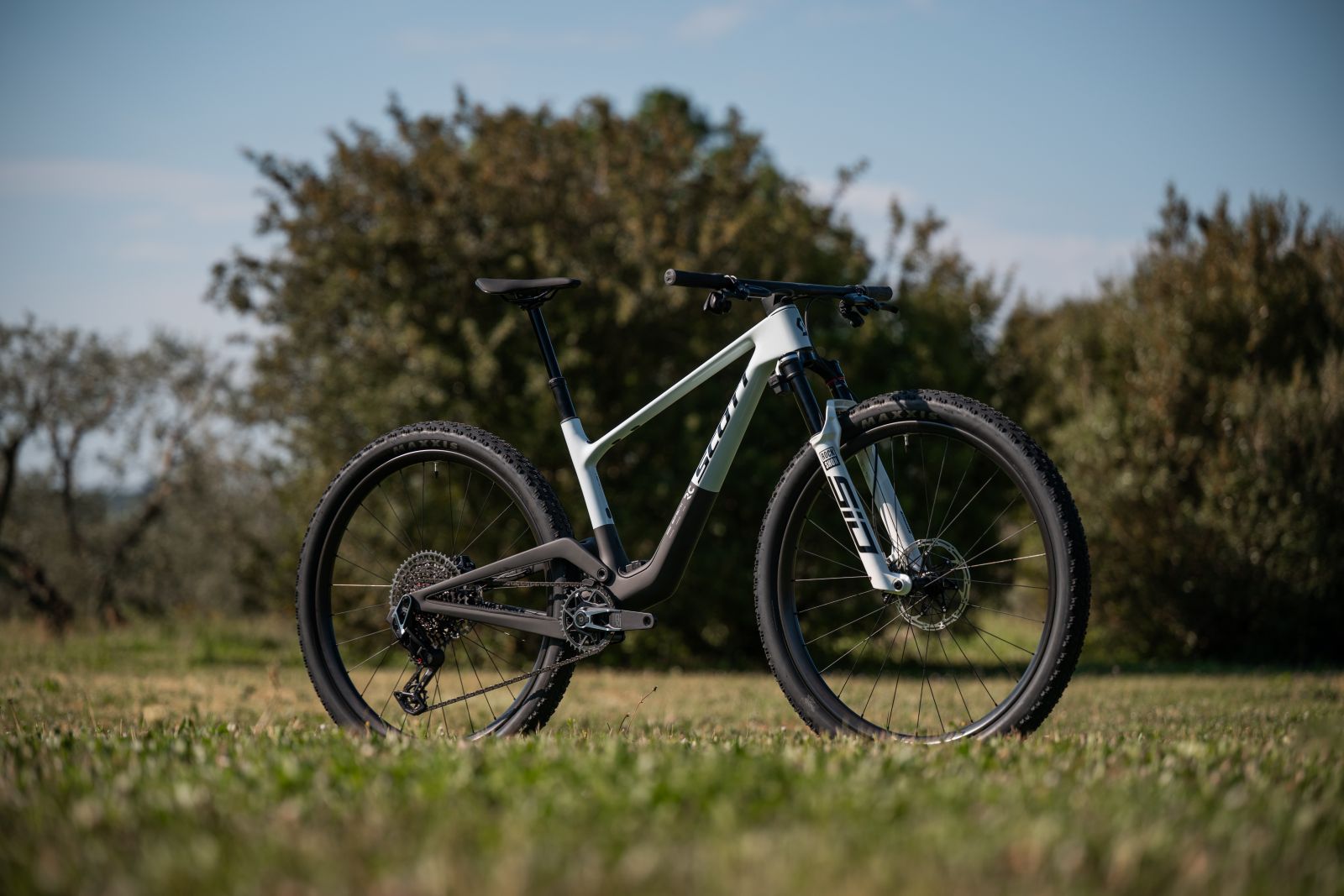
The Scott Spark RC World Cup and Expert 2027 push the boundaries of XC even further. Flight Attendant suspension, Syncros carbon wheels and top-level performance: discover our full review.
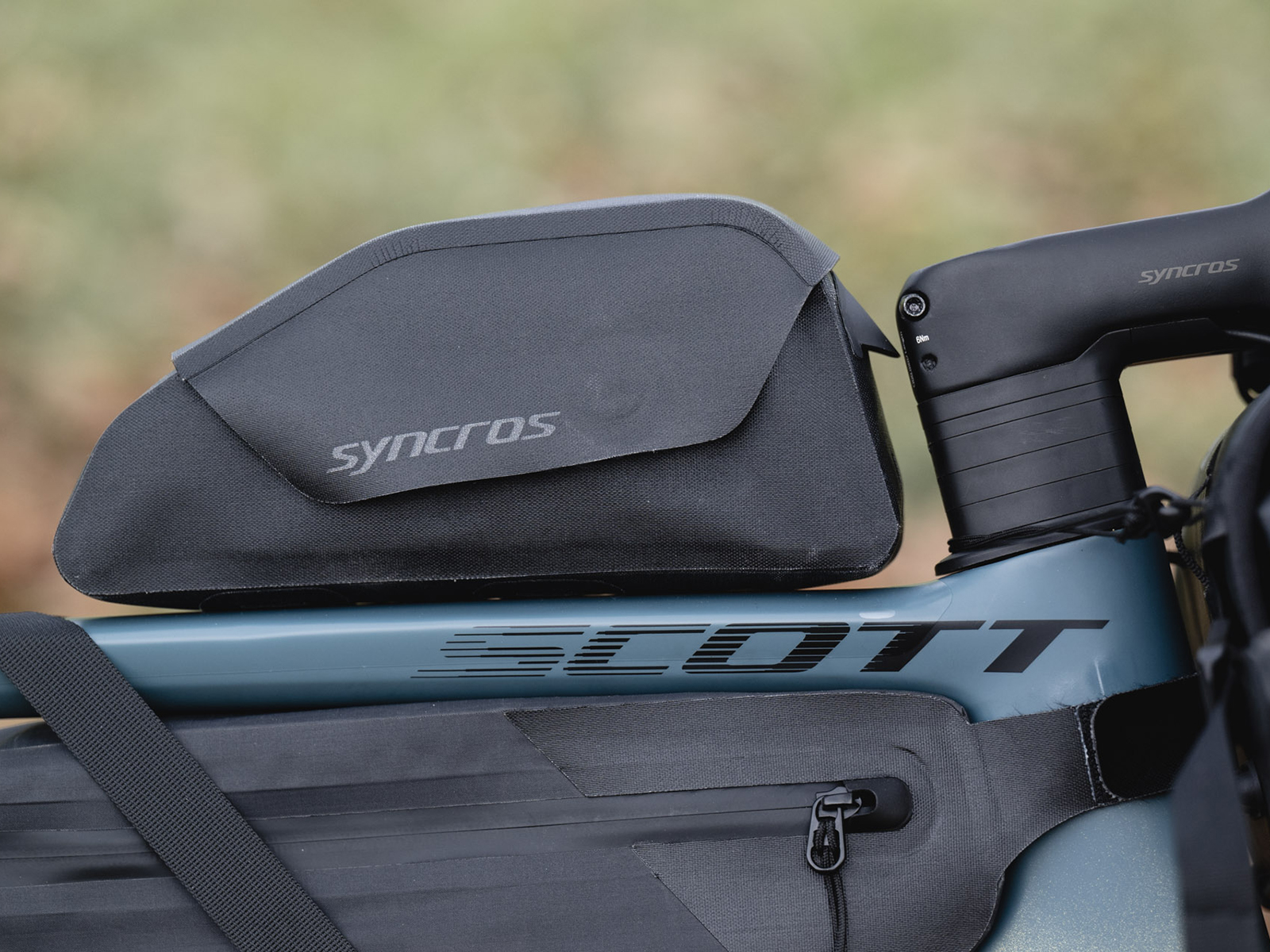
The pannier has become an essential piece of equipment for many cyclists. Whether for daily commutes, bike riding, long rides, cycle touring, bikepacking, or simply leisurely outings, it allows you to carry your belongings comfortably without carrying a load on your back. A well-chosen pannier improves comfort, maintains the bike's balance, and makes organizing your gear easier.
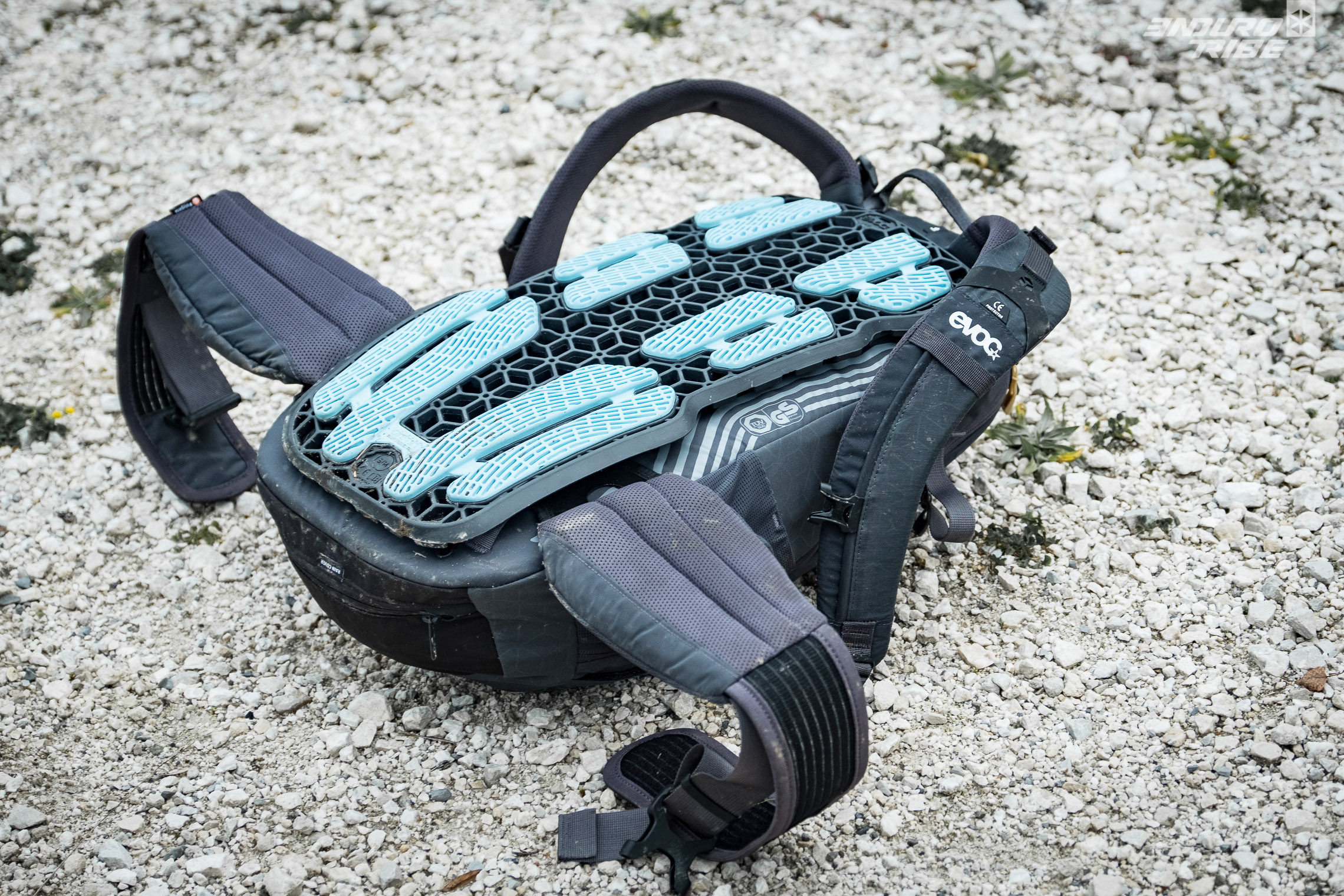
Choosing a cycling backpack requires finding the right balance between comfort, capacity, stability, rain protection, and easy access to your gear. A good bag shouldn't just carry things. It should stay securely in place, not interfere with pedaling, minimize back perspiration, and effectively protect essential items. Whether you're commuting to work, going for a sporting activity, cycling around town, touring by bike, or hiking, your needs will differ.
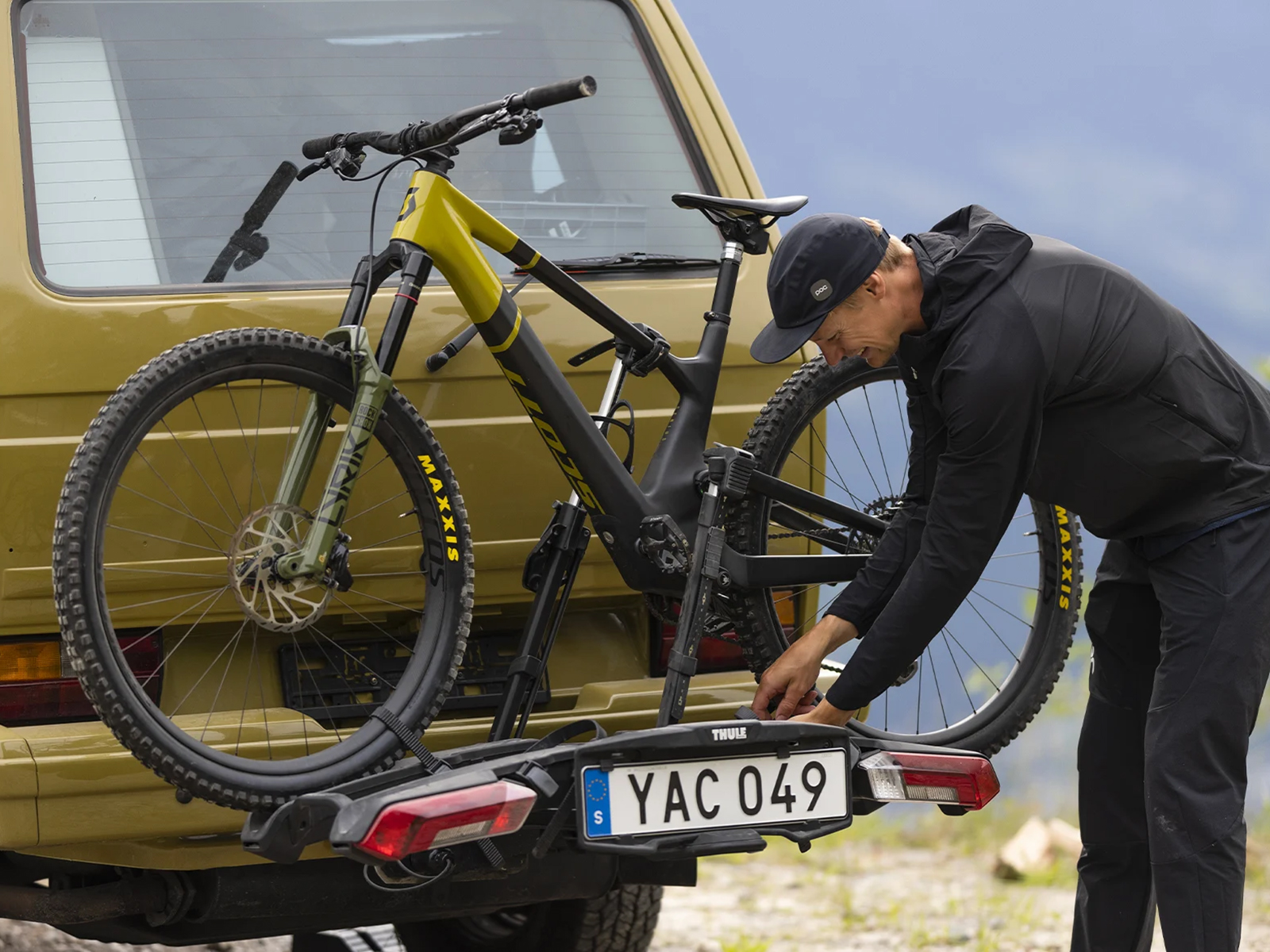
Choosing the right bike rack is essential for transporting your bikes safely, protecting your equipment, and enjoying a worry-free journey. Given the wide variety of systems available, identifying the best solution for your vehicle, the number of bikes you're carrying, or your intended use isn't always easy. Between hitch-mounted, tailgate-mounted, and roof-mounted models, there are many differences in terms of load capacity, ease of installation, compatibility, and user-friendliness.
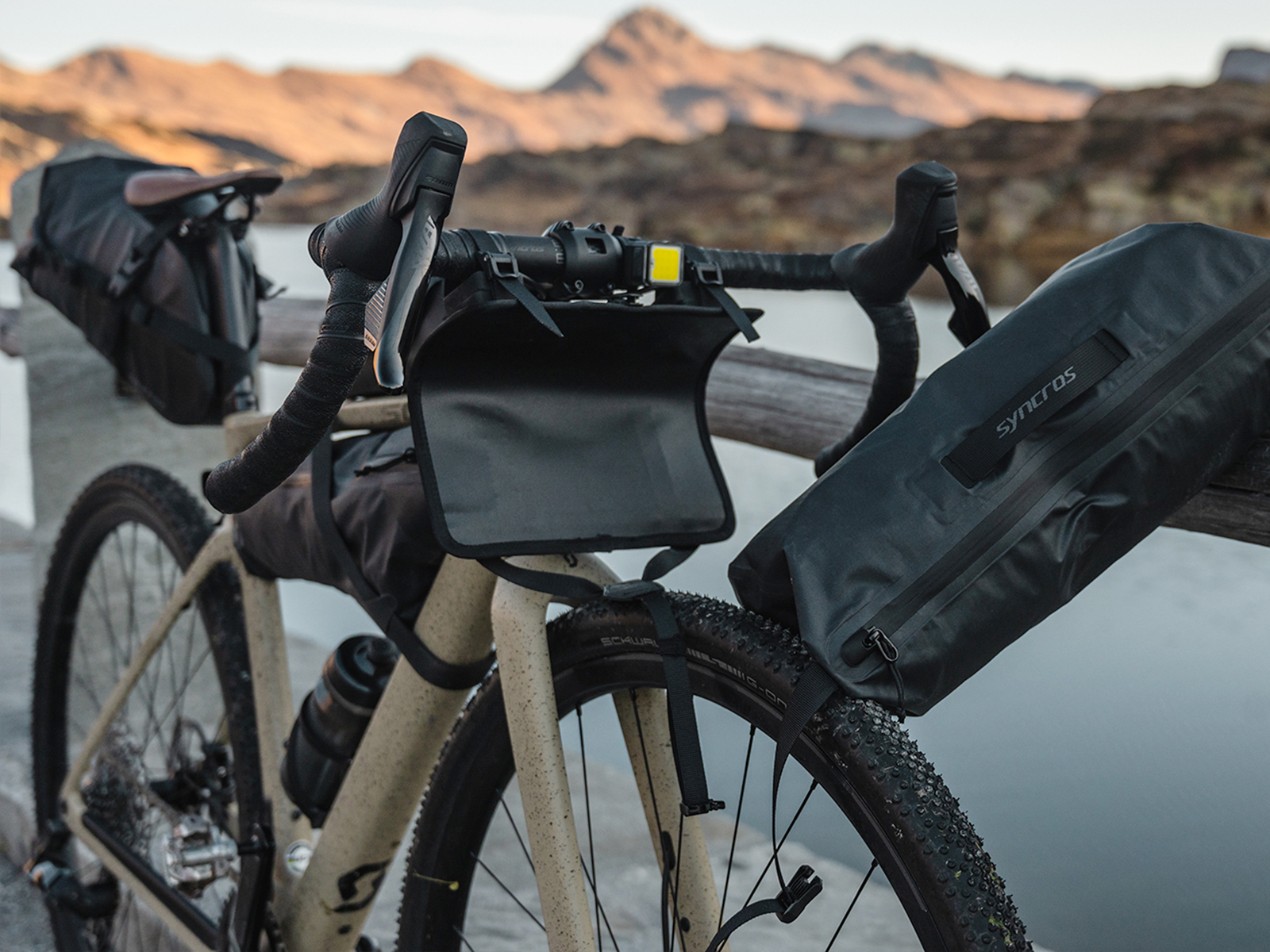
Bikepacking is an adventure cycling practice that involves traveling independently with a lightweight load attached directly to the bicycle. Unlike traditional cycle touring, which uses racks and large panniers, bikepacking favors compact bags distributed across the frame , handlebar , and tige de saddle . This approach allows for a bike that remains agile, efficient, and suitable for varied terrain, whether roads, tracks, forest paths, or trails.
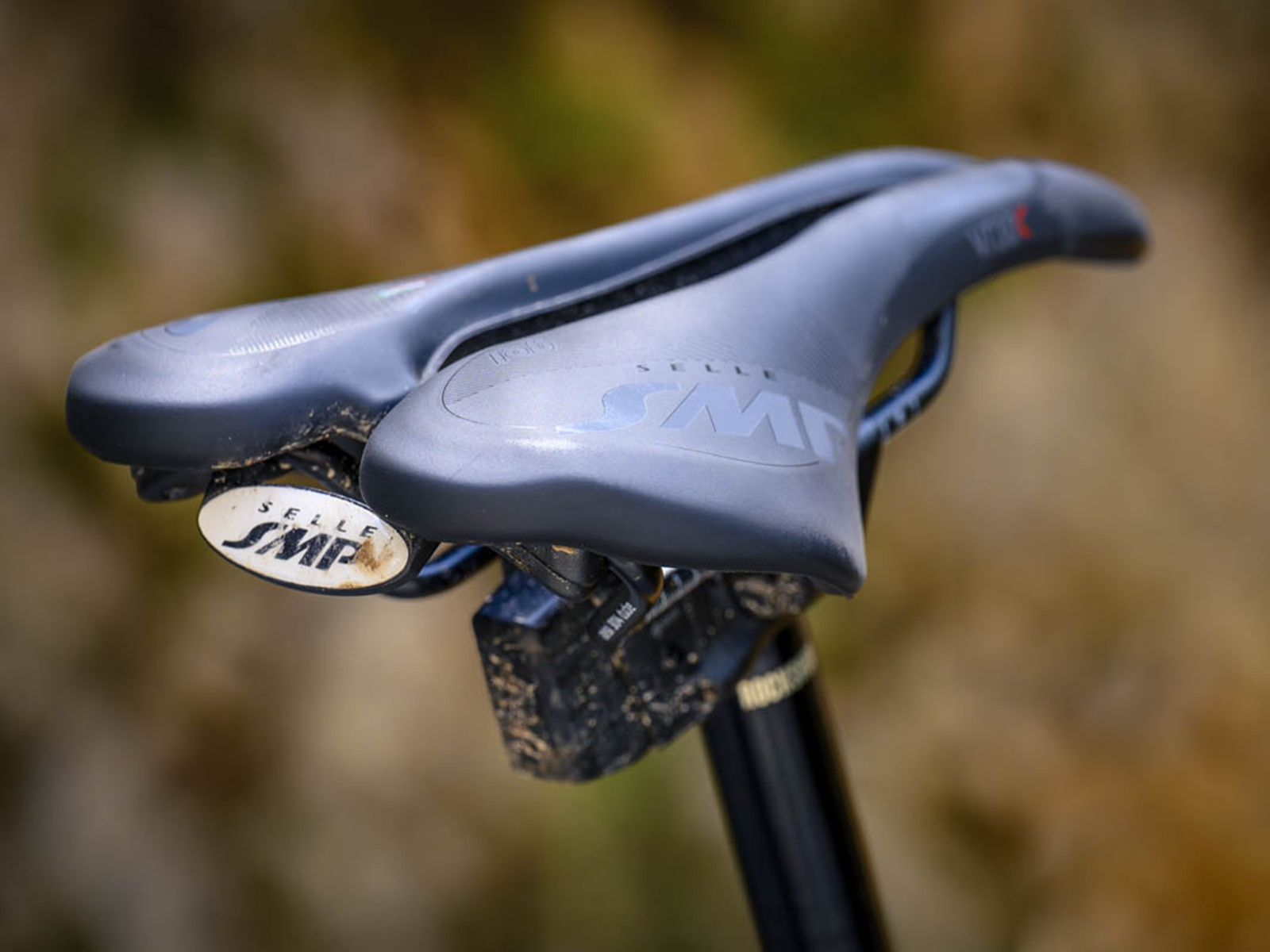
Choosing the right saddle is one of the most important factors in improving comfort, performance, and enjoyment of off-road riding. An unsuitable saddle can cause pelvic pain, chafing, numbness, or reduced pedaling efficiency. Conversely, a well-chosen saddle allows for better power transfer, maintains a stable position on the bike, and lets you fully enjoy your rides, whether it's trail riding, cross-country, enduro, or downhill. The shape, width, padding, materials, and type of riding all directly influence the choice. Therefore, it's essential to consider your body type, riding style, and riding habits before making your selection.