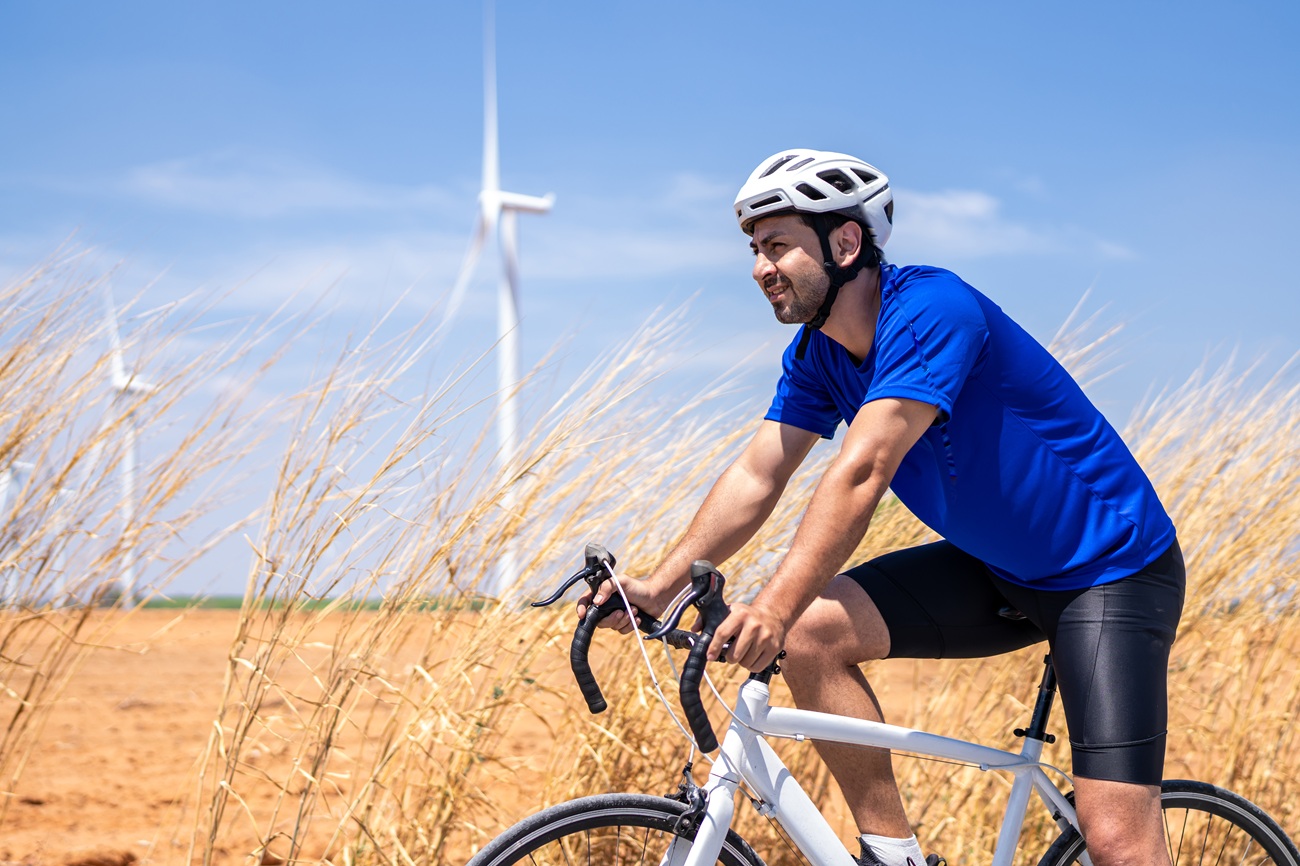
Choosing a men's road Bike begins with the frame geometry. This characteristic defines the riding position, pedaling efficiency, and comfort. A well-calibrated frame allows you to combine performance and ease, covering long distances without unnecessary fatigue. Next, the bike's handling depends on the drivetrain and stiffness. Finally, comfort and adjustments fine-tune the relationship between the rider and the machine.
frame geometry and body adaptation
The geometry of a men's road Bike determines the riding position. It's designed to accommodate a wider frame and a longer torso. reach , tube height, and head angle all contribute to a stable and efficient riding position. There's a distinction between endurance geometry, ideal for long rides, and racing geometry, geared towards performance. The material also plays a role: aluminum remains balanced, while carbon fiber offers a significant increase in comfort and better vibration absorption.
When choosing a bike, it's crucial to ensure a good fit between frame and your male physique. Poor geometry can lead to lower back or neck pain, even with high-quality components. Every element should contribute to efficient pedaling, comfortable positioning, and long-term performance.
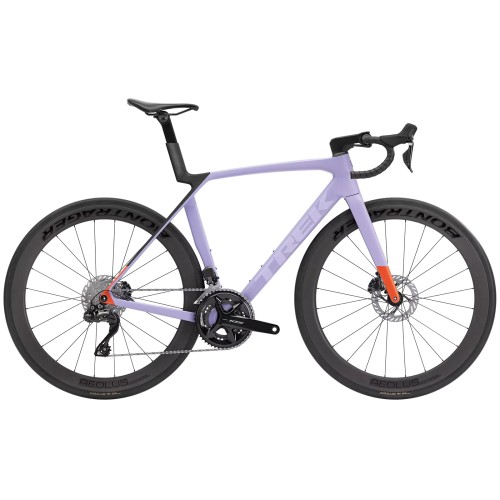
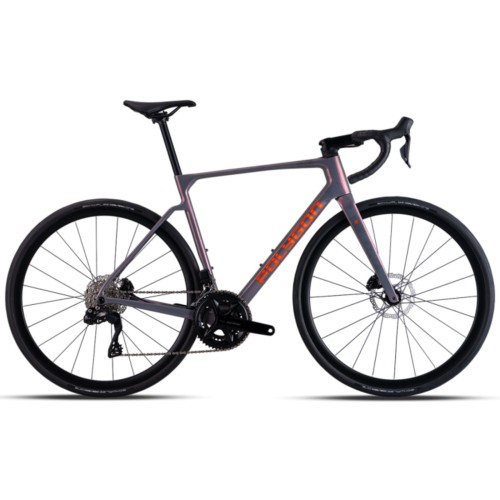
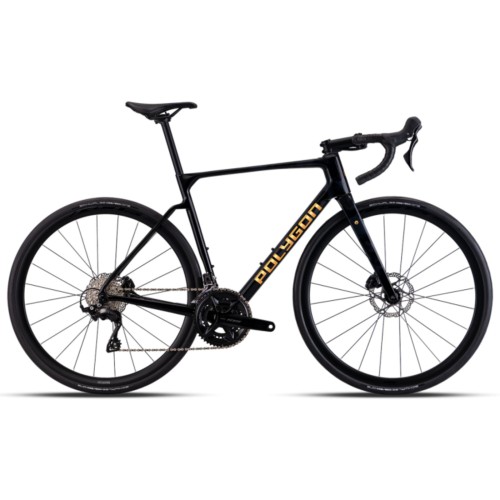
Trek Madone SL 6 Gen.8 105 Di2 Matte Lavender Haze / Deep Smoke Carbon road Bike 2026
-4% €4,299.00 €4,499.00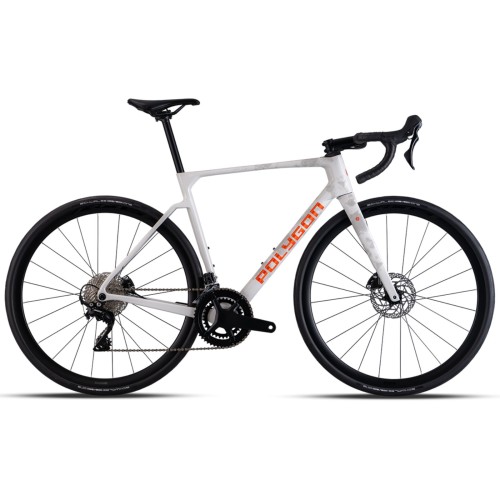
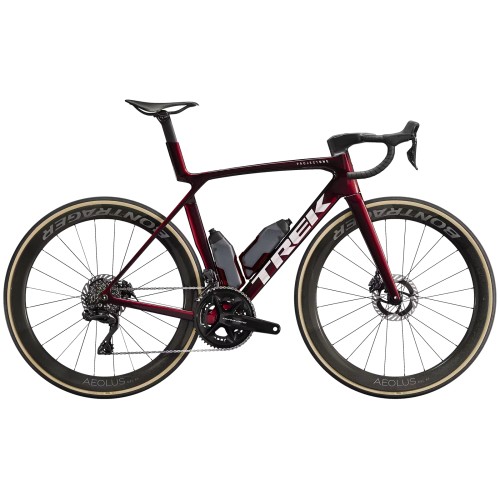
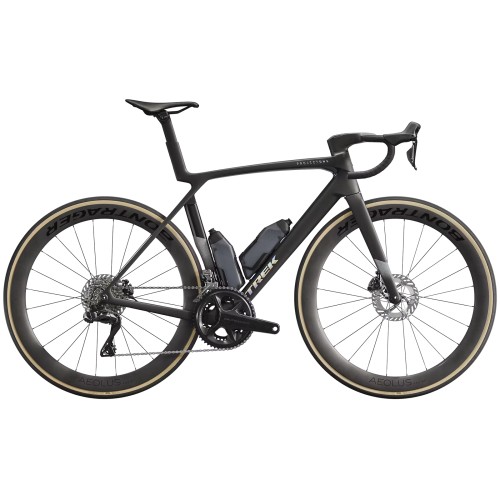
Trek Madone SLR 7 Gen.8 Ultegra Di2 12s Matte Carbon Smoke / Prismatic Pearl carbon road bike 2026
-13% €6,990.00 €7,999.00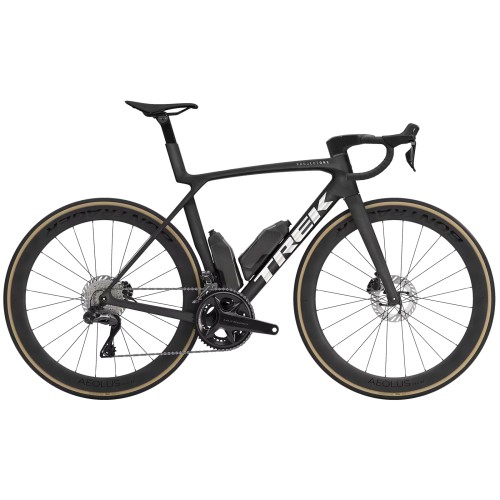
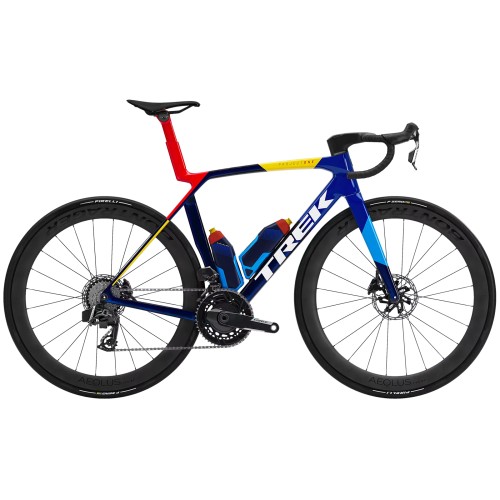
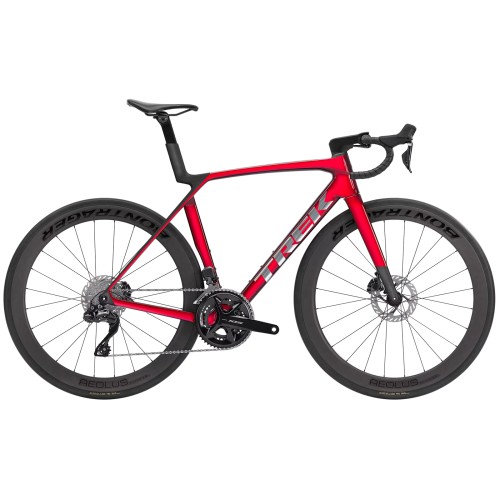
Trek Madone SL 6 Gen.8 105 Di2 Gloss Fury Red / Matte Deep Smoke Carbon road Bike 2026
-4% €4,299.00 €4,499.00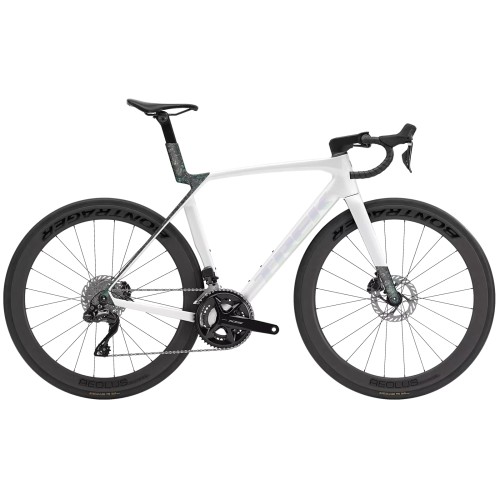
Trek Madone SL 6 Gen.8 105 Di2 Gloss Crystal White / Matte Deep Smoke Carbon road Bike 2026
-4% €4,299.00 €4,499.00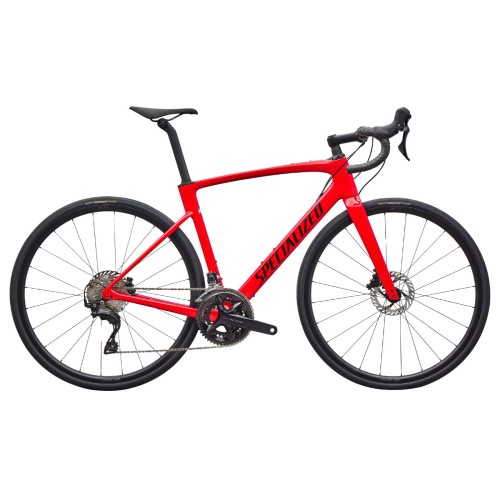
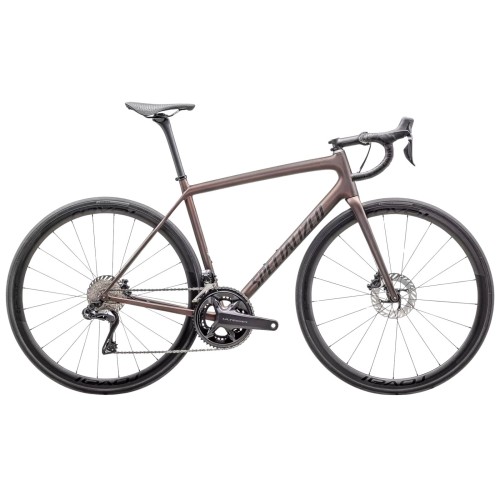
Specialized Aethos Pro Ultegra DI2 12s Satin Carbon / Red Pearl / Black 2025 carbon road bike
-8% €5,999.00 €6,499.00A good men's road Bike offers ample leg extension while maintaining control of the handlebar . This ensures a safe ride, efficient power transfer, and extended enjoyment on the road.
Smooth Drivetrain and mechanical efficiency
The drivetrain is the heart of efficiency. Different combinations, such as 2x or 1x depending on the intended use, allow for efficient acceleration and climbing. The choice of chainrings, cassette, chain , and the precision of the derailleurs ensure optimal power transfer. A men's road Bike benefits from robust, lightweight, and well-integrated components to allow for brisk climbs without excessive effort.
Proper maintenance and quality of the drivetrain contribute to its smooth operation. A well-lubricated chain , precise adjustments, and high-performance components ensure a fluid cadence over long distances without any loss of rhythm.
Properly adjustment a men's road Bike also requires considering the rider's style, frequency of use, and the type of terrain. Each setup has its optimal balance between lightness, robustness, and consistent cadence.
Wheels, tires and stability of men's road Bike
The wheels impact acceleration, grip, and comfort. Tires from 25 to 28 millimeters combine efficiency, road holding, and puncture resistance. Tubeless assembly allow for safe riding at lower pressures. Men's road Bike benefit from improved stability on asphalt, promoting ease and confidence.
Stability on descents and handling in corners also depend on the rim profile and their weight. The right compromise improves performance without compromising handling.
Properly balancing wheels and tires also helps to conserve energy over long efforts, promoting comfort and consistent performance.
Powerful braking and modulation
Braking is an absolute safety criterion. Disc brakes, especially hydraulic ones, offer precise modulation and effective power in all weather conditions. They allow for confident riding, particularly on fast descents. Men's road Bike rely on high-performance braking to maintain control everywhere.
The positioning of the levers must be adjusted to avoid forearm fatigue and maintain comfort over long distances.
A good braking system guarantees an immediate response without altering the geometry of the bike, even in sporty and demanding use.
Ergonomics, saddle and riding position
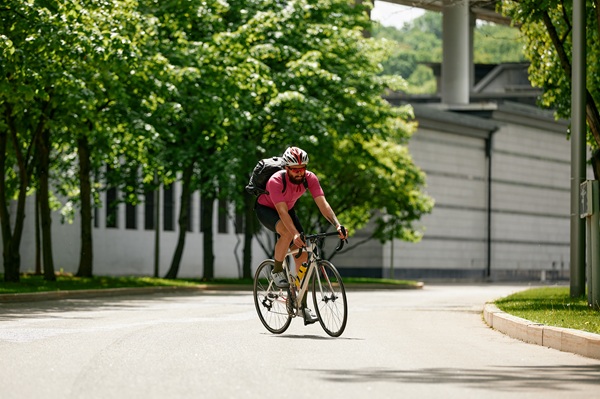
Comfort depends on proper ergonomics. The choice of saddle , handlebar height and angle—all these must correspond to a man's anatomy. A well-chosen saddle prevents pelvic discomfort and offers optimal support. Men's road Bike should incorporate ergonomic components from the outset for a long-lasting, pain-free ride.
Proper back alignment, combined with good leg extension, promotes efficient pedaling. Appropriate grips and well-positioned handlebar maintain control without compromising comfort.
Well-designed ergonomics improve endurance, limit irritation, and allow you to rack up the miles with pleasure.
Materials, weight and overall performance
Carbon fiber offers a lightweight, stiff, and comfortable balance. Aluminum is affordable and reliable. For competitive use or regular, intensive rides, a men's road Bike benefits from being lightweight without sacrificing durability. Every gram saved is noticeable during exertion, especially uphill.
However, be aware that excessive weight gain can weaken the structure. In the long run, a balance between performance and strength ensures lasting reliability.
The choice of materials also influences the overall feel of the bike: lighter, more responsive, smoother. A well-balanced design preserves integrity and comfort over time.
Regular Maintenance and durability of a men's road Bike
maintenance is essential for longevity and optimal performance. The chain , derailleurs, brakes, and steering require regular attention. Easily available parts ensure hassle-free maintenance. A men's road Bike should remain reliable, not just high-performing.
Simple actions such as lubricating, cleaning and checking voltages help to maintain initial performance and prevent output failures.
Proper maintenance ensures consistent performance, sound mechanics, and worry-free operation over time.
Summary table
| Element | To be preferred |
|---|---|
| Frame | Tailored geometry, rigidity, comfort |
| Drivetrain | Tailored reports, precision, simple maintenance |
| Wheels/Tires | Lightweight, grippy, tubeless |
| Braking | Powerful, fine modulation, reliable |
| Ergonomics | Saddle adapted, custom position |
| Materials | Balanced carbon or aluminum |
| Maintenance | Easy adjustments, common parts |
This table provides a clear overview of priorities. It allows for a quick comparison of the fundamental aspects to consider for a balanced, high-performing, and comfortable bicycle.
Adaptation according to use
Daily use demands greater comfort and durability. Competitive use requires more lightness and responsiveness. A men's road Bike is built according to your riding habits, your goals, and the type of terrain you encounter.
Each profile requires a specific balance between performance, enjoyment, and reliability.
This guide helps you tailor your choice to your ambitions, whether they are sporting or related to long-distance adventures.
Test and personal impressions
Nothing replaces a test ride. The overall feel, position, and stiffness must be validated on the road. This allows for adjustments and confirms the actual comfort. A men's road Bike is judged as much by its technical aspects as by the feel it provides.
A personalized test also allows for a better understanding of the compromises made between all the parameters.
Your next bike should be an extension of your effort: smooth, precise, comfortable.
A well-considered budget
Your budget should balance performance, sturdiness, and durability. Even without mentioning a brand or price, it's important to weigh each investment against its intended use. A good men's road Bike combines quality components, comfort, and longevity without breaking the bank.
Consider the overall cost: parts to maintain, wear and tear, possible changes over time.
This reasoning ensures a thoughtful and sustainable choice, aligned with your cycling goals.
FAQ
Why is frame geometry so important?
It determines posture, pedaling efficiency and comfort over time.
What is the difference between carbon and aluminum?
Carbon is lighter and more comfortable, aluminum is robust and economical.
Why maintain it regularly?
This ensures long-term reliability, performance and safety.

Related Posts
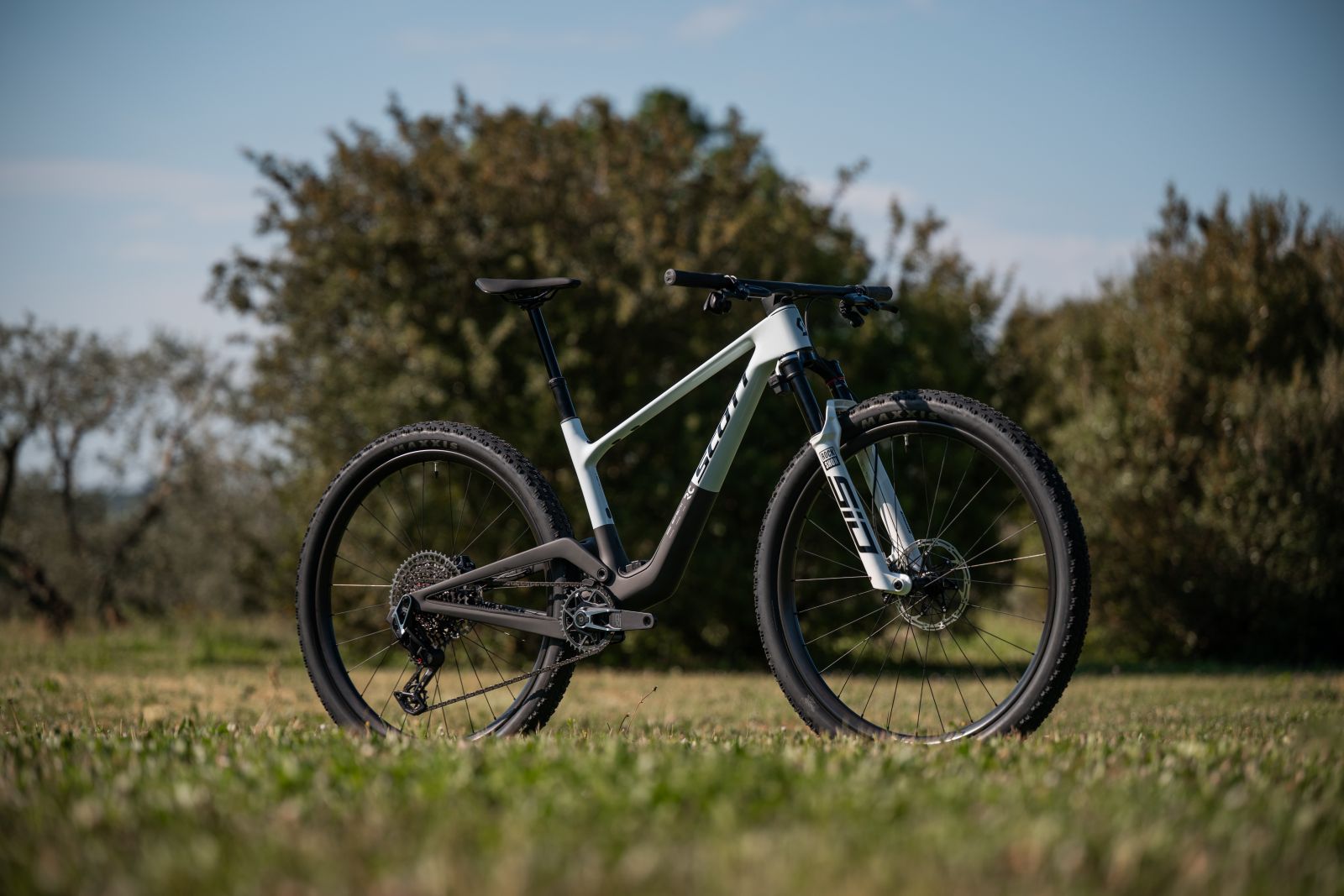
The Scott Spark RC World Cup and Expert 2027 push the boundaries of XC even further. Flight Attendant suspension, Syncros carbon wheels and top-level performance: discover our full review.
The pannier has become an essential piece of equipment for many cyclists. Whether for daily commutes, bike riding, long rides, cycle touring, bikepacking, or simply leisurely outings, it allows you to carry your belongings comfortably without carrying a load on your back. A well-chosen pannier improves comfort, maintains the bike's balance, and makes organizing your gear easier.
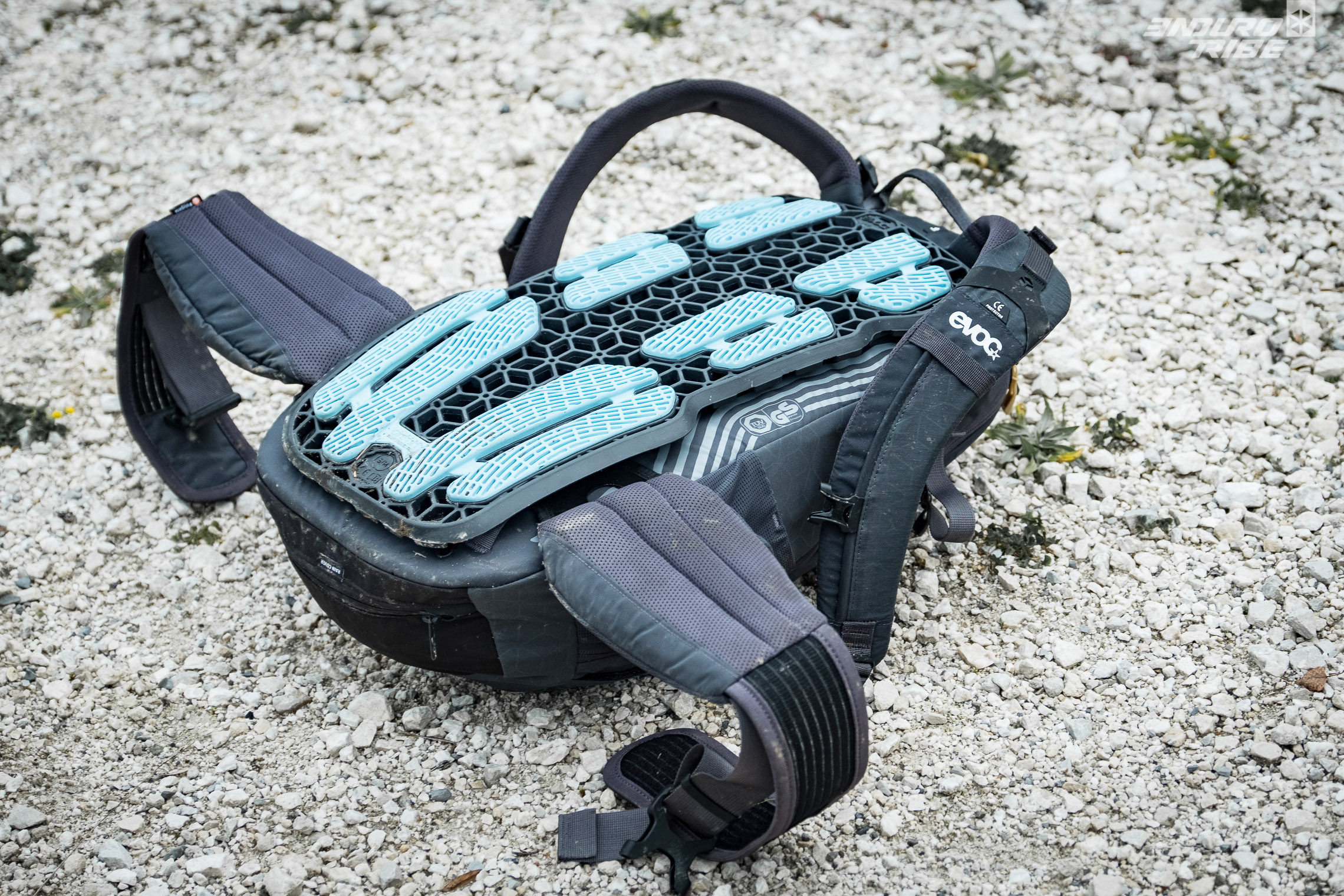
Choosing a cycling backpack requires finding the right balance between comfort, capacity, stability, rain protection, and easy access to your gear. A good bag shouldn't just carry things. It should stay securely in place, not interfere with pedaling, minimize back perspiration, and effectively protect essential items. Whether you're commuting to work, going for a sporting activity, cycling around town, touring by bike, or hiking, your needs will differ.
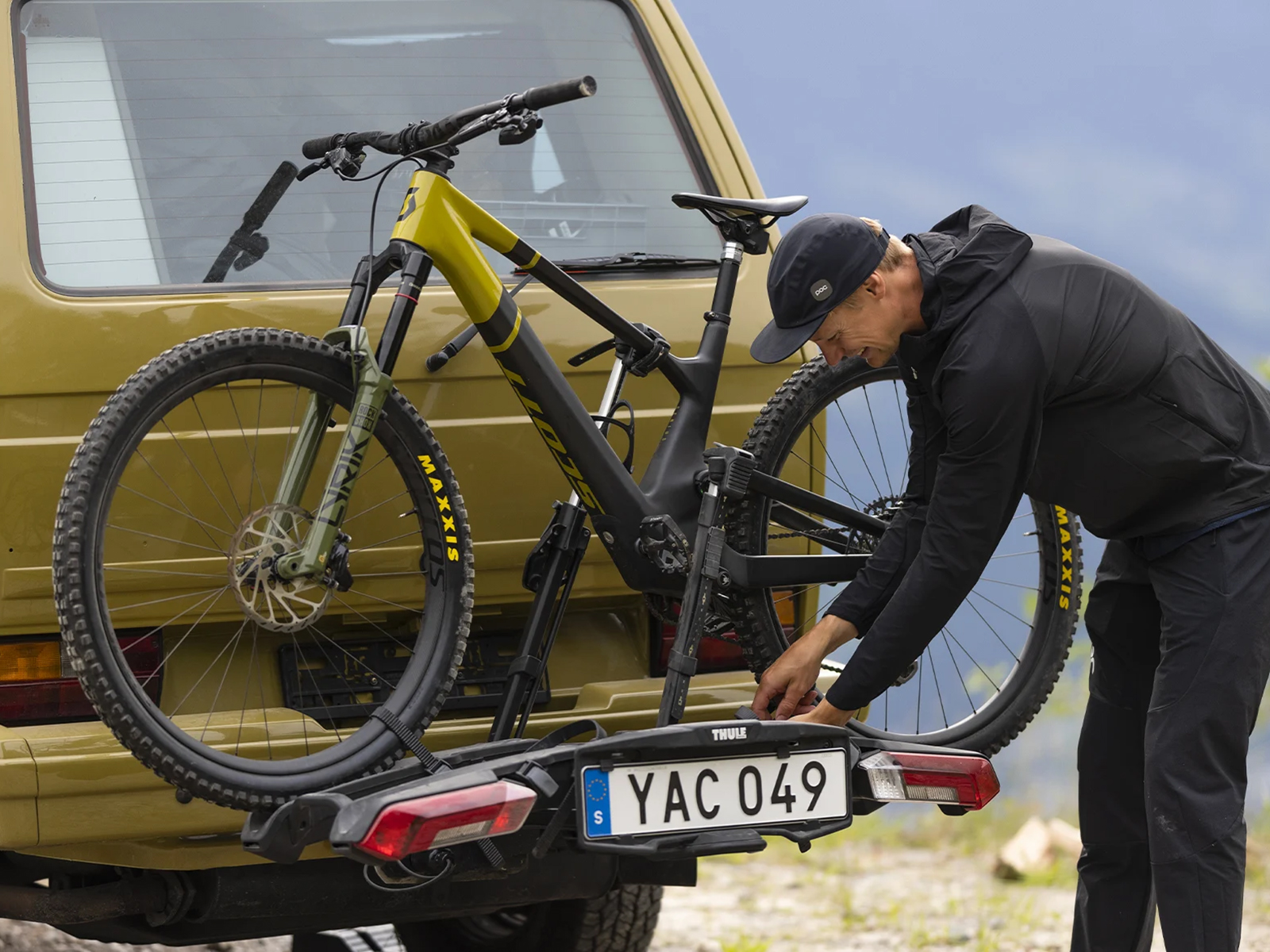
Choosing the right bike rack is essential for transporting your bikes safely, protecting your equipment, and enjoying a worry-free journey. Given the wide variety of systems available, identifying the best solution for your vehicle, the number of bikes you're carrying, or your intended use isn't always easy. Between hitch-mounted, tailgate-mounted, and roof-mounted models, there are many differences in terms of load capacity, ease of installation, compatibility, and user-friendliness.
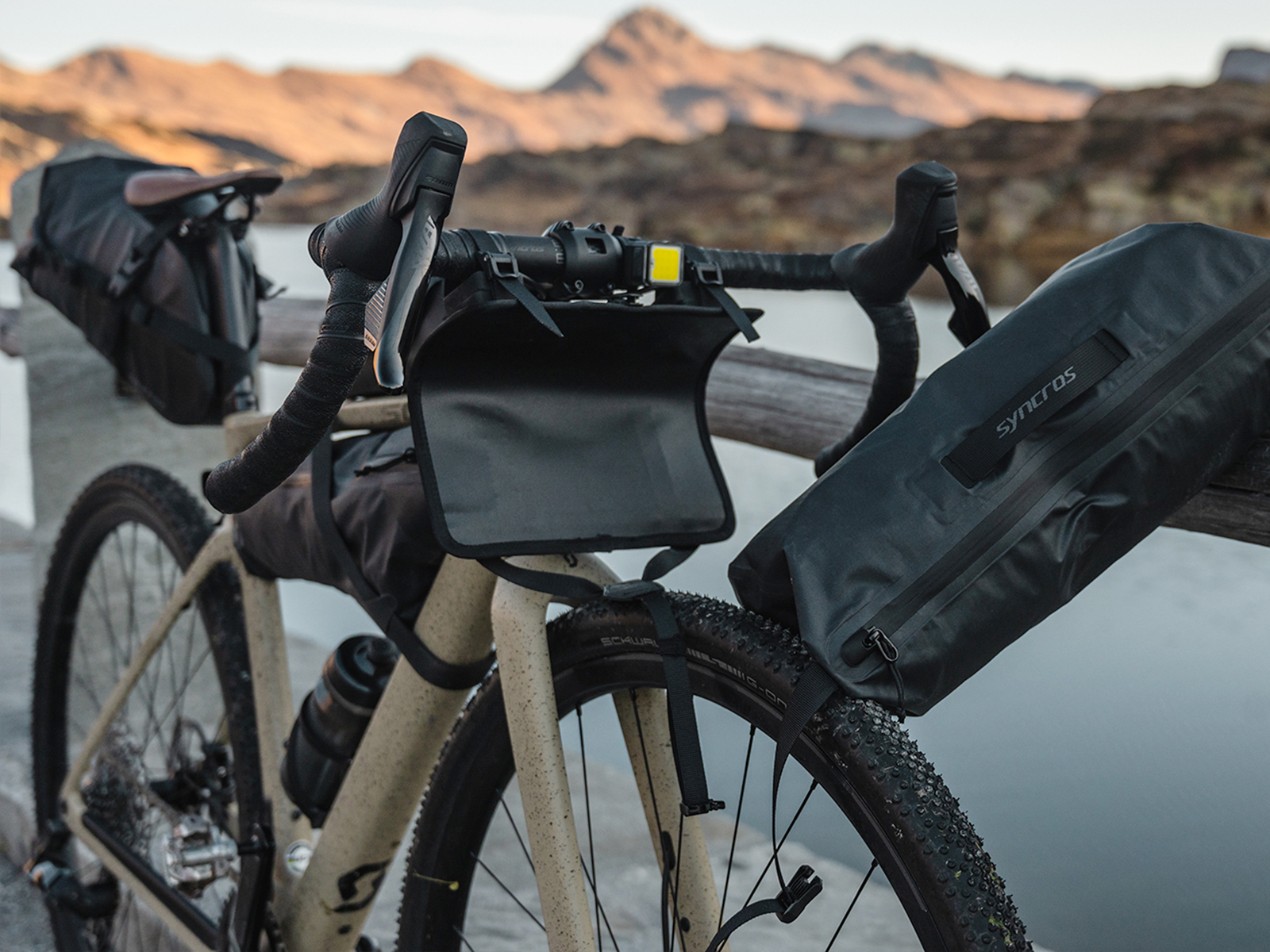
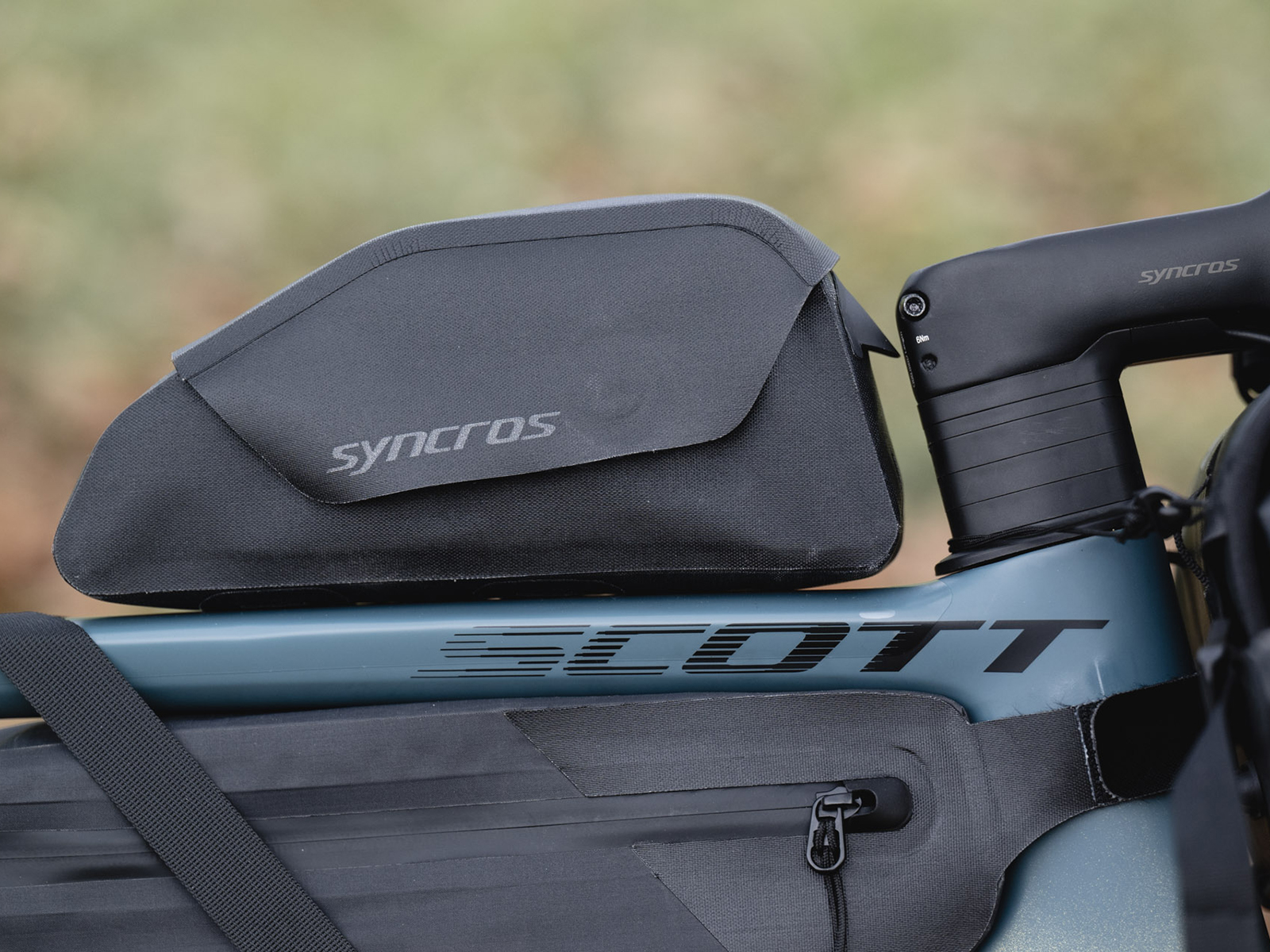
Bikepacking is an adventure cycling practice that involves traveling independently with a lightweight load attached directly to the bicycle. Unlike traditional cycle touring, which uses racks and large panniers, bikepacking favors compact bags distributed across the frame , handlebar , and tige de saddle . This approach allows for a bike that remains agile, efficient, and suitable for varied terrain, whether roads, tracks, forest paths, or trails.
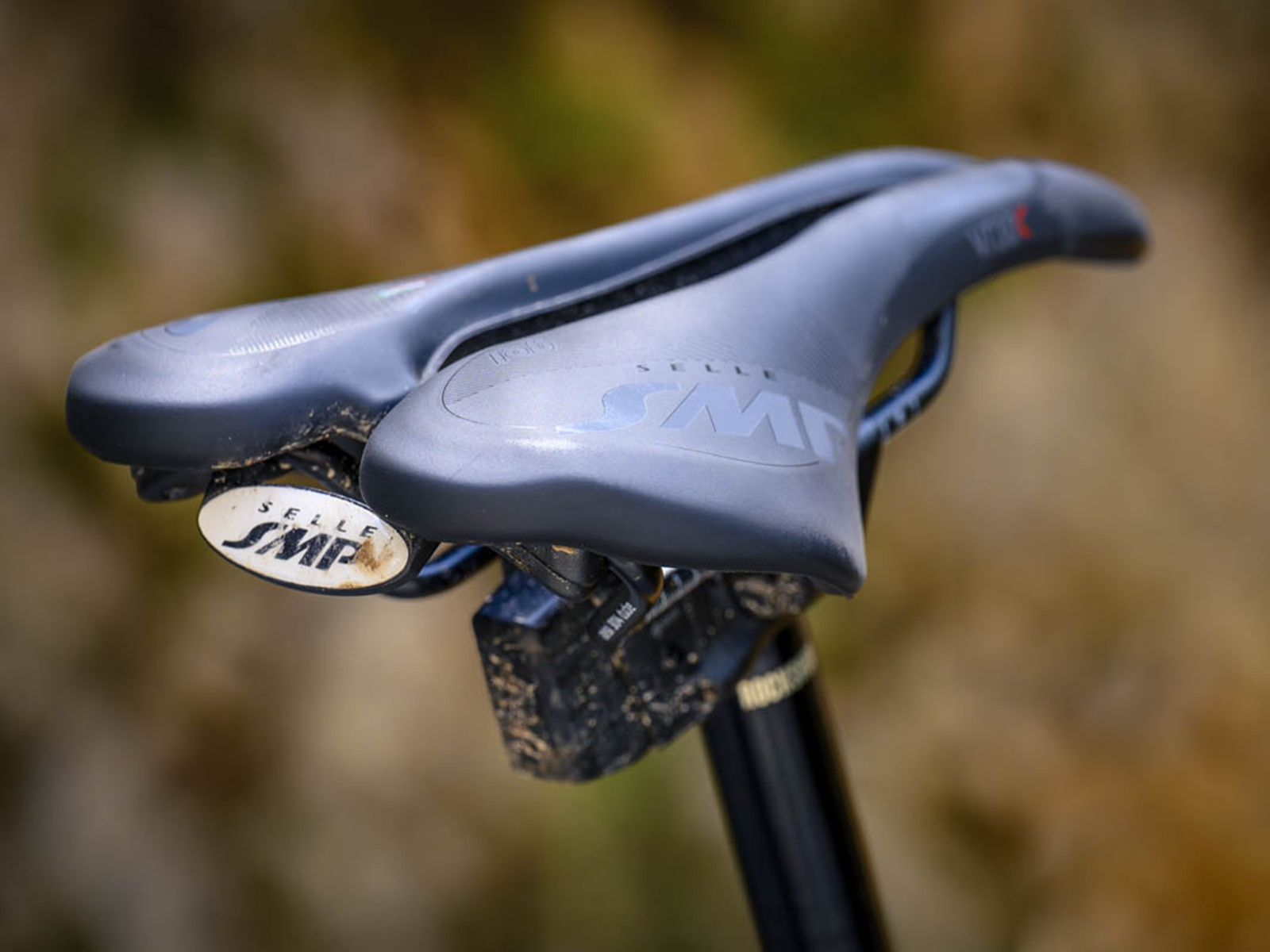
Choosing the right saddle is one of the most important factors in improving comfort, performance, and enjoyment of off-road riding. An unsuitable saddle can cause pelvic pain, chafing, numbness, or reduced pedaling efficiency. Conversely, a well-chosen saddle allows for better power transfer, maintains a stable position on the bike, and lets you fully enjoy your rides, whether it's trail riding, cross-country, enduro, or downhill. The shape, width, padding, materials, and type of riding all directly influence the choice. Therefore, it's essential to consider your body type, riding style, and riding habits before making your selection.