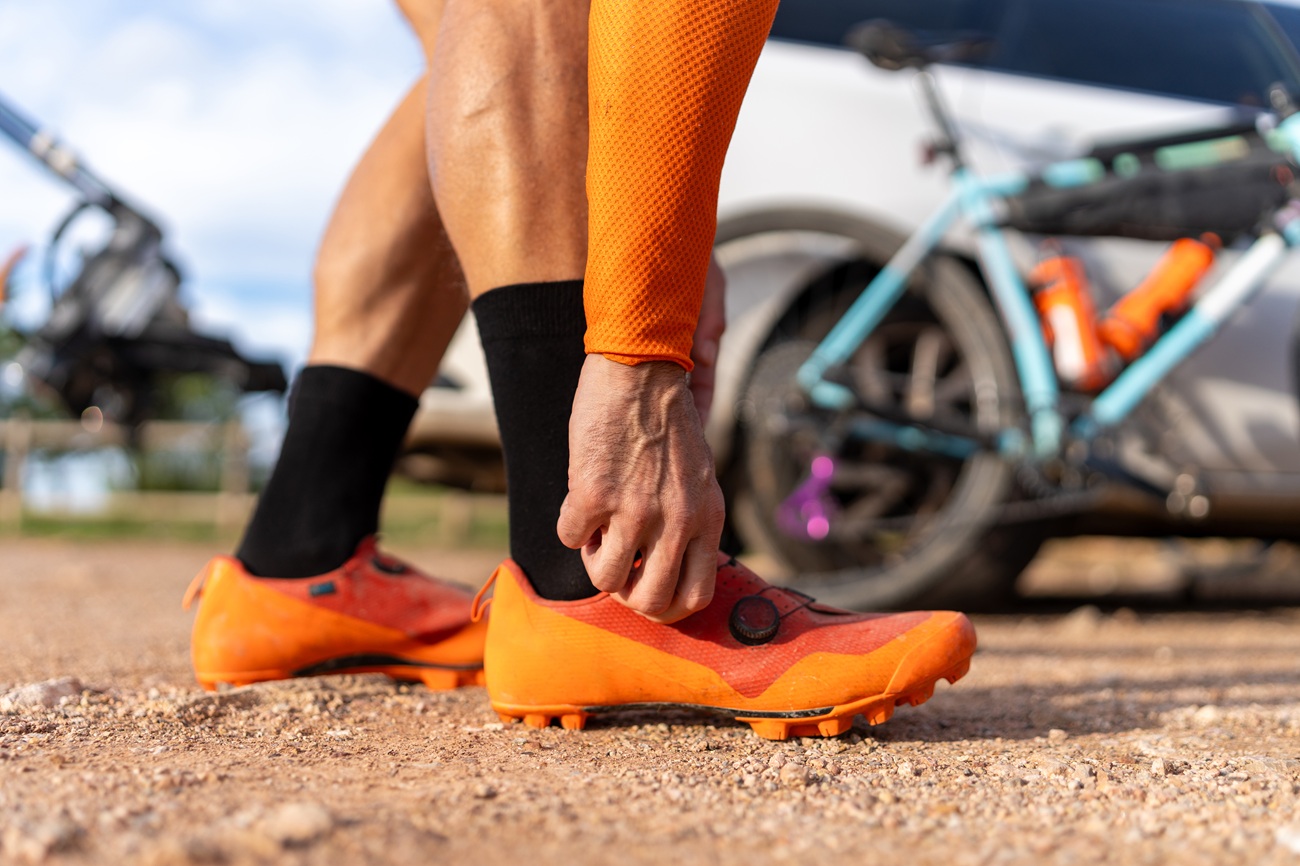
Choosing the right pair of Gravel bike shoes directly impacts comfort, performance, stability, and overall riding enjoyment. Gravel riding demands a wider range of needs than road cycling and more nuanced than MTB . You need to pedal efficiently on asphalt, maintain ease on gravel paths, walk comfortably when the terrain requires it, and enjoy reliable support for extended periods. Between sole stiffness , cleats compatibility , closure system , protection , grip , and ventilation , the right choice relies on a balance, not a single criterion. A shoe that's too stiff becomes a hindrance when walking. A shoe that's too flexible reduces pedaling efficiency. The ideal model is the one that matches your actual riding style, your skill level, and the terrain you ride.
In Gravel bike, Rides often alternate between smooth tracks, secondary roads, rough trails, wet sections, and stretches where you have to push your bike. This versatility demands careful attention to detail. A well-constructed upper improves support. A sole with well-designed lugs provides confidence on uneven terrain. A precise fit limits overheating and prevents pain. Cyclists who ride long distances also need a breathable shoe that can hold the foot securely without creating pressure points.
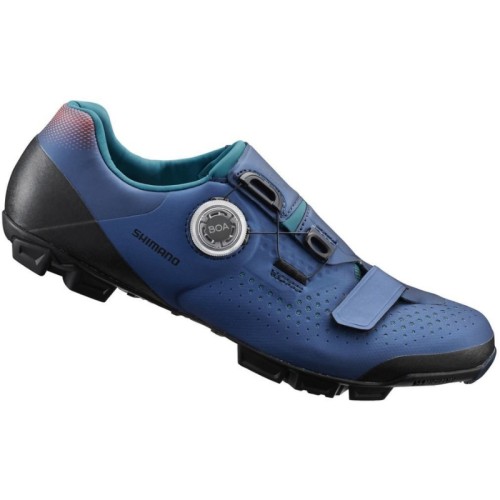
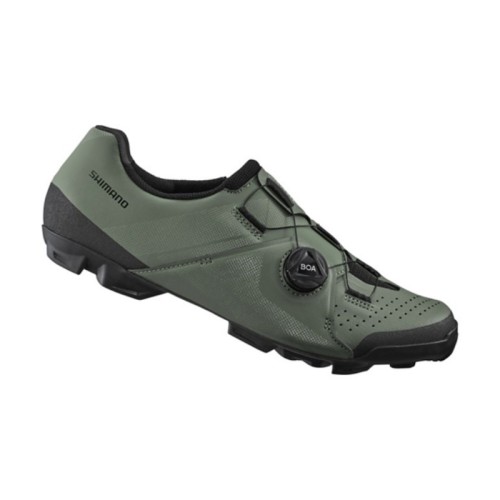
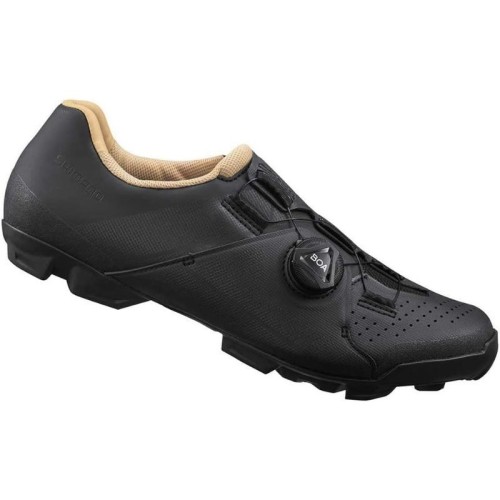
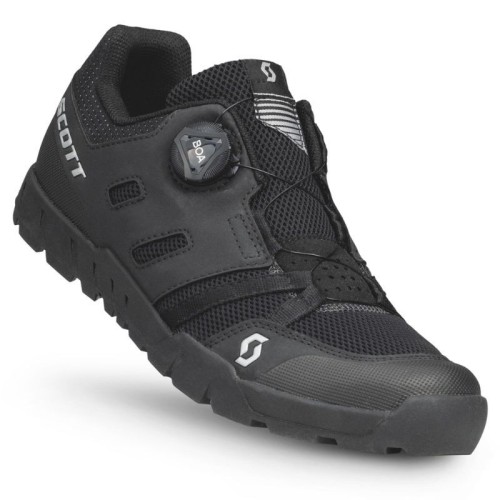
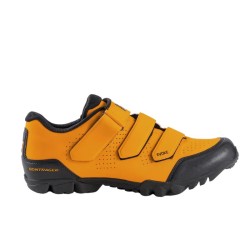
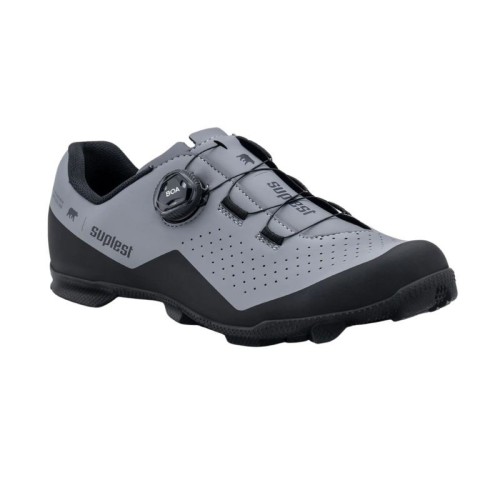
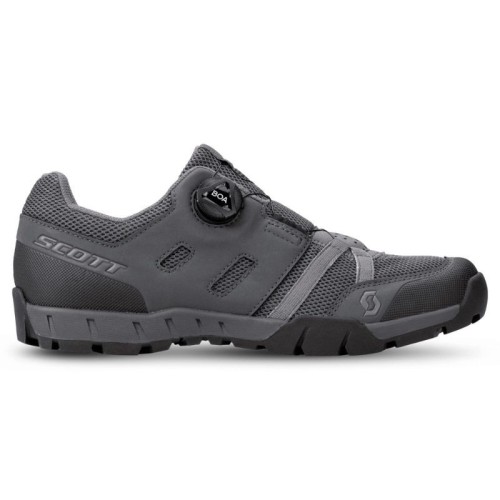
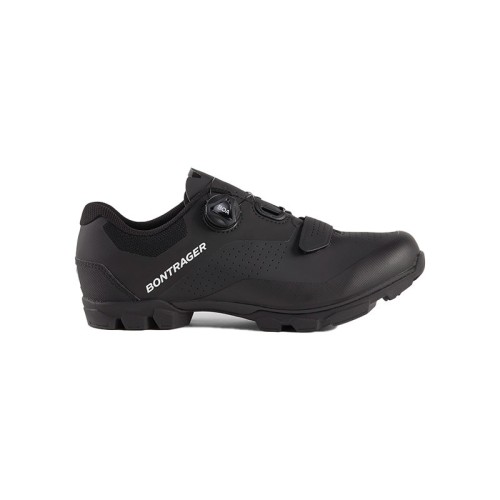
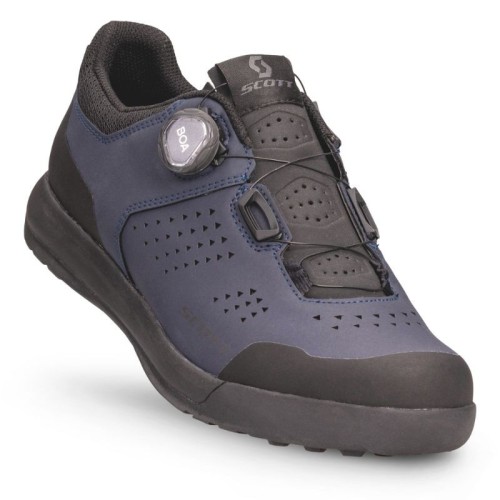
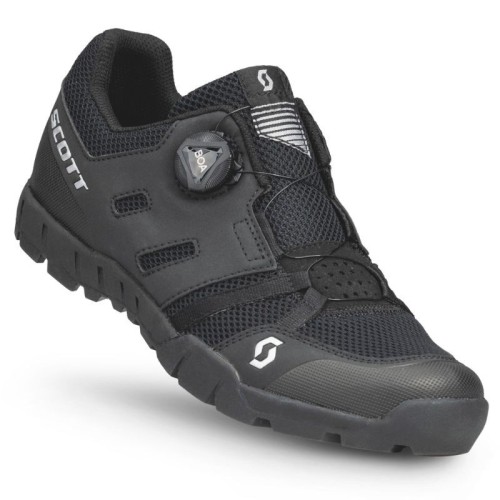


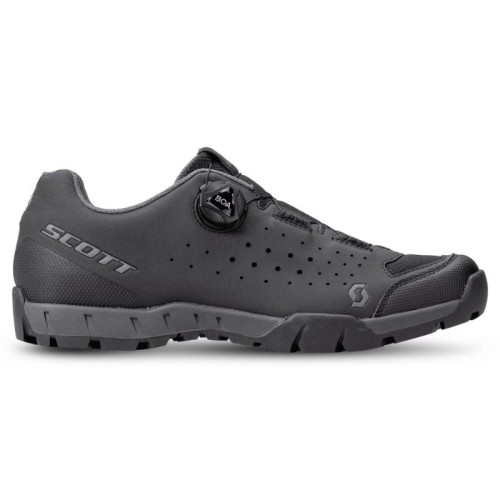
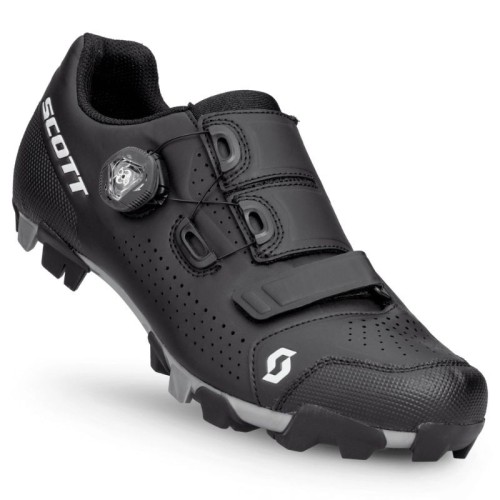
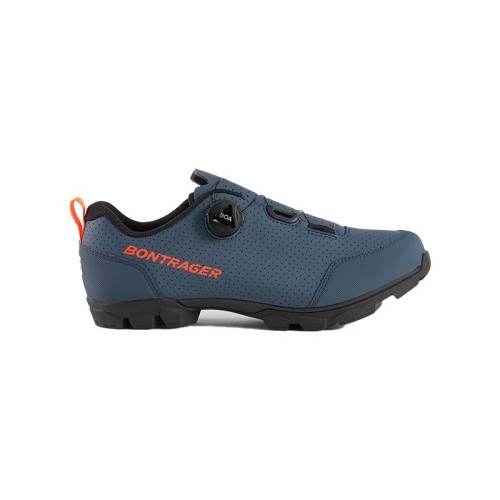
THE shoes Gravel bike They thus find themselves at the crossroads of several worlds. They incorporate some of the performance of road shoes and some of the practicality of other models MTB. It is this dual purpose that makes them so interesting, but also more difficult to choose. A suitable pair allows for better power transfer, increased confidence on varied terrain, and longer rides with a true sense of control.
Why the choice is so important
The foot is one of the main points of contact with the bicycle. When the shoe is poorly chosen, it's noticeable everywhere. Pedaling becomes less fluid, the foot moves around inside the shoe, support lacks precision, and fatigue sets in more quickly. An ill-fitting shoe can also cause chafing, compression of the forefoot, or discomfort in the heel.
In Gravel bike, This importance is even more pronounced because the surface is constantly changing. A shoe that performs well on roads but is clumsy on trails quickly shows its limitations. Conversely, a model too close to the MTB A robust design might feel reassuring on foot but lack dynamism on long, rolling sections. Therefore, you need to find a true match between your riding style and the product's characteristics.
THE shoes Gravel bike They must offer a good compromise between efficiency and freedom of movement. It is this compromise that makes all the difference on a ride lasting several hours, during a bikepacking adventure or during a sports session where you are doing repeated restarts, short carries and variations in terrain.
The shoes Gravel bike and their difference from the road and the MTB
At first glance, some shoes look alike. However, their uses are not the same. A road shoe almost always prioritizes pure performance. Its sole is often very rigid, walking is limited, and the outsole lacks grip as soon as the terrain deteriorates. It is poorly suited to the needs of Gravel bike as soon as you get off the bike.
The shoe MTB, On the other hand, it focuses more on walking, protection, and grip. On some models heavily geared towards trail or enduro riding, the weight and flexibility may exceed what a rider is looking for. Gravel bike. For sporty use on tracks and white roads, this may result in a less lively pedaling sensation.
THE shoes Gravel bike They find their place between the two. They maintain a good drivetrain power, while still offering excellent walking ability. Their outsoles often feature discreet but effective lugs. Their profile is more versatile, with a construction designed to balance performance, comfort, and ease of use on mixed terrain.
| Shoe type | Key point | Main limit |
|---|---|---|
| Road | Pedaling efficiency | Inconvenient walk |
| Gravel bike | Versatility | A compromise to choose wisely |
| MTB | Hook and protection | Sometimes less nervous |
Choosing the right sole
The sole largely determines the shoe's performance. The stiffer it is, the more directly the power is transferred to the pedal. The more flexible it is, the easier walking becomes. Gravel bike, The ideal is rarely found at the extremes. Medium to high stiffness is often the best option for enjoying efficient pedaling without completely sacrificing comfort while walking.
The soles in carbon High-end composite soles appeal to cyclists seeking efficiency. They provide a direct response and minimize energy loss. However, on rides with multiple walking sections, they can feel demanding. Reinforced nylon or composite soles often offer more versatile and forgiving performance.
THE shoes Gravel bike They should also be examined from the perspective of their outsole. Well-placed lugs improve traction in dirt, gravel, or wet areas. A sole that is too smooth quickly becomes a disadvantage, especially when traversing slopes or when pushing the bike up an unstable incline.
The shoes Gravel bike and compatibility with pedals
The majority of models Gravel bike use a system of cleats with two screws, identical to that of the MTB. This standard is appreciated for its discreetness under the sole and its practicality while walking. The cleat is integrated into the shoe, which avoids stepping directly on it as with some road shoes.
This choice is not insignificant. A well-integrated wedge improves stability when walking and provides greater protection for the binding system. The range of adjustment available under the shoe. A good range of motion allows for finer adjustment of the position of the cleats depending on your body shape, your pedaling style and your need for comfort.
THE shoes Gravel bike must therefore be compatible with your clipless pedals, But not only that. They must also allow for a adjustment precise enough to avoid knee strain, poorly centered support and fatigue over long distances.
Foot support and tightening system
Proper support improves accuracy and limits unwanted movement. The foot should neither move freely nor be compressed. The upper should wrap the foot evenly, and the heel should remain firmly in place during periods of sustained effort.
Laces provide even tightening and a generally natural feel. They are appreciated for their comfort and understated style. However, they are less practical to adjust while riding. Micrometric buckles offer good precision and a secure fit. Dial systems are highly valued for their speed and their adjustment END.
THE shoes Gravel bike The most successful models often combine excellent support with the absence of pressure points. This is essential on a long run. Too much pressure across the top of the foot can quickly become uncomfortable, especially when feet swell with exertion and heat.
| Clamping system | Main advantage | For what purpose? |
|---|---|---|
| Shoelaces | Consistent comfort | Leisure outings and bikepacking |
| Loop | Firm hold | Regular sports use |
| Wheel | Adjustment precise and fast | Long and intensive outings |
Comfort over long distances
Comfort isn't just about a pleasant feeling when you first try them on. You have to imagine what the shoe becomes after several hours of wear. saddle. A well-fitting shoe moves with you, provides good arch support, and allows enough room in the forefoot. A shoe that's too narrow often ends up causing discomfort.
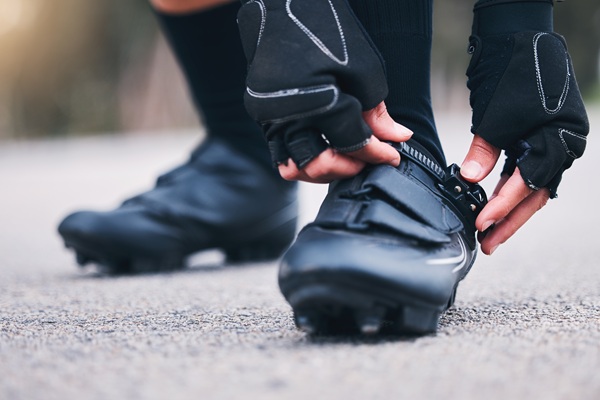
Choosing the right size is essential. A precise fit is crucial without compressing the toes. The heel should remain stable, and the forefoot should be able to move freely without excessive friction. A quality insole can also improve comfort, especially for cyclists who ride long distances or repeatedly.
THE shoes Gravel bike They are often used on longer and more varied rides than traditional road shoes. That's why the quality of the foot support, the flexibility of the upper and the overall balance of the fit are just as important as pure performance.
The shoes Gravel bike facing walking and carrying
One of the great advantages of the practice Gravel bike Freedom is key. You ride where the road ends, you explore, you improvise, you cut across a path or continue on foot when the terrain becomes too steep. A shoe that can't keep up with this logic quickly becomes a hindrance.
The quality of walking depends on several factors. The shape of the sole, the tread pattern, the placement of the cleat, and the flexibility of the forefoot all play a role. A well-designed shoe doesn't feel like walking on a piece of metal. It remains stable and reassuring on both hard surfaces and softer terrain.
THE shoes Gravel bike They must allow you to get off the bike without apprehension. This is important for sections where you have to carry the bike, crossing villages, frequent stops during a trip, or simply when you have to cross a tricky section on foot.
Ventilation, protection and resistance to the elements
THE Gravel bike Exposing shoes to a variety of conditions is essential. Dust, splashes, puddles, wet grass, pebbles, and temperature changes are all part of everyday wear and tear. A well-ventilated upper is invaluable in summer, but a shoe that's too open can become less comfortable on cold or wet terrain. Therefore, finding the right balance is key.
Reinforced toes protect against impacts from rocks or roots. Abrasion-resistant outer materials enhance durability. A good mudguard around the sole also helps keep the shoe clean for longer. Some models offer welcome water-repellent treatments without being designed as true winter footwear.
THE shoes Gravel bike Shoes designed for regular use must withstand the test of time, dust, and mechanical stress. A shoe that ages well retains its support, protects the foot, and maintains a reliable closure despite repeated outings.
Adapt your choice to your practice
Not everyone rides the same way. Some prefer long, sporty rides, others seek long-distance adventures, while still others alternate between roads, trails, and daily commutes. The right model depends on this reality.
For fast and dynamic use, a fairly stiff, lightweight, and well-fitting shoe is often preferable. For bikepacking or exploration, greater walking comfort and a more forgiving construction may make more sense. For occasional use, it's often better to choose a balanced and easy-to-wear model rather than a highly technical shoe.
THE shoes Gravel bike The most relevant options are therefore those that match your terrain, your frequency of use, and your expectations. There's no point in aiming for an extreme product if your actual use primarily demands versatility.
Common mistakes to avoid
The first mistake is choosing a shoe solely because it is lightweight or very stiff. Gravel bike, Performance alone is not enough. Walking comfort and stability remain essential. A shoe that is too radical may seem appealing at first, but can become tiring.
Another common mistake is neglecting the width of the shoe. Many problems arise because the shoe's shape doesn't fit the foot properly. It's also important not to underestimate the importance of the fit, the quality of the outsole, and compatibility with other footwear. cleats.
THE shoes Gravel bike They shouldn't be chosen simply as a variation of road shoes. They are designed for a specific purpose. The best choices are almost always the most practical, not necessarily the most visually striking on the product page.
Taking care of your shoes Gravel bike
A well-maintained shoe retains its qualities longer. After a dusty or wet outing, remove any dirt, clean the sole, and check that the cleats aren't trapping dried mud around the cleat. This prevents premature wear and preserves the quality of the shoe.
Drying must be done in the open air. Too much direct heat can damage the materials, deform the stem, or weaken the adhesives. maintenance Simple but regular also allows you to check the condition of the tightening, the seams, the outsole and the screws. cleats.
THE shoes Gravel bike Shoes that are frequently used benefit from careful maintenance. A clean, dry, and properly adjusted pair is more comfortable and safer to use during demanding outings.
FAQ
The shoes Gravel bike Are they different from road shoes ?
Yes. They are designed to combine good pedaling efficiency with improved walking comfort. Their outsole offers more grip and their cleat is generally better integrated.
Can we use shoes MTB to do Gravel bike ? ?
Yes, it's possible. Some models MTB fit very well Gravel bike. It is simply necessary to check that they are not too geared towards a very committed practice, at the risk of losing dynamism on the rolling sections.
What type of sole rigidity should be preferred ?
A medium to high stiffness is often the best choice. It allows for good power transfer while maintaining enough comfort for walking when necessary.
The shoes Gravel bike Are they suitable for long distances ?
Yes, provided you choose a well-fitting, breathable, and comfortable model. Heel support, the absence of pressure points, and the quality of the sole play a major role on long runs.
Which clamping system is the most practical ?
The scroll wheel is highly valued for its adjustment Precise and quick. Laces remain comfortable, while buckles offer a secure fit. The best choice depends mainly on your habits.
Should you buy a size up for shoes? Gravel bike ? ?
Not automatically. It is essential to check that the foot is held securely without compression, with enough space at the front to avoid friction and overheating during exertion.

Related Posts
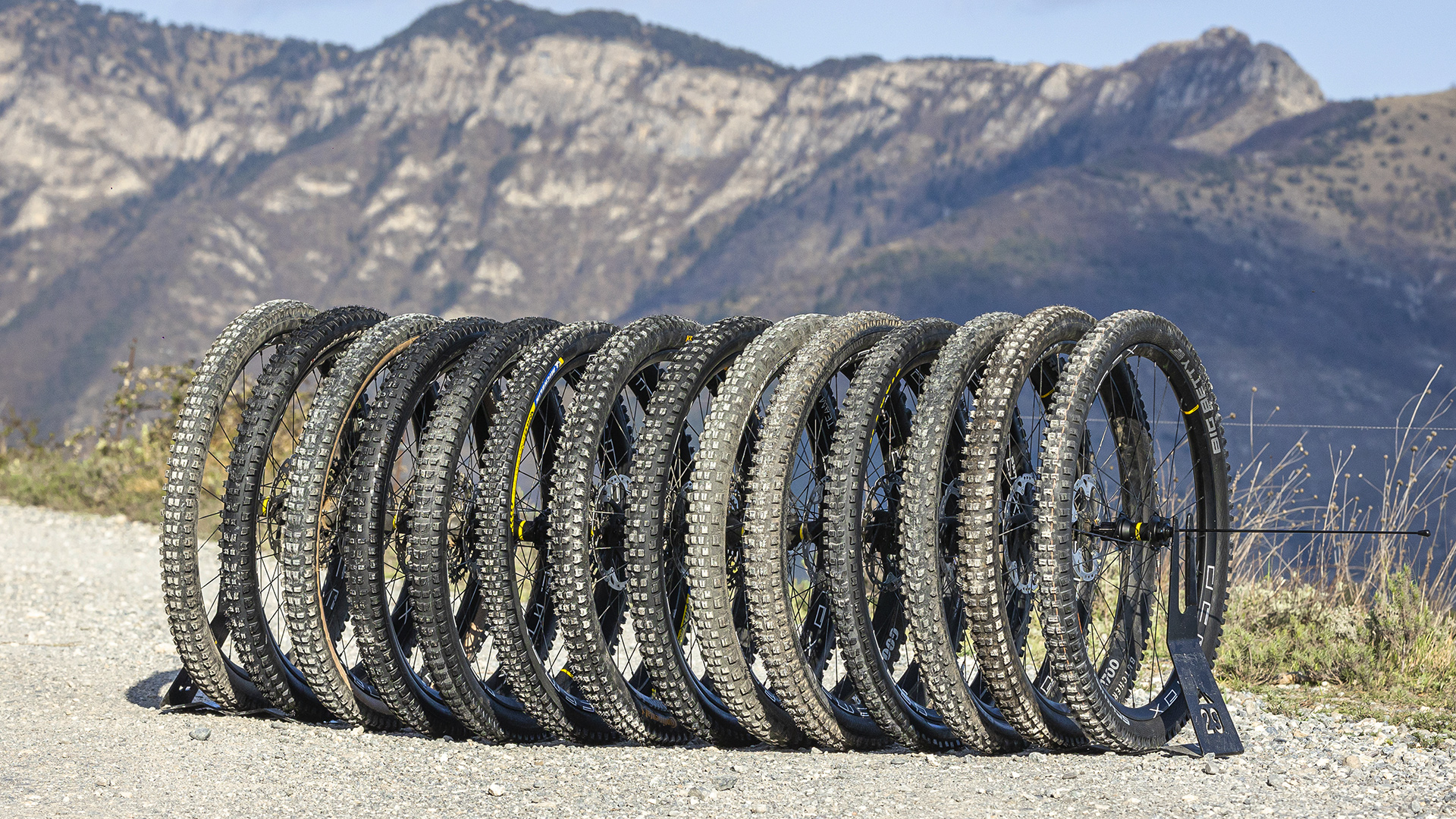
Choosing the right MTB tires immediately changes how your bike handles. On the trails, tyre influence grip, braking, traction, comfort, and puncture resistance. A suitable model allows for better control in corners, easier obstacle clearance, and more confident riding, whether on dry, muddy, rocky, or smooth terrain.
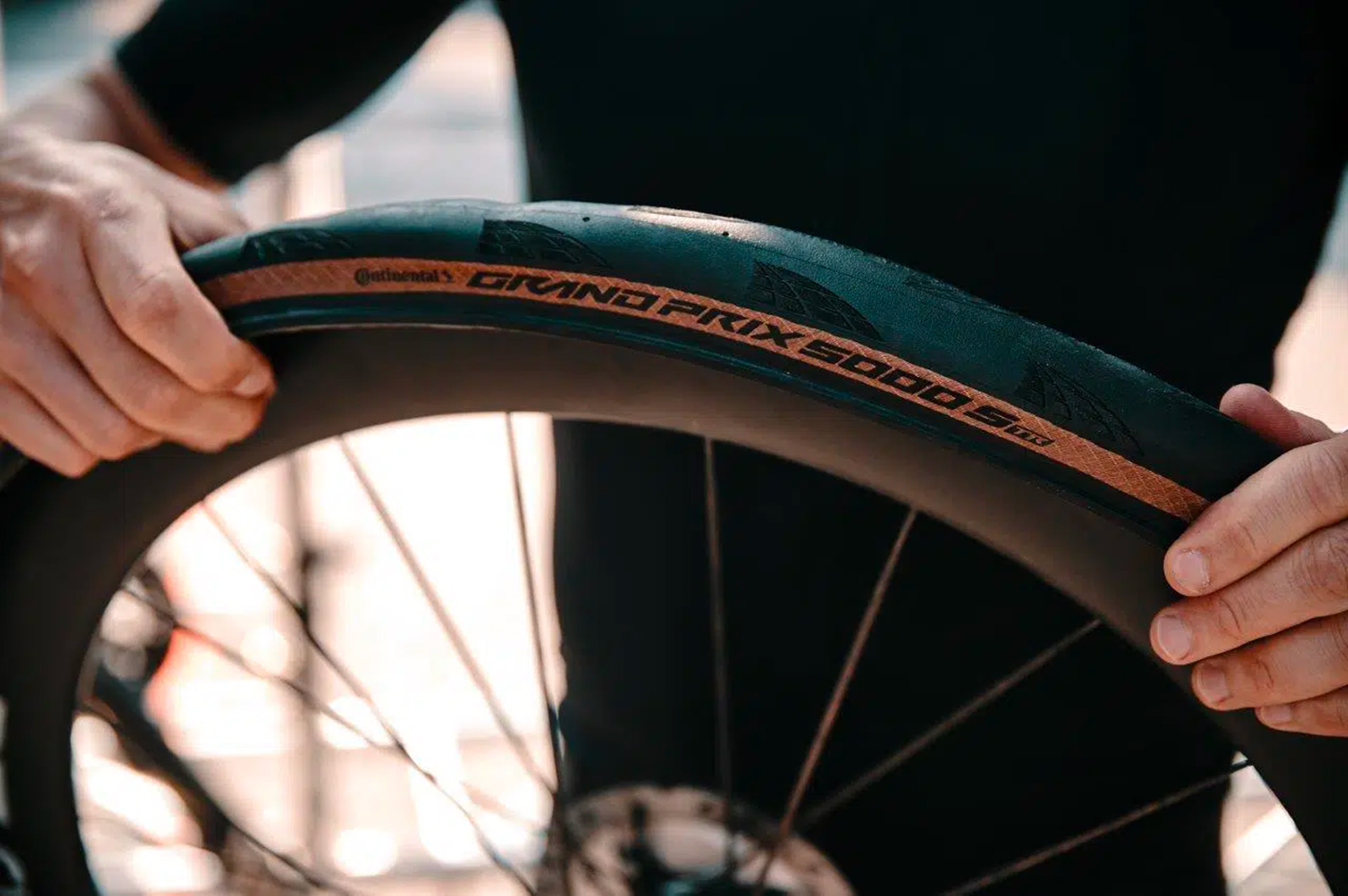
Choosing the right road Bike tires is one of the most important decisions for improving performance and comfort. tyre directly influence speed, grip, safety, and overall feel on the bike. A well-suited model allows you to ride more efficiently, with less effort and more confidence, whether on long straightaways or technical descents.
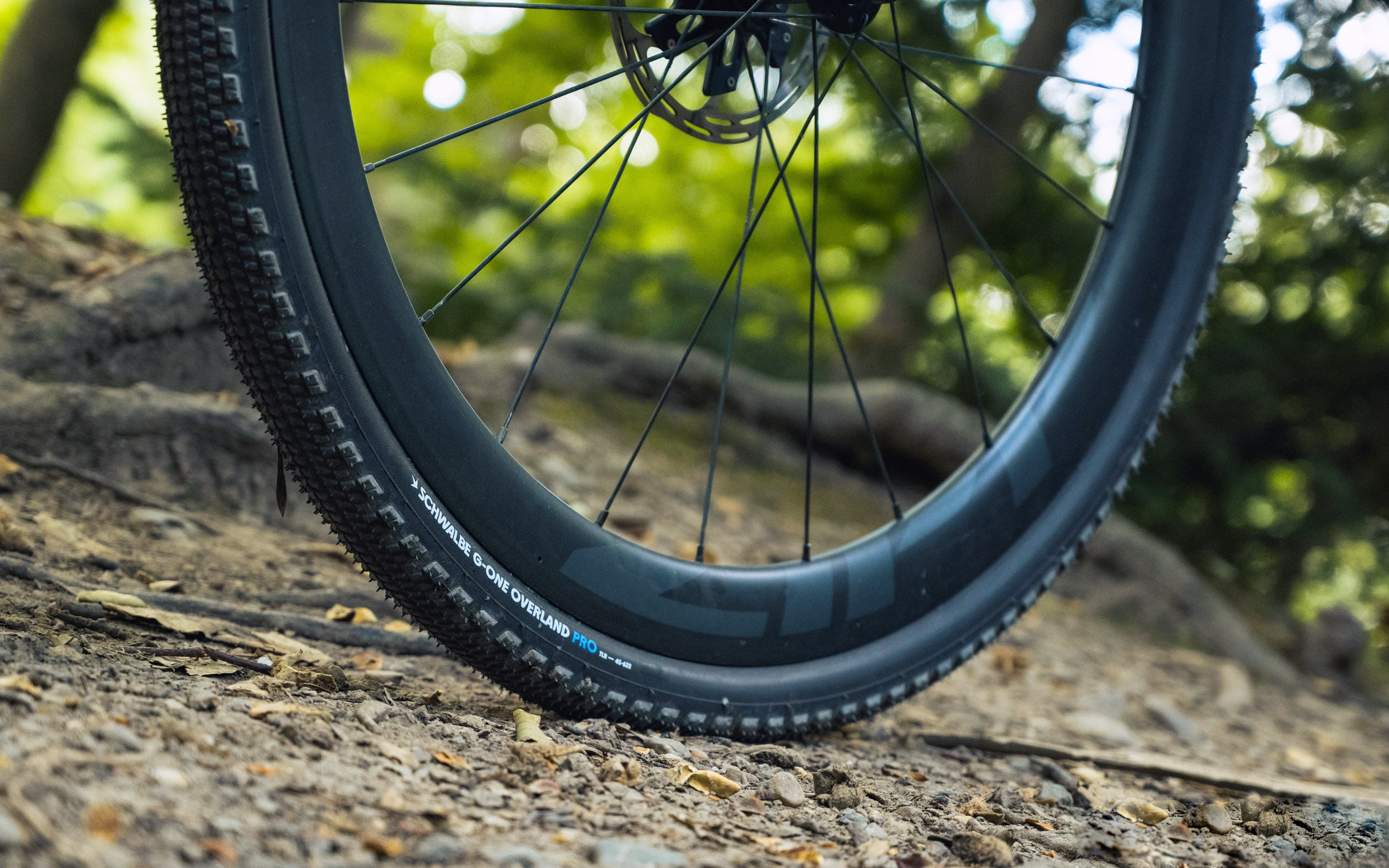
Choosing the right Gravel bike tires is essential to fully enjoy your bike on all terrains. gravel bike presents a variety of challenges: smooth roads, rocky paths, dusty tracks, or muddy sections. The tyre must be able to adapt to these changes without compromising comfort or safety. A good choice allows you to ride longer, with more control and less fatigue.
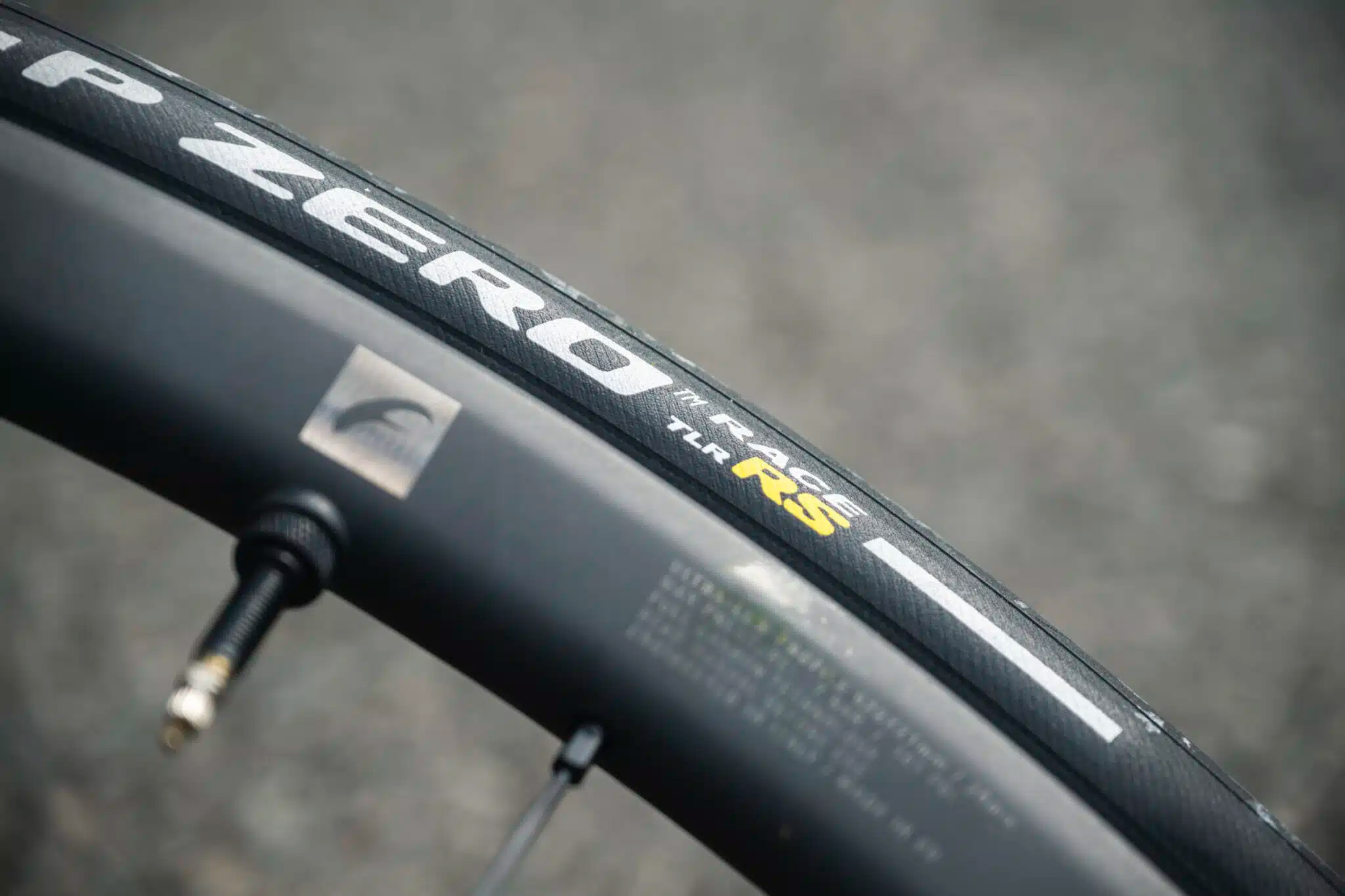
Choosing the right bike tires instantly transforms your bike's handling. Grip, comfort, performance, puncture resistance… it all starts with the tyre . A poor choice can make a bike unstable or uncomfortable, while a good tyre improves safety and enjoyment from the very first ride.
Choosing the right bicycle wheels immediately improves your bike's performance, comfort, safety, and handling. Before considering price or style, you must check compatibility with your frame , brake type, tire size, primary use, and desired performance level.
Shoes with carbon soles are now the preferred choice for cyclists seeking performance. They offer optimal power transfer , excellent stiffness , and a direct connection to the bike. This type of shoe is particularly popular in road cycling, but also in Gravel bike and cross-country MTB . However, choosing the right pair of shoes requires a good understanding of the trade-offs between performance, comfort, and intended use. A sole that is too stiff can become uncomfortable if it is not suited to your riding style or foot shape.