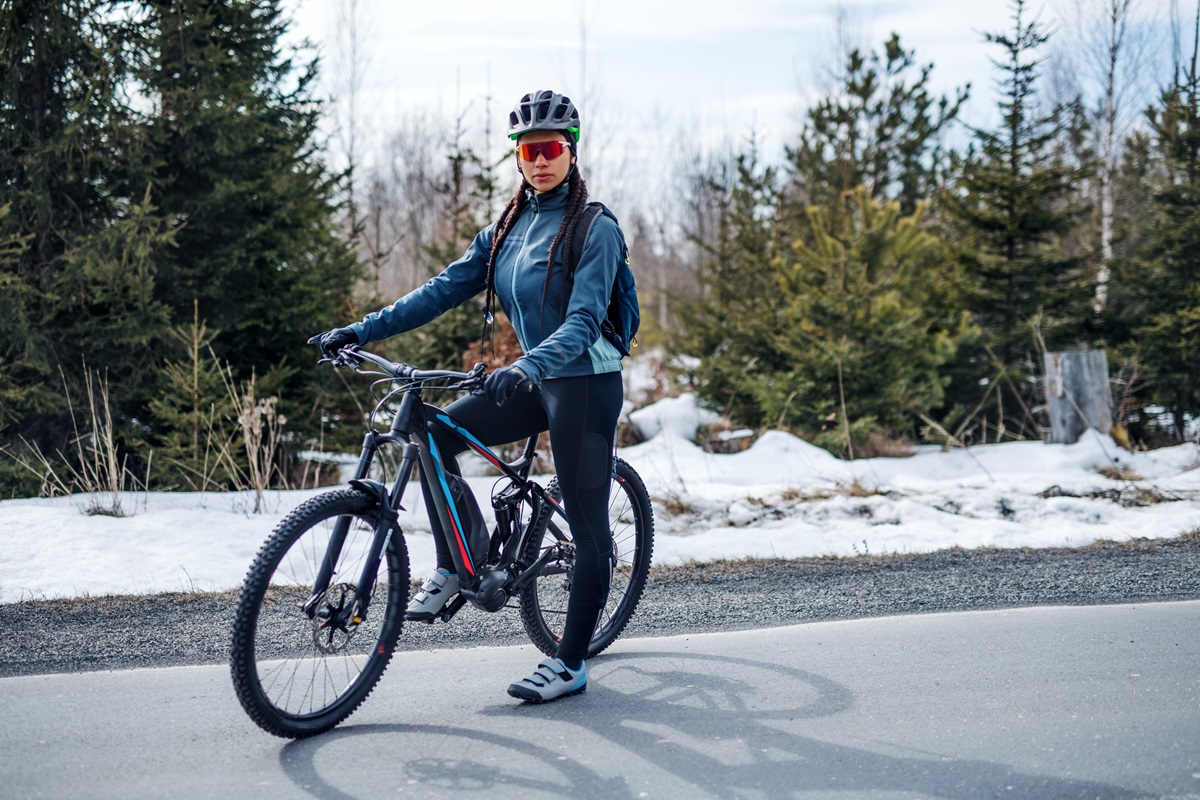
Whether you're a beginner or an experienced cyclist, having the right cycling gear is crucial for your comfort, safety, and performance. This comprehensive buyer's guide will help you understand the different types of essential equipment and choose the ones best suited to your riding style. Each discipline, whether it's road cycling, MTB , or city cycling, requires specific gear to adapt to the terrain and weather conditions. Let's explore everything you need to be well-equipped.
Helmets: safety first
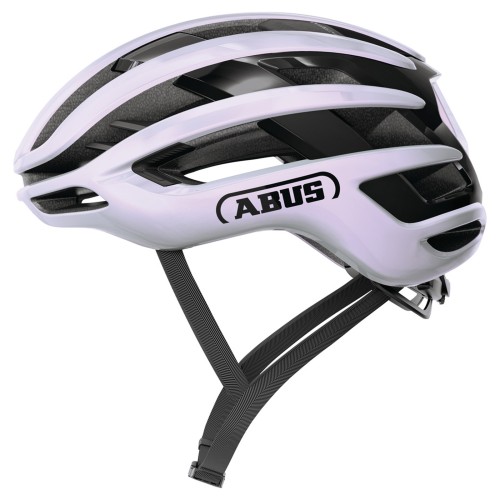
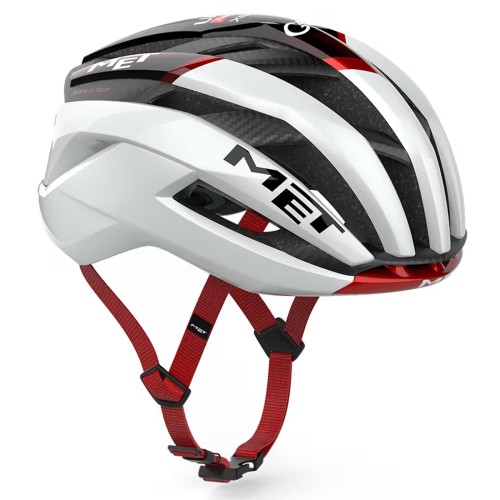
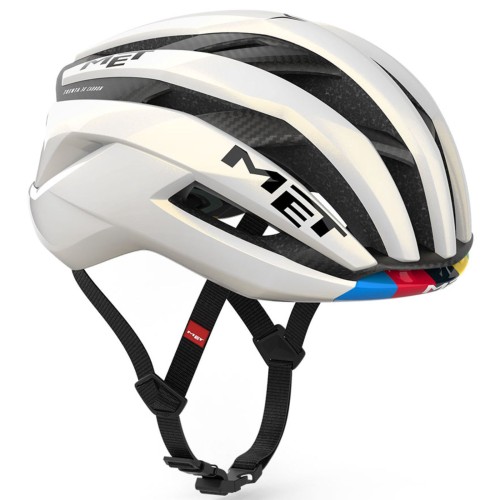
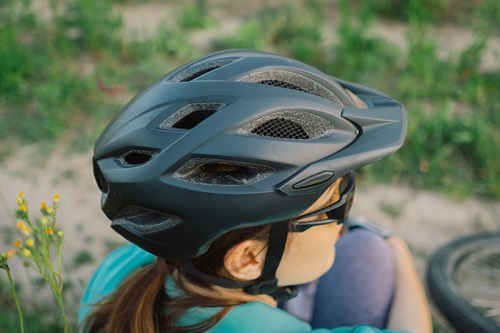
THE helmet bicycle is undoubtedly theCycling equipment Most importantly. Whether you cycle in the city, on the road, or in the mountains, it is essential to wear a helmet adapted. The protection offered by a helmet can prevent serious injuries in the event of a fall or collision.
Here are the main types of helmets:
| Type of helmet | Use | Features |
|---|---|---|
| Helmet road | Road cycling | Lightweight, aerodynamic, with good ventilation. |
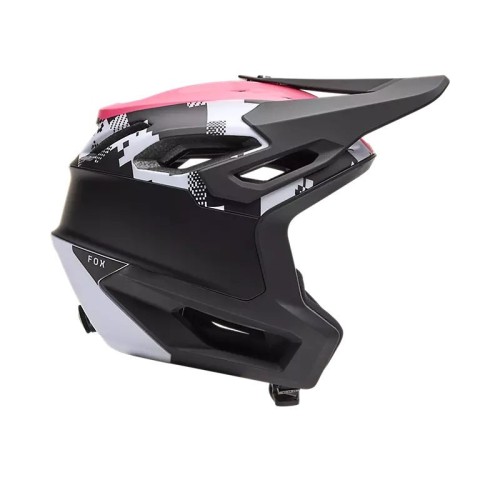
| Helmet MTB | MTB, trails | More enveloping, additional protection at the back of the head. |
| Helmet urban | City, daily commutes | Simple design, often with integrated weather protection. |
When you choose a helmet, Make sure it fits well and is comfortable. helmet A poorly fitting helmet won't offer optimal protection. Furthermore, opt for a model with good ventilation, especially for long rides, to prevent overheating.
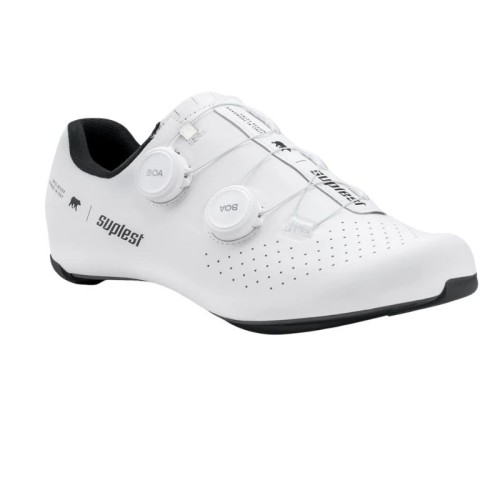
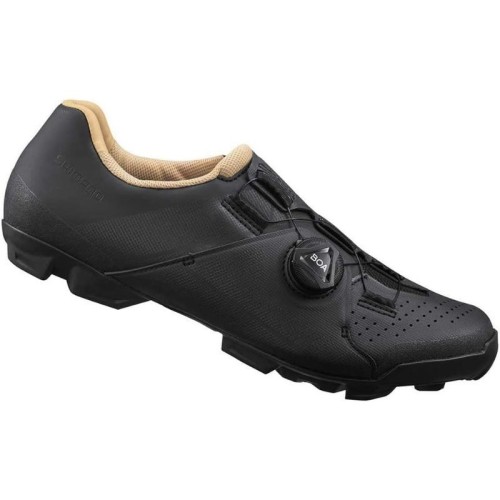
Cycling shoes: comfort and performance
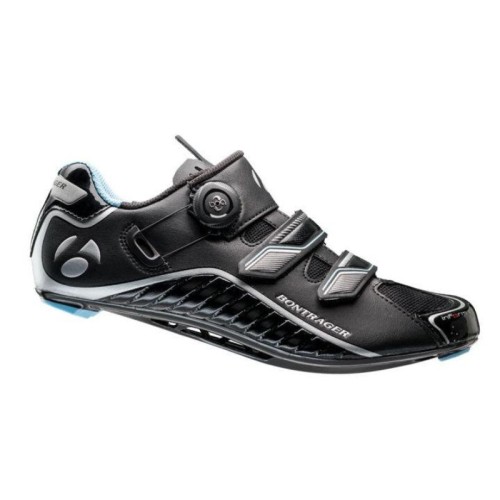
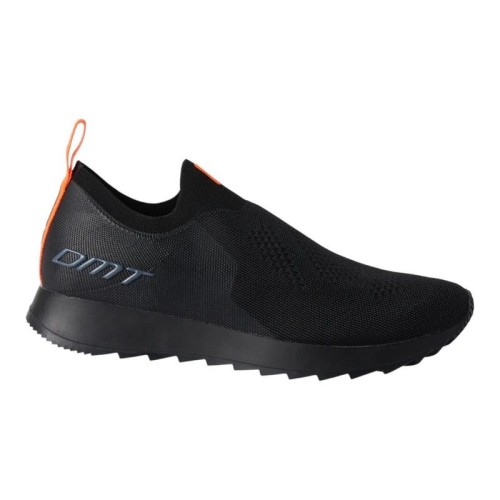
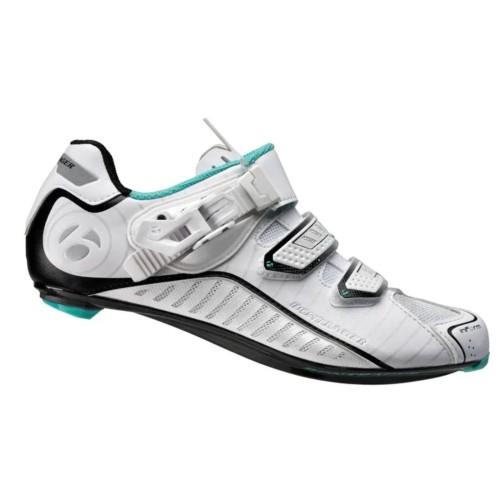
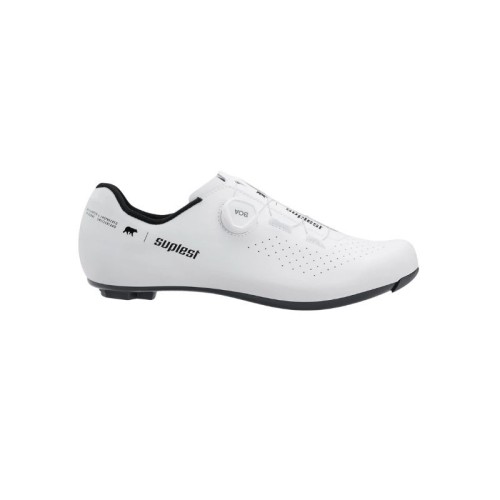
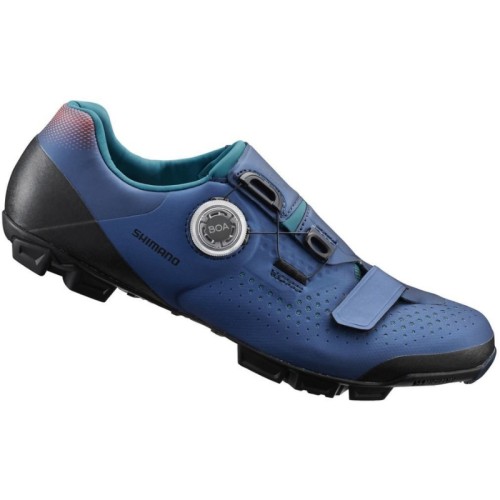
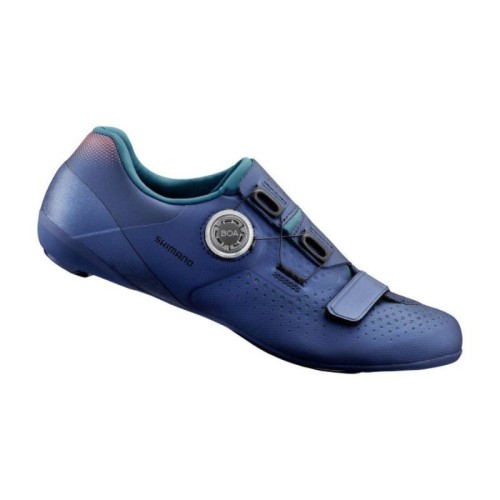
THE cycling shoes They play a crucial role in transferring power between your legs and the pedals. Depending on the discipline, shoes can vary in terms of stiffness, comfort, and compatibility with different types of pedals.
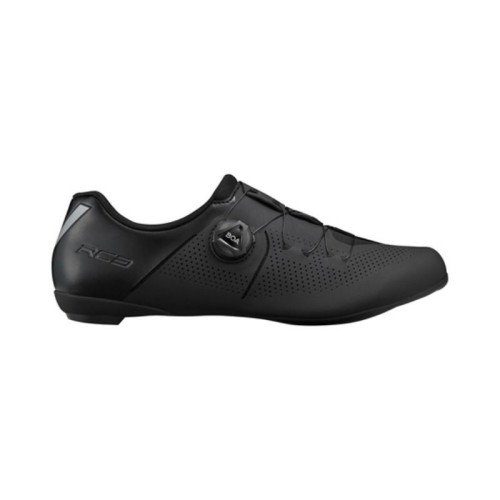
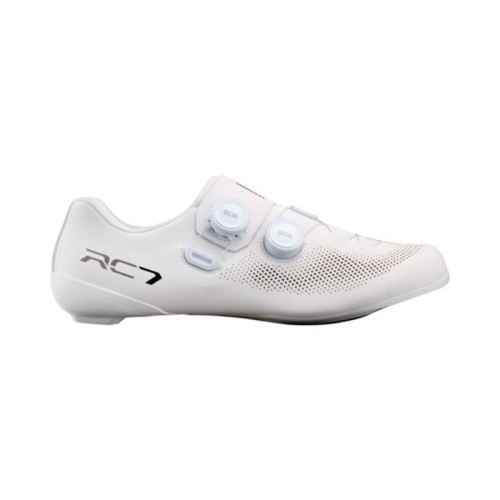
- Road shoes Rigid for better power transfer, they are designed to be used with clipless pedals. They often have a smooth sole that is not designed for walking.
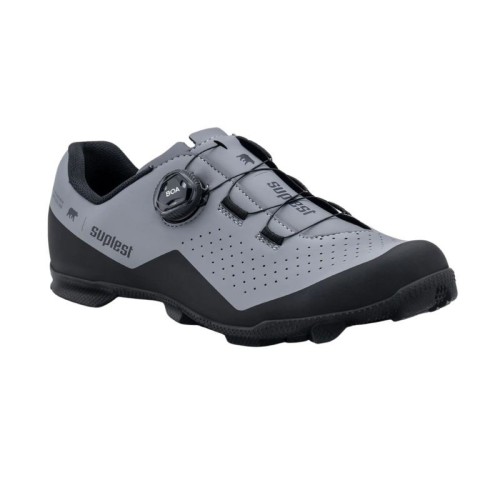
- Shoes MTB More flexible, they allow for walking and are often equipped with cleats to offer better grip off the bike. They are also compatible with clipless pedals with two fixing points.
- Urban shoes Less technical, they prioritize comfort for everyday commutes. They can be used with flat pedals or automatic.
Protective gear for cycling
THE protective measures are particularly important for riskier disciplines such as the MTB or BMX, where falls can be frequent. The following protective gear is commonly used:
- Knee pads and elbow pads Used primarily in MTB or for downhill cyclists, they protect the joints during falls.
- Back protectors Very popular in the MTB, They protect the spine in case of a fall or violent impact.
- Gloves Gloves aren't just useful for keeping your hands warm. They also protect against blisters caused by friction with the handlebar and in case of a fall, they protect your hands from scratches.
For road cyclists, gloves are thinner and more breathable, whereas for the MTB, They are reinforced to absorb shocks.
Cycling care products and creams
To optimize your performance and avoid pain or irritation, there are different skincare and creams specifically designed for cyclists.
- Anti-chafing cream Essential for long rides, it reduces irritation caused by chafing of the bib short on the skin, especially in the groin area.
- Muscle care Recovery creams or warming gels are ideal for preparing your muscles for exertion or promoting recovery after an intense workout.
- Sun protection Don't neglect sun protection during your bike rides. Cyclists are often exposed to the sun for long periods, especially in summer.
Nutrition and hydration
There nutrition is another important element for cyclists, especially during long rides or competitions. Here are some essential products to maintain your energy levels and stay hydrated:
- Energy bars They are easy to carry and provide a source of carbohydrates to maintain your energy during exercise.
- Energy gels : More concentrated than bars, they are quickly absorbed by the body and allow you to boost energy during your outing.
- Energy drinks They help to compensate for the loss of minerals and to maintain hydration, especially in summer or during prolonged exertion.
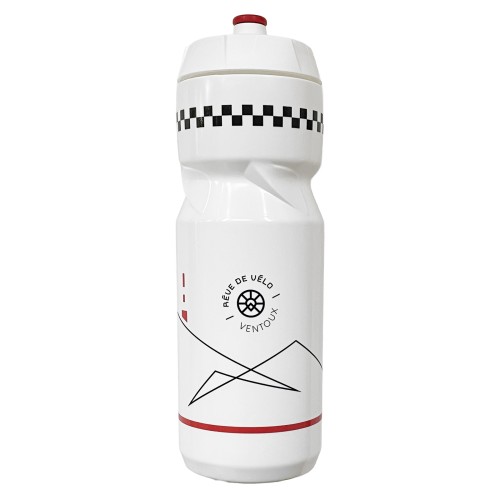
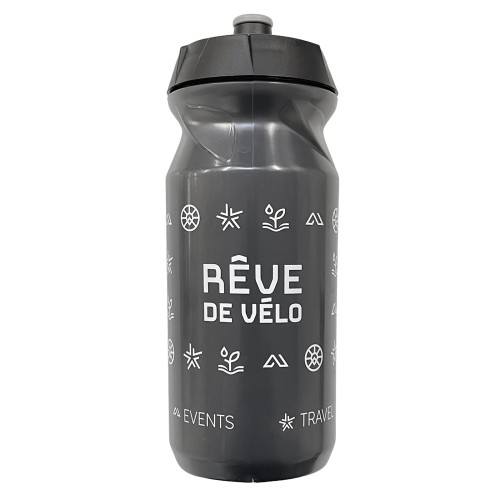
- Water bottles and jugs Make sure you have a good water bottle to stay hydrated in all circumstances. There are also hydration packs with a water bladder, perfect for the MTB or cycle touring.
Cycling glasses
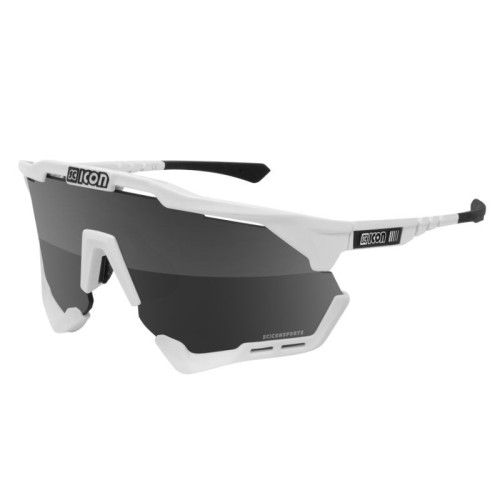
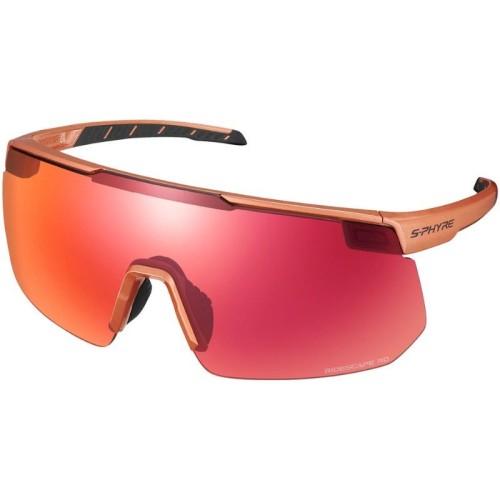
THE cycling glasses are essential to protect your eyes from wind, insects, dust and spokes UV. They are also useful for improving visibility in changing conditions.
| Type of glasses | Features |
|---|---|
| Road glasses | Lightweight and aerodynamic, often with interchangeable lenses to adapt to different light conditions. |
| Glasses MTB | Being more enveloping, they offer better protection against mud and branches. |
Opt for models with photochromic lenses that adapt to ambient light, or polarized lenses to reduce glare.
Equipment for each discipline
Equipment for road cycling
Road cycling demands lightweight, breathable, and aerodynamic gear to maximize performance and comfort. Here's what you should prioritize:
- Helmet road Lightweight with excellent ventilation.
- Road shoes Rigid for better power transfer.
- Fitted jerseys Designed to offer maximum aerodynamics.
- Thin gloves : For hand protection without compromising feel handlebar.
- Lightweight glasses Ideal for protecting the eyes while remaining comfortable over long distances.
Equipment for the MTB
THE MTB is a discipline that requires robust and protective equipment, capable of withstanding shocks and difficult conditions.
- Helmet MTB : More covering, with additional protection at the back.
- Reinforced gloves : To absorb shocks and protect hands in case of a fall.
- Protective Equipment Knee pads, elbow pads and back protector for descents and technical trails.
- Hydration pack : Ideal for carrying water and equipment on long hikes.
Equipment for urban cycling
For daily commutes in the city, equipment must above all be practical and visible to ensure safety. Emphasis is placed on comfort and protection against the elements.
- Helmet urban : Simple design, sometimes with an integrated visor.
- Waterproof jacket Lightweight and compact, it protects against the elements.
- Urban shoes Compatible with flat pedals or automatic, they are comfortable for walking.
- Lighting : Essential for being seen by other road users, especially at night or in bad weather.
Learn more aboutwaterproofing of bicycle equipment.
What type of helmet Which one to choose for cycling ?
The type of helmet depends on your riding style. For the road, choose a helmet Lightweight and well-ventilated. MTB, opt for a helmet A more covering one that protects the back of the head. In the city, opt for a helmet urban with a simple design.
Why is it important to wear gloves when cycling ?
The gloves protect your hands from friction with the handlebar, They reduce fatigue caused by vibrations and, in case of a fall, prevent hand injuries. In winter, they also protect against the cold.
What equipment should I choose for the MTB ? ?
For the MTB, It is recommended to wear a helmet Wear protective gear such as knee pads and reinforced gloves. Also use a hydration pack to safely carry water and tools on technical trails.
How to choose cycling glasses ?
Choose lightweight, well-ventilated glasses to protect your eyes from insects, dust, and spokes UV protection. Photochromic lenses adapt to the brightness, while polarized lenses reduce glare.
Also check out:

Related Posts
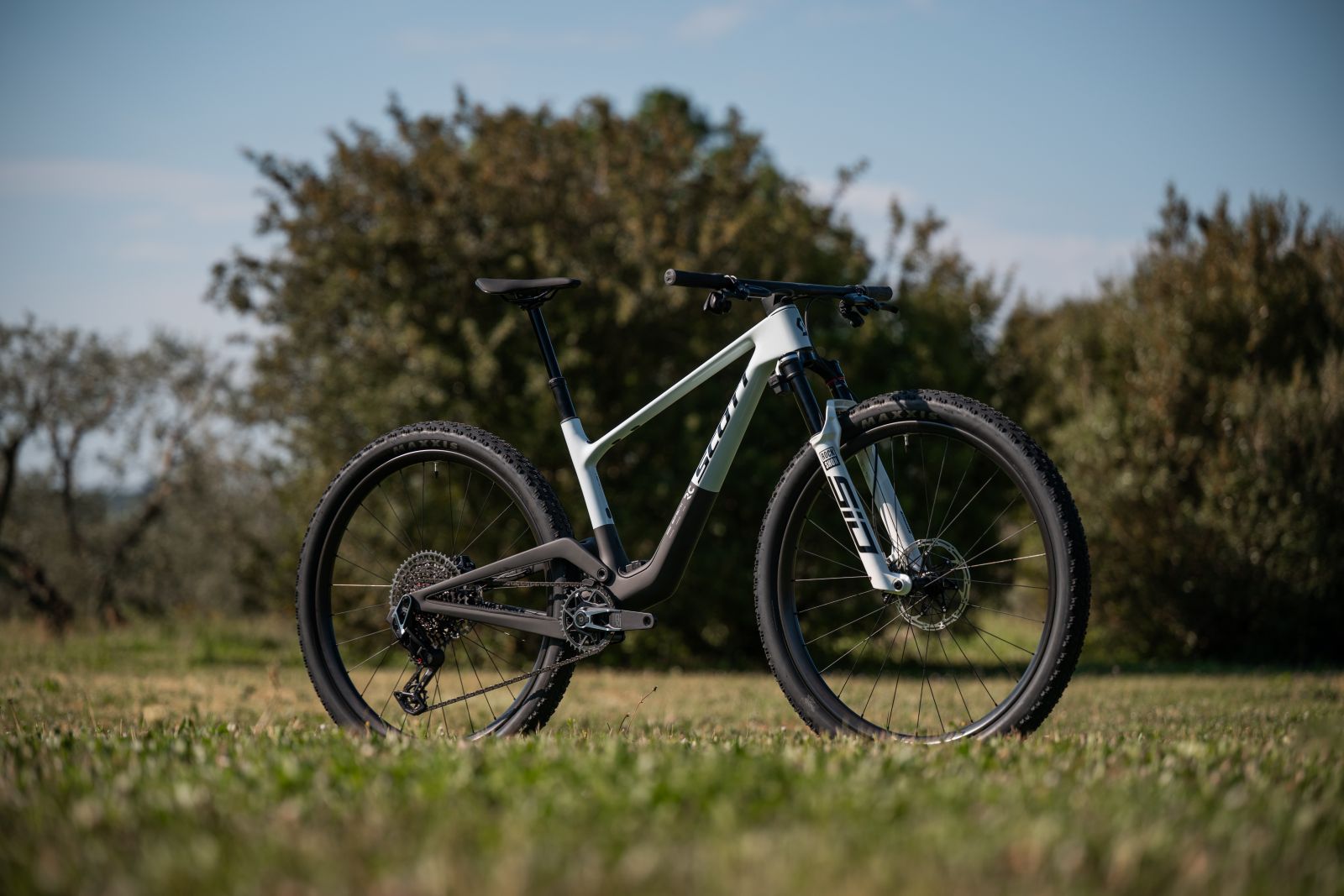
The Scott Spark RC World Cup and Expert 2027 push the boundaries of XC even further. Flight Attendant suspension, Syncros carbon wheels and top-level performance: discover our full review.
The pannier has become an essential piece of equipment for many cyclists. Whether for daily commutes, bike riding, long rides, cycle touring, bikepacking, or simply leisurely outings, it allows you to carry your belongings comfortably without carrying a load on your back. A well-chosen pannier improves comfort, maintains the bike's balance, and makes organizing your gear easier.
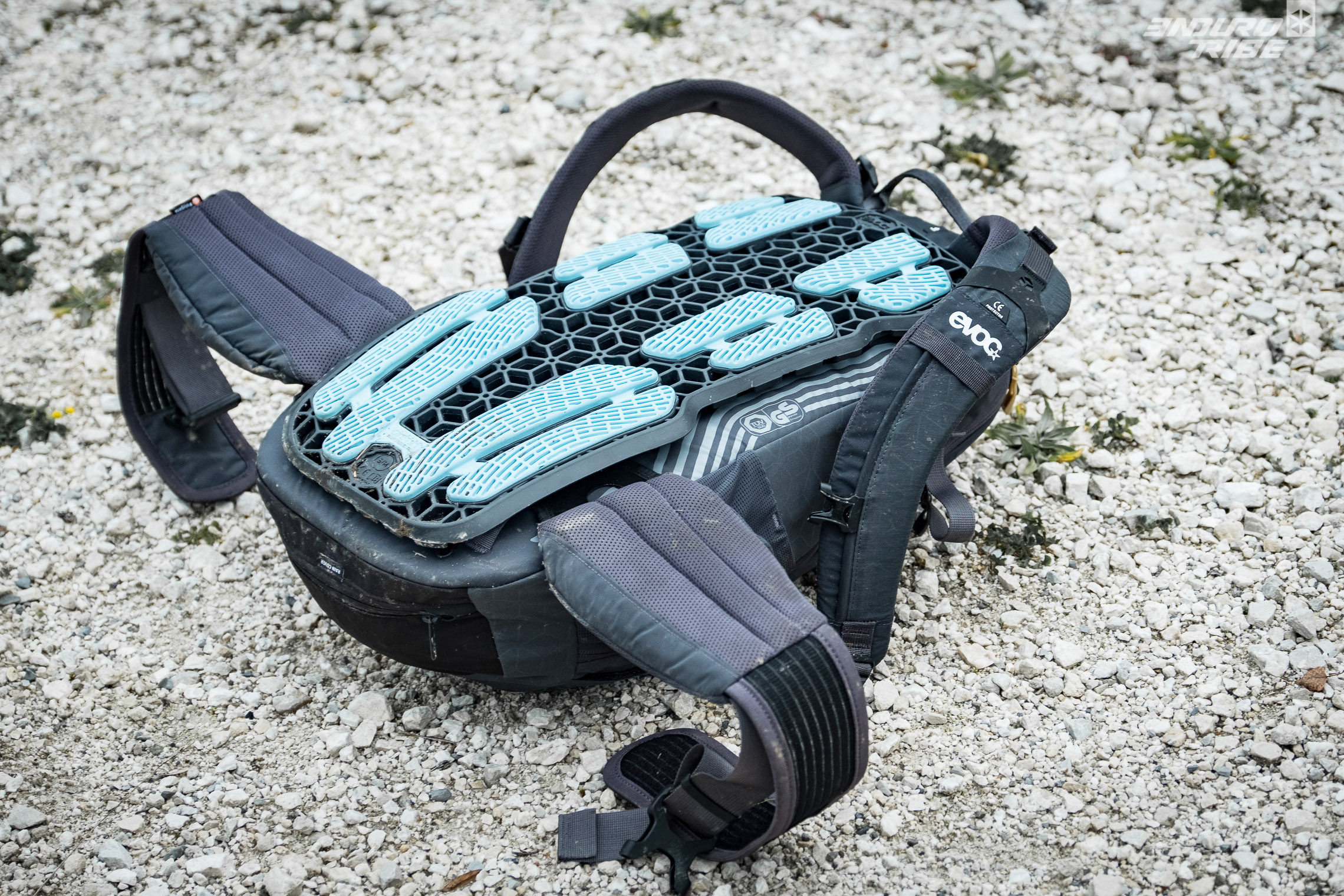
Choosing a cycling backpack requires finding the right balance between comfort, capacity, stability, rain protection, and easy access to your gear. A good bag shouldn't just carry things. It should stay securely in place, not interfere with pedaling, minimize back perspiration, and effectively protect essential items. Whether you're commuting to work, going for a sporting activity, cycling around town, touring by bike, or hiking, your needs will differ.
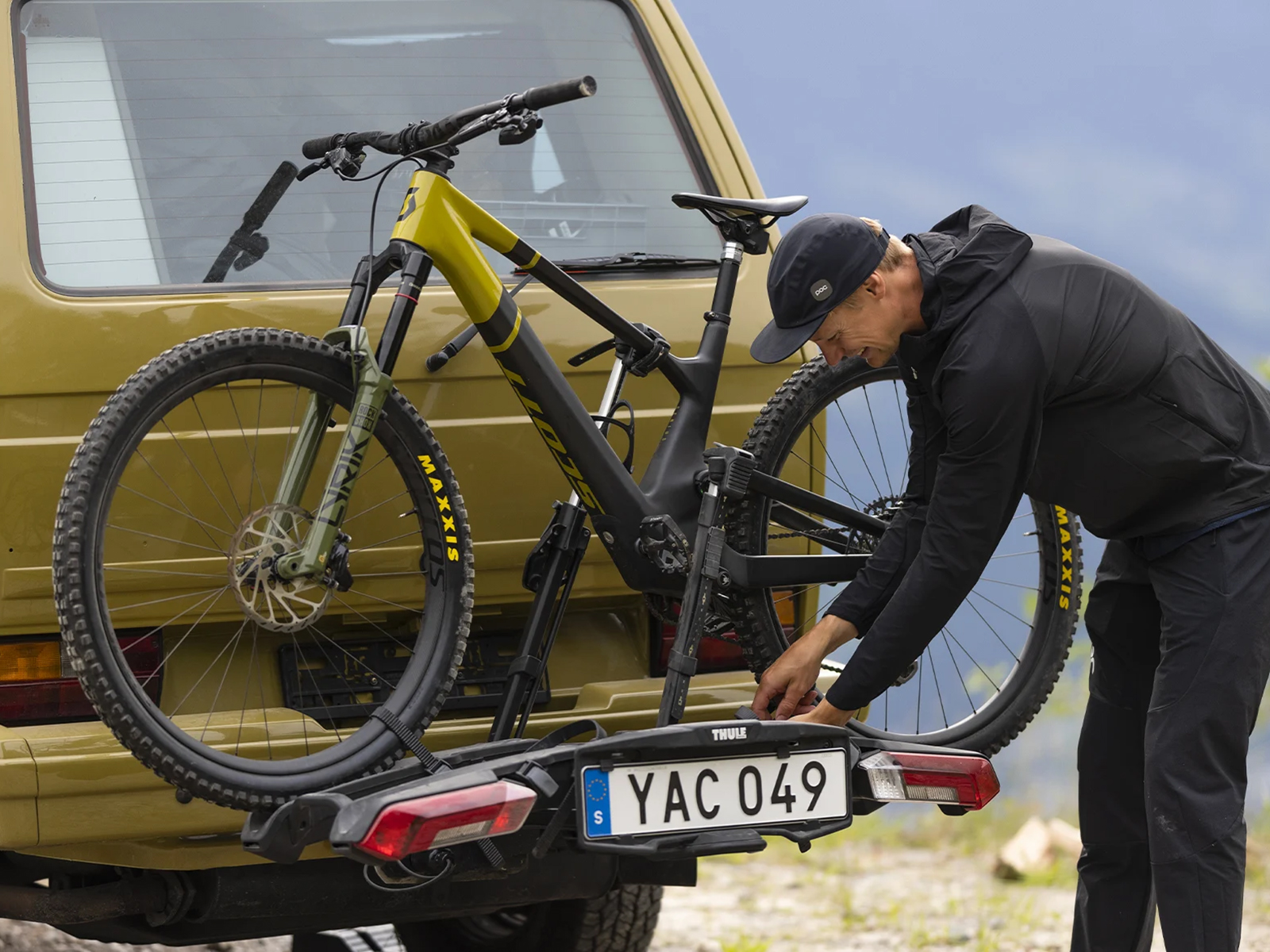
Choosing the right bike rack is essential for transporting your bikes safely, protecting your equipment, and enjoying a worry-free journey. Given the wide variety of systems available, identifying the best solution for your vehicle, the number of bikes you're carrying, or your intended use isn't always easy. Between hitch-mounted, tailgate-mounted, and roof-mounted models, there are many differences in terms of load capacity, ease of installation, compatibility, and user-friendliness.
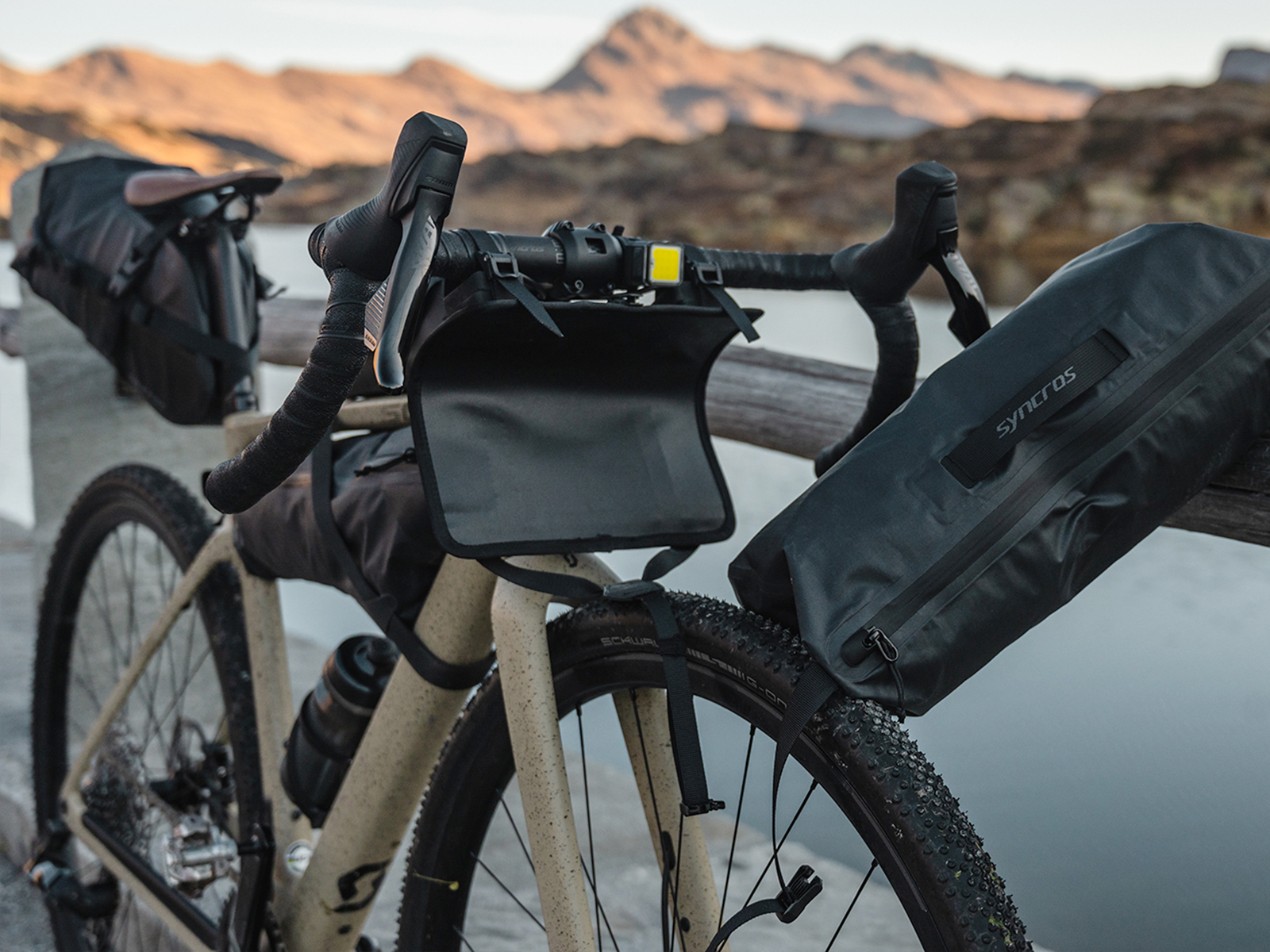
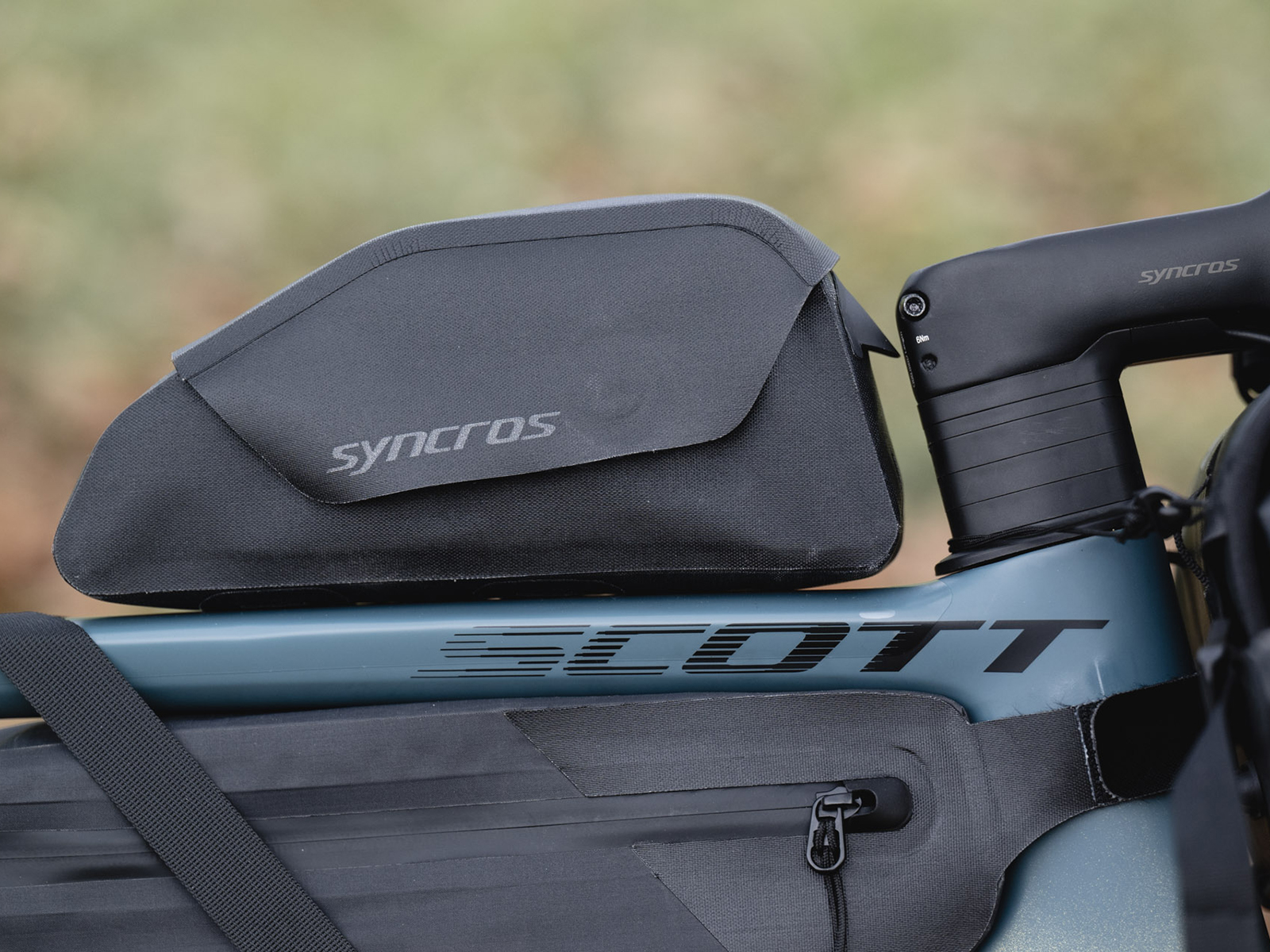
Bikepacking is an adventure cycling practice that involves traveling independently with a lightweight load attached directly to the bicycle. Unlike traditional cycle touring, which uses racks and large panniers, bikepacking favors compact bags distributed across the frame , handlebar , and tige de saddle . This approach allows for a bike that remains agile, efficient, and suitable for varied terrain, whether roads, tracks, forest paths, or trails.
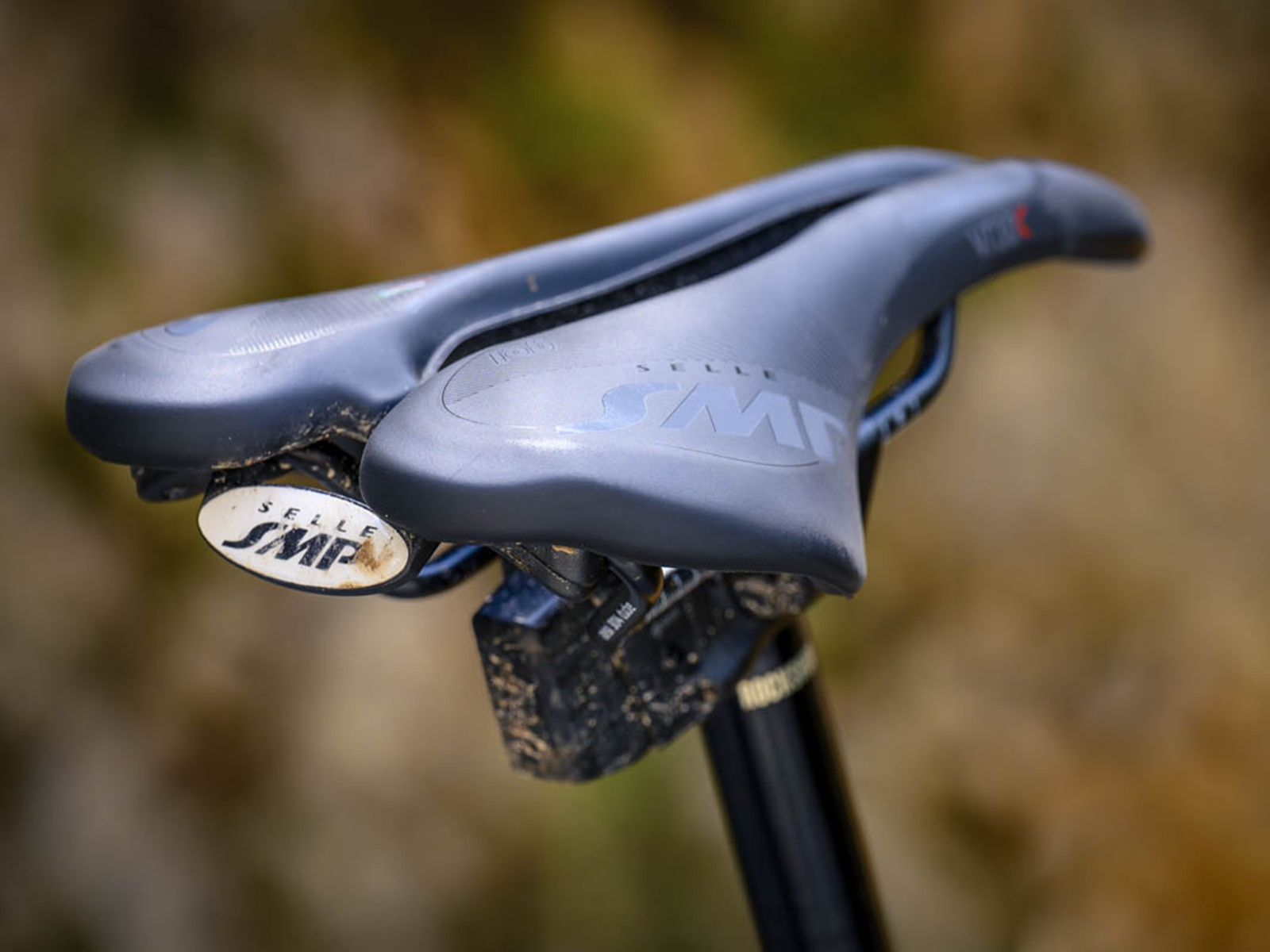
Choosing the right saddle is one of the most important factors in improving comfort, performance, and enjoyment of off-road riding. An unsuitable saddle can cause pelvic pain, chafing, numbness, or reduced pedaling efficiency. Conversely, a well-chosen saddle allows for better power transfer, maintains a stable position on the bike, and lets you fully enjoy your rides, whether it's trail riding, cross-country, enduro, or downhill. The shape, width, padding, materials, and type of riding all directly influence the choice. Therefore, it's essential to consider your body type, riding style, and riding habits before making your selection.