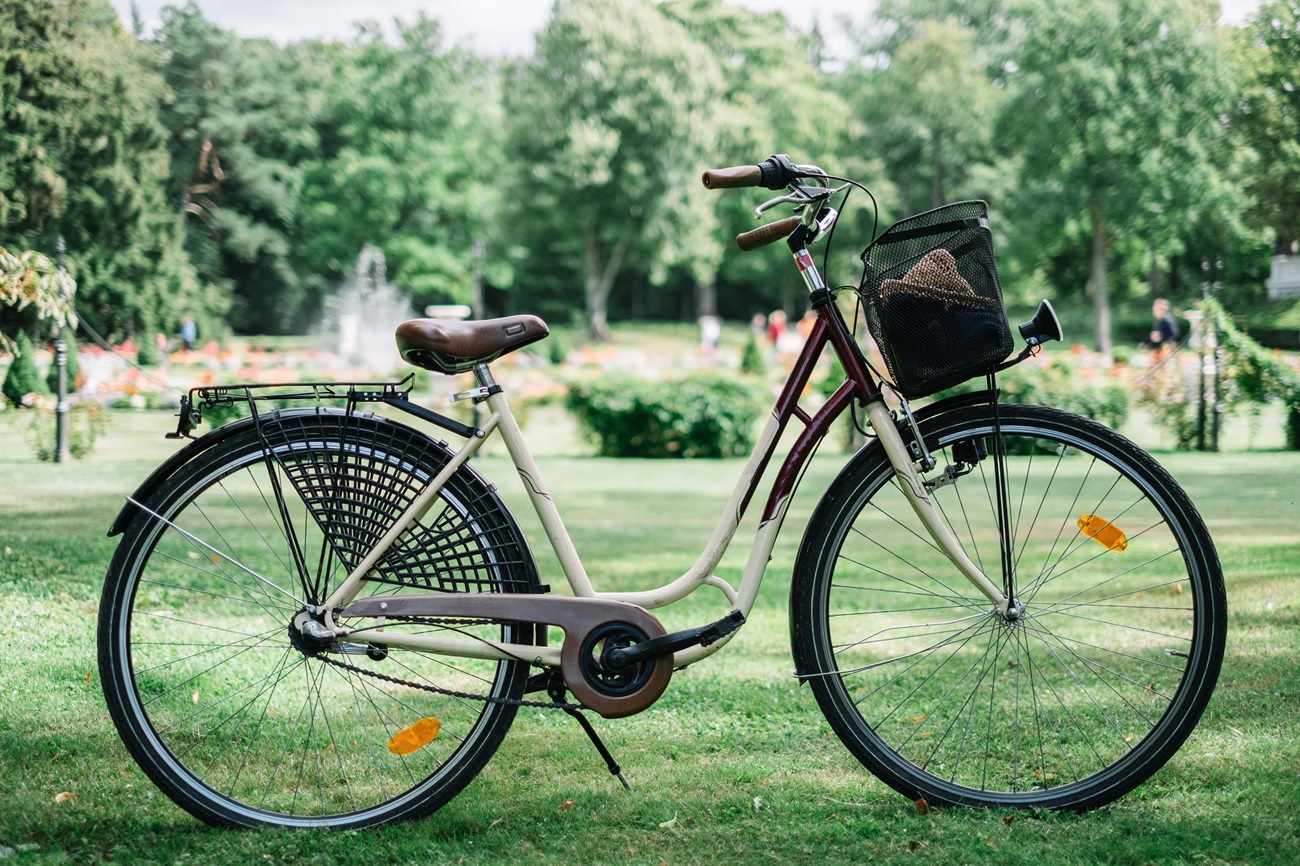
Choosing a bicycle can be a complex decision due to the large number of models and types available on the market. Every cyclist has different needs, whether for daily commuting, competition, or off-road adventures. This comprehensive buying guide will help you determine which bicycle best suits your needs based on several key criteria: intended use, comfort, size, and type of bike.
Identify your needs
Before even beginning to explore the different options, it's essential to determine your actual needs. Here are some questions to ask yourself to refine your choice:
- Where will you be riding? On roads, in town, on rough trails, or a bit of everything?
- How often? Will you be cycling occasionally or regularly?
- What is your objective? Do you prioritize athletic performance, comfort, or simply a practical means of transport?
Depending on the answers to these questions, you will be able to choose the type of bike that best suits you.
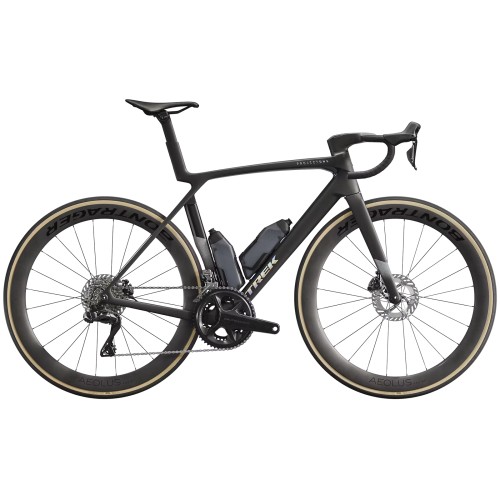
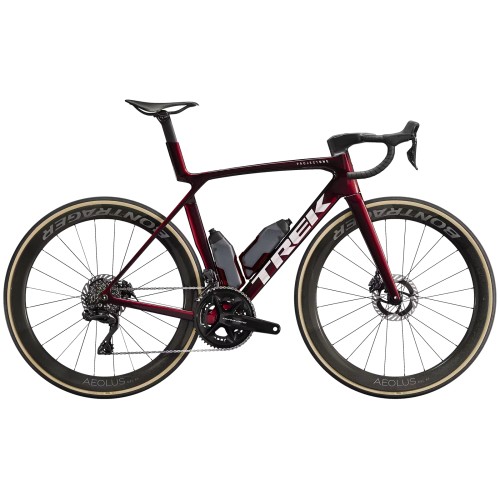
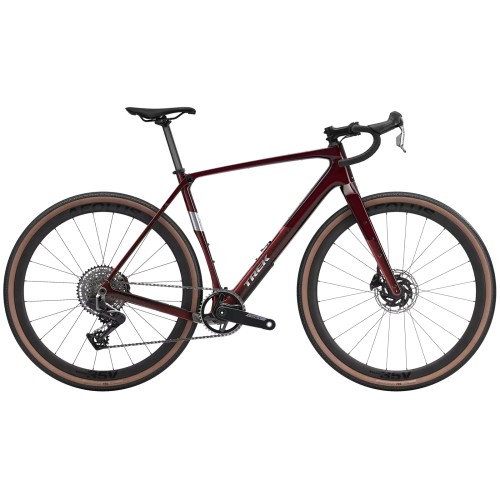
Trek Madone SLR 7 Gen.8 Ultegra Di2 12s Matte Carbon Smoke / Prismatic Pearl carbon road bike 2026
-13% €6,990.00 €7,999.00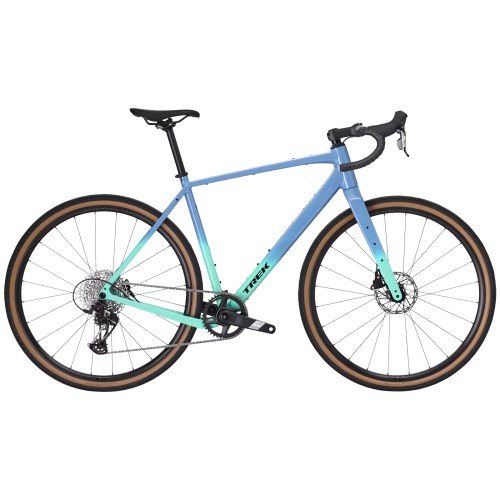
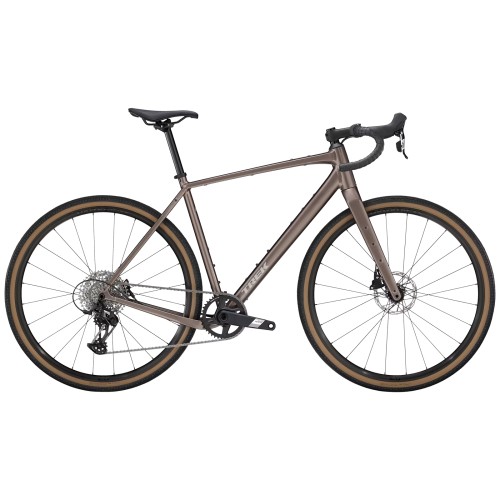
Trek Checkpoint ALR 5 Gen.3 Apex XPLR 12s gravel bike Bike Fjord Blue to Miami Green Fade 2026
-9% €1,790.00 €1,969.00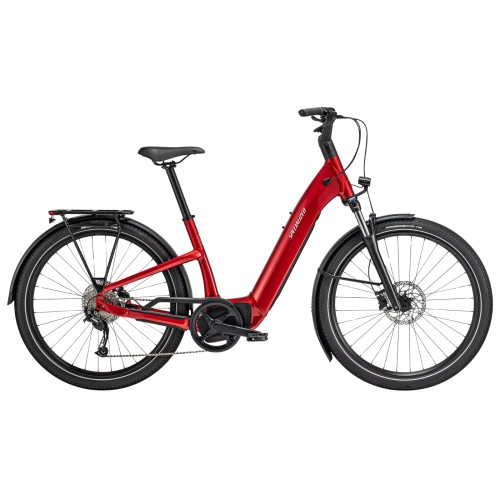
Electric Hybrid Bike Specialized Turbo Como 3.0 Red Tint/Silver Reflective 2023
-18% €2,300.00 €2,799.00
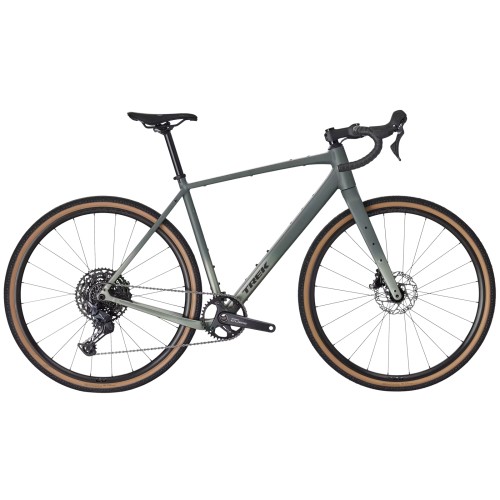
Trek Checkpoint ALR 4 Gen.3 Cues U8000 11s gravel bike Bike Matte Keswick Green to Lichen Fade 2026
-13% €1,299.00 €1,499.00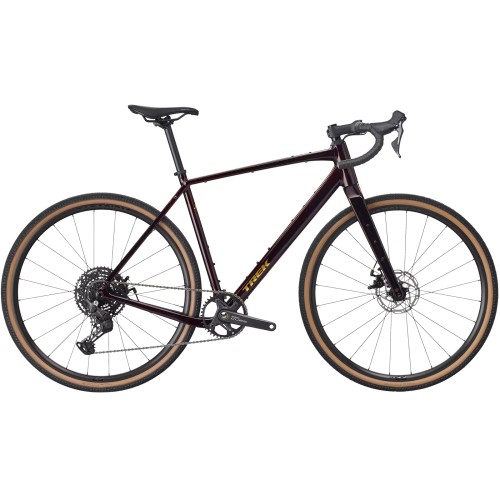
Trek Checkpoint ALR 3 Gen.3 Cues U6000 10s Dark Carmine gravel bike Bike 2026
-8% €1,190.00 €1,299.00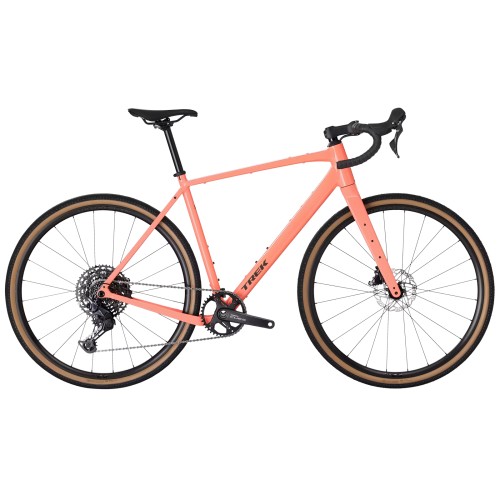
Trek Checkpoint ALR 4 Gen.3 Cues U8000 11s Living Coral 2026 gravel bike bike
-13% €1,299.00 €1,499.00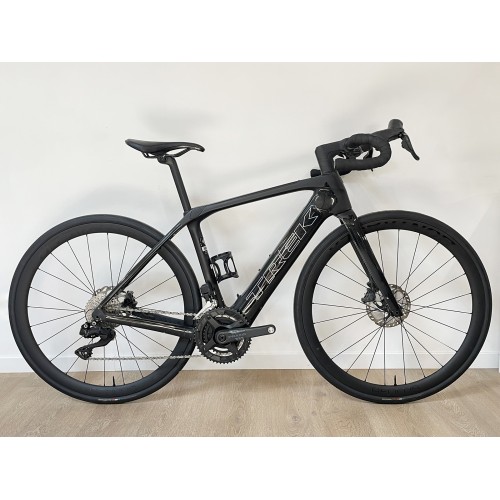
Used Trek Domane+ SLR 6 carbon 105 Di2 Deep Smoke 2023 electric Road bike - 52cm
-27% €6,199.00 €8,499.00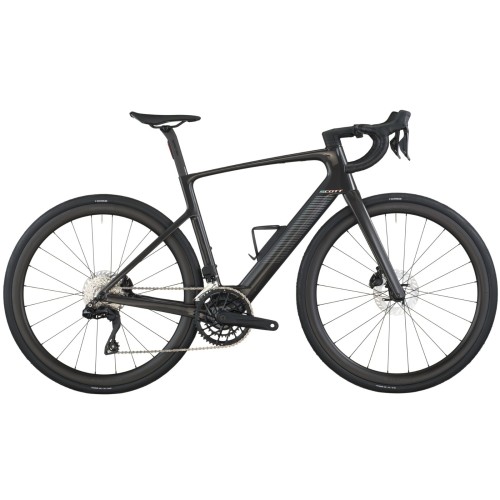
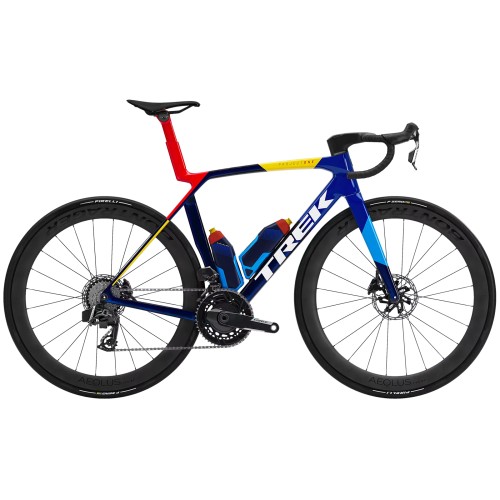
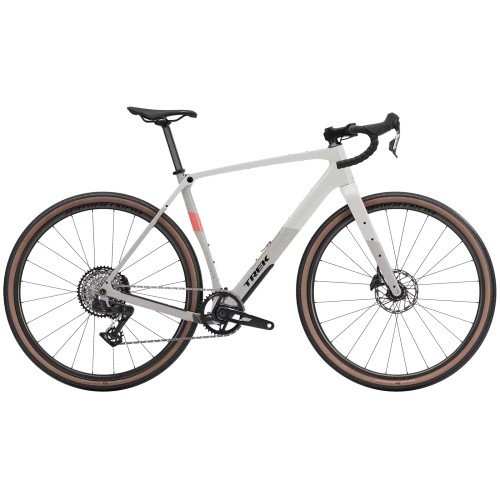
Trek Checkpoint SL 6 Gen.3 Rival XPLR AXS 13s Era White / Buff Beige gravel bike 2026
-5% €3,799.00 €3,999.00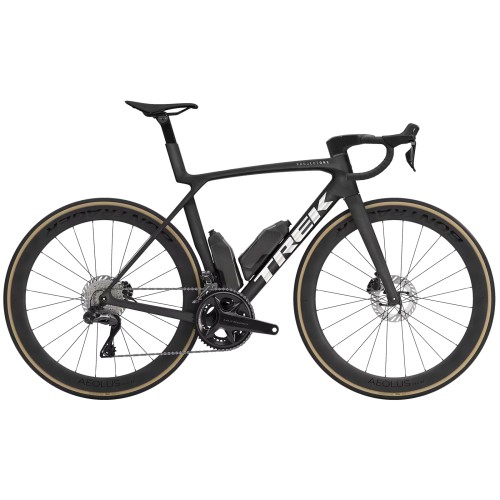
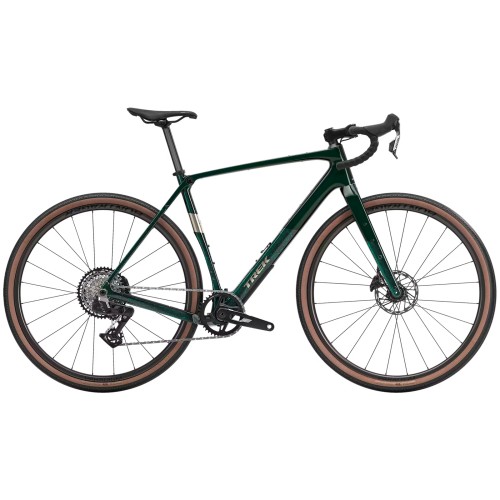
Trek Checkpoint SL 6 Gen.3 Rival XPLR AXS 13s Dark Green / Ivy Smoke Splatter gravel bike 2026
-5% €3,799.00 €3,999.00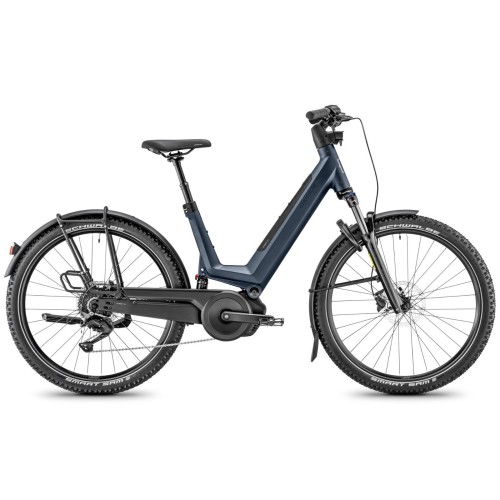
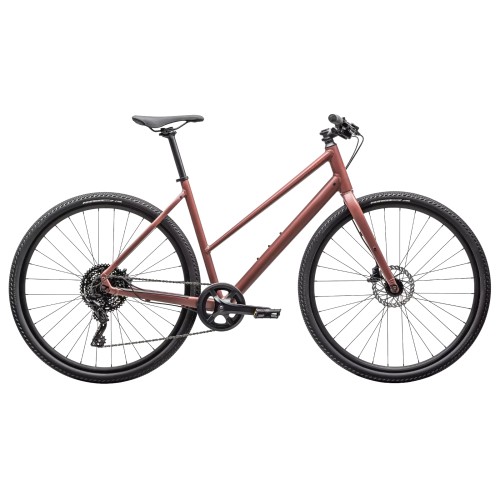
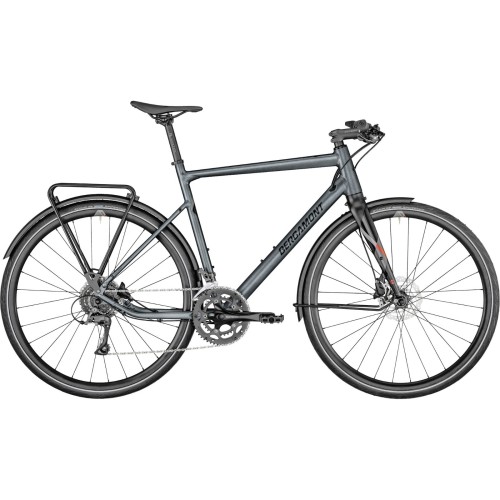
Specialized Sirrus X 2.0 Step-through Satin Spice / Deep Orange Reflectiv City bike
-13% €650.00 €749.00
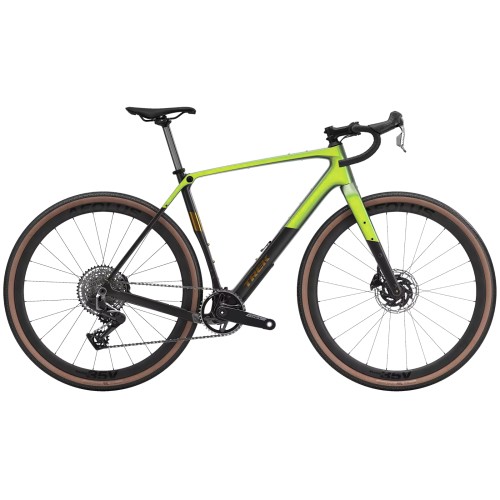
Trek Checkpoint SL 7 Gen.3 Force XPLR AXS E1 Satin Chameleon Green / Dark Web gravel bike 2026
-8% €5,499.00 €5,999.00
The different types of bicycles
There are several types of bicycles, each suited to a specific use. Here is an overview of the main models and their features to guide you in buying your bicycle .
| Type of bicycle | Main use | Features |
|---|---|---|
| Mountain biking ( MTB ) | Trails, mountain | Knobby tires, suspension, sturdy frame |
| Road Bike | Paved roads, competition | Lightweight, thin tires, aerodynamic |
| Electric bicycle ( E-Bike ) | City, long distances | Pedal assist, rechargeable battery |
| Gravel bike | Mixed roads, dirt tracks | Versatile, wide tires |
| Hybrid Bike (All-Terrain Bike) | City, countryside | Comfort, robust frame , tires suitable for roads and paths |
| Cargo Bike | Transporting loads or children | Large loading capacity, often equipped with electric assist |
| Kids Bike | Leisure, learning | Lightweight, age-appropriate safety |
| Triathlon cycling and time trial | Competition | Aerodynamics, aggressive riding position, lightweight frame |
Mountain biking ( MTB )
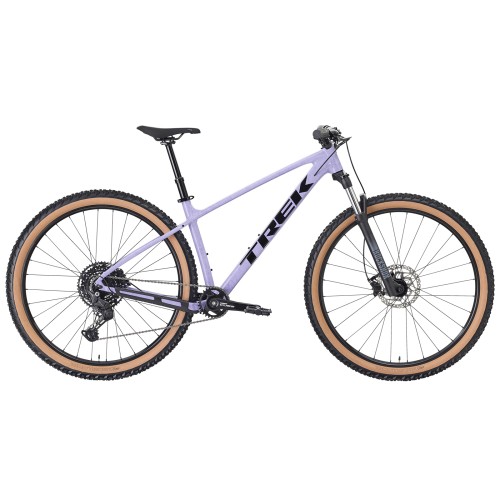

The MTB is the ideal bicycle for venturing off paved roads. It's designed to tackle rough trails, uneven terrain, and steep climbs. Its robust frame , wide, knobby tires, and suspension absorb shocks and provide optimal comfort, even on the most challenging terrain.
Benefits
- Excellent stability on rough terrain.
- Allows you to travel on a variety of paths, including in the mountains.
Disadvantages
- Less efficient on paved roads.
- Heavy and less maneuverable for urban use.
Road Bike and racing bike
The road Bike is designed for speed and performance on paved roads. It's lightweight, with thin tires that minimize friction and maximize speed. Ideal for sporty cyclists, long distances, or competitions, this type of bike offers efficient and smooth pedaling.
Benefits
- Very fast on the road.
- Lightweight and easy to handle for long distances.
Disadvantages
- Less comfortable on rough roads or dirt tracks.
- Susceptible to punctures due to the thin tires.
Electric bicycle ( E-Bike )
The electric bike is perfect for cyclists who want to get around more easily without too much effort. Thanks to a battery and an electric motor, it assists pedaling, making rides smoother, especially uphill or over long distances. It is particularly well-suited to urban use or for those who regularly undertake long journeys.
Benefits
- Makes hills and long journeys easier.
- Reduces physical effort, ideal for daily commutes.
Disadvantages
- Higher weight due to the battery.
- Requires regular recharging.
Electric mountain MTB ( E-MTB )
The E-MTB combines the advantages of a classic MTB with electric assistance. This bike is perfect for those who want to explore challenging terrain while reducing their effort. Thanks to pedal assist, the E-MTB makes climbing hills easier and allows you to cover longer distances without getting too tired.
Gravel bike
The gravel bike is a versatile bicycle designed for cyclists who alternate between paved roads and unpaved paths. With its wider tires than road bikes, it offers better grip on uneven surfaces while remaining fast and maneuverable enough on asphalt.
City Bike and Hybrid Bike
The city Bike is specifically designed for urban travel. It is comfortable, sturdy, and often equipped with practical accessories such as mudguards, a luggage rack, or panniers. The hybrid bike ( Hybrid Bike - Vélo Tout Chemin), on the other hand, is more versatile and can be used on both roads and country lanes.
Cargo Bike
cargo Bike are designed to carry heavy loads or children. Very popular in urban environments, they make it easy to transport groceries, packages, or bulky equipment. Some models are equipped with electric assist to facilitate transport, especially uphill.
Kids Bike
kids Bike are specifically designed for young cyclists. It's important to choose a model suited to the child's size and skill level to ensure their safety and comfort. Models for younger children are often equipped with training wheels.
Triathlon cycling and time trial
Triathlon and time trial bikes are designed to maximize speed and aerodynamics. These bikes are lightweight, with an aggressive riding position to reduce wind resistance. They are used in competitions where every second counts.
How to choose the right size bike
Choosing the right bike size is essential to ensure your comfort and avoid pain or injury. An improperly fitted bike can compromise your riding experience. Here is a guide to help you choose the right size for your body type:
| Cyclist's size | Recommended frame size |
|---|---|
| Less than 1.60 m | 45-48 cm |
| 1.60 m to 1.70 m | 49-52 cm |
| 1.70 m to 1.80 m | 53-56 cm |
| 1.80 m to 1.90 m | 57-60 cm |
Don't hesitate to try several bikes in store to adjust your choice and test the geometry of the frames.
It's recommended to try on several sizes in store to ensure the frame fits your body perfectly. Each manufacturer may have specific geometries, so it's always best to try before you buy. To learn more, check out our guide , "How to Choose the Right Bike Size?"
Bicycle frame materials
The frame material directly influences the weight, stiffness, and comfort of the bicycle. Here are the most common materials used in bicycle frame manufacturing:
- Aluminium : Lightweight and affordable, it's the most commonly used material for mid-range bicycles. It offers a good balance between strength and lightness.
- Carbon : Very light and absorbing vibrations well, carbon is preferred for performance bikes, especially racing bikes. However, it is more expensive and fragile.
- Steel : Heavier but extremely durable, steel is used for touring bikes and cargo bikes. It offers a comfortable ride by absorbing shocks well.
Which type of bike is the most versatile?
The gravel bike is considered the most versatile type of bicycle. It allows you to ride on both roads and dirt paths, offering a good compromise between comfort, speed and stability.
How much does a good bicycle cost?
The price of a bicycle varies depending on its category, components, and materials. An entry-level bicycle can cost between €500 and €1,000, while high-end bicycles can cost several thousand euros.
Also check out:

Related Posts
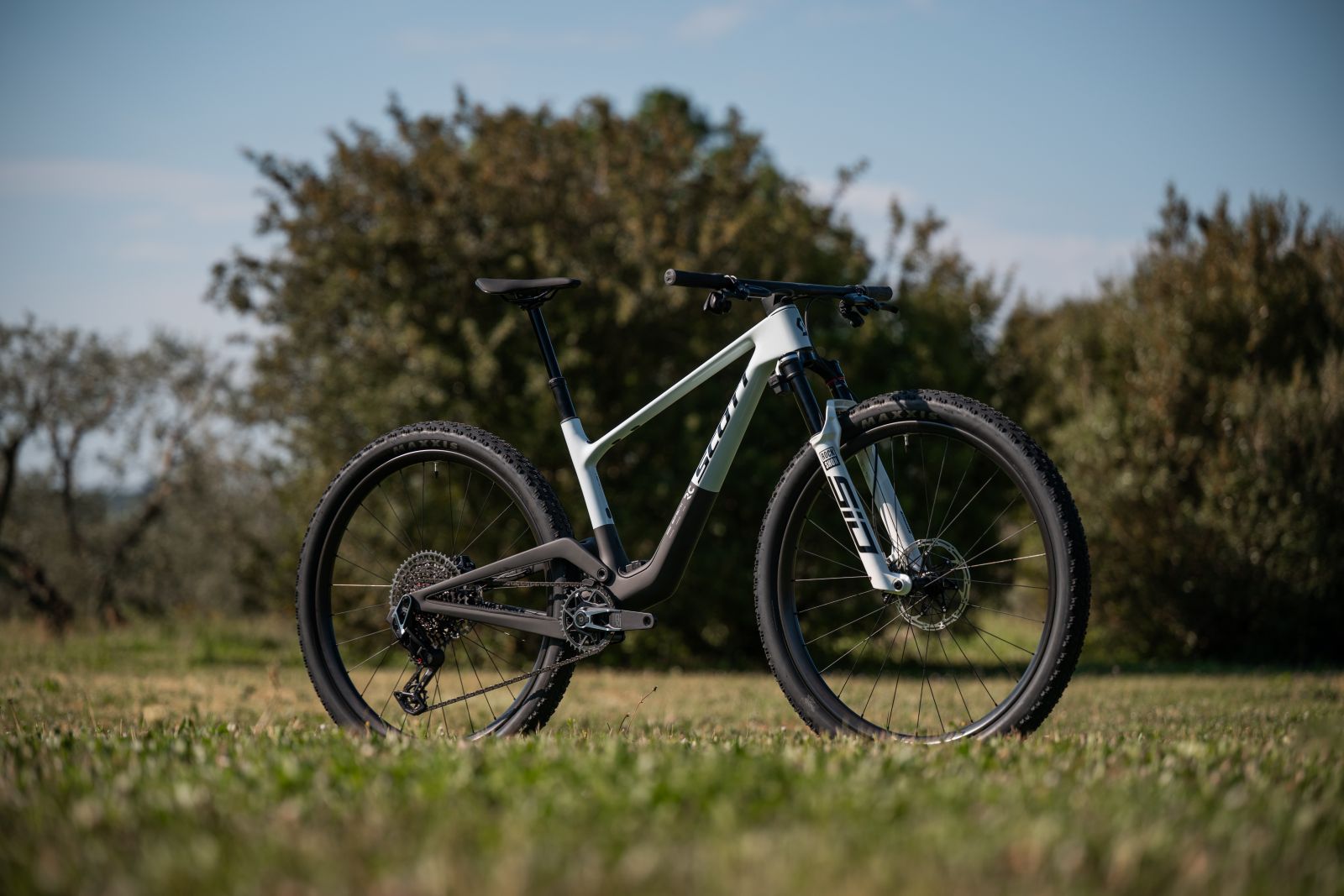
The Scott Spark RC World Cup and Expert 2027 push the boundaries of XC even further. Flight Attendant suspension, Syncros carbon wheels and top-level performance: discover our full review.
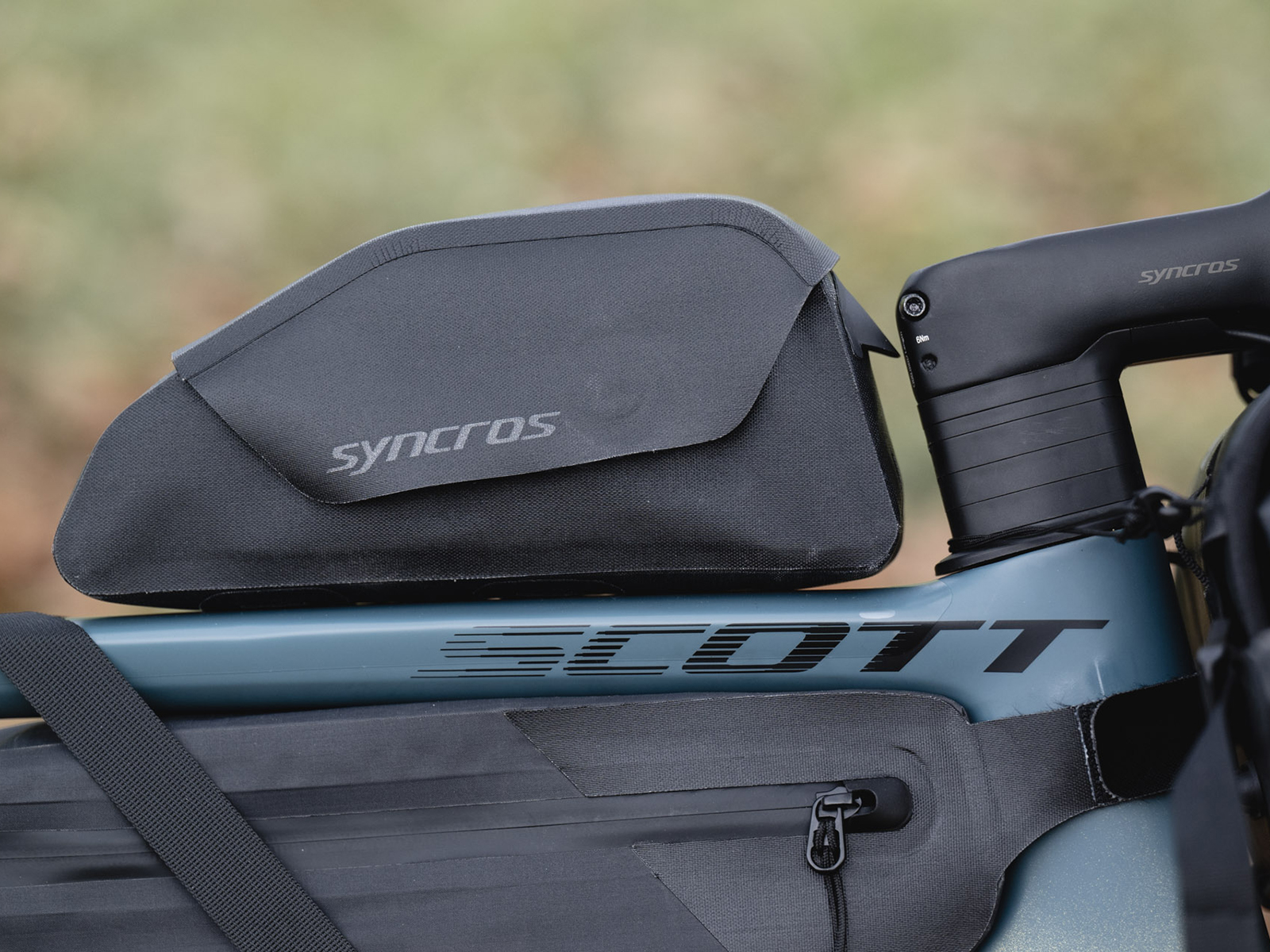
The pannier has become an essential piece of equipment for many cyclists. Whether for daily commutes, bike riding, long rides, cycle touring, bikepacking, or simply leisurely outings, it allows you to carry your belongings comfortably without carrying a load on your back. A well-chosen pannier improves comfort, maintains the bike's balance, and makes organizing your gear easier.
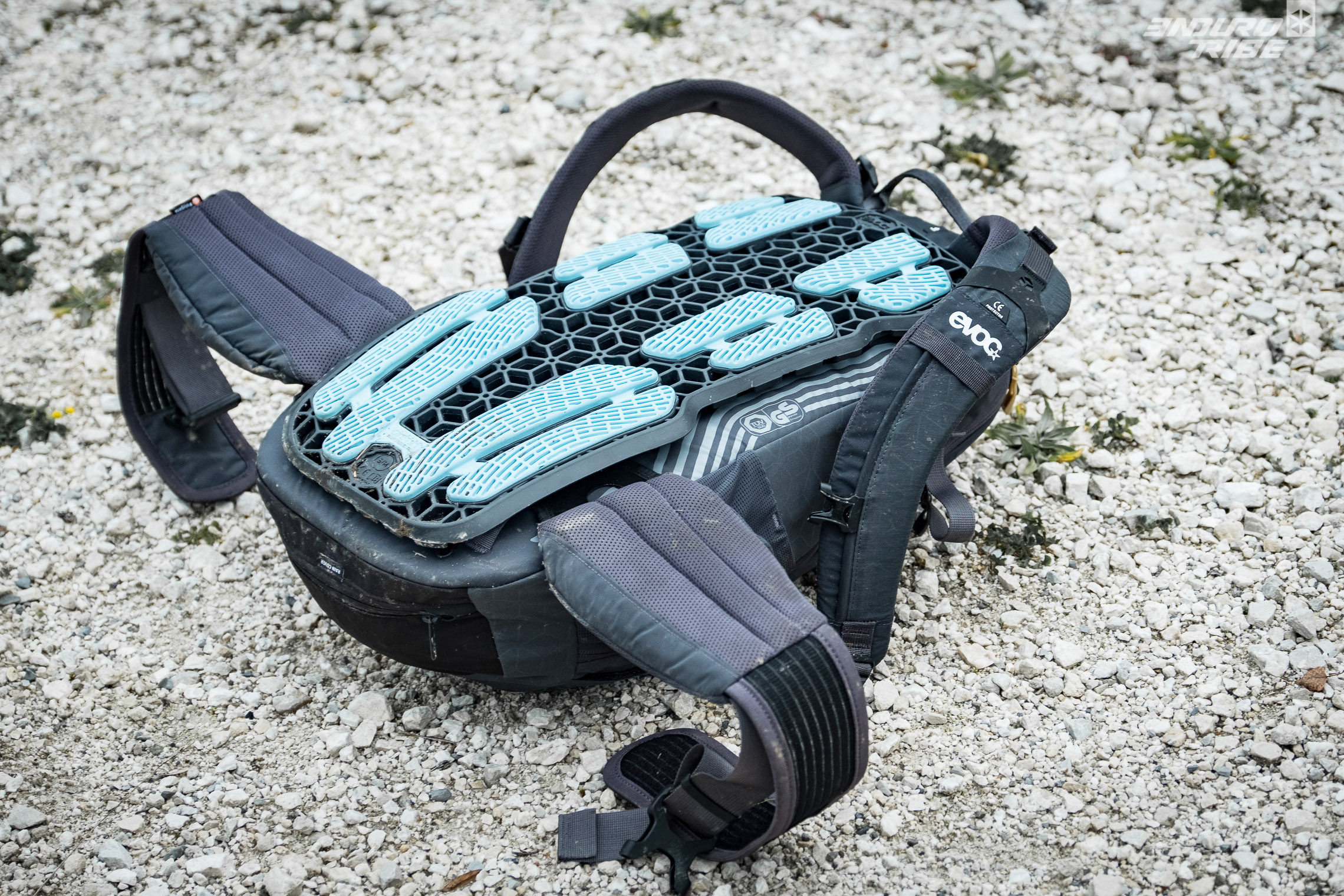
Choosing a cycling backpack requires finding the right balance between comfort, capacity, stability, rain protection, and easy access to your gear. A good bag shouldn't just carry things. It should stay securely in place, not interfere with pedaling, minimize back perspiration, and effectively protect essential items. Whether you're commuting to work, going for a sporting activity, cycling around town, touring by bike, or hiking, your needs will differ.
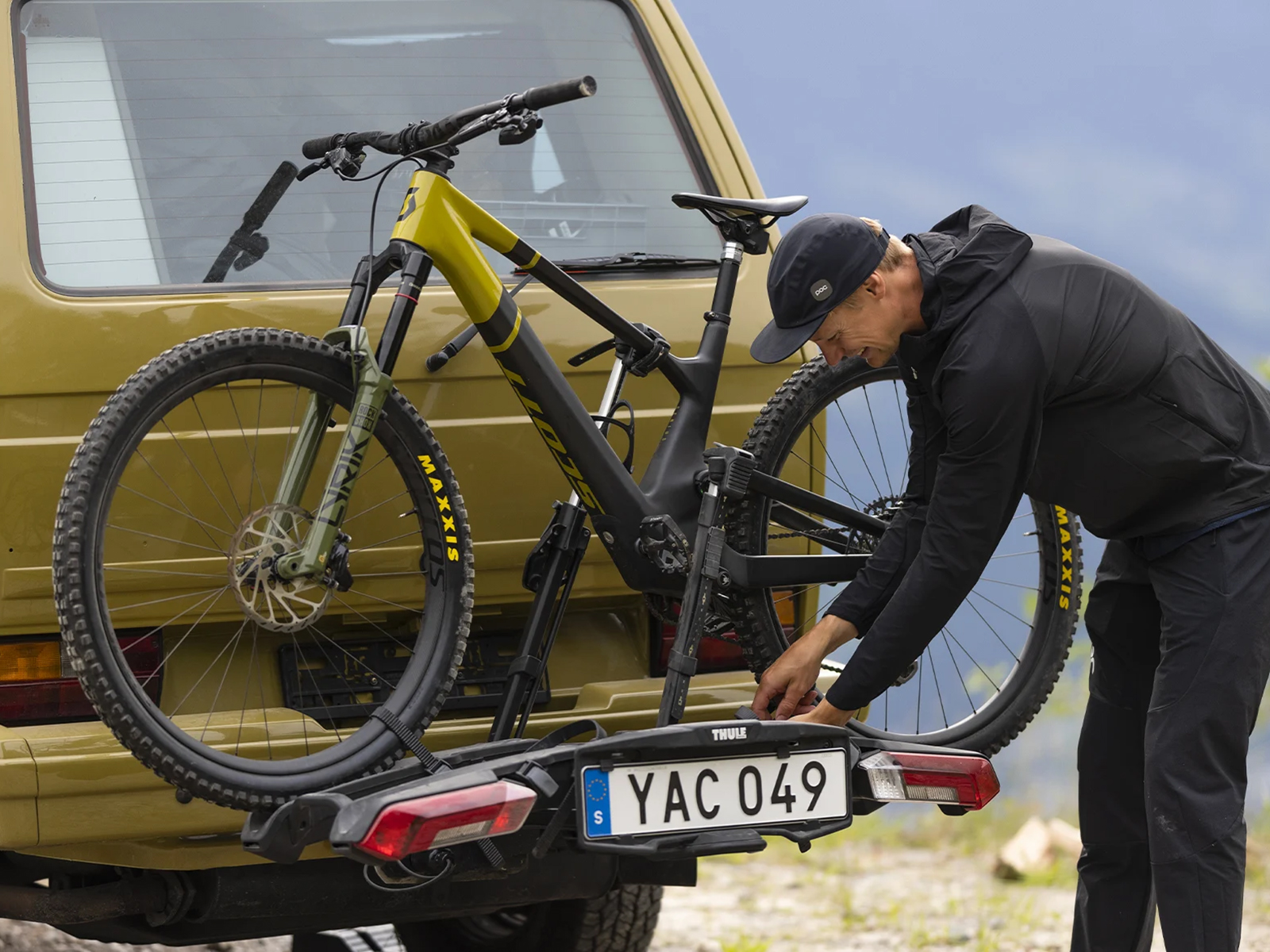
Choosing the right bike rack is essential for transporting your bikes safely, protecting your equipment, and enjoying a worry-free journey. Given the wide variety of systems available, identifying the best solution for your vehicle, the number of bikes you're carrying, or your intended use isn't always easy. Between hitch-mounted, tailgate-mounted, and roof-mounted models, there are many differences in terms of load capacity, ease of installation, compatibility, and user-friendliness.
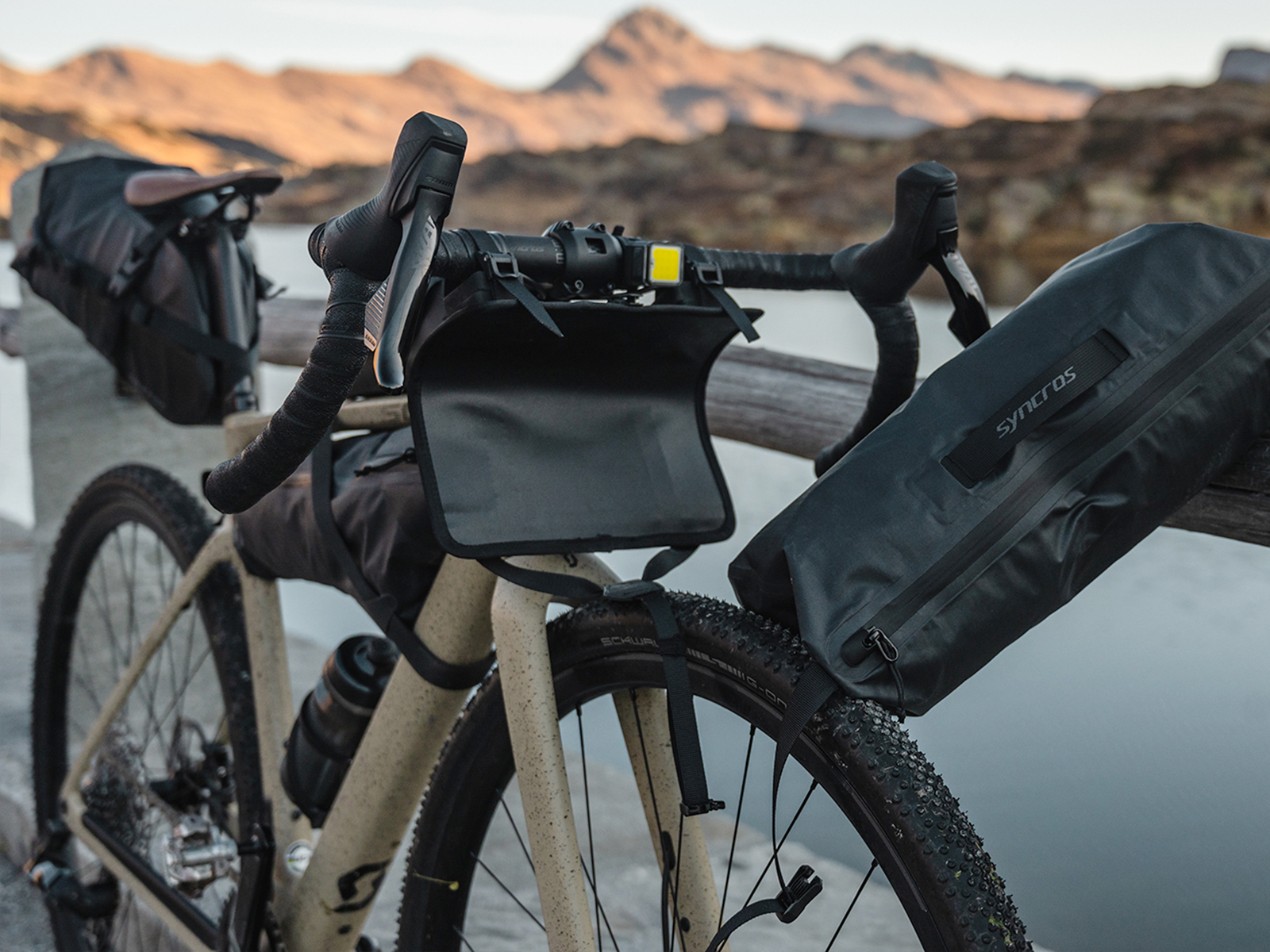
Bikepacking is an adventure cycling practice that involves traveling independently with a lightweight load attached directly to the bicycle. Unlike traditional cycle touring, which uses racks and large panniers, bikepacking favors compact bags distributed across the frame , handlebar , and tige de saddle . This approach allows for a bike that remains agile, efficient, and suitable for varied terrain, whether roads, tracks, forest paths, or trails.
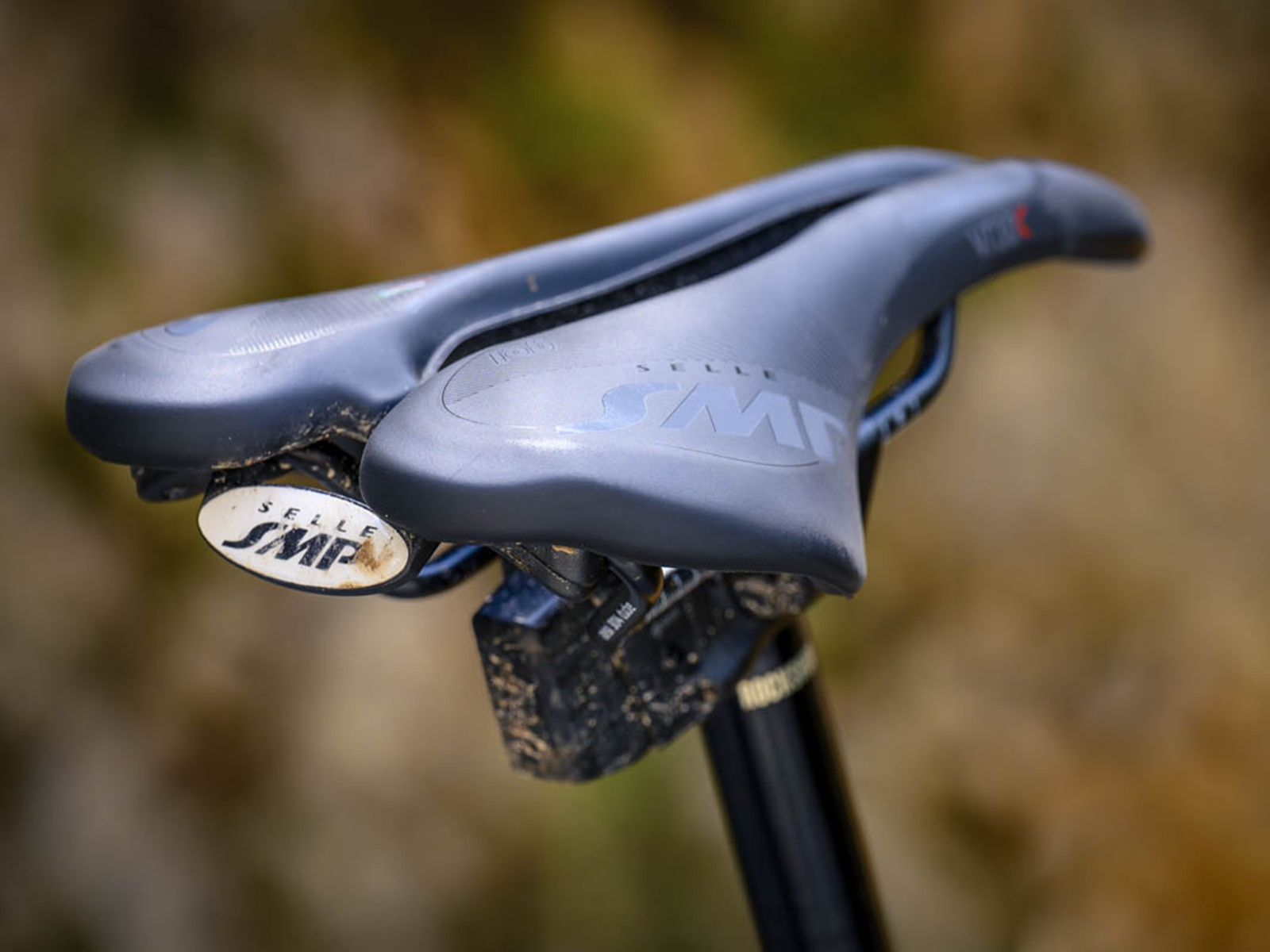
Choosing the right saddle is one of the most important factors in improving comfort, performance, and enjoyment of off-road riding. An unsuitable saddle can cause pelvic pain, chafing, numbness, or reduced pedaling efficiency. Conversely, a well-chosen saddle allows for better power transfer, maintains a stable position on the bike, and lets you fully enjoy your rides, whether it's trail riding, cross-country, enduro, or downhill. The shape, width, padding, materials, and type of riding all directly influence the choice. Therefore, it's essential to consider your body type, riding style, and riding habits before making your selection.